
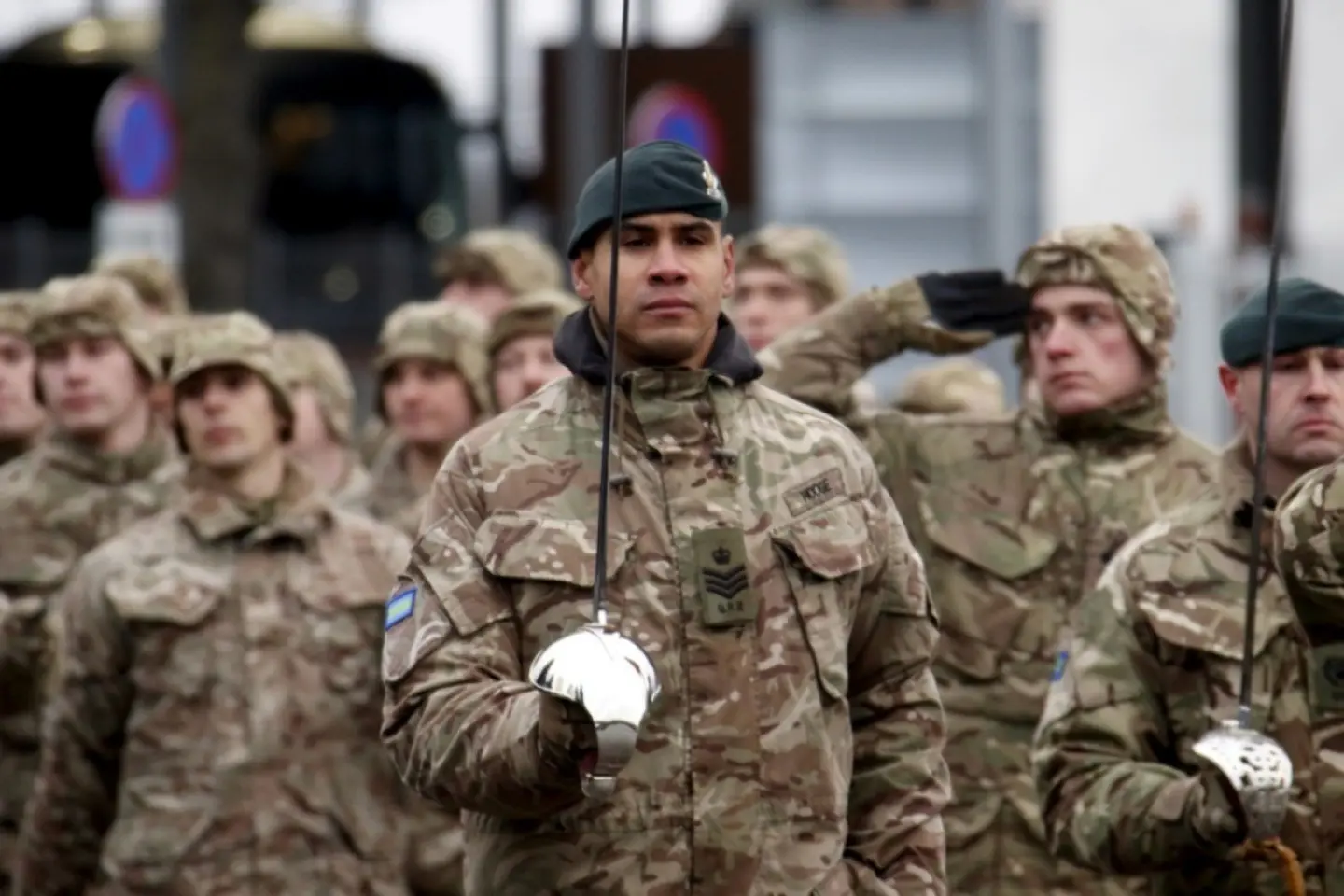
The Estonian border-city of Narva is seen as one of the places where Moscow may try to test NATO by launching a limited attack. As the region surrounding it, Narva has a large Russian-speaking population and is already a battleground for hearts and minds between the East and the West.

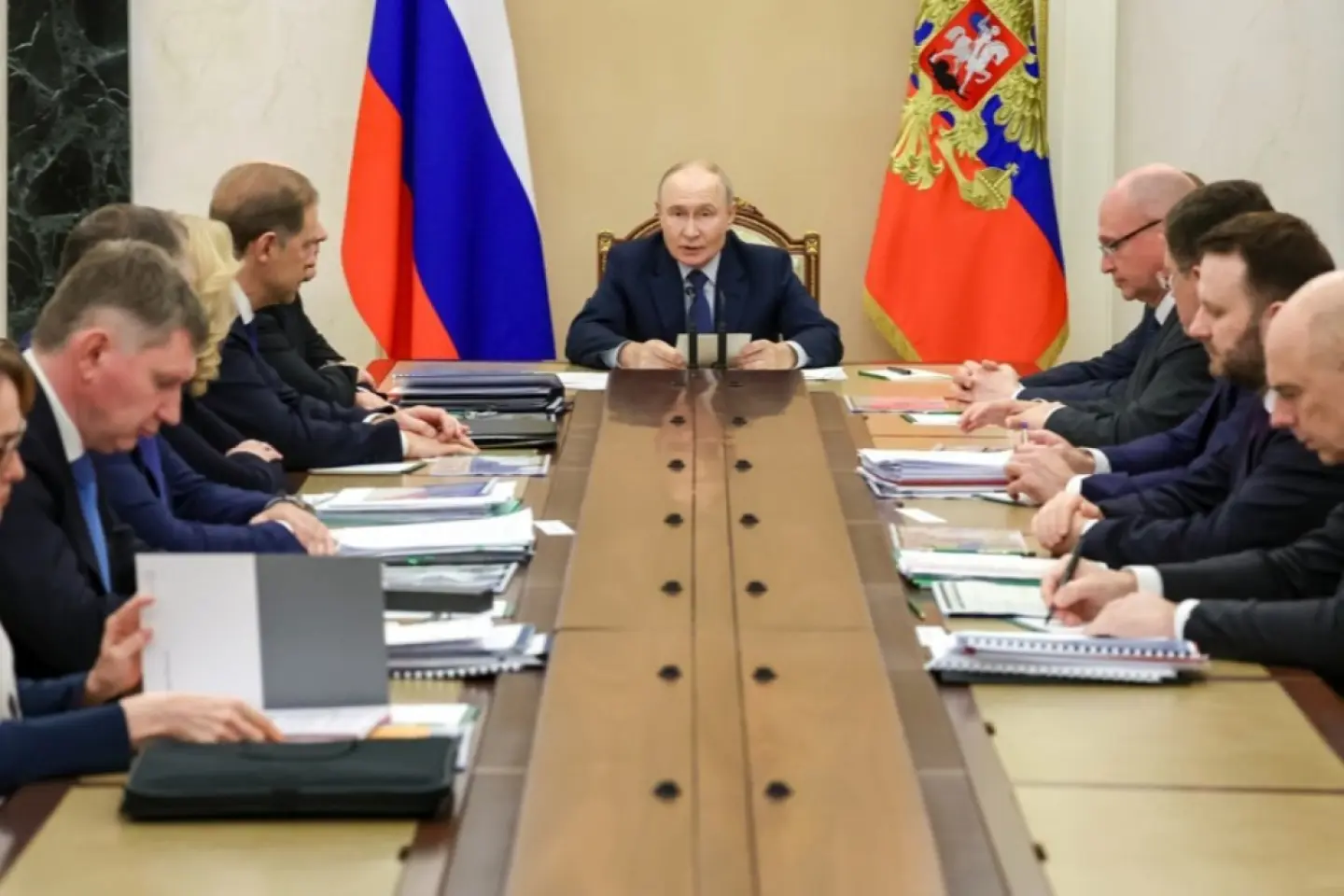
Previous three-year plans repeatedly suggested that extraordinary military spending would eventually subside. The new document instead finances a prolonged confrontation with increasingly expensive and inflexible resources.

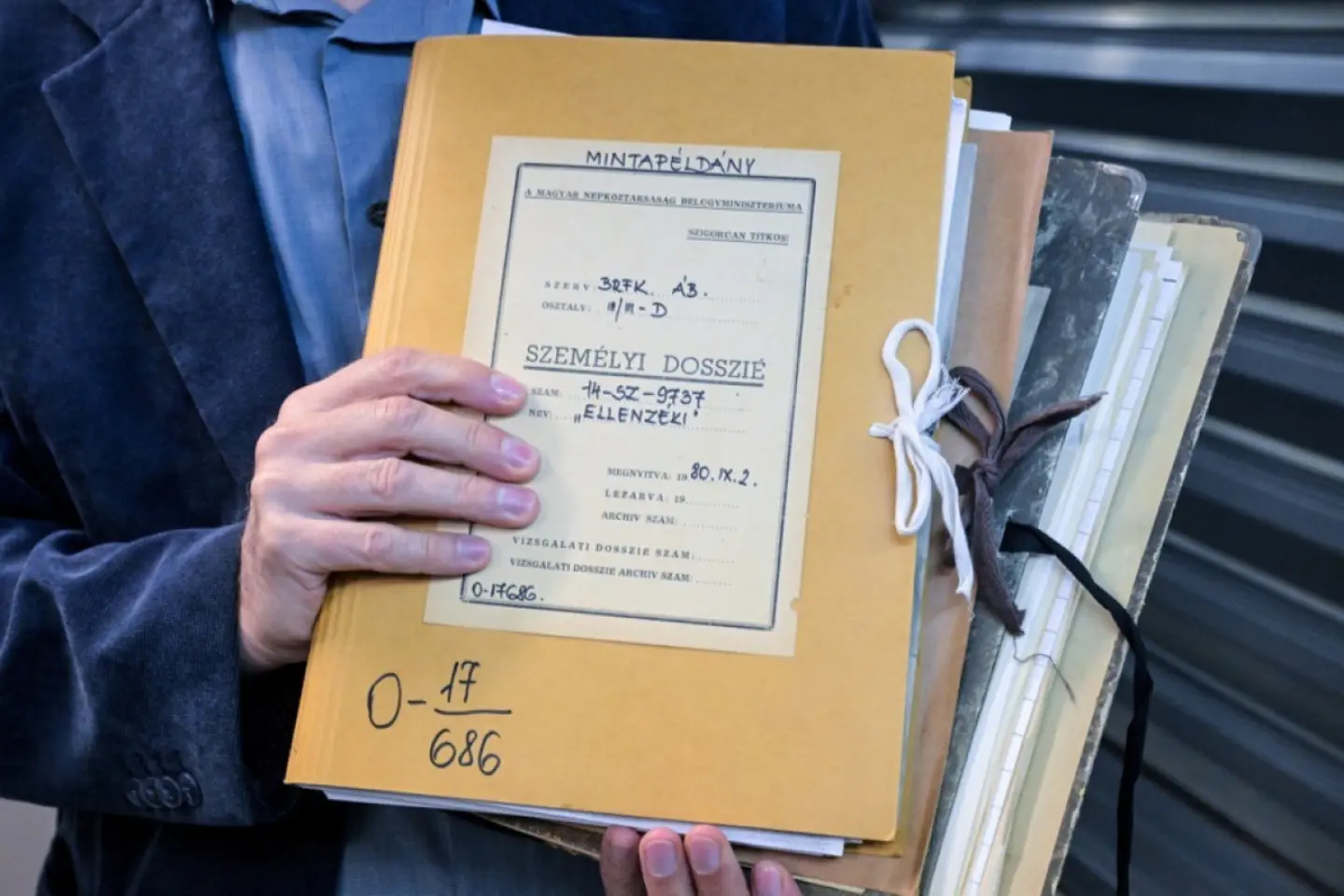
Nearly four decades after the fall of communism, Hungary has still not declassified the archives of the former state security. Several governments—including the current one led by Péter Magyar—have promised to do so, but the process is not quite as simple as it seems, as the experience of other former communist countries demonstrates.
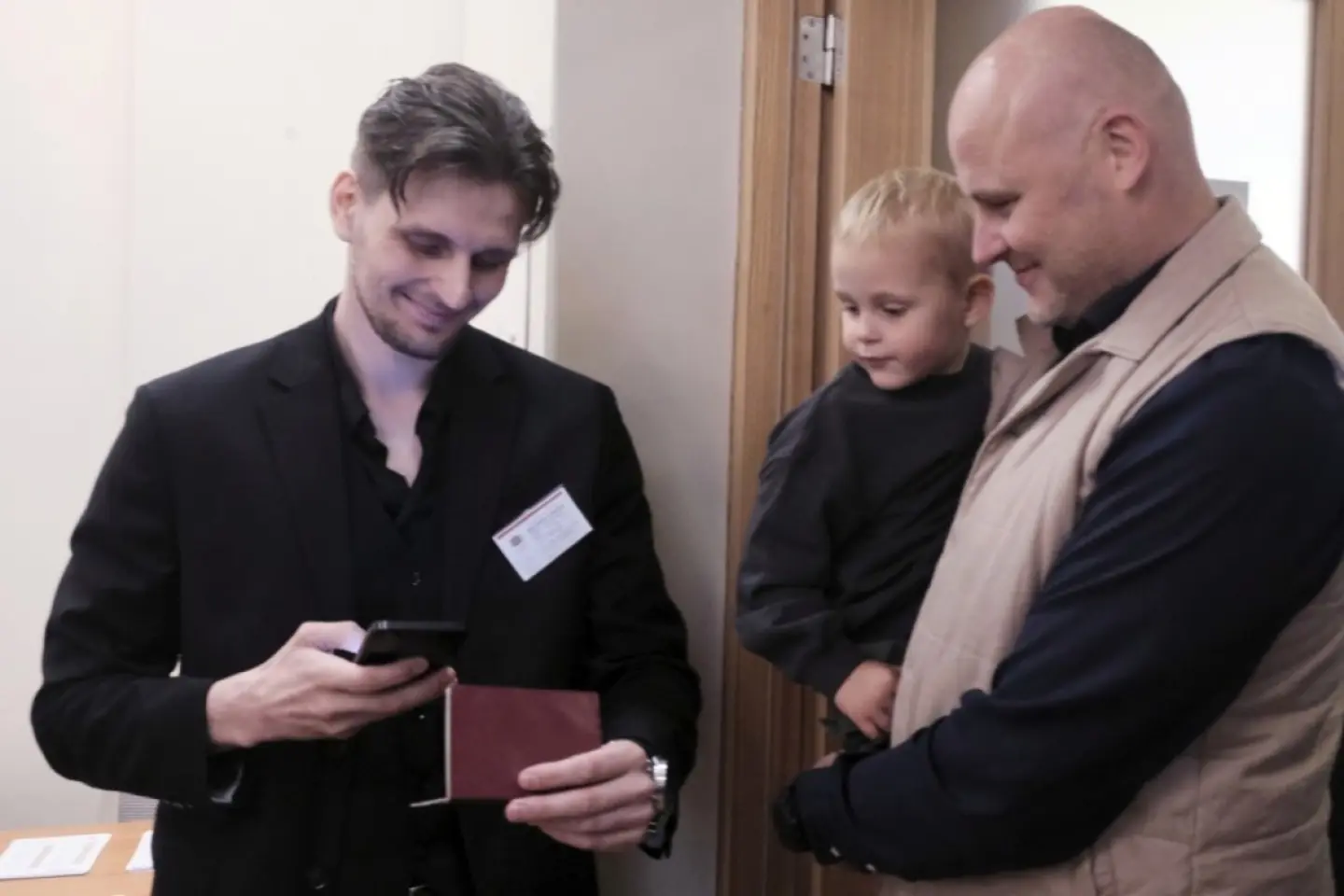
The “United List” alliance, led by Prime Minister Andris Kulbergs, has achieved a historic, major triumph in the Latvian parliamentary elections. However, the victory brings with it a burden of responsibility: while pursuing a pro-Western course, economic problems are compounding an increasingly tense geopolitical situation.
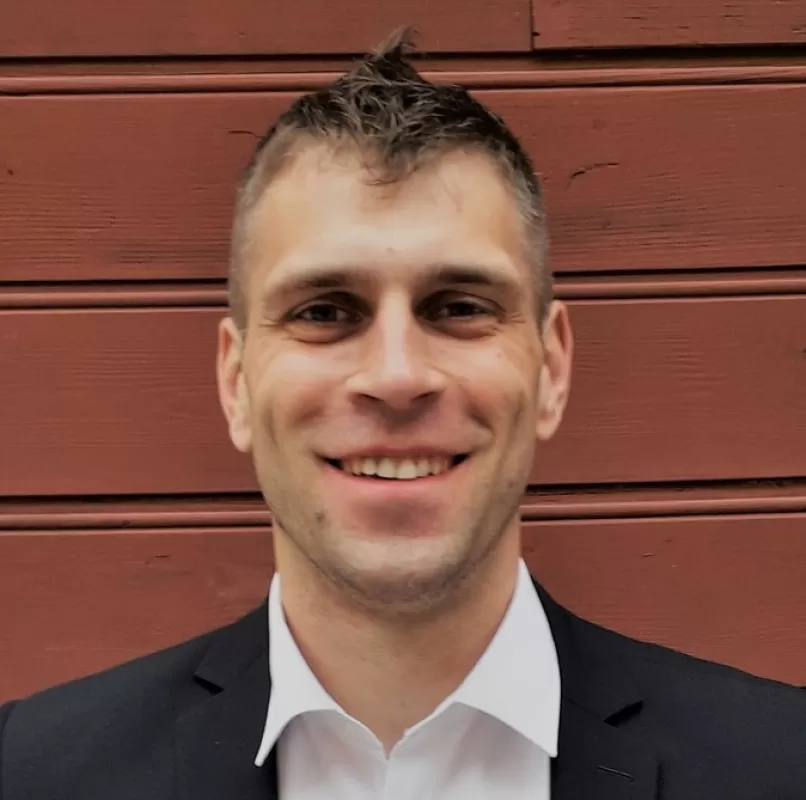
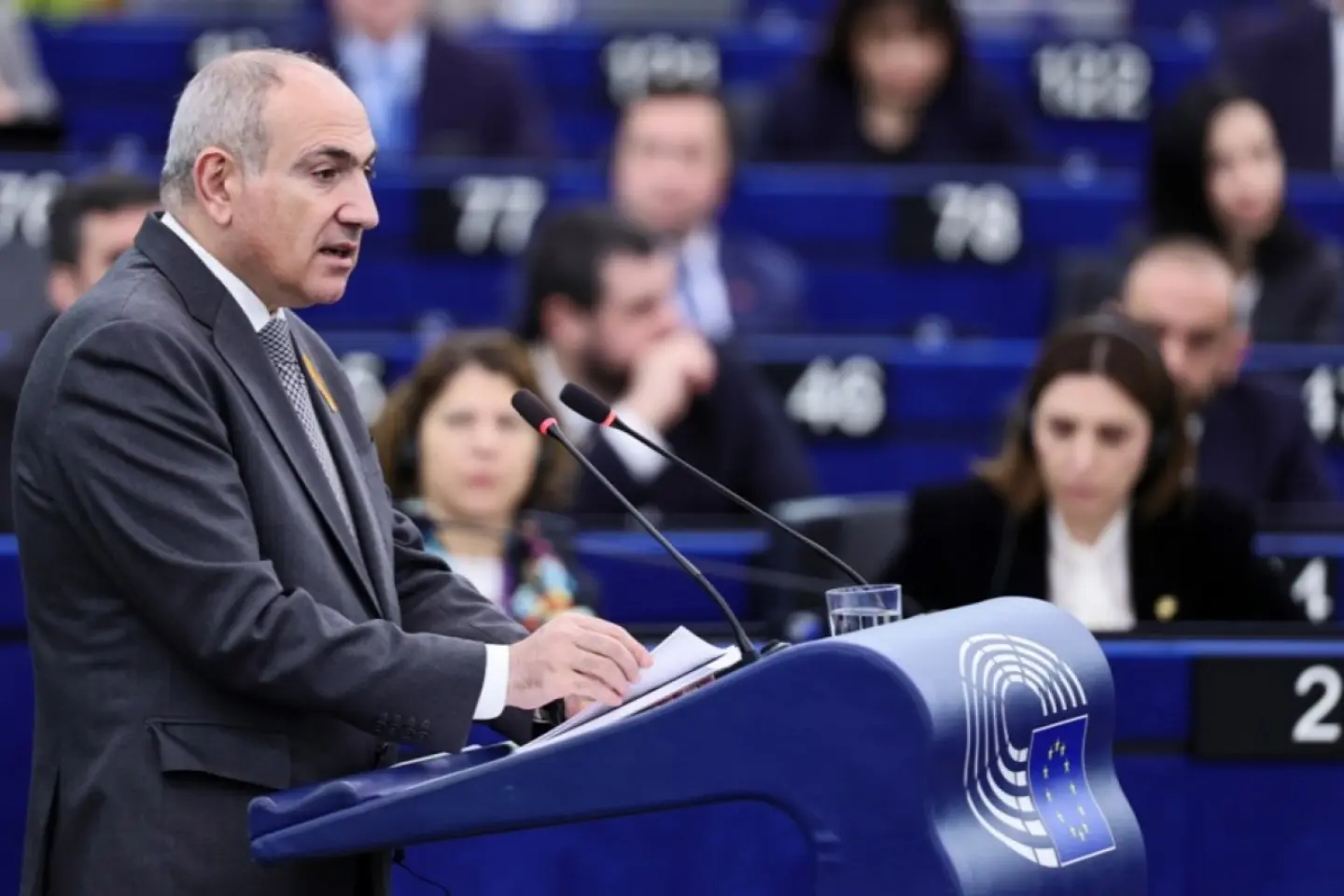
Armenia’s drive away from Russia’s sphere of influence and towards an EU future is being challenged by a wave of pro-Russian narratives, as well as security and economic constraints.

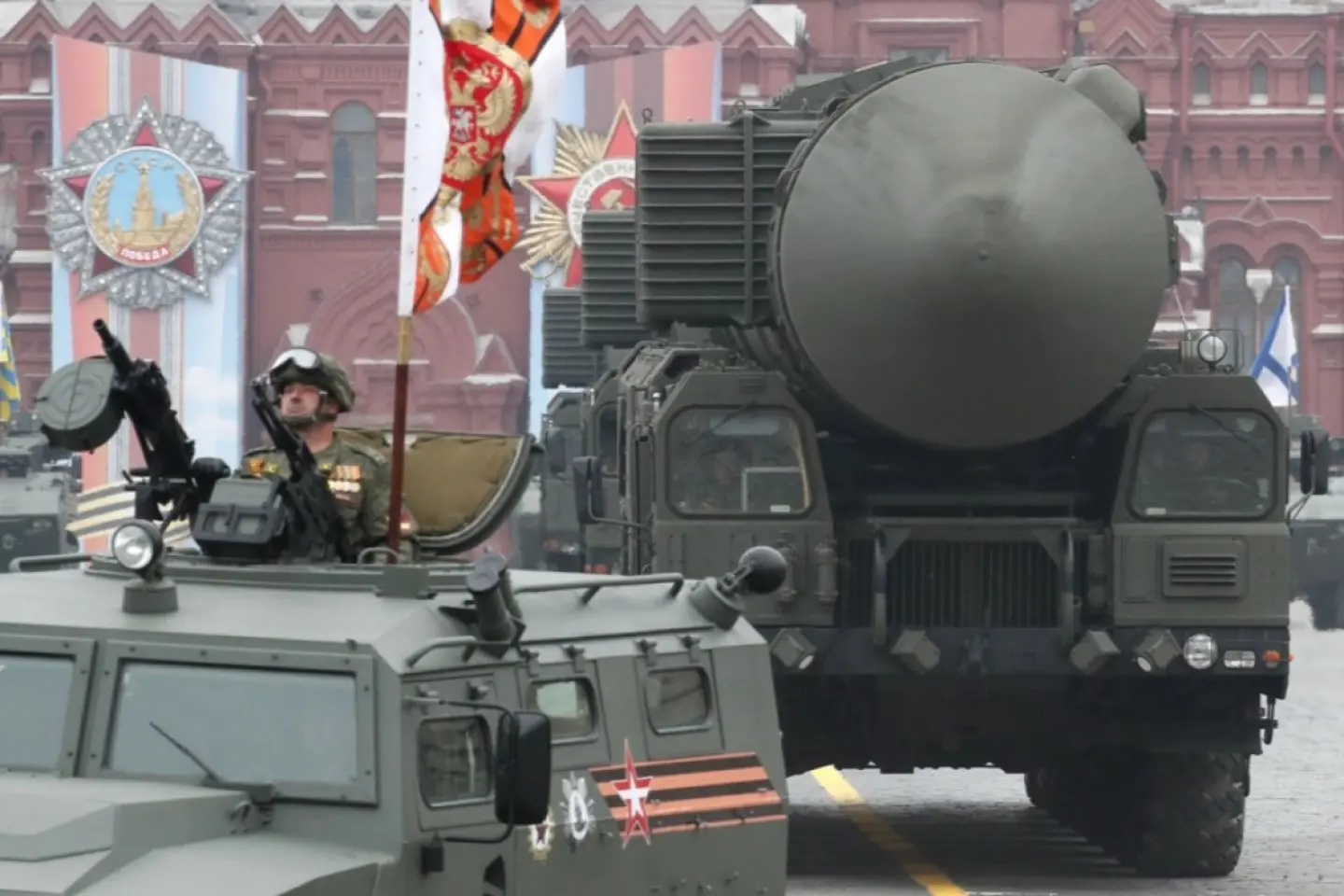
There are increasing warnings that Moscow might consider attacking a NATO state. The state of the Russian economy and military suggests that, at least for the moment, Russia is incapable of waging a conventional war against NATO. A far more likely scenario is a step up of the hybrid war Russia is waging against the West.
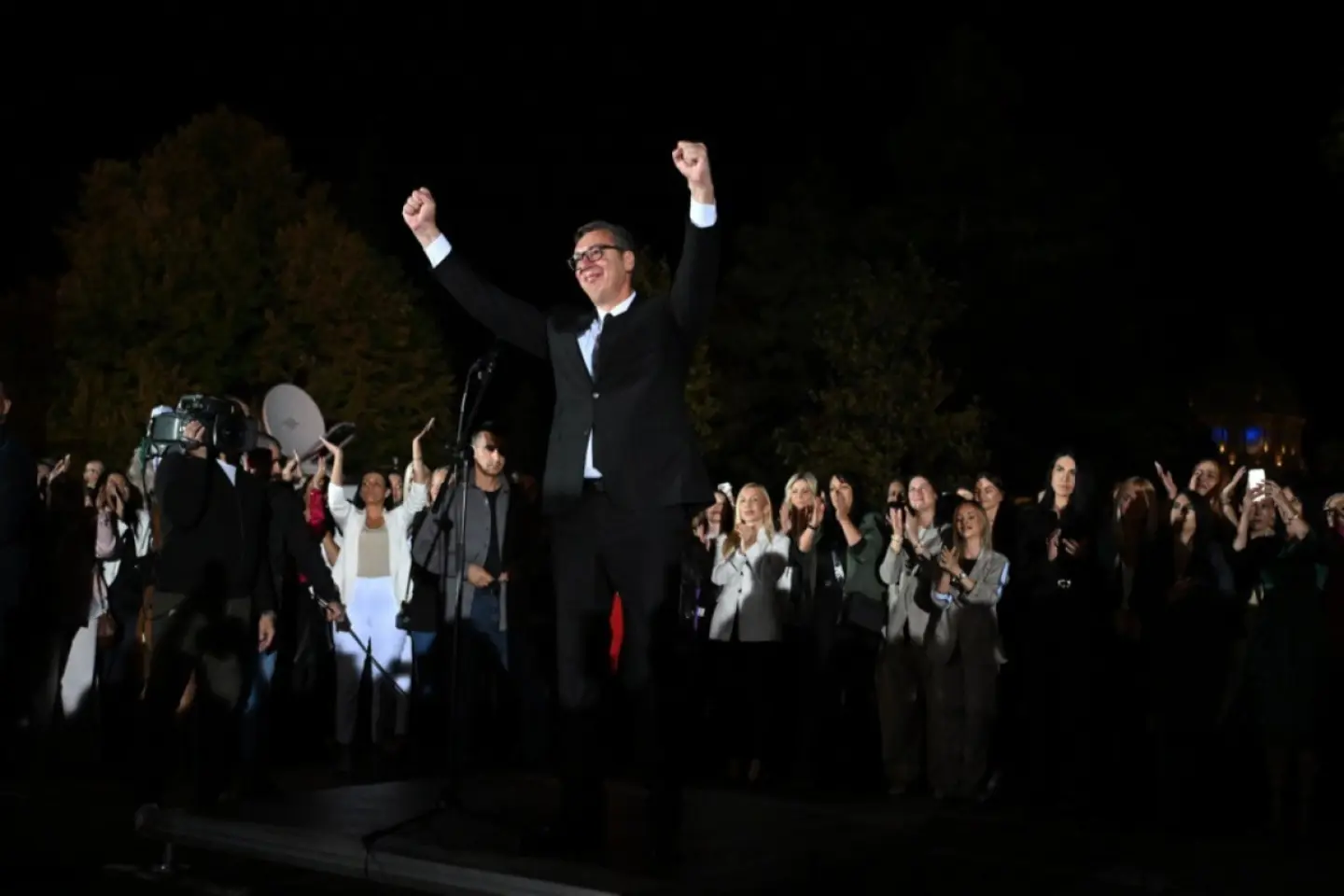
Long time Serbian leader Aleksandar Vučić called for snap parliamentary elections, which would be soon followed by presidential elections, in an attempt to extend his 14 years hold of power. His gamble might backfire, as the opposing Student list has a good chance of beating Vučić’s party.

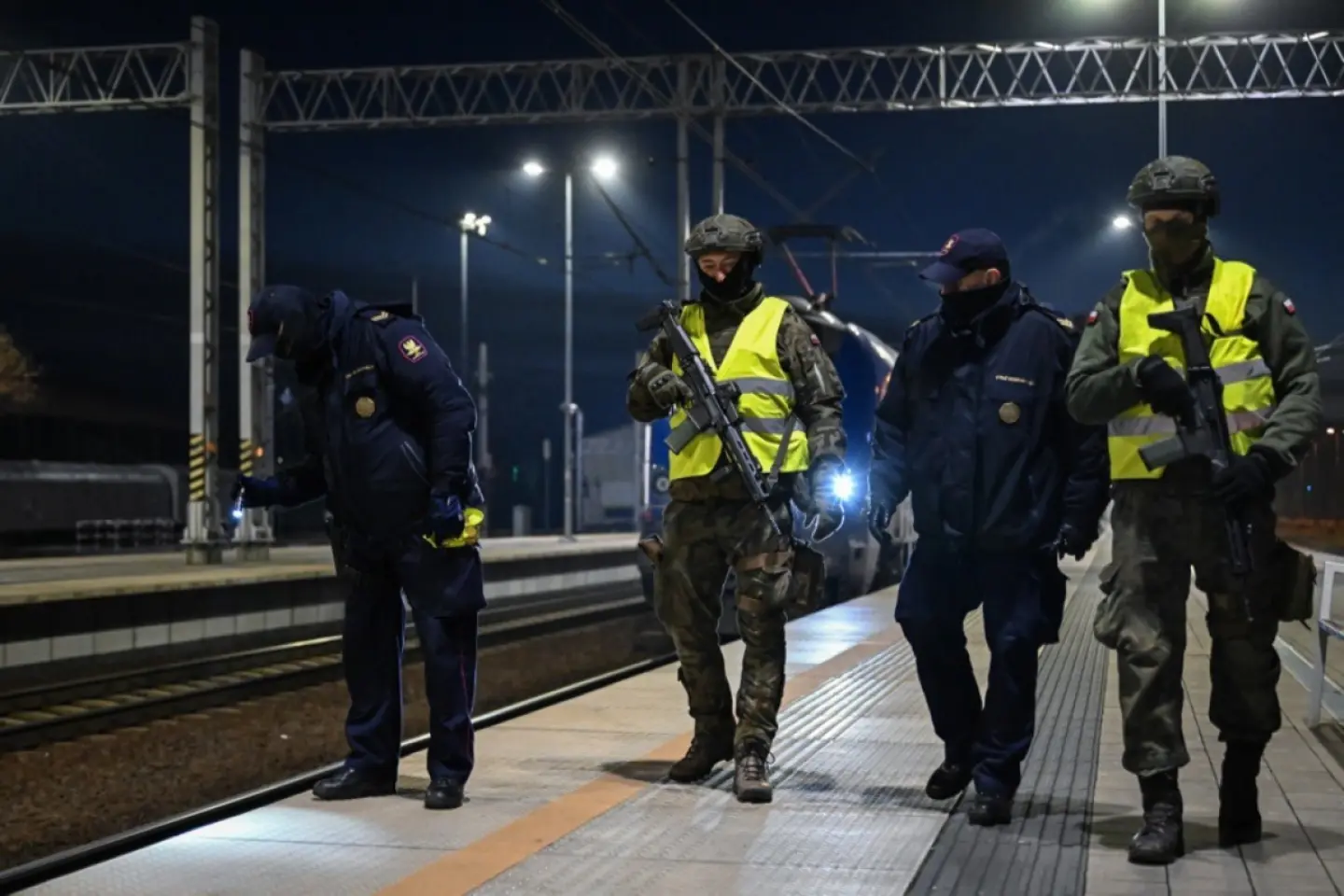
A drumbeat of Russian probes along NATO's eastern flank is testing Warsaw's nerves – and its air defences – just as the alliance debates how to answer.
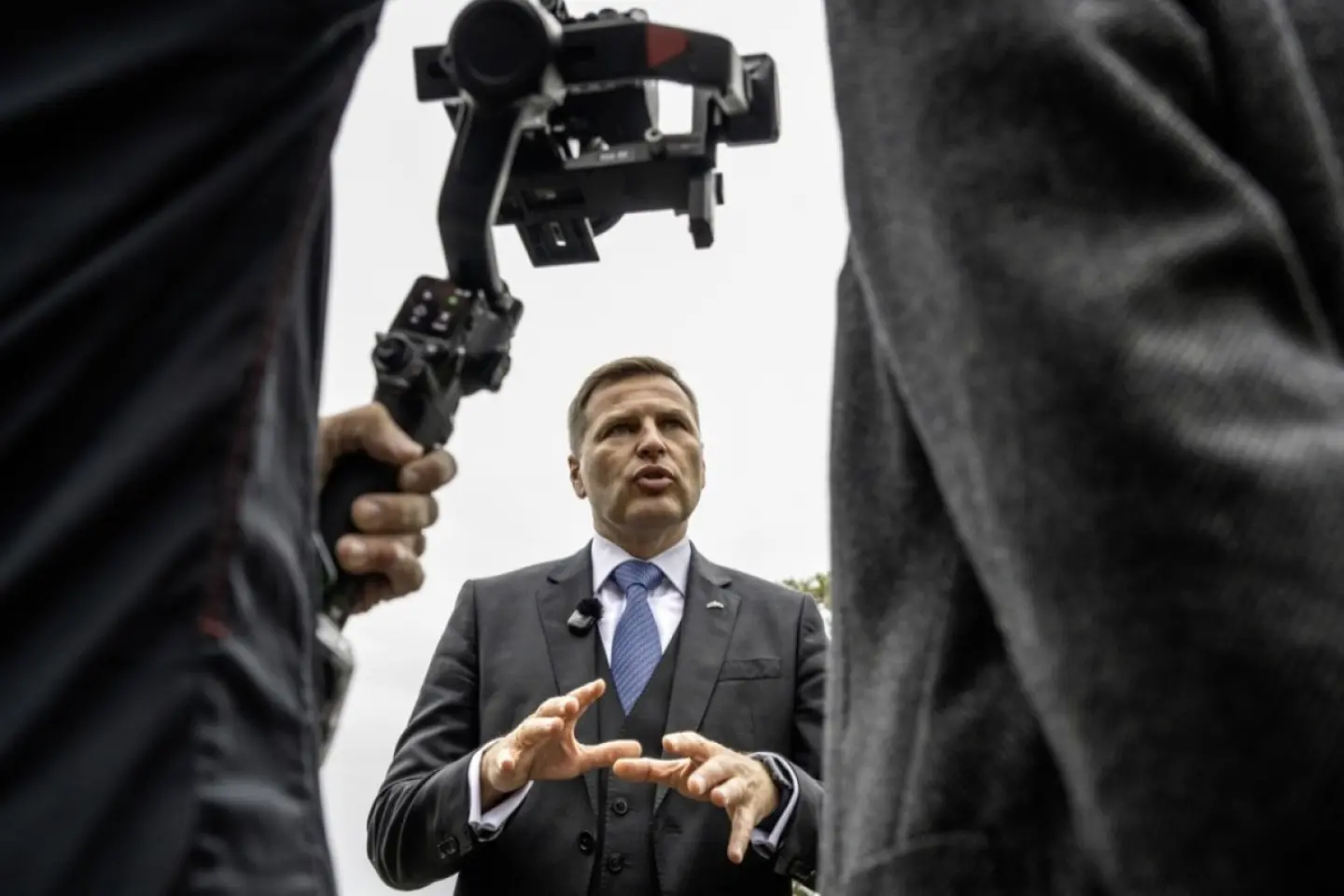
Estonia’s popular Defence Minister resigned after it emerged that the ministry had bought from an Indian-owned Italian company ammunition that was never delivered. The ammunition was supposed to be transferred to Ukraine.
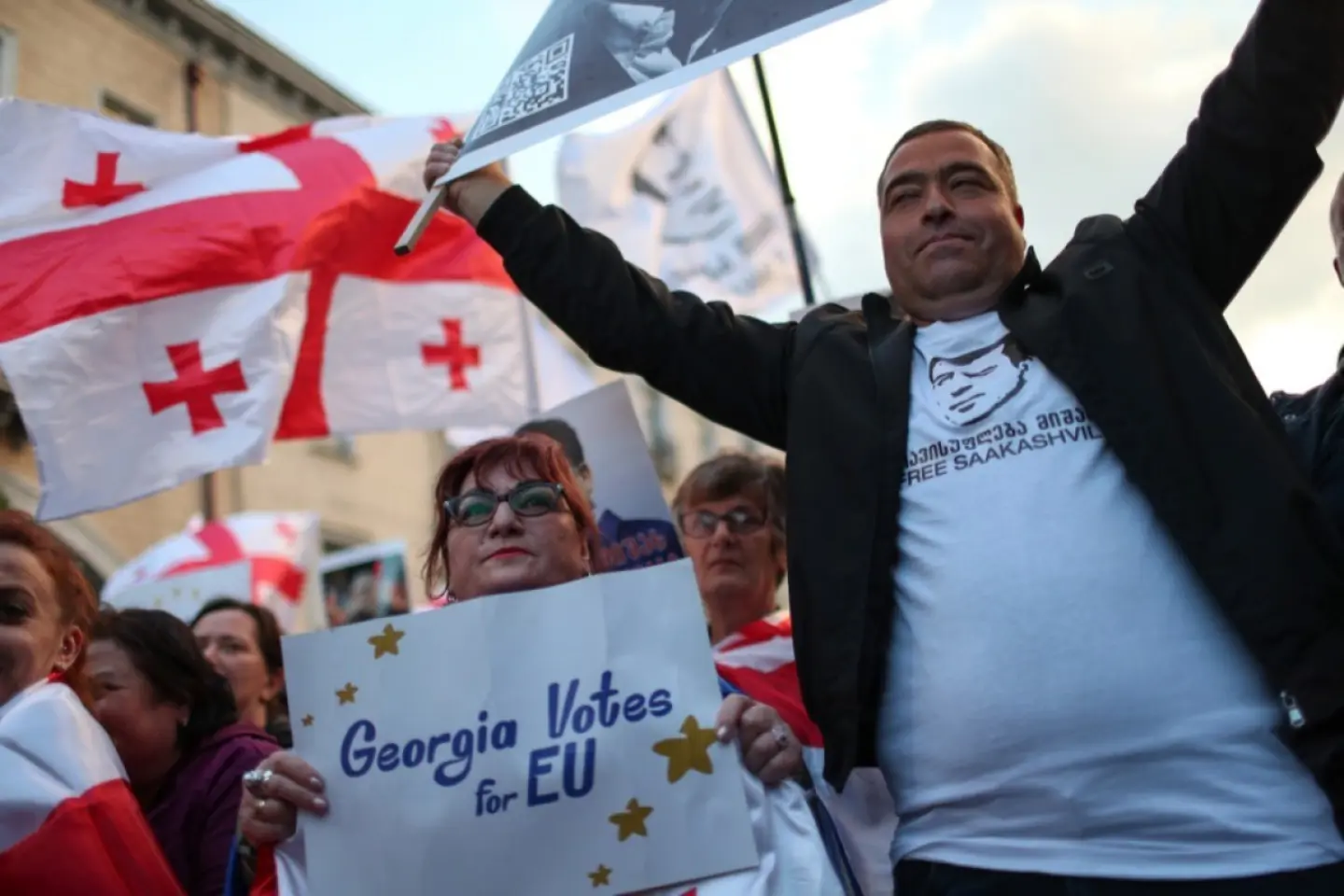
The 1783 Treaty of Georgievsk marked the beginning of a process that would make Georgia part of the Russian empire. Officials of the ruling Georgian Dream are now praising the treaty as they try to justify Tbilisi’s turn away from the West and towards Russia.

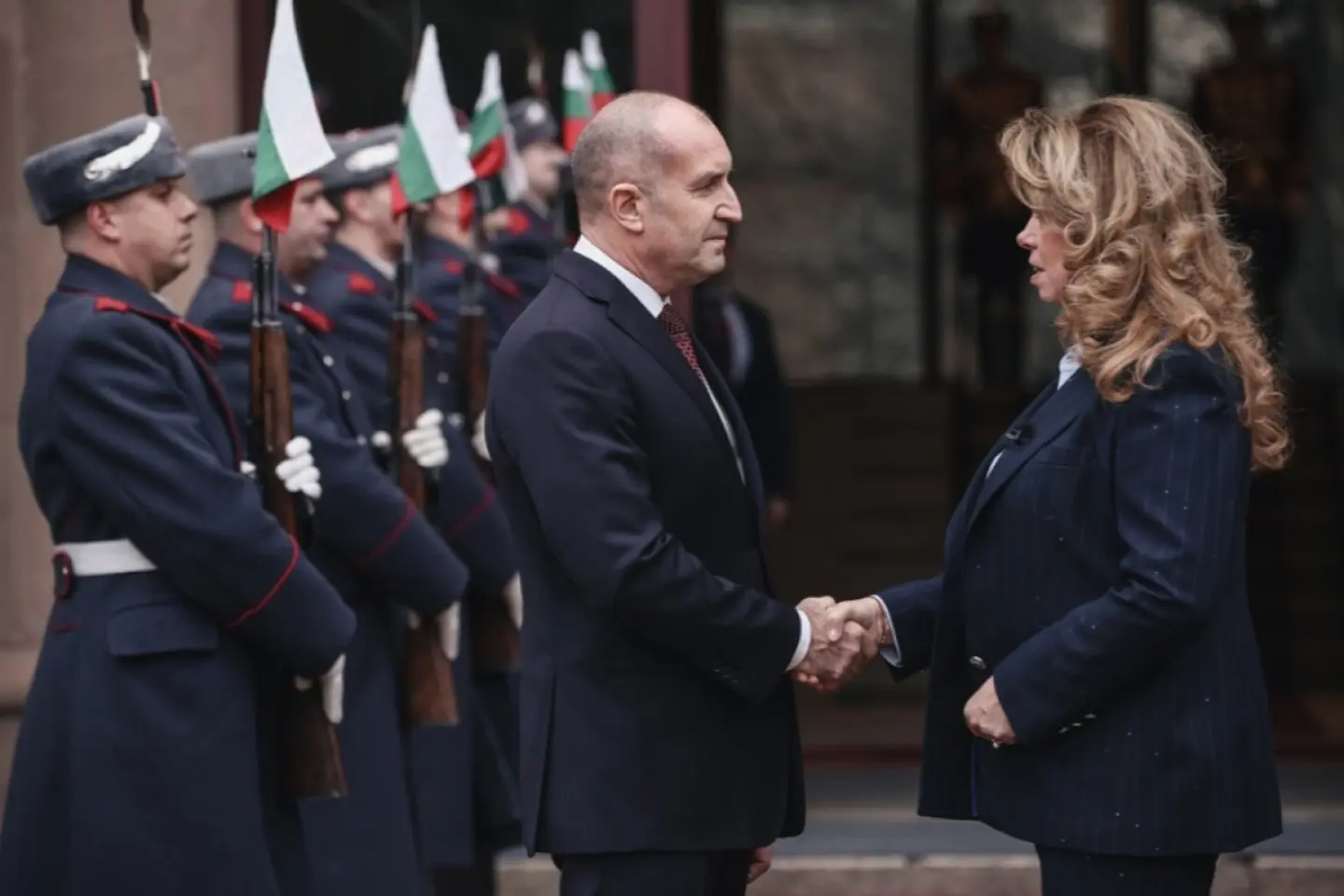
Bulgaria’s former President and current Prime Minister Rumen Radev broke the country’s years long political stalemate by winning the parliamentary elections with his newly established Progressive Party. The party now has its eyes on the coming Presidential elections, backing Radev’s close associate Iliana Iotova.

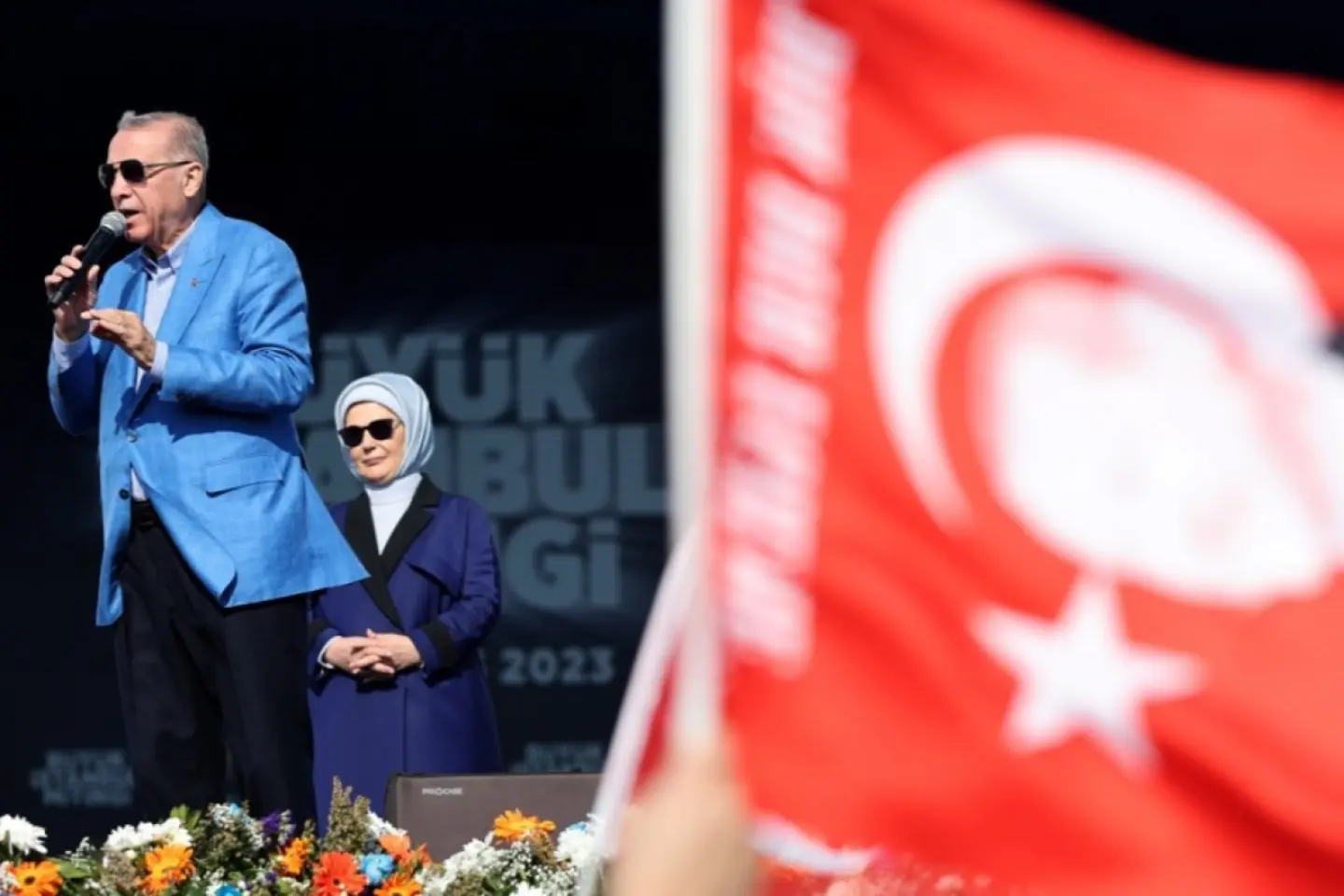
Nationalist and conservative populism, the capture of the judiciary, and the "neutralization" (rather than elimination) of civil society and the opposition can transform a democracy into an authoritarian regime. This has already happened in several countries, including Turkey. Elements of this toxic cocktail for democracy can already be seen in Romania as well.
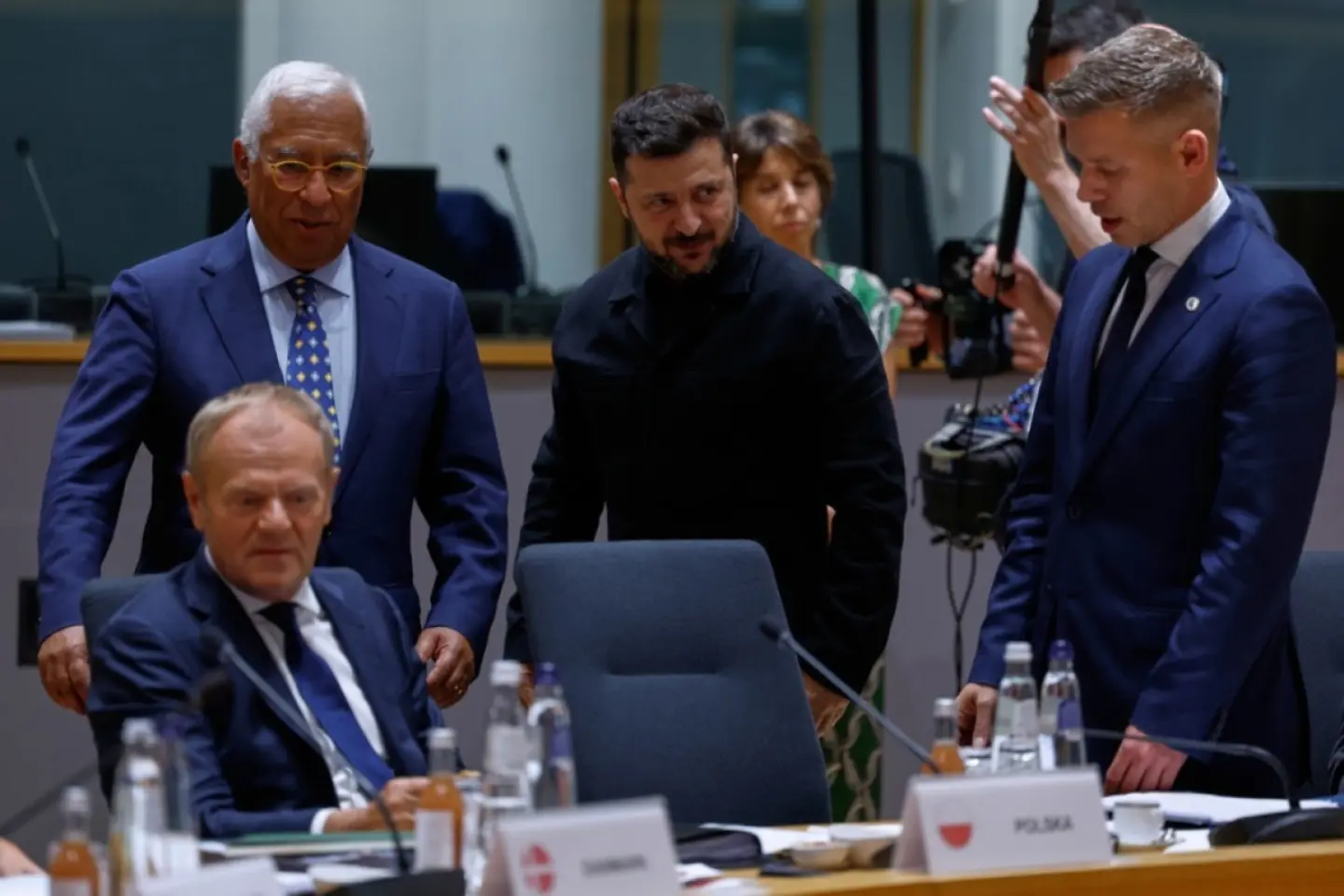
Hungary’s Peter Magyar has been dismantling the system left behind by his predecessor Viktor Orbán while reversing some of the Orbán policies formerly criticized by the EU. Is this a real re-alignment with Brussels, or just some negotiating tactic aimed at securing the release of frozen EU funds?
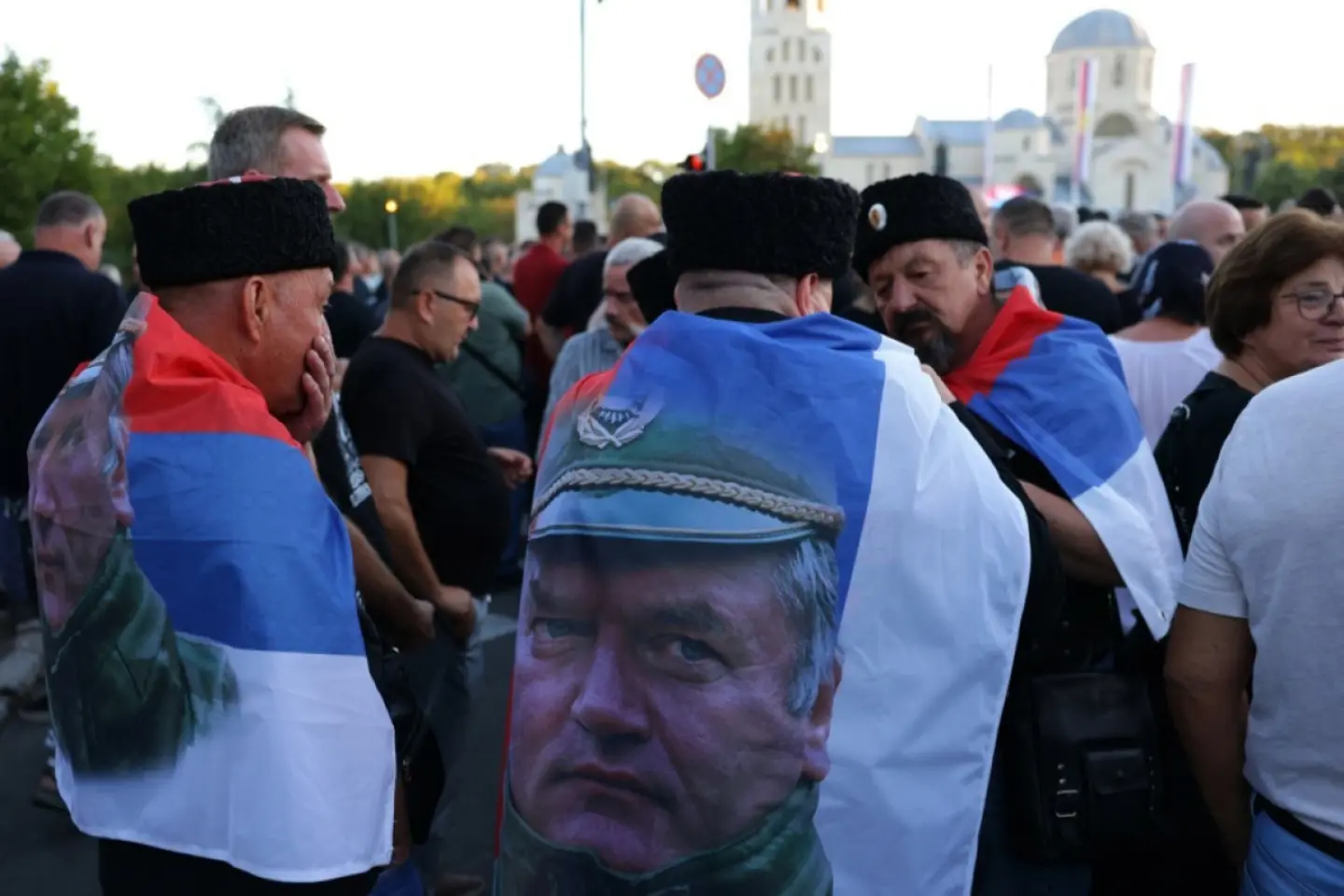
Infamous war criminal Ratko Mladić did not get official state funerals in Serbia, but Belgrade made it quite clear that it was honoring the former commander of the Bosnian Serb army. It was yet another step away from the EU, which Serbia claims it wants to join.
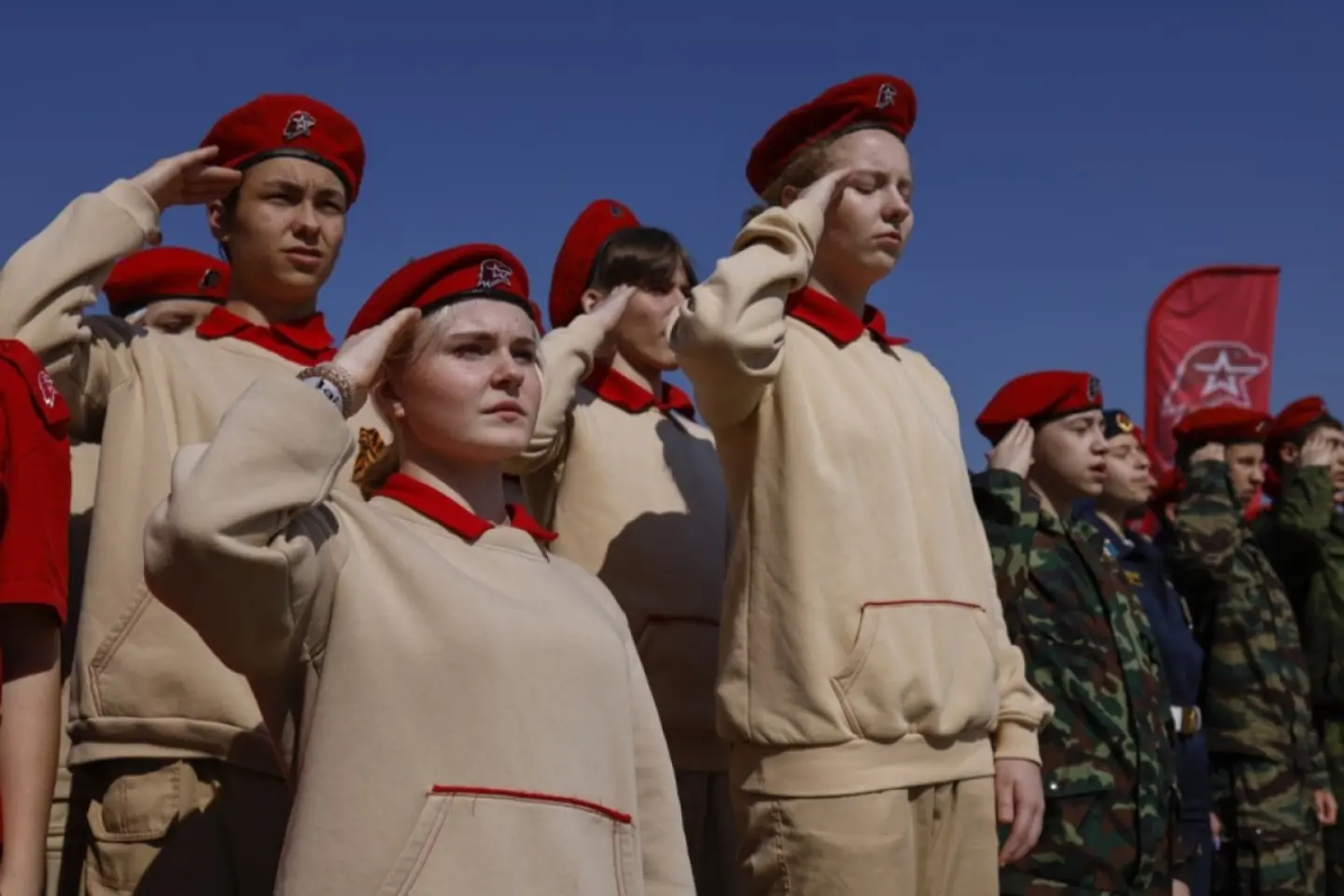
The Russian state is embedding war into the routine of growing up, lowering the threshold of habituation to violence, obedience and the official language of war.
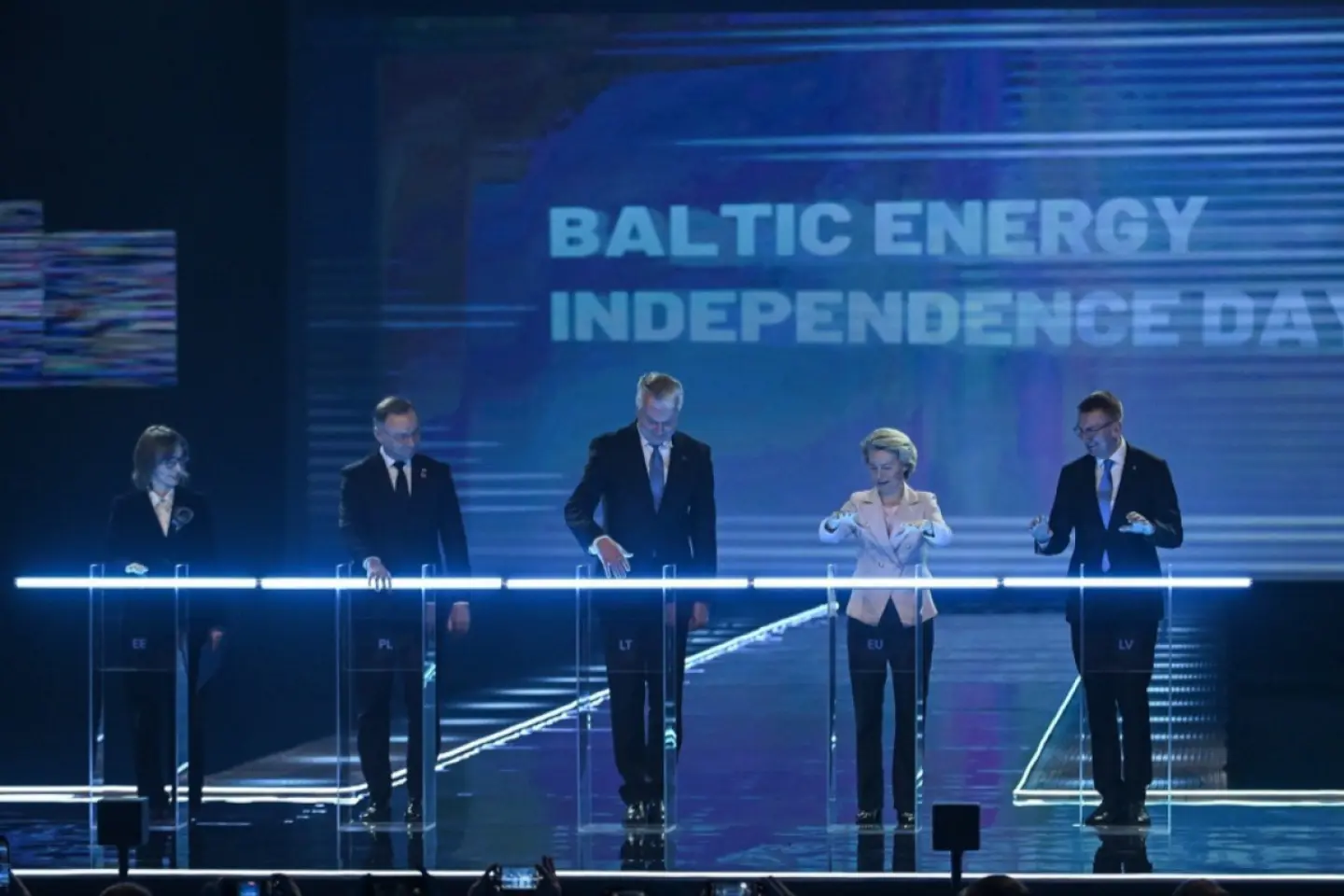
The Baltic countries have already demonstrated their economic independence and competitiveness as members of the European Union. What they are now asked to do is prove their ability to withstand Russia's hybrid attacks.
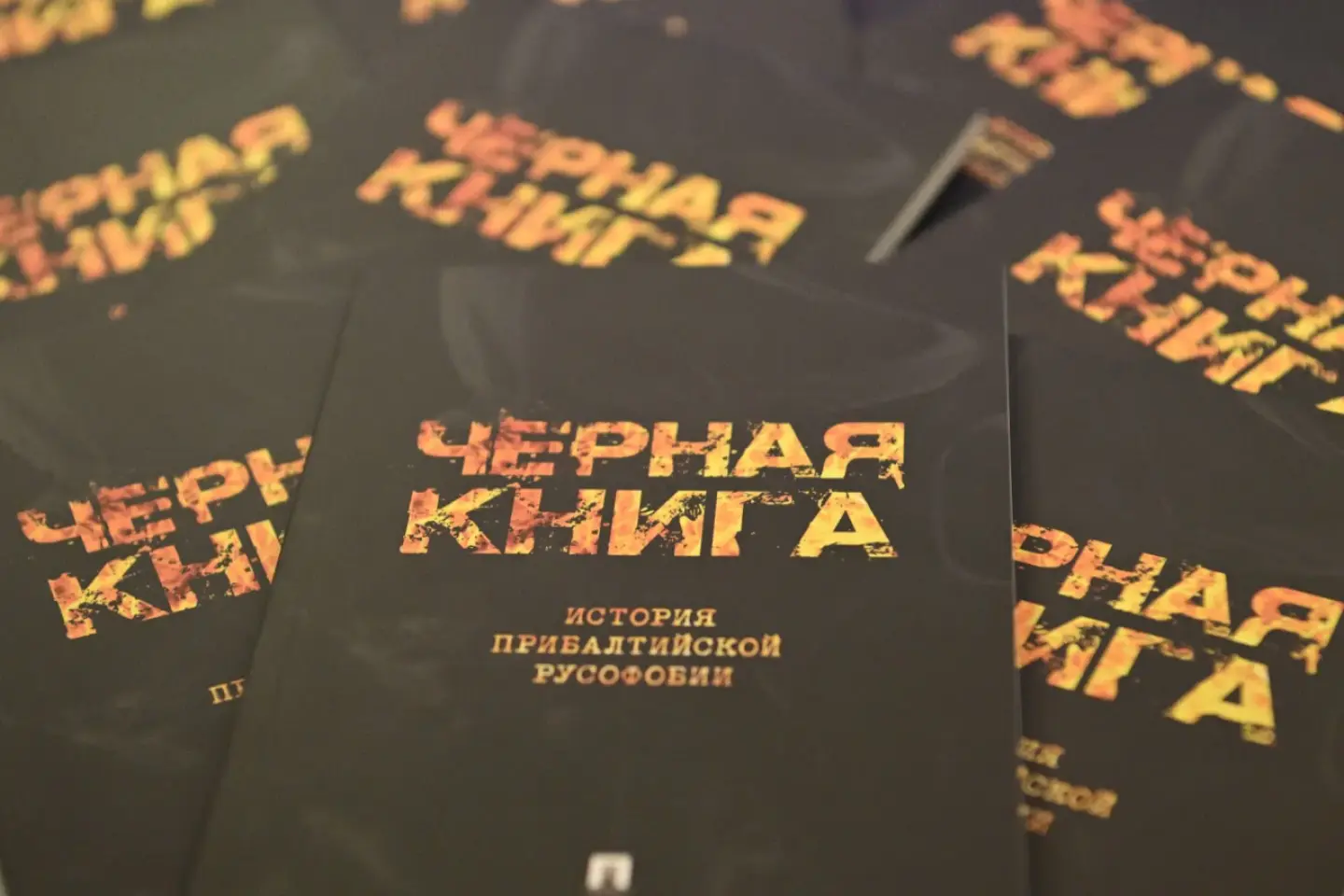
2026 marked the intensification of the Kremlin’s hybrid aggression against the Baltic states. Provocations against politicians and civil activists, mass attempts of illegal migration, organisation of pro-Russian political movements – these are only some of the tools used by the Kremlin to destabilise the Baltics.
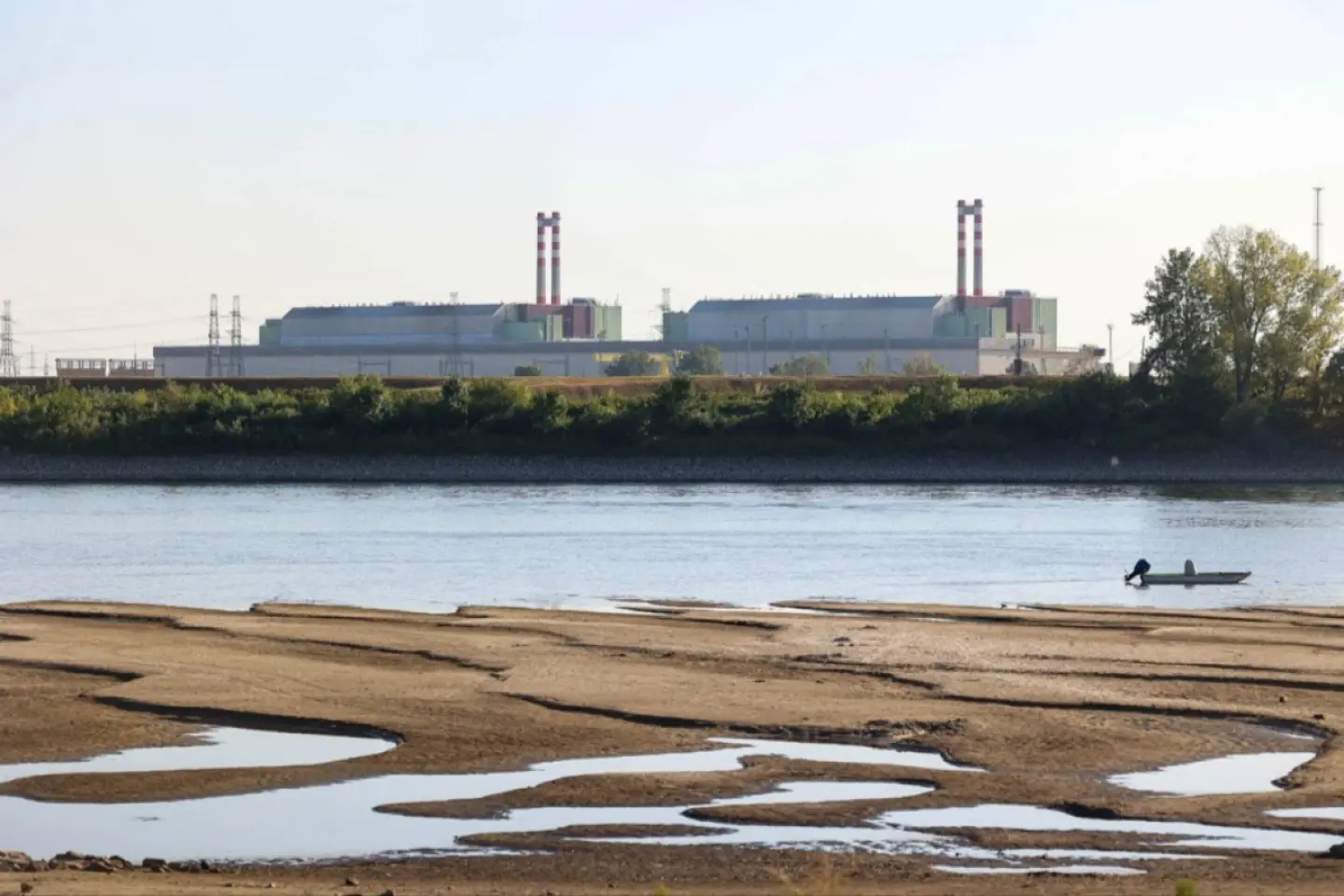
The Rock of Starvation has been portent of doom in Hungary for centuries, only appearing when the Danube falls low enough to halt mills, bringing famine. But what this summer’s extremely low water level revealed was not just the Danube’s bed, but also the lack of transparency of the Péter Magyar government.
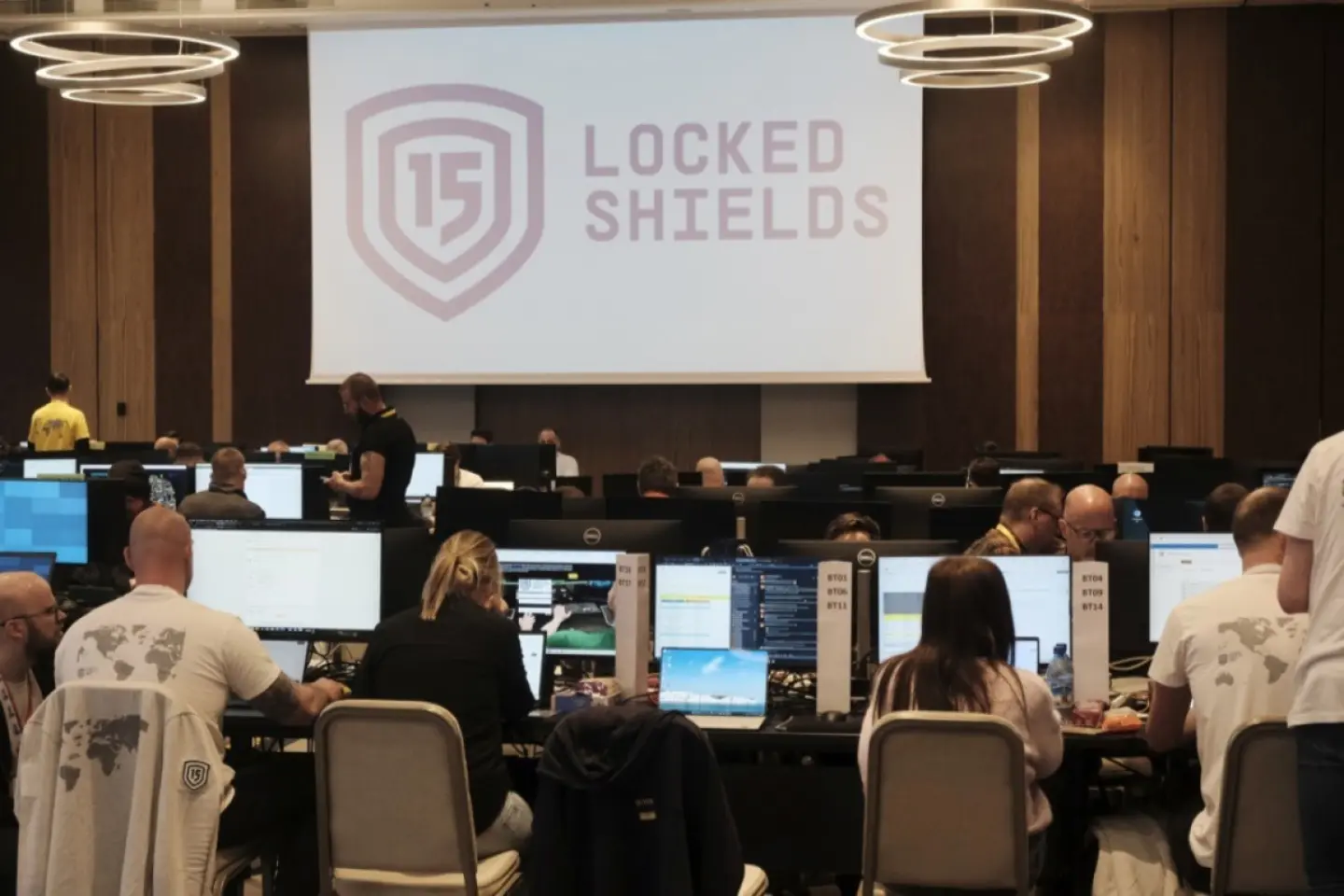
The Baltic states bordering Russia have repeatedly become targets of hybrid attacks by their eastern neighbour. A fire at a defence company in Tallinn that supplies equipment to Ukraine has once again highlighted the existing threat.
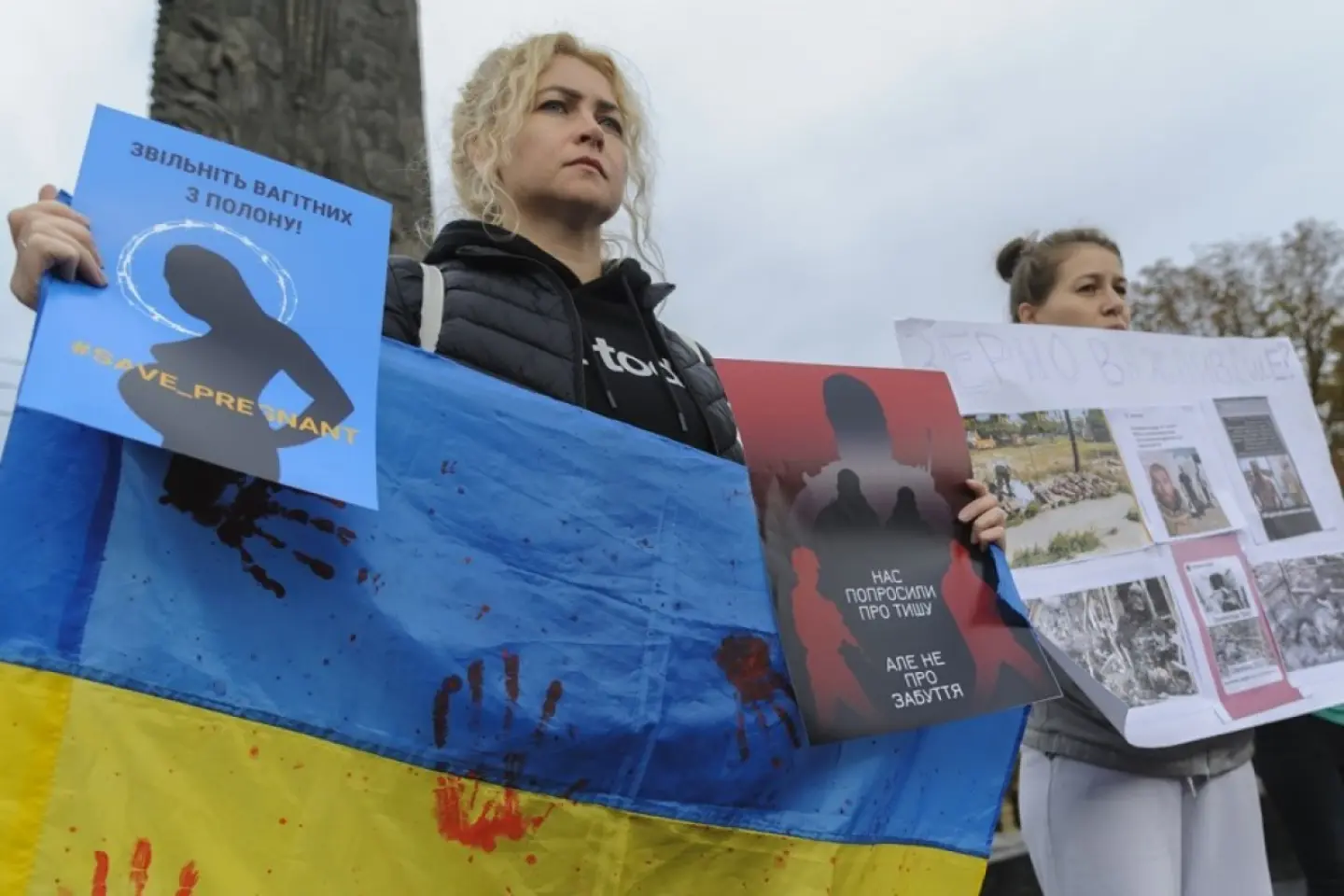
Following the 2022 invasion, thousands of civilians were arrested in Russia-occupied Ukraine, and many of them faced grueling conditions while they were detained. The Reckoning Project documented the stories of five of the Ukrainian women that leaned on each other to survive Russian detention. Not all of them did.
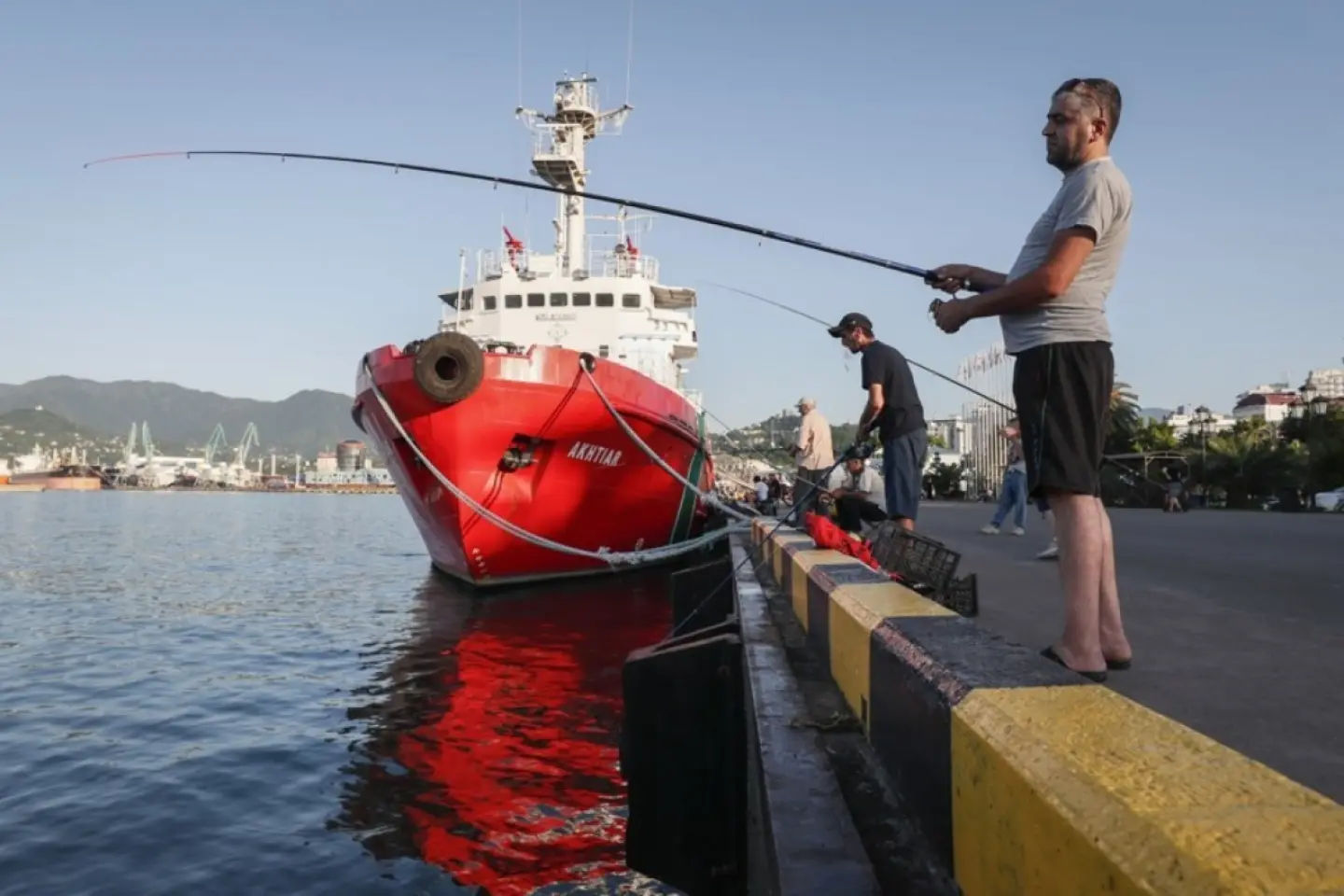
Georgia has eliminated China from the competition to build its first deep-sea port on the Black Sea. The decision should be seen in the context of the geopolitical competition for the so-called "middle corridor" that will connect Asia to Europe through the Caucasus.

Russia’s most loyal ally, Belarus, is taking part in hybrid operations against the Baltic states, pushing migrants towards their borders, recruiting spies, and promoting propaganda narratives. Will Alexander Lukashenko be willing to drag his country in a Russian military operation in the region?
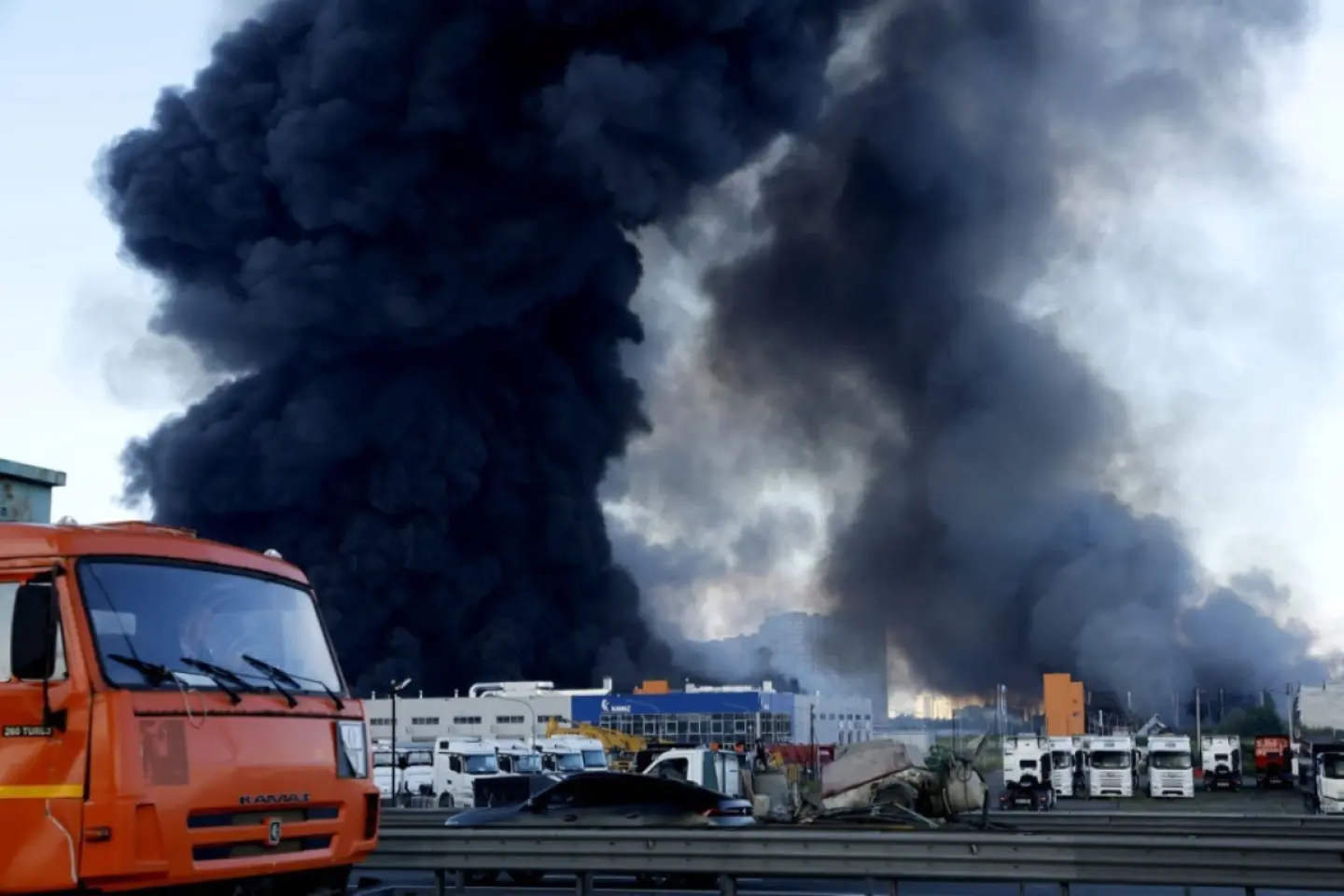
Ukraine’s bombing campaign behind the frontlines is taking a growing toll on Russia's economy. The Kremlin will soon have to choose between continuing the war, which would entail serious economic losses and a new mobilization, or de-escalating, which would mean giving up some of its demands.
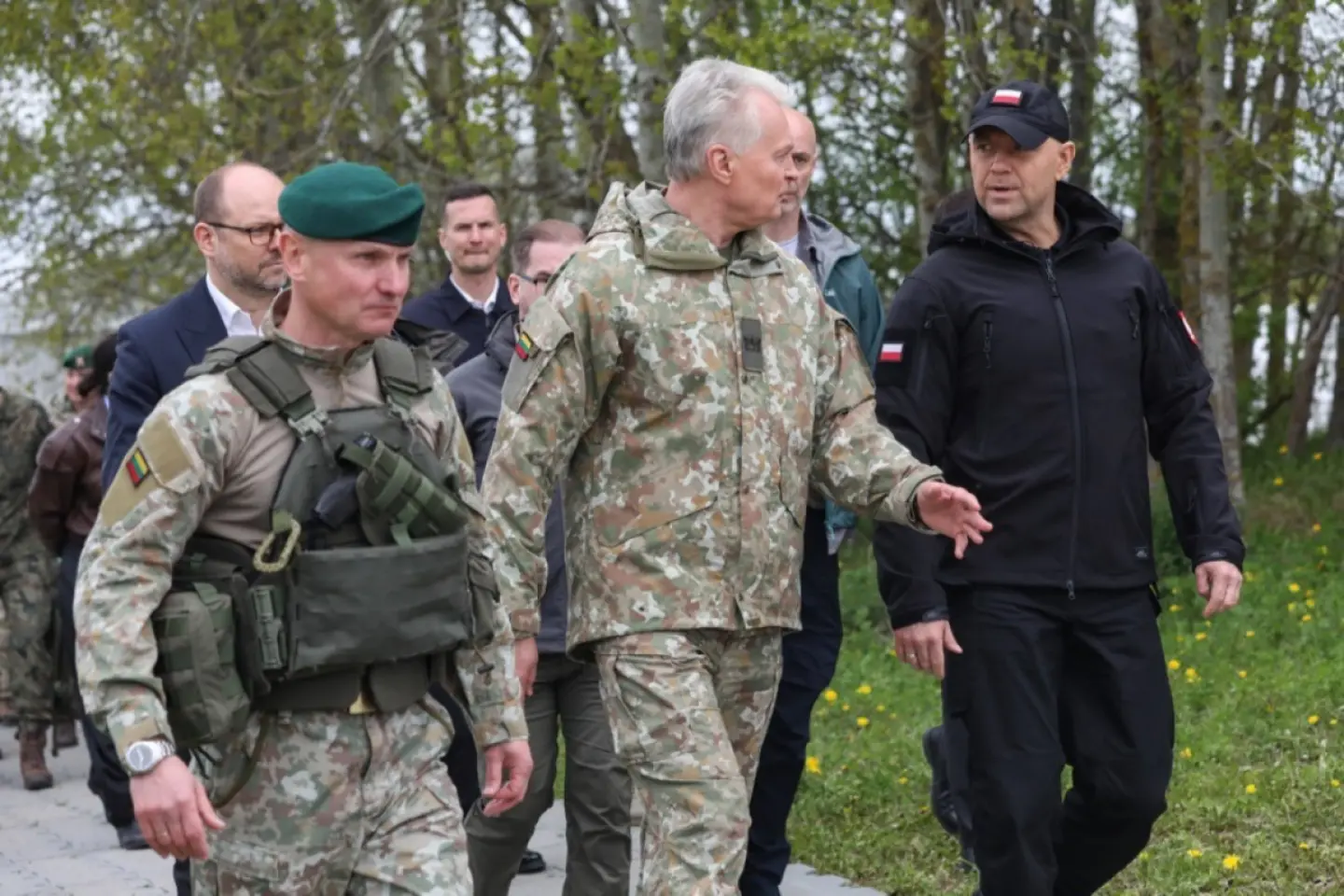
Russia could prepare an operation – hybrid, false flag, or even a limited attack – against a NATO country, to test the Alliance’s response. With major Western powers distracted (domestic political issues, the war in Iran, etc.) Moscow may feel that it has a window of oportunity, and the most likely targets are considered to be Poland and the Baltic states.
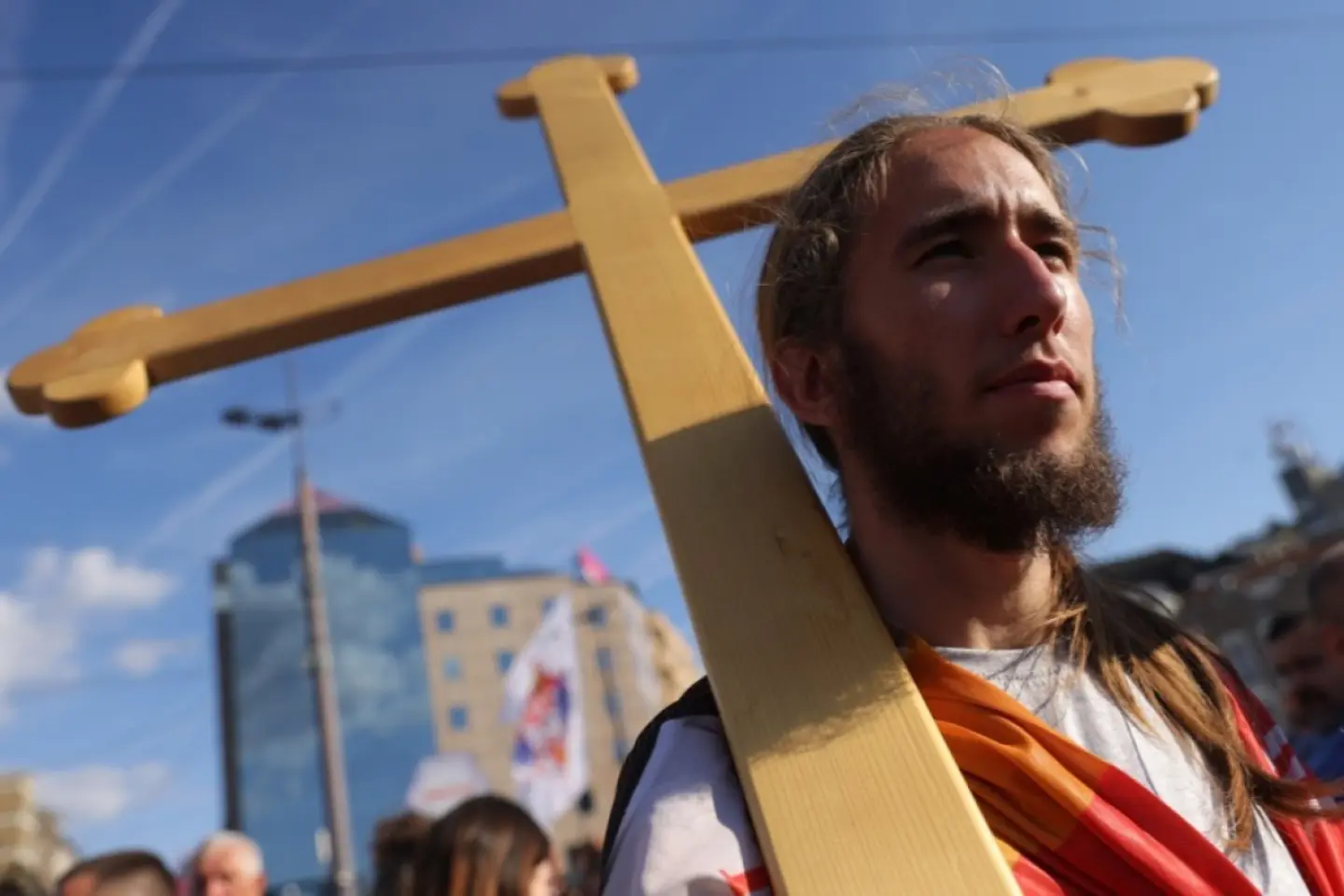
Serbia’s student movement, which emerged as a reaction to the corruption of the Vučić regime, seems to be gradually losing its original liberal-democratic character while adopting a nationalist-populist ideology, marked by euroscepticism and sympathies for Russia.
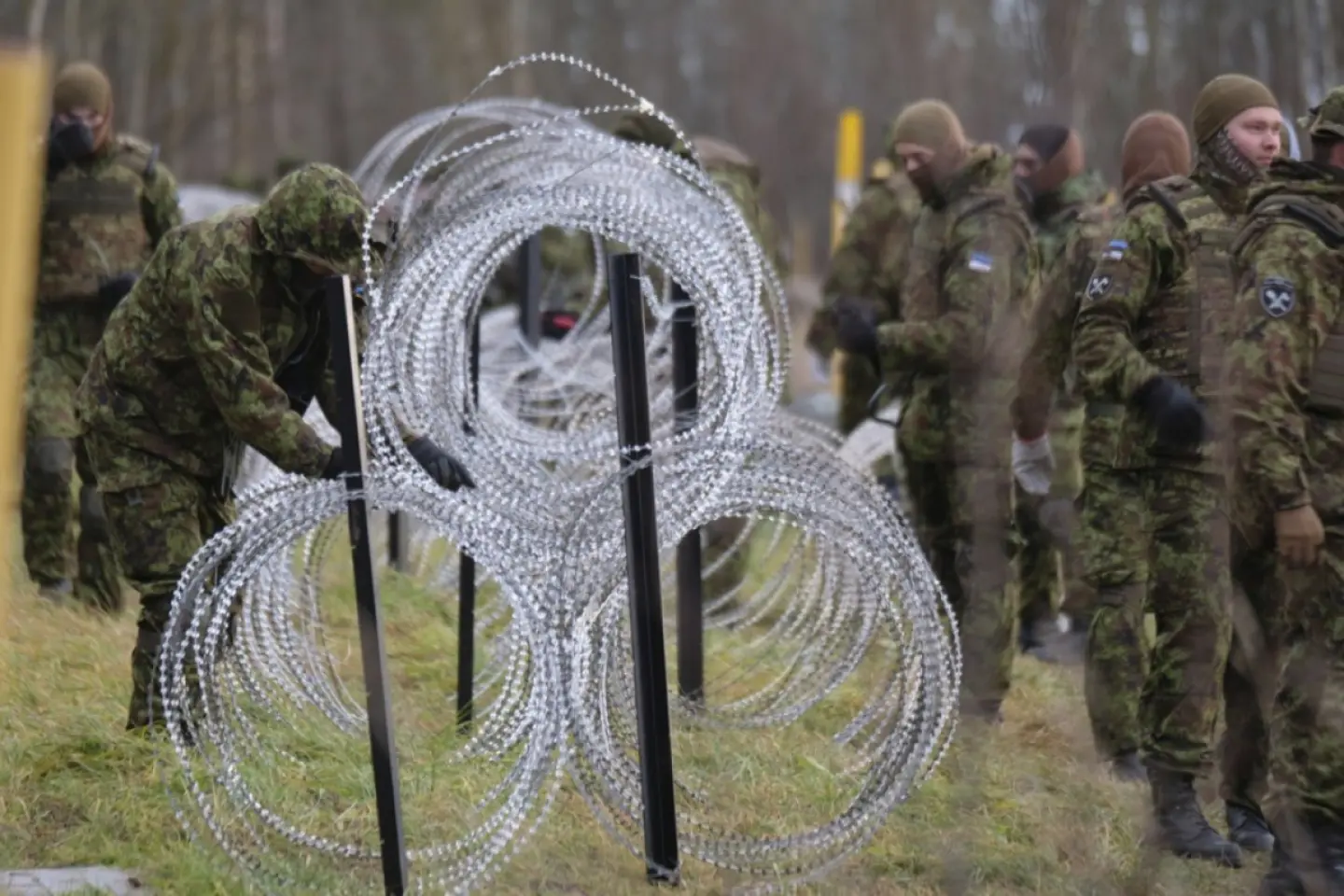
An add that suggested grilling “angry” Russians highlighted tensions regarding Estonia’s relations with its Russian minority. Many Estonians feel that the Russian community is loyal to and used by Moscow, while people within the community feel that their rights are being curtailed.
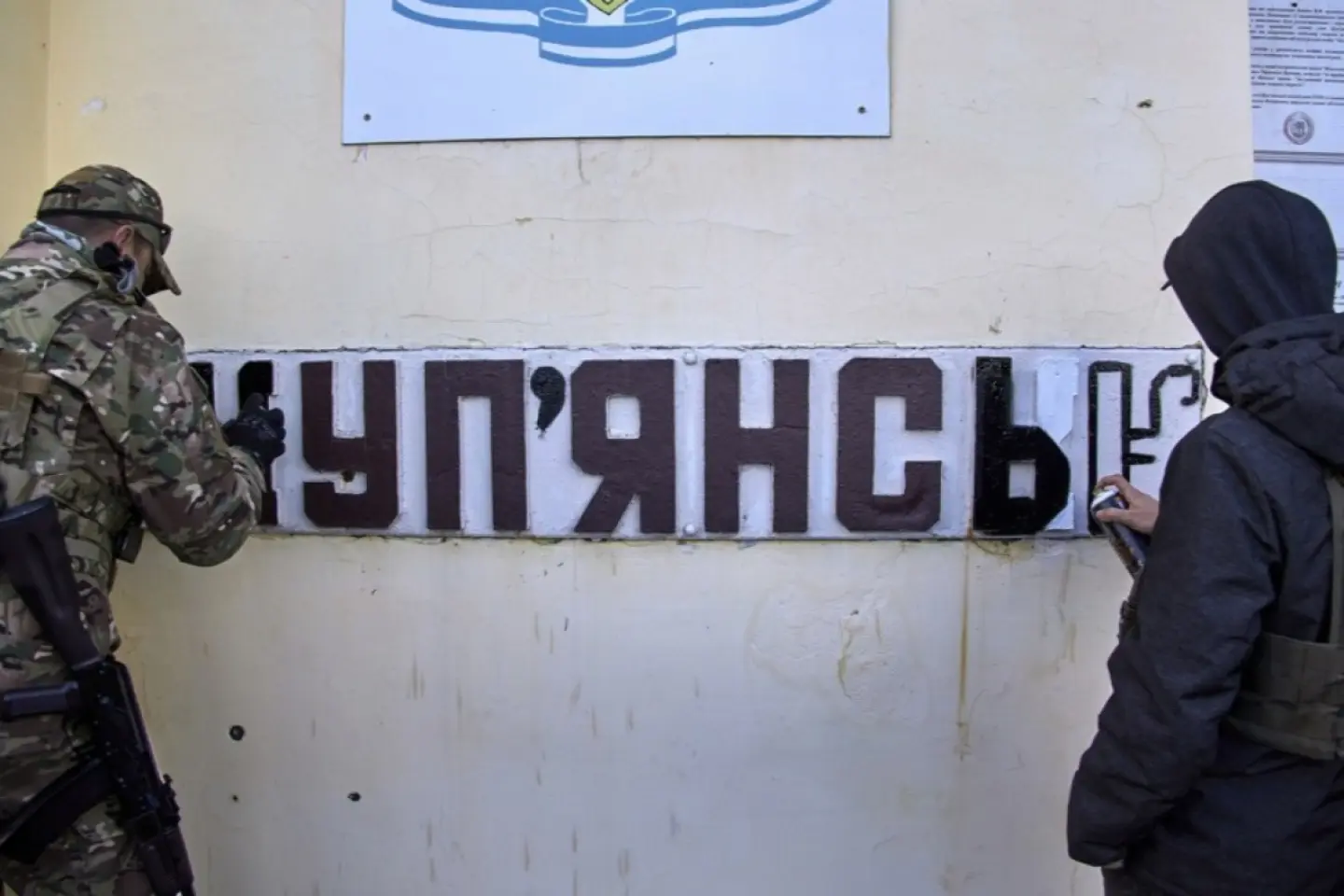
Russian has been, for several hundred years, a tool for promoting Moscow's policies. Tsarist Russia used it as a tool of imperial assimilation, the Soviet Union as a carrier of communist ideology, and Putin's Russia as a marker of its claimed sphere of influence.
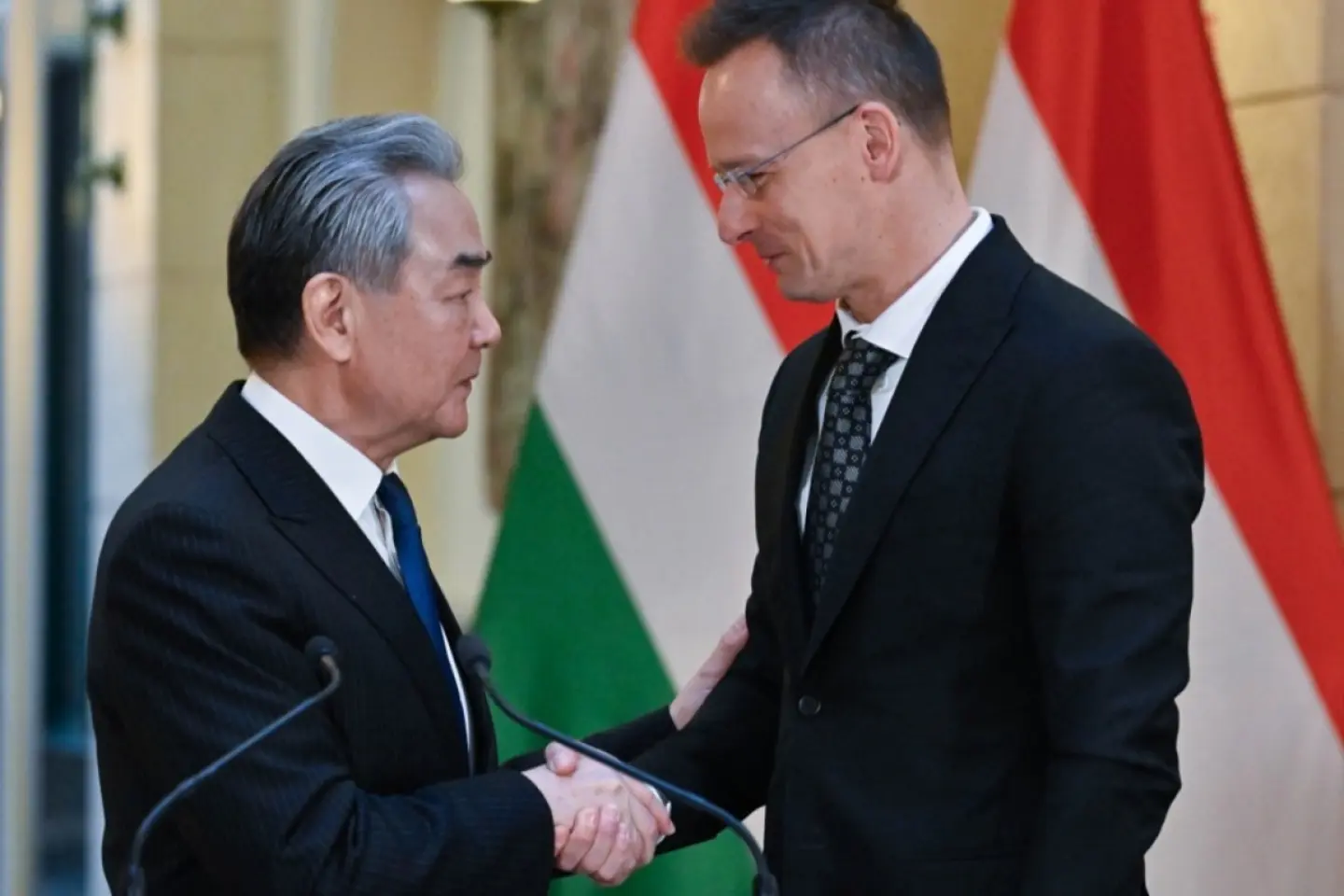
Péter Szijjártó, until April the EU’s longest-serving foreign minister, is joining the Chinese carmaker BYD, after helping it – as a minister – to get a firm foothold in Hungary and thus avoid EU’s tariff wall.
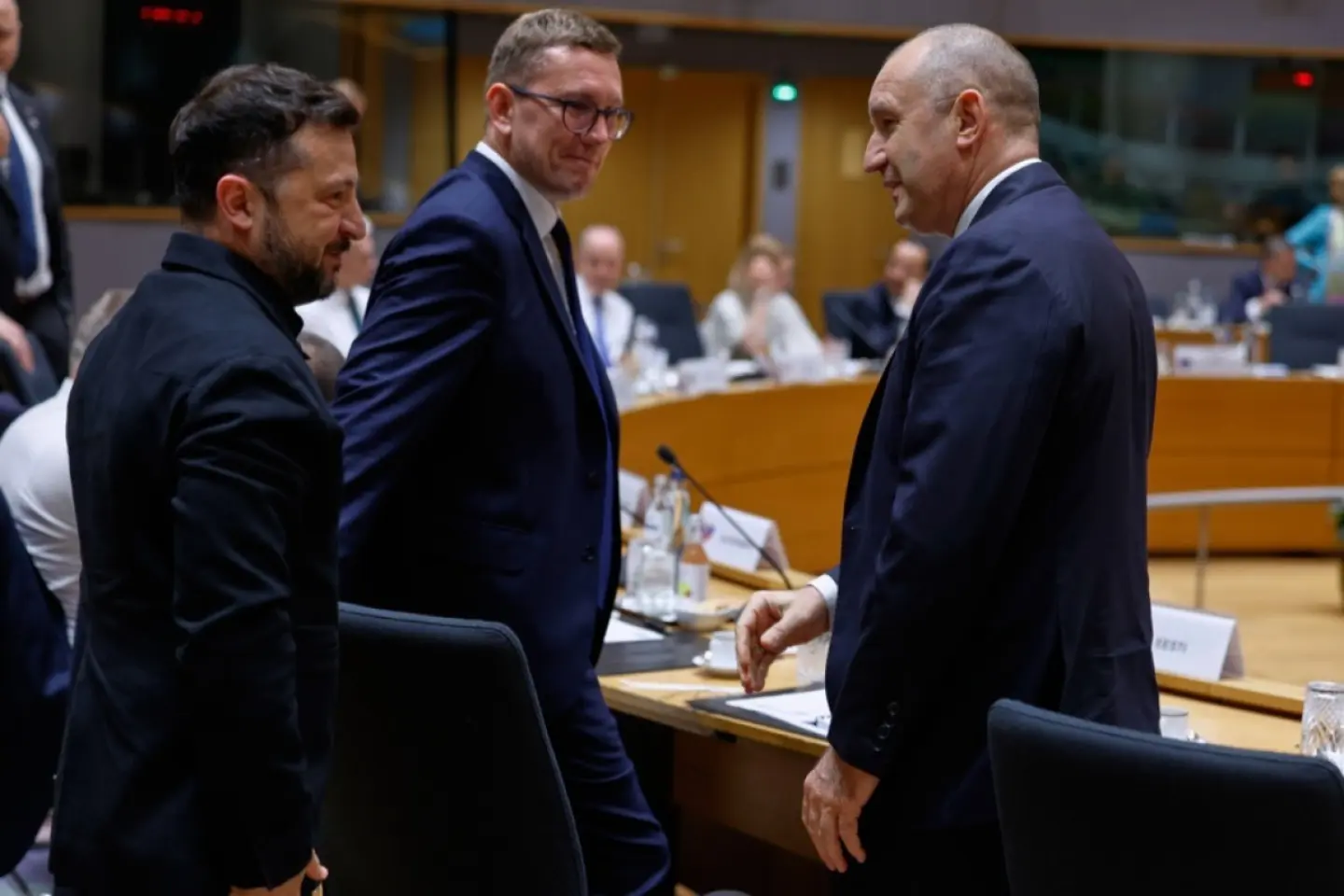
Since it was sworn in, Rumen Radev’s government ceased Sofia’s aid for Ukraine, and distanced itself from plans to beef up Bulgaria’s defense industry. It also took steps to shield former collaborators of the Communist era secret police, embraced pro-family narratives, and expressed support for Russia’s Orthodox Church.
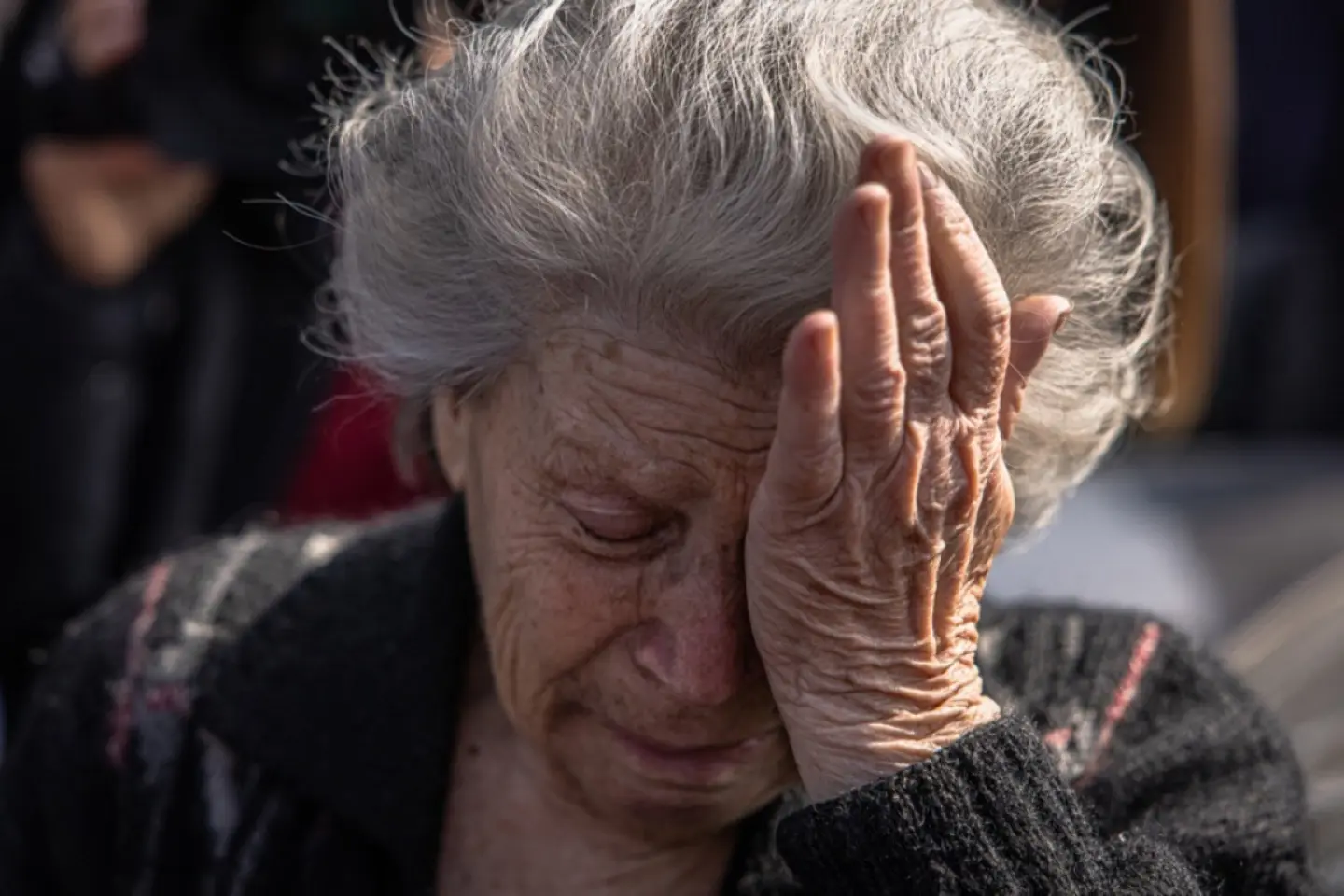
The stress, deprivations, and trauma suffered by Ukrainian civilians living in frontline, and occupied towns and cities, have been having a lasting impact on their health, with a yet unknown number meeting an untimely death, according to Inna Kubai, a Researcher at the Reckoning Project
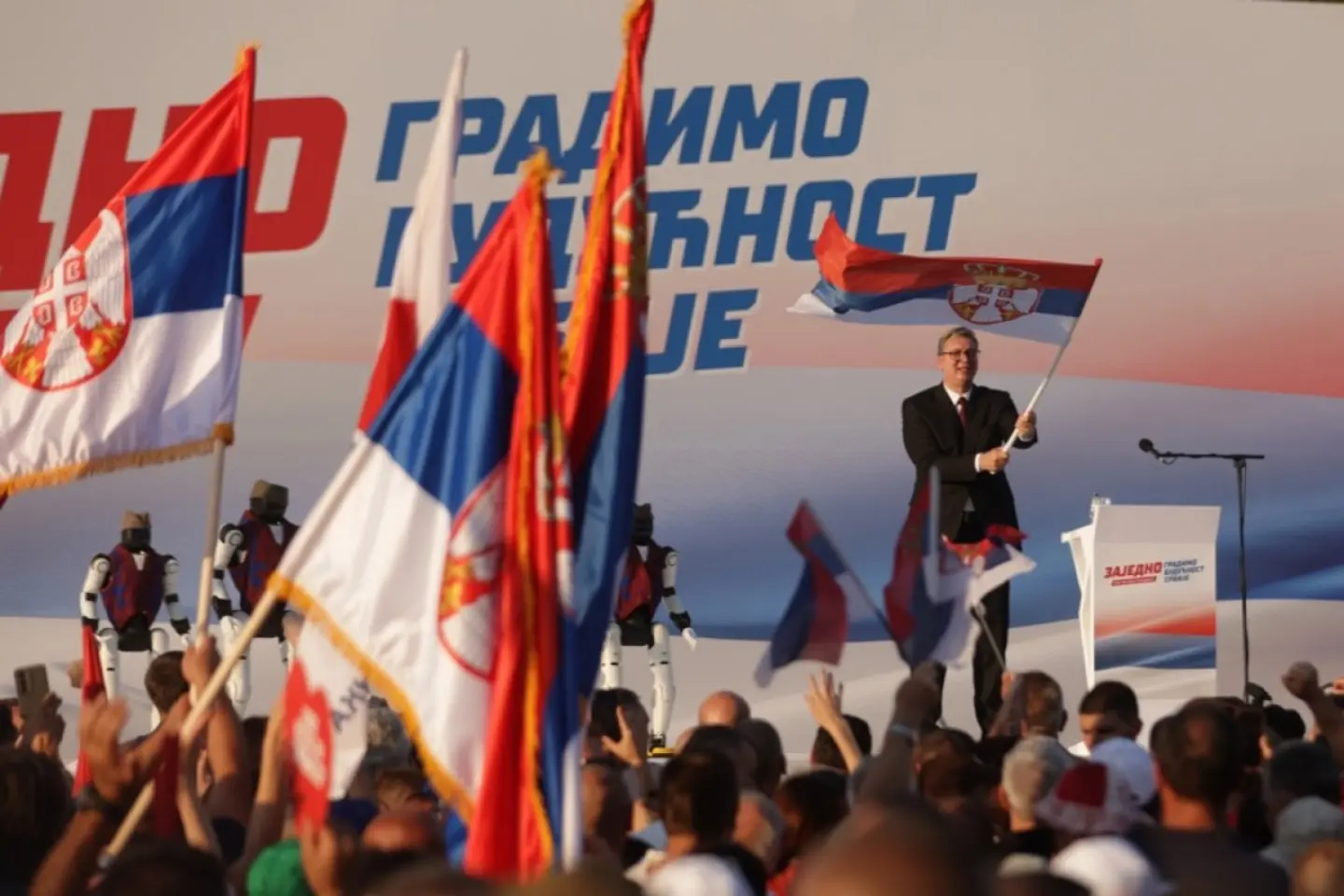
Serbia’s longtime leader, Aleksandar Vučić, seems determined to extend his 12 years rule by borrowing from a playbook used by Russia’s Vladimir Putin, and some leaders from the Balkans: running for the Prime Minister office (again), as his second presidential term nears its end. There’s a strong chance the gamble will pay off but then again, it may turn against Vučić.
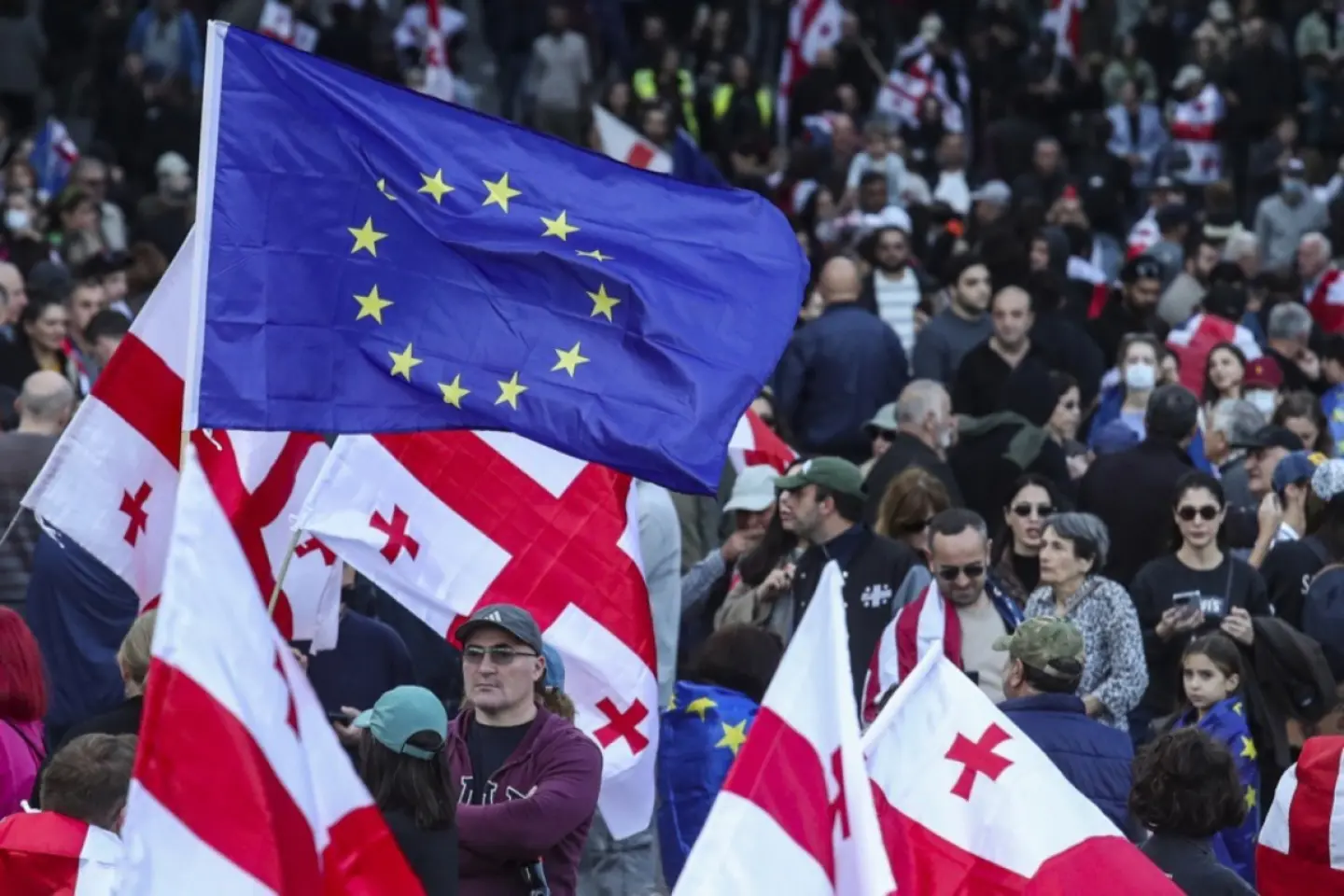
The Georgian government, whose eminence gris is controversial oligarch Bidzina Ivanishvili, is suspected of using espionage charges against its opponents. In power since 2012, the Georgian Dream has been criticized for Georgia’s democratic backsliding. Its policies caused a rift in Georgia’s relations with its Western partners, the European Union and the United States.


