
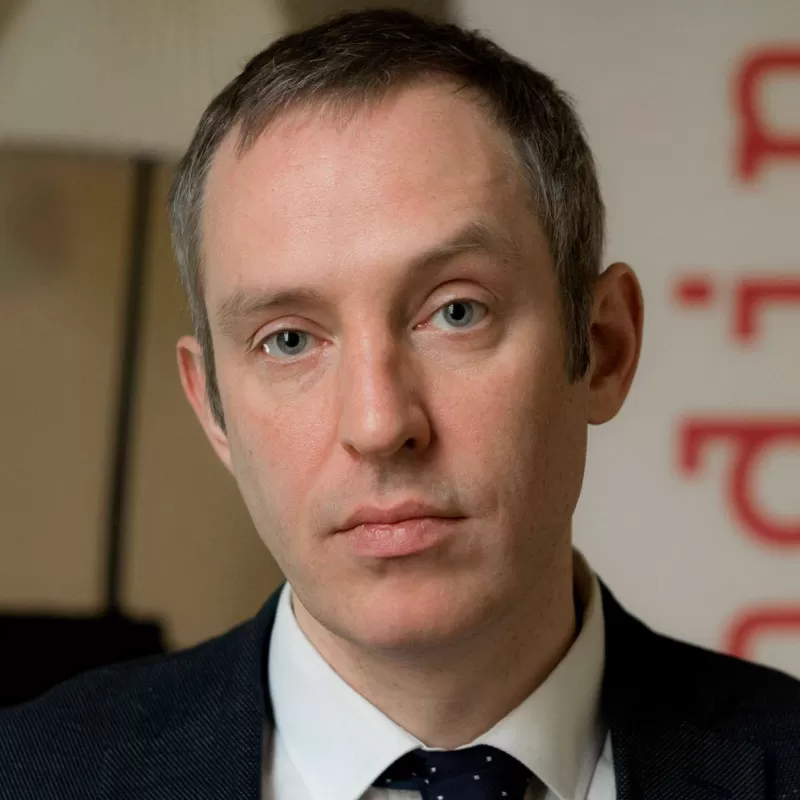
Daniel Nolan is a Budapest-based award-winning journalist, author and broadcaster from Manchester, England. His work on Hungary and CEE has appeared in The Guardian, Al Jazeera, Deutsche Welle and numerous other outlets. He won a Foreign Press Association Award in 2018 and was named a European Press Prize laureate in 2016 and 2019.
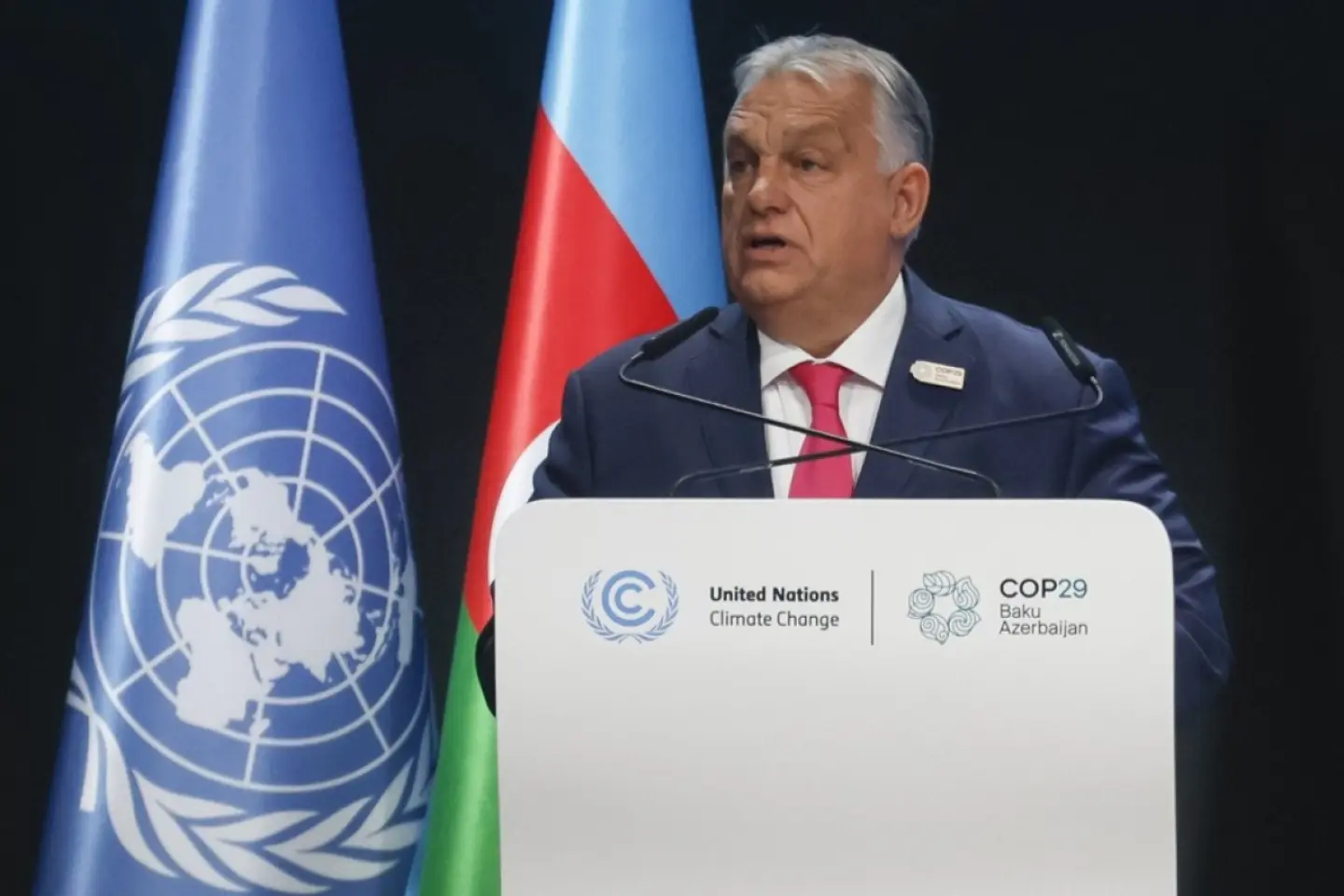
A few months after suffering a crushing elections’ defeat, Viktor Orbán is back in the spotlight as a potential candidate for UN Secretary-General – one who would supposedly be embraced bye the United States, Russia, and China. It is a rather bizarre scenario, to say the least, given the controversies surrounding Orbán, including his own attacks against the UN.
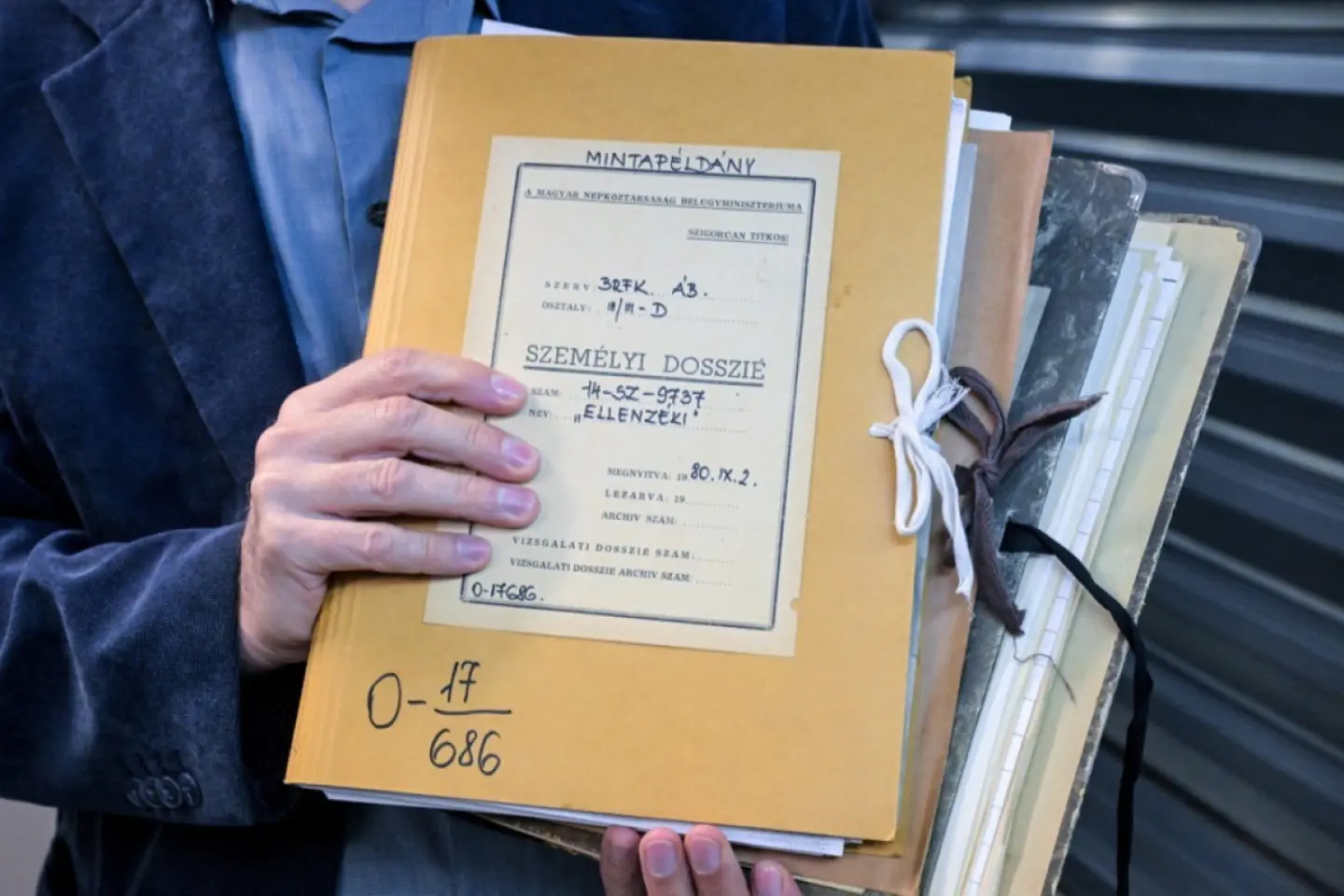
Nearly four decades after the fall of communism, Hungary has still not declassified the archives of the former state security. Several governments—including the current one led by Péter Magyar—have promised to do so, but the process is not quite as simple as it seems, as the experience of other former communist countries demonstrates.
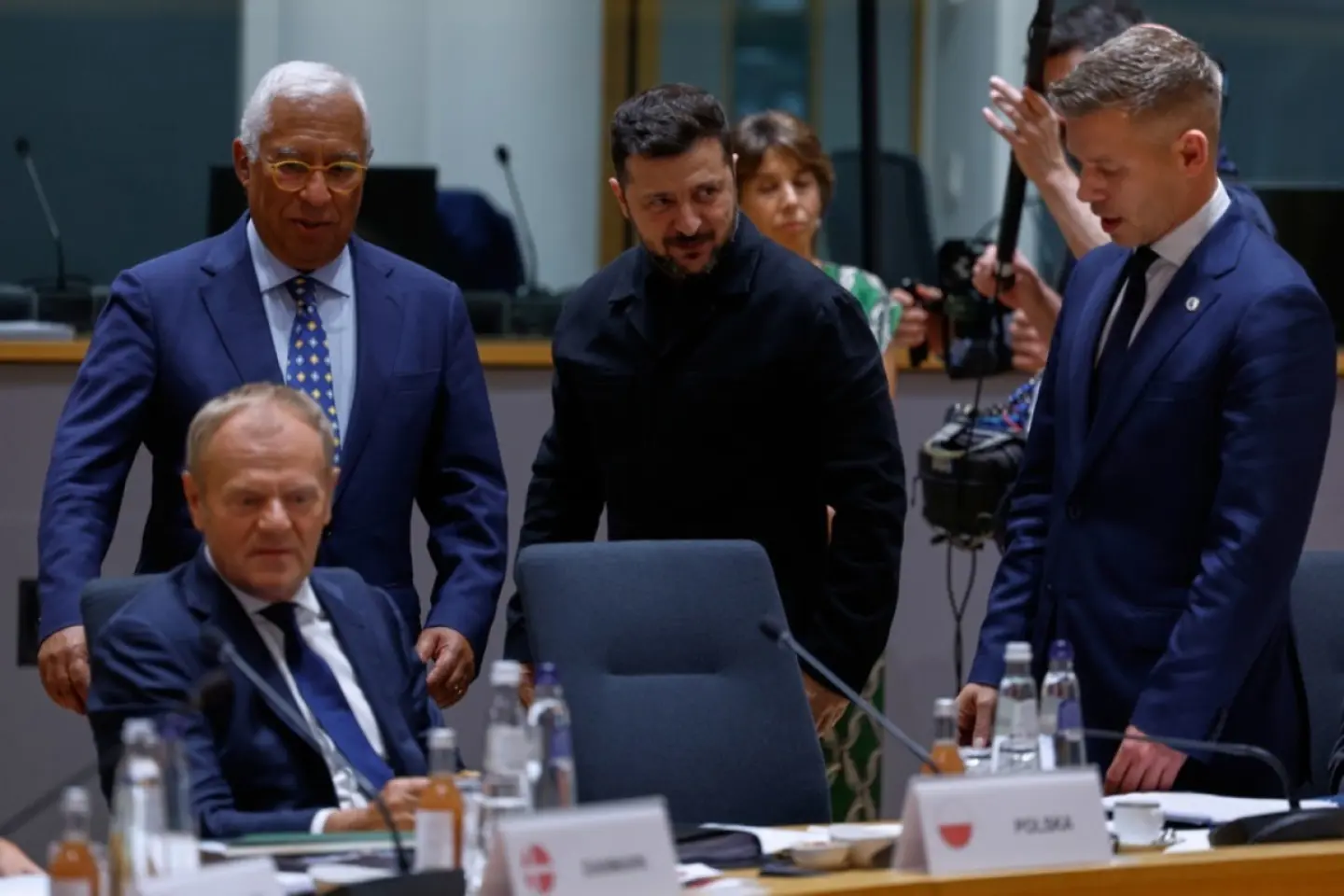
Hungary’s Peter Magyar has been dismantling the system left behind by his predecessor Viktor Orbán while reversing some of the Orbán policies formerly criticized by the EU. Is this a real re-alignment with Brussels, or just some negotiating tactic aimed at securing the release of frozen EU funds?
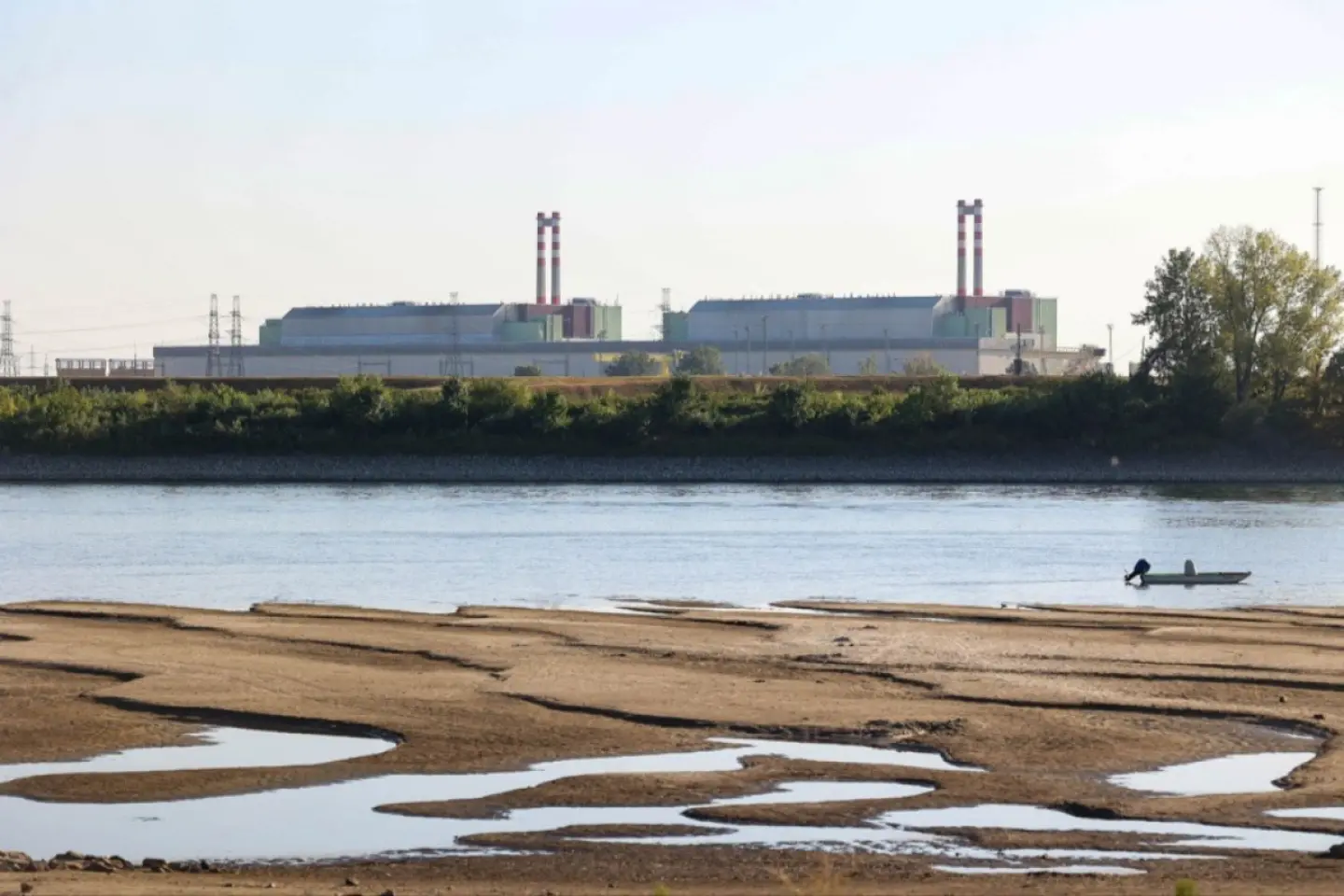
The Rock of Starvation has been portent of doom in Hungary for centuries, only appearing when the Danube falls low enough to halt mills, bringing famine. But what this summer’s extremely low water level revealed was not just the Danube’s bed, but also the lack of transparency of the Péter Magyar government.
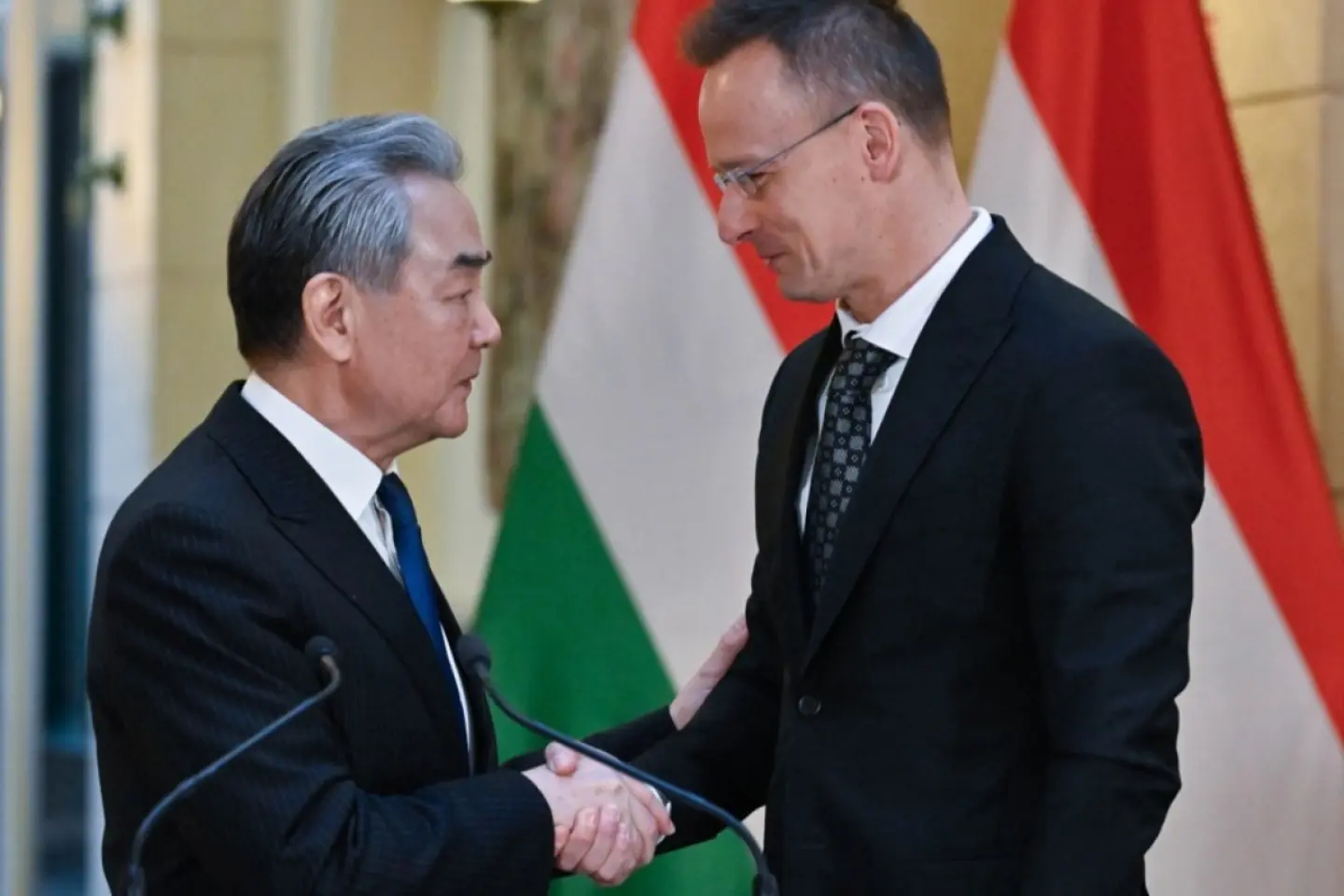
Péter Szijjártó, until April the EU’s longest-serving foreign minister, is joining the Chinese carmaker BYD, after helping it – as a minister – to get a firm foothold in Hungary and thus avoid EU’s tariff wall.
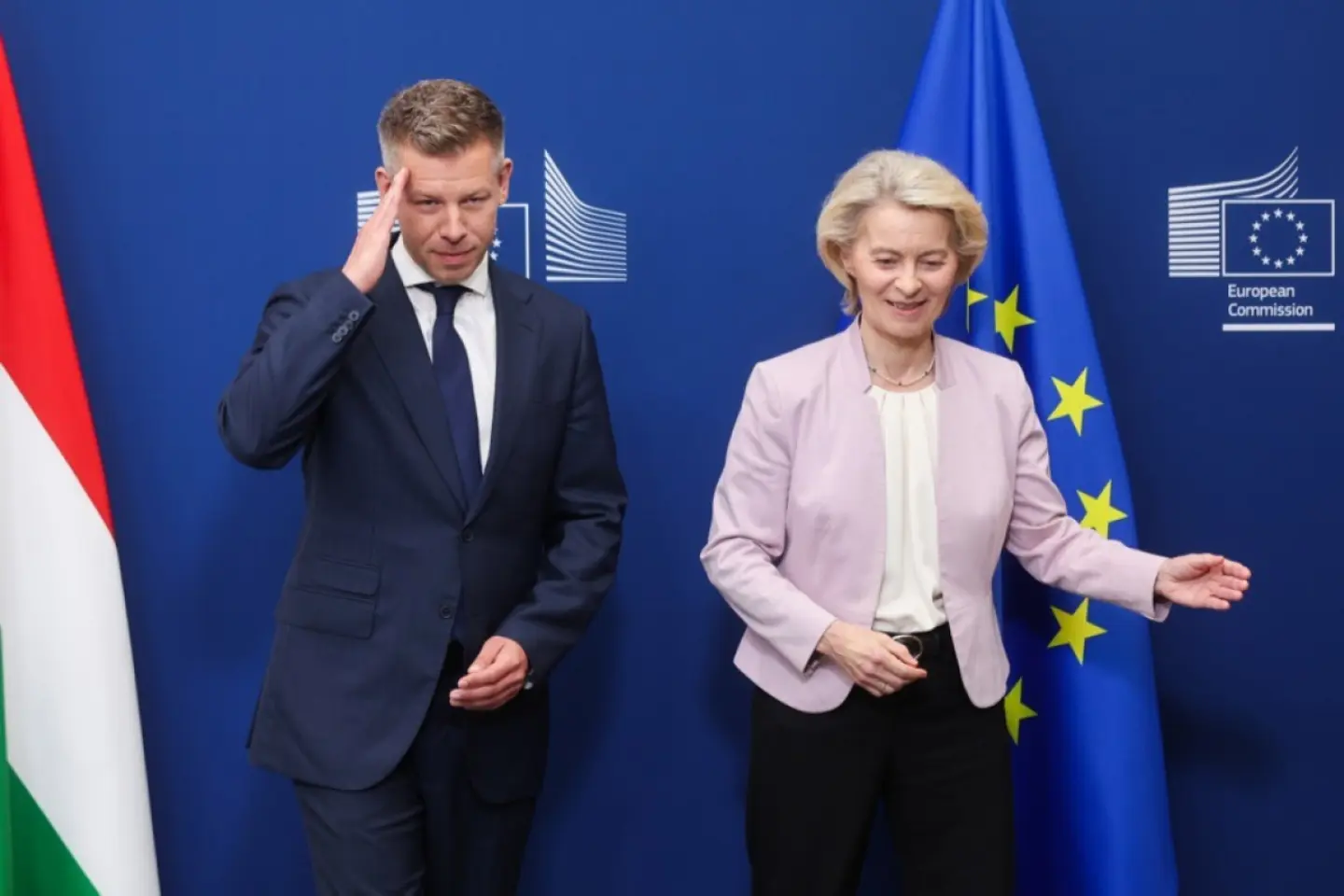
The measures the EU is preparing to protect its internal market from Chinese trade practices could affect China’s investments in Hungary, which would put Péter Magyar's government in difficulty.