

Completed bachelor's and master's degrees at the Faculty of Political Sciences, University of Belgrade. He earned his PhD from RUDN University in Moscow. He served as a lecturer (assistant professor) in the Department of Comparative Politics at RUDN University for four years. Following the start of Russia's invasion of Ukraine in 2022, he resigned from his position and returned to Belgrade. His work has appeared in Euronews, Bloomberg, Novaya Gazeta, Radar and other media outlets.
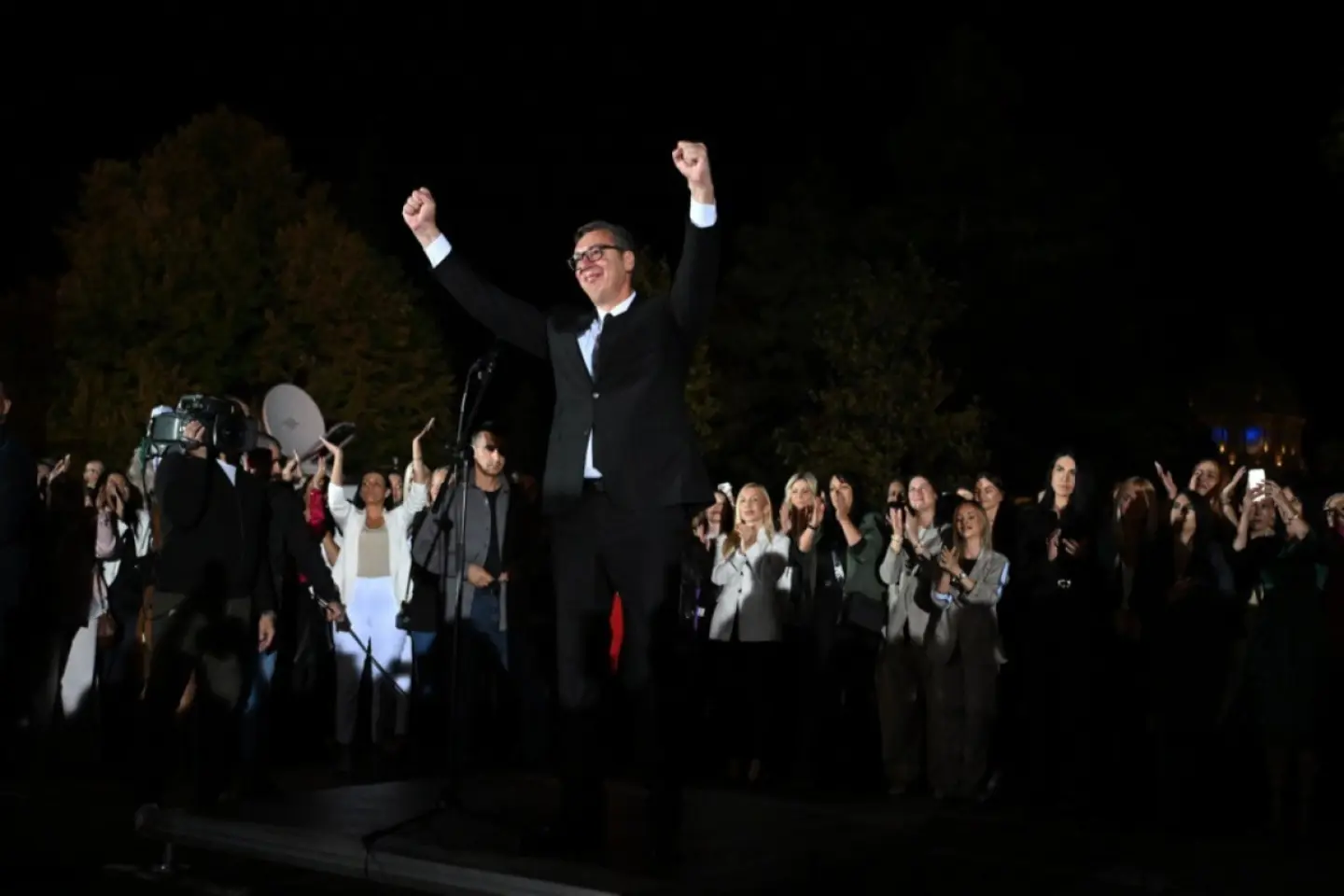
Long time Serbian leader Aleksandar Vučić called for snap parliamentary elections, which would be soon followed by presidential elections, in an attempt to extend his 14 years hold of power. His gamble might backfire, as the opposing Student list has a good chance of beating Vučić’s party.
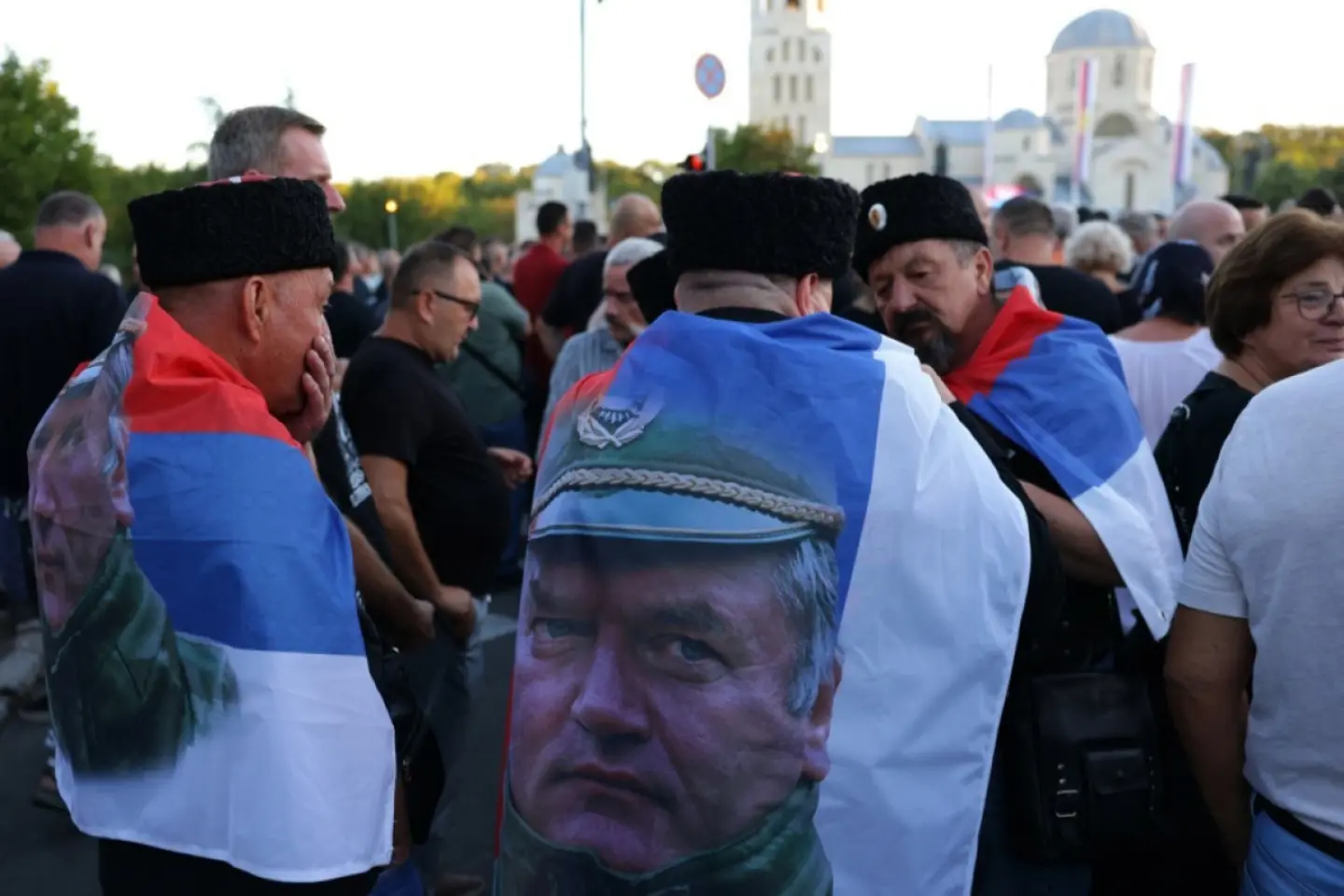
Infamous war criminal Ratko Mladić did not get official state funerals in Serbia, but Belgrade made it quite clear that it was honoring the former commander of the Bosnian Serb army. It was yet another step away from the EU, which Serbia claims it wants to join.
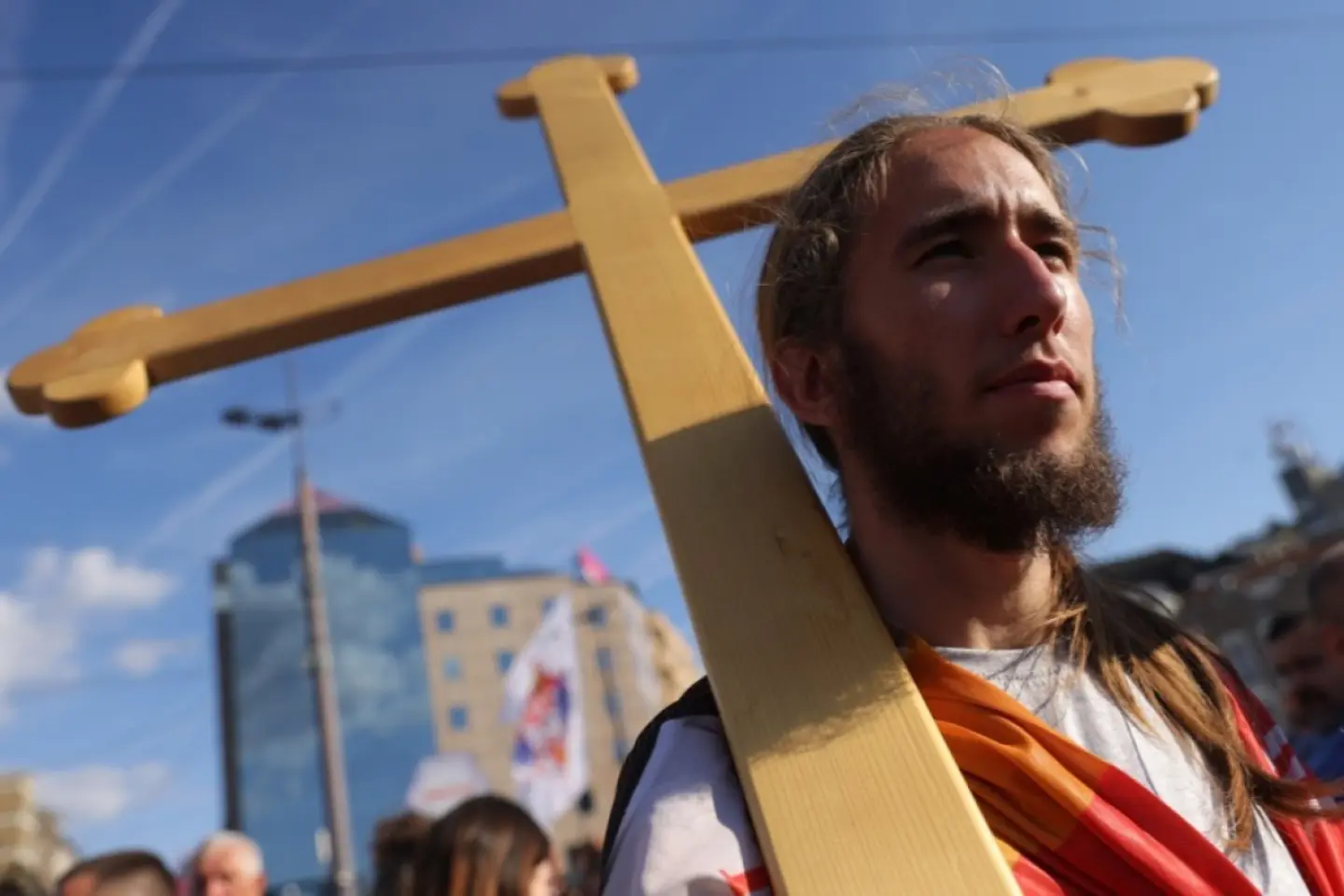
Serbia’s student movement, which emerged as a reaction to the corruption of the Vučić regime, seems to be gradually losing its original liberal-democratic character while adopting a nationalist-populist ideology, marked by euroscepticism and sympathies for Russia.
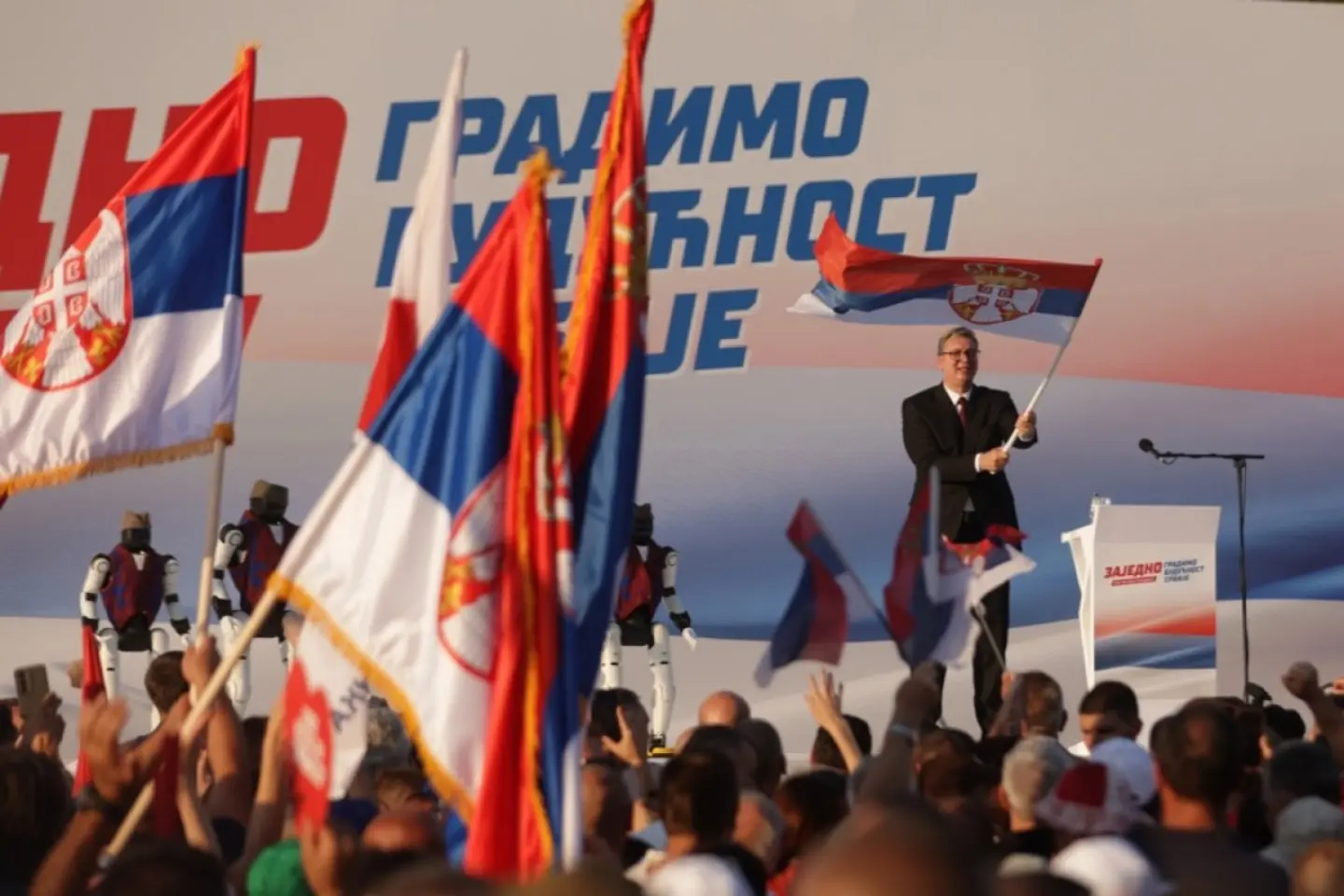
Serbia’s longtime leader, Aleksandar Vučić, seems determined to extend his 12 years rule by borrowing from a playbook used by Russia’s Vladimir Putin, and some leaders from the Balkans: running for the Prime Minister office (again), as his second presidential term nears its end. There’s a strong chance the gamble will pay off but then again, it may turn against Vučić.
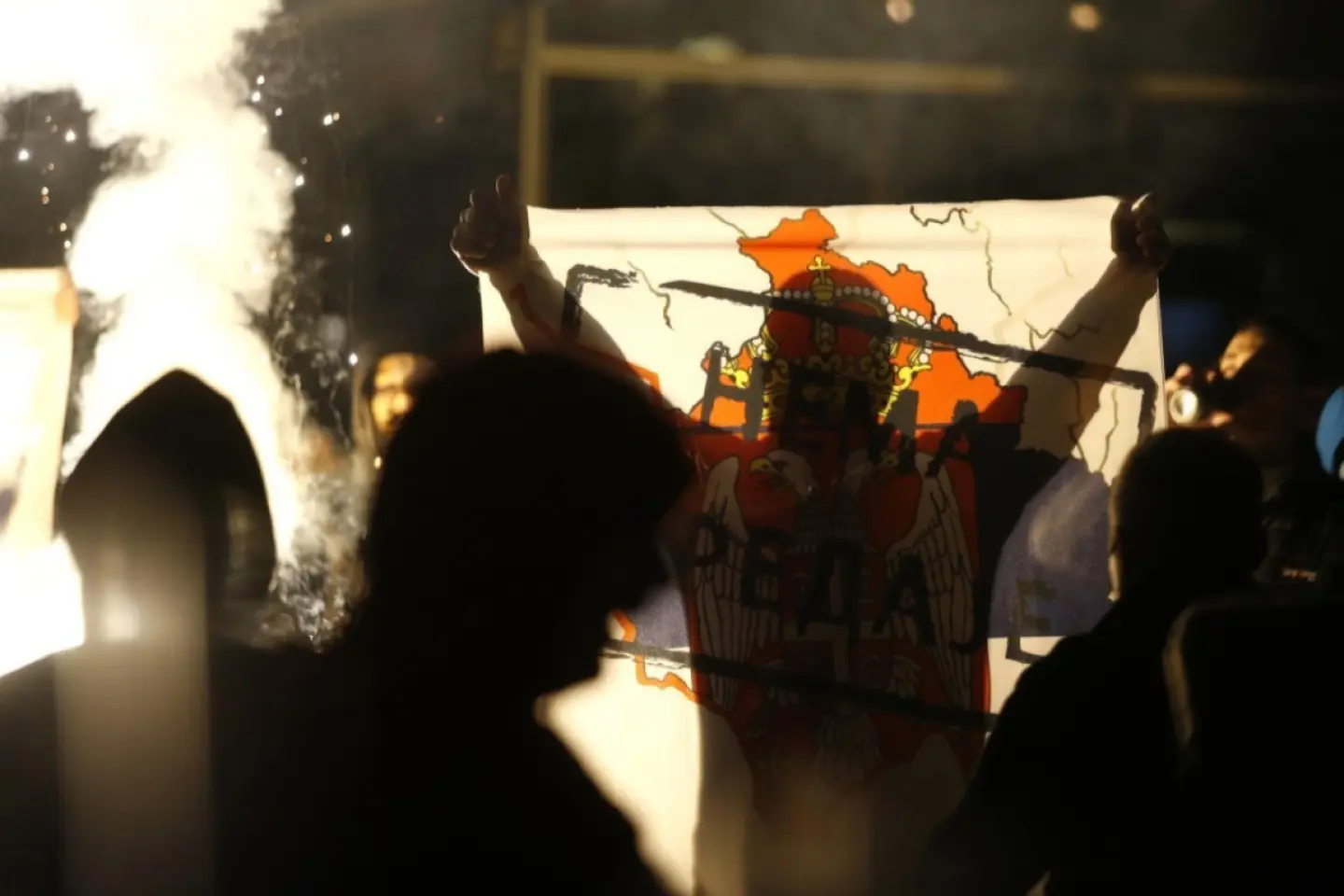
European neo-fascists with sympathies for Russia – and even ties to it – have allied themselves with Serbia’s far right, with the discreet support of the government in Belgrade.
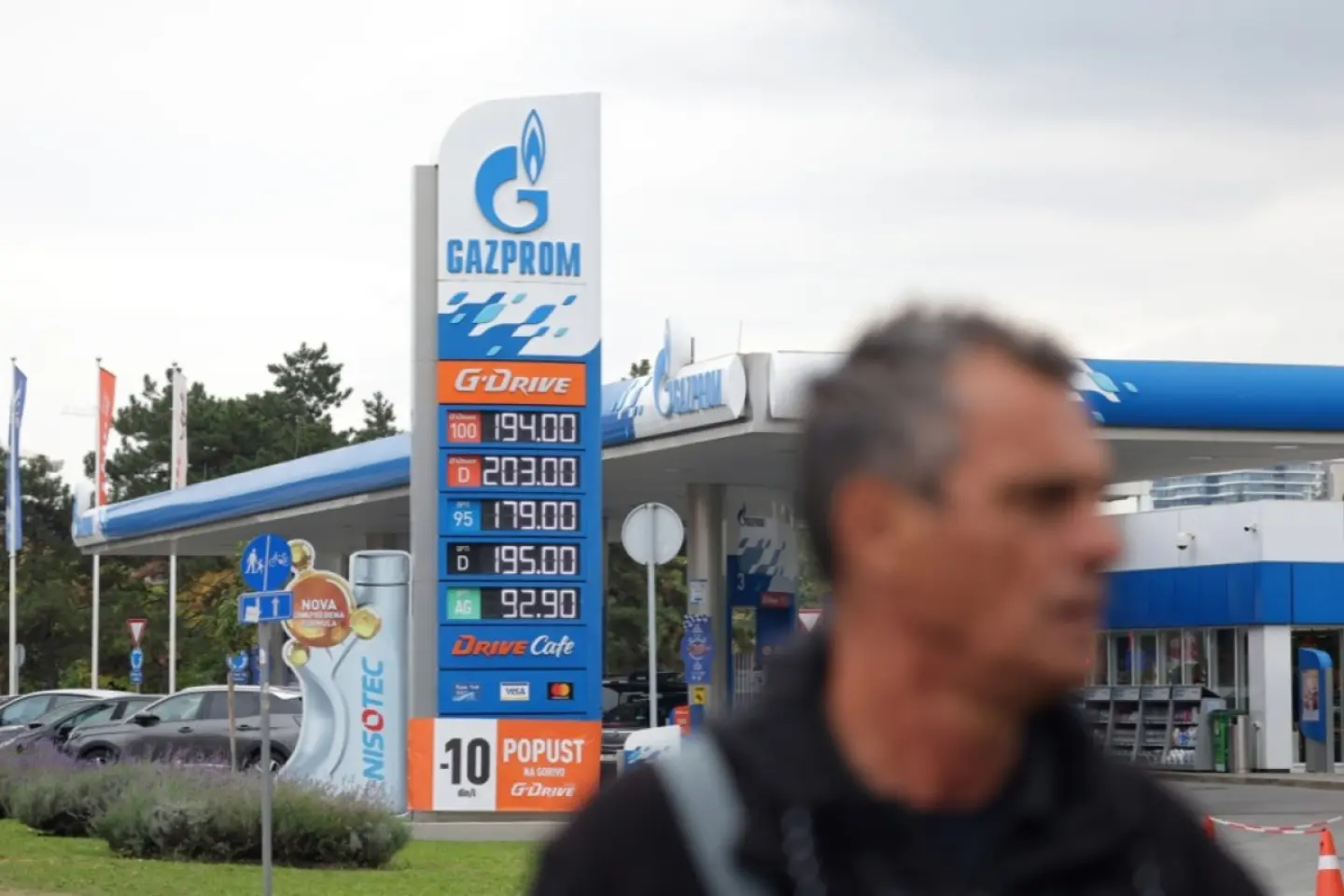
NIS is currently Russia’s most important tool of economic leverage over Serbia. Belgrade must force its sell in order to avoid US sanctions. It would be the most consequential energy transaction in the Balkans in two decades. However, there are lots of questions lingering over this story.