About us


Veridica is focusing on monitoring, analyzing and debunking fake news, disinformation and manipulation campaigns in Central and Eastern Europe, in an increasingly fluid geopolitical context.

 The project was launched in 2020, in the context of the COVID-19 infodemic, is supported by the Romanian Journalists International Alliance (AIJR) and carried out together with journalists, experts and researchers from Central and Eastern Europe, with the support of non-governmental organizations and diplomatic missions from Bucharest and CSR initiatives of the companies that have chosen to be our partners.

Our aim is to increase the degree of awareness and understanding of this phenomenon among our readers.

Veridica's board includes experts and academics from Romania, Moldova and Ukraine, the core-team is made up of journalists from Romania, Republic of Moldova and Ukraine while our contributors include journalists and experts from Bulgaria, Poland, Serbia, Hungary, Ukraine, Turkey and Czech Republic. 


What are we doing:


We investigate disinformation ecosystems, the campaigns of state and non-state actors of fake news, hate speech, propaganda, kompromat, populism.

We monitor, identify and debunk fake news and fake narratives in Central and Eastern Europe; they are collected in the Database.

We publish analyzes, editorials and interviews and document the way disinformation is politically instrumentalized and generates political, social, economic crises 

We organise training courses and workshops for journalists.

We monitor in real time the press and social networks in the electoral elections in Romania and the Republic of Moldova.

We host debates with journalists and experts from the country and abroad.

We develop media literacy activities.
We are guided by the Code of Conduct and Editorial Policy

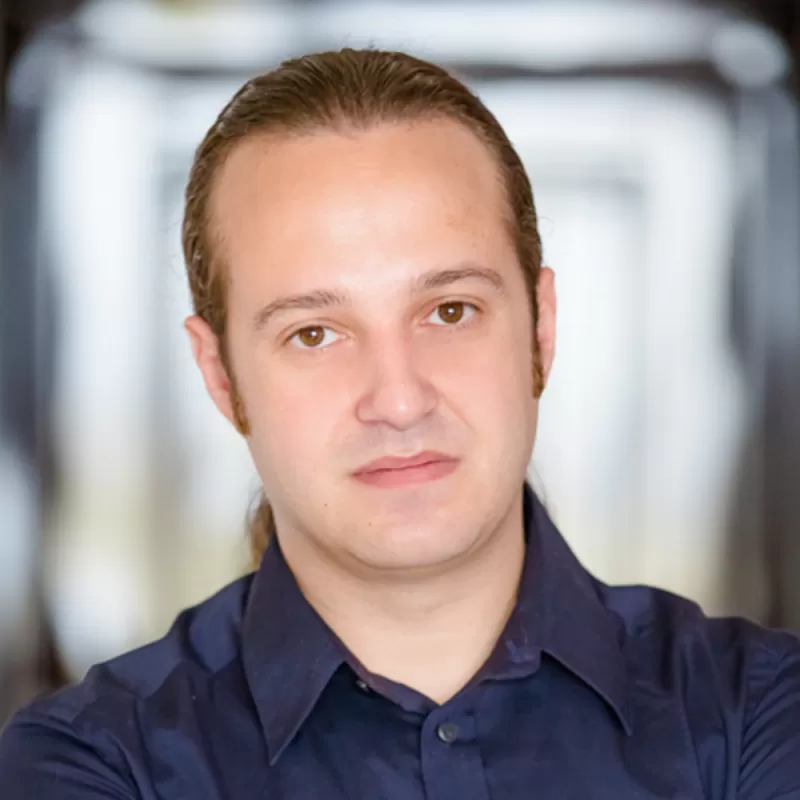
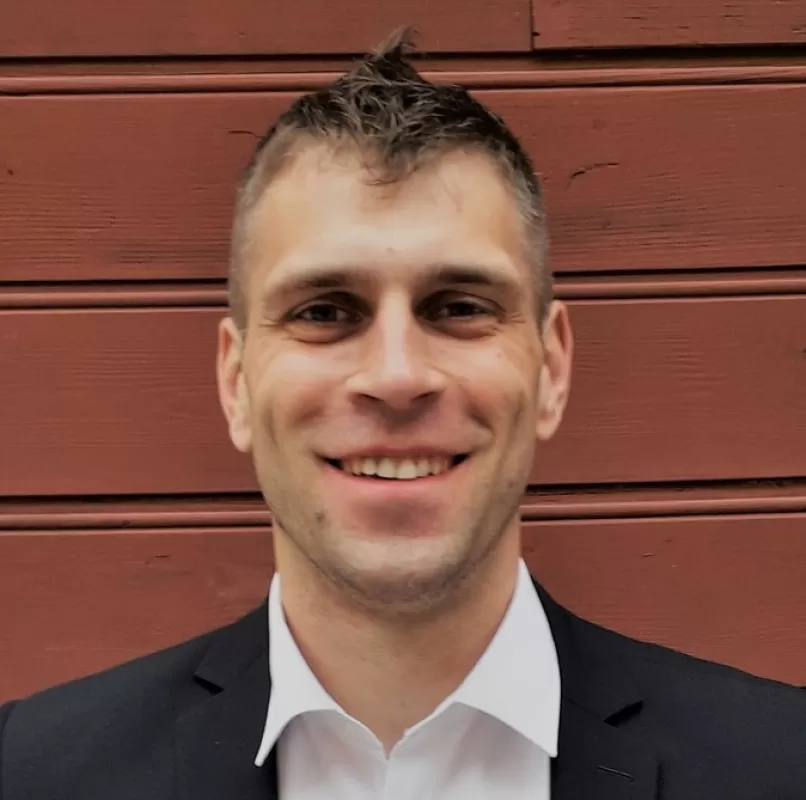
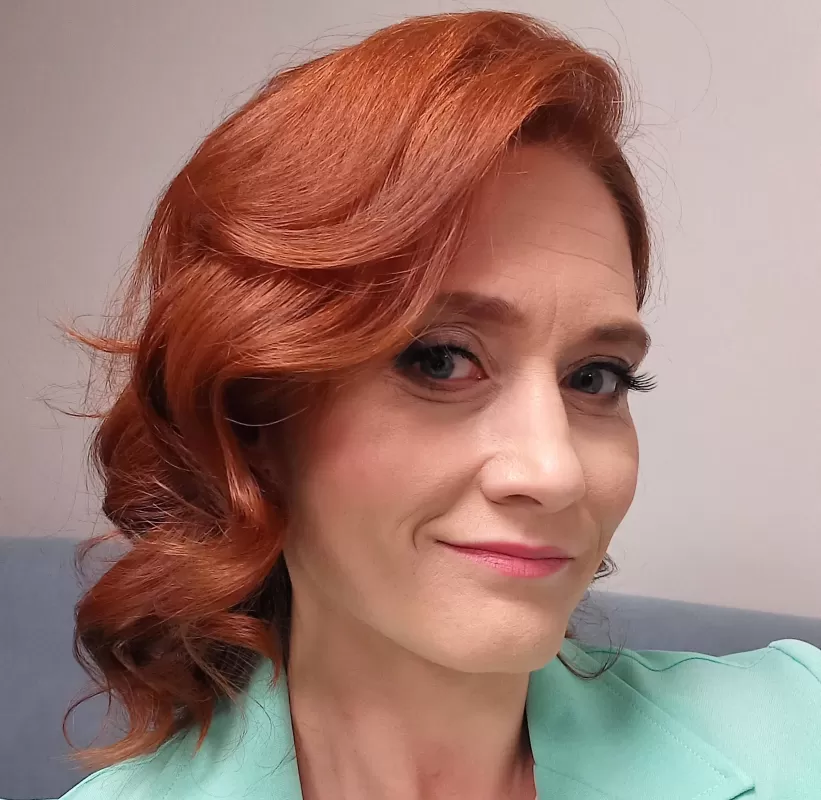
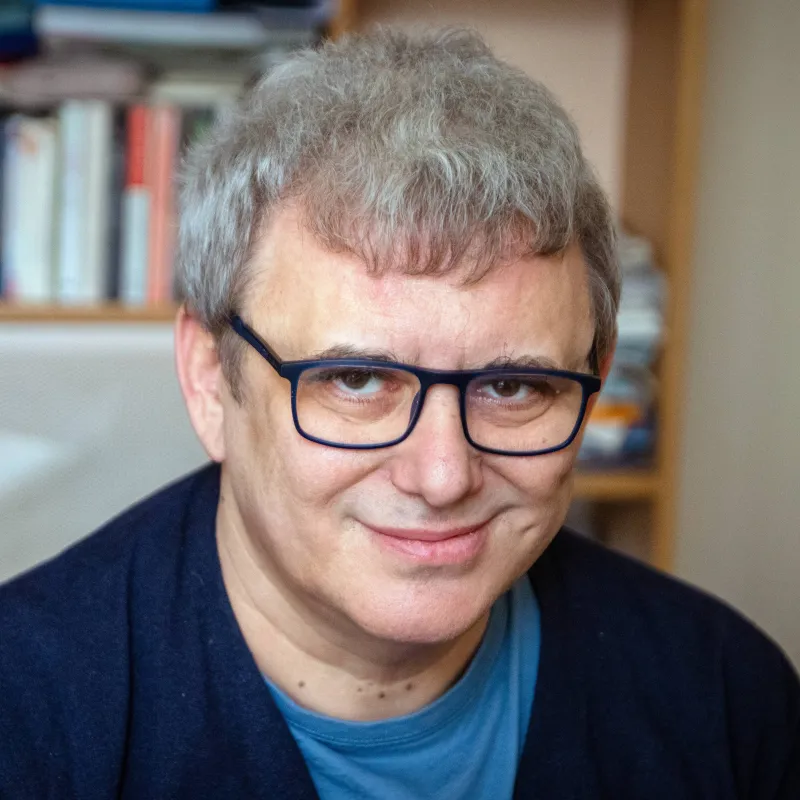
Board

  • Publisher
  • Bucharest, Romania
  • Editor in chief
  • Bucharest, Romania
  • Associate professor
  • Bucharest, Romania
  • Historian
  • Bucharest, Romania

Team

  • Journalist
  • Bucharest, Romania
  • Journalist
  • Bucharest, Romania
  • News editor
  • Bucharest, Romania
  • News editor
  • Bucharest, Romania
  • Journalist
  • Chișinău, Moldova
  • Journalist
  • Cernauti, Ukraine
  • Journalist
  • Chișinău, Moldova
  • Journalist
  • Chișinău, Moldova
  • Digital Manager
  • Bucharest, Romania
  • Social Media Specialist
  • Bucharest, Romania

Contributors

  • Journalist
  • Sofia, Bulgaria
  • Editor
  • Warsaw, Poland
  • Publicist
  • Bucharest, Romania
  • Journalist
  • Chișinău, Moldova
  • Journalist
  • Riga, Latvia
  • Journalist
  • Tallinn, Estonia
  • Journalist
  • Tbilisi, Georgia
  • Journalist
  • Bucharest, Romania
  • Journalist
  • Bucharest, Romania
  • Communication consultant, author
  • Brussels, Belgium
  • Journalist
  • Warsaw, Poland
  • Journalist
  • Zaporizhzhia, Ukraine
  • Economist, data analyst
  • Vilnius, Lithuania
  • artist
  • Bucharest, Romania
  • Journalist
  • Budapest, Hungary
  • Journalist
  • Constanța, Romania
  • Journalist
  • Belgrade, Serbia
  • Jurnalist
  • Yerevan, Armenia
  • Journalist
  • Cluj-Napoca, Romania
  • historian
  • Bucharest, Romania
  • Associate professor
  • Constanța, Romania
  • Publicist
  • Bucharest, Romania
  • Journalist, assistant professor
  • Bucharest, Romania
  • Journalist
  • Londra, United Kingdom
  • Journalist
  • Bucharest, Romania
  • Journalist
  • Bucharest, Romania
  • Jurnalist
  • Bucharest, Romania
  • Analyst
  • Kyiv, Ukraine
  • Journalist
  • Bucharest, Romania
  • Documentary filmmaker and producer
  • Odessa, Ukraine

Veridica - Code of principles and editorial ethics

1. MISSION AND CORE PRINCIPLES

  • Factual truth: The central mission is to combat disinformation and inform the public based on methodologically verified facts.
  • Radical transparency: The publication commits to observing full transparency regarding its sources and debunking methodology.
  • Editorial independence: No political, economic or governmental pressure may influence the editorial agenda or the outcome of fact-checking.
  • Impartiality: Analyses are based exclusively on evidence, free from ideological, political or geopolitical bias.

2. REJECTION OF CENSORSHIP

  • Official position: Freedom of expression and the public's right to access accurate information are core to our mission. We will firmly reject any attempt to censor our content, regardless of the source of such pressure.
  • External pressure: No state authority, political party, corporation, interest group or tech platform has the right to request the modification, deletion or blocking of content published by Veridica.
  • Editorial protection: The Veridica Board acts as a legal and public shield against any intimidation attempts, abusive litigation (such as Strategic Lawsuits Against Public Participation - SLAPPs), or economic threats intended to compel censorship or self-censorship among our journalists.

3. DEFINING PUBLIC INTEREST

Public interest is the primary criterion based on which Veridica’s editorial team selects topics for analysis and investigation, focusing on those that directly affect community well-being and the democratic functioning of society.

Priority areas of public interest for Veridica:

  • National and regional security: Disinformation campaigns coordinated by hostile state or non-state actors aimed at destabilizing institutions or fracturing social cohesion.
  • Democratic and electoral processes: Safeguarding the integrity of the vote by debunking narratives designed to influence voter choice or undermine trust in democracy.
  • Public health and safety: Prioritizing the verification of fake news in the fields of medicine, food safety or the management of crises and natural disasters.
  • Use of public funds and corruption: Investigating how government or European funds are used to finance political propaganda or disinformation networks.
  • Human rights and minority protection: Combating hate speech, xenophobia and discrimination fueled by distorted media coverage.

4. SPECIFIC DEBUNKING AND FACT-CHECKING STANDARDS

Step 1. Monitoring and selection: Topics selected for fact-checking must have a real and measurable public impact. Opinions, value judgments or obvious satire are not subject to fact-checking. Rather, selection is restricted to factual claims, statistical data and misleading narratives.
Step 2. Identifying primary sources: Any debunking process begins by tracing information back to its point of origin (social media account, original website, original statement). Reviewing the full initial context is mandatory.
Step 3. Collecting evidence and cross-checking data: Journalists are required to consult official data, public databases, independent experts and original documents. In the case of suspicious images or videos, reverse image search techniques and metadata analysis are employed.
Step 4. Digital archiving: To prevent authors from deleting digital footprints or altering misleading articles, all analyzed online sources (including incriminating posts) shall be preserved using public web archiving tools.
Step 5. Assessing proportionality and drafting the text: The language used in debunking must remain neutral and strictly evidence-based.

5. THE STATUS OF CONTRIBUTORS

  • Local risk assessment: The physical, digital and legal safety of contributors operating in fragile democracies or authoritarian regimes is a priority.
  • Preserving anonymity: The use of pseudonyms or the omission of bylines is permitted whenever editorial activity jeopardizes the life or freedom of a contributor.
  • Immunity to pressure: Local contributors must have no active political affiliations or financial ties to governmental structures in the countries under scrutiny.
  • Neutralizing historical bias: Analyses concerning the post-communist space must remain strictly analytical, avoiding rhetoric based on historical grievances and focusing strictly on present-day disinformation.
  • Metadata scrubbing: Prior to publishing any image, document or video obtained from high-risk zones, the editorial team shall scrub all metadata to safeguard the identity of sources and contributors.

6. INTEGRITY, CONFLICTS OF INTEREST AND FUNDING

  • Refusal of privileges: Journalists and contributors shall not accept gifts, services, personal sponsorships or paid travel from entities that are subject to monitoring.
  • Separation of advertising: Sponsored content or funding grants cannot influence investigation outcomes. Local advertising is strictly prohibited in the debunking section.
  • Incompatibilities: Staff members may not engage in political consulting, PR for political parties or lobbying campaigns.

7. INDIVIDUAL RIGHTS AND RIGHT OF REPLY

  • Automatic right of reply: Whenever an entity or individual is directly accused of spreading disinformation, an official statement will be requested from them prior to publication.
  • Presumption of innocence: A clear distinction is made between journalistic error (false news) and deliberate disinformation campaigns (fake news with malicious intent).

8. CORRECTION POLICY (CORRECTIONS)

  • Prompt acknowledgment: If a fact-check contains a factual error, it will be corrected within a maximum of 48 hours of notification.
  • Visible markings: Corrections will not be made discreetly. The article will feature a visible note at the top (“CORRECTION NOTE: ...”), detailing what was modified and why.

9. GOVERNANCE OF THE CODE: THE VERIDICA BOARD – HONORARY COUNCIL

  • The role of the Board: The publication's Editorial and Management Board directly takes on the duties of the Honorary Council, acting as the ultimate guarantor of political independence and ethical integrity.
  • Dispute resolution: The Board reviews and resolves any challenge raised by the public, subjects of debunking or third-party institutions regarding the accuracy of our fact-checks.
  • Protection of contributors: The Board serves as a legal and institutional shield for journalists and contributors operating in former communist states, evaluating security risks and ruling on signature anonymization.
  • Internal sanctions: In cases of severe breaches of this code (plagiarism, fabrication of evidence, undisclosed conflicts of interest, or partisan political agendas), the Board holds exclusive authority to terminate collaboration with the contributor and publish a notice of accountability and disavowal.

Procedure for resolving disputes:

  1. Contact: Any request for correction or right of reply must be submitted to the editorial department's address.
  2. Review: The article's author and the editor analyze new evidence submitted by the complainant against Veridica's methodology.
  3. Board ruling: If a dispute is not resolved at editorial level, the Board convenes on an emergency basis to issue a verdict based strictly on facts.
  4. Transparency: The final decision is communicated to the public. If an error occurred, the Correction Policy is applied immediately.

10. READER ALERT PROCEDURE

Any reader or institution can report disinformation directly to Veridica through:

Criteria for validating alerts:

  • Link or source: The exact URL, publication title, social network or a clear screenshot of the misleading content.
  • Challenged statement: Precise indication of the sentence, image or narrative alleged to be false.
  • Initial evidence/argument: A brief explanation or alternative source raising suspicion of falsehood (optional, but recommended).

11. SOCIAL MEDIA CODE OF PRINCIPLES FOR CONTRIBUTORS

The public and private online activity of journalists and contributors directly reflects Veridica's credibility. In the digital sphere, contributors must remain neutral arbiters, not activists.

Rules of impartiality and interaction:

  • Prohibition of partisanship: Contributors are not permitted to publicly express political, geopolitical or ideological bias. Posting messages of support for parties, candidates or political movements in monitored states is strictly prohibited.
  • Preserving independence in comments: Engaging in online disputes (“flame wars”), insults or heated debates in comment sections is forbidden. Any criticism directed at Veridica articles will be politely referred to the official right-of-reply procedure.
  • The golden rule of “likes” and “shares”: Sharing or liking propaganda or radical political views can be construed as endorsement. Contributors may share disinformation solely as a case study, explicitly labeling the text as such.