

Graduated from the Faculty of Journalism, Tbilisi State University. Since 2019, I have been working at the Russian-language Georgian publication Sova. I collaborate as a freelancer with the Meduza publication. I write about social, political and cultural issues.
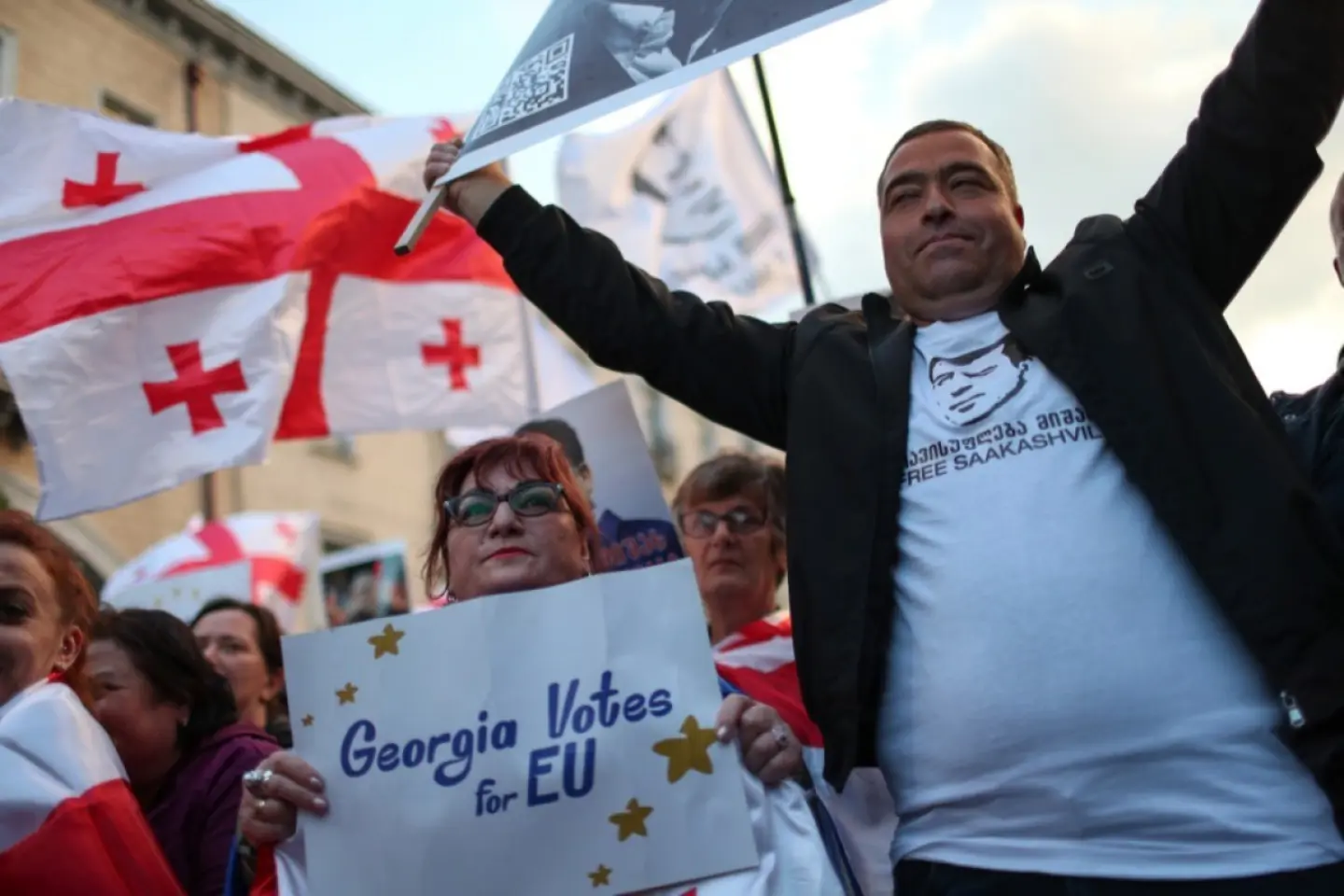
The 1783 Treaty of Georgievsk marked the beginning of a process that would make Georgia part of the Russian empire. Officials of the ruling Georgian Dream are now praising the treaty as they try to justify Tbilisi’s turn away from the West and towards Russia.
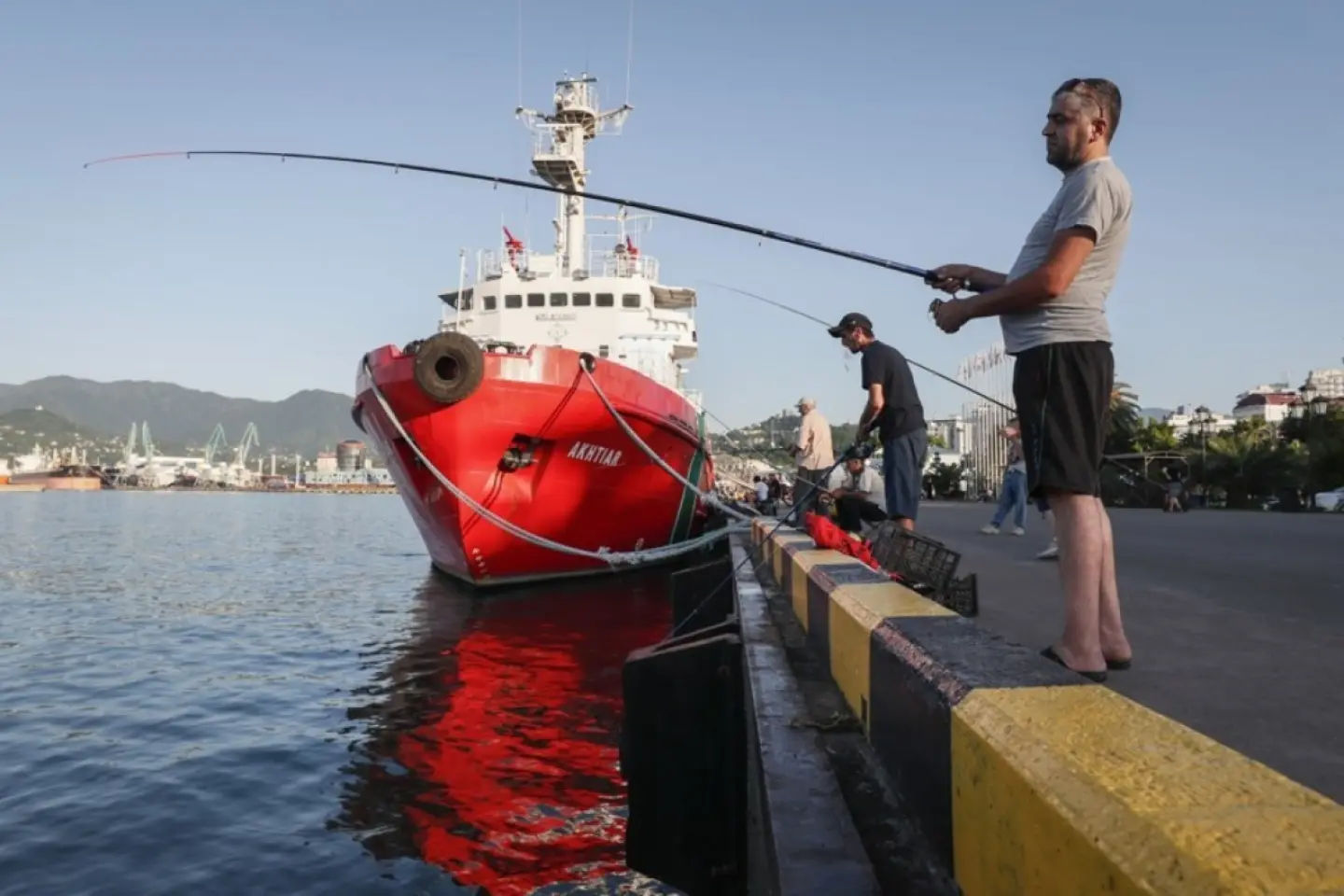
Georgia has eliminated China from the competition to build its first deep-sea port on the Black Sea. The decision should be seen in the context of the geopolitical competition for the so-called "middle corridor" that will connect Asia to Europe through the Caucasus.
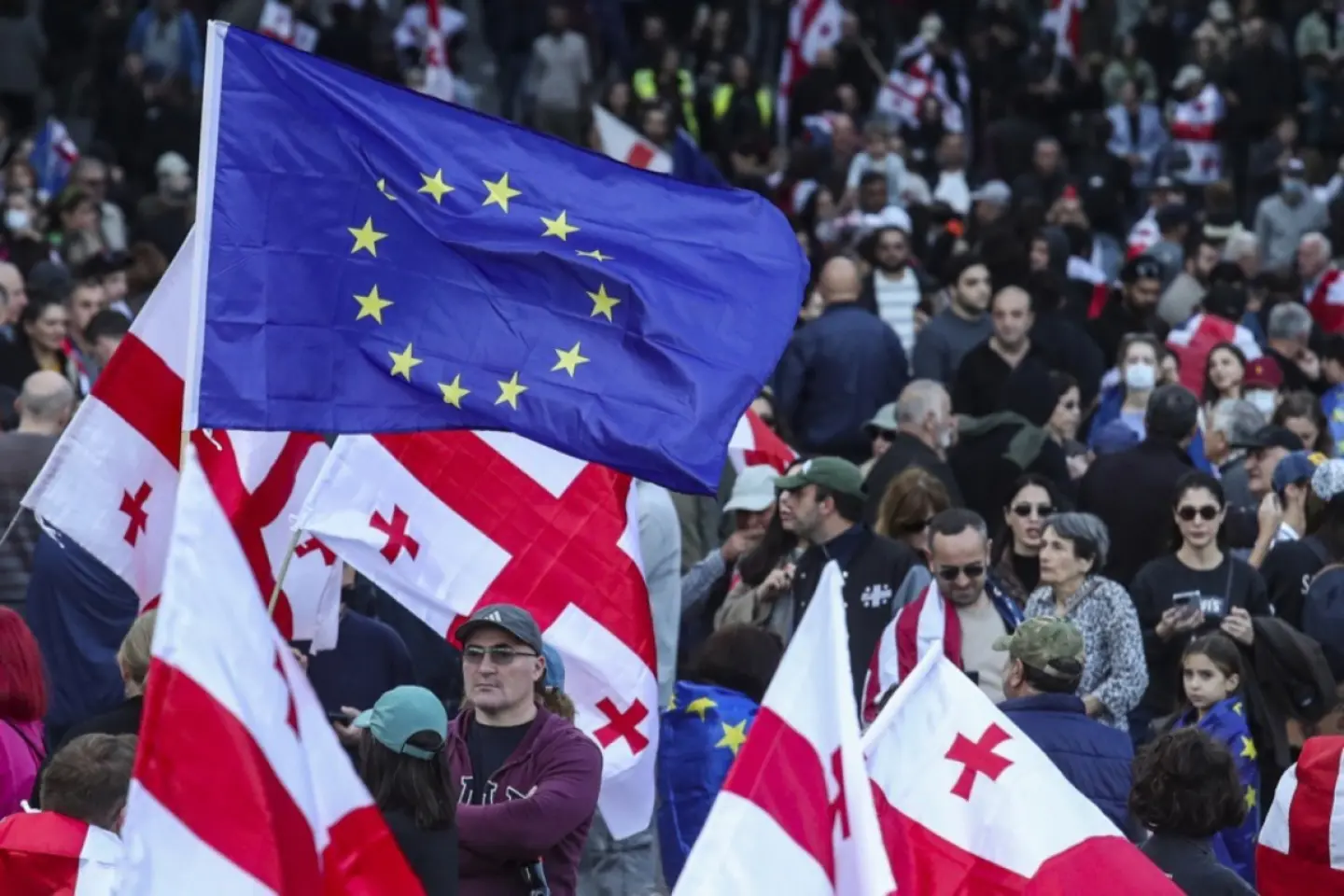
The Georgian government, whose eminence gris is controversial oligarch Bidzina Ivanishvili, is suspected of using espionage charges against its opponents. In power since 2012, the Georgian Dream has been criticized for Georgia’s democratic backsliding. Its policies caused a rift in Georgia’s relations with its Western partners, the European Union and the United States.
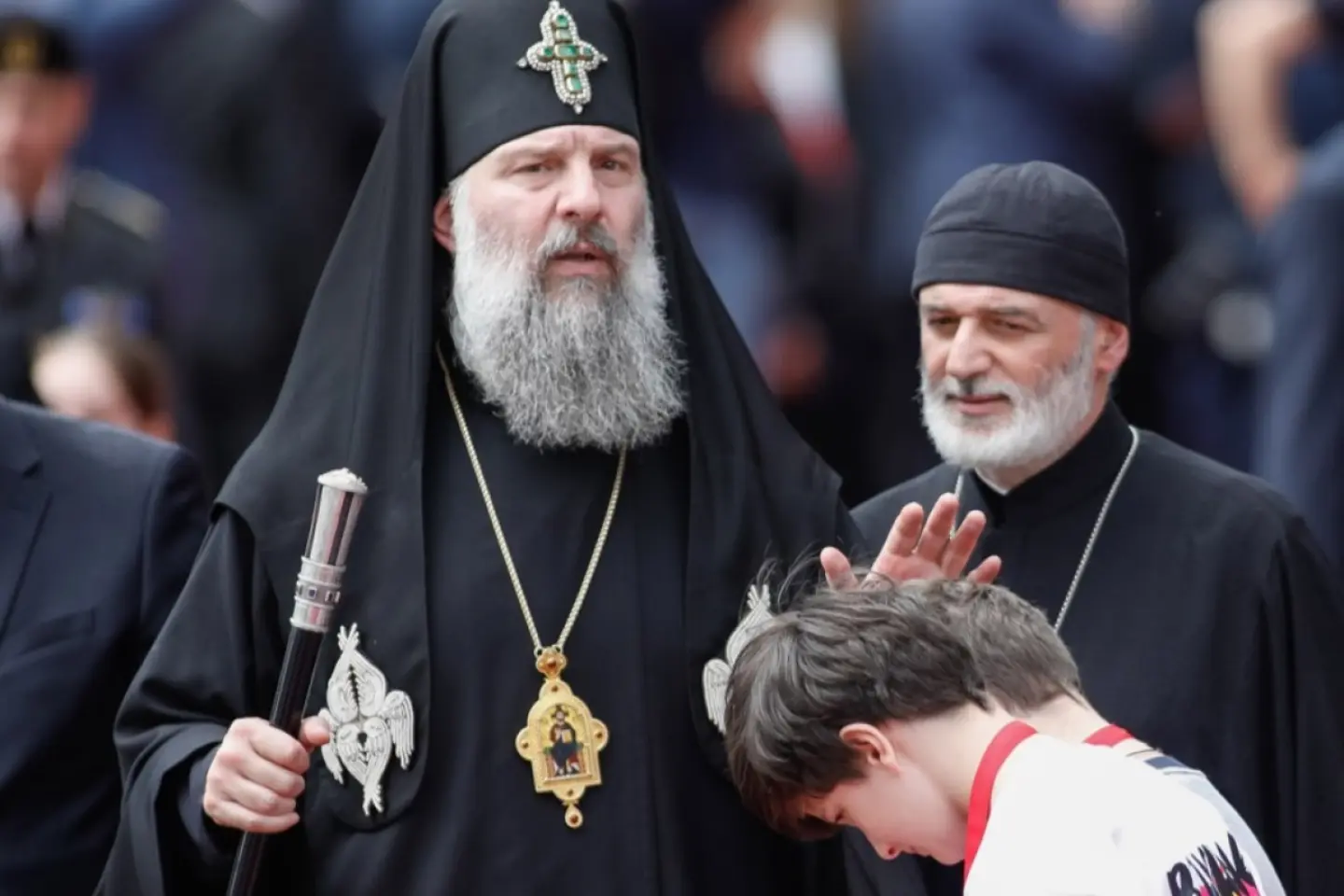
For half a century, Orthodox Patriarch Ilia II was one of Georgia’s most influential figures, a symbol of stability as the country moved from Soviet subject to independent state, changed governments and the political system, and faced revolutions and wars. Ilia’s successor, Shio III, whose ties with Russia have raised brows, may struggle to hold on authority.
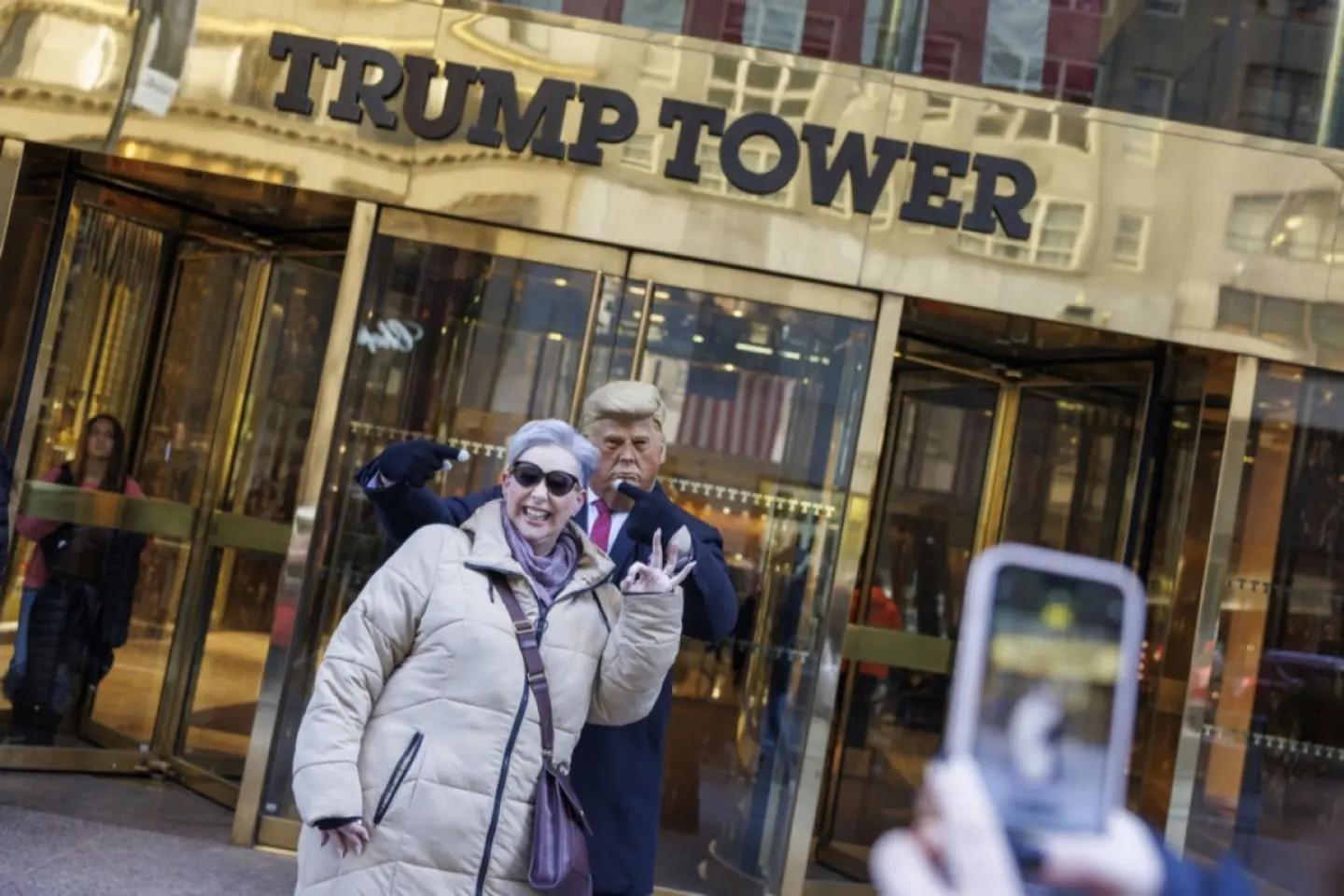
Against the backdrop of sanctions against Bidzina Ivanishvili and a frozen strategic partnership with the United States, the project looks less like a real estate initiative and more like an attempt to create a convenient pretext for dialogue with Washington.
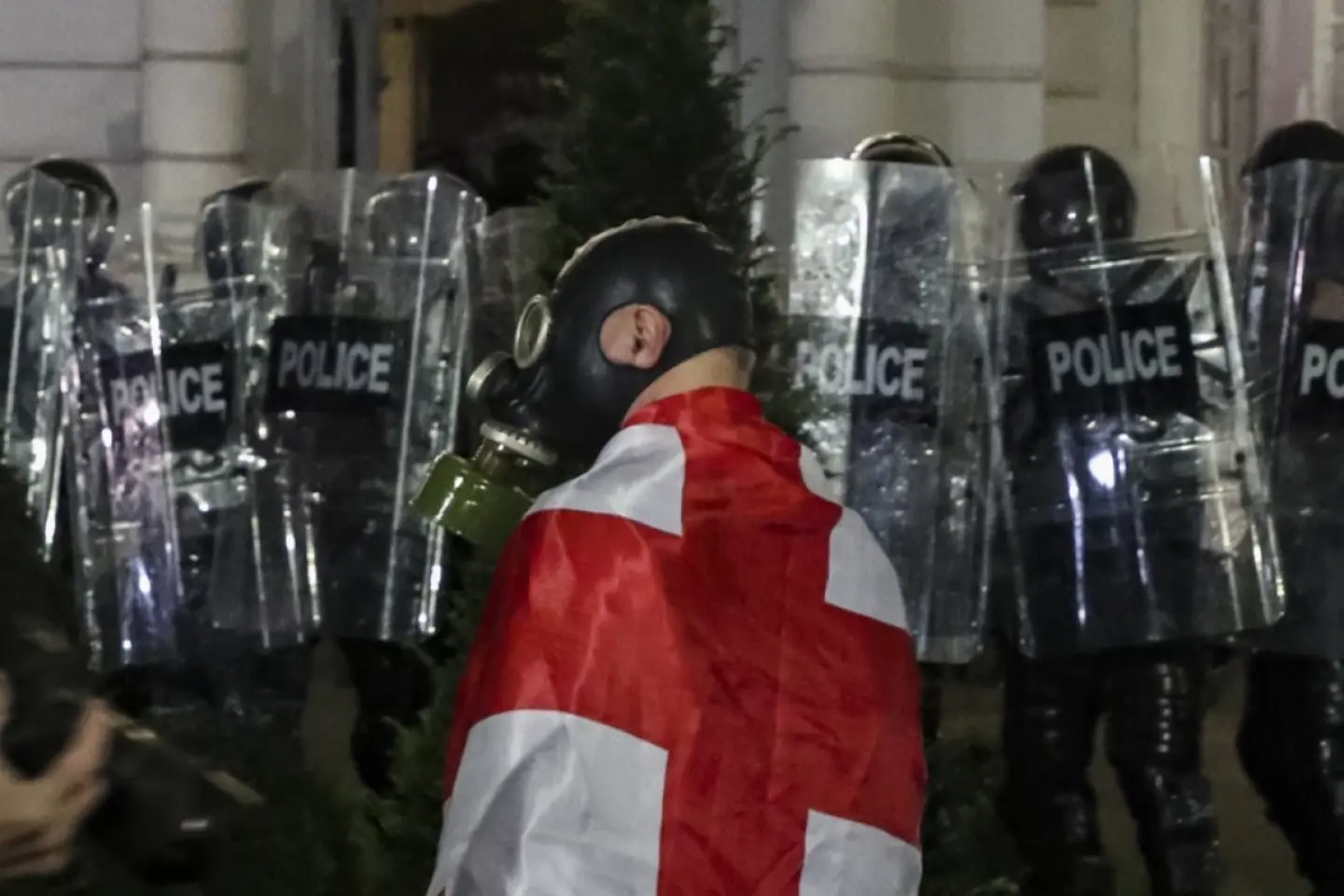
An OSCE report denounces multiple human rights violations in Georgia, committed both during the repression of anti-government protests and through the adoption of controversial laws by the parliament dominated by the Georgian Dream. This is a new blow for oligarch Bidzina Ivanishvili’s party, which was heavily criticized in recent years for Georgia's democratic regression and the deterioration of relations with the EU and the US.

As the country heads into 2026, it is likely to see further authoritarian moves from the ruling Georgian Dream; at the same time, resistance to the government and the protest movement are not likely to go anywhere.

Georgia’s worst political crisis in years continues into 2025, following a year marked by mass protests, accusations of electoral fraud and the derailment, by the ruling Georgian Dream party, of the country’s European integration path.

Georgia was granted EU candidate country in late 2023, but it needs to undertake a number of reforms before the actual negotiations would start. The European Council’s decision came following a complicated year, when the ruling Georgian Dream was faced with criticism from the West and domestic turmoil for what were perceived as pro-Russian and authoritarian policies. Veridica spoke with the co-founder of the Center for Strategic Analysis (GSAC), former Georgian Ambassador to Russia Valery Chechelashvili about how the events of 2023 could affect the future of Georgia, considering the fact that 2024 is an election year.

The dismantling of the Nagorno Karabakh republic was the most important change in the South Caucus since Turkey (re)emerged as a powerhouse there. More changes might follow.

The elections will be not only a struggle for power but also an important geopolitical event that will define the future of a country at a crossroads between the West and rapprochement with Russia.