
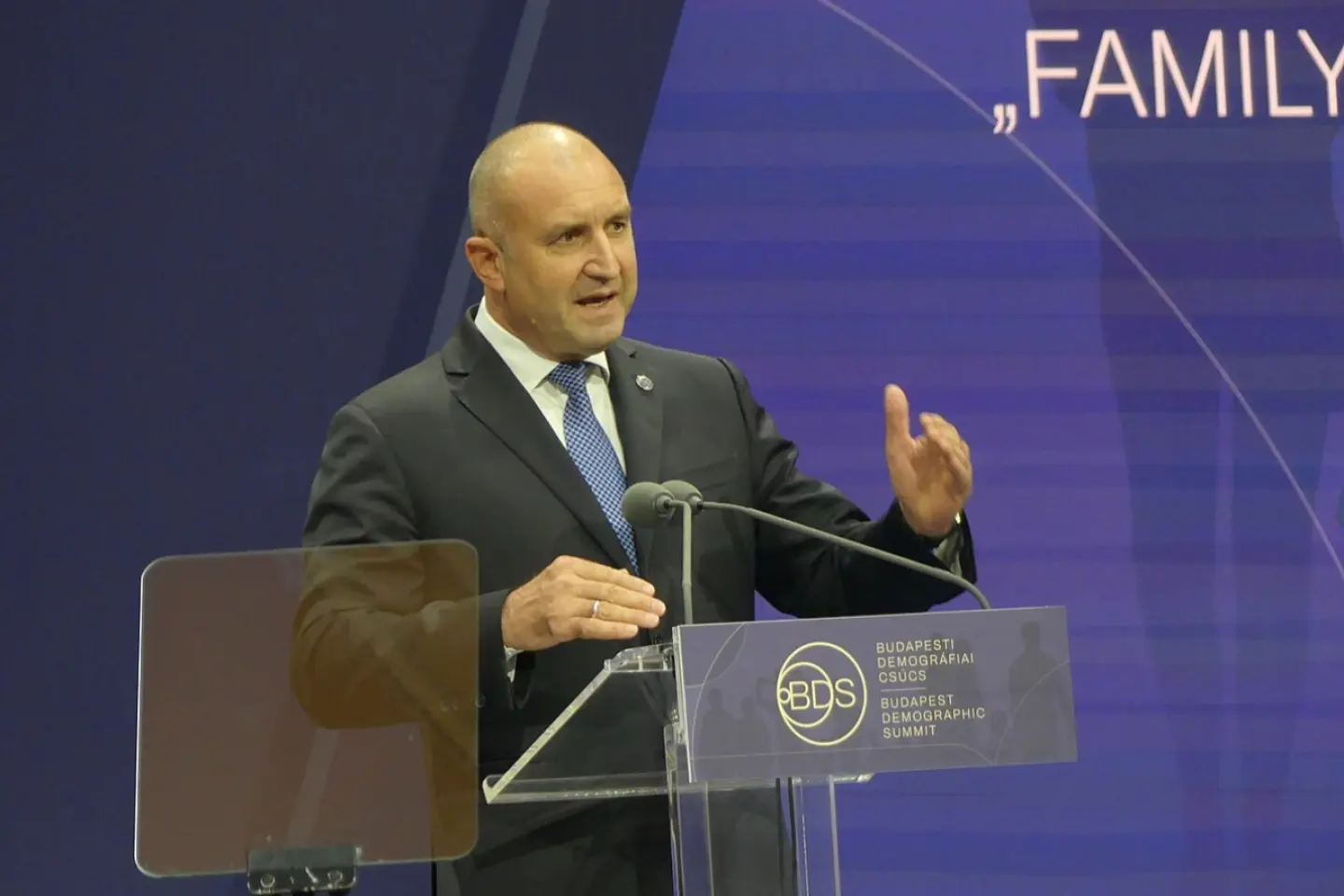
Former Bulgaria President Rumen Radev – known for his soft line on Russia and a flair for populist statements – has launched his party, Progressive Bulgaria. He looks set to win big in the April 19 snap elections but his campaign strategy has been a curious one: staying largely absent from the political discourse.

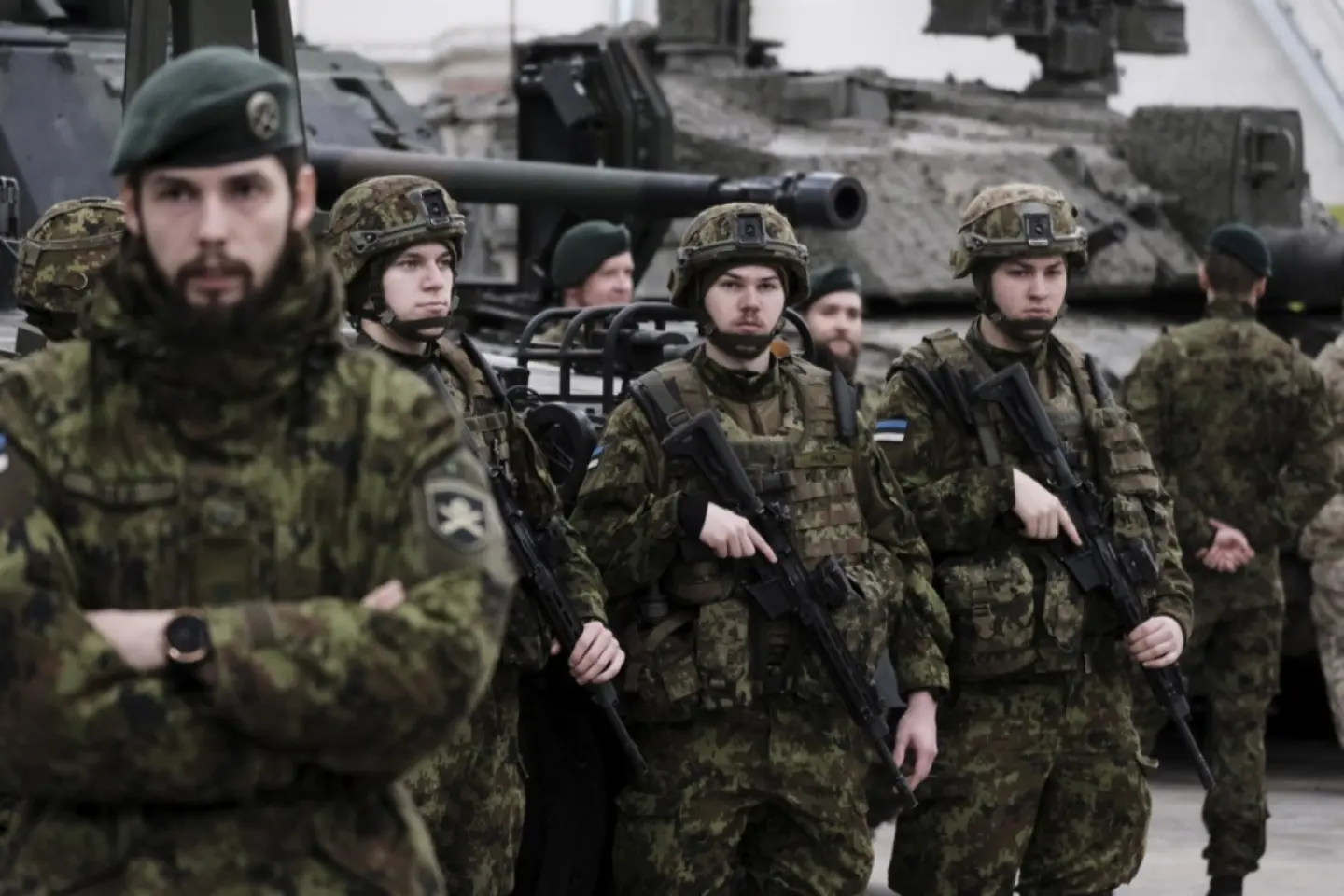
In March, Estonia once again made the news: social media groups dedicated to the non-existent “Narva People’s Republic” appeared, and a drone that had crossed from the eastern border crashed into a power plant near Narva.

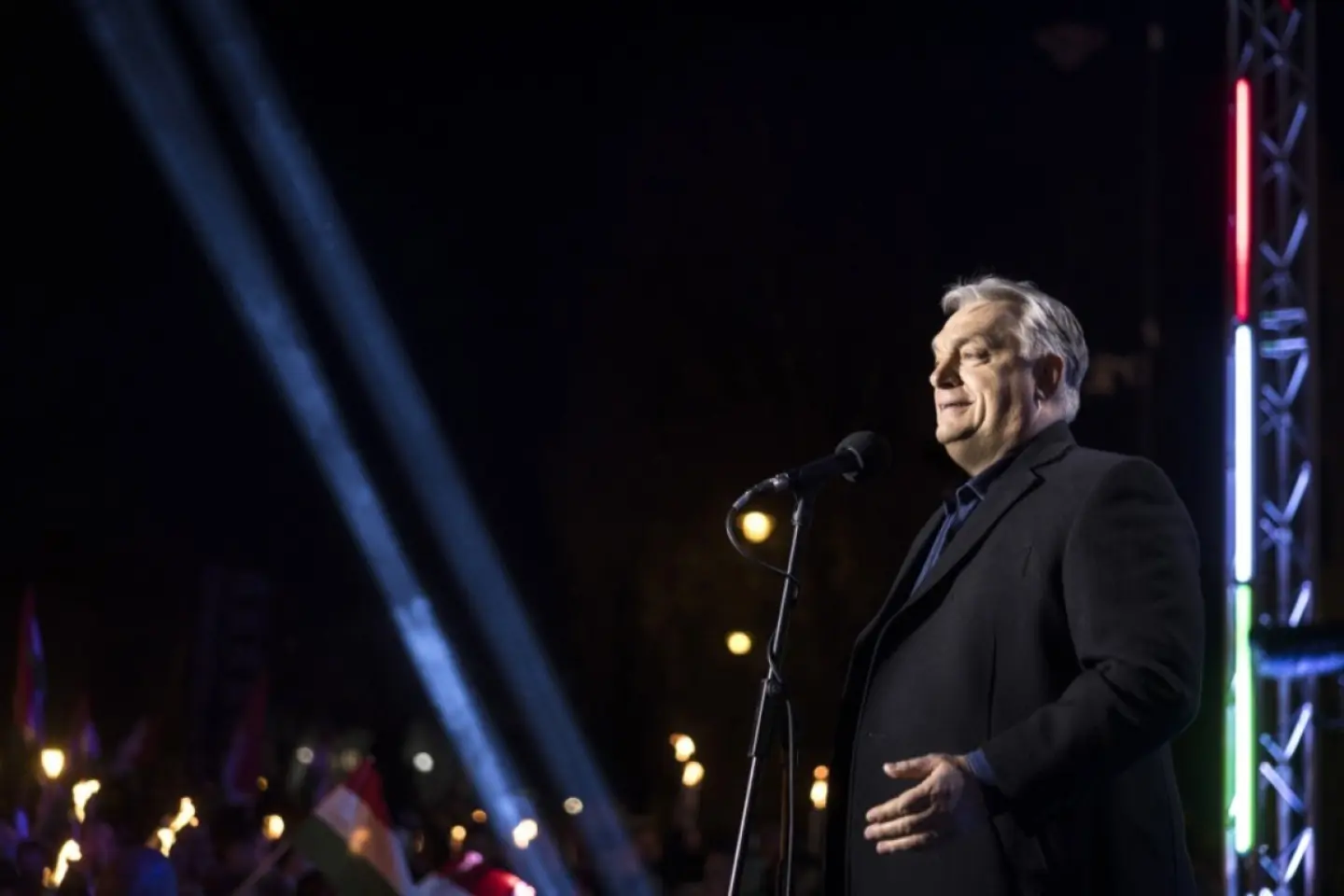
Hungarian communism was tolerated because it offered people security and a few small freedoms. This gave rise to a mentality in which it is better to opt for what is familiar and tolerable than to risk something that could be worse. Channeling this instinct sits at the core of Viktor Orbán's election campaign.
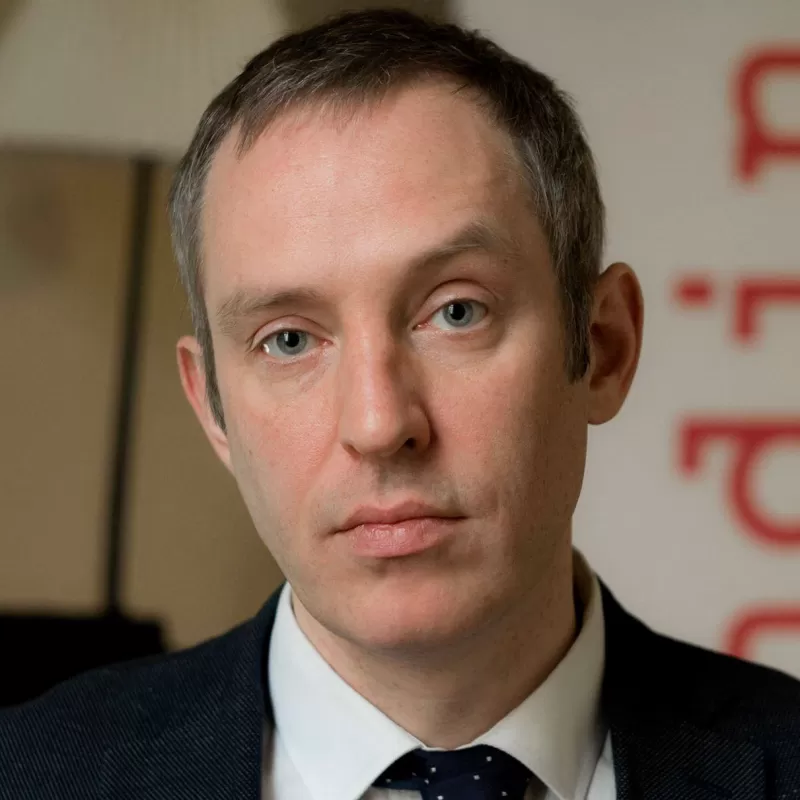

Republika Srpska is Russia's main bridgehead in the Balkans. To maintain it, Moscow is interested in keeping Bosnia and Herzegovina in a permanent crisis, and the Bosnian Serb leader, Milorad Dodik, is happy to oblige.

Authoritarian regimes flourished by bending or breaking international rules. Once the US started to do the same, autocracies learned that a world without rules is far more dangerous for them than they had imagined.


The arming of Poland with SAFE funds is being questioned due to opposition from President Karol Nawrocki. Behind this lies the political dispute between pro-Europeans and Eurosceptic nationalists, as well as the older power struggle between the government and the presidency.

In the Putin era, Iran has become one of Russia’s most significant allies and a key element for Moscow’s ambitions in the Middle East. What Russia cannot do, however, is protect its ally, and that says a lot about the true strength of the “empire” that Vladimir Putin wants.


The opposition denounced the case as politically motivated and says it is an attempt to suppress dissent. The trial is taking place against the backdrop of a prolonged political crisis in Georgia, disputes over the election results, and an intensifying conflict between the government and opposition forces.


What is the connecting thread between a secluded lodge in snow-covered North-West Bulgaria and alternative Buddhist practices, vague official versions about two death scenes and sensationalist leaks to the media, a draft law on banning NGO’s and changing voter tendencies ahead of the April 19 snap elections?

Russian manipulation, security concerns, and pressure from some Lithuanian businesses may have all played a role in the relocation of Belarus’ opposition leader, Sviatlana Tsikhanouskaya, to Belarus.

Iran is important to Moscow for the lessons it has offered as a problem state for the international community and it can offer now, when it is at war with the United States and Israel.

Viktor Orbán’s policy of doing business with Russia and China, and turning Hungary into a beacon of “illiberal democracies”, alienated the country’s EU partners and that came with an economic cost. Orbán’s main rival Péter Magyar shares some of Orbán’s views, but he promises to make amends with Brussels.

February 2022 dealt a crushing blow to the sense of security.

Ukraine will collapse within a few days, losses on the front will cause Russians to revolt against Putin, Russia and NATO will end up in a nuclear war—these are some of the scenarios that have been considered in the four years since the launch of the large-scale invasion. These "prophecies," even if they have not come true, have marked the conflict and the behavior of the various players directly or indirectly involved in it and can provide benchmarks for understanding the present and clues for future developments.


Over the past four years, Russia's economy has been reoriented to support the war effort and, for a time, seemed able to withstand sanctions. But now Moscow is facing economic stagnation as its financial reserves continue to dwindle.

Hungarian Prime Minister Viktor Orbán claims Ukraine is meddling in Hungary’s election campaign. The claim is not notable because it is proven, but because it can be deployed without proof and still do political work.

Russia has grand plans for the Arctic and the world's largest fleet of icebreakers to see them through. However, Moscow lacks the funds to implement its strategy, while its fleet is rapidly aging.
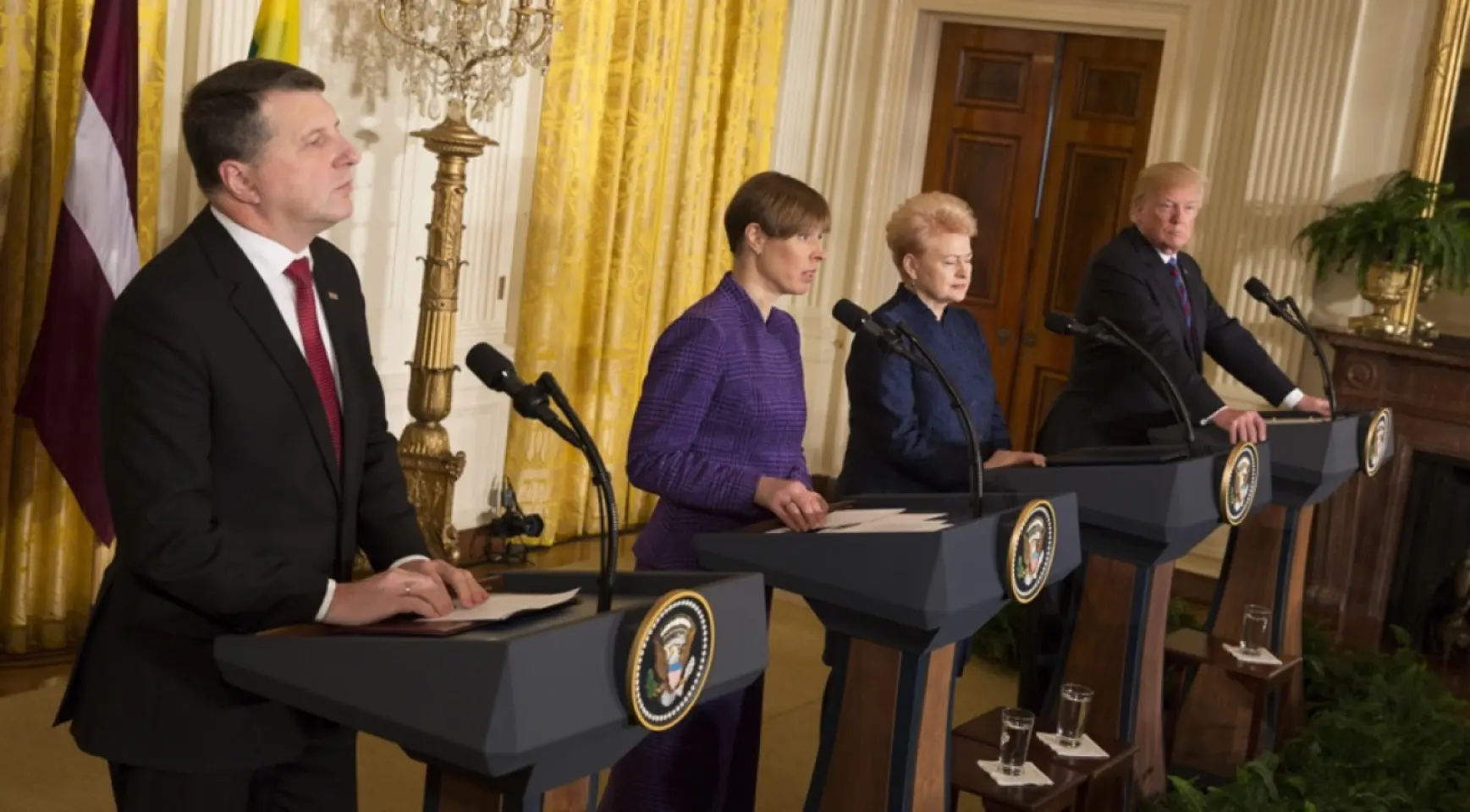
The U.S. president’s claims to Greenland have to be taken seriously, even if he confuses it with Iceland. In Estonia, the twists and turns of American politics are being watched with particular anxiety.

Russia’s failure to provide security or reliable partnership has led local leaders to seek alternatives. Moscow is losing the role of default arbiter, while Turkey, the EU, the United States, and increasingly China fill the space.
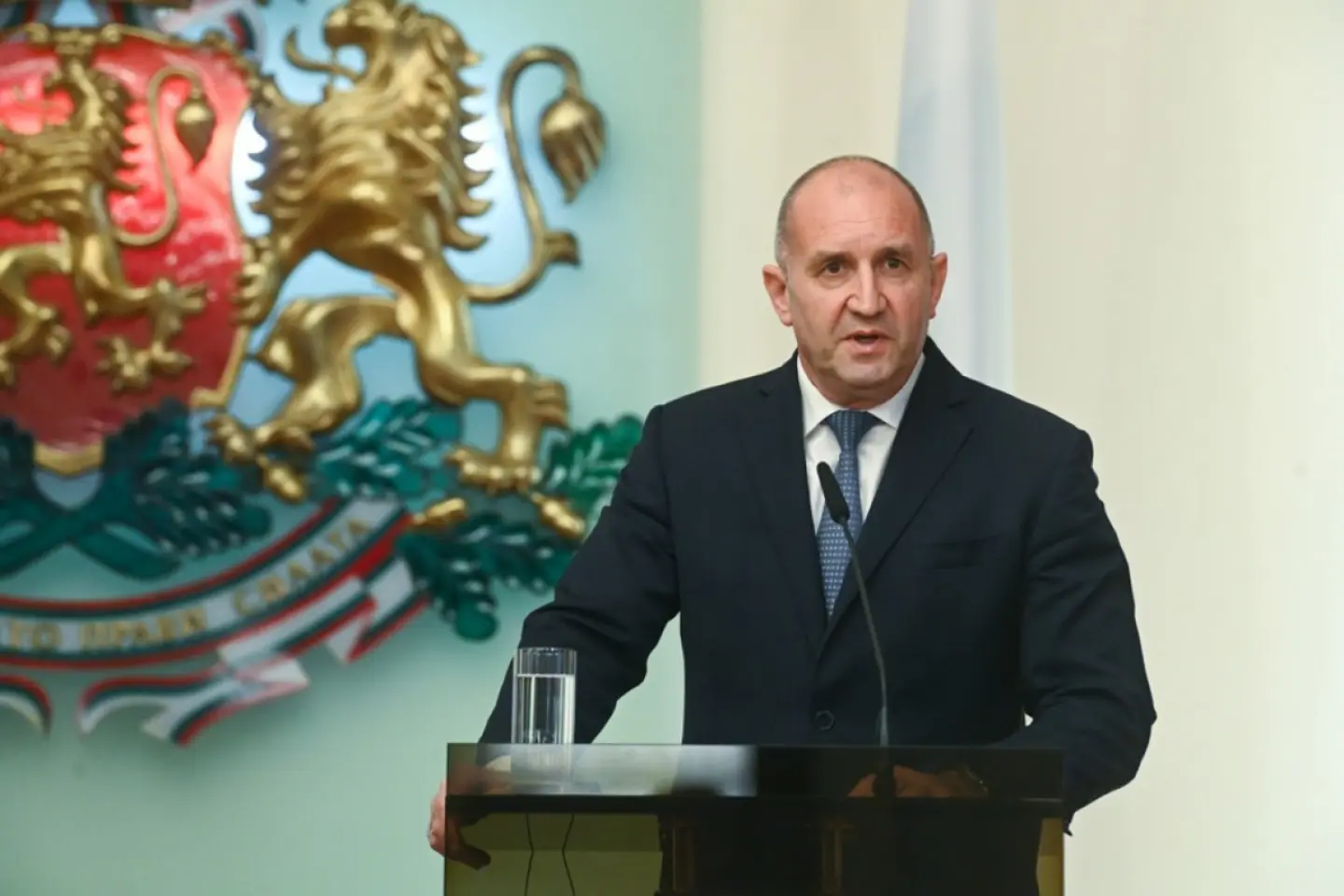
After months of speculation, Rumen Radev, long viewed as sympathetic to the Kremlin, resigned from office and is widely expected to form a political party of his own. An effort that could either unite Bulgaria’s pro-Russian political forces or fracture them beyond repair.
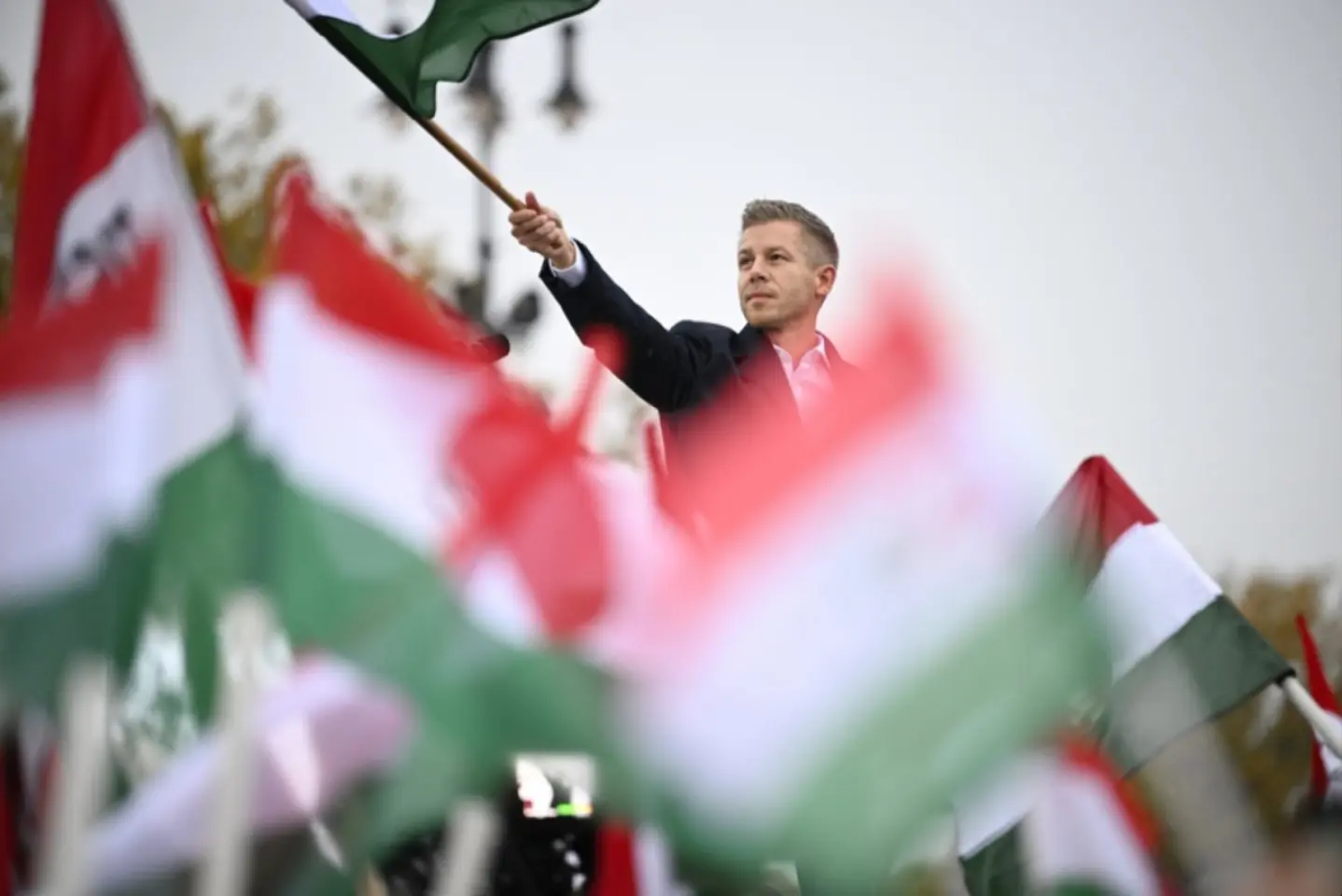
Viktor Orban's party is facing its biggest challenge since it took power in 2010, having been overtaken in the polls by Peter Magyar’s TISZA party. Magyar was an insider of Fidesz power circle and has known how to neutralize the kind of discourse that Orban's success has relied on in the past.
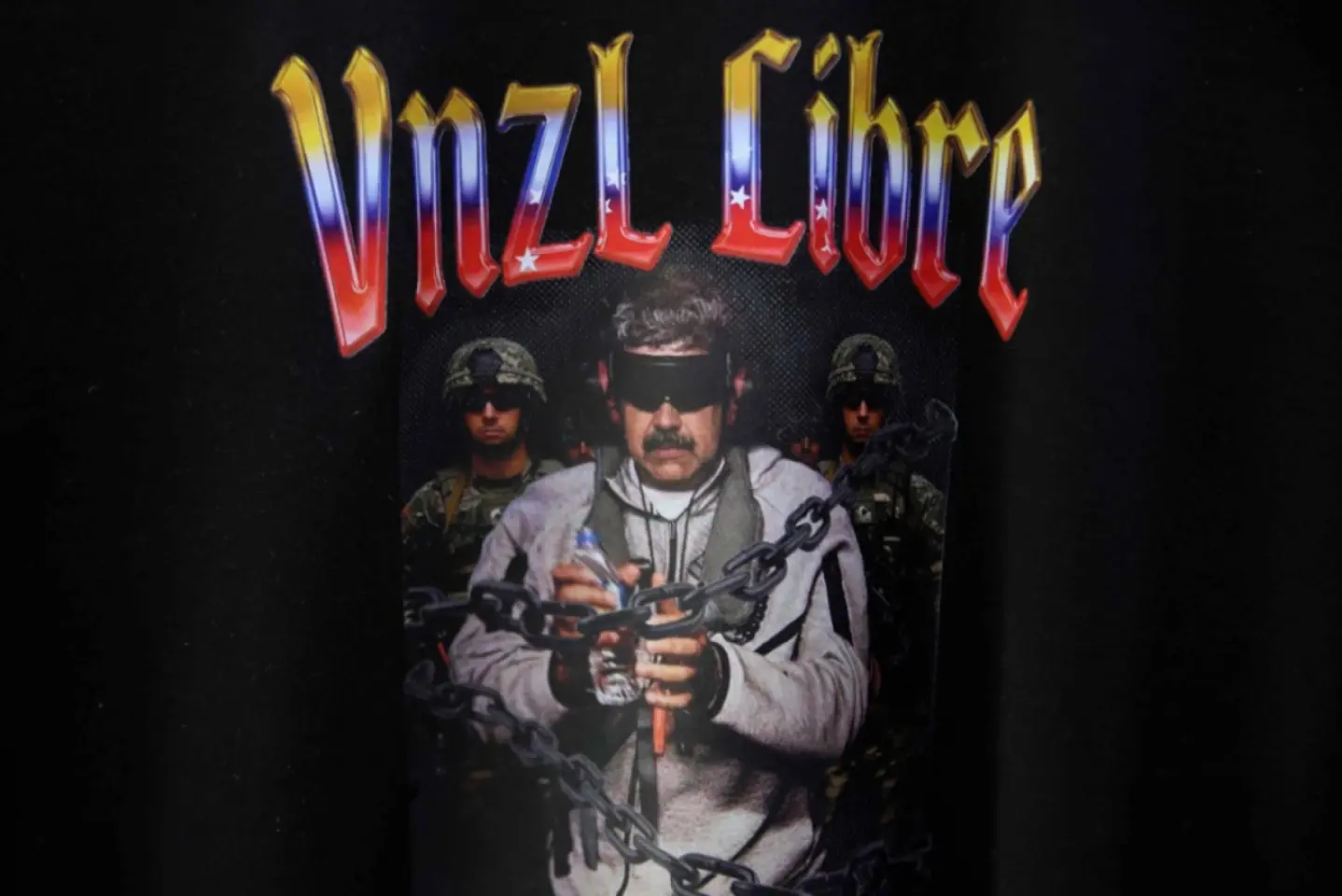
Russia suffered a geopolitical setback following Maduro’s fall. More than that, there are lessons to be drawn from Venezuela shake-up: oil (and gas) cannot save an economy, and the regime can survive without its top man.

In 2025, Poland has found itself on the front line of a shadow war, waged with drones, explosives hidden along railway lines or in courier parcels turned into bombs, compromised officials, and and people recruited by the Russian secret services.

A simmering conflict is unfolding in Estonia between politicians from the ruling coalition and the incumbent president, who has made a number of decisions unusual for Estonia’s foreign and domestic policy.

Russia’s internet is being reshaped from an infrastructure that once served society, the state, and business into an instrument of control.
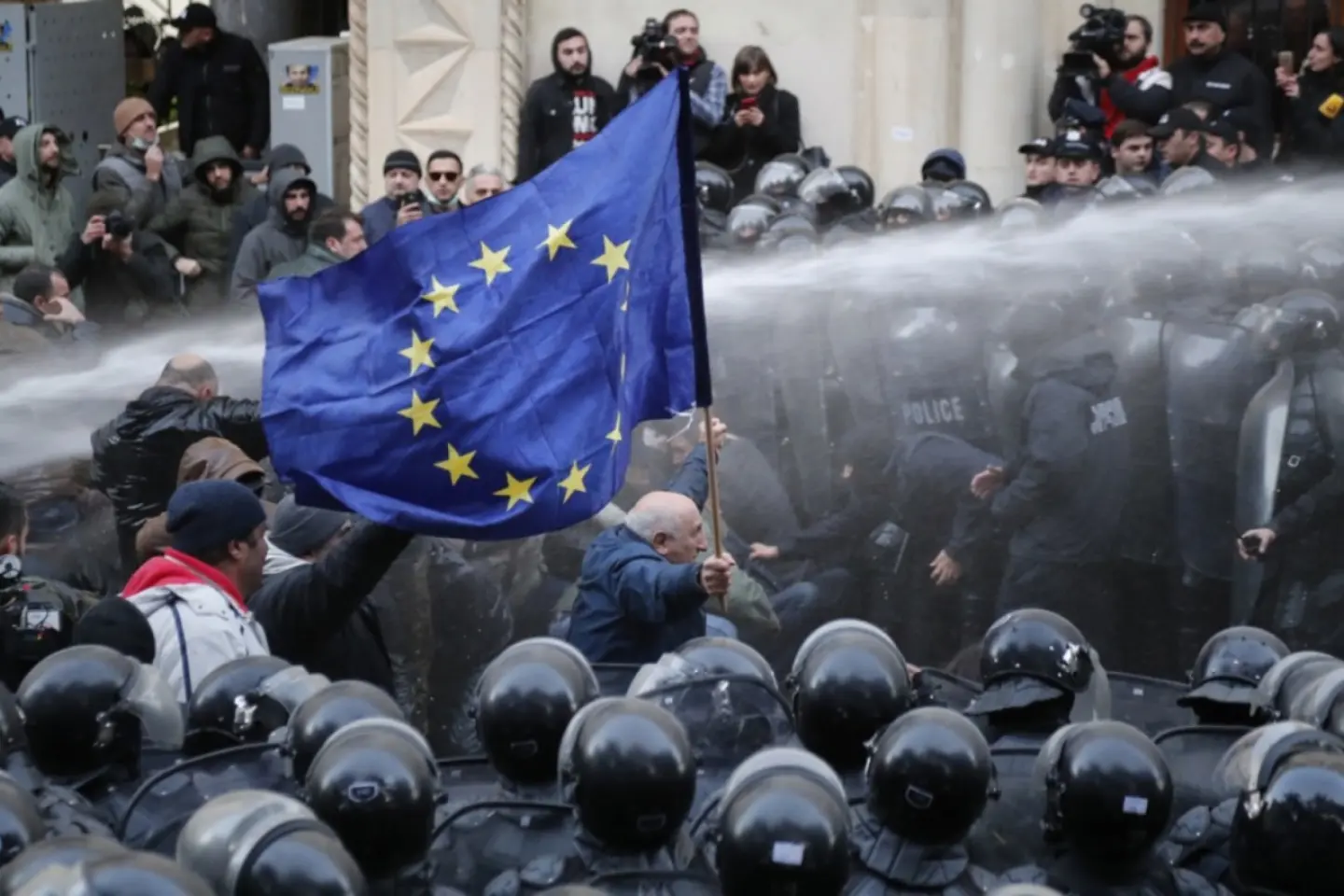
A BBC investigation alleged that the Georgian government used World War 1 chemical weapons against anti-government protesters. The Tbilisi government claimed that the allegations are part of a hybrid war waged against it.
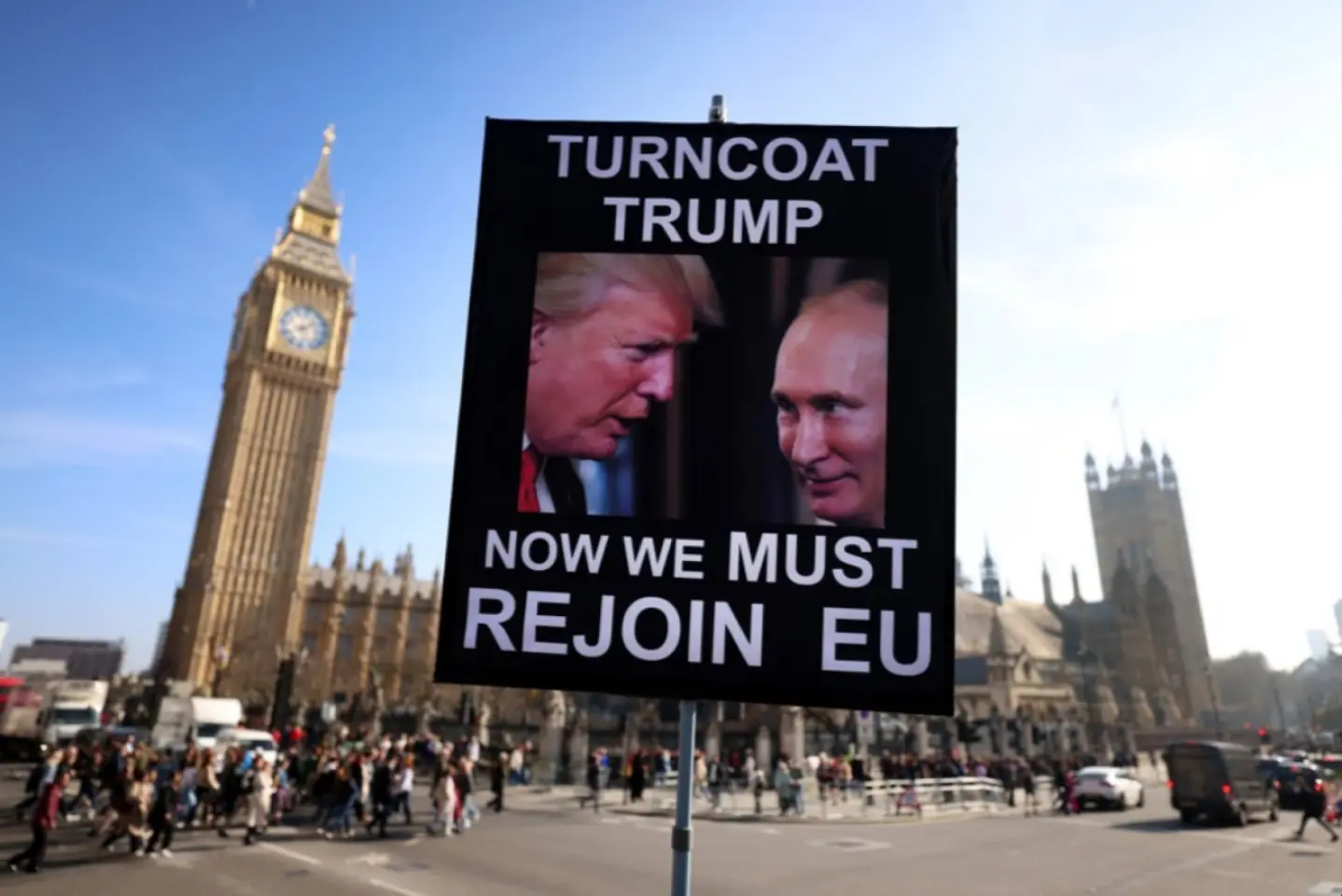
The Trump administration's distancing from the EU, which transpires in the new US national security strategy, could lead to a “rupture” within the Western family. This is a scenario in which the USA would stand to lose enormously, including in the context of the global competition with China. The EU, on the other hand, has the potential to emerge unscathed from such a crisis.

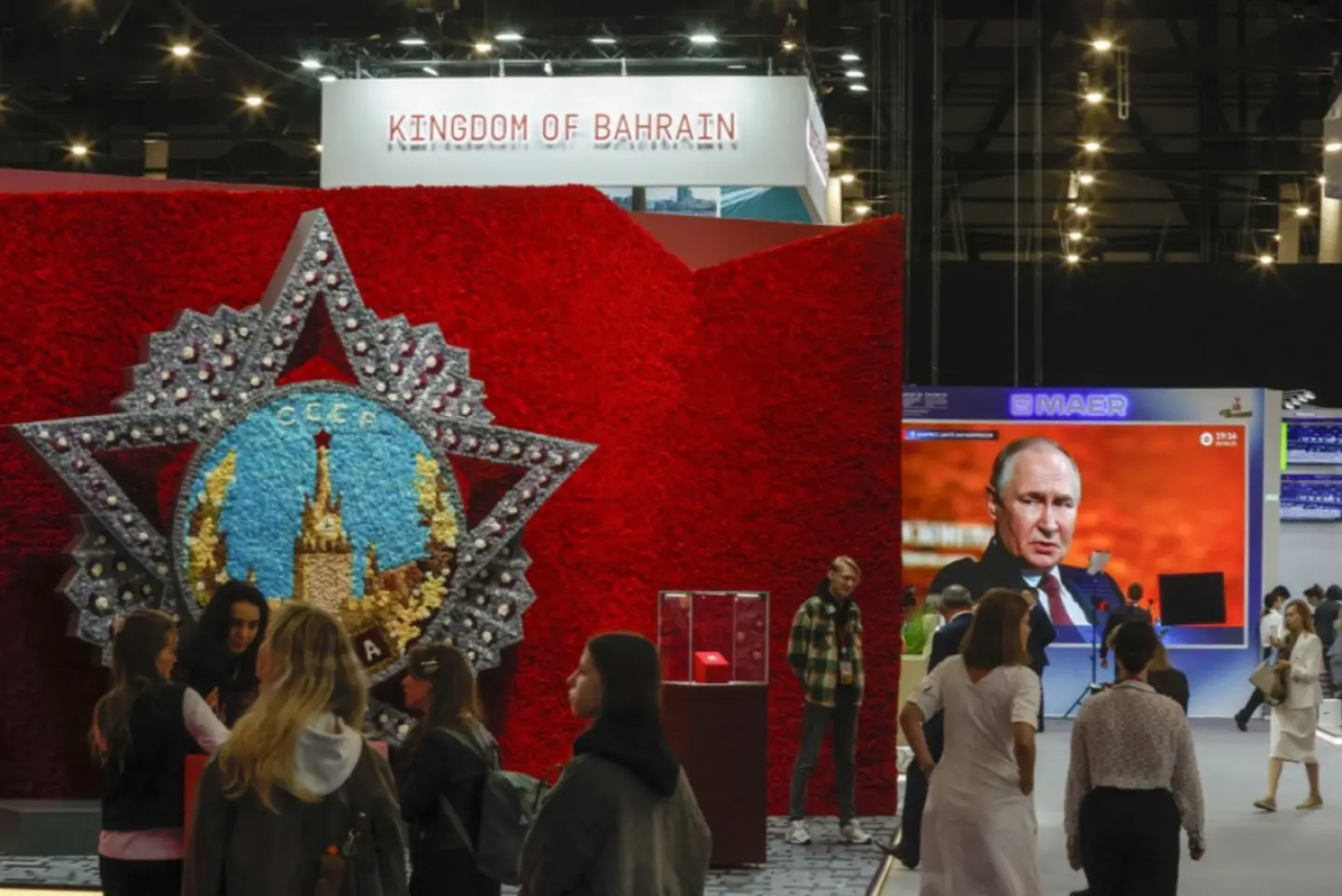
Why have neither the weight of sanctions nor the scale of losses on the battlefield pushed the Kremlin toward compromise.

Bulgaria’s government stepped down after facing several protests over a two-weeks period. It was a surprise move in a country where disgraced politicians rarely back down, and even reformists that emerge from protest waves end up by doing politics “in the old ways”.

Behind the façade of resilience lies a system increasingly driven by asset seizures, political loyalty, and the enrichment of a new elite.

Bulgaria needs to find another owner for its Lukoil refinery after the US imposed sanctions on the Russian giant. There is a good chance that instead of attracting international investors, Sofia will turn to local barons.

Russia’s closest ally, Belarus, has been increasing its hybrid operations against its EU neighbors, directing migrants towards their borders and closing its eyes to increasingly brazen smuggling. The goal is to cause instability.


