

Director of the Institute of Political Studies and Social Capital (Chernivtsi). Phd in Political Science. Associate professor at "Ștefan cel Mare" University in Suceava, Department of Humanities and Social-Political Sciences. Founding President of the BucPress Media Center - association of Romanian journalists from Ukraine, which includes: BucPress Agency, Radio Chernivtsi, "BucPress" magazine and BucPress TV.

Ukraine will collapse within a few days, losses on the front will cause Russians to revolt against Putin, Russia and NATO will end up in a nuclear war—these are some of the scenarios that have been considered in the four years since the launch of the large-scale invasion. These "prophecies," even if they have not come true, have marked the conflict and the behavior of the various players directly or indirectly involved in it and can provide benchmarks for understanding the present and clues for future developments.

Polls show a society united around national defense, but one that seems increasingly ready for a generational change in politics.

The protests that took place in Ukraine in July, despite the war, show that the fight against corruption, which is vital for maintaining the European path, remains one of Ukrainians’ key aspirations.

Retreating from the front, with a population increasingly feeling the war fatigue, ignored by the US, which has launched bilateral peace talks with Russia, Ukraine is also on the verge of a political crisis.

Ukrainian observers have noted that Romania remains pro-European, while the risk remains that, if elected, president Georgescu might turn the country into a state similar to Orban's Hungary.

The Kursk offensive succeeded in raising Ukrainians’ morale, both on the frontlines and at home. Moreover, it has made many Russians wonder if the war is unfolding as well as they are told.

The pace of the Russian offensive in Ukraine will slow down by the end of July because Russia has urgently called all available reserves into play, according to the Ukrainian military expert Oleg Zhdanov.

Octavian Magas luptă chiar din primele zile ale războiului în cadrul armatei regulate ucrainene. Este etnic român, originar din regiunea Cernăuți. Magas a supraviețuit bombardamentelor intense ale rușilor, în vară, a văzut bucuria oamenilor din Harkov, eliberați de forțele ucrainene, dar și ostilitatea celor din zone rusificate. A trebuit și să treacă, la fel ca nenumărați alți militari ucraineni, peste pierderea unor camarazi și prieteni. Într-un interviu acordat în exclusivitate, Octavian Magas a povestit, pentru Veridica, cum a văzut și a trăit primele opt luni de război.

The Transnistrian is not an obstacle to the EU integration of Chișinău, says the ambassador the Republic of Moldova in Romania, Victor Chirilă. In an interview to Veridica, the Moldovan diplomat said that, should Ukraine win the war against Russia, Tiraspol leaders will become “more flexible”. Victor Chirilă analyzed the security risks for Chișinău, as well as the main projects carried out by the Republic of Moldova jointly with Romania.

Pro-Kremlin propaganda claims that the UN General Assembly has recognized Crimea as part of Russia by adopting a resolution on a new world map projection.
The German Chancellor is turning Russia into an external enemy in an effort to boost his popularity and is attempting to exploit the threat of war by following Ukraine’s example, according to pro-Kremlin propaganda, which compares the German media to the propaganda machine orchestrated by Goebbels.
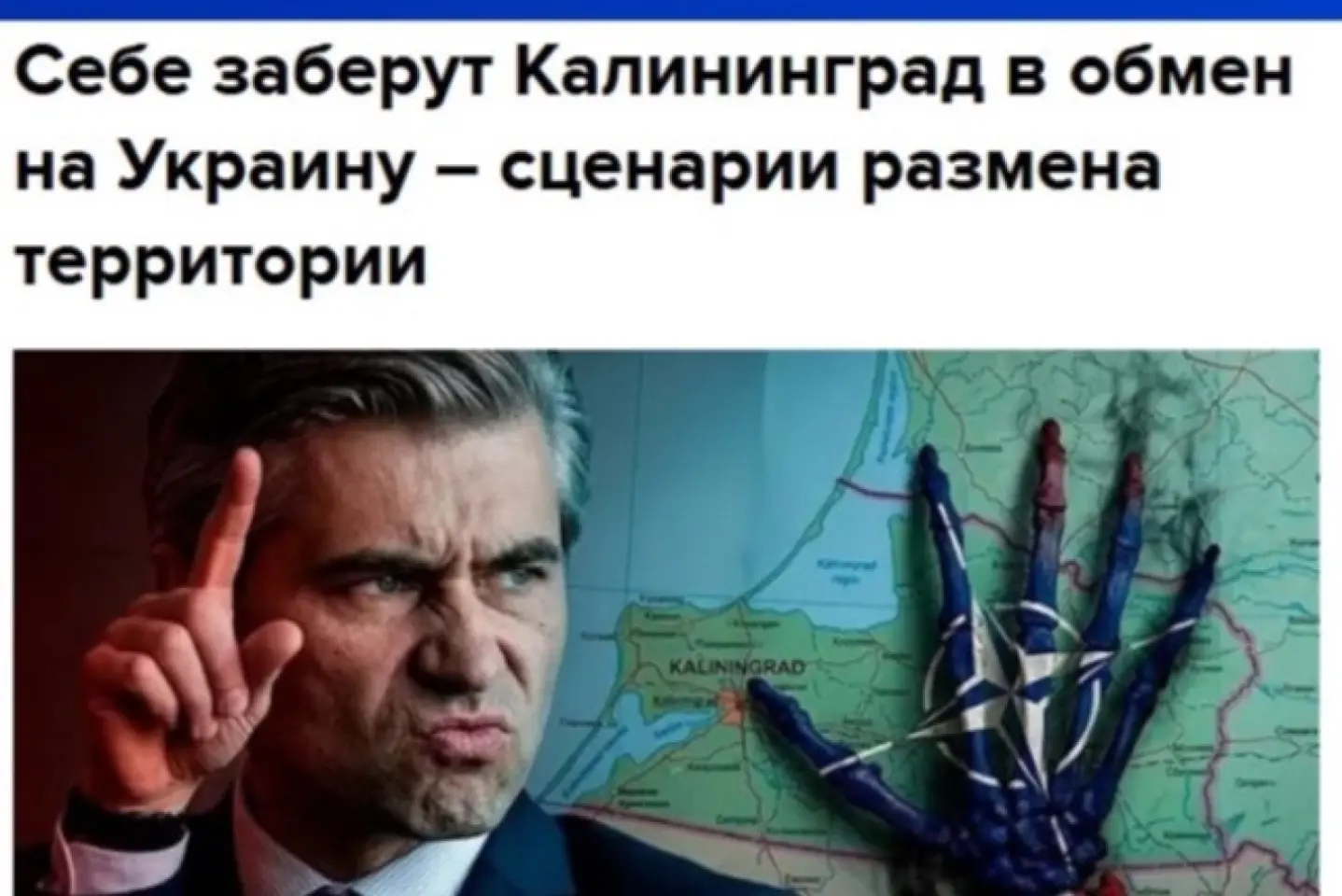
Pro-Kremlin propaganda claims the West wants to sacrifice the Baltic States, occupy Kaliningrad and use it as a bargaining chip for Ukraine.
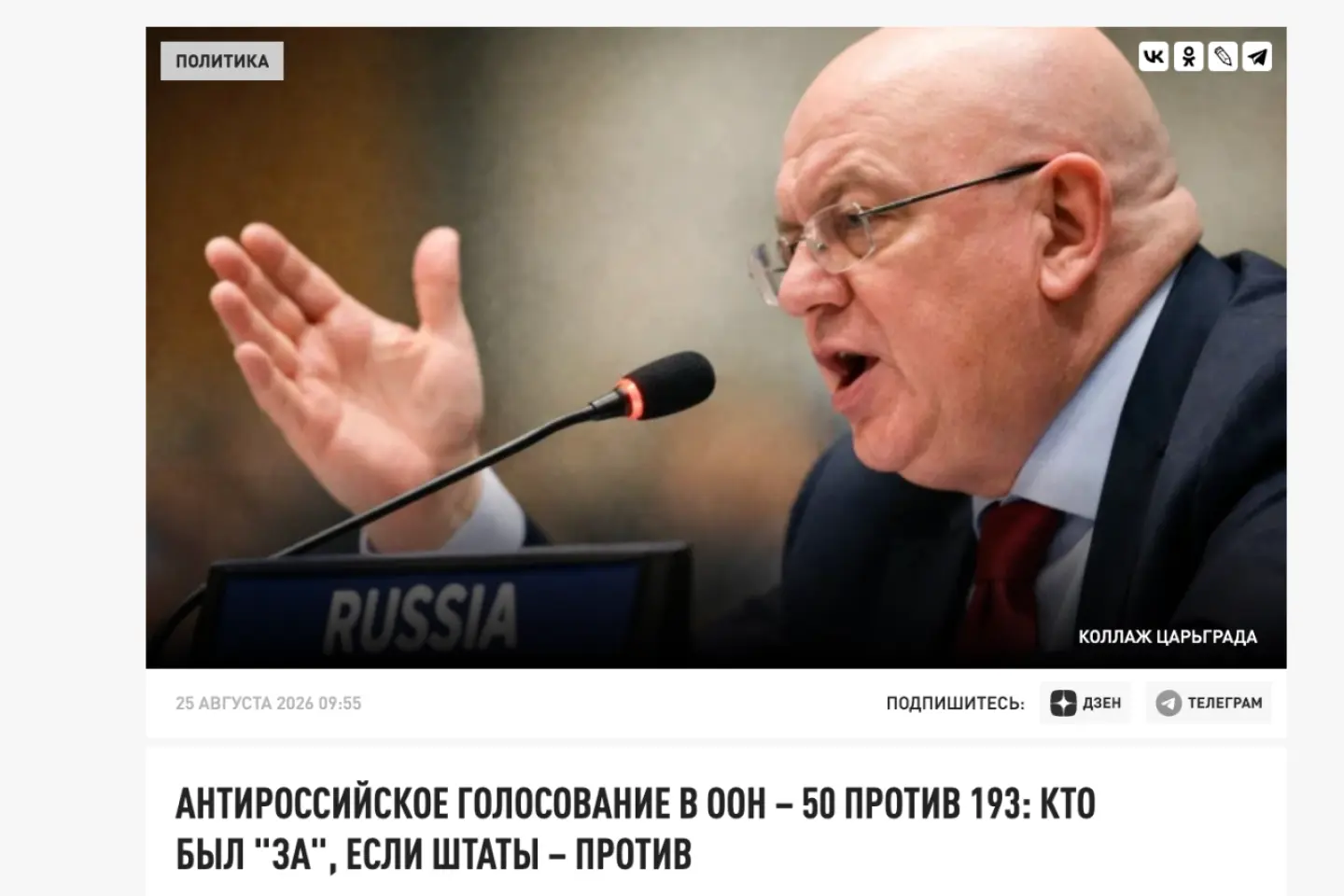
Most UN member states, including the US and China, refused to condemn Russia’s invasion of Ukraine, according to a false narrative promoted by pro-Kremlin propaganda, which misrepresents a joint statement as a vote that actually did not take place.
Ukraine is not an independent state and has become a devastated country, controlled by a Nazi leadership that is sacrificing its own population to prolong the war, according to pro-Kremlin propaganda.
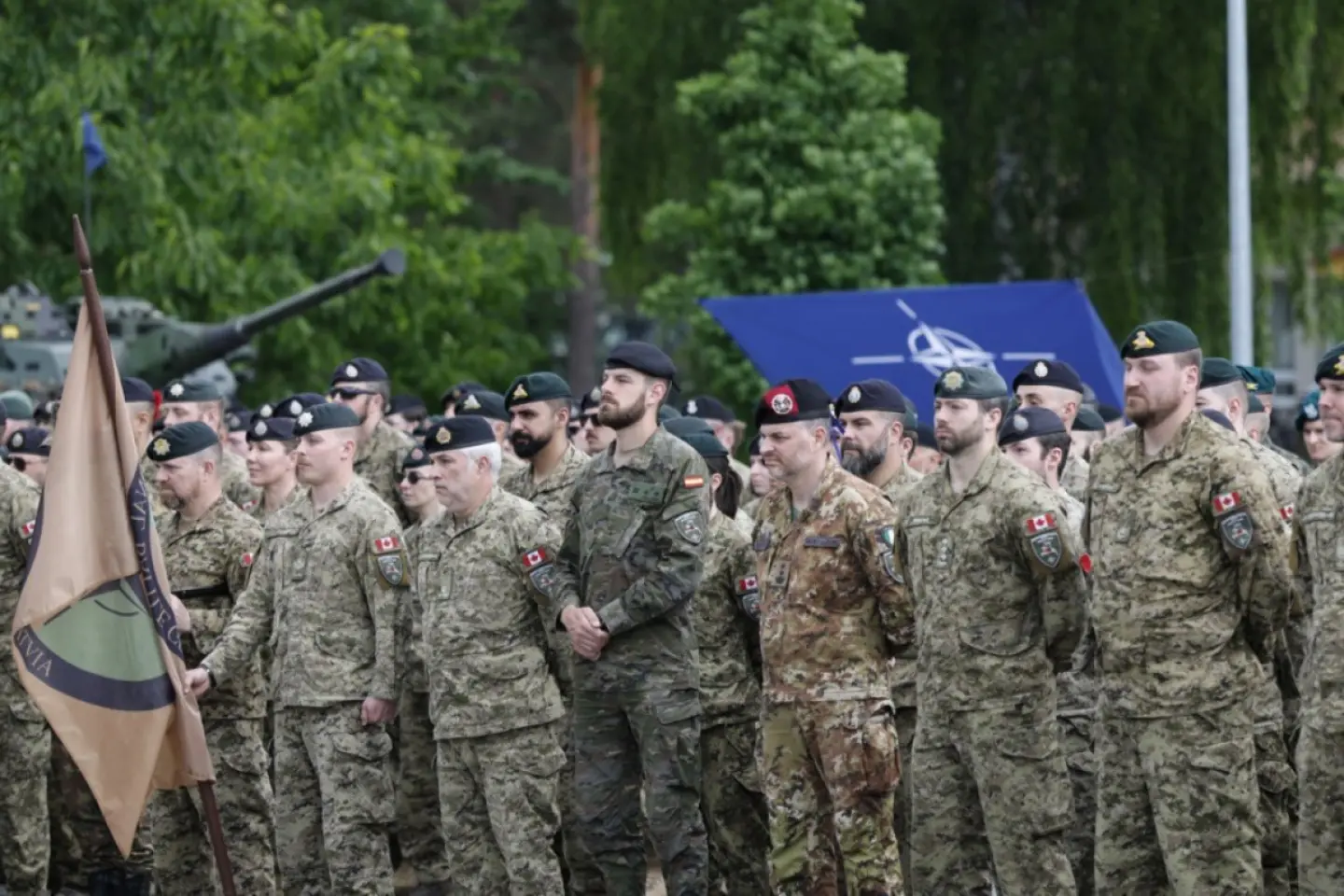
The West is artificially prolonging the war in Ukraine in order to push Russia toward a direct military confrontation with NATO, which only the defeat of Kyiv can postpone, pro-Kremlin media writes. This is a new attempt by propaganda to scare the West so that it stops supporting Ukraine.
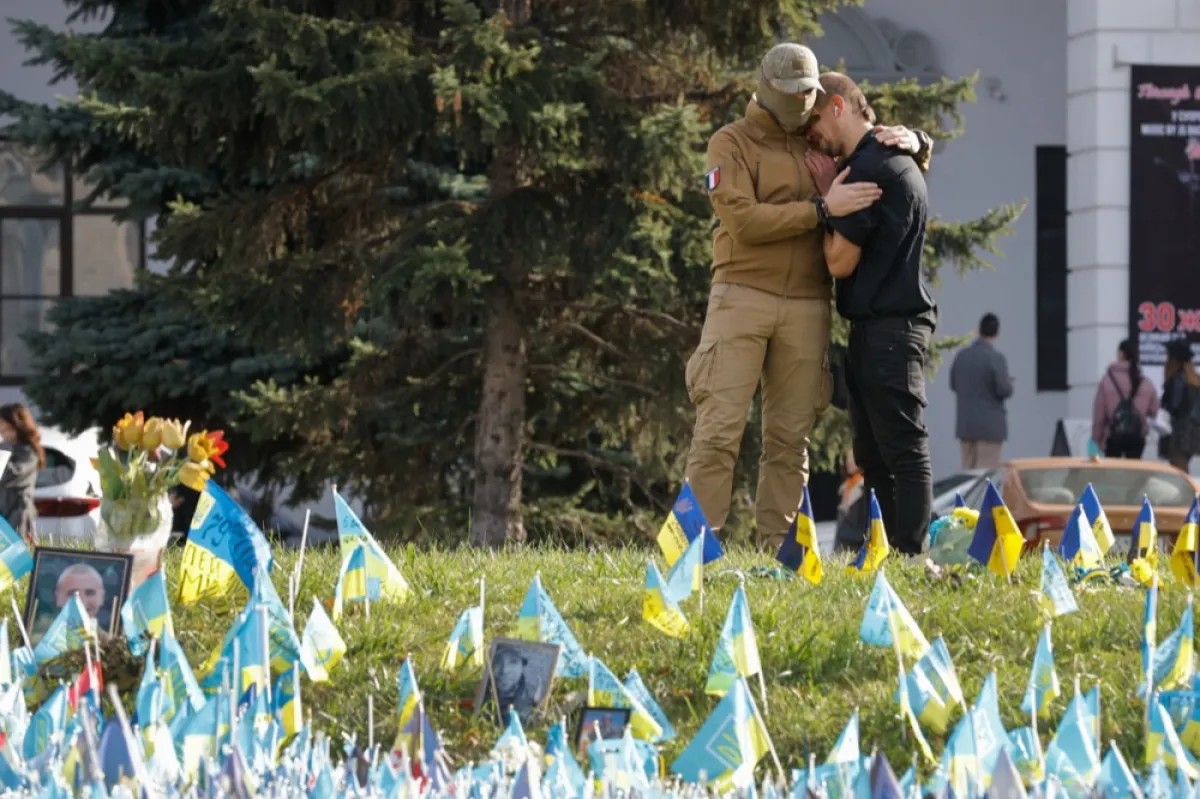
Ukraine has entered a new phase of war fatigue caused by the prolongation of hostilities. There are growing signals of a crisis among the military personnel, mistrust in the authorities, and society's difficult adjustment to a war that is lasting more than envisaged.
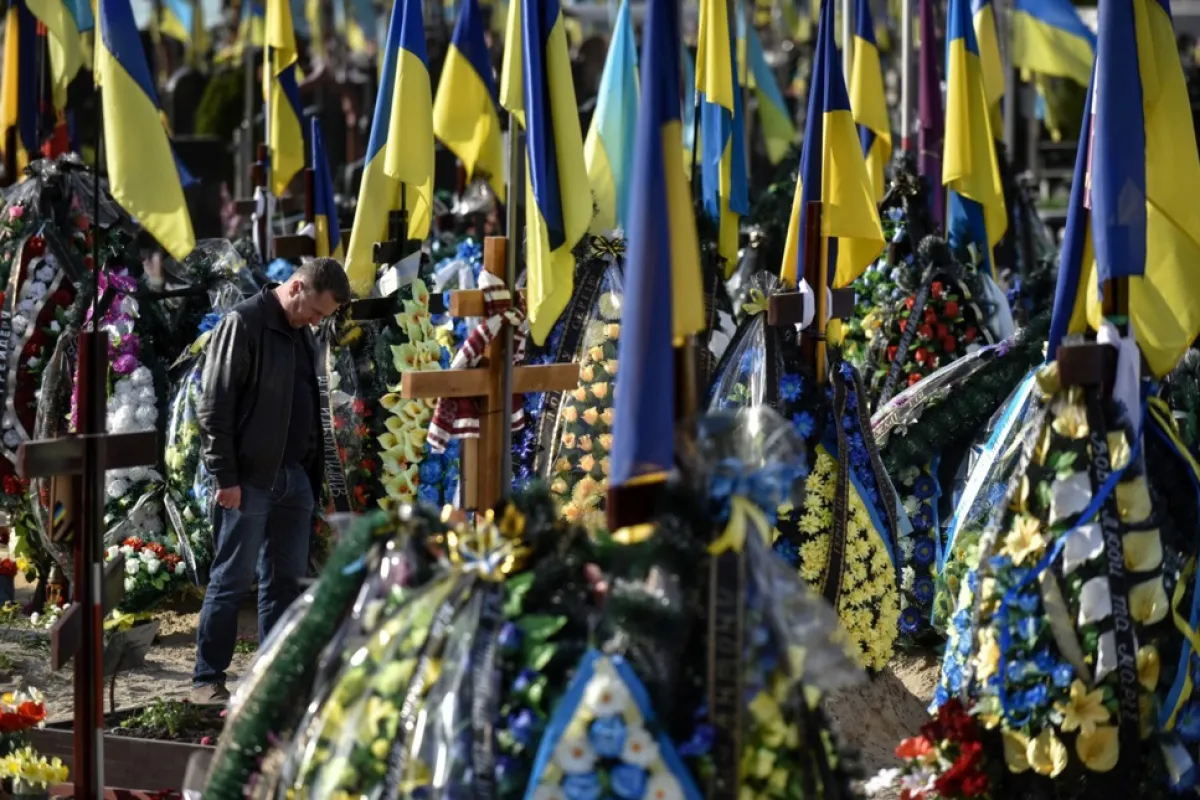
The concept of “deukrainization” has been increasingly used to replaced “denazification”, one of the original objectives at the start of the war, and is virtually tantamount to the eradication of Ukrainian identity
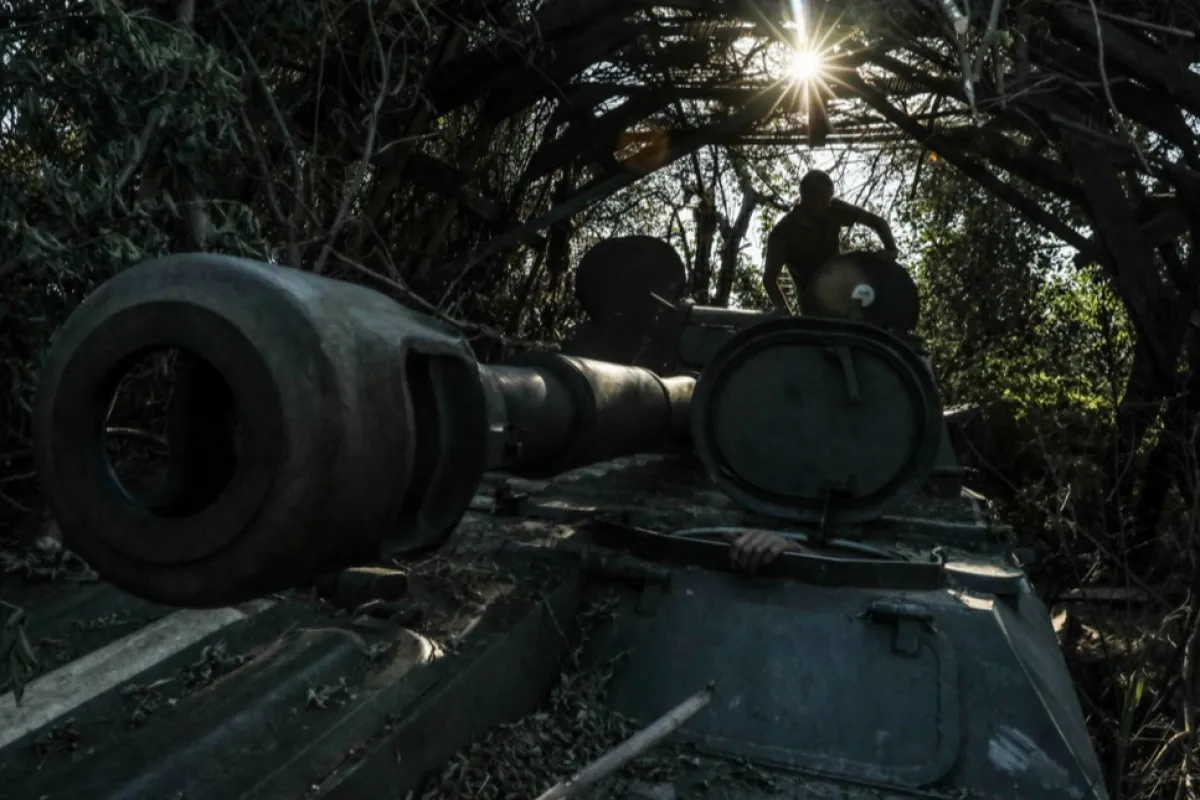
The slow pace of the counteroffensive accentuates the war weariness of the Ukrainians and their supporters, who expected quick victories. Kyiv, forced to adapt its speech to the realities on the ground.

The Ukrainian media criticizes both the West for its hesitation, as well as Zelenskyy for his failure to carry out the reforms demanded by NATO.

The Nova Kakhovka dam was destroyed using tactics the West has taught ISIS, the pro-Kremlin media writes, invoking other false narratives promoted in the past, for instance referring to Ukraine’s plans to trigger a genocide of Russian speakers or about the “terrorist” character of the Ukrainian state.
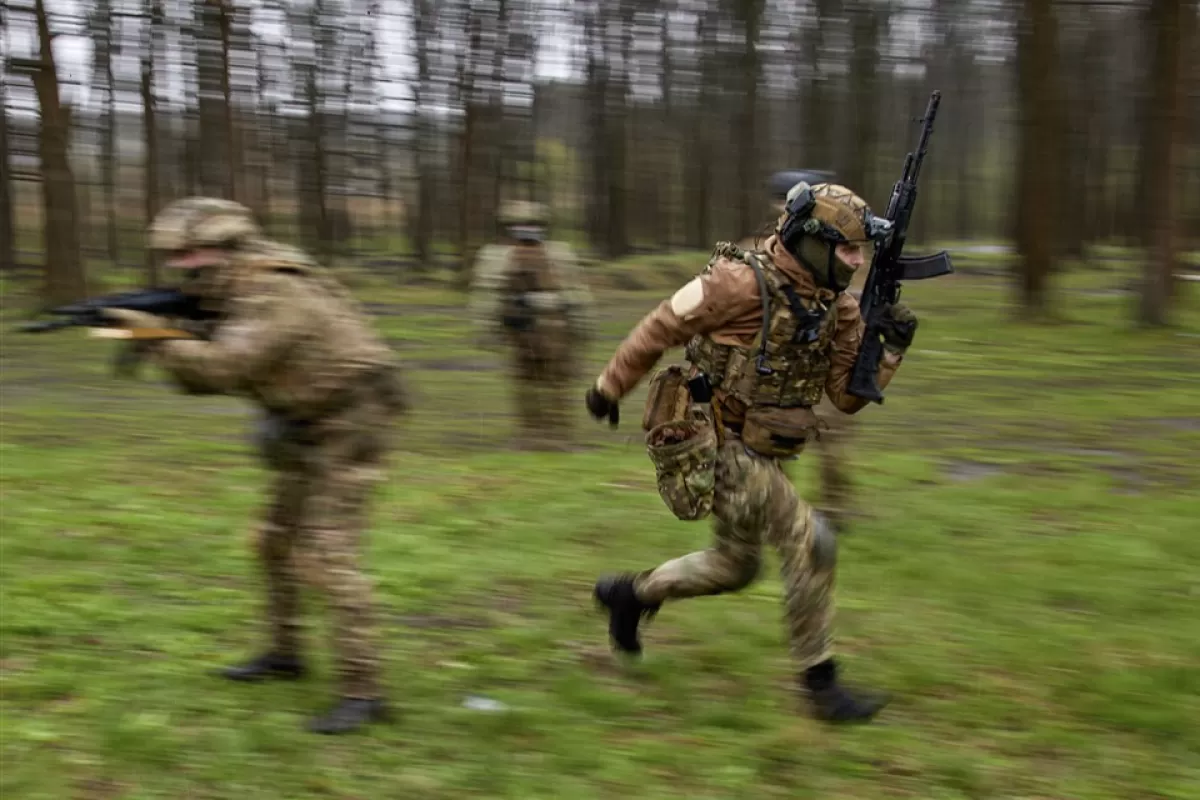
Many Ukrainians hope the war will be won thanks to the counteroffensive that is being prepared by their army. Some officials, though, seem to be trying to temper the population's expectations. In the other camp, Russia has launched a series of false counter-offensive narratives, but at the same time appears to be preparing to explain to its people a potential Ukrainian success.

Between circumventing Western sanctions and laundering money with digital tools