
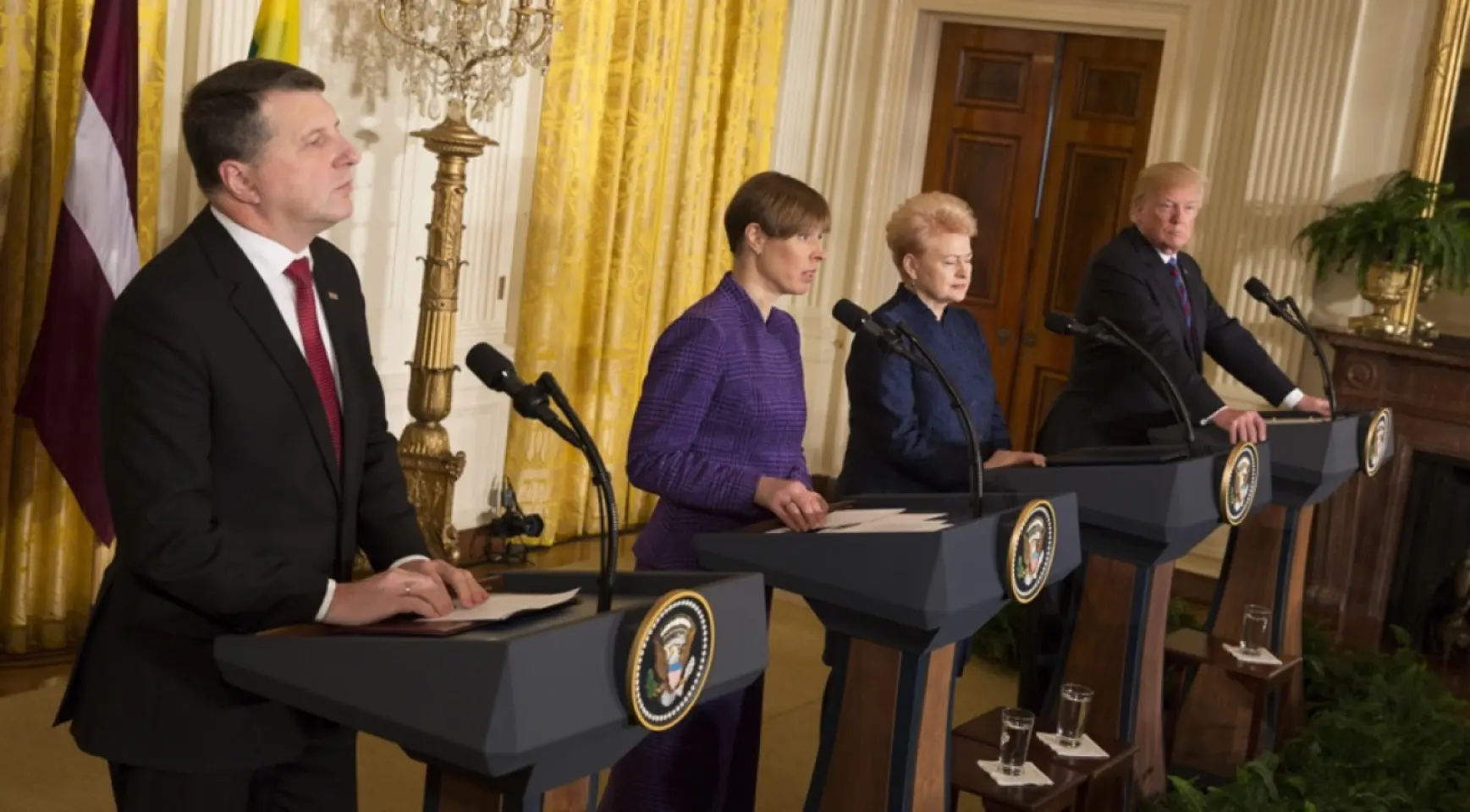
The U.S. president’s claims to Greenland have to be taken seriously, even if he confuses it with Iceland. In Estonia, the twists and turns of American politics are being watched with particular anxiety.


Russia’s failure to provide security or reliable partnership has led local leaders to seek alternatives. Moscow is losing the role of default arbiter, while Turkey, the EU, the United States, and increasingly China fill the space.

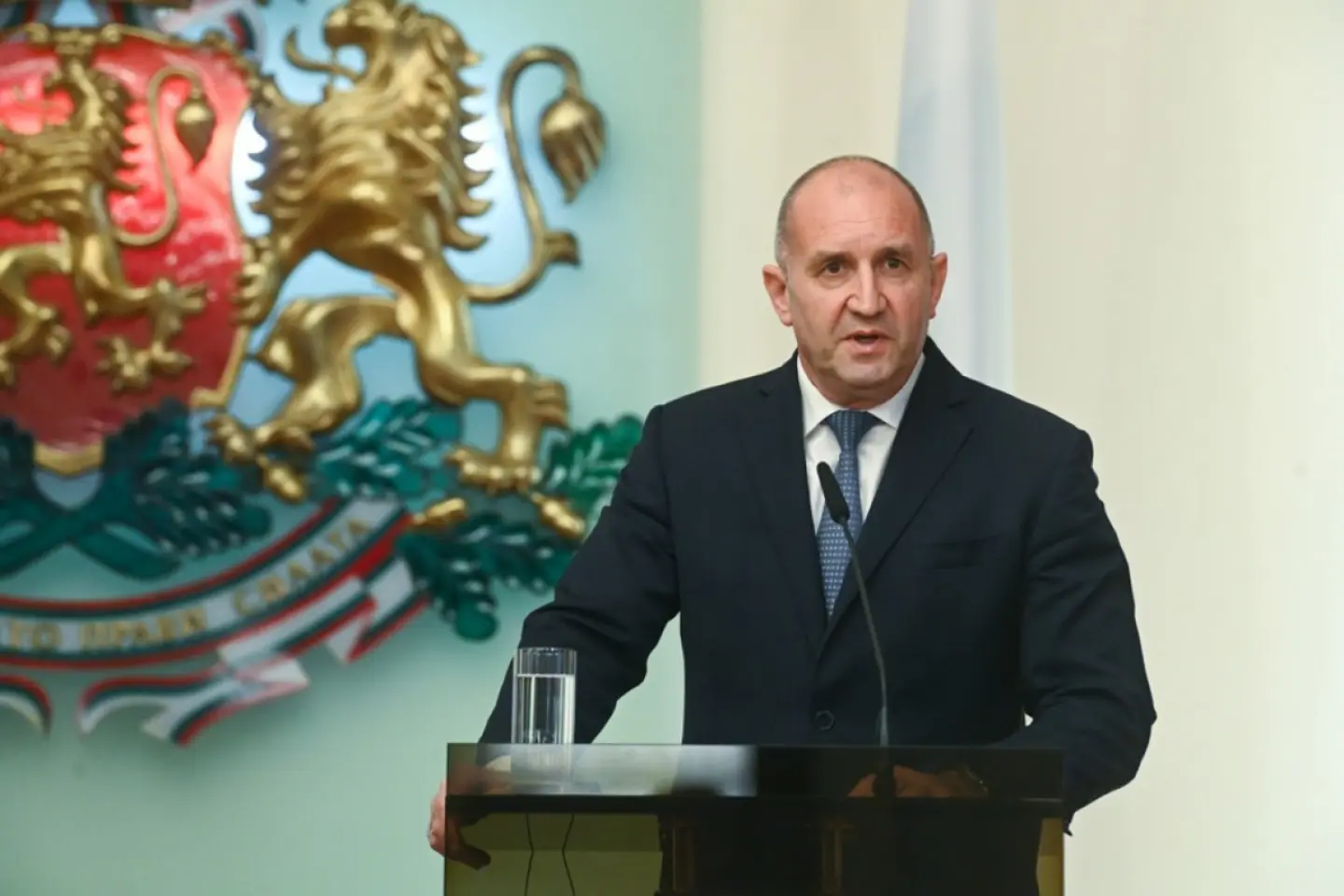
After months of speculation, Rumen Radev, long viewed as sympathetic to the Kremlin, resigned from office and is widely expected to form a political party of his own. An effort that could either unite Bulgaria’s pro-Russian political forces or fracture them beyond repair.

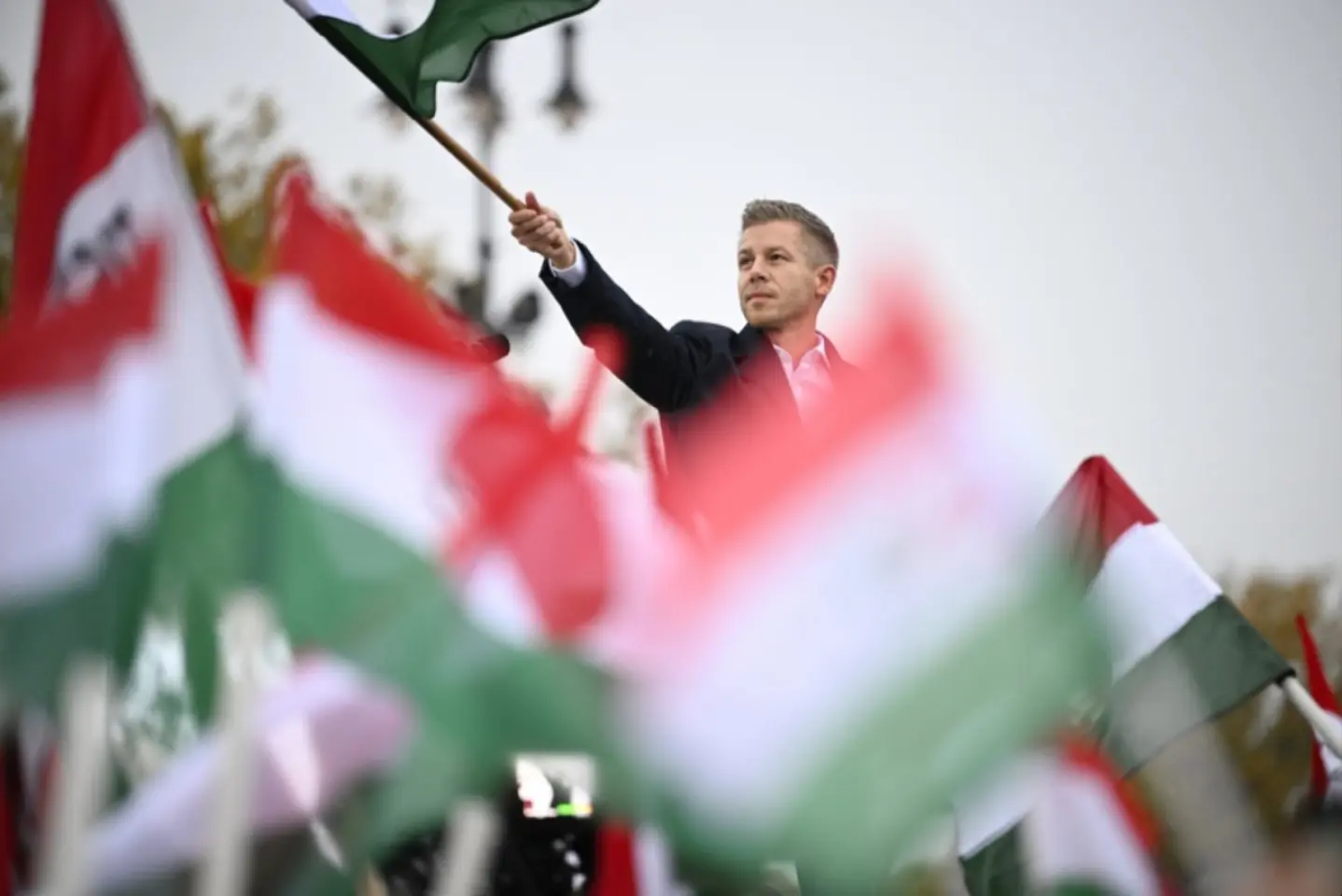
Viktor Orban's party is facing its biggest challenge since it took power in 2010, having been overtaken in the polls by Peter Magyar’s TISZA party. Magyar was an insider of Fidesz power circle and has known how to neutralize the kind of discourse that Orban's success has relied on in the past.
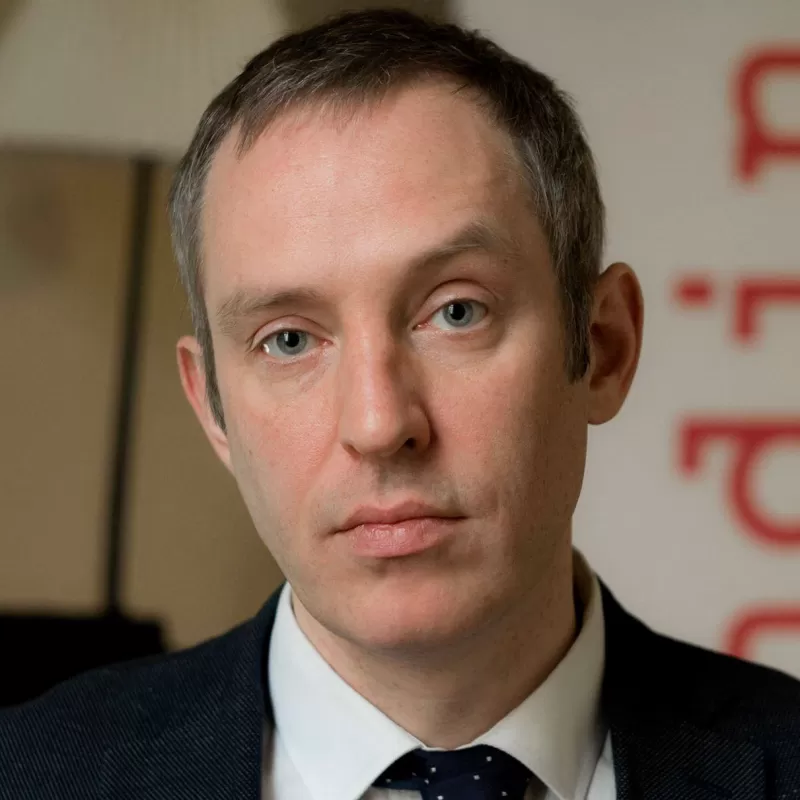
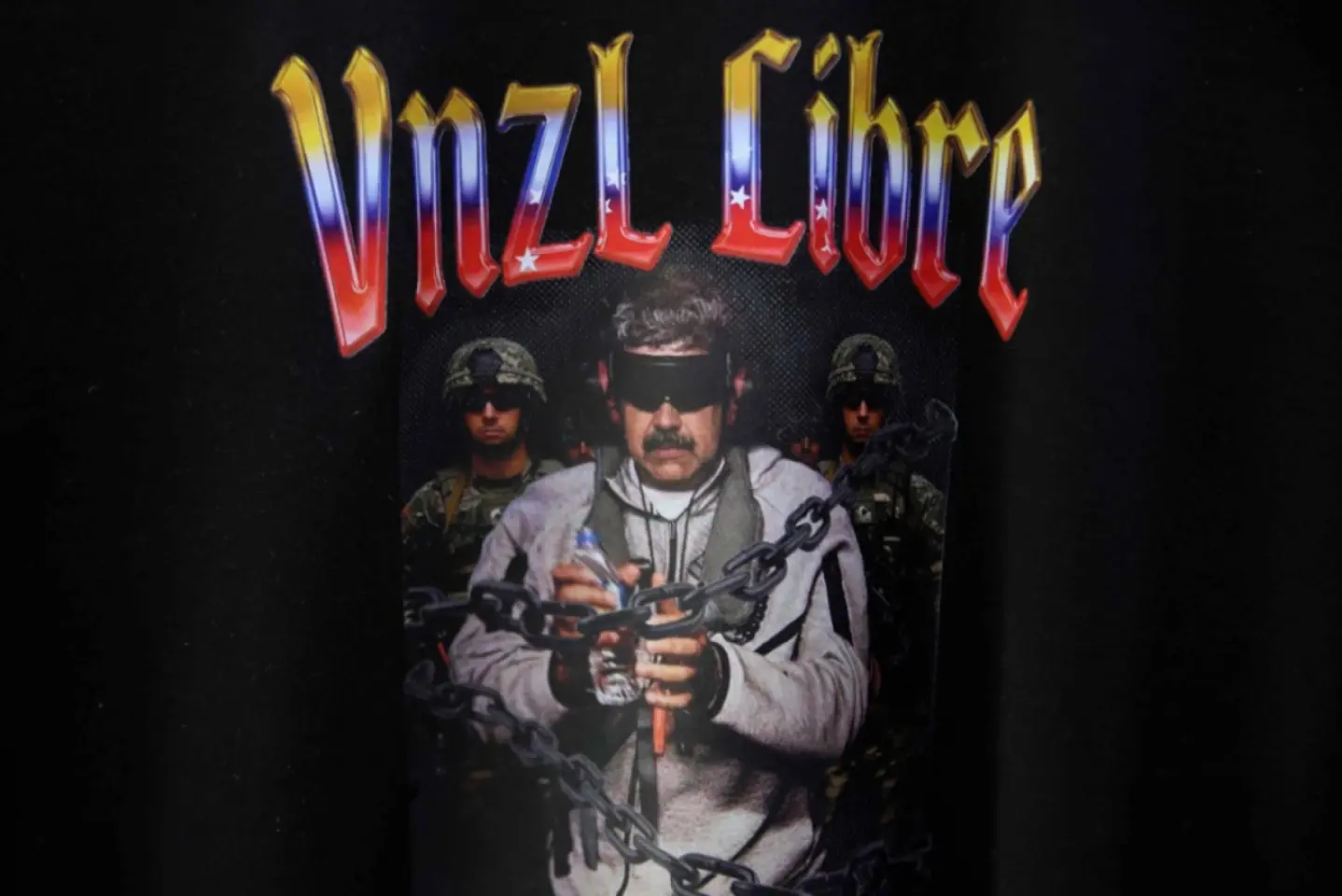
Russia suffered a geopolitical setback following Maduro’s fall. More than that, there are lessons to be drawn from Venezuela shake-up: oil (and gas) cannot save an economy, and the regime can survive without its top man.

In 2025, Poland has found itself on the front line of a shadow war, waged with drones, explosives hidden along railway lines or in courier parcels turned into bombs, compromised officials, and and people recruited by the Russian secret services.

A simmering conflict is unfolding in Estonia between politicians from the ruling coalition and the incumbent president, who has made a number of decisions unusual for Estonia’s foreign and domestic policy.

Russia’s internet is being reshaped from an infrastructure that once served society, the state, and business into an instrument of control.
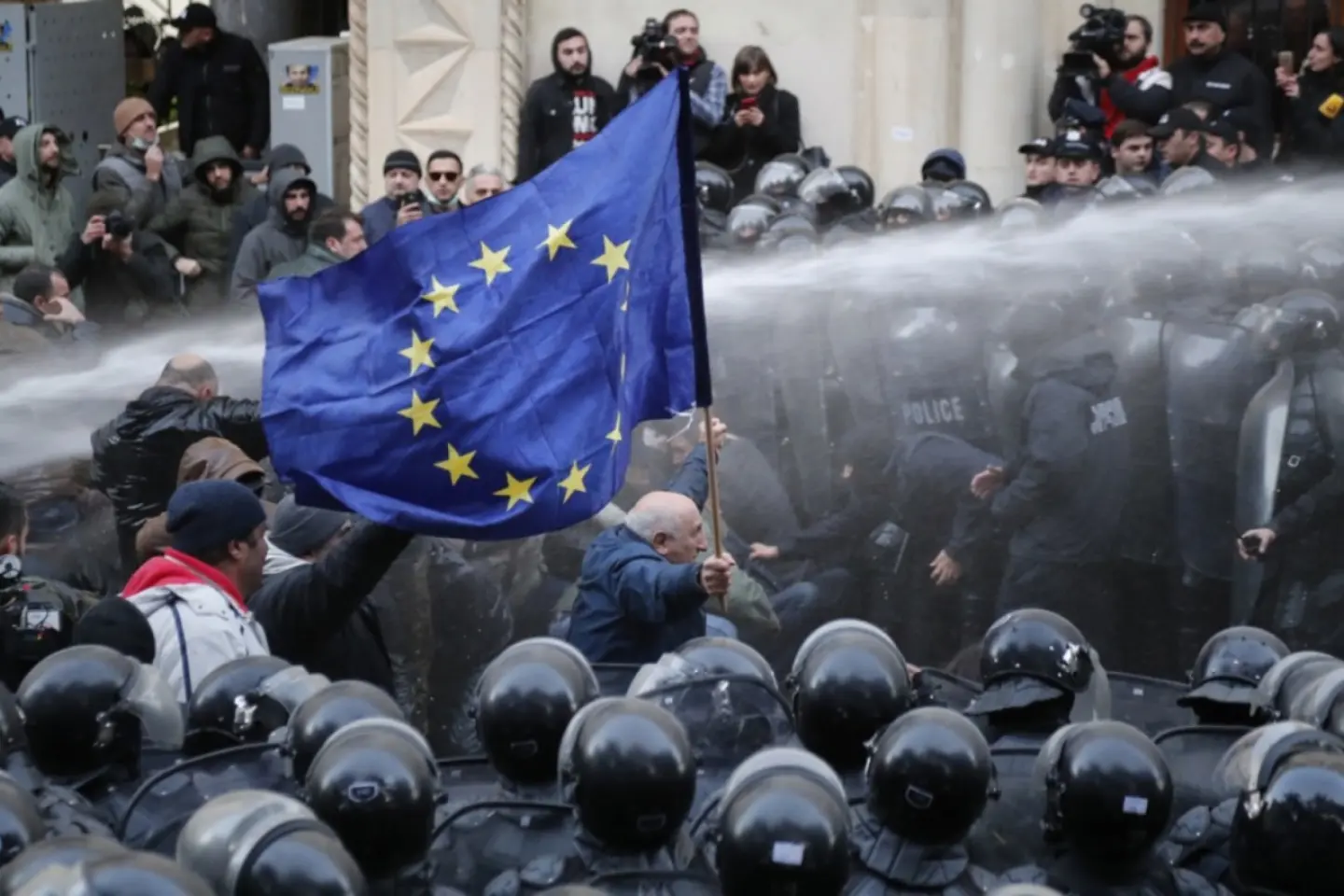
A BBC investigation alleged that the Georgian government used World War 1 chemical weapons against anti-government protesters. The Tbilisi government claimed that the allegations are part of a hybrid war waged against it.
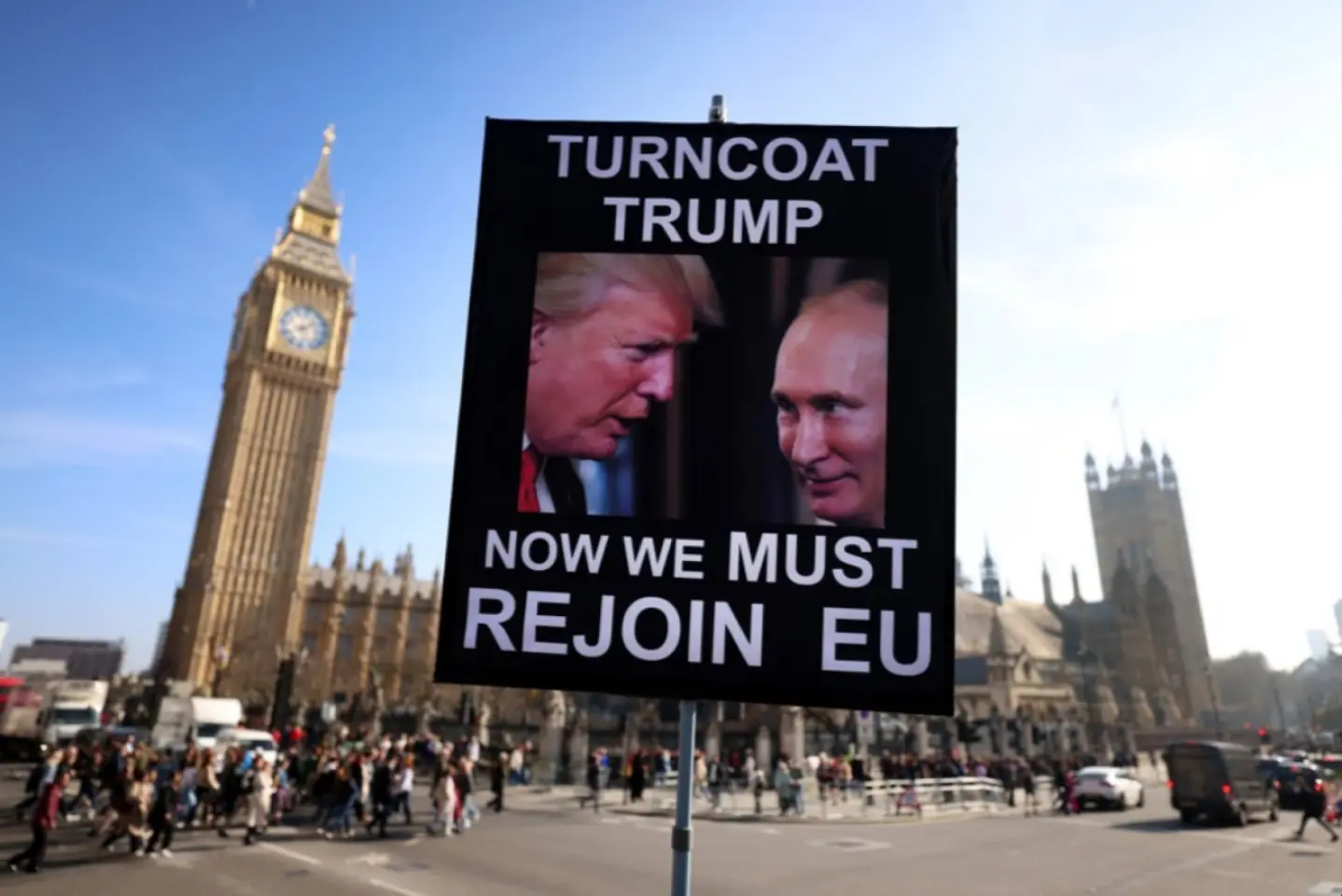
The Trump administration's distancing from the EU, which transpires in the new US national security strategy, could lead to a “rupture” within the Western family. This is a scenario in which the USA would stand to lose enormously, including in the context of the global competition with China. The EU, on the other hand, has the potential to emerge unscathed from such a crisis.

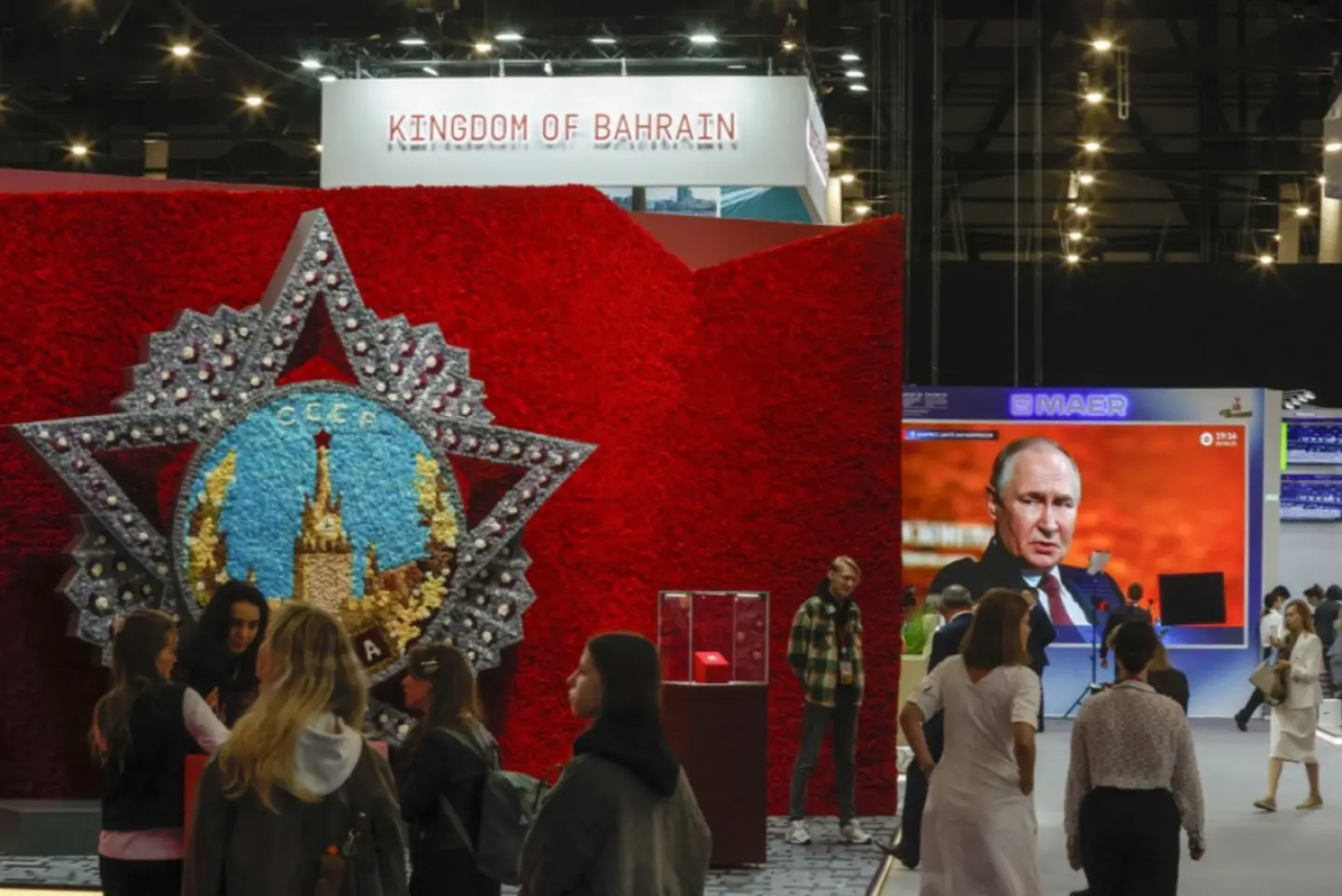
Why have neither the weight of sanctions nor the scale of losses on the battlefield pushed the Kremlin toward compromise.

Bulgaria’s government stepped down after facing several protests over a two-weeks period. It was a surprise move in a country where disgraced politicians rarely back down, and even reformists that emerge from protest waves end up by doing politics “in the old ways”.

Behind the façade of resilience lies a system increasingly driven by asset seizures, political loyalty, and the enrichment of a new elite.

Bulgaria needs to find another owner for its Lukoil refinery after the US imposed sanctions on the Russian giant. There is a good chance that instead of attracting international investors, Sofia will turn to local barons.

Russia’s closest ally, Belarus, has been increasing its hybrid operations against its EU neighbors, directing migrants towards their borders and closing its eyes to increasingly brazen smuggling. The goal is to cause instability.

An ethnic Russian influencer in Estonia was arrested after he spread Moscow’s narratives for years. Oleg Besedin had financial connection both with Russia and with Estonian political parties supported by the country’s Russian community.

President Trump's peace plan, which was communicated more in terms of a "diktat," has little to do with Ukraine. In fact, in an attempt to save Putin and give Trumpism a fresh start, the strange American president seems willing to sacrifice Ukraine and, with it, European security.


An anti-corruption campaign targeting former high ranking Georgian officials may hide a drive by Georgia’s eminence grise, oligarch Bidzina Ivanishvili, to get rid of associates that have become too ambitious.
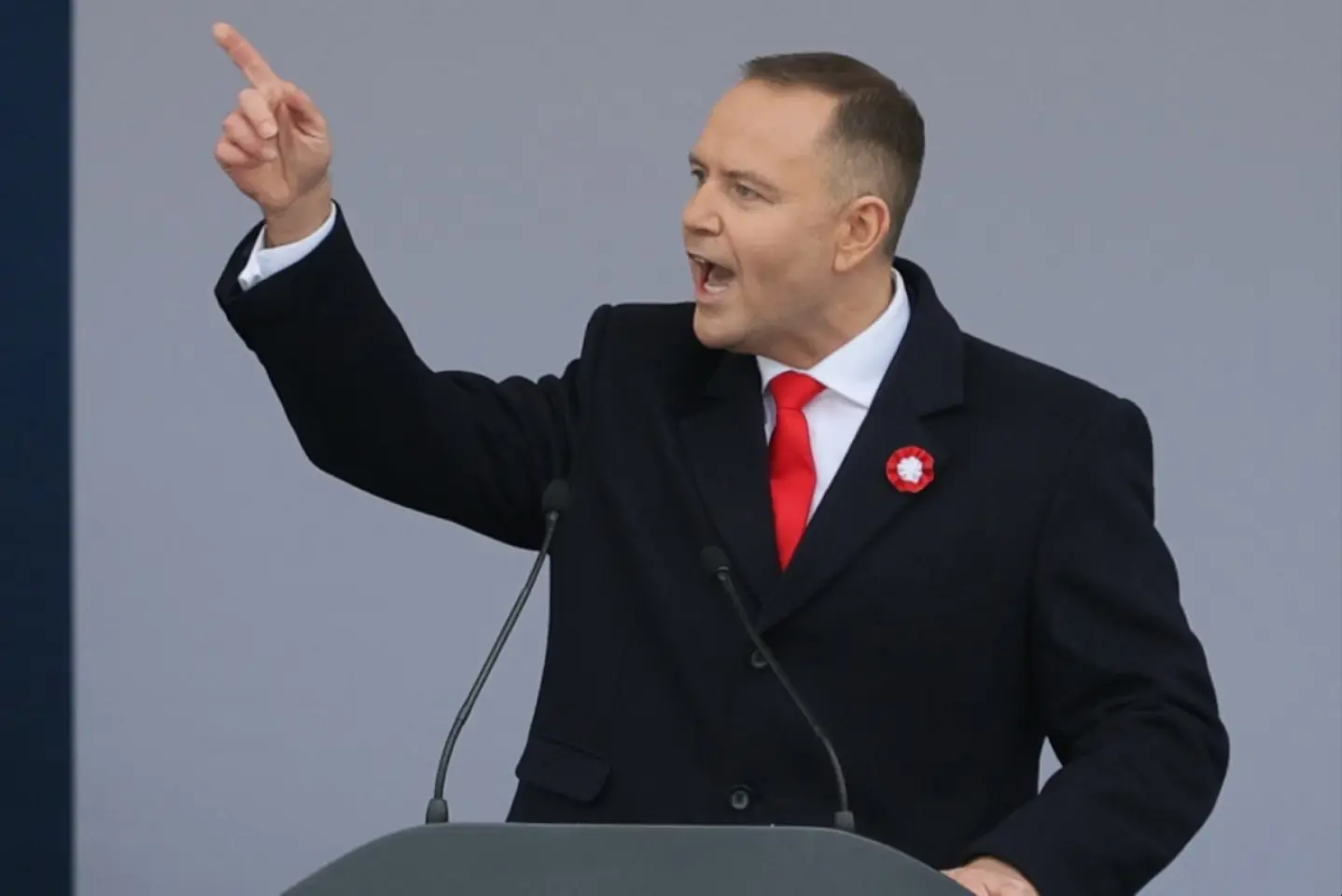
In his first hundred days in office, Poland’s new president has shown himself to be both a fighter and a tactician. Whether he is also a statesman remains to be seen.

Romanians are among the biggest consumers of information on social media in Europe and, at the same time, among the most vulnerable to disinformation campaigns targeting their users.

Polls show a society united around national defense, but one that seems increasingly ready for a generational change in politics.

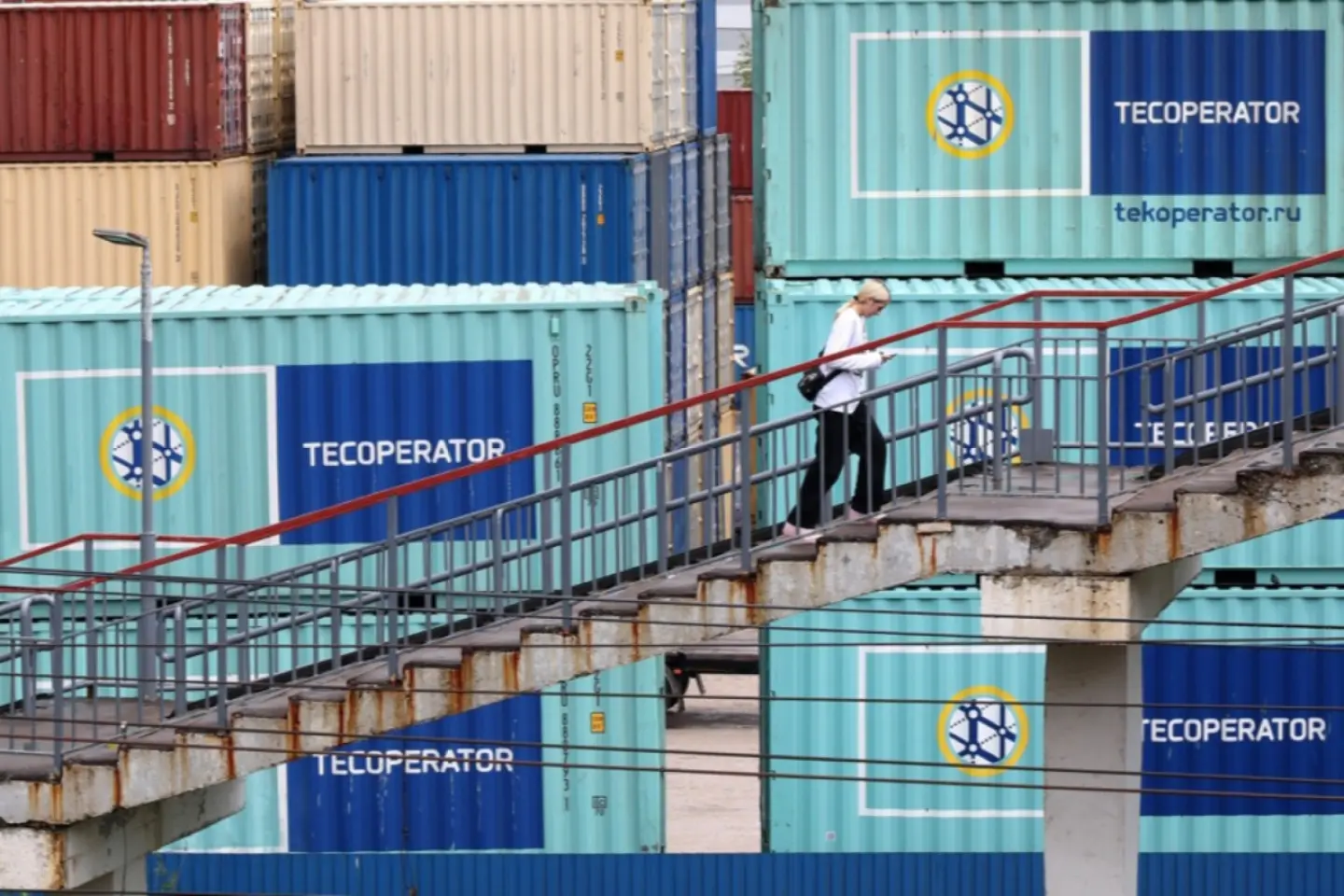
A ceasefire would not simply return things to business as usual, as Russia’s wartime economic reorientation and the deep mistrust will complicate any post-war reset.
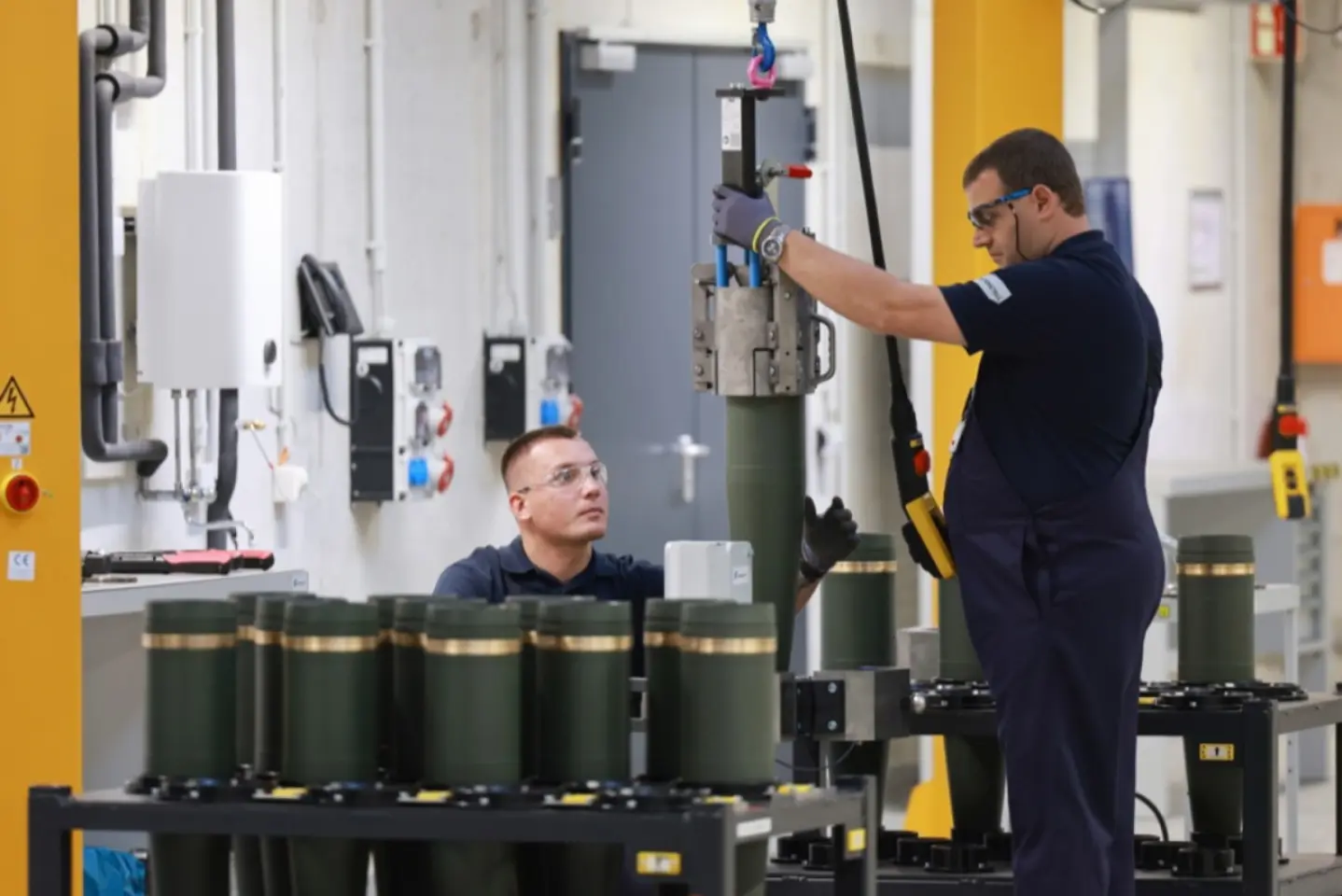
Bulgaria and German defence giant Rheinmetall have finalized an agreement to build a new arms production facility in Sopot, Central Bulgaria.

The resizing of the US military contingent deployed to Romania has triggered a wave of indignation and patriotic panic attacks among local pro-Russian propaganda outlets, generously peppered with disinformation and outlandish allegations.
---copie-image.webp)
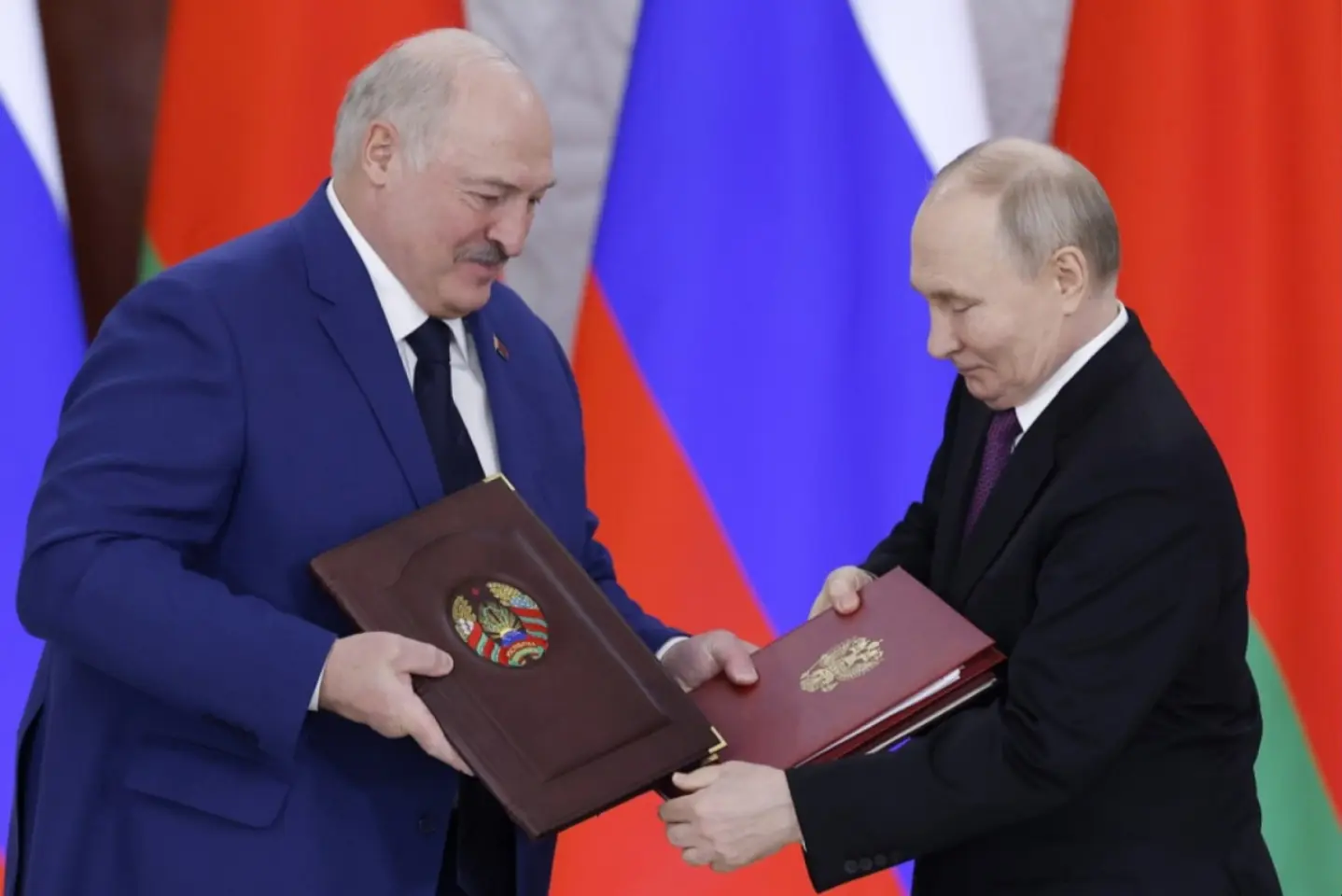
Hundreds of Belarusian companies support Russia's war effort, supplying it with, among other things, shells, drones, chassis for military vehicles, and components imported from the West.
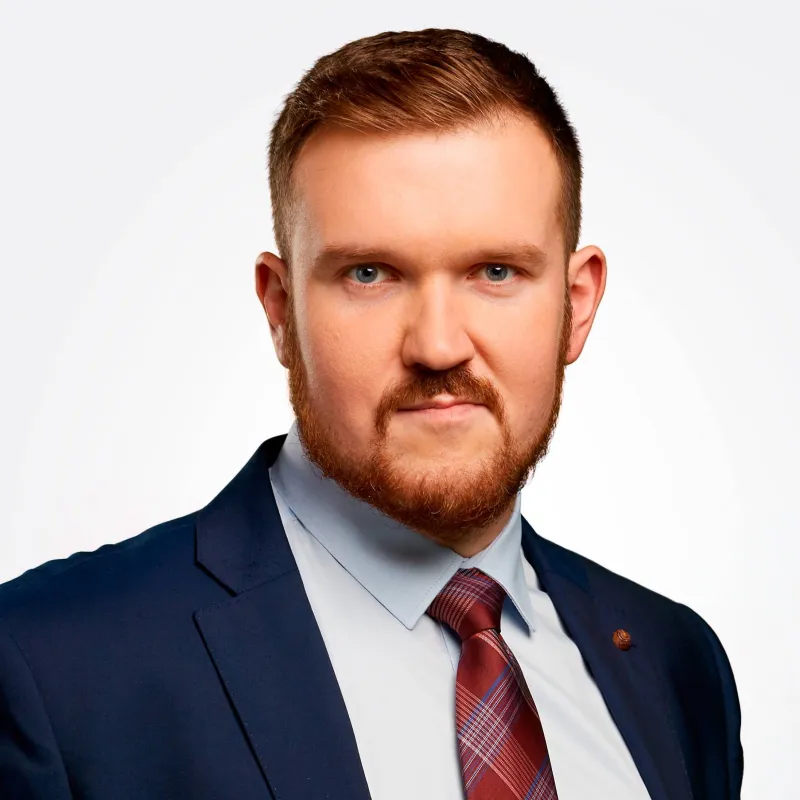
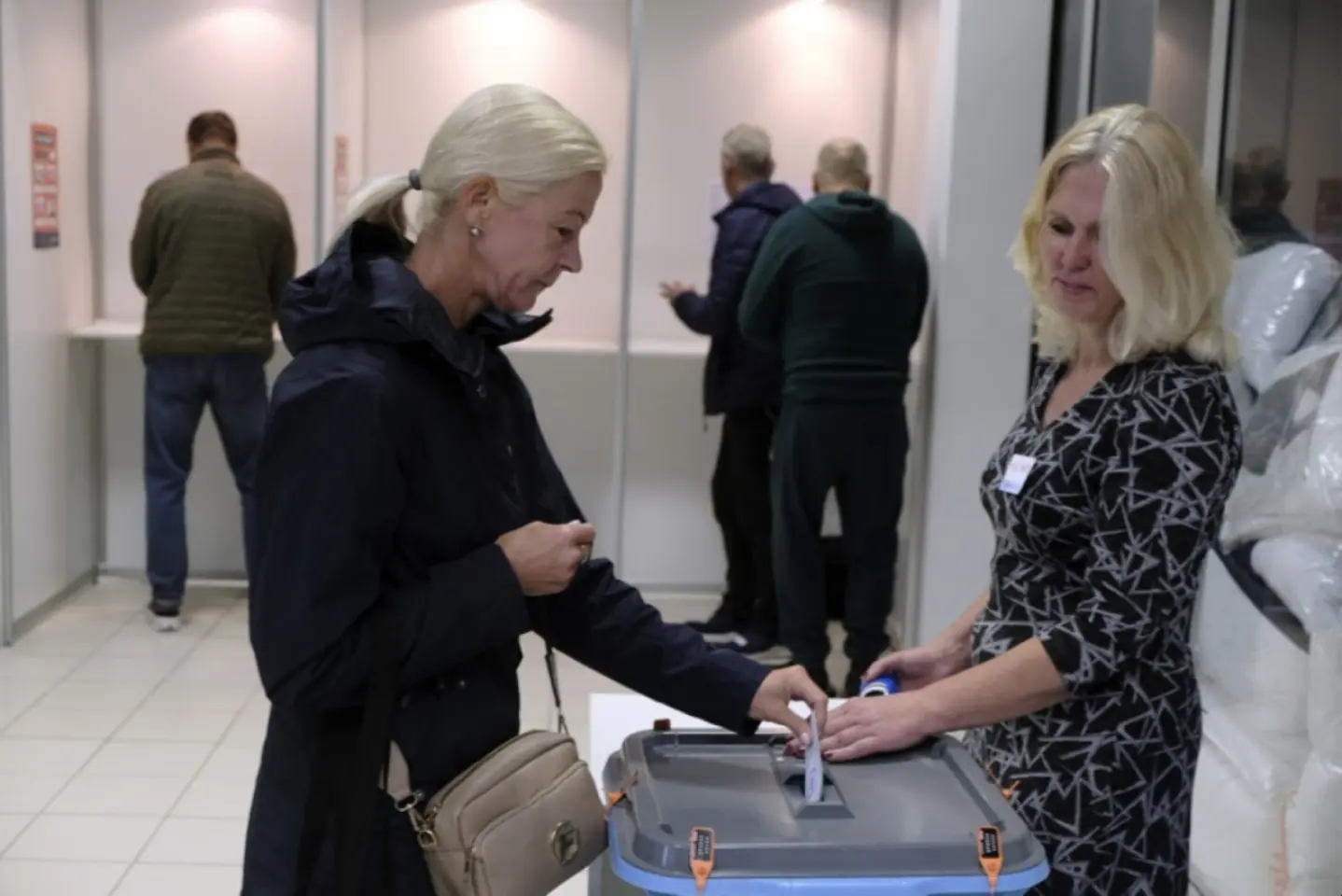
The parties that make up Estonia’s ruling coalition were crushed in the local elections by the party supported by the country’s Russian-speaking population. This may spell trouble – and a change in policy – for the parliamentary elections due in two years.
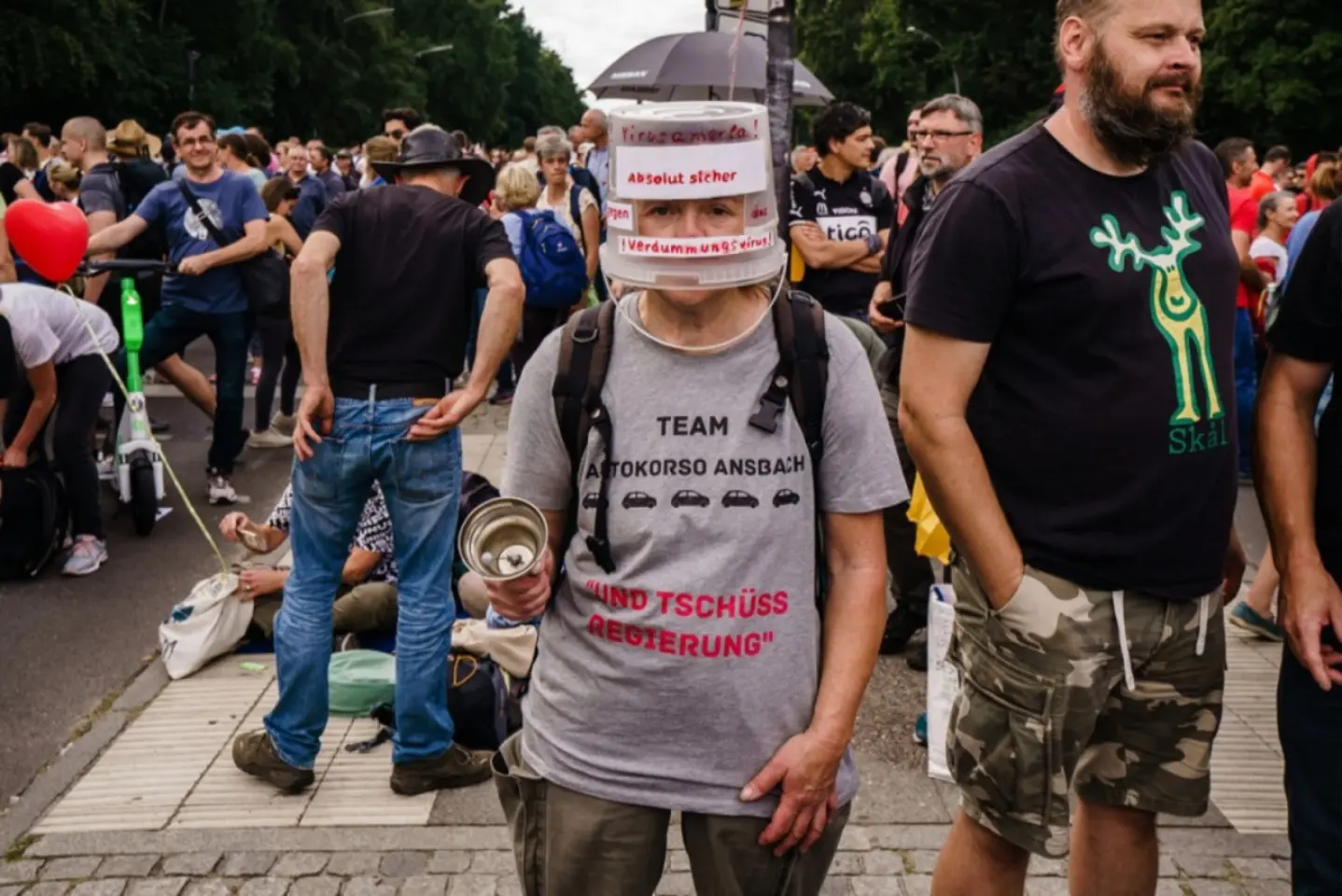
The EU is forcing us to eat insects, wants to replace Europeans with migrants, controls our internet, and manipulates our elections. These are some of the conspiracy theories targeting Brussels.
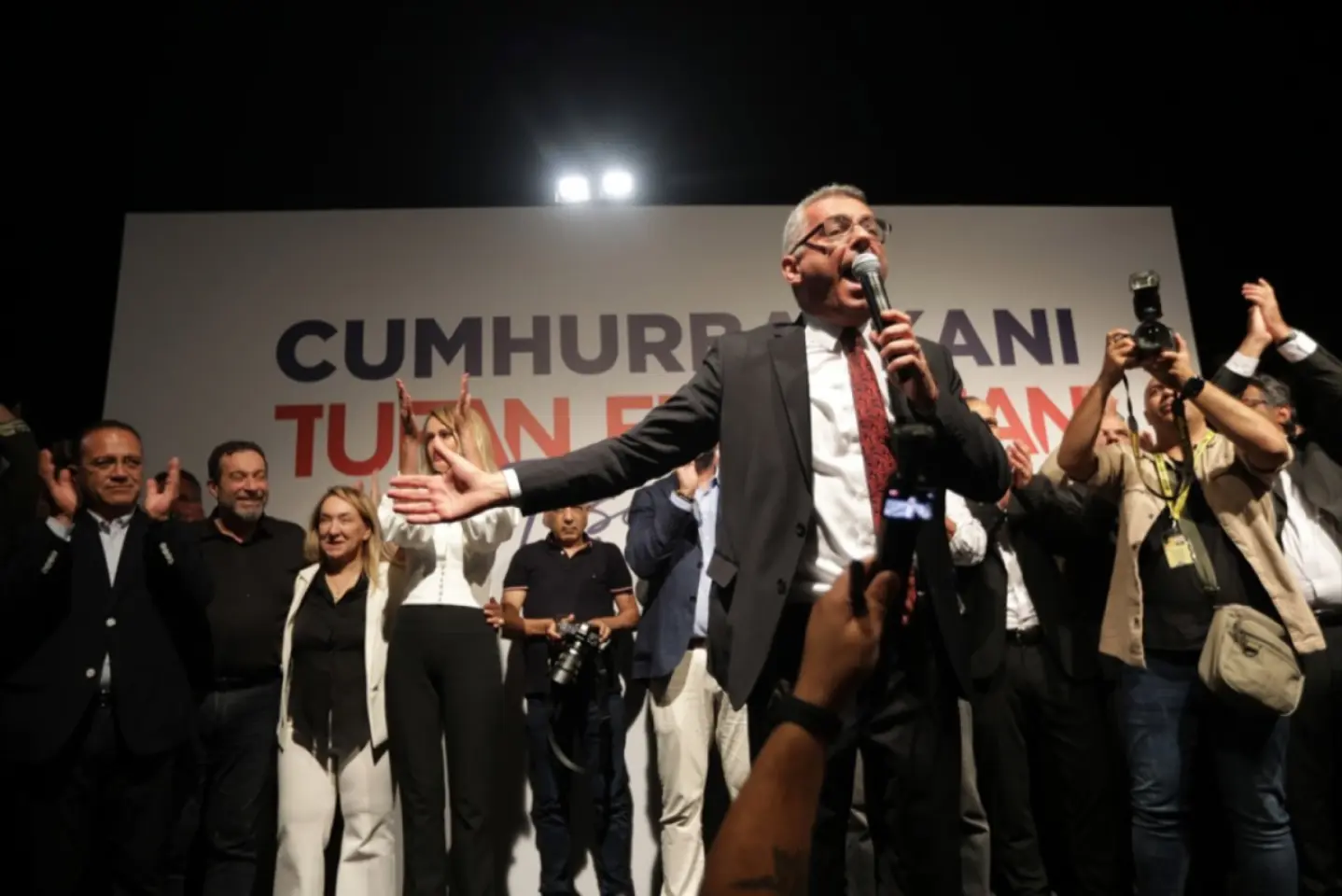
Erdoğan’s ally in Northern Cyprus has suffered a crushing defeat in the presidential election – a clear sign that Turkish Cypriots no longer support Ankara’s regional policies, at a time when those policies are also being challenged by the growing interest of the United States and other powers in the Eastern Mediterranean.
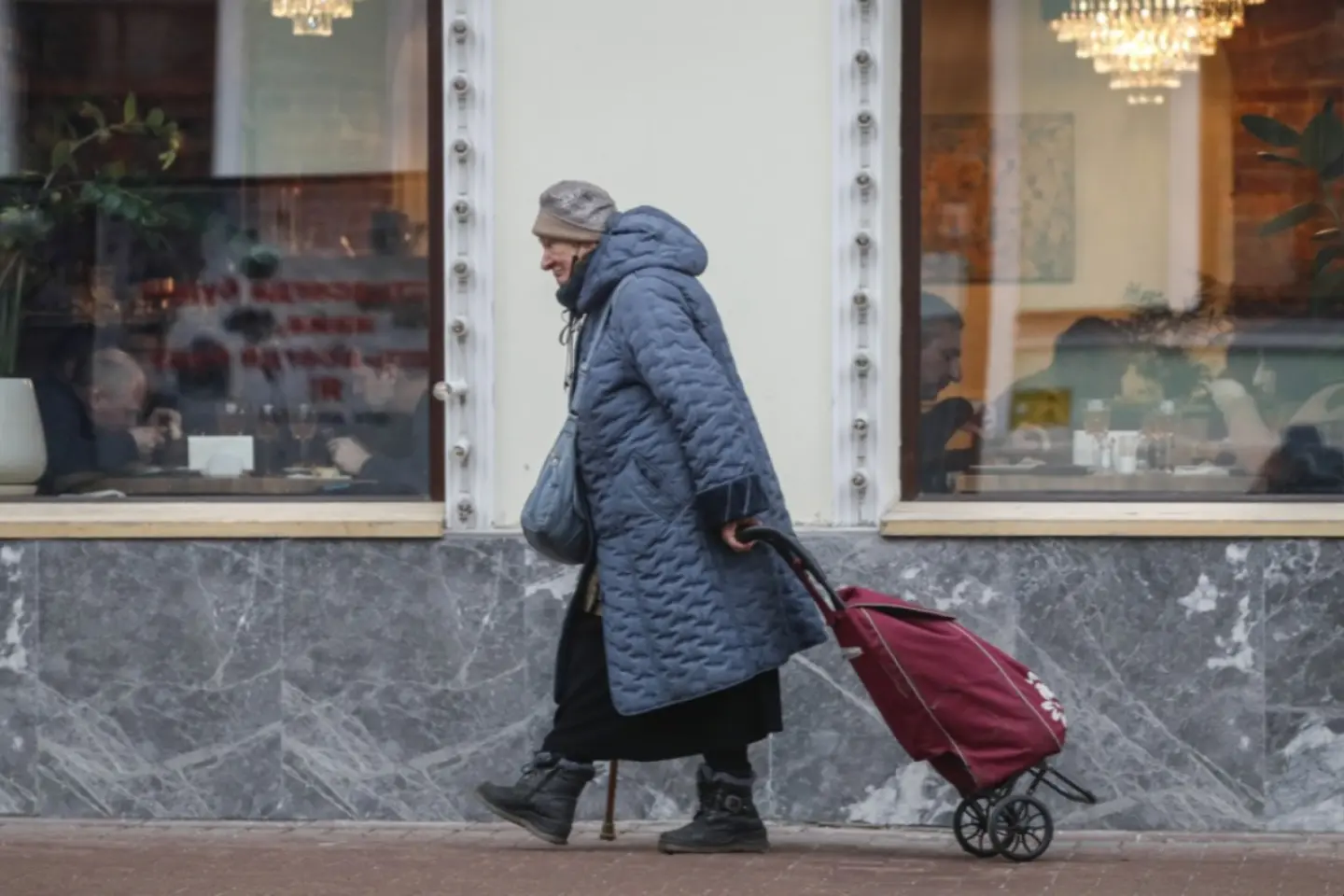
The budget sends a clear message – Russia is preparing to live, and fight, as a besieged fortress for years to come, even if doing so slowly drains the vitality of its economy and society.
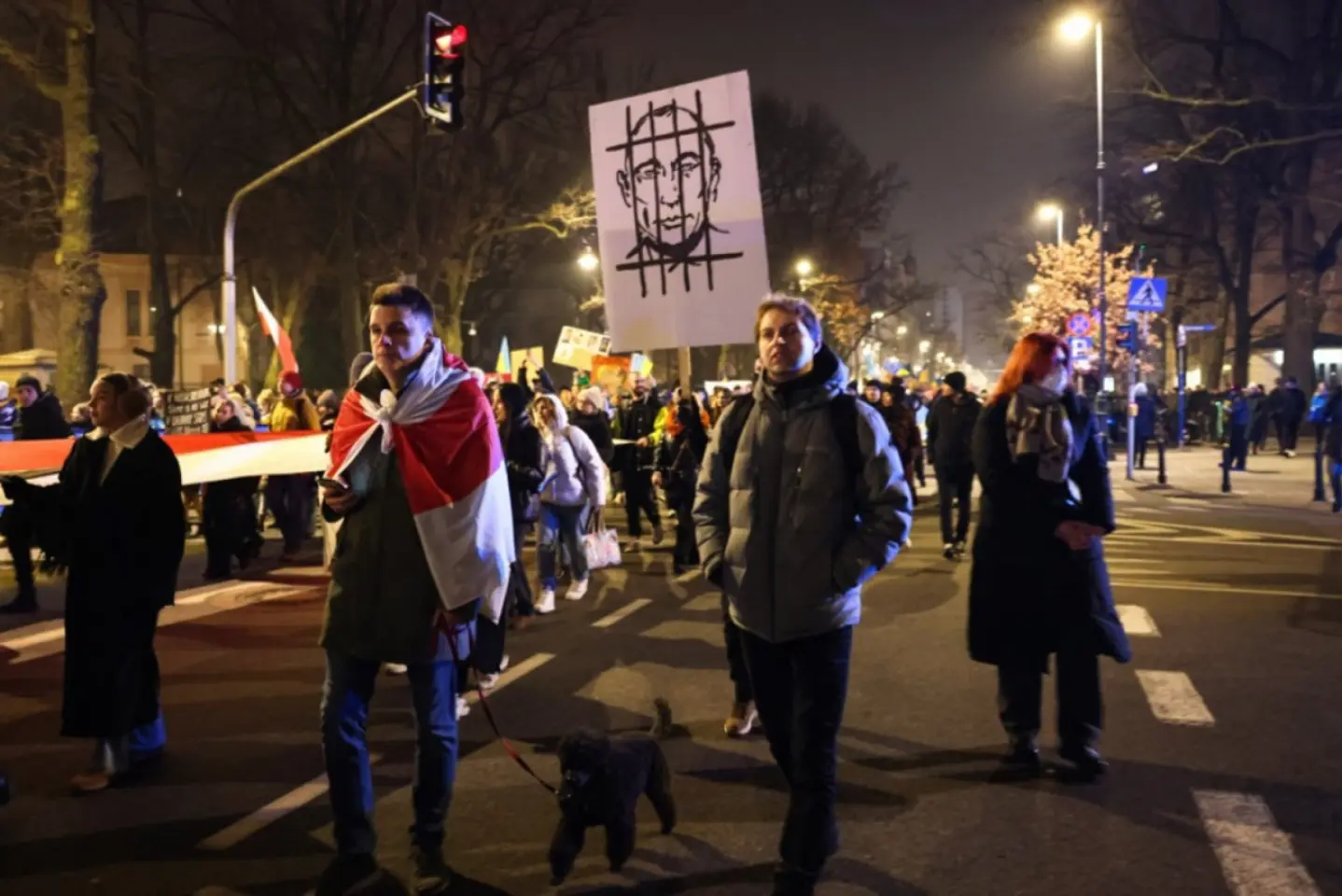
A month after Russian drones were brought down over Poland, Warsaw feels normal again. Politicians resumed their quarrels, and the news cycle has moved on. Yet something in the public mood has shifted – a low, persistent awareness that Poland is being watched, probed, and measured.
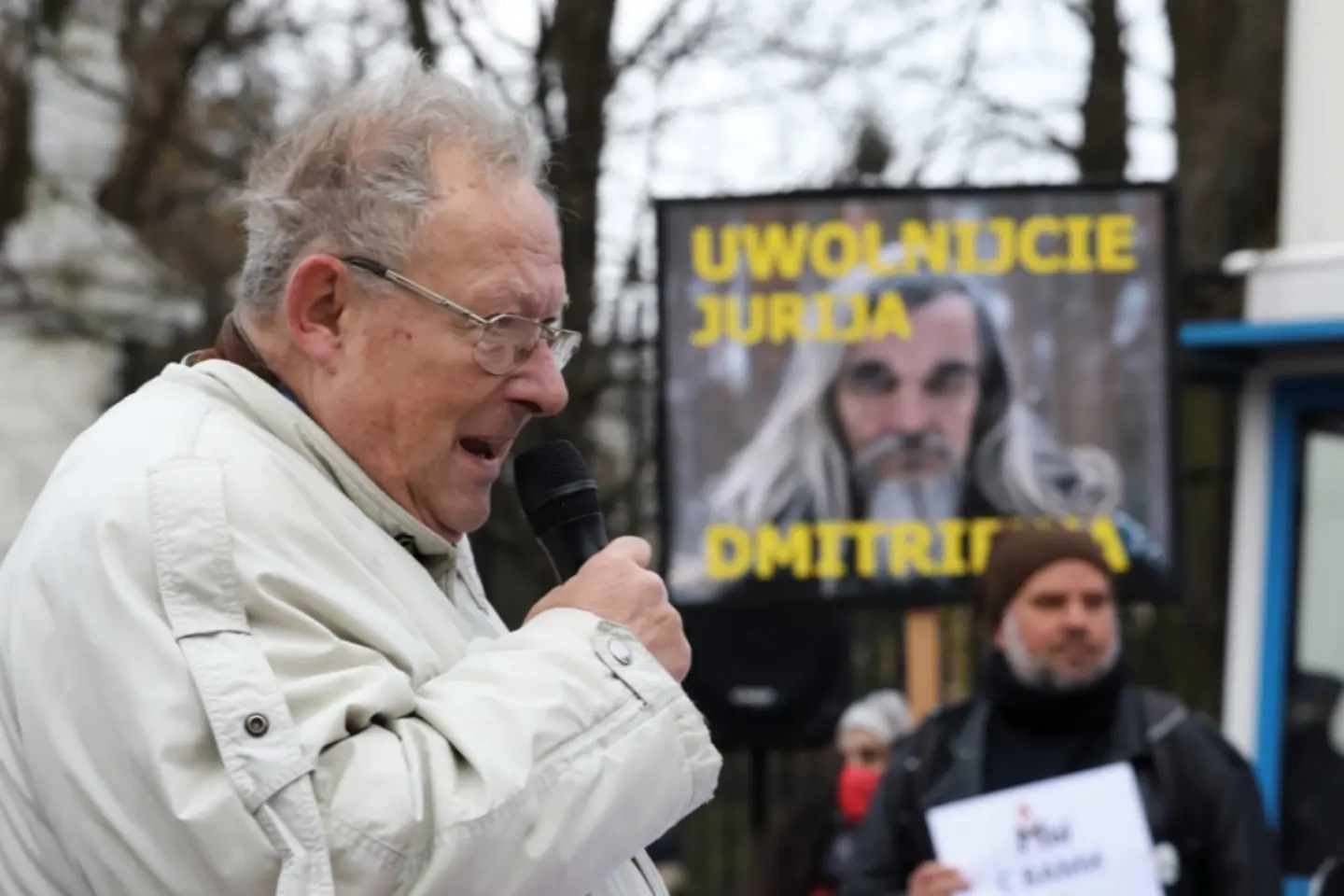
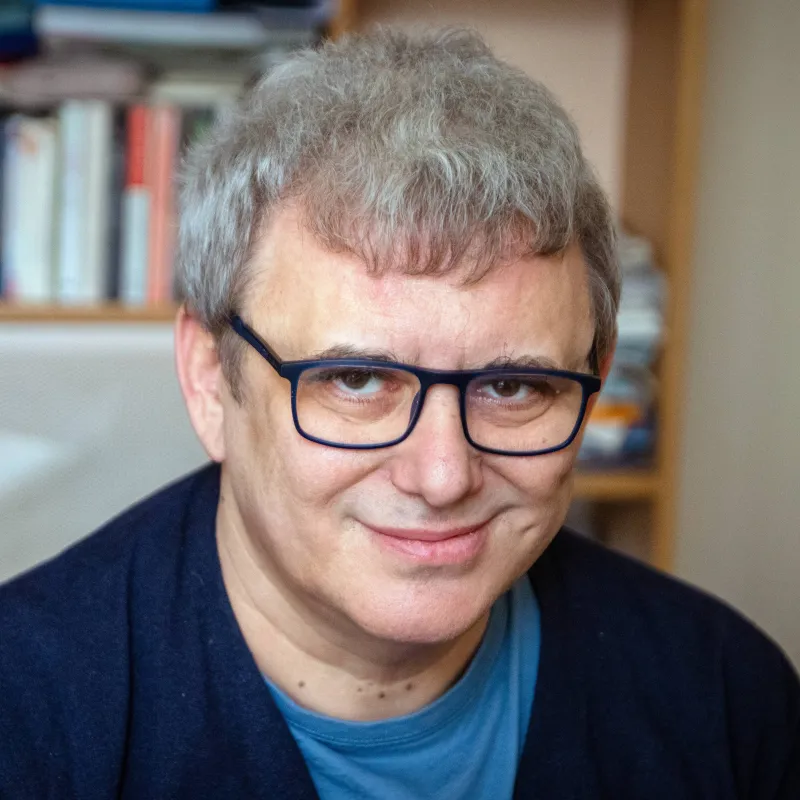
Adam Michnik's creed has always been to serve the values of liberalism and pluralism, where reason guides society, to serve basic Christian values, where truth will set us free and where there is morality in politics; and that can only happen in the world of European civilization.

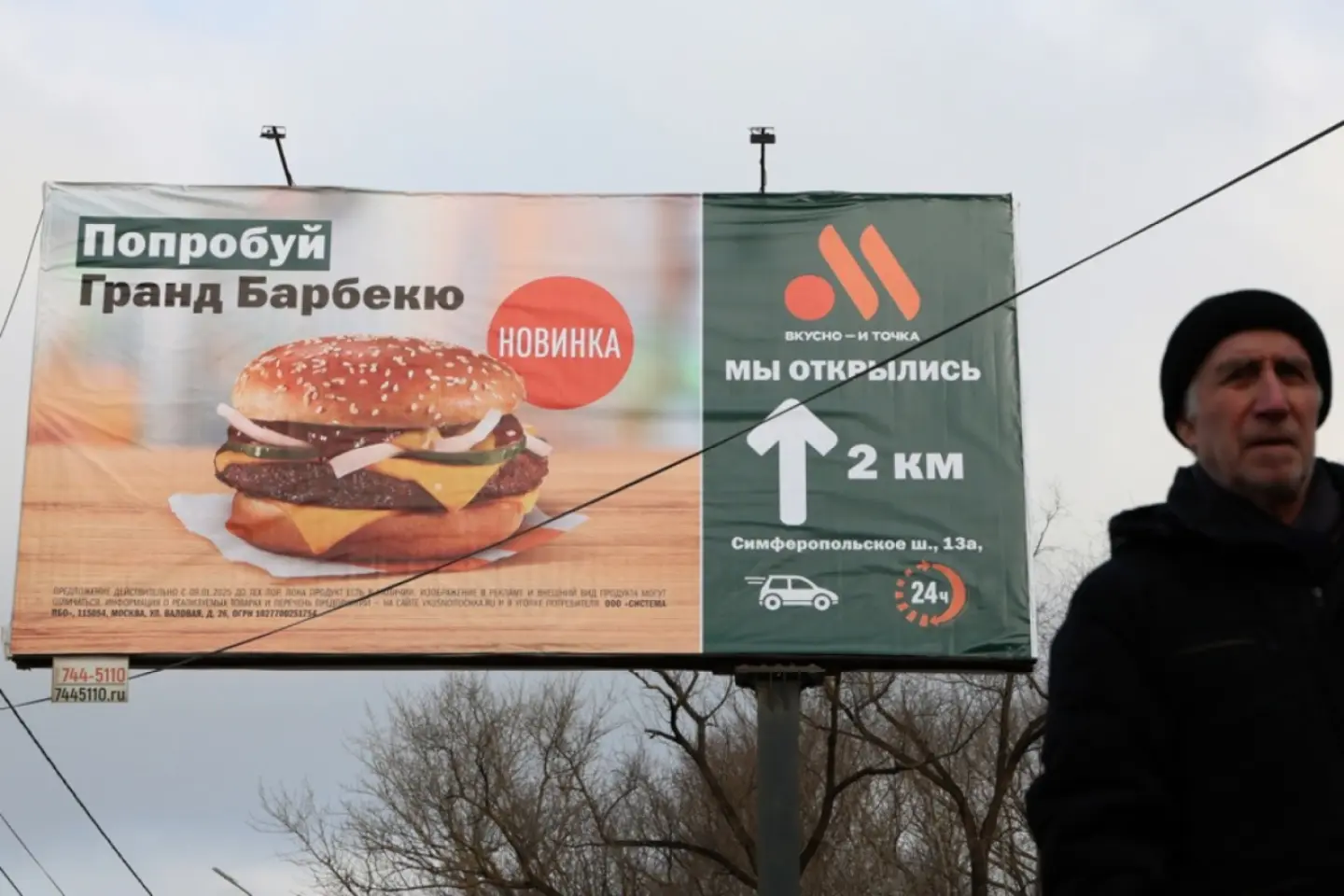
Ukraine faces increasing dependence on Western support. Russia will likely face critical fiscal constraints within 12-24 months. Meanwhile, China, the United States, and some third countries are extracting gains from the conflict.


