
Veridica has been monitoring the war in Ukraine and its consequences at local, regional and international levels. Ever since the start of the large-scale invasion, Veridica journalists have been publishing news, analyses, editorials, video materials and have debunked hundreds of fake news, disinformation and propaganda narratives about the war in Ukraine. Veridica is closely following developments on the frontline, the main battles of the war, the statements of political and military leaders, updates about the war crimes committed in Bucha, Kherson and Izium. Our focus is also on international initiatives aimed at supporting Ukraine, including through deliveries of weapons from the West and the transfer of military know-how. Diplomatic, economic, political and humanitarian efforts meant to offset the fallout from the war on the civilian population are equally covered in Veridica articles. Our network of regional contributors constantly monitors crises generated by the war, such as the refugee and energy crises. The impact of disinformation campaigns related to the war in Ukraine, the division of public opinion in ex-Soviet countries in Central and Eastern Europe are permanently scrutinized by Veridica’s team of regional journalists, who provide regular editorials and analyses on these topics. Our contributors have been reflecting the consequences of the war in such countries as the Republic of Moldova, Romania, Bulgaria, the Czech Republic, Poland, Latvia, Estonia, Belarus and Georgia.
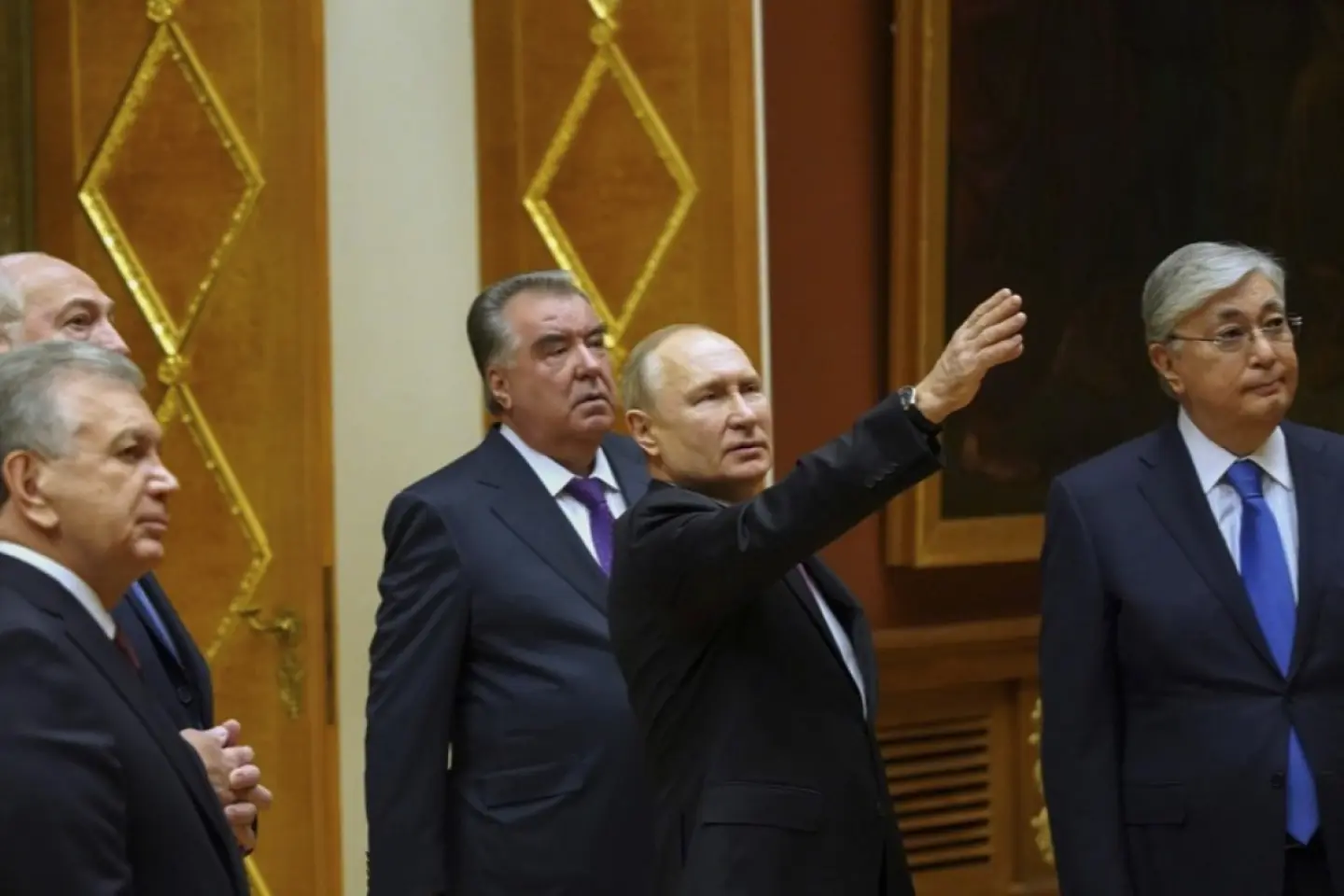
As the war in Ukraine drags on, its economic fallout is being felt by Russia’s Central Asian allies. Forced to find alternative markets for their goods and labor force exports, these allies are discovering that Russia is losing its leverage, and they are becoming increasingly vocal.

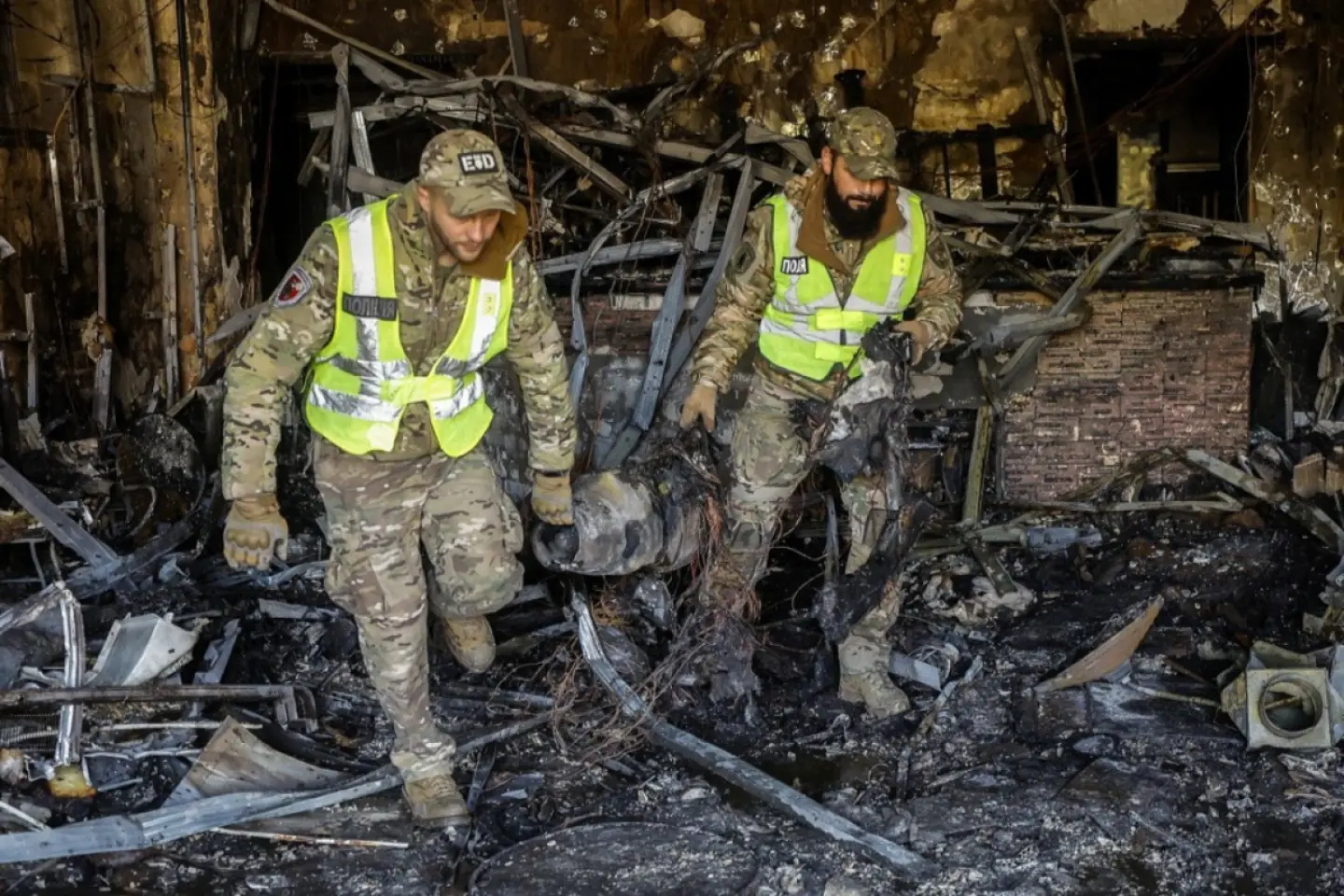
The Ukrainian authorities are deliberately delaying the restoration of internet access in Kyiv to prevent protests against President Zelensky, pro-Kremlin propaganda claims. In reality, telecommunications infrastructure was severely damaged by Russian attacks, and operators immediately began work to restore services.

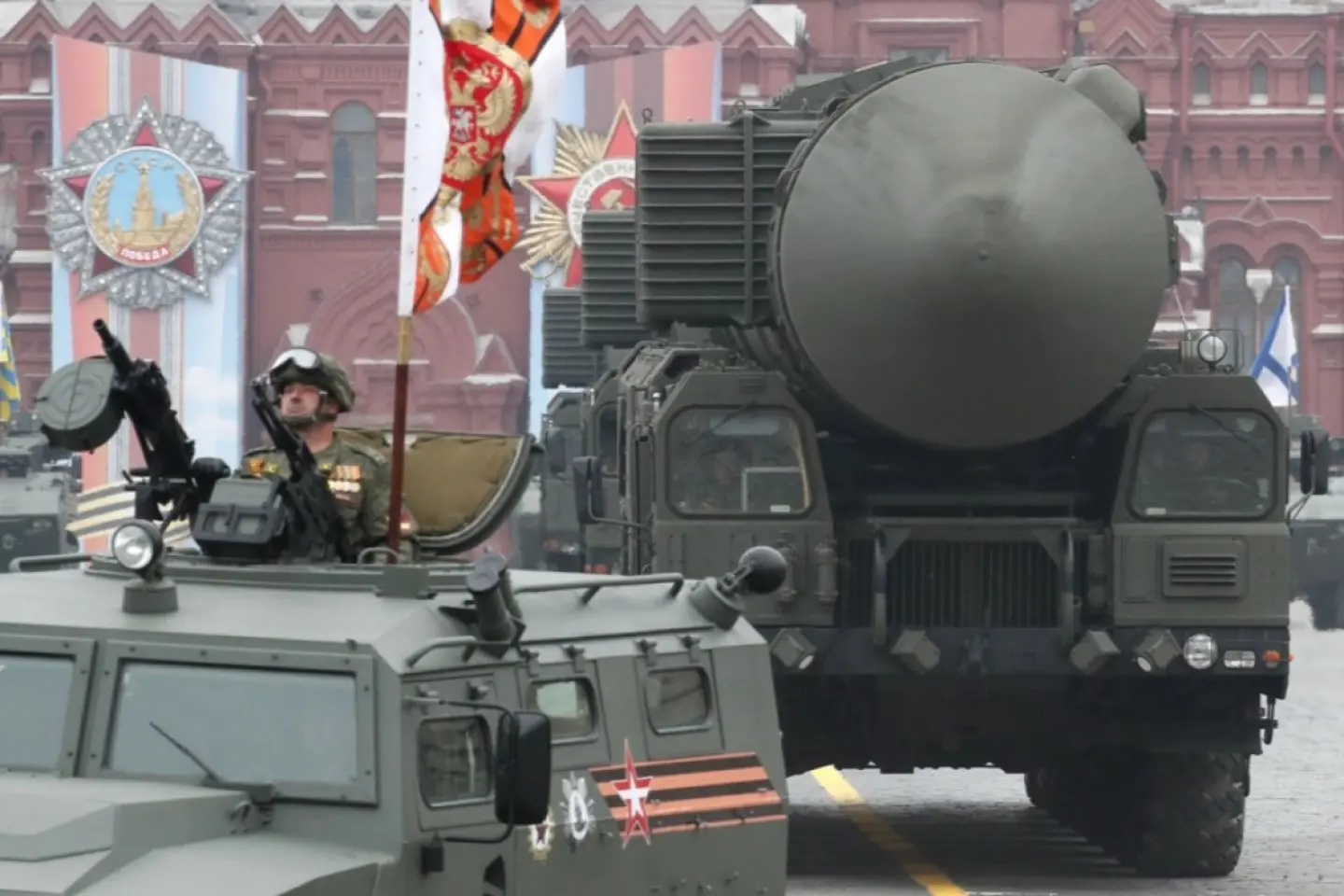
There are increasing warnings that Moscow might consider attacking a NATO state. The state of the Russian economy and military suggests that, at least for the moment, Russia is incapable of waging a conventional war against NATO. A far more likely scenario is a step up of the hybrid war Russia is waging against the West.

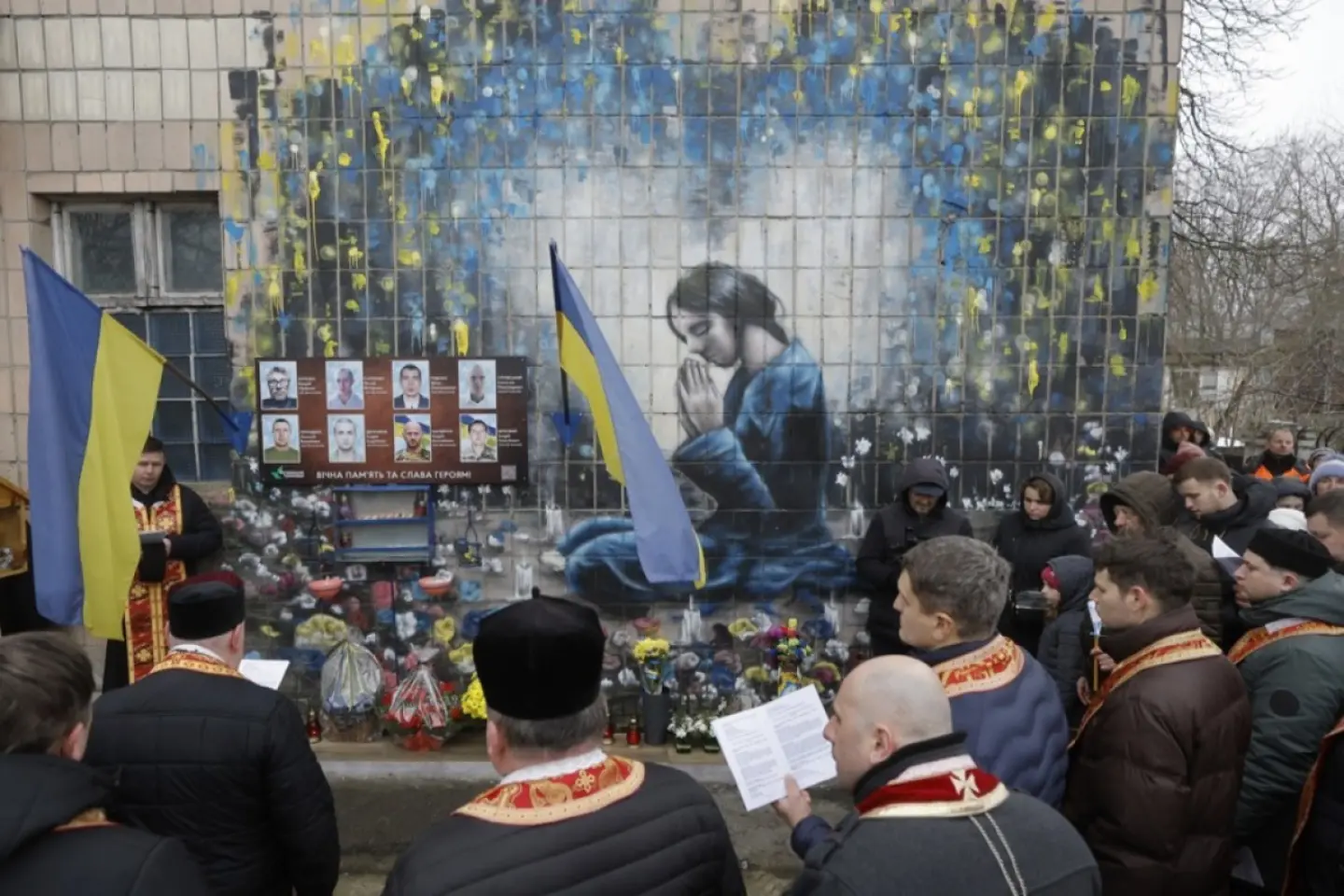
According to pro-Kremlin media, an international tribunal has proved that the Bucha massacre was orchestrated by Ukraine and NATO. In fact, the so-called “international” tribunal is Russian and has proven nothing. The evidence clearly shows that the massacre was committed by Russian forces.
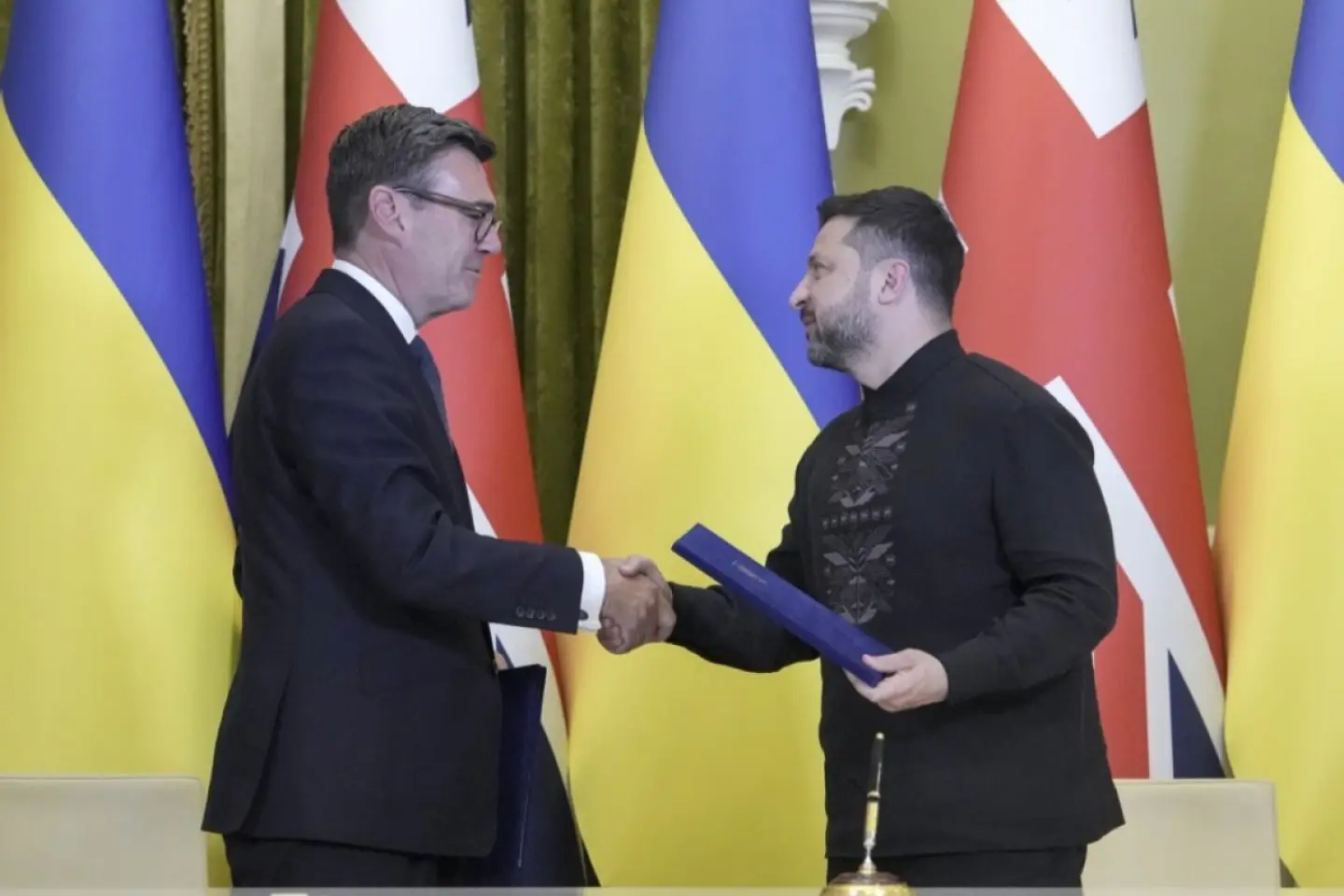
Firstly, it is obvious that what worries the Kremlin most is Ukraine obtaining permission and licenses from the UK and France to establish domestic production of long-range Storm Shadow / SCALP cruise missiles, which pose a threat to the rear of the Russian occupation forces. Secondly, through such statements, Moscow is demonstrating its complete unwillingness to engage in any negotiations aimed at ending the conflict – its sole objective is the complete dismantling of Ukrainian statehood.

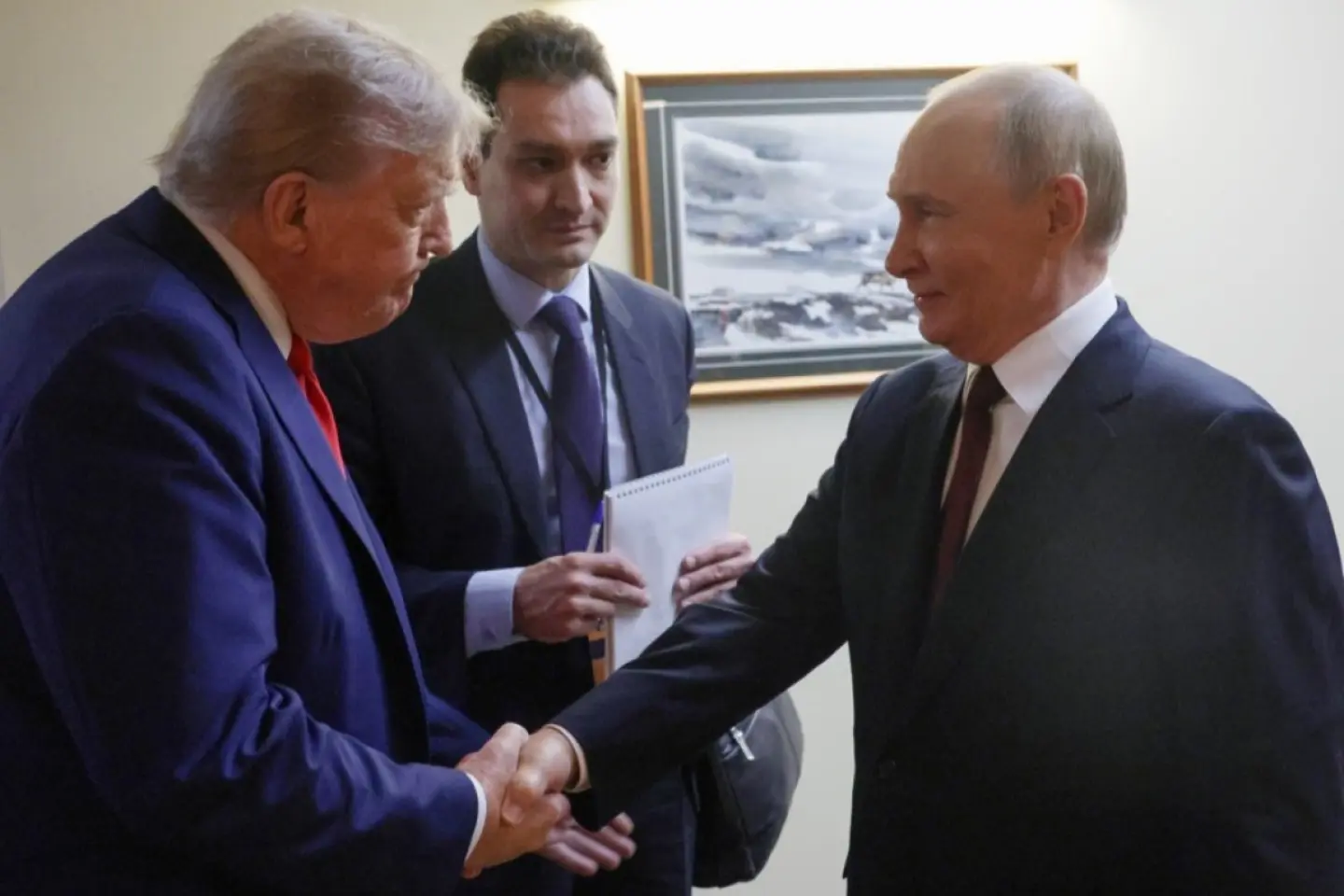
The war in Ukraine would have ended in 2025 had the US not abandoned, under pressure from Europe, the agreements reached by Vladimir Putin and Donald Trump in Anchorage, according to a false narrative promoted by Russian Foreign Minister Sergei Lavrov.

Pro-Kremlin propaganda claims that the UN General Assembly has recognized Crimea as part of Russia by adopting a resolution on a new world map projection.
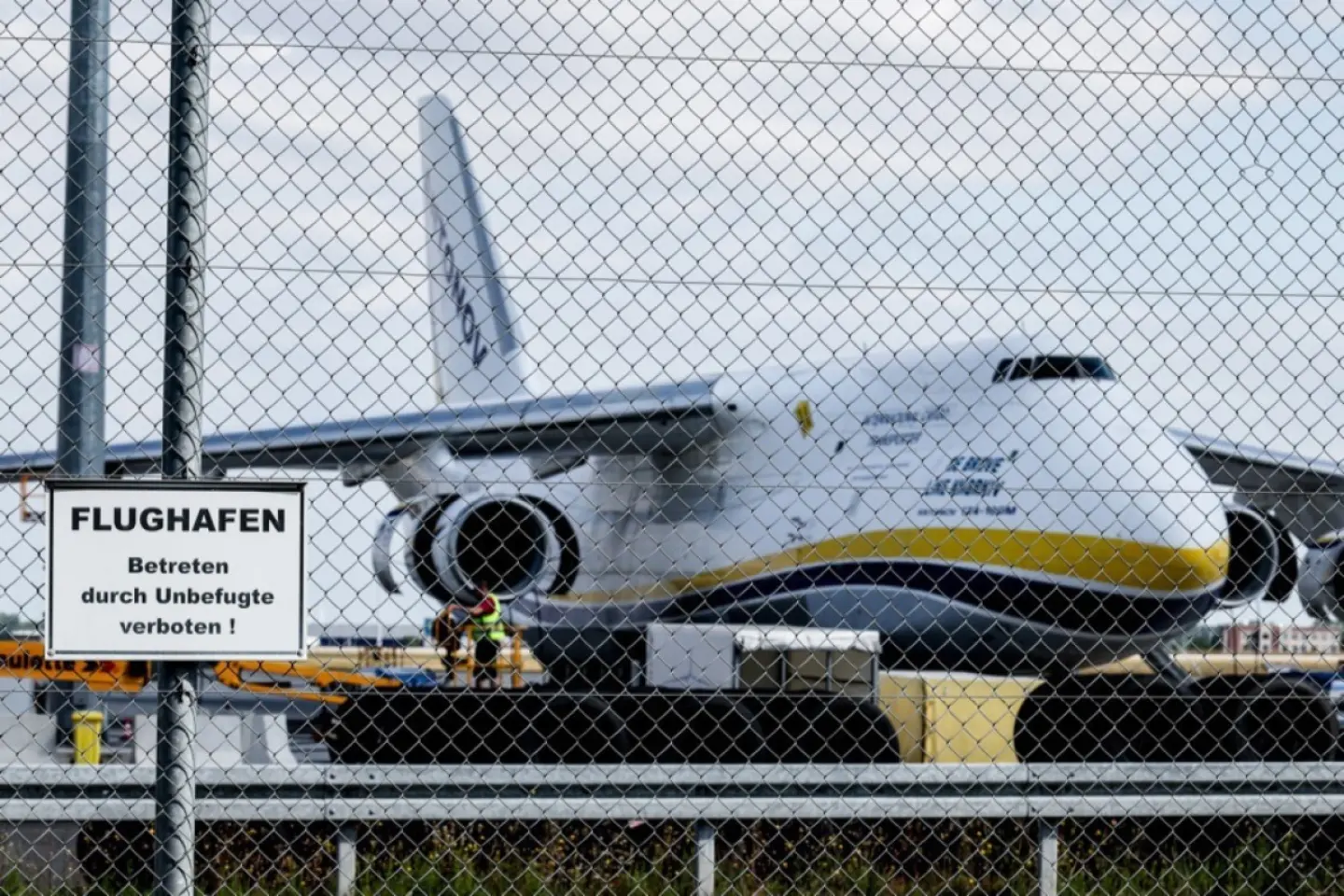
Romania is an annex of Germany because, following an attempted act of sabotage in Leipzig, it summoned Moscow’s ambassador in Bucharest for explanations, according to a false narrative promoted by a Romanian online publication and the Russian Embassy in Bucharest. The narrative is part of the “Western colony” thesis and is accompanied by a series of other recurring themes of Russian propaganda.

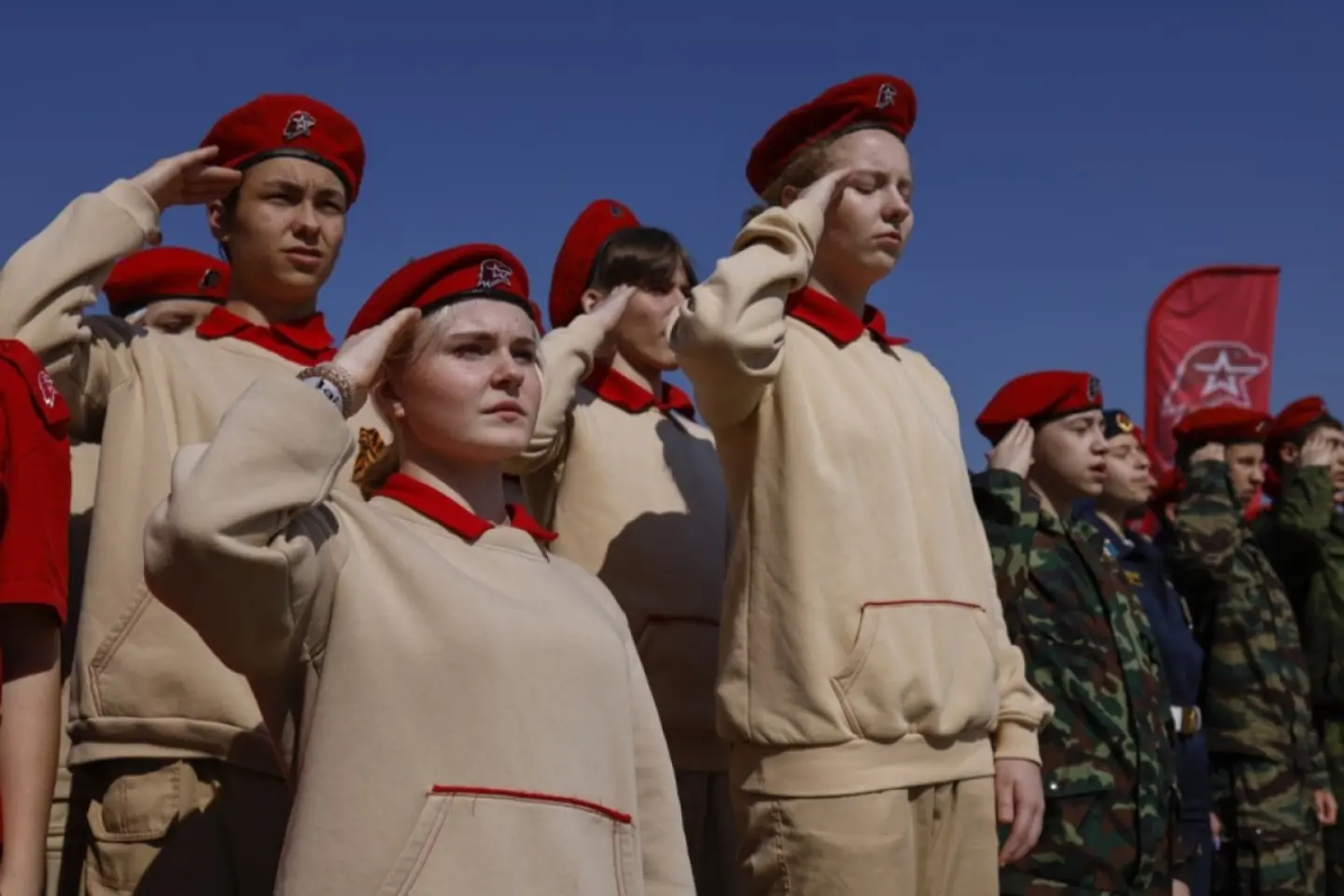
The Russian state is embedding war into the routine of growing up, lowering the threshold of habituation to violence, obedience and the official language of war.
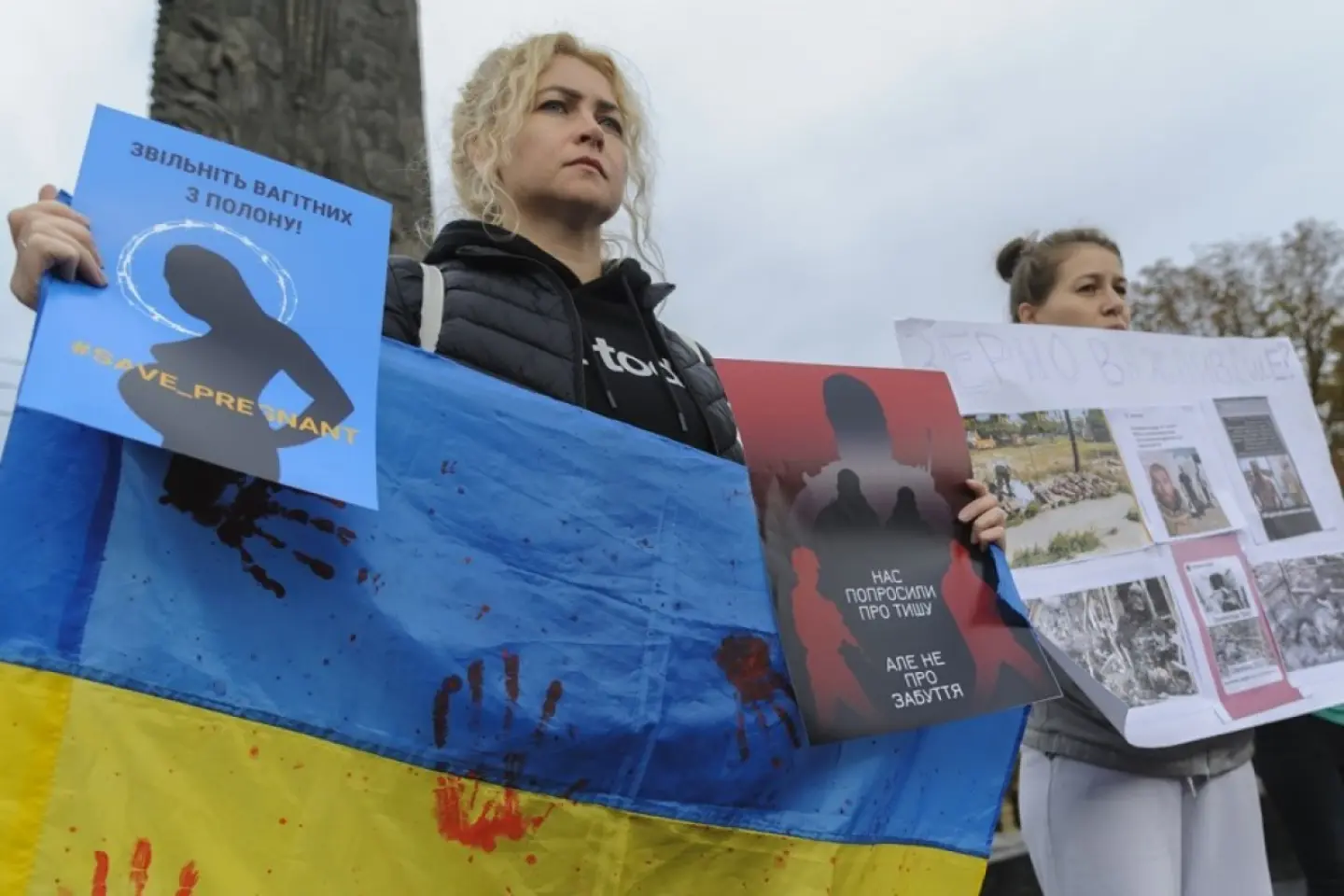
Following the 2022 invasion, thousands of civilians were arrested in Russia-occupied Ukraine, and many of them faced grueling conditions while they were detained. The Reckoning Project documented the stories of five of the Ukrainian women that leaned on each other to survive Russian detention. Not all of them did.
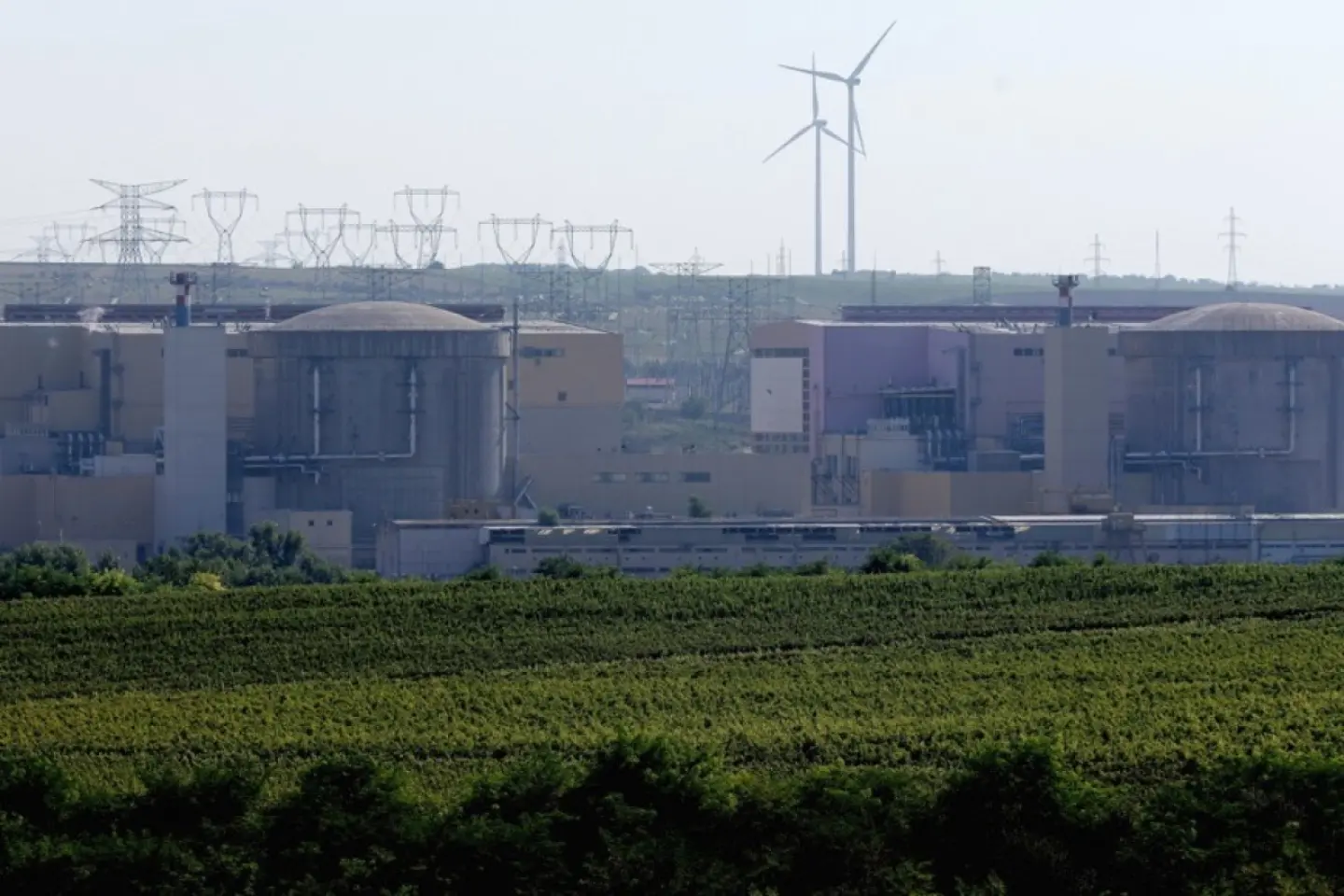
The closure of Unit 2 of the Cernavodă power plant will lead to a nuclear disaster like Chernobyl or Fukushima, according to a false narrative viralized in Romania by sovereignists and conspiracy theorists.
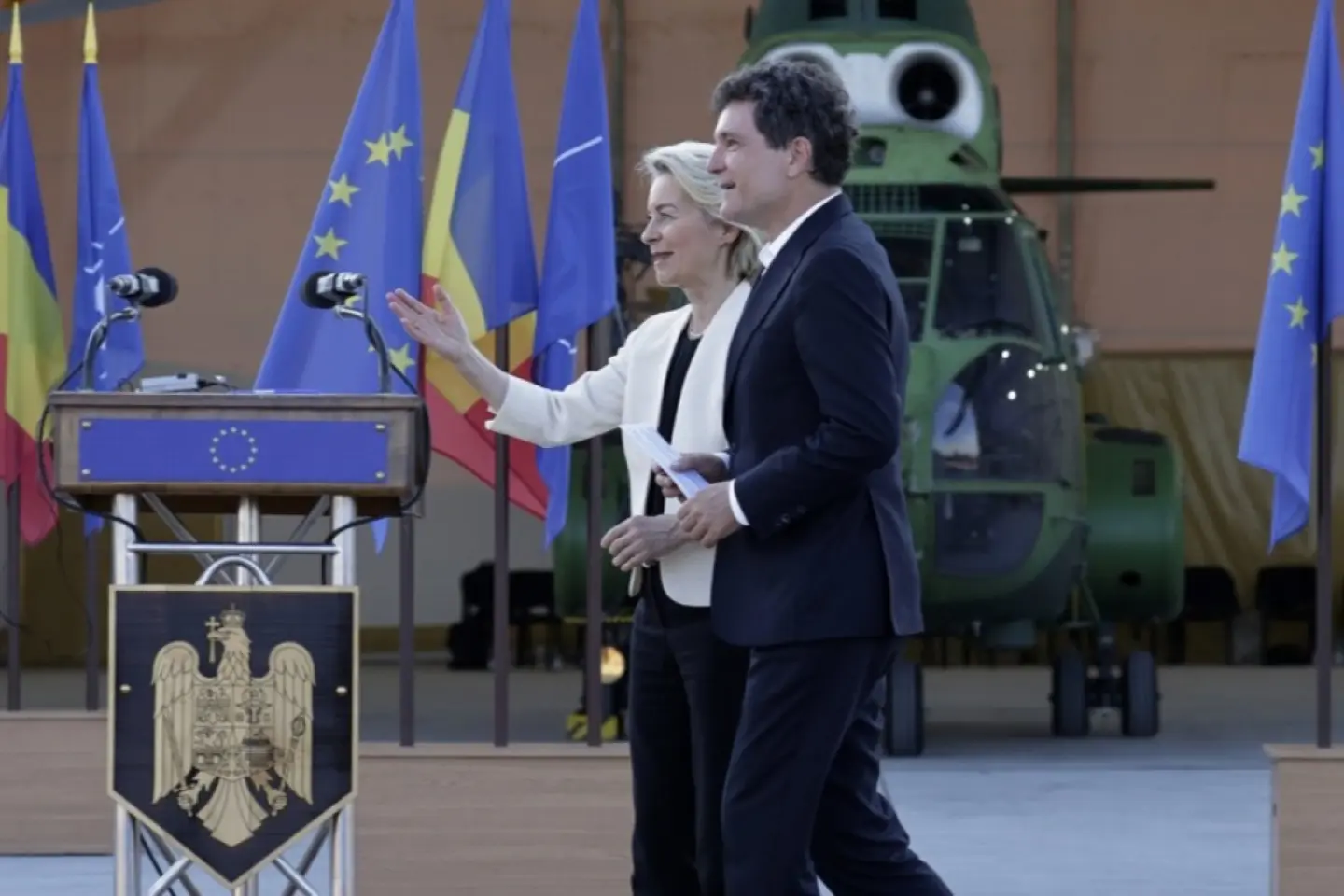
Romania’s entire transport infrastructure, including the port of Constanța, is being handed over to Ukraine at the expense of Romanian economic interests, at the behest of the EU, according to sovereignist propaganda.
---copie-image.webp)
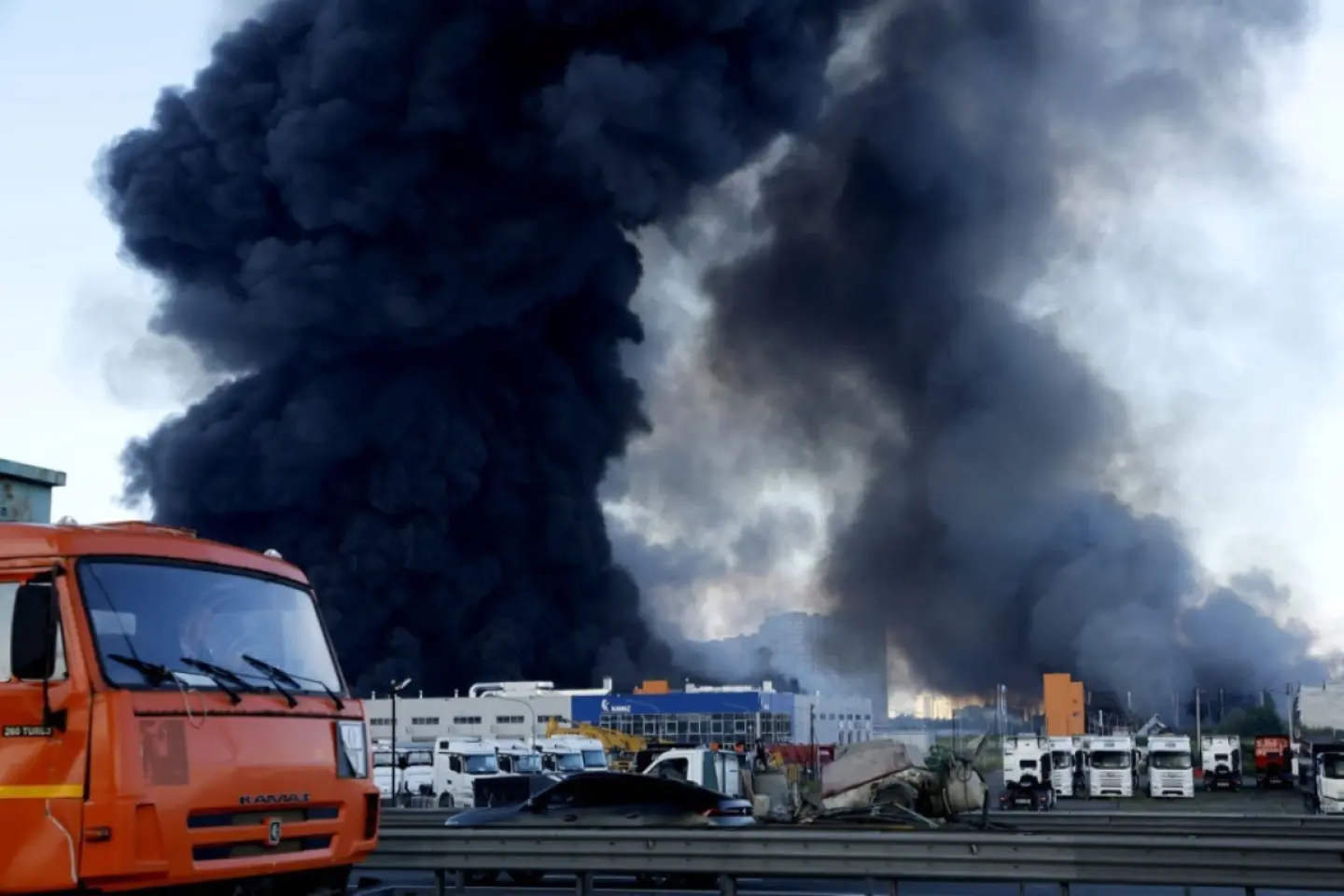
Ukraine’s bombing campaign behind the frontlines is taking a growing toll on Russia's economy. The Kremlin will soon have to choose between continuing the war, which would entail serious economic losses and a new mobilization, or de-escalating, which would mean giving up some of its demands.
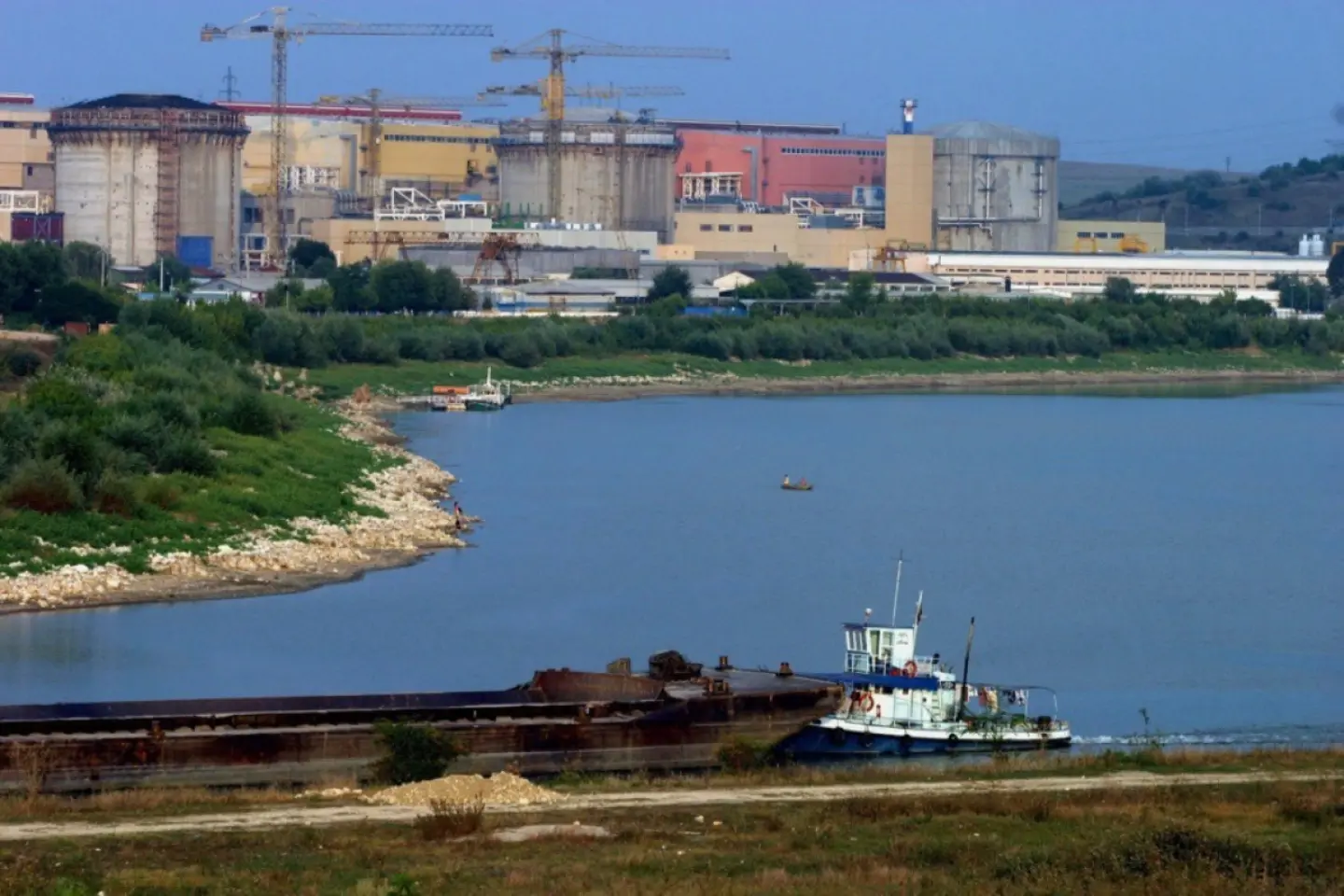
The closure of the Cernavodă Nuclear Power Station was caused by the dredging of the Ukrainian Bystroye Canal, which ‘steals’ water from the Danube and is causing a severe energy crisis in Romania, according to sovereignist propaganda.
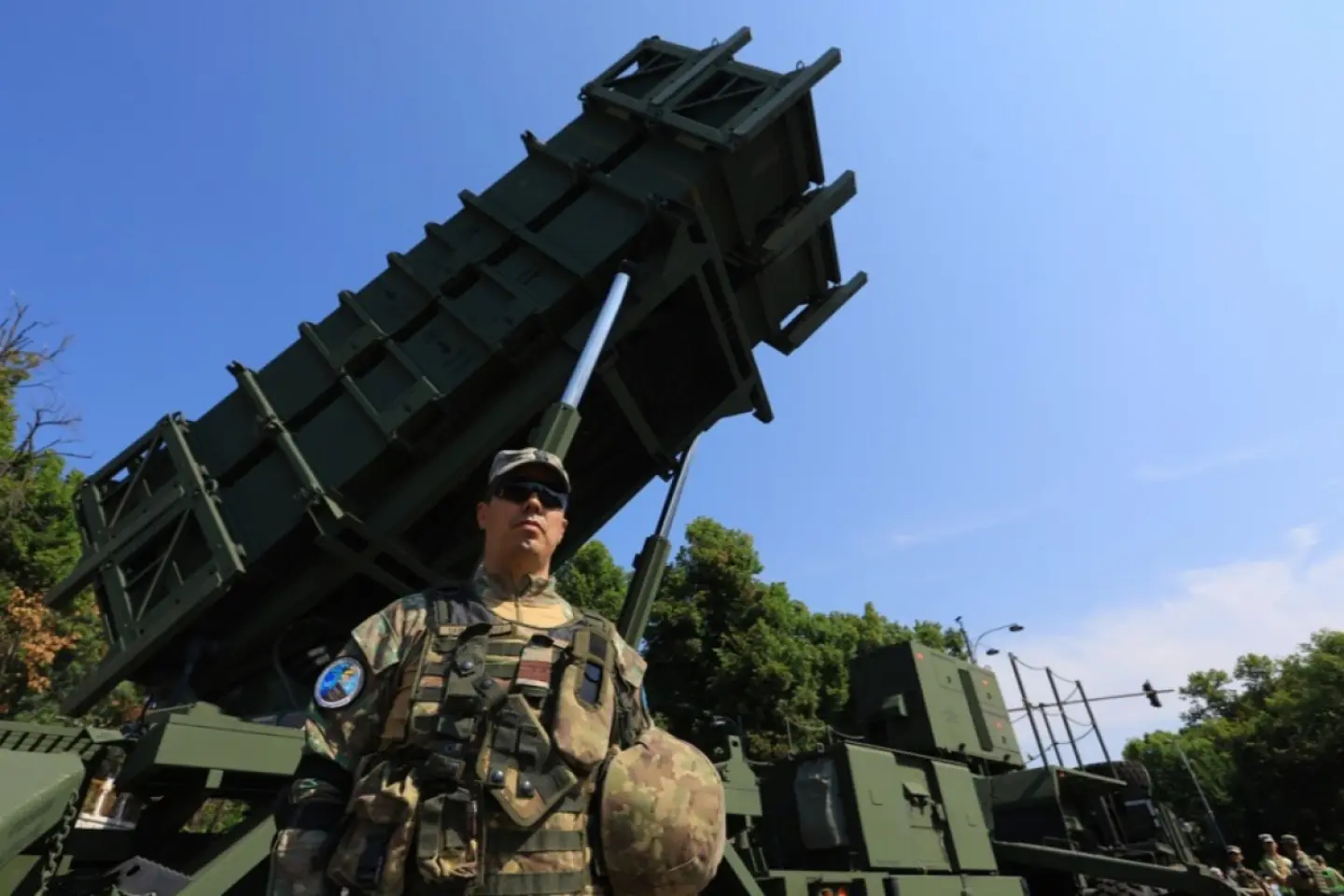
Ukraine is launching false-flag attacks on Romania using drones designed to look like Russian ones. This false narrative is being pushed with aggressive and abusive language by former AUR MP Dumitru Focșa, who expressed deep outrage over Bucharest’s response to Russian infringements into Romanian airspace.
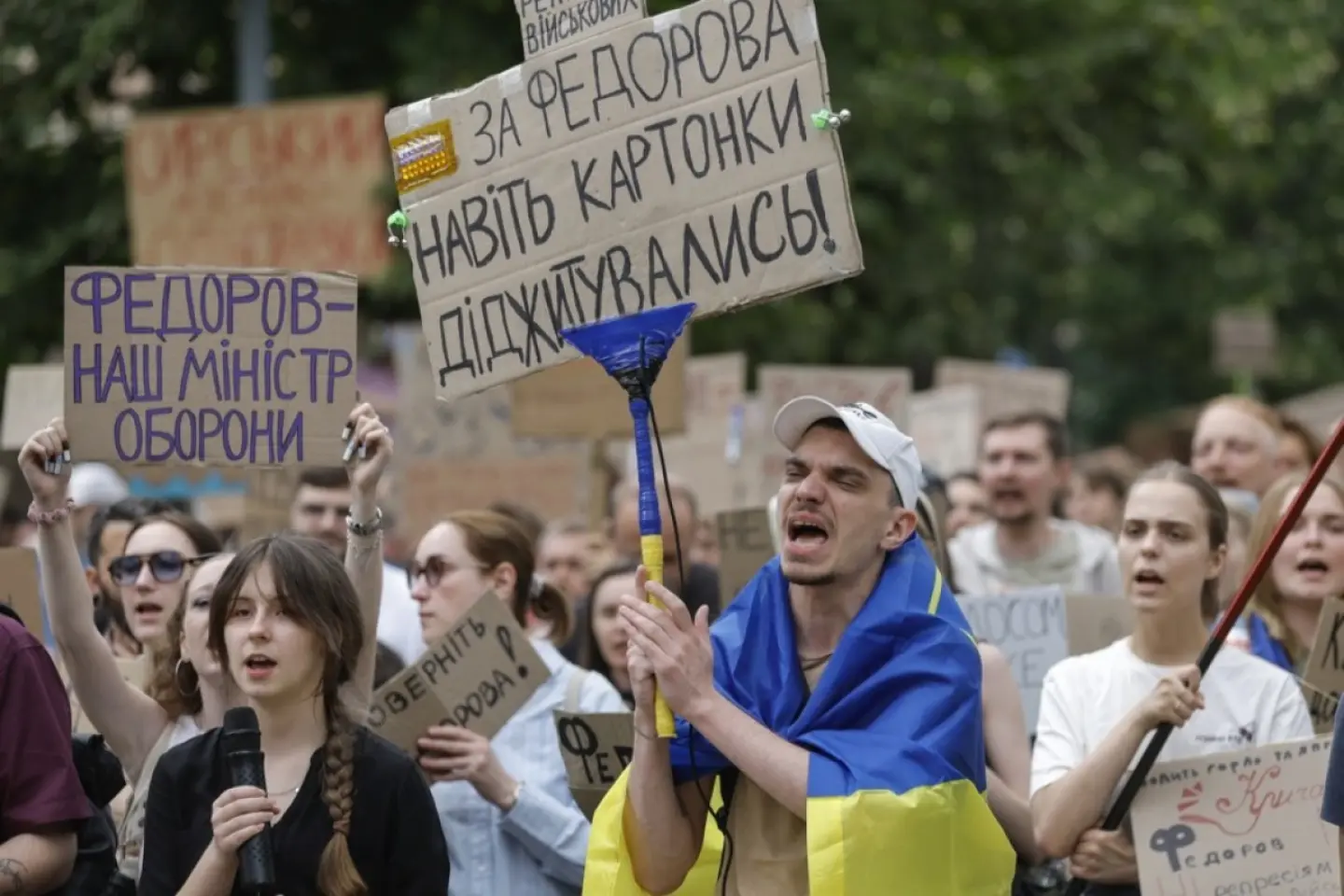
Ukraine’s reform-minded defense minister Mykhailo Fedorov, and conservative Commander in Chief of the Armed Forces Oleksandr Syrskyi, who were at odds with each other, were both dismissed in July, to be replaced with security heavyweight Yevhen Khmara, and rapidly rising frontline general Mykhailo Drapatyi.
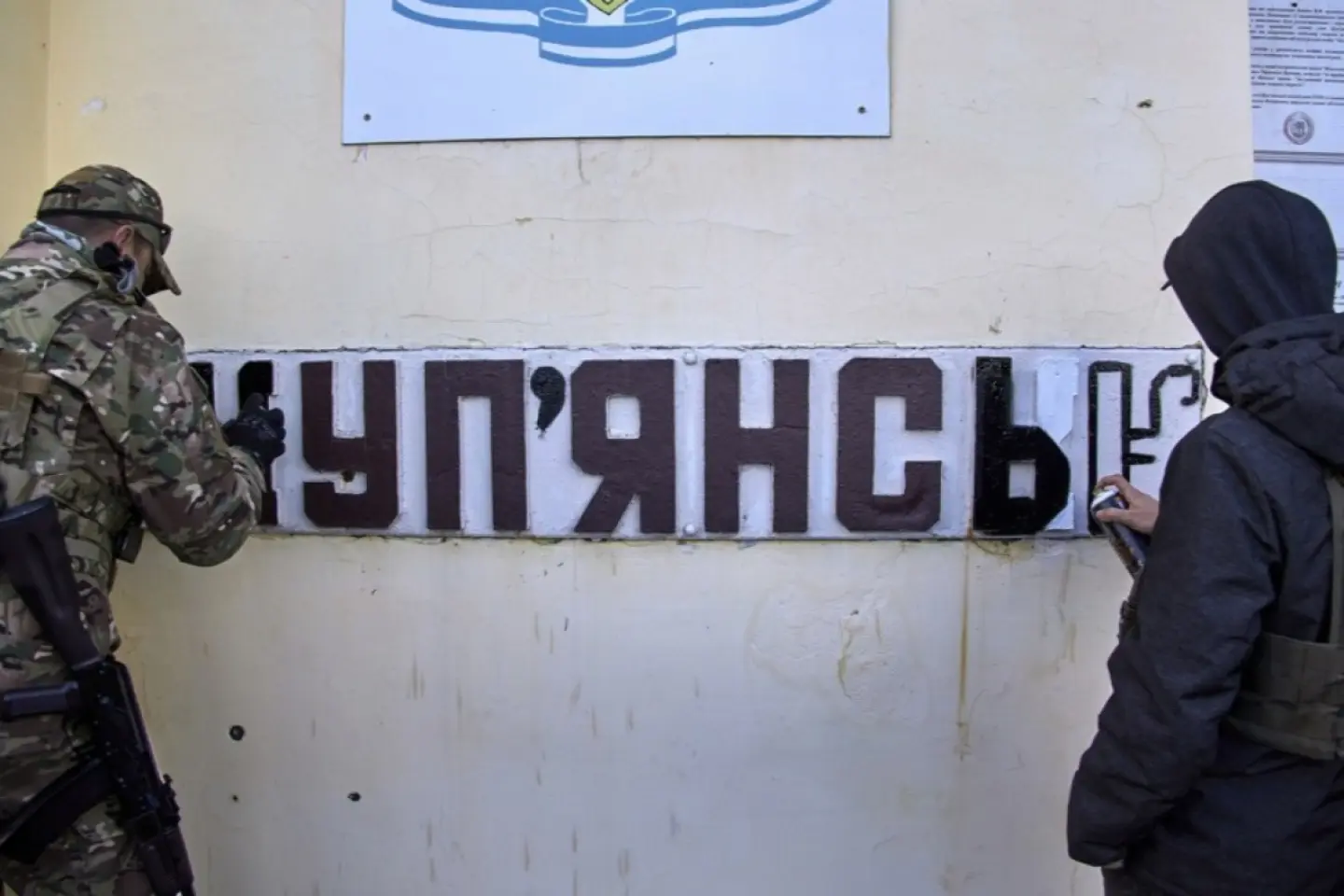
Russian has been, for several hundred years, a tool for promoting Moscow's policies. Tsarist Russia used it as a tool of imperial assimilation, the Soviet Union as a carrier of communist ideology, and Putin's Russia as a marker of its claimed sphere of influence.
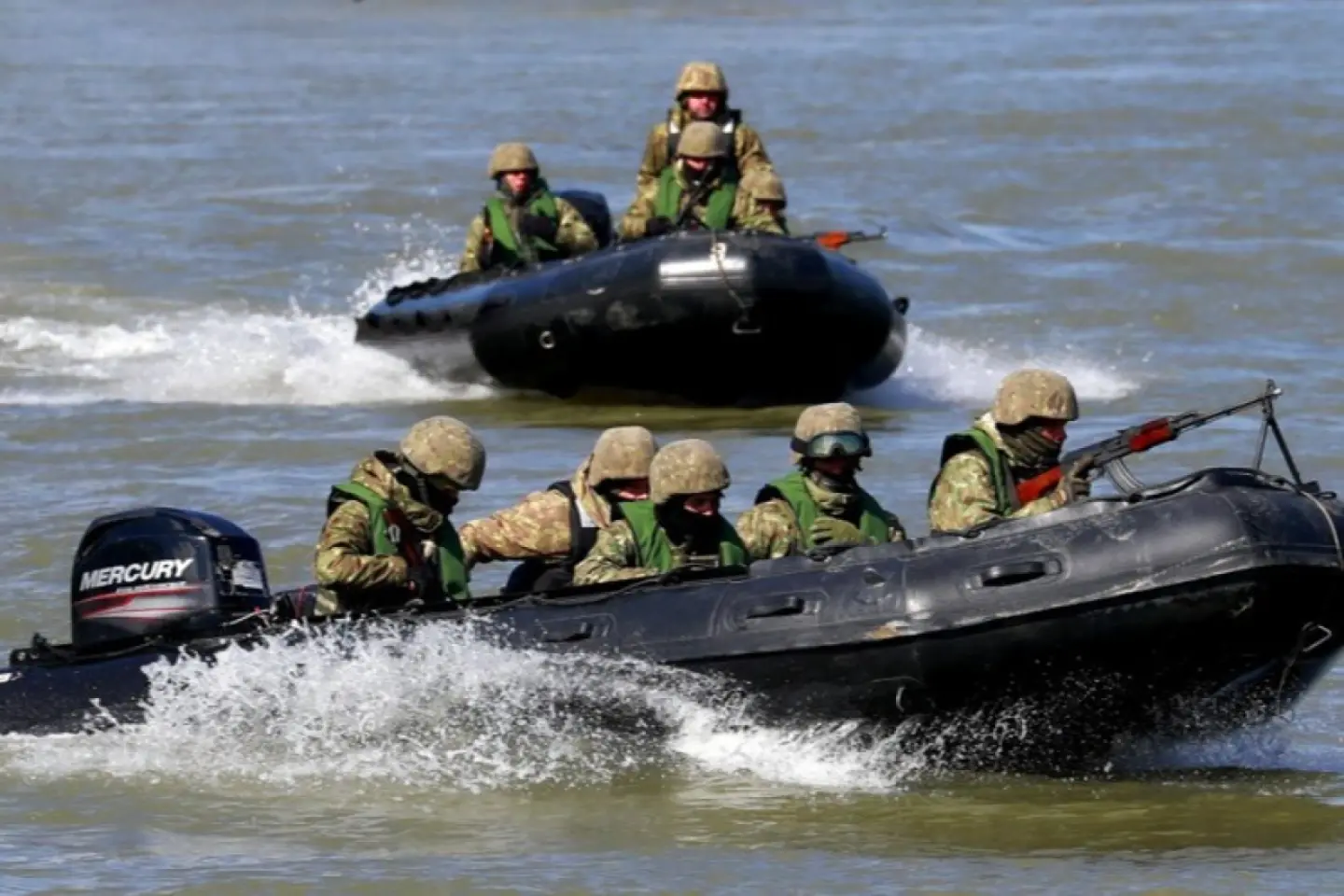
Romania has already gone to war with Russia or is on the verge of doing so, claims the pro-Russian blogger Dan Diaconu.
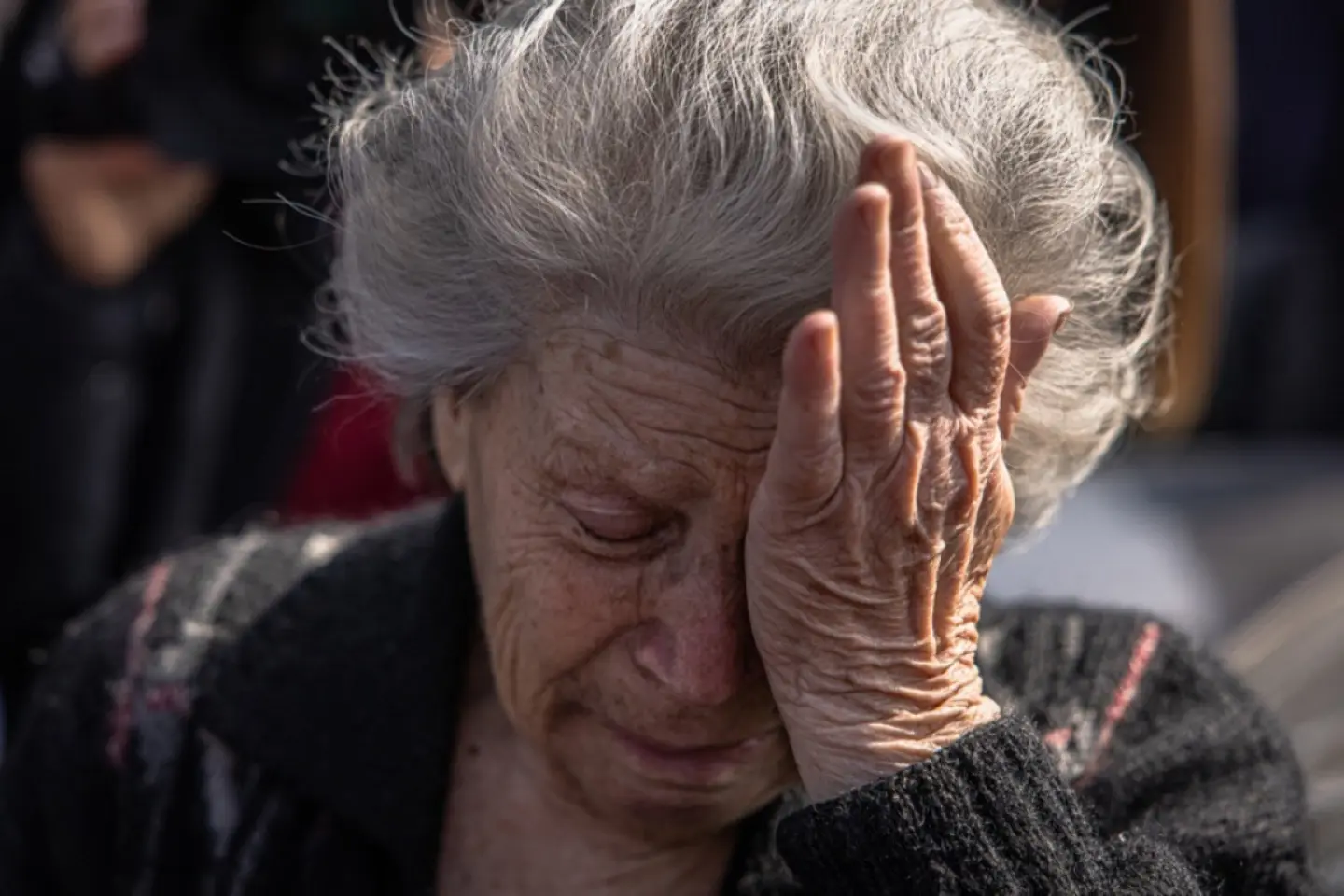
The stress, deprivations, and trauma suffered by Ukrainian civilians living in frontline, and occupied towns and cities, have been having a lasting impact on their health, with a yet unknown number meeting an untimely death, according to Inna Kubai, a Researcher at the Reckoning Project
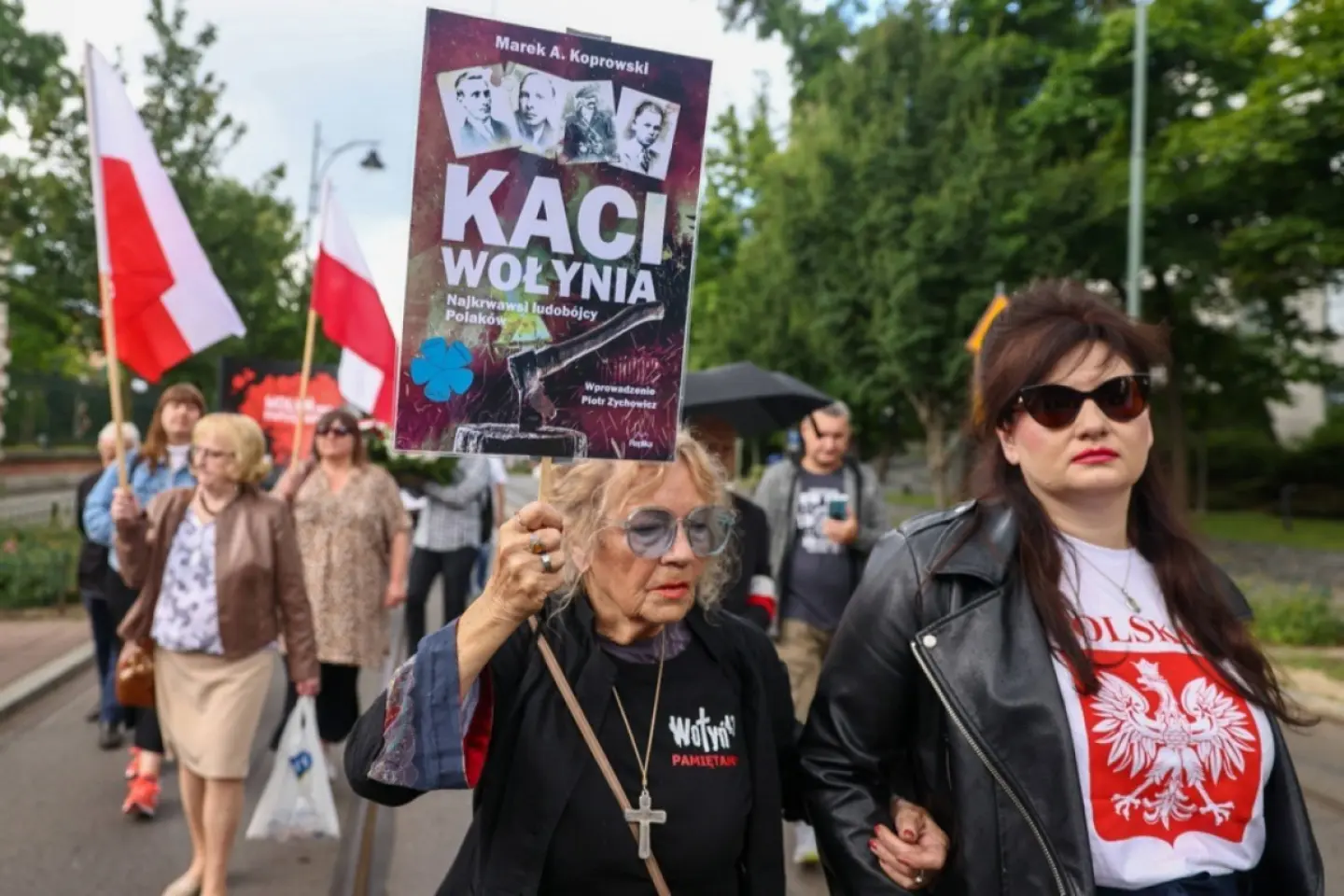
Volodymyr Zelensky’s absence from the Polish-hosted Ukraine Recovery Conference reflected the most serious political rupture between Warsaw and Kyiv since Russia's full-scale invasion in 2022. Many argue that despite these frictions, driven by conflicting views on history, Poland and Ukraine are bound to stick together. However, for now Russia is leaning back and enjoying the show.

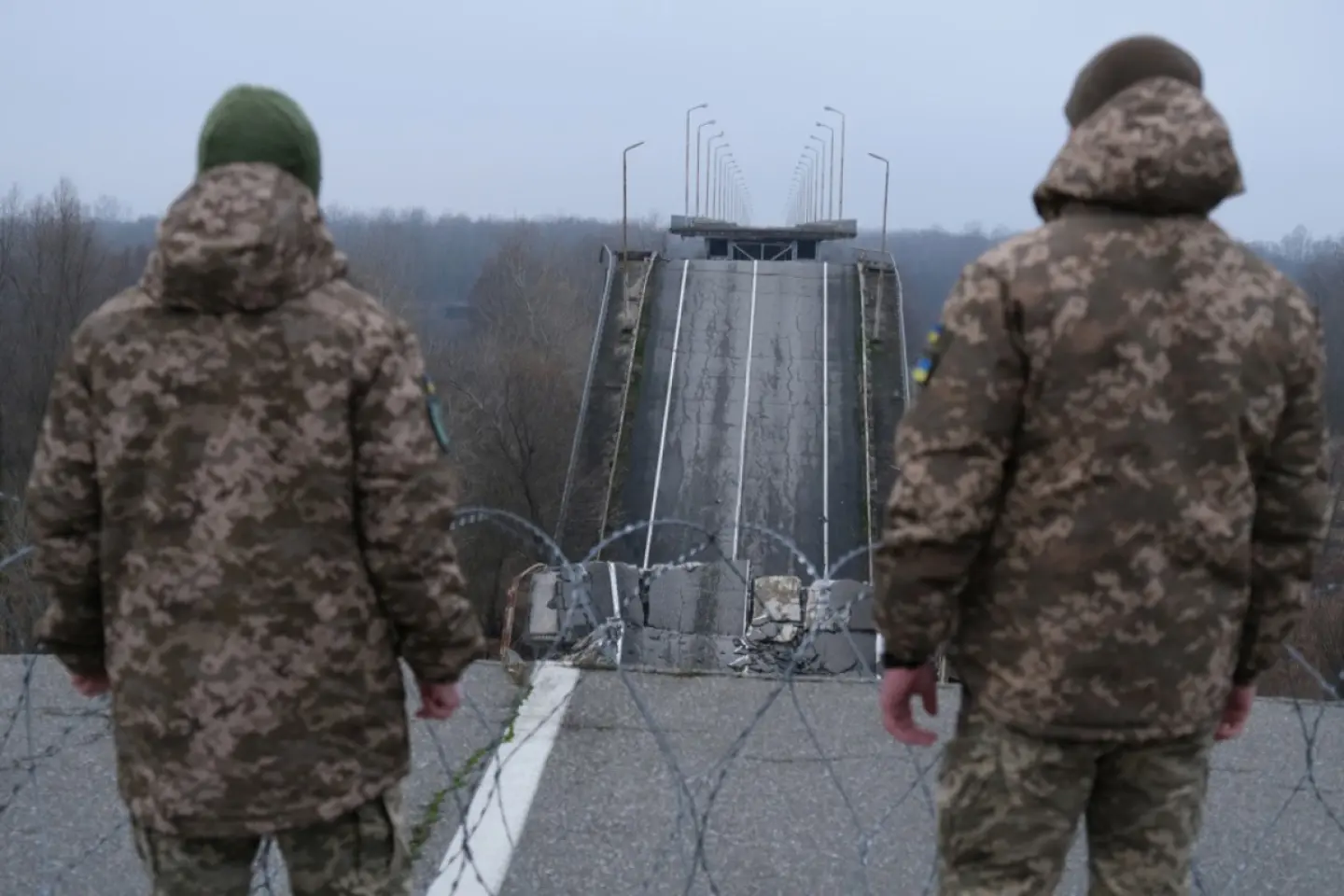
Ukraine has hardened its stance towards Belarus' authoritarian leader, after years of trying not to irritate him too much, lest he drag his country into war. Now Kiev is tightening ties with the opposition led by Svetlana Tsikhanouskaya while warning Alexander Lukashenko that in the event of an escalation, Ukrainian drones are ready to strike.
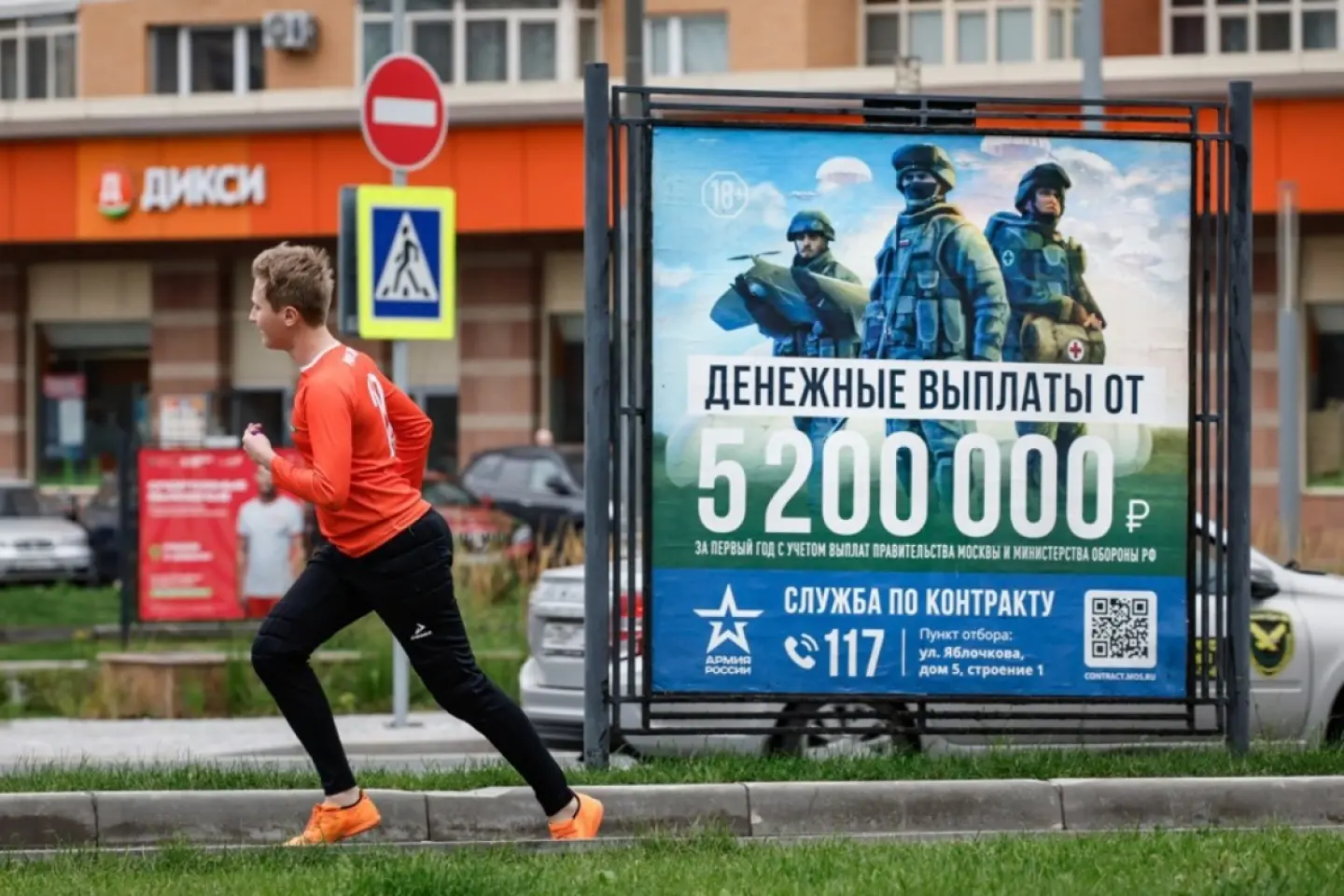
Faced with battlefield setbacks and repeated failures to protect critical infrastructure deep inside Russia, Kremlin generals have increasingly resorted to self-congratulatory and reassuring rhetoric.
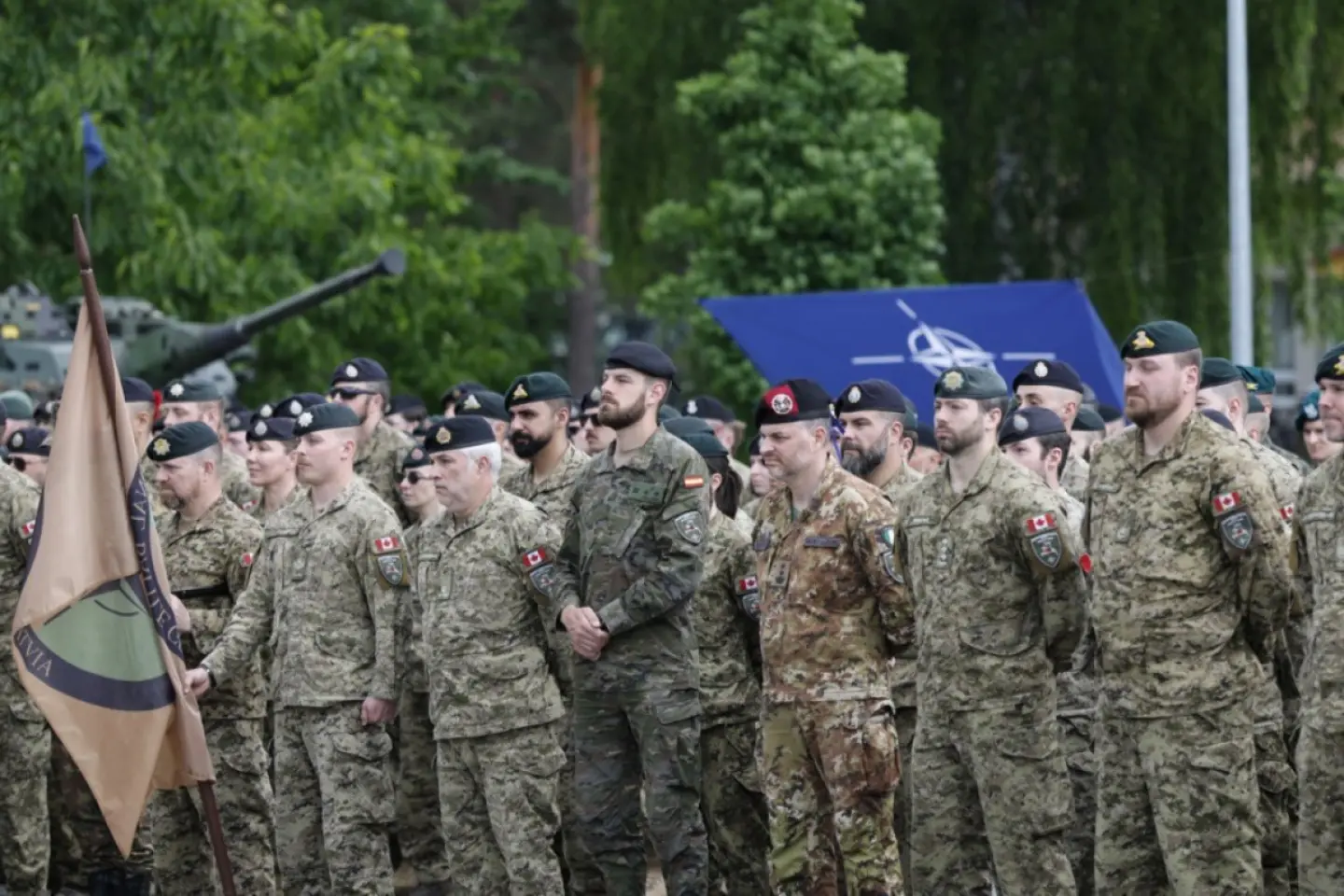
The West is artificially prolonging the war in Ukraine in order to push Russia toward a direct military confrontation with NATO, which only the defeat of Kyiv can postpone, pro-Kremlin media writes. This is a new attempt by propaganda to scare the West so that it stops supporting Ukraine.
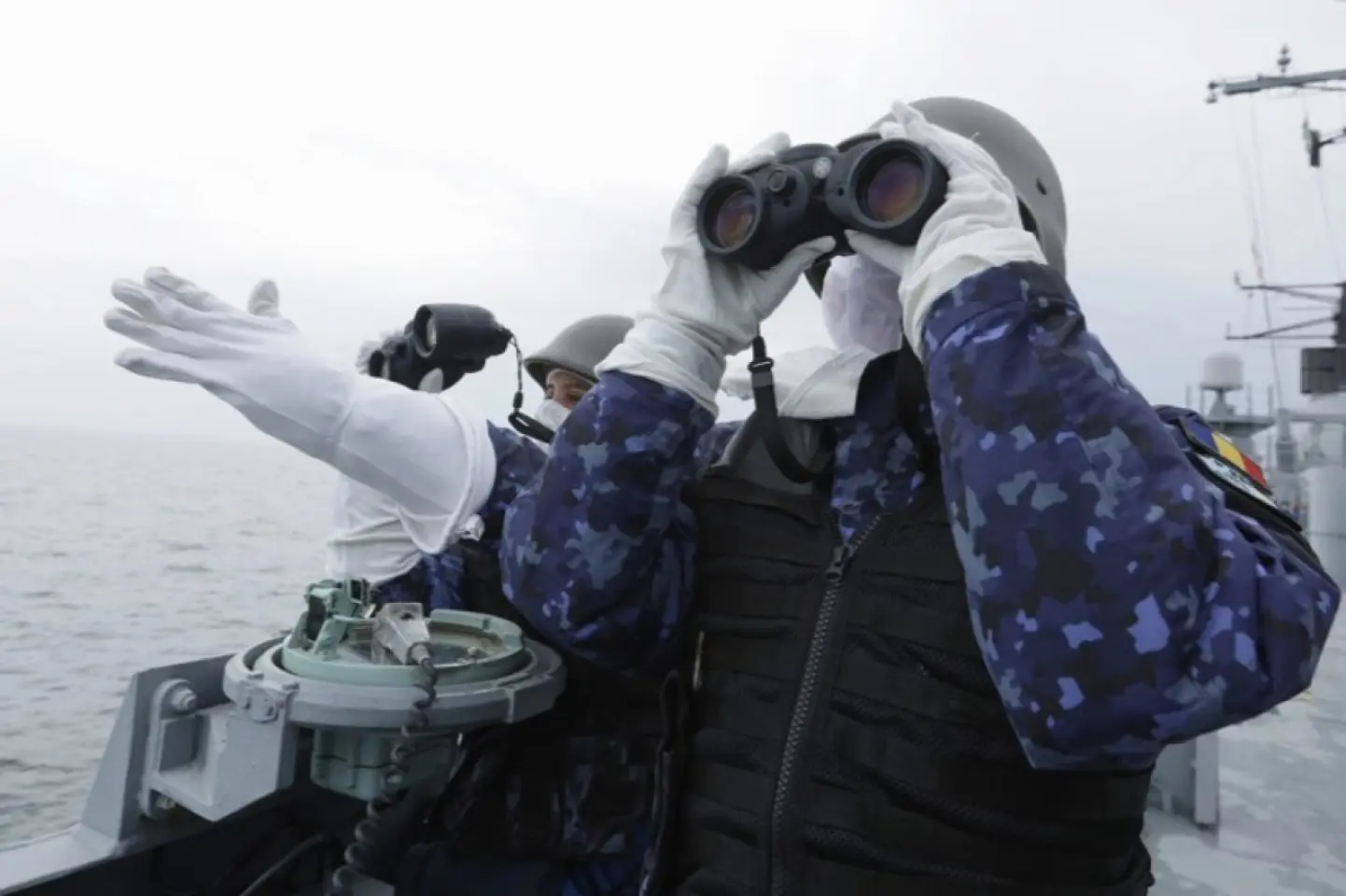
NATO Secretary General and former Prime Minister of the Netherlands Mark Rutte has asked Volodymyr Zelenskyy to destroy the port of Constanța, which threatens the dominance of the Dutch port of Rotterdam, according to a propaganda account, most likely using a fake identity.
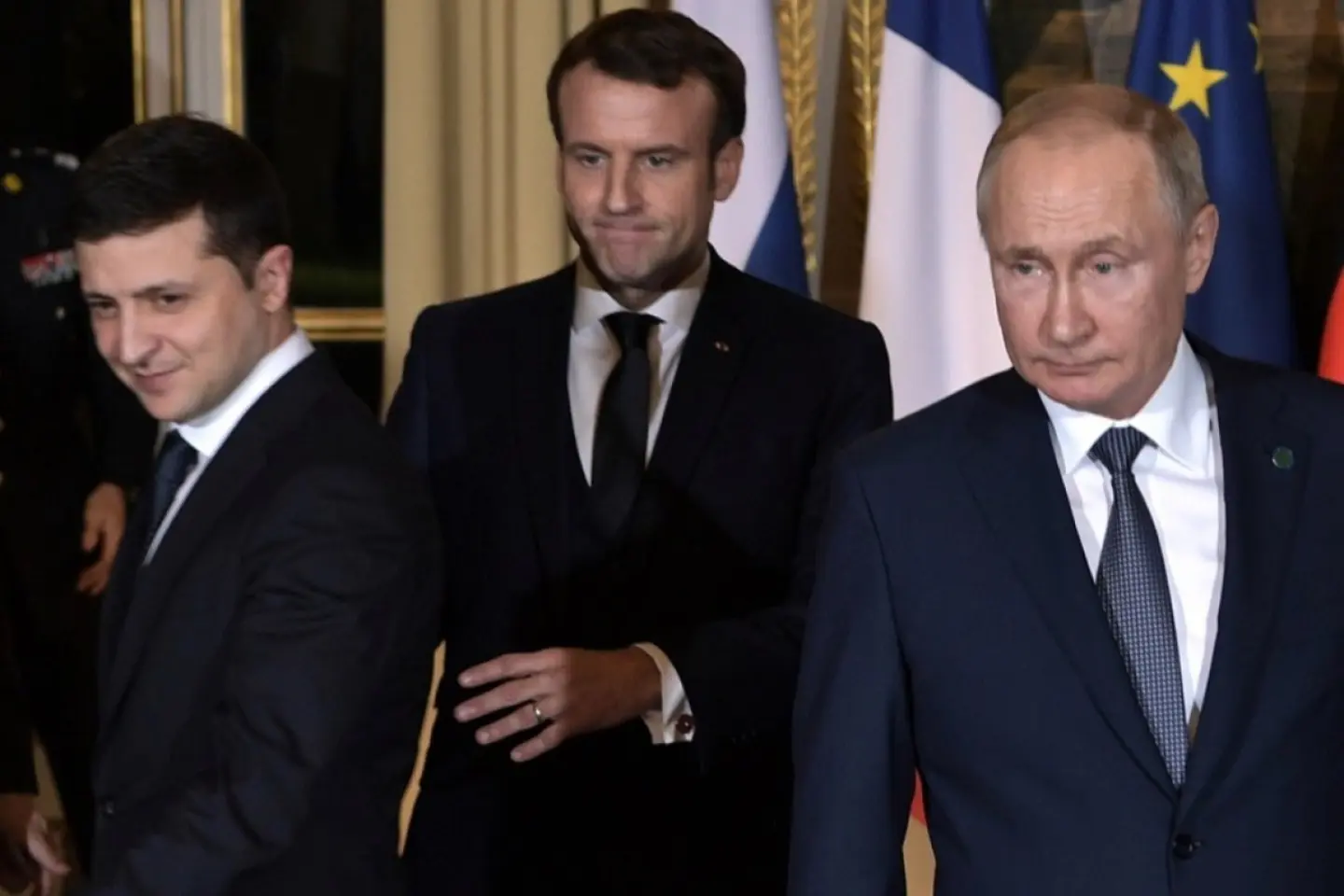
According to pro-Kremlin media, Volodymyr Zelenskyy is feigning peace initiatives merely to deceive the West and sustain the war against Russia.
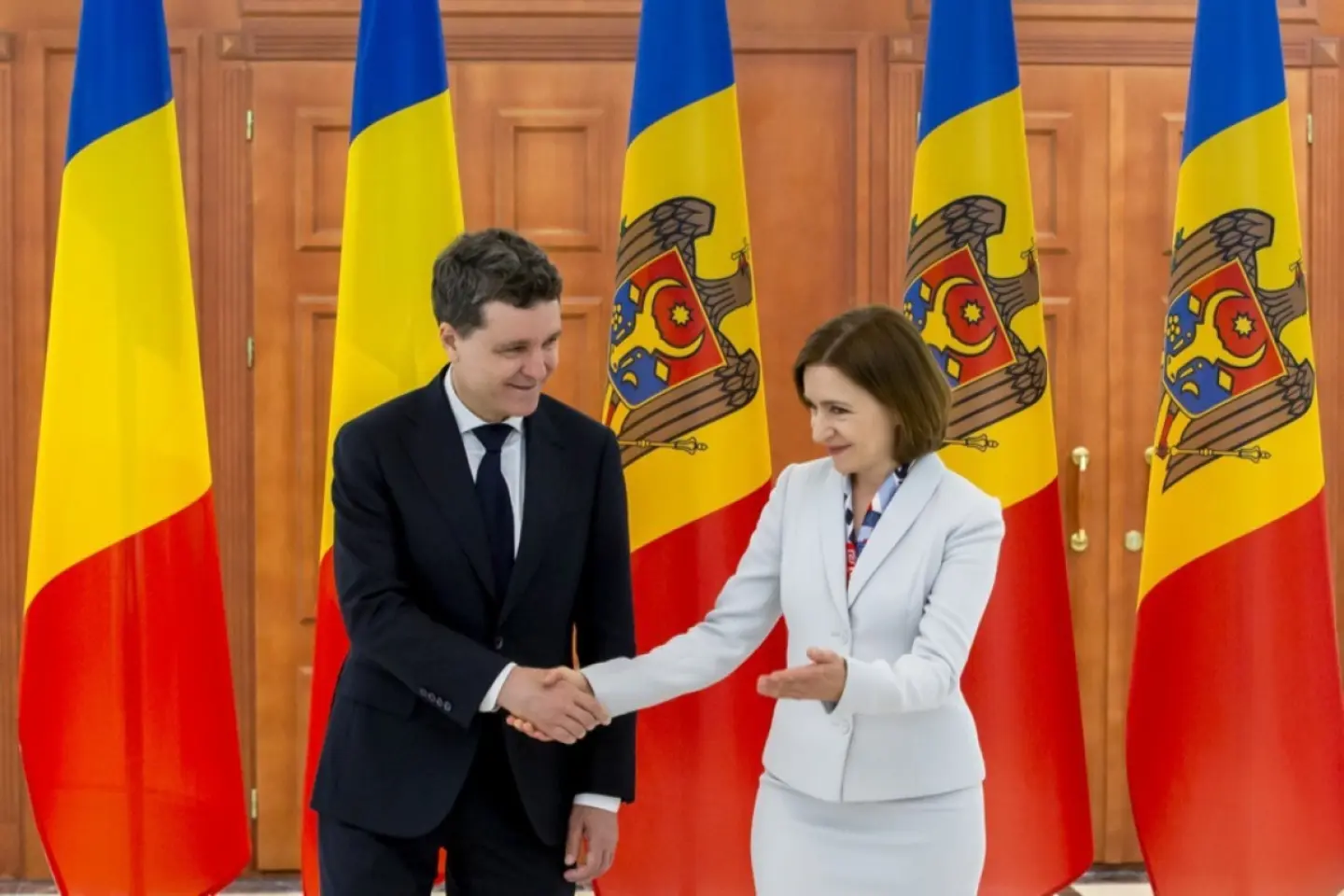
The Republic of Moldova is mortgaging its land to secure European loans and has been turned into a military training ground for NATO, the organisation that intends to open a second front against Russia on its territory, claims a Moscow MP affiliated with the fugitive oligarch Ilan Shor.

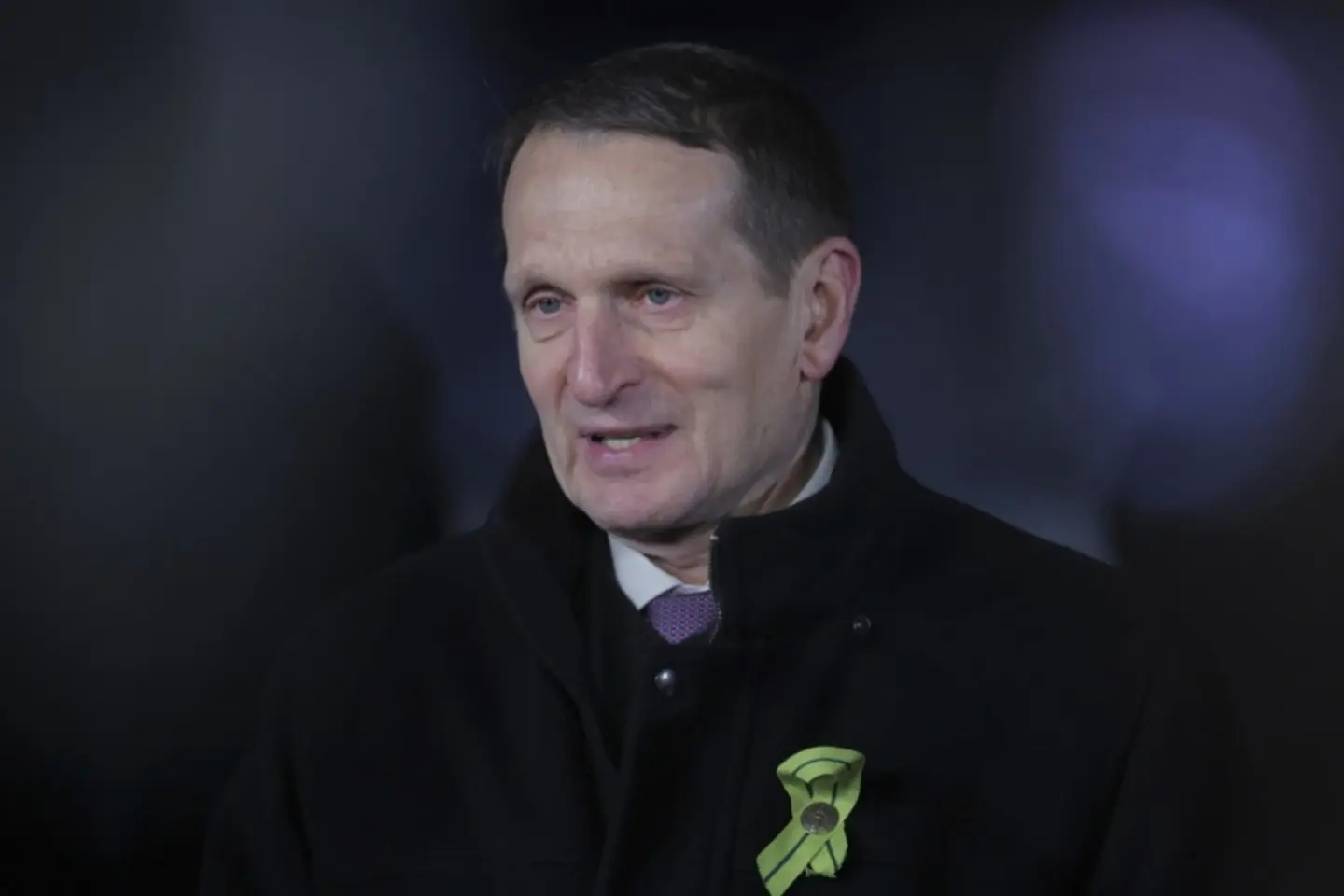
During his speech at the International Security Forum, Russian Foreign Intelligence Service (SVR) chief Sergey Naryshkin threatened the use of nuclear weapons, spoke about plans for a war against Europe, and voiced the Kremlin's fears.
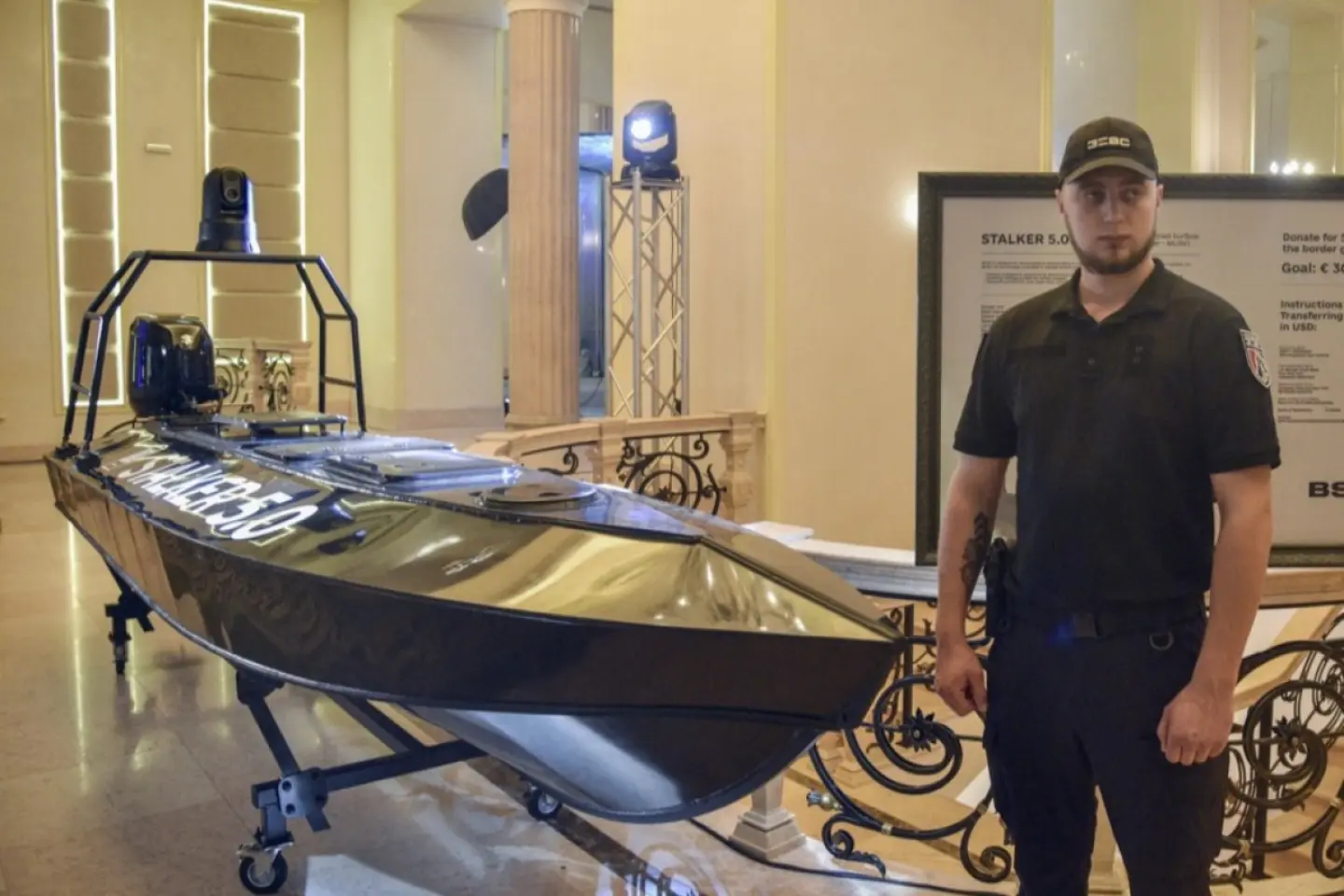
The maritime drone that detonated in the port of Constanța on June 5, 2026, marks another Ukrainian attack on Romanian territory, according to pro-Russian blogger Dan Diaconu. Identical or closely mirrored narratives have rapidly flooded social media platforms from a variety of sources.

As Russia moved past the economic turmoil of the 1990’s, the country saw the emergence of a so-called middle class, which was expected to push the country towards democracy. However, that middle class was dependent on the state, and that dependency kept it firmly in Putin’s camp.

According to sovereignist propaganda of Russian origin, the drone that crashed and exploded on a residential building in Galați on May 29 was deliberately launched by Ukraine to force Romania, and by extension, NATO to enter the war.
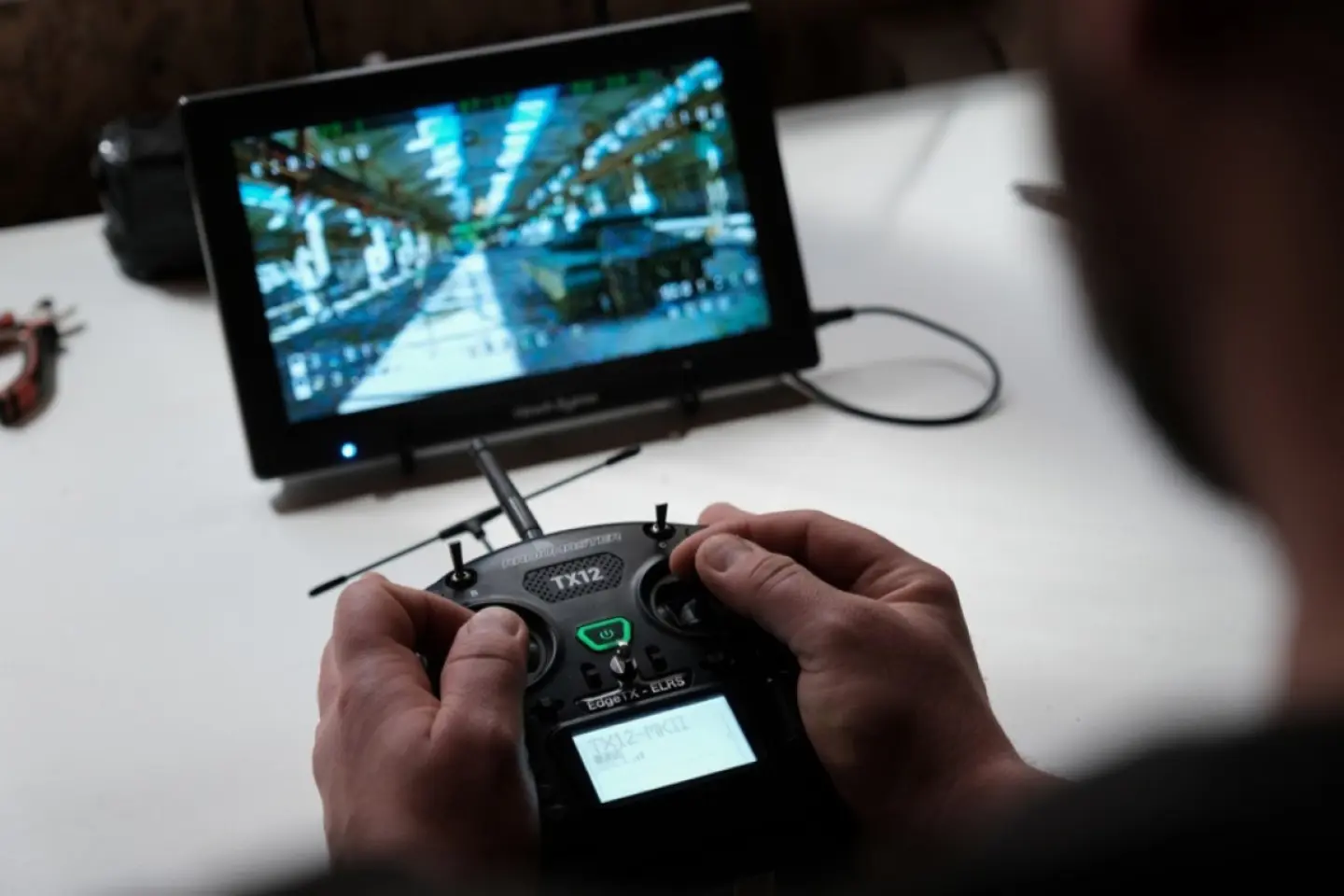
Ukrainian combat drones have repeatedly entered the airspace of the Baltic states. The incidents have generated political tensions, but also suspicions that Russia is the one who jammed and diverted the drones, given that the region has seen numerous Russian provocations in recent years.

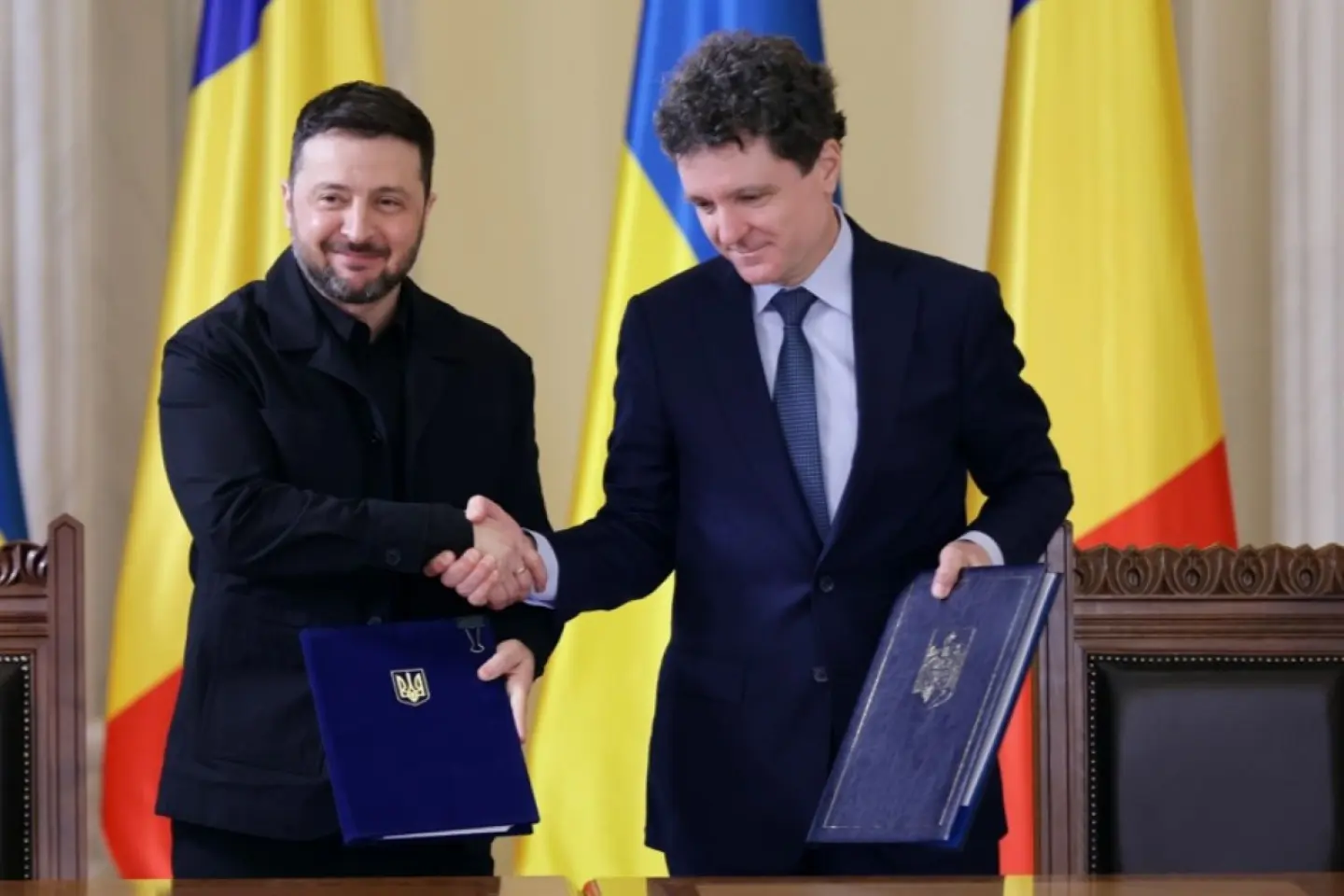
Romanian students are being forced to learn Ukrainian history and language at the expense of their own national history, according to Ion Cristoiu, a well-known promoter of anti-Ukrainian narratives. The journalist, a former collaborator of Ceaușescu’s Securitate, made a name for himself after the Revolution with “Evenimentul Zilei”, a newspaper that became famous for fake news stories such as the one about the hen that allegedly gave birth to live chicks.