
Veridica has been monitoring the war in Ukraine and its consequences at local, regional and international levels. Ever since the start of the large-scale invasion, Veridica journalists have been publishing news, analyses, editorials, video materials and have debunked hundreds of fake news, disinformation and propaganda narratives about the war in Ukraine. Veridica is closely following developments on the frontline, the main battles of the war, the statements of political and military leaders, updates about the war crimes committed in Bucha, Kherson and Izium. Our focus is also on international initiatives aimed at supporting Ukraine, including through deliveries of weapons from the West and the transfer of military know-how. Diplomatic, economic, political and humanitarian efforts meant to offset the fallout from the war on the civilian population are equally covered in Veridica articles. Our network of regional contributors constantly monitors crises generated by the war, such as the refugee and energy crises. The impact of disinformation campaigns related to the war in Ukraine, the division of public opinion in ex-Soviet countries in Central and Eastern Europe are permanently scrutinized by Veridica’s team of regional journalists, who provide regular editorials and analyses on these topics. Our contributors have been reflecting the consequences of the war in such countries as the Republic of Moldova, Romania, Bulgaria, the Czech Republic, Poland, Latvia, Estonia, Belarus and Georgia.
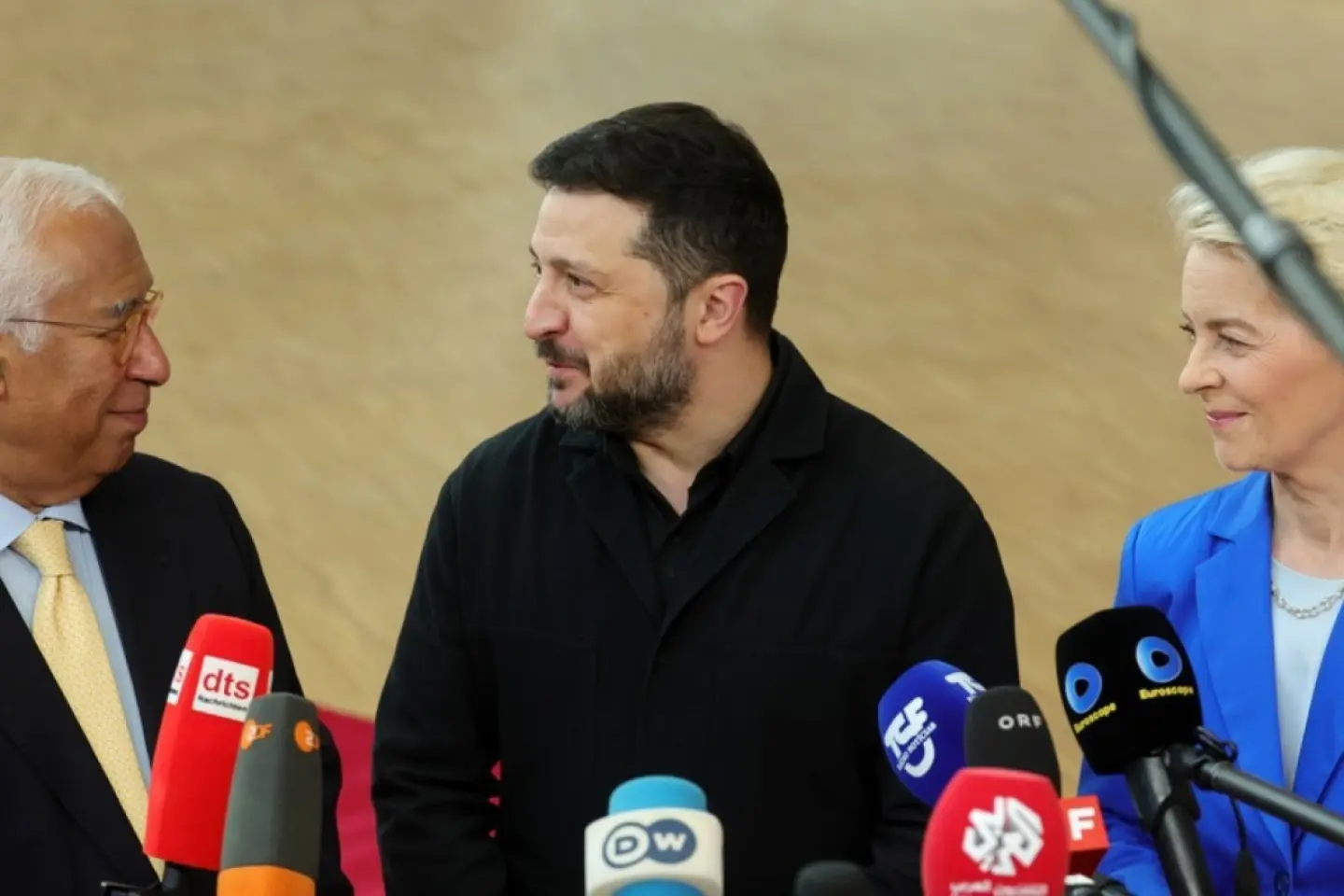
What we are witnessing is the Kremlin’s increasingly explicit adoption of the position that it is waging a “war of liberation” against Europe.

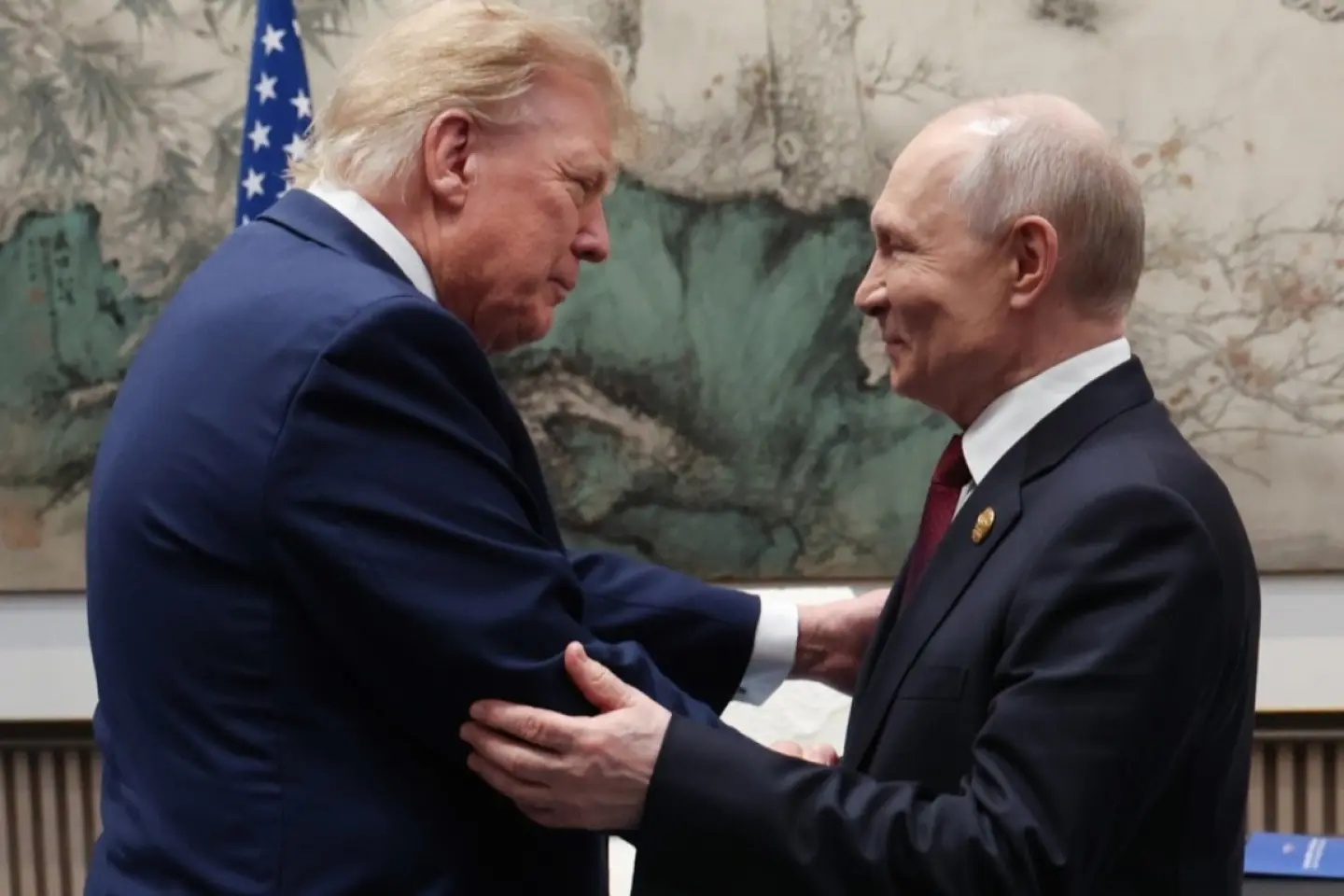
Donald Trump has agreed to Russia’s demand that Romania and other countries leave NATO in 2027, claims a false narrative that ignores the fact that neither Russia nor Trump has the authority to decide which countries leave the Alliance. Those behind the narrative go even further, claiming that the pro-Russian Viktor Orbán will become the “head of the EU” – another decision over which neither Russia nor Washington has any say.

In mid-November, another defence company in Estonia came under attack: assailants tried to set fire to the premises of drone manufacturer Threod Systems. In response, the government decided to close the border with Russia completely.

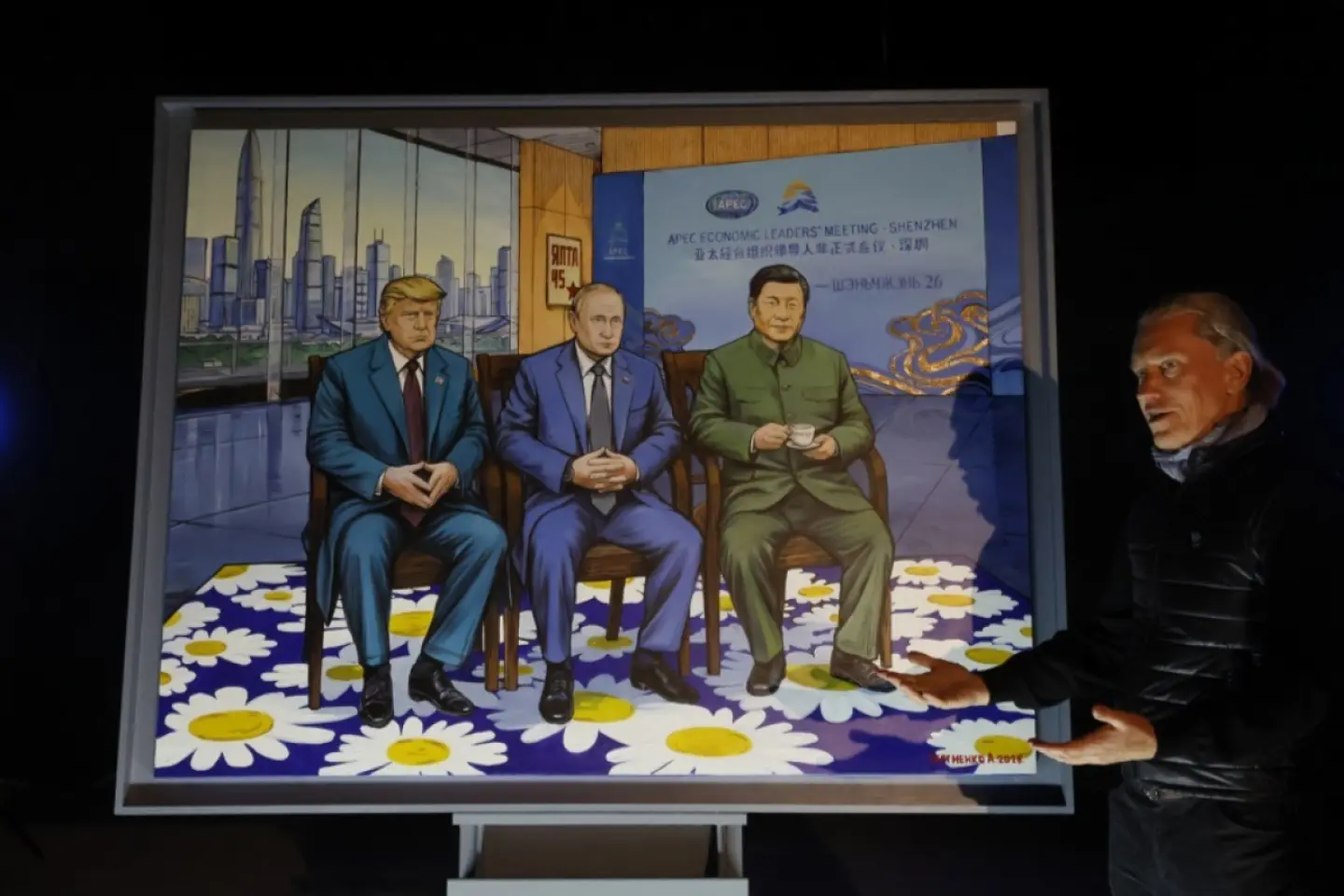
Russian political analyst Abbas Gallyamov told Veridica why the Kremlin is enjoying the negotiating process itself, how Moscow read Washington’s sanctions concessions and what could eventually force Putin to stop the war.

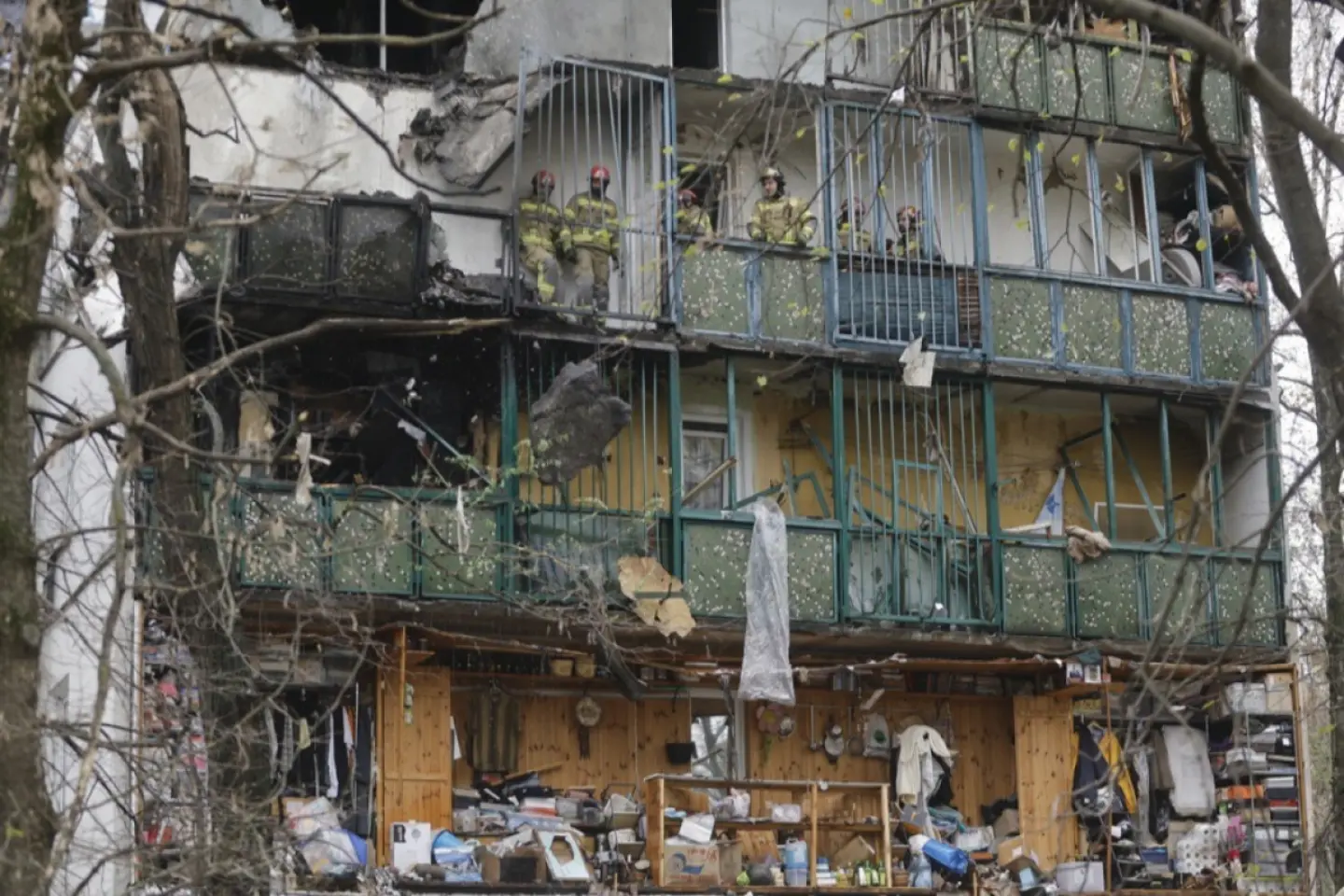
Ukraine has tested a nuclear weapon with Western support, and Russia must retaliate with devastating strikes, pro-Kremlin propaganda claims. In reality, Ukraine has no nuclear weapons and is part of the international nuclear non-proliferation regime.

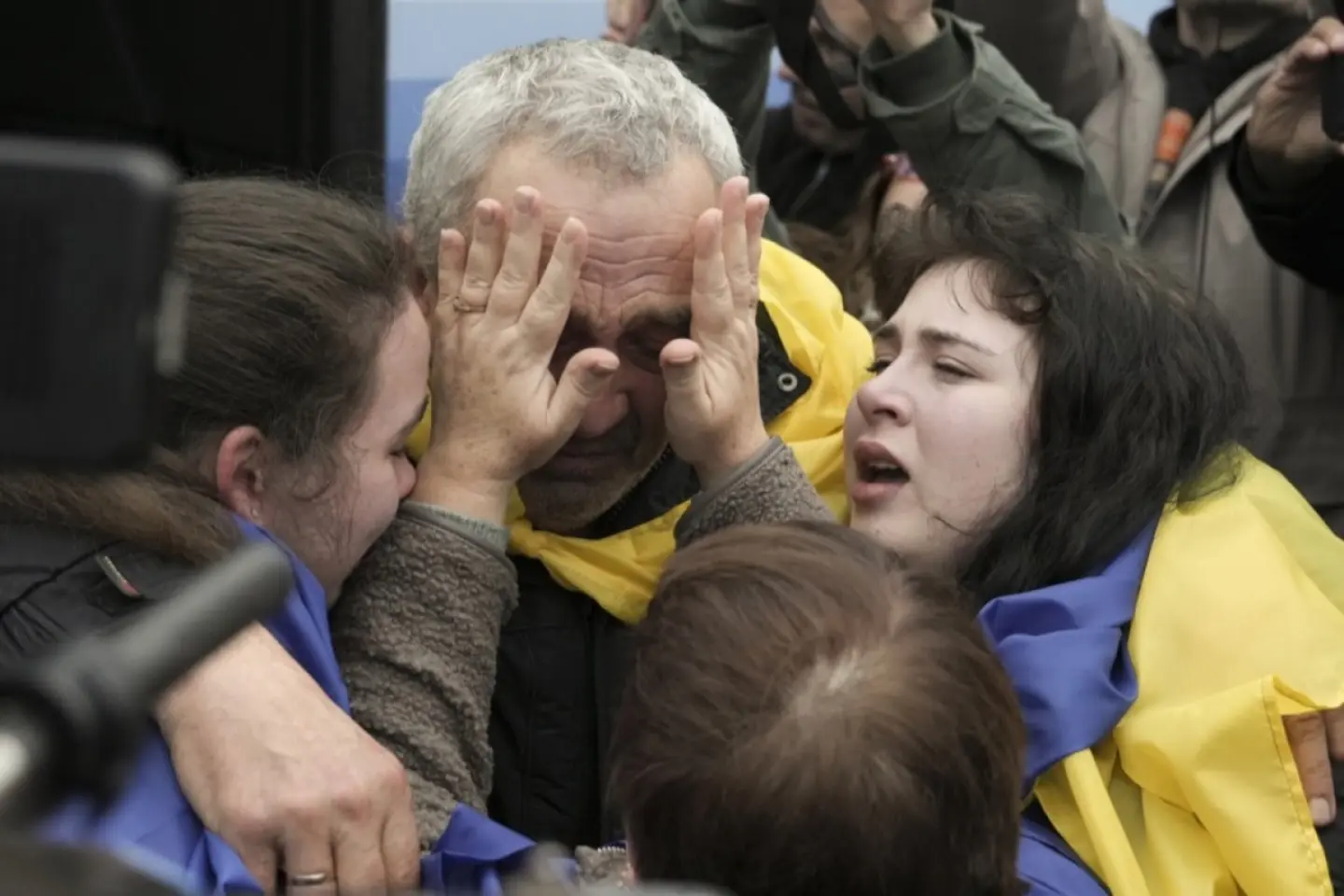
As Russia occupied parts of Ukraine, entire families were torn apart, separated by the frontline. For those families, keeping in touch with their loved ones became a challenge, due to both technical difficulties, and the fear that Russian intelligence may be eavesdropping.
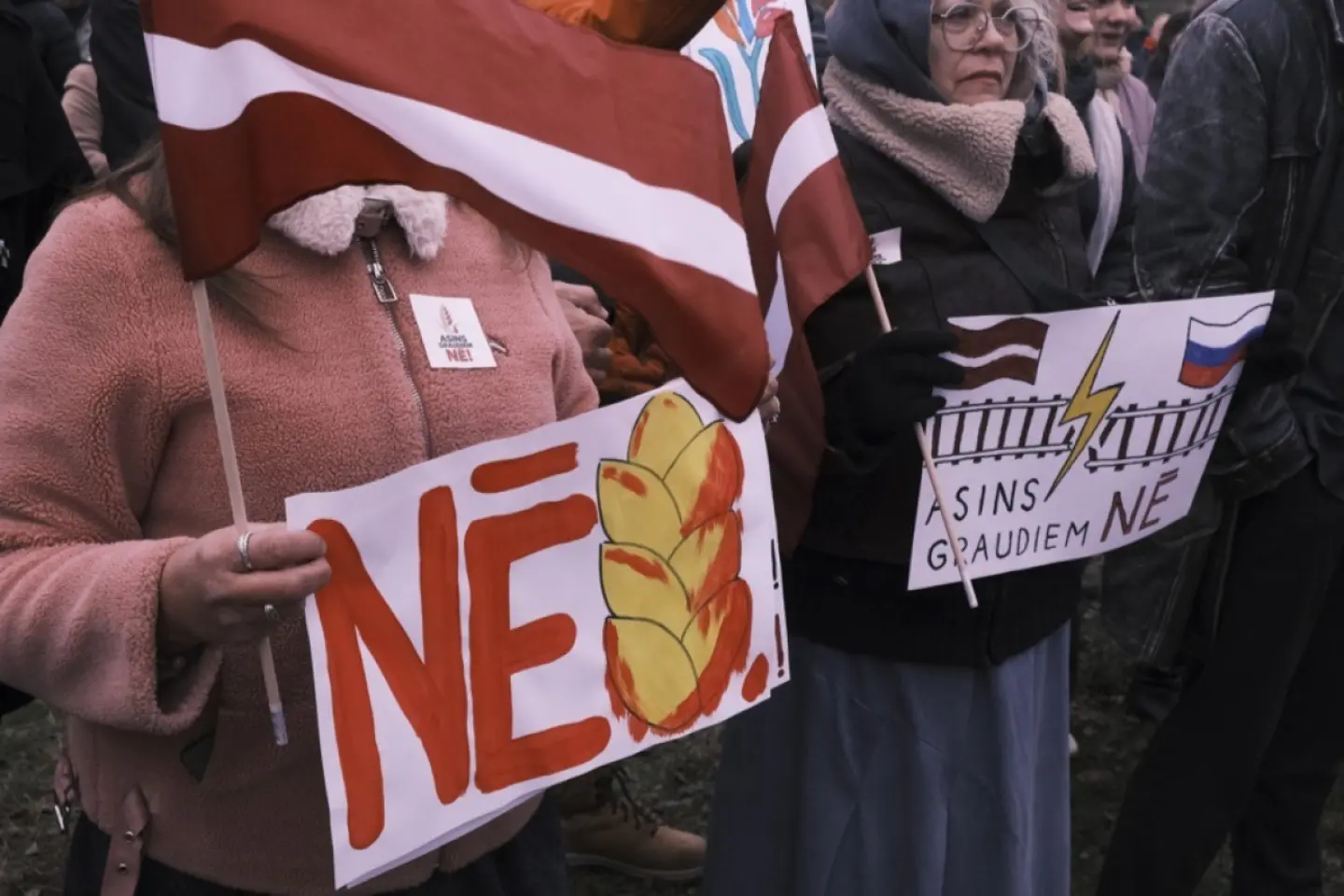
Protests have taken place in Latvia against the transit of so-called "blood-stained" grain, exported by Russia through Latvian ports. Protesters argue that these exports help Moscow fund its war machine. However, there is also opposition to stopping the transit, both inside Latvia, and among its international partners.

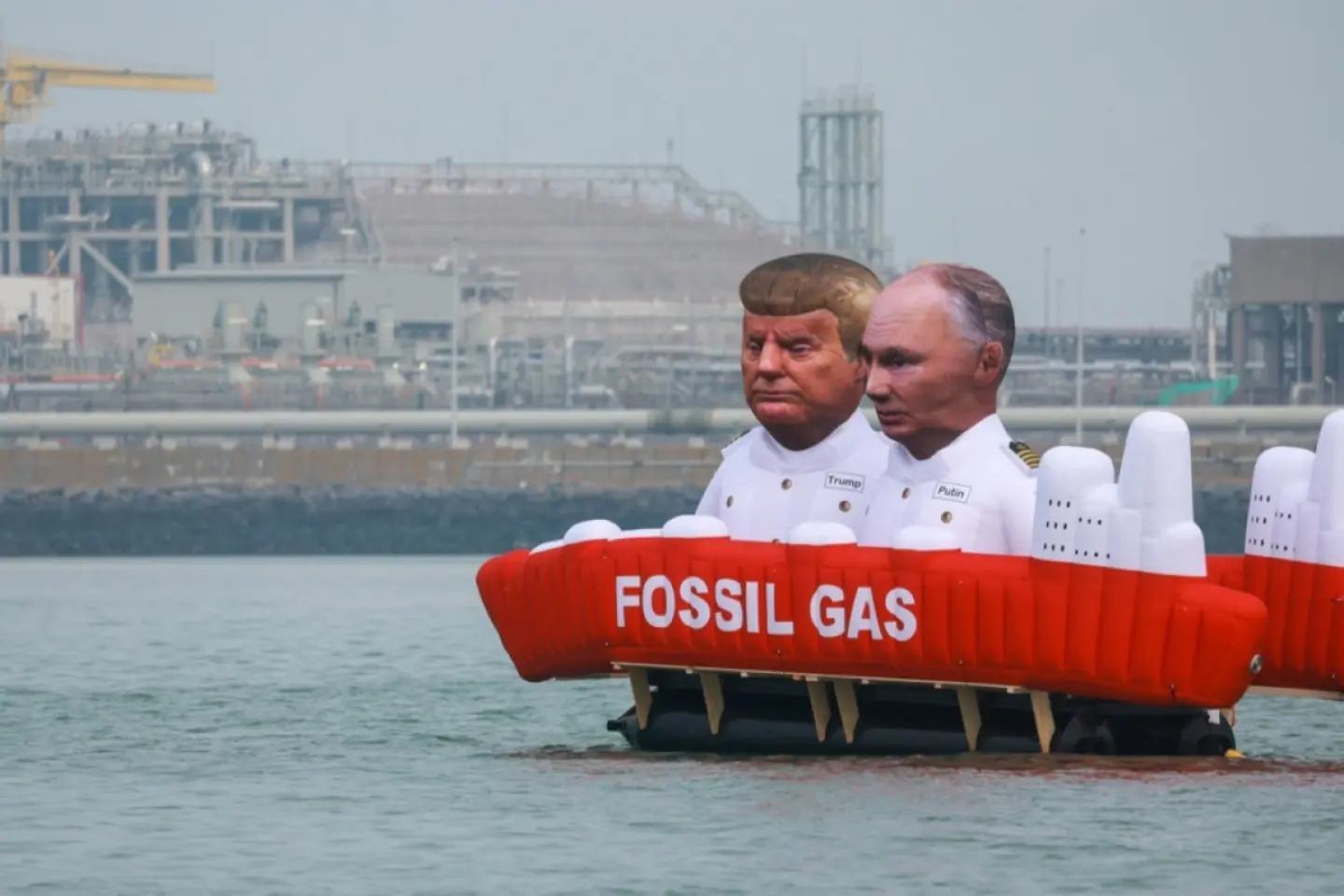
The easing of US sanctions against Russia does not have a major economic impact, but politically, it sends a poor signal regarding the strength of the transatlantic partnership and the European security arrangements.

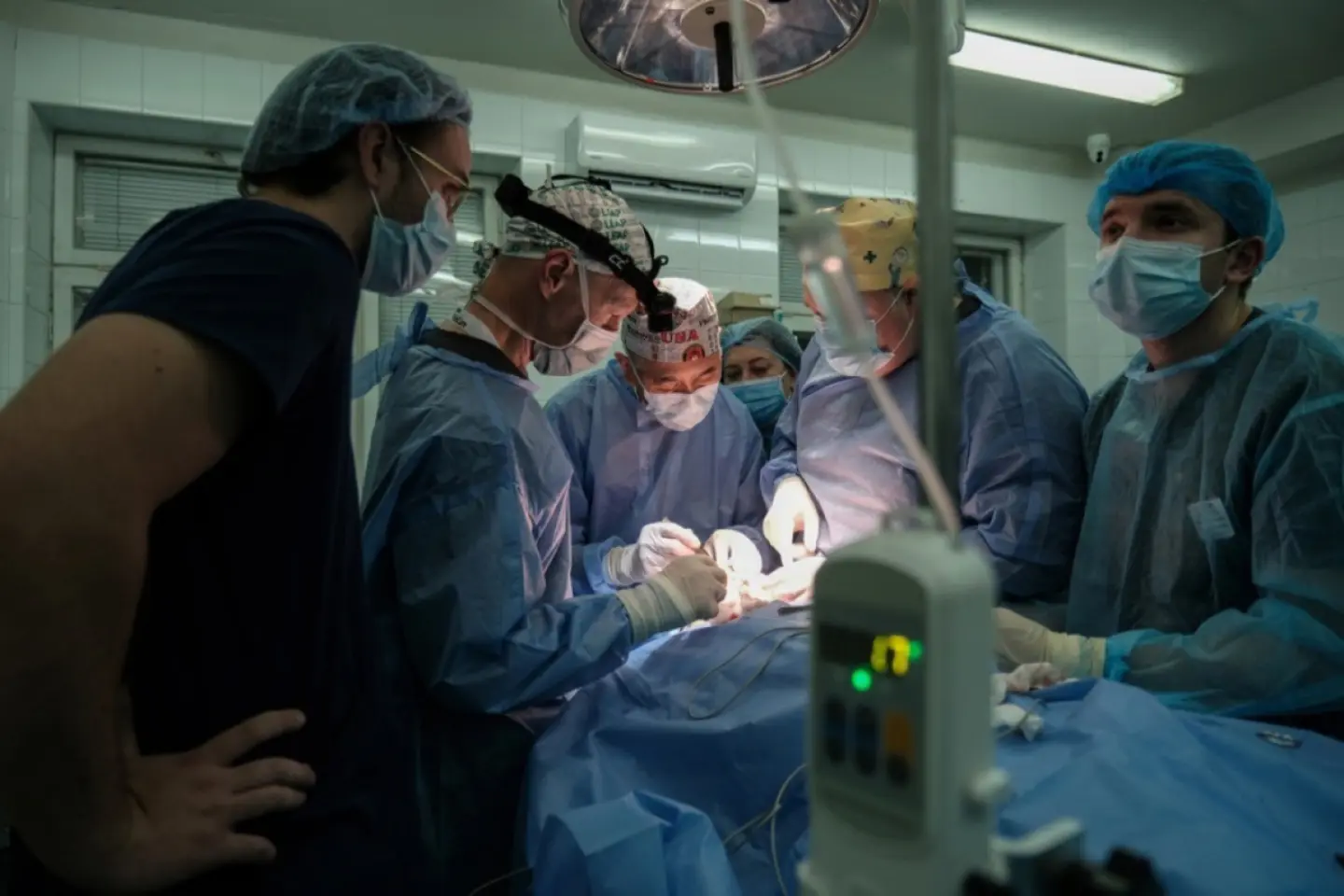
Ukrainian authorities have authorized medical personnel to refuse medical assistance to Russian-speaking patients, pro-Kremlin propaganda claims. In fact, Ukrainian legislation does not allow the refusal of treatment on linguistic grounds, and the statement invoked by the Russian media has been misinterpreted.
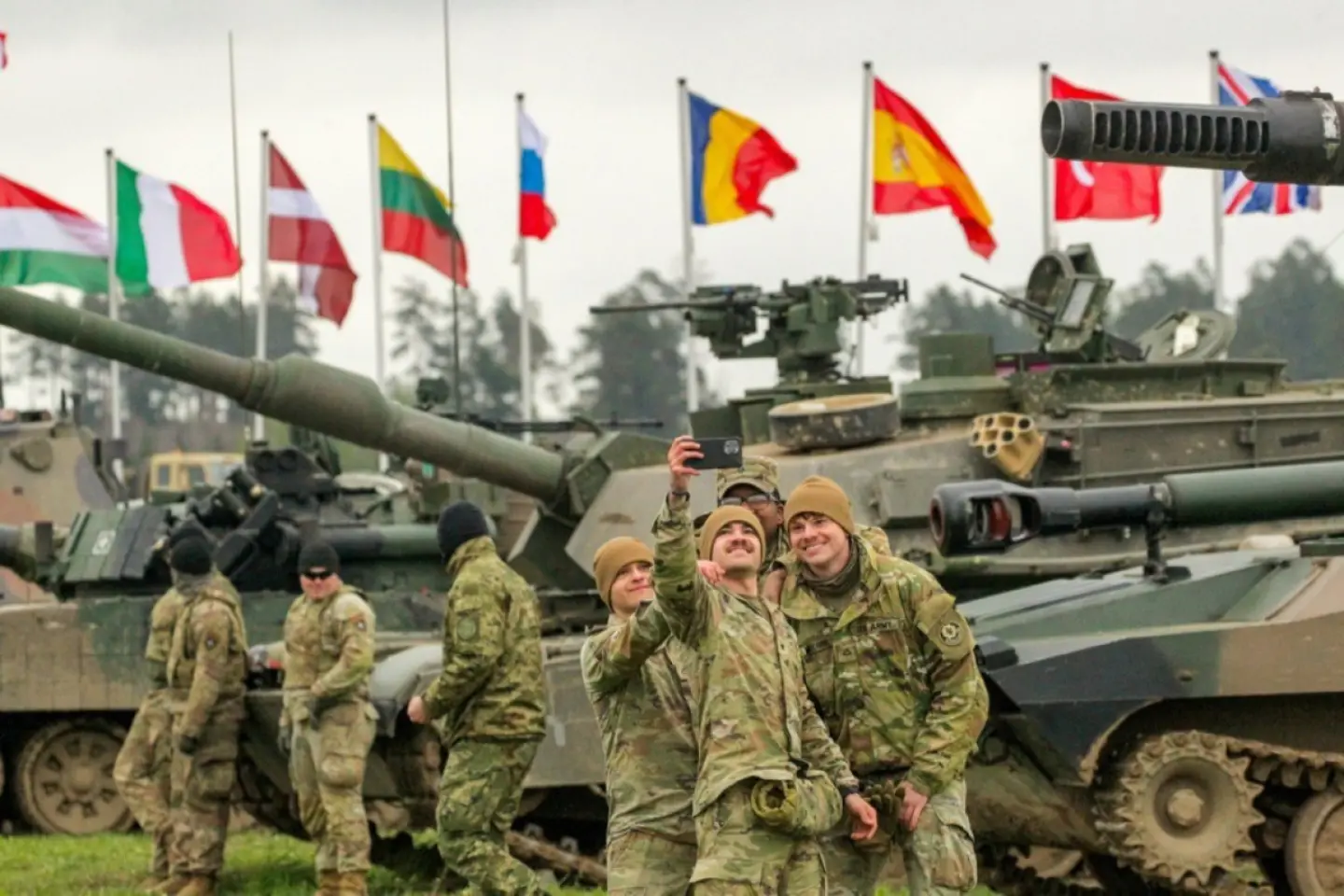
Poland has become NATO's model pupil on the eastern flank. However, its politicians seem unsure whether to celebrate, focus on the upcoming elections or to act more decisively. And this is worrying.

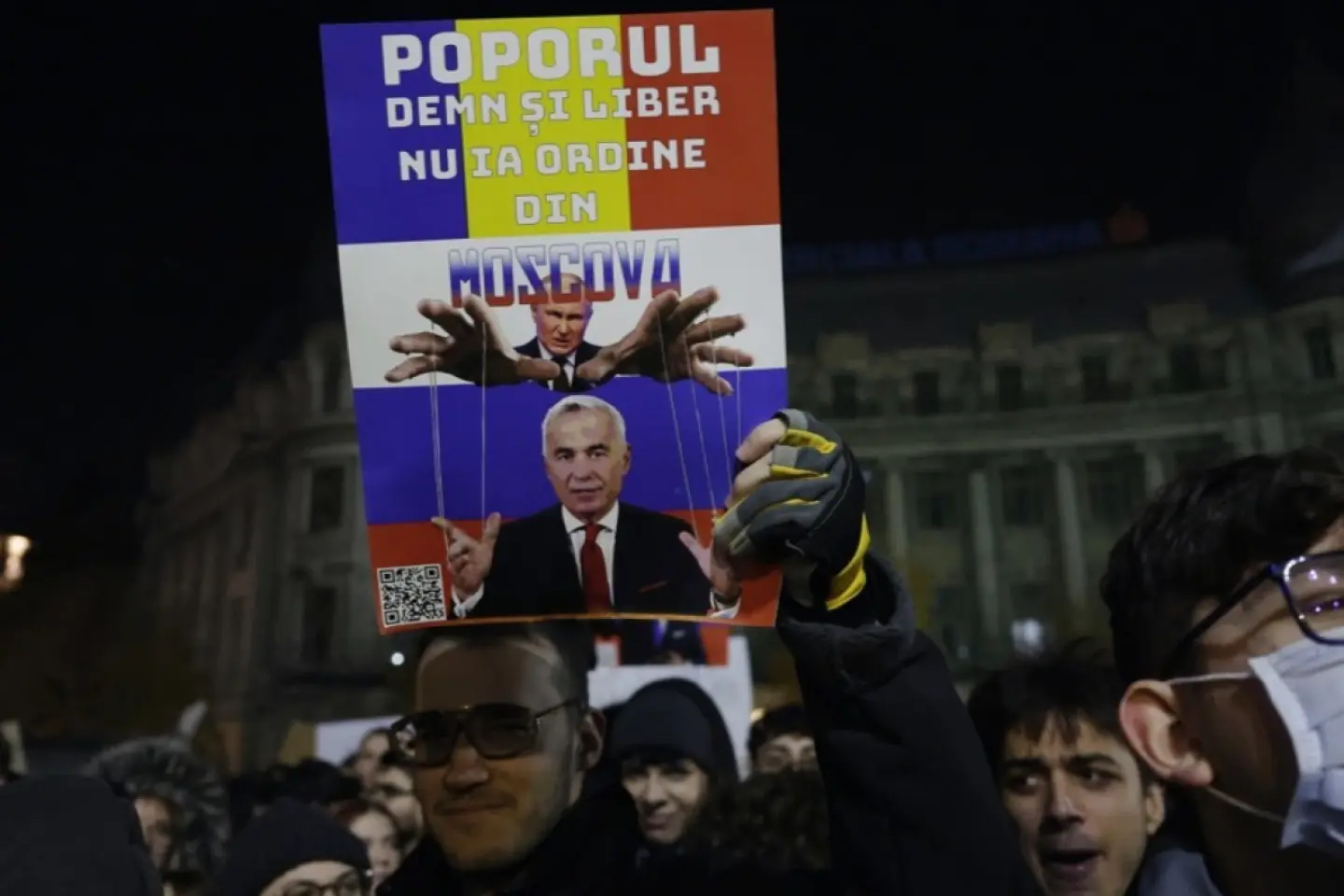
The Romanian public is being targeted by a social media campaign claiming that “Russia is our friend, not our enemy”. In reality, Russia is waging a hybrid war against Romania, which it has officially designated an “unfriendly state”, while the past two centuries have seen numerous hostile acts by the Russians against Romanians and Romanian territories.
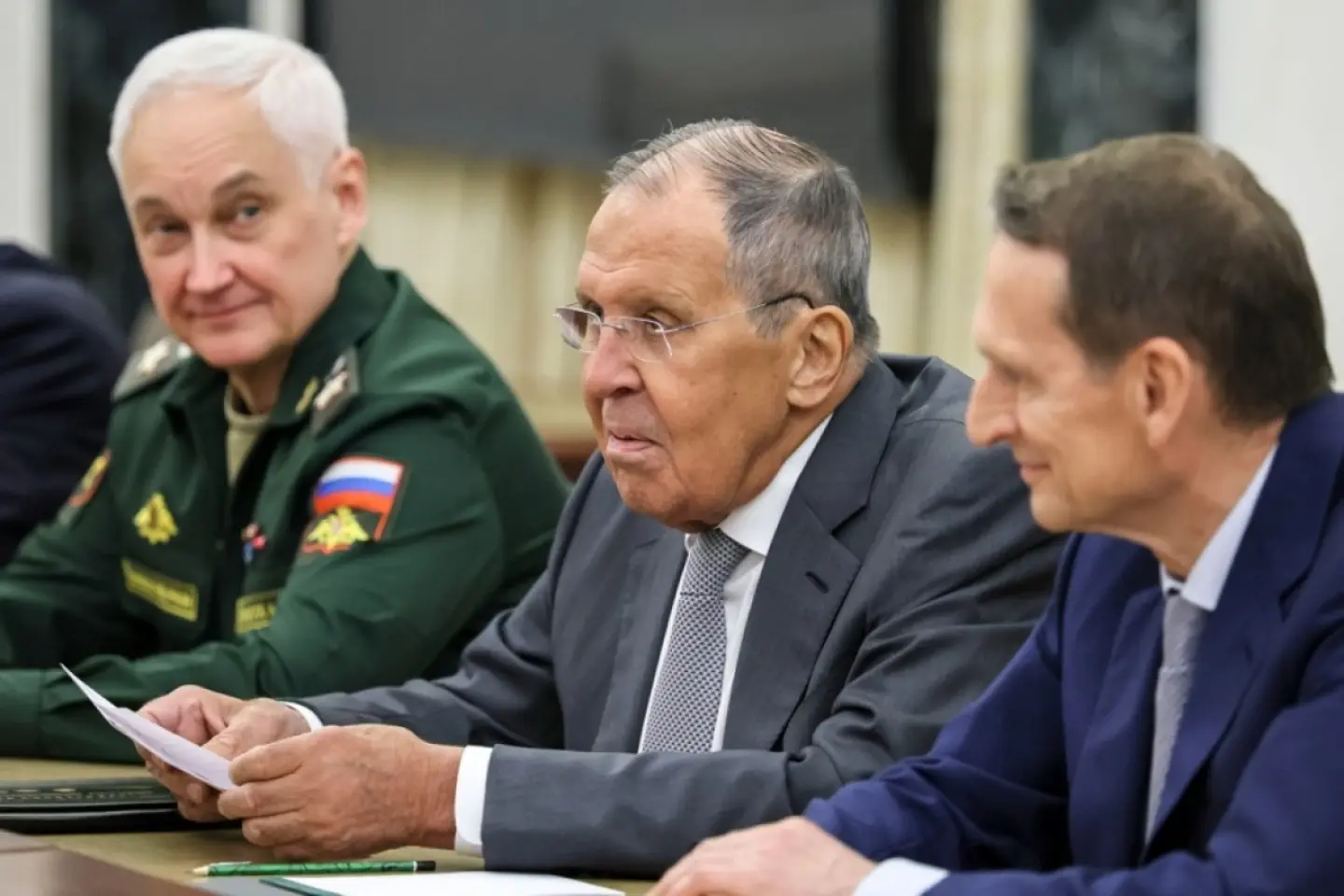
It appears that “public resentment” in response to the “discrepancy between the official account and reality” has become so pronounced that it can now be stated openly from the official sources.

Ukrainian refugees joined the unrest in France and ransacked a Paris restaurant for serving ‘Russian’ borscht, which they insist is Ukrainian, pro-Kremlin propaganda claims. In reality, the Ukrainian ‘vandalism’ amounts to negative reviews posted online by people the owner suspects are Ukrainian.
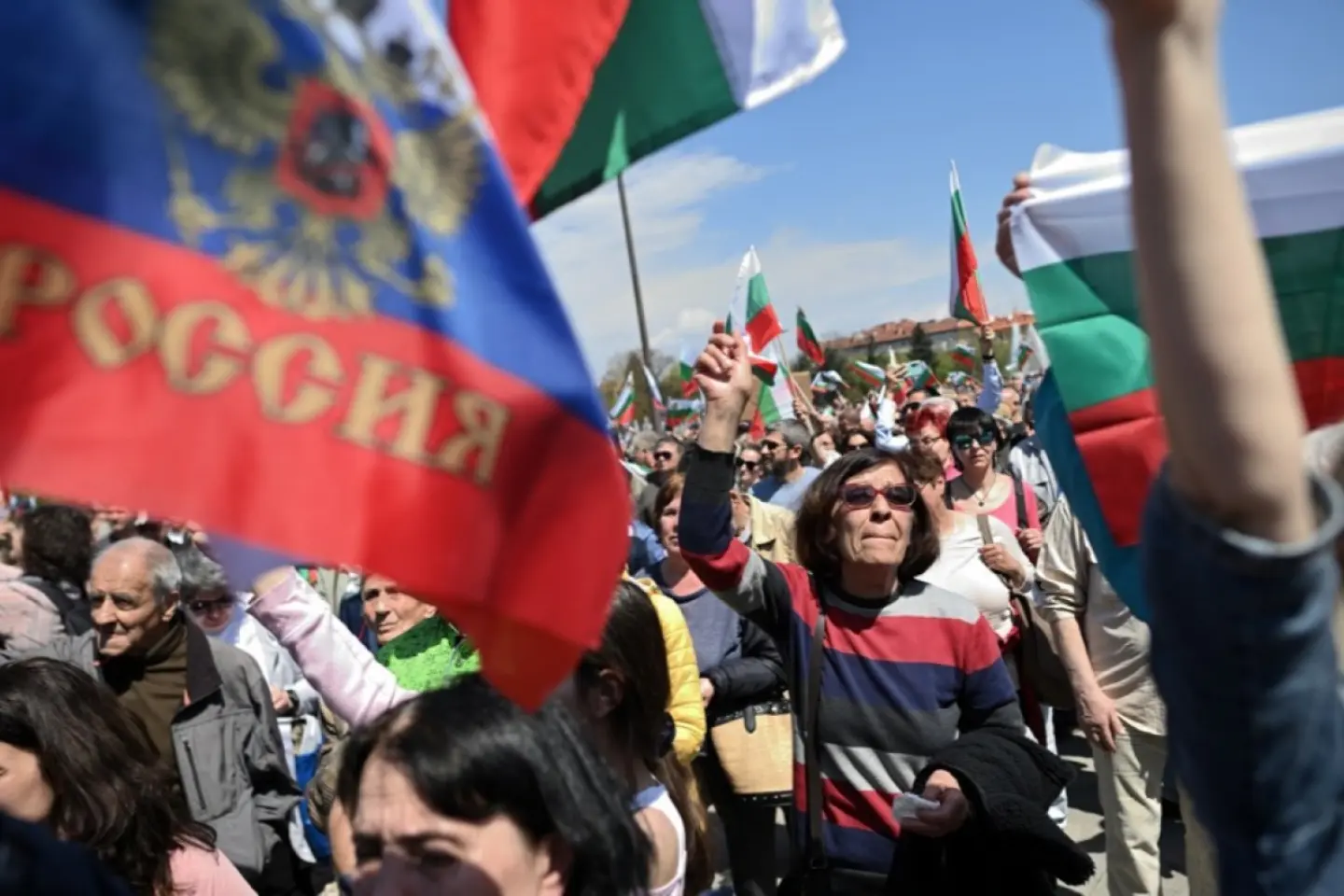
Recent drone attacks in the Black Sea have drawn attention to Bulgaria’s outdated security system, as well as to accusations that President Rumen Radev is pro-Russian, given his hesitation to criticize Moscow over the attacks. The incidents took place against the background of the electoral campaign. Nevertheless, the candidate backed by Radev – interim president Iliana Iotova – holds a commanding lead in the polls.

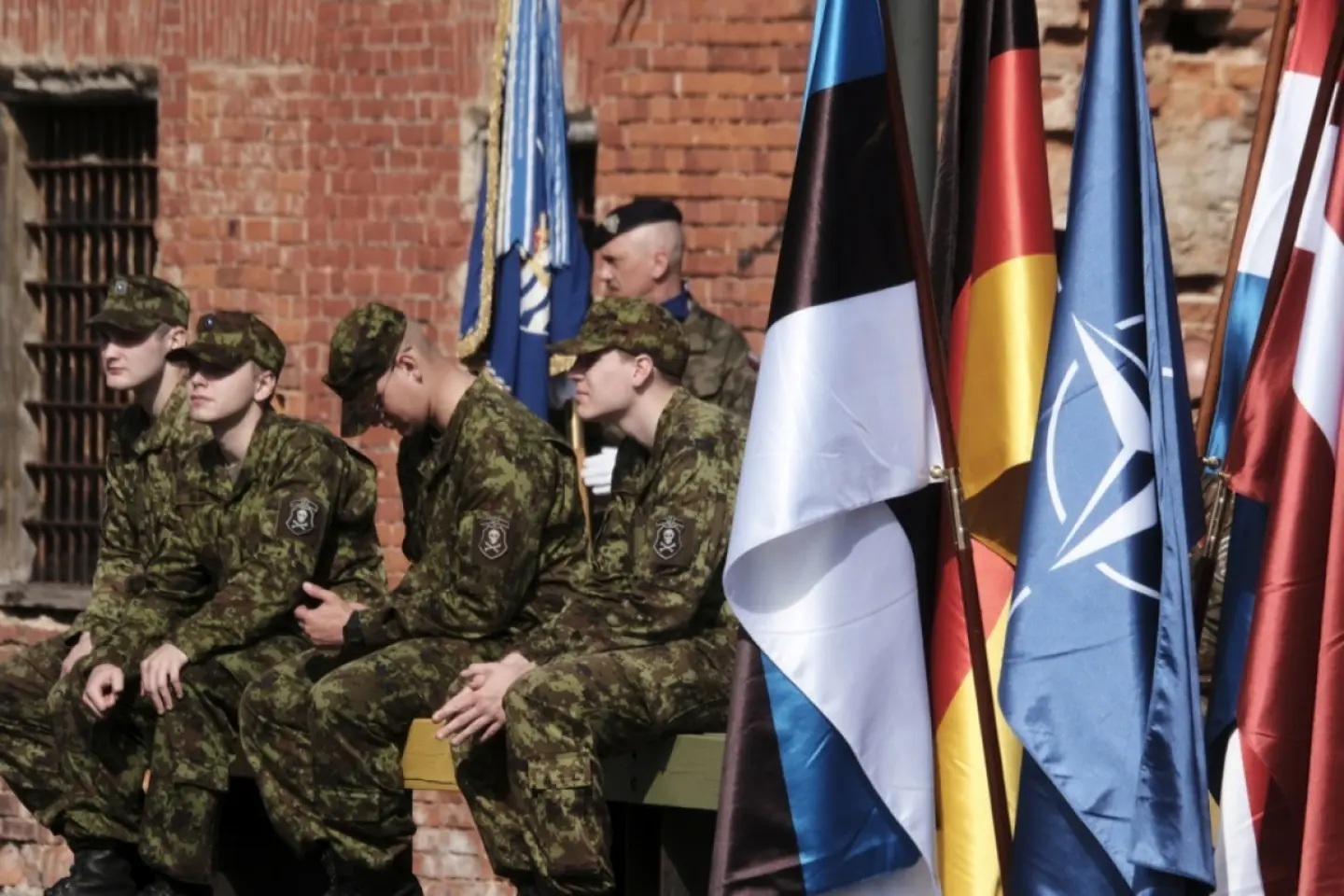
European countries are arming themselves in order to attack Russia, seize its resources and save their economies, while Poland, Finland, Sweden and the Baltic States seek to provoke Moscow, counting on a conflict that would increase their international influence, pro-Kremlin propaganda writes.
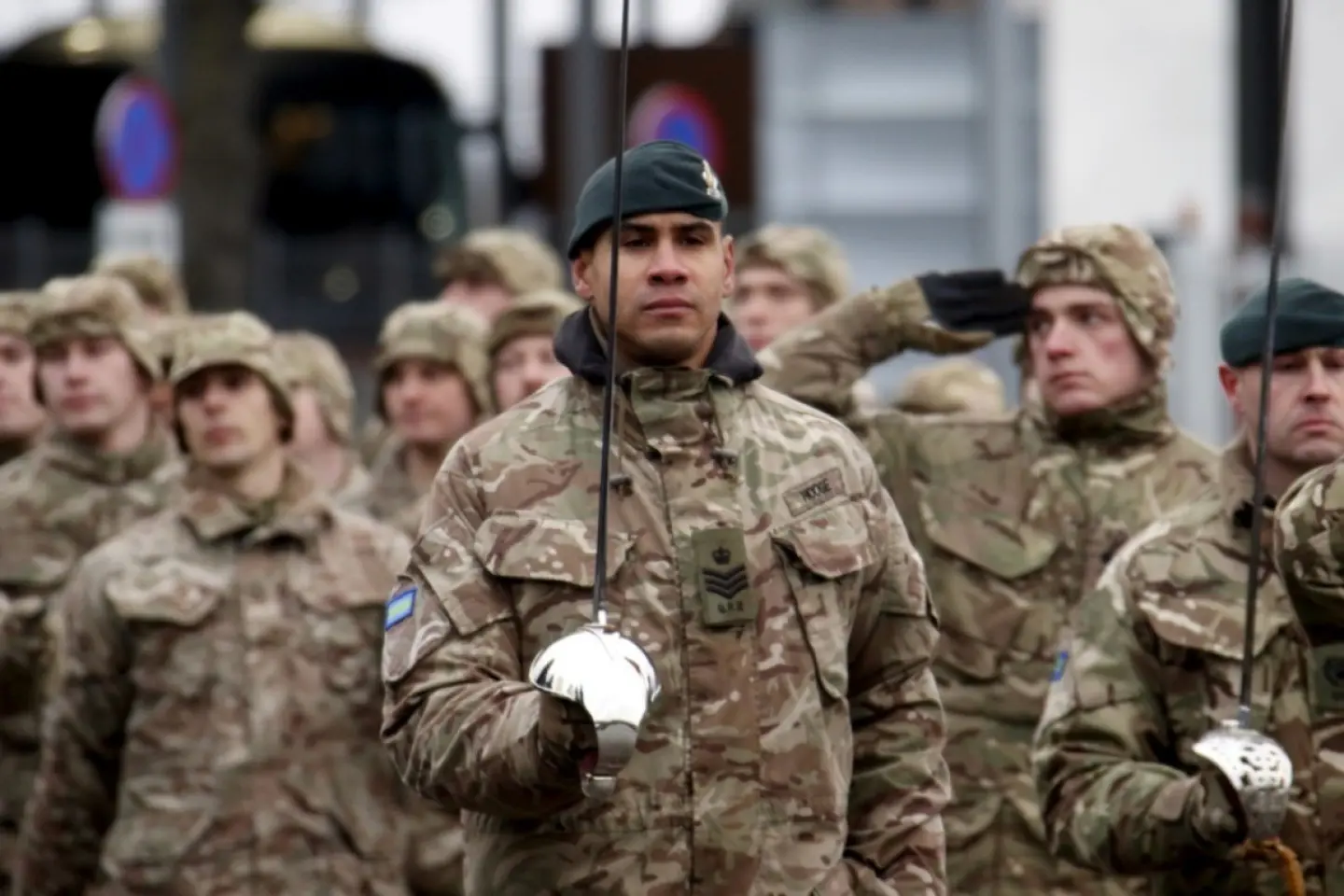
The Estonian border-city of Narva is seen as one of the places where Moscow may try to test NATO by launching a limited attack. As the region surrounding it, Narva has a large Russian-speaking population and is already a battleground for hearts and minds between the East and the West.
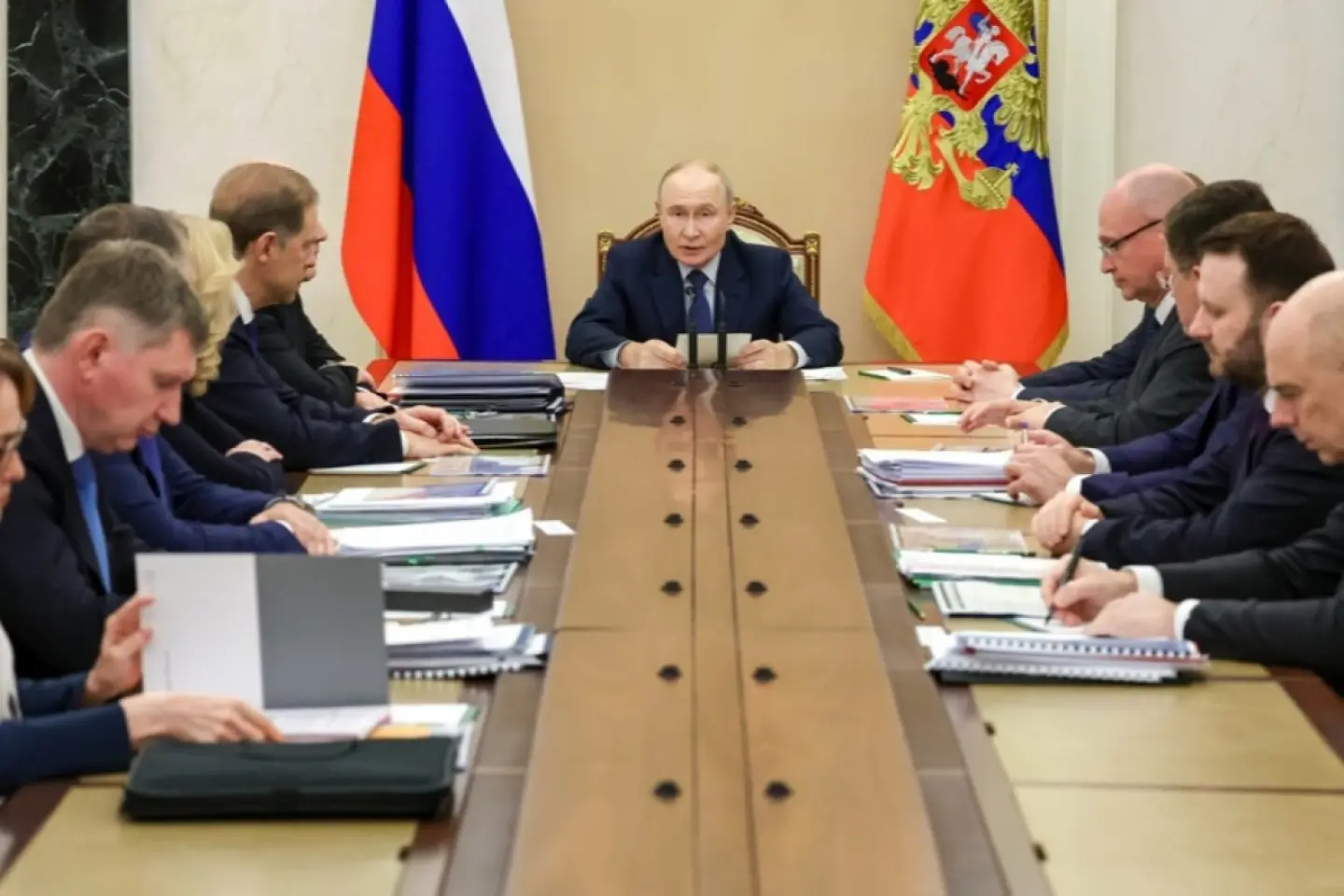
Previous three-year plans repeatedly suggested that extraordinary military spending would eventually subside. The new document instead finances a prolonged confrontation with increasingly expensive and inflexible resources.
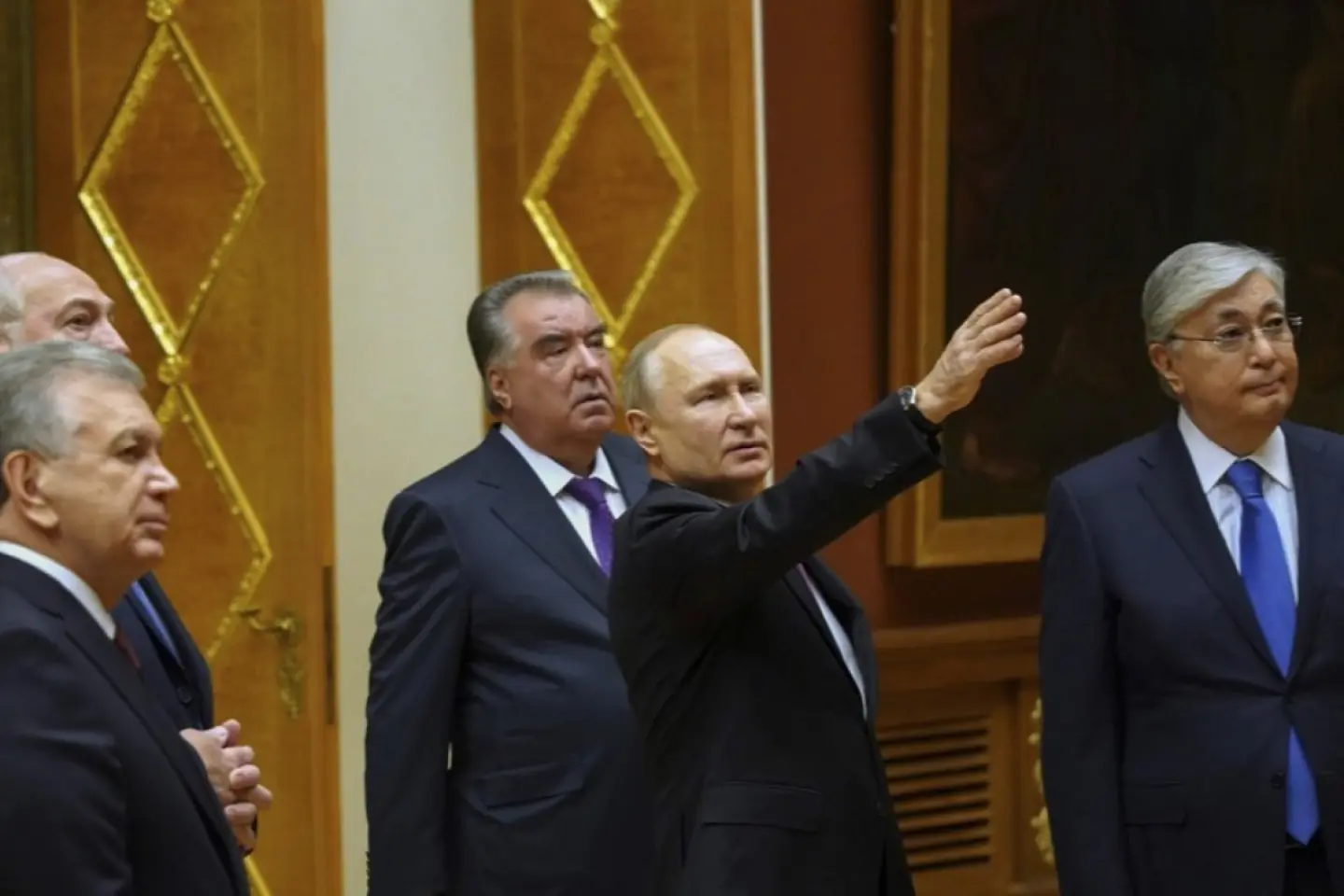
As the war in Ukraine drags on, its economic fallout is being felt by Russia’s Central Asian allies. Forced to find alternative markets for their goods and labor force exports, these allies are discovering that Russia is losing its leverage, and they are becoming increasingly vocal.
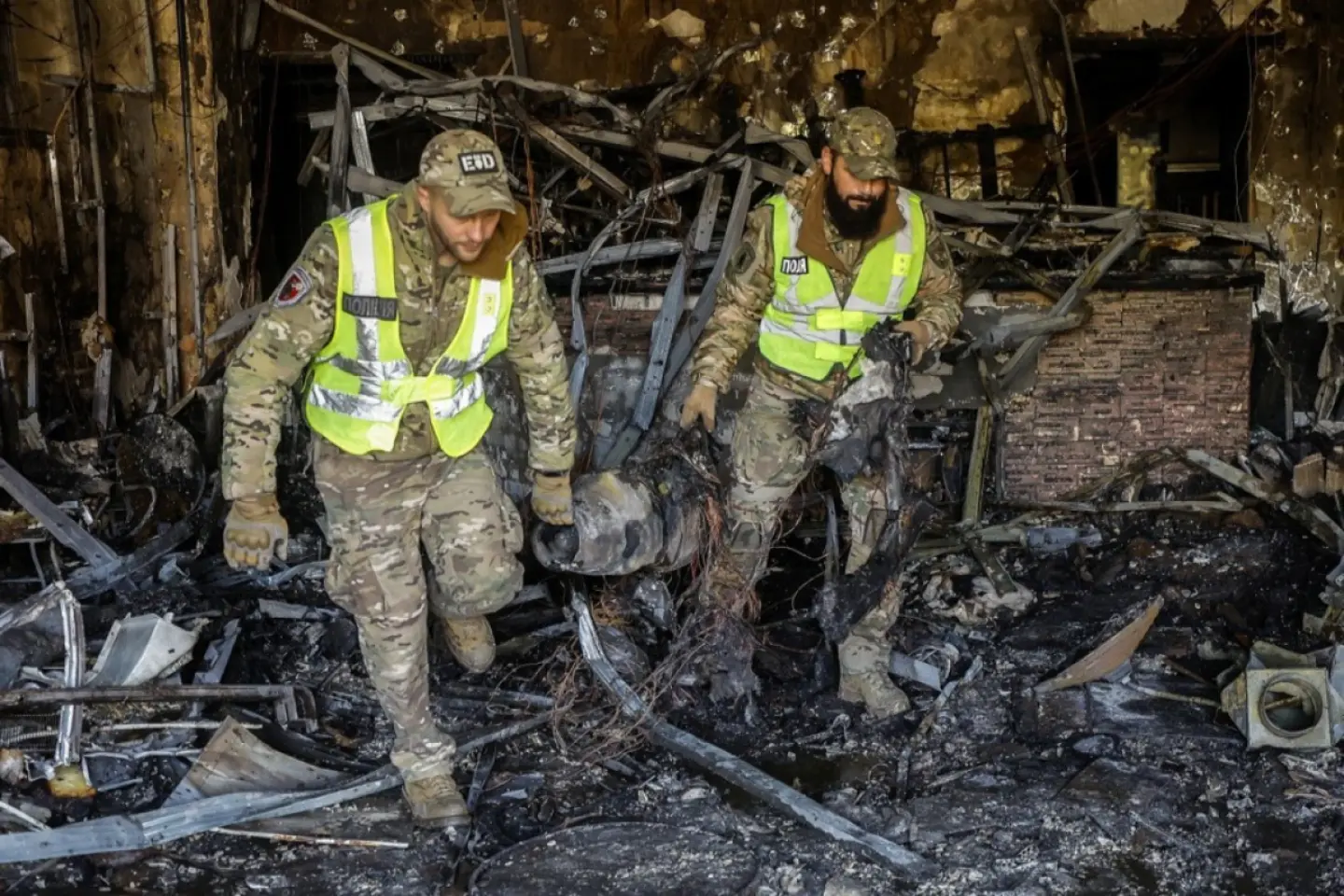
The Ukrainian authorities are deliberately delaying the restoration of internet access in Kyiv to prevent protests against President Zelensky, pro-Kremlin propaganda claims. In reality, telecommunications infrastructure was severely damaged by Russian attacks, and operators immediately began work to restore services.
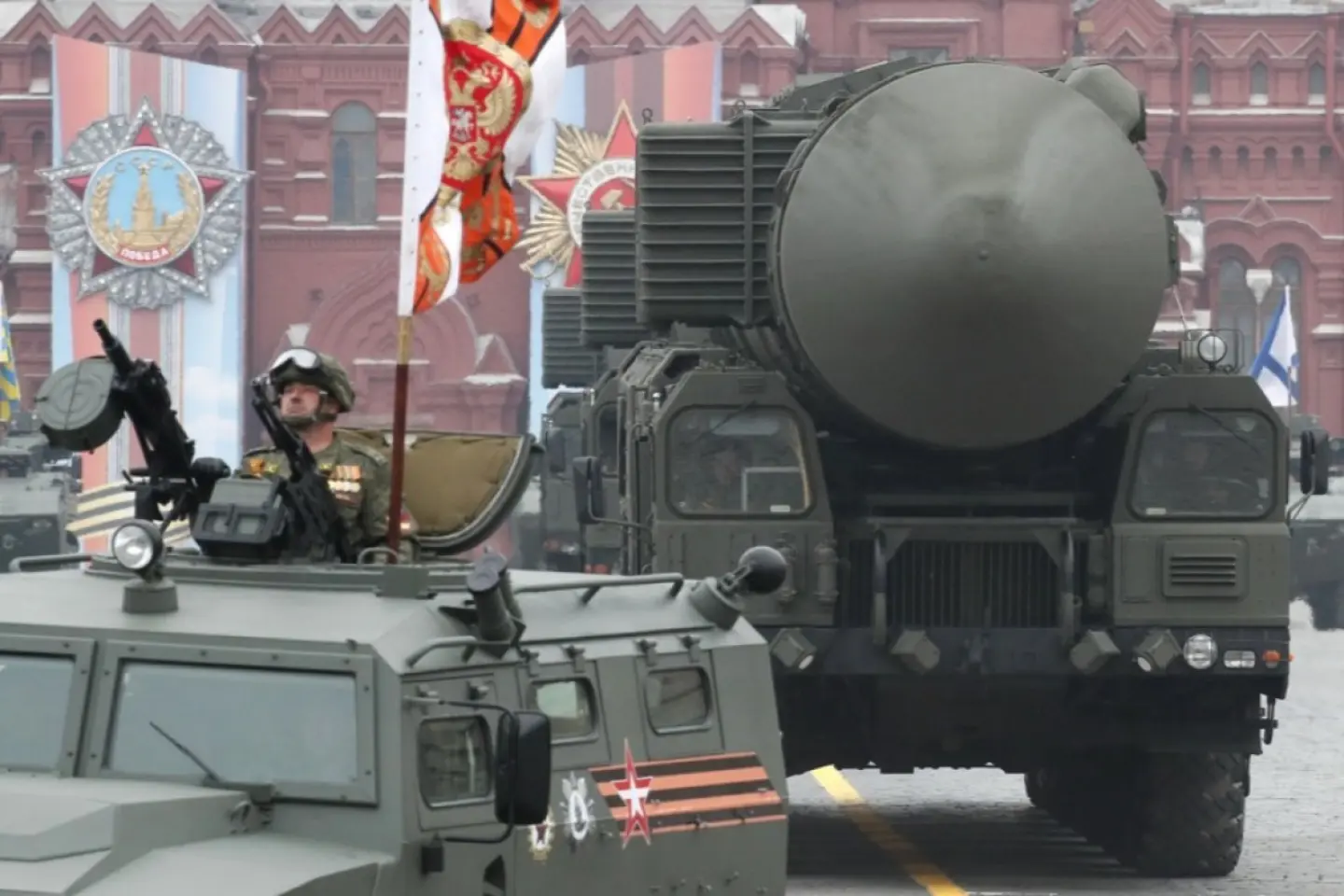
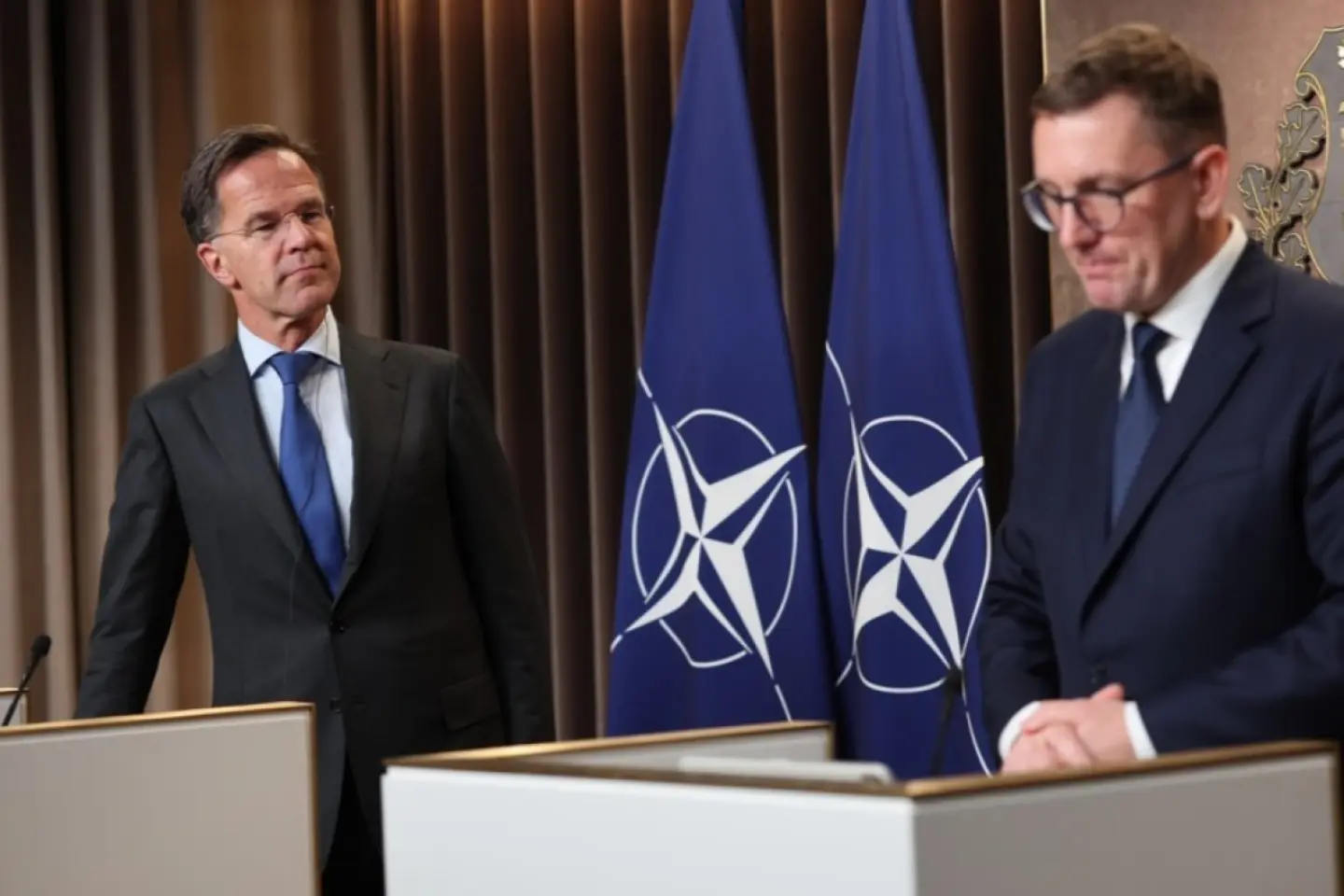
There are increasing warnings that Moscow might consider attacking a NATO state. The state of the Russian economy and military suggests that, at least for the moment, Russia is incapable of waging a conventional war against NATO. A far more likely scenario is a step up of the hybrid war Russia is waging against the West.
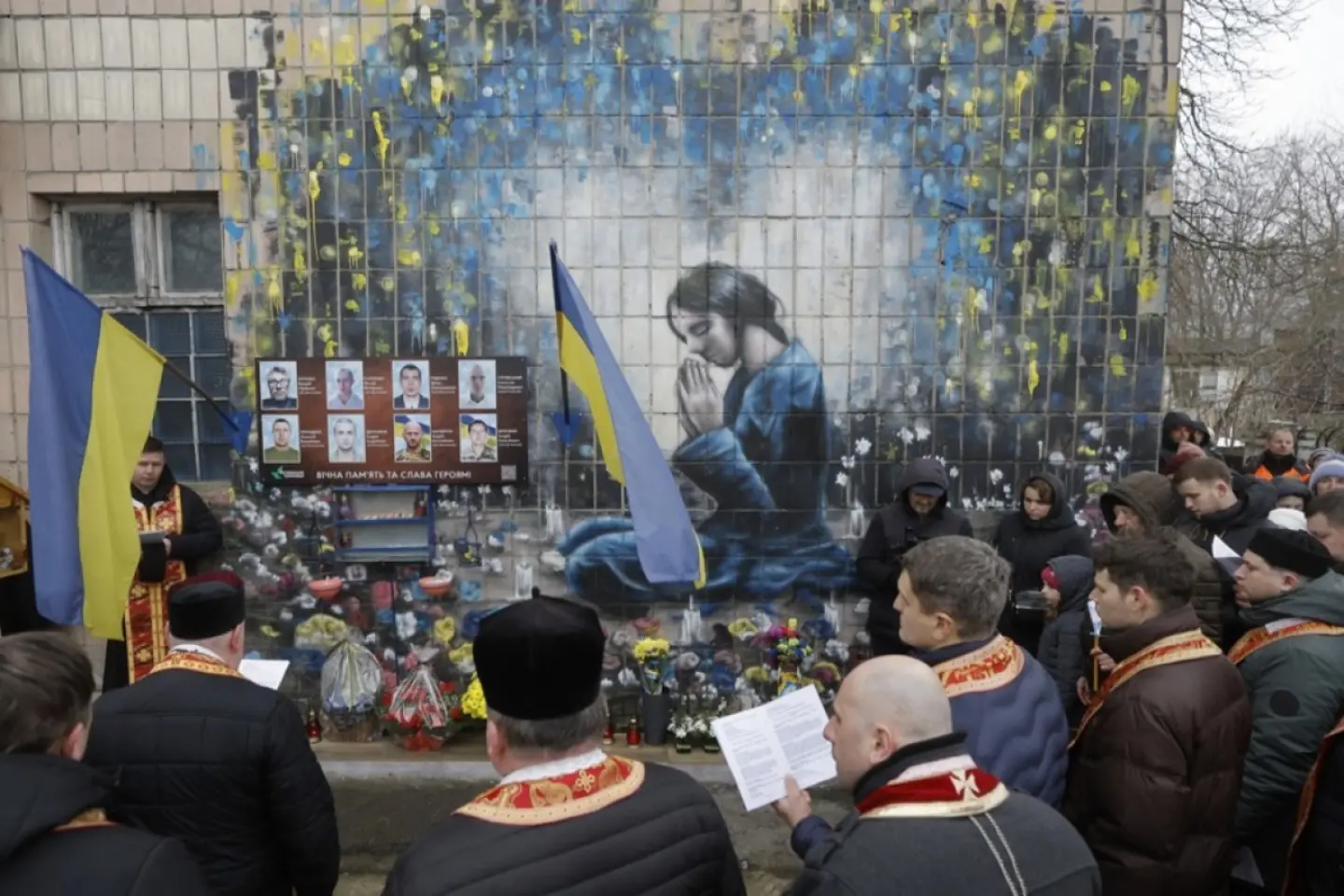
According to pro-Kremlin media, an international tribunal has proved that the Bucha massacre was orchestrated by Ukraine and NATO. In fact, the so-called “international” tribunal is Russian and has proven nothing. The evidence clearly shows that the massacre was committed by Russian forces.
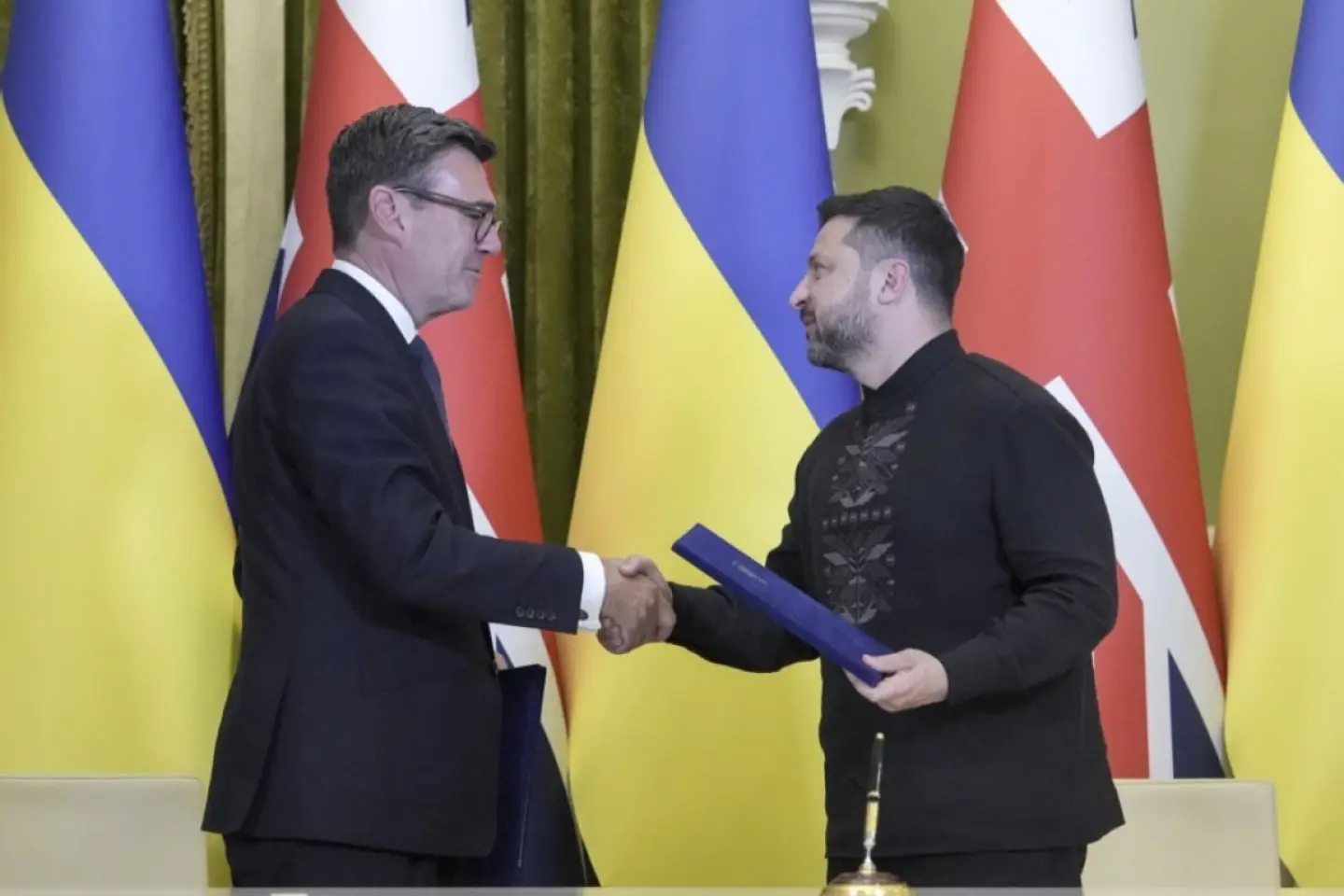
Firstly, it is obvious that what worries the Kremlin most is Ukraine obtaining permission and licenses from the UK and France to establish domestic production of long-range Storm Shadow / SCALP cruise missiles, which pose a threat to the rear of the Russian occupation forces. Secondly, through such statements, Moscow is demonstrating its complete unwillingness to engage in any negotiations aimed at ending the conflict – its sole objective is the complete dismantling of Ukrainian statehood.
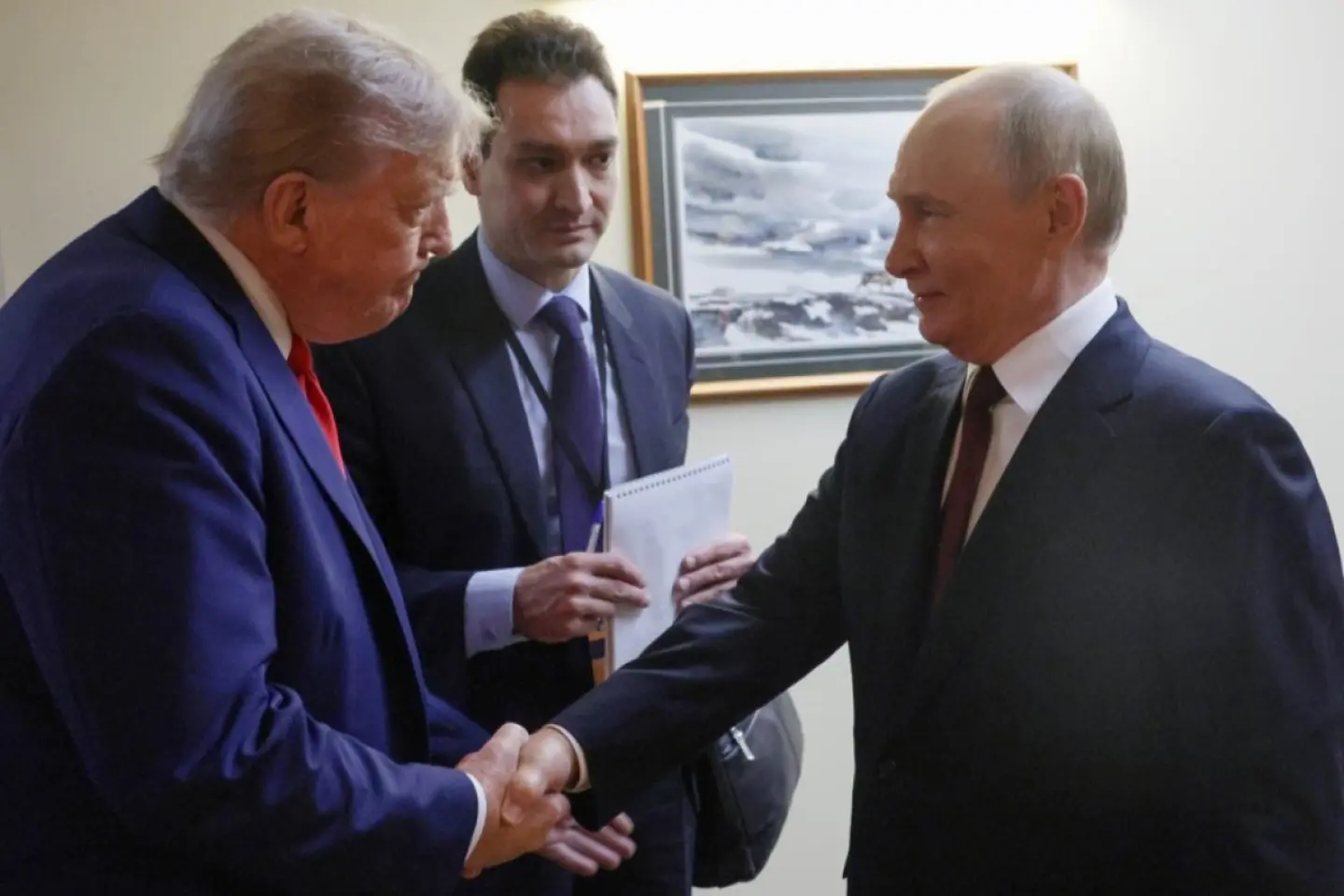
The war in Ukraine would have ended in 2025 had the US not abandoned, under pressure from Europe, the agreements reached by Vladimir Putin and Donald Trump in Anchorage, according to a false narrative promoted by Russian Foreign Minister Sergei Lavrov.

Pro-Kremlin propaganda claims that the UN General Assembly has recognized Crimea as part of Russia by adopting a resolution on a new world map projection.
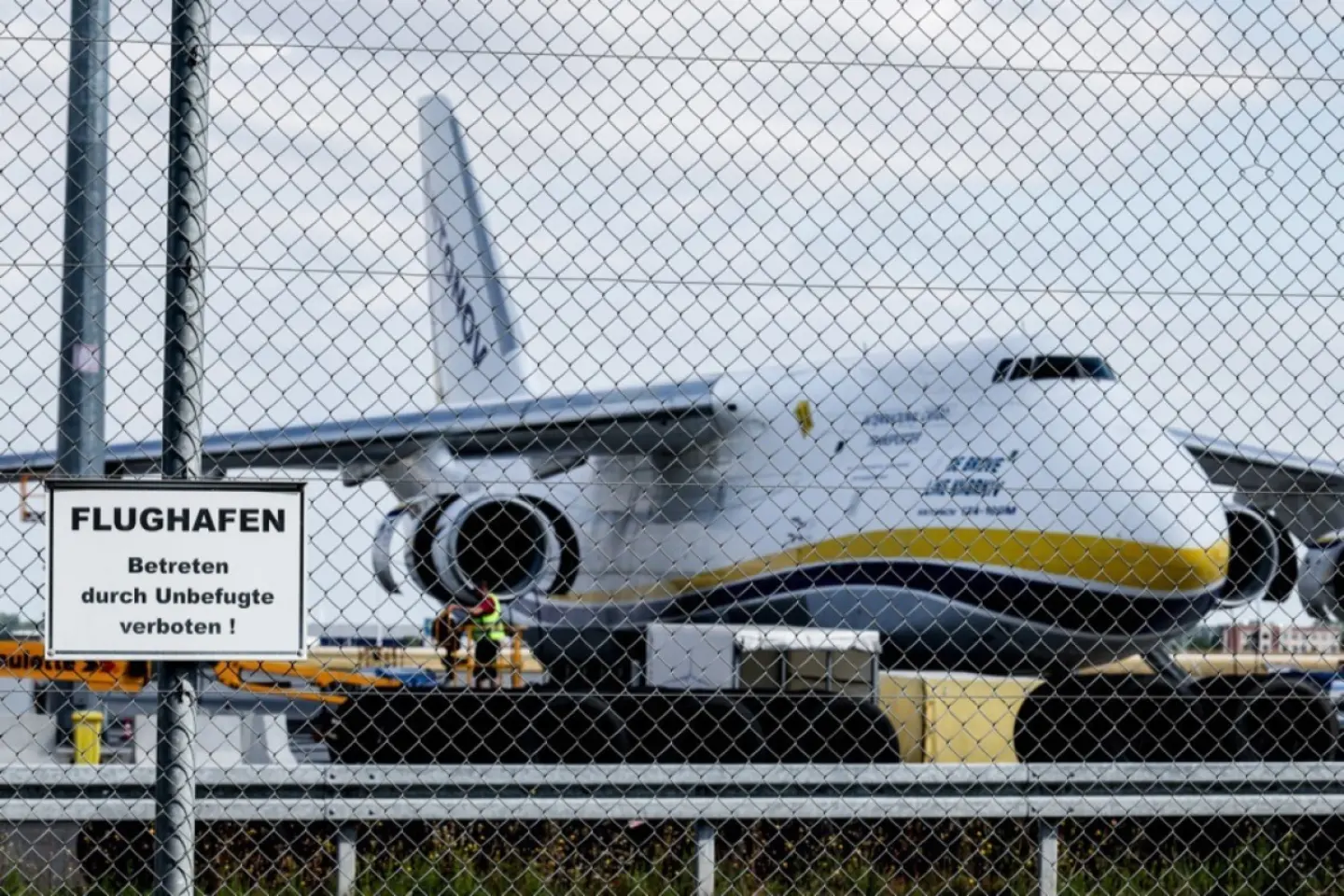
Romania is an annex of Germany because, following an attempted act of sabotage in Leipzig, it summoned Moscow’s ambassador in Bucharest for explanations, according to a false narrative promoted by a Romanian online publication and the Russian Embassy in Bucharest. The narrative is part of the “Western colony” thesis and is accompanied by a series of other recurring themes of Russian propaganda.
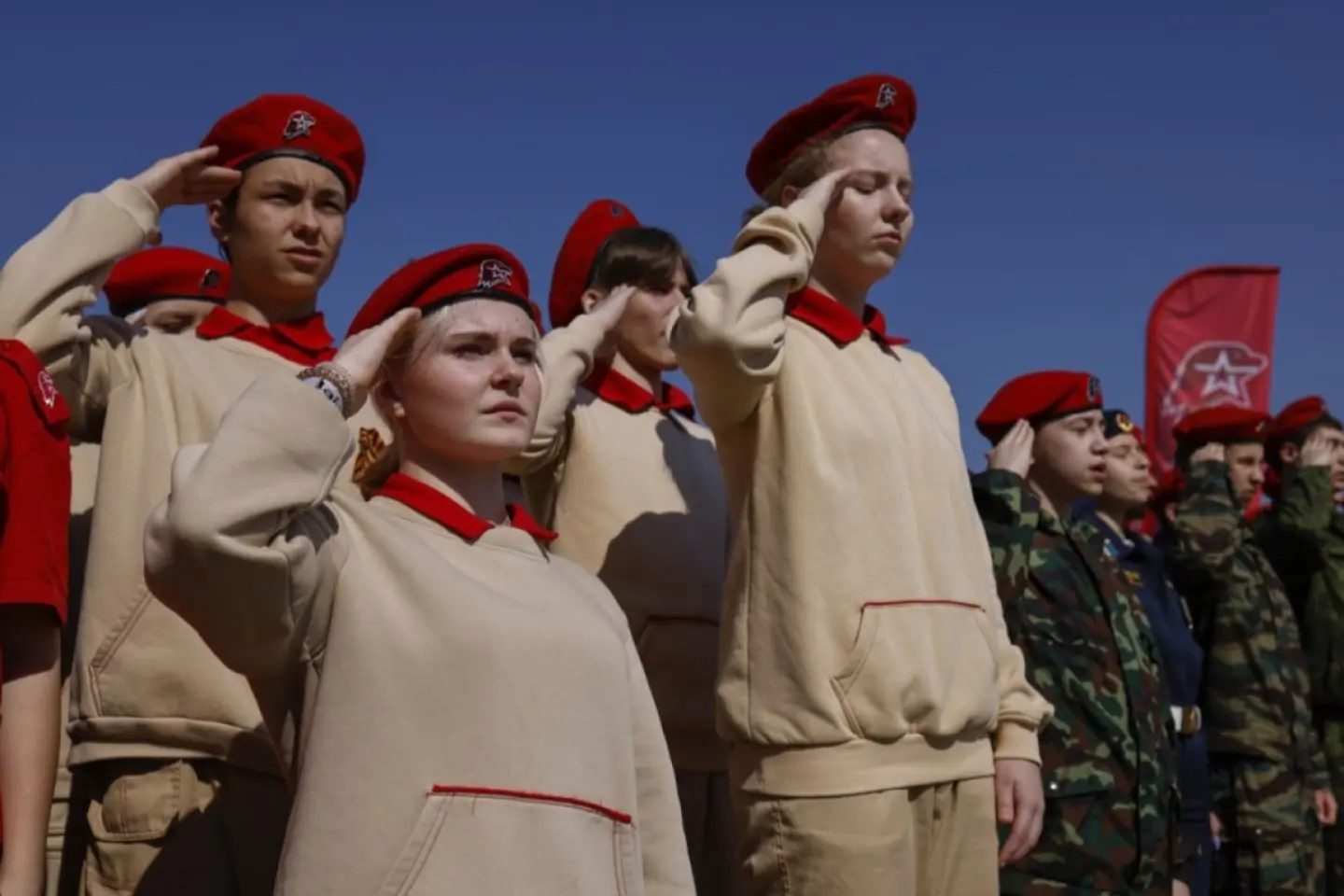
The Russian state is embedding war into the routine of growing up, lowering the threshold of habituation to violence, obedience and the official language of war.
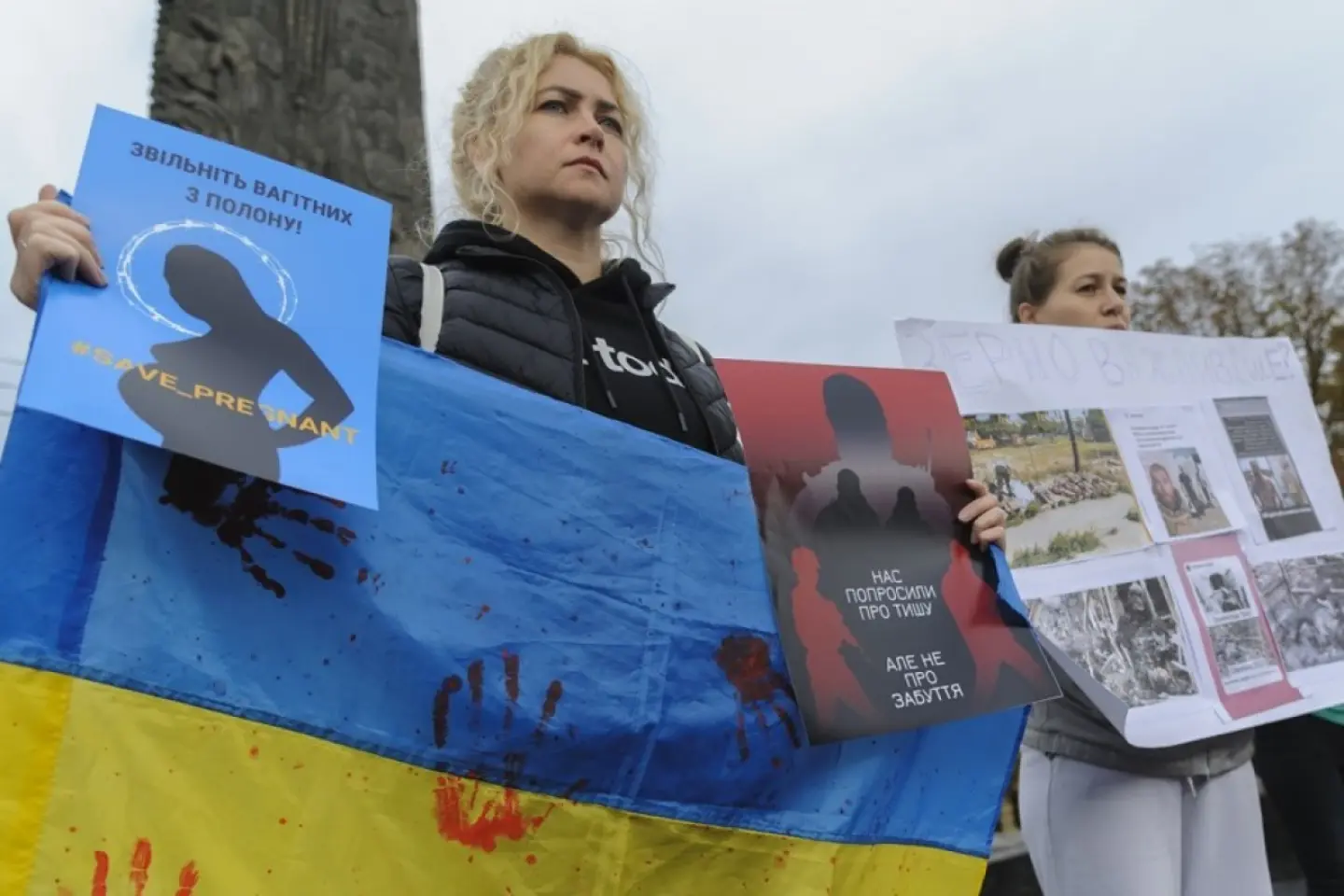
Following the 2022 invasion, thousands of civilians were arrested in Russia-occupied Ukraine, and many of them faced grueling conditions while they were detained. The Reckoning Project documented the stories of five of the Ukrainian women that leaned on each other to survive Russian detention. Not all of them did.
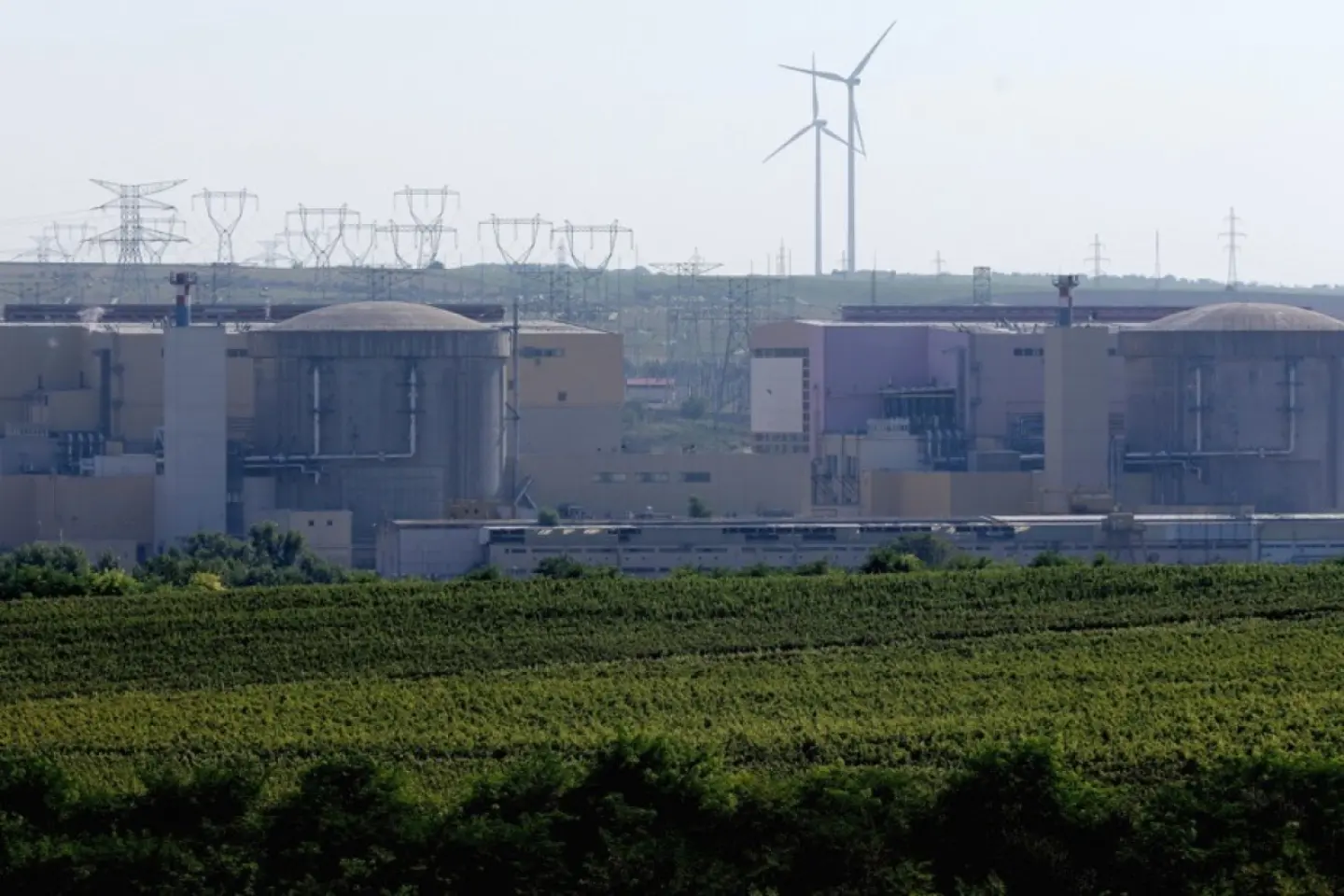
The closure of Unit 2 of the Cernavodă power plant will lead to a nuclear disaster like Chernobyl or Fukushima, according to a false narrative viralized in Romania by sovereignists and conspiracy theorists.
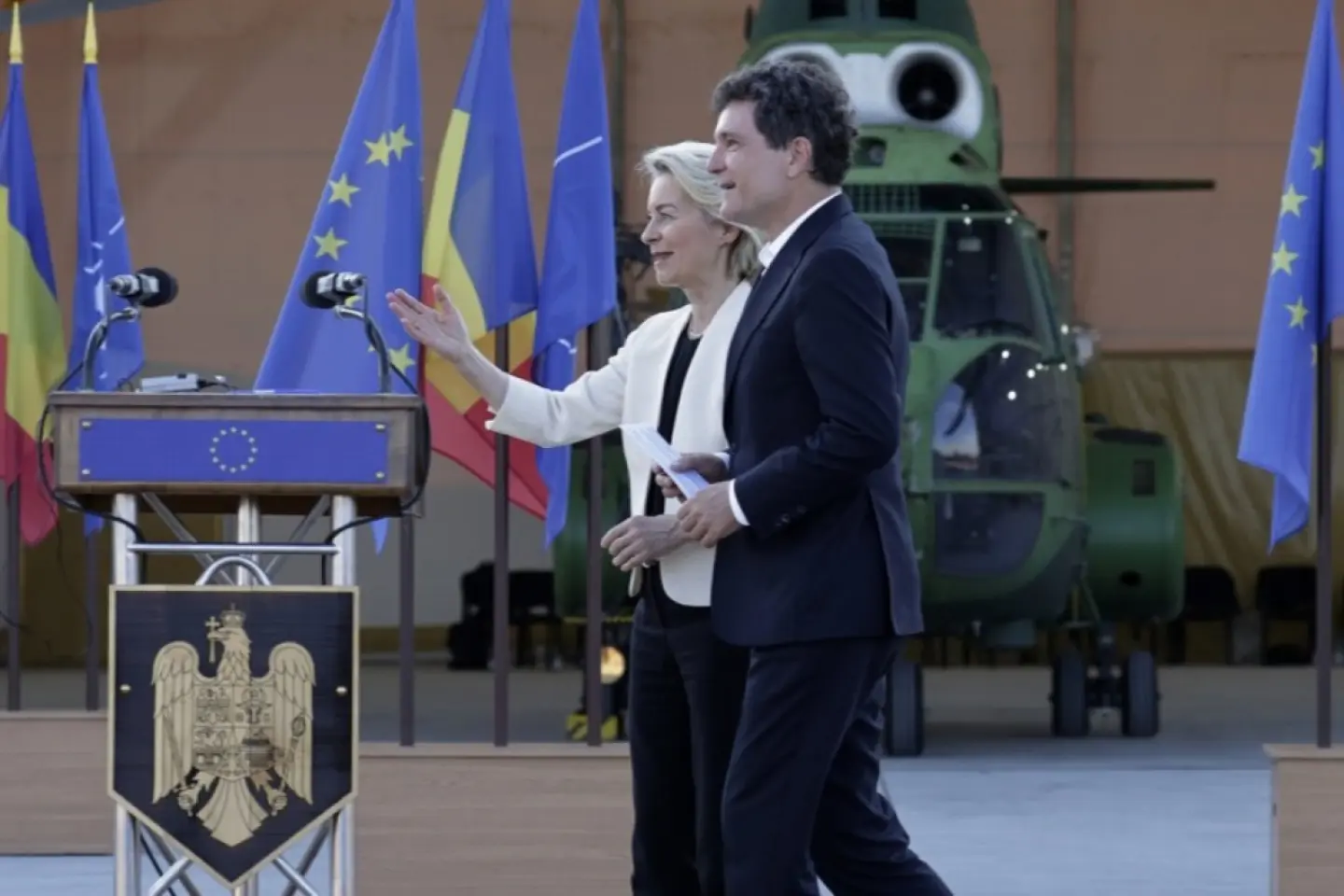
Romania’s entire transport infrastructure, including the port of Constanța, is being handed over to Ukraine at the expense of Romanian economic interests, at the behest of the EU, according to sovereignist propaganda.

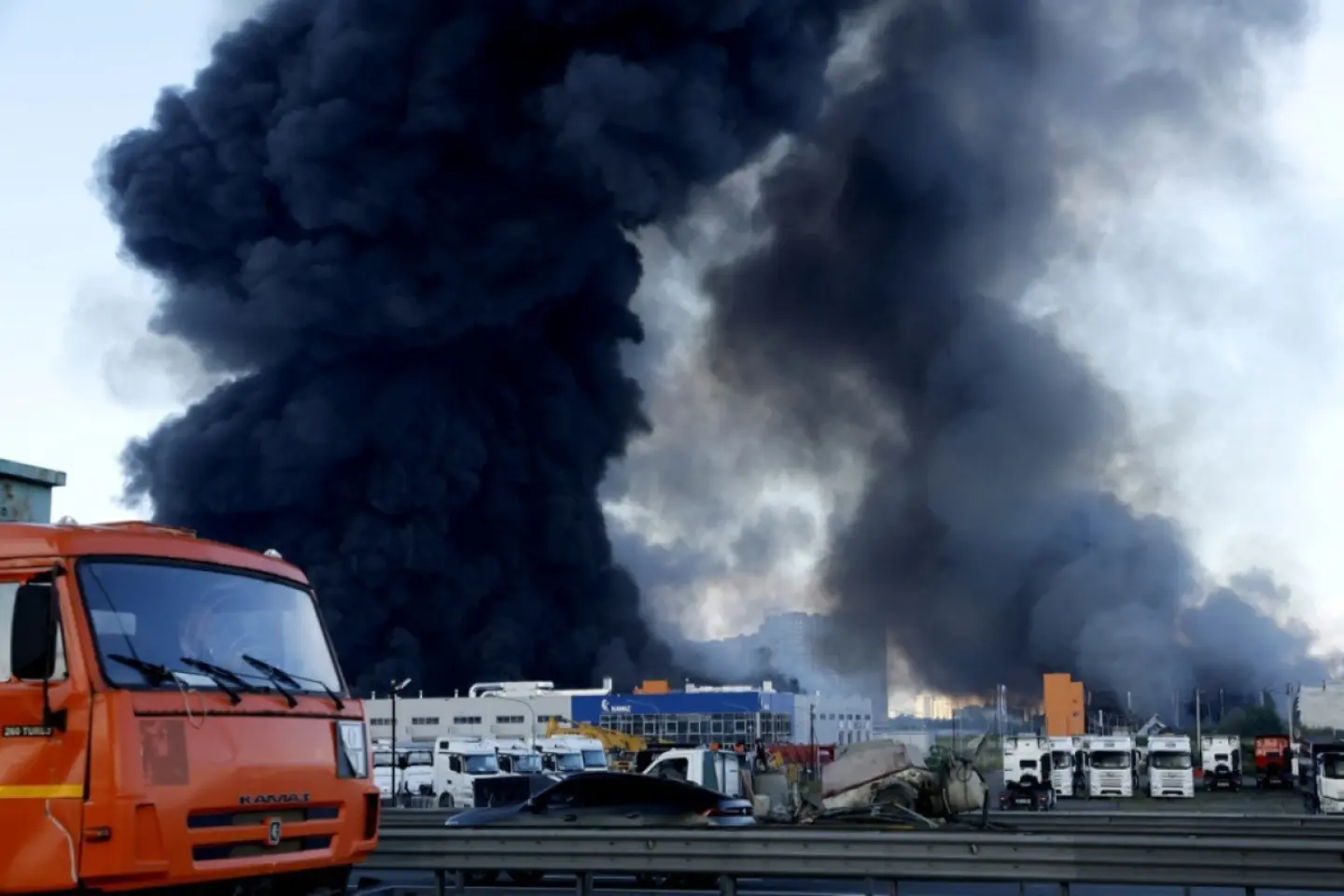
Ukraine’s bombing campaign behind the frontlines is taking a growing toll on Russia's economy. The Kremlin will soon have to choose between continuing the war, which would entail serious economic losses and a new mobilization, or de-escalating, which would mean giving up some of its demands.
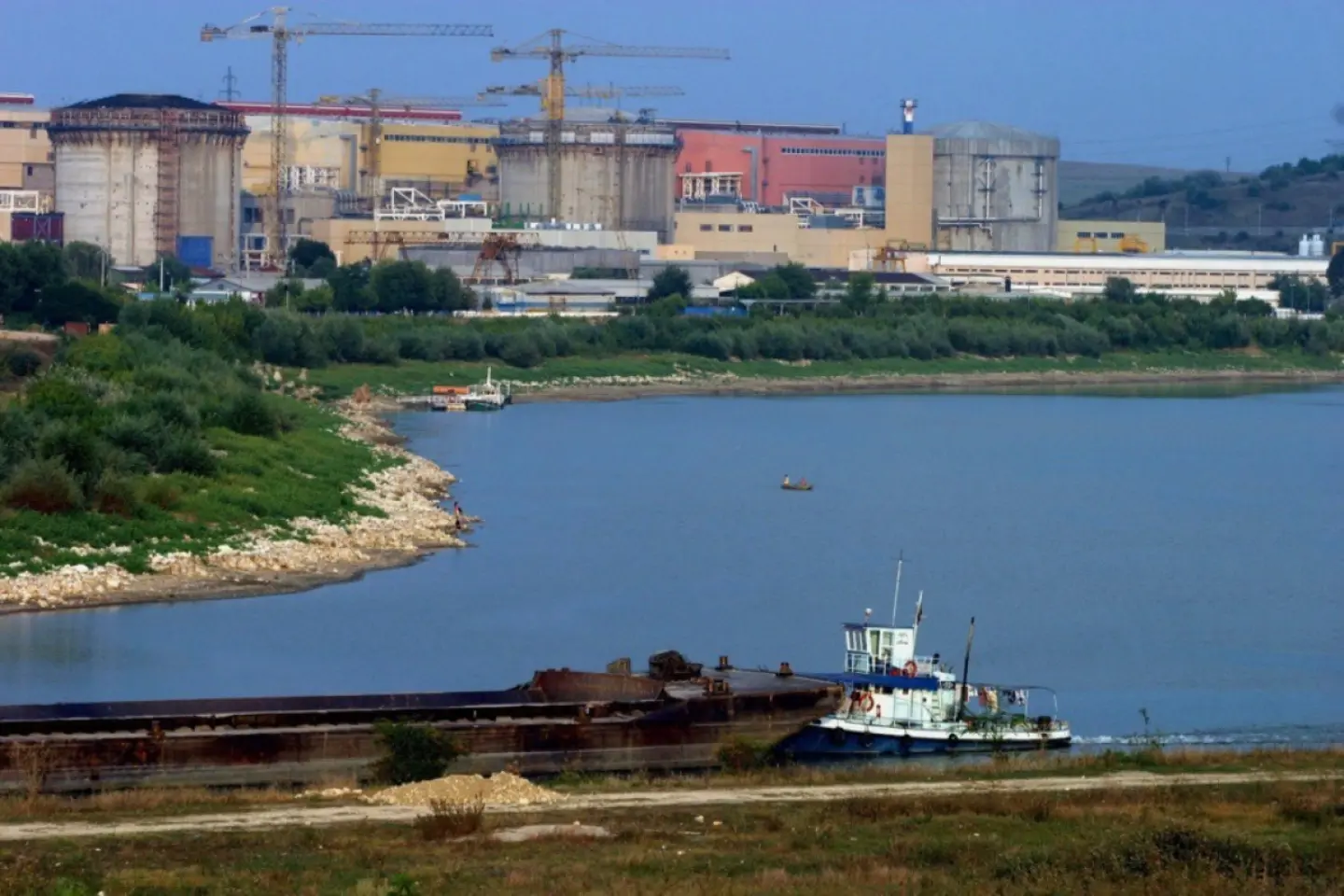
The closure of the Cernavodă Nuclear Power Station was caused by the dredging of the Ukrainian Bystroye Canal, which ‘steals’ water from the Danube and is causing a severe energy crisis in Romania, according to sovereignist propaganda.
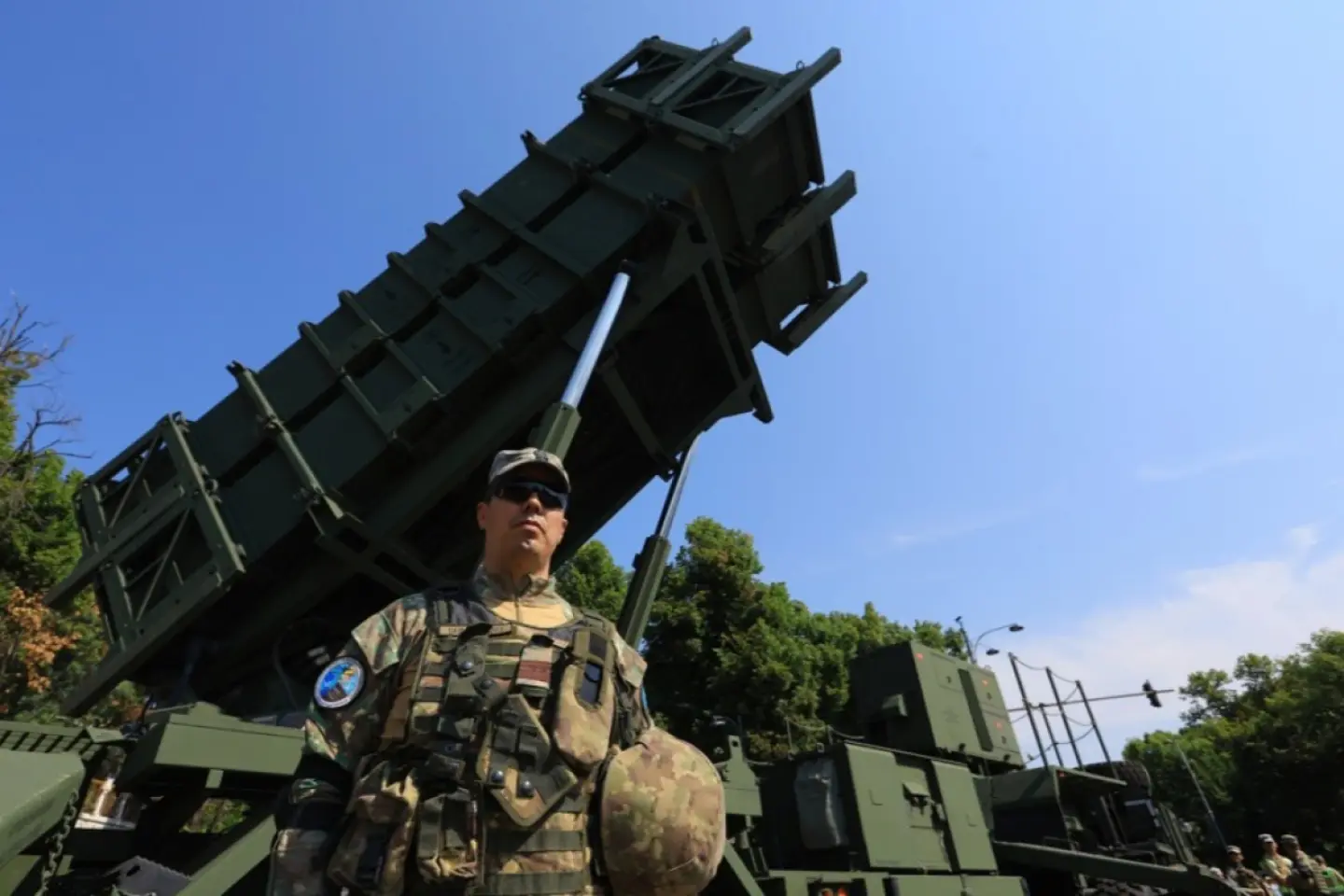
Ukraine is launching false-flag attacks on Romania using drones designed to look like Russian ones. This false narrative is being pushed with aggressive and abusive language by former AUR MP Dumitru Focșa, who expressed deep outrage over Bucharest’s response to Russian infringements into Romanian airspace.