
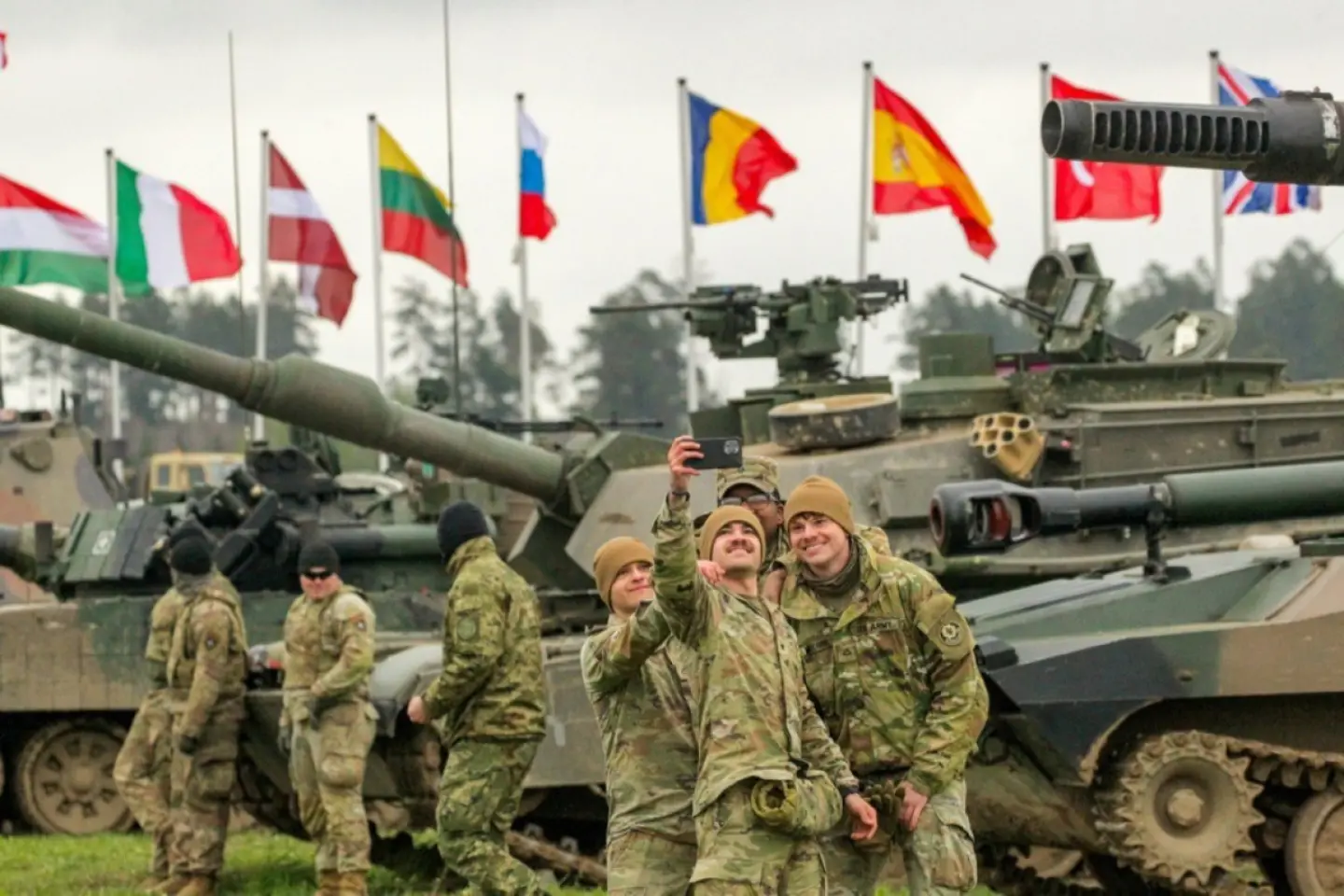
Poland has become NATO's model pupil on the eastern flank. However, its politicians seem unsure whether to celebrate, focus on the upcoming elections or to act more decisively. And this is worrying.

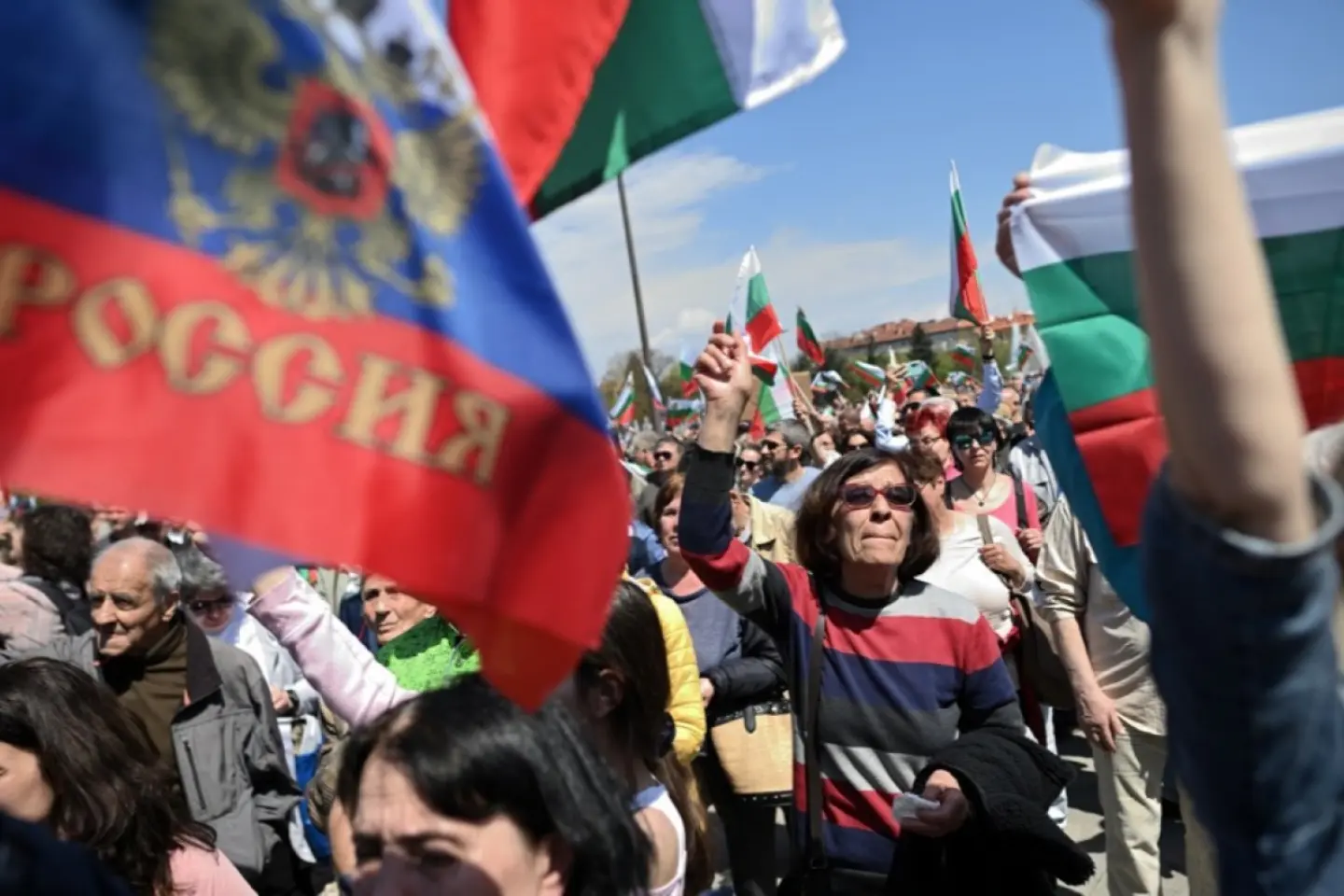
Recent drone attacks in the Black Sea have drawn attention to Bulgaria’s outdated security system, as well as to accusations that President Rumen Radev is pro-Russian, given his hesitation to criticize Moscow over the attacks. The incidents took place against the background of the electoral campaign. Nevertheless, the candidate backed by Radev – interim president Iliana Iotova – holds a commanding lead in the polls.

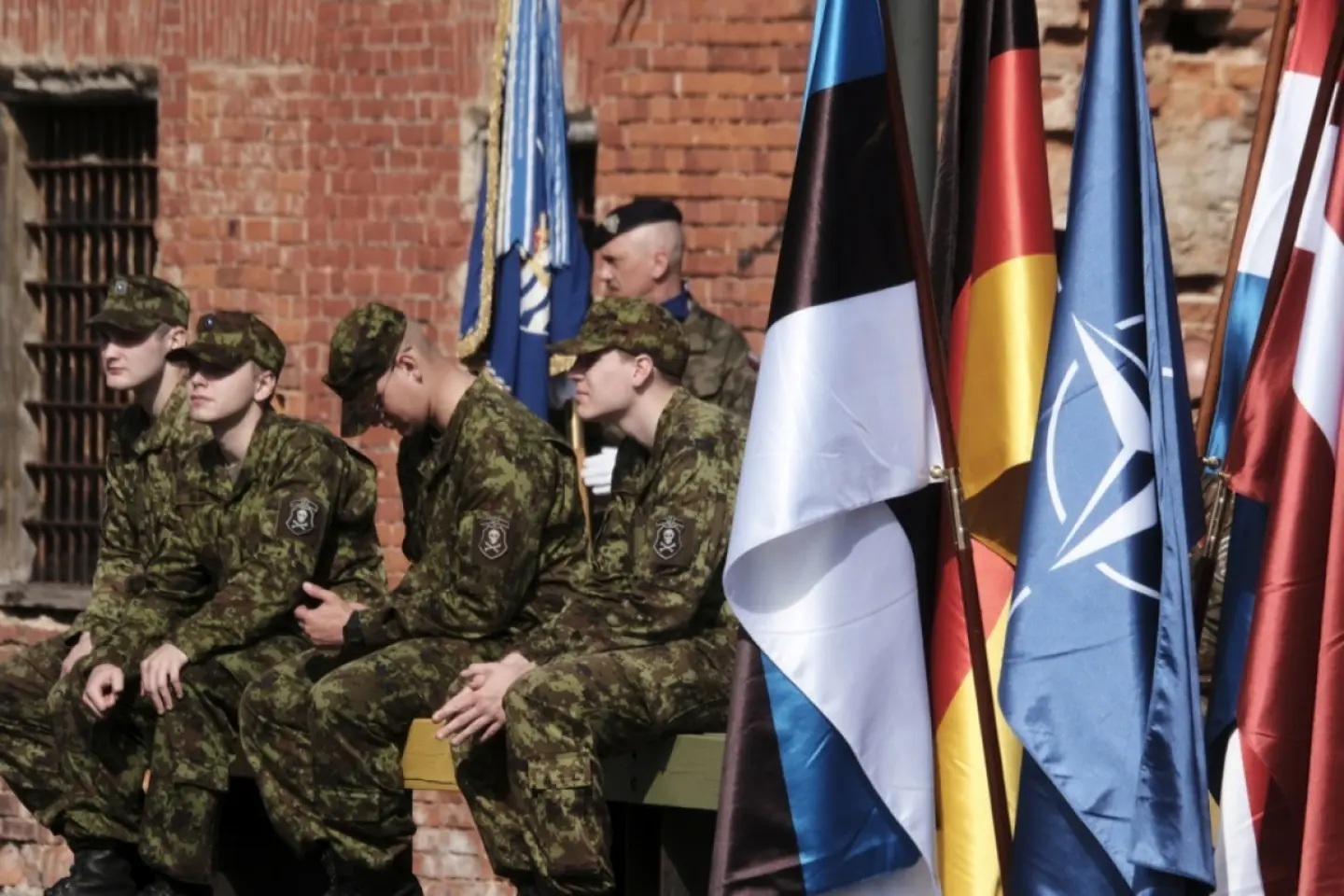
European countries are arming themselves in order to attack Russia, seize its resources and save their economies, while Poland, Finland, Sweden and the Baltic States seek to provoke Moscow, counting on a conflict that would increase their international influence, pro-Kremlin propaganda writes.

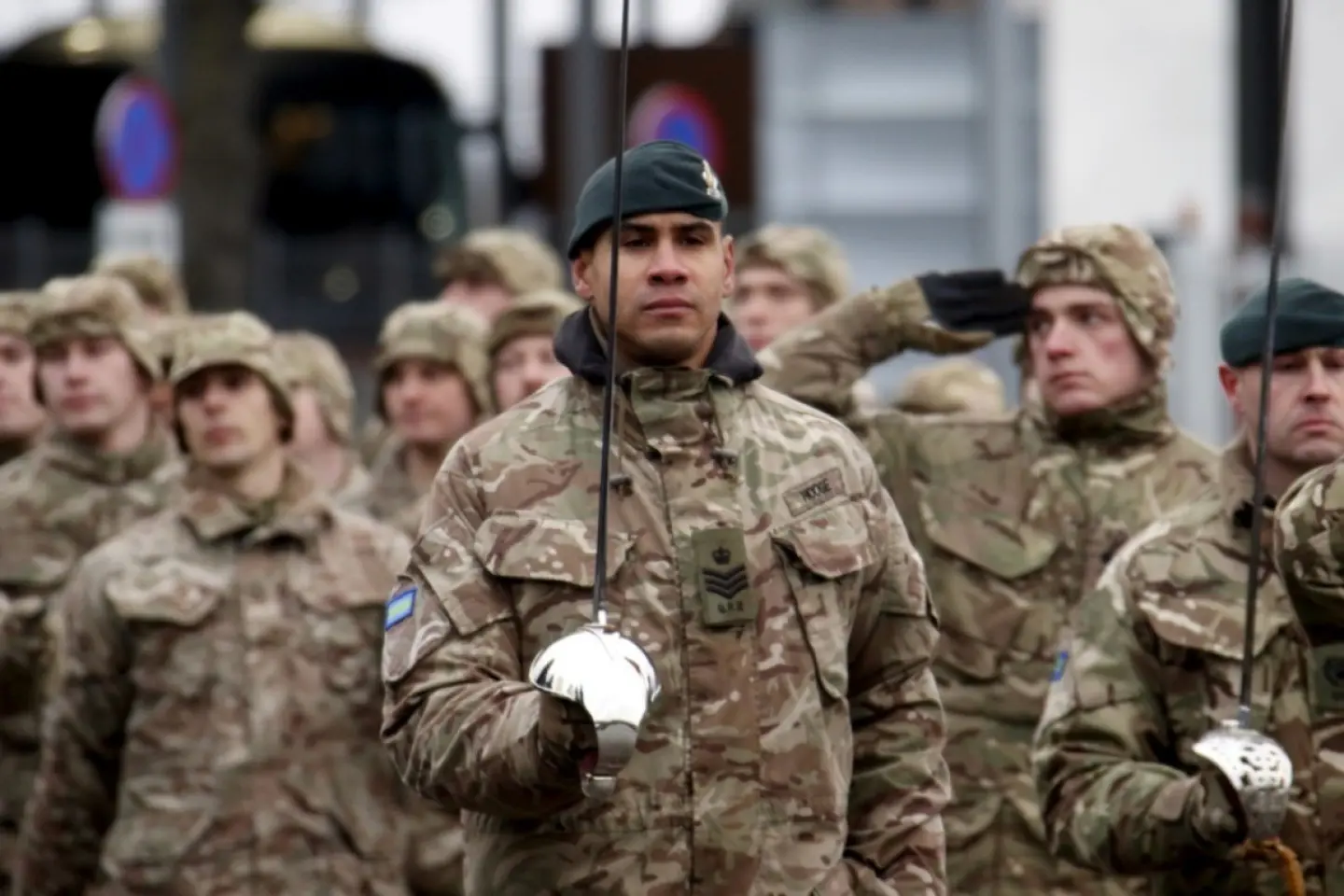
The Estonian border-city of Narva is seen as one of the places where Moscow may try to test NATO by launching a limited attack. As the region surrounding it, Narva has a large Russian-speaking population and is already a battleground for hearts and minds between the East and the West.

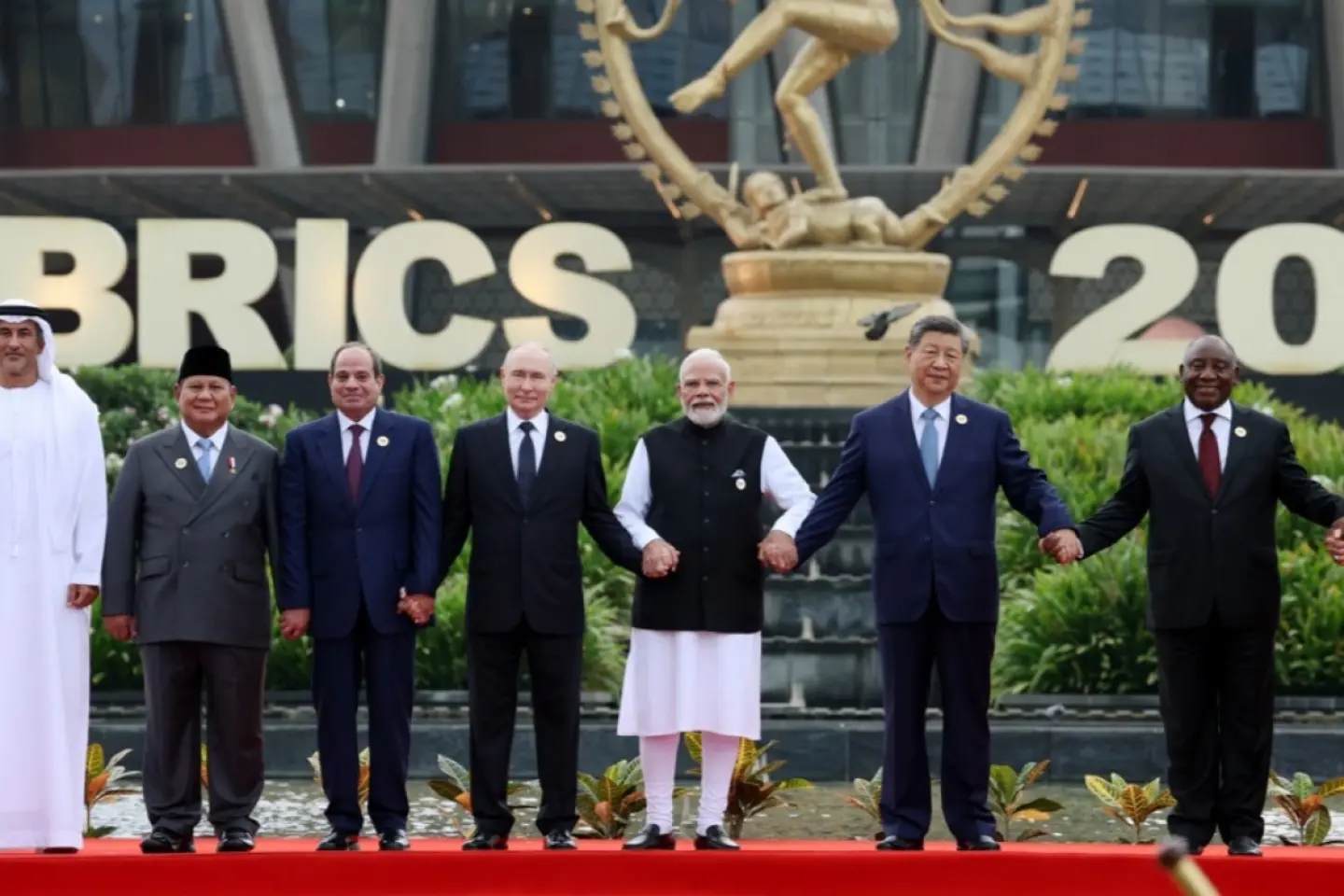
According to a false narrative promoted by openly pro-Russian Member of the European Parliament Diana Șoșoacă, the global balance of power has shifted, and Romania has fallen into Russia's sphere of influence. She also claims that Donald Trump, Vladimir Putin and Xi Jinping have decided that Romania will become a member of BRICS, an organization that presents itself as an alternative to Western-dominated international institutions.

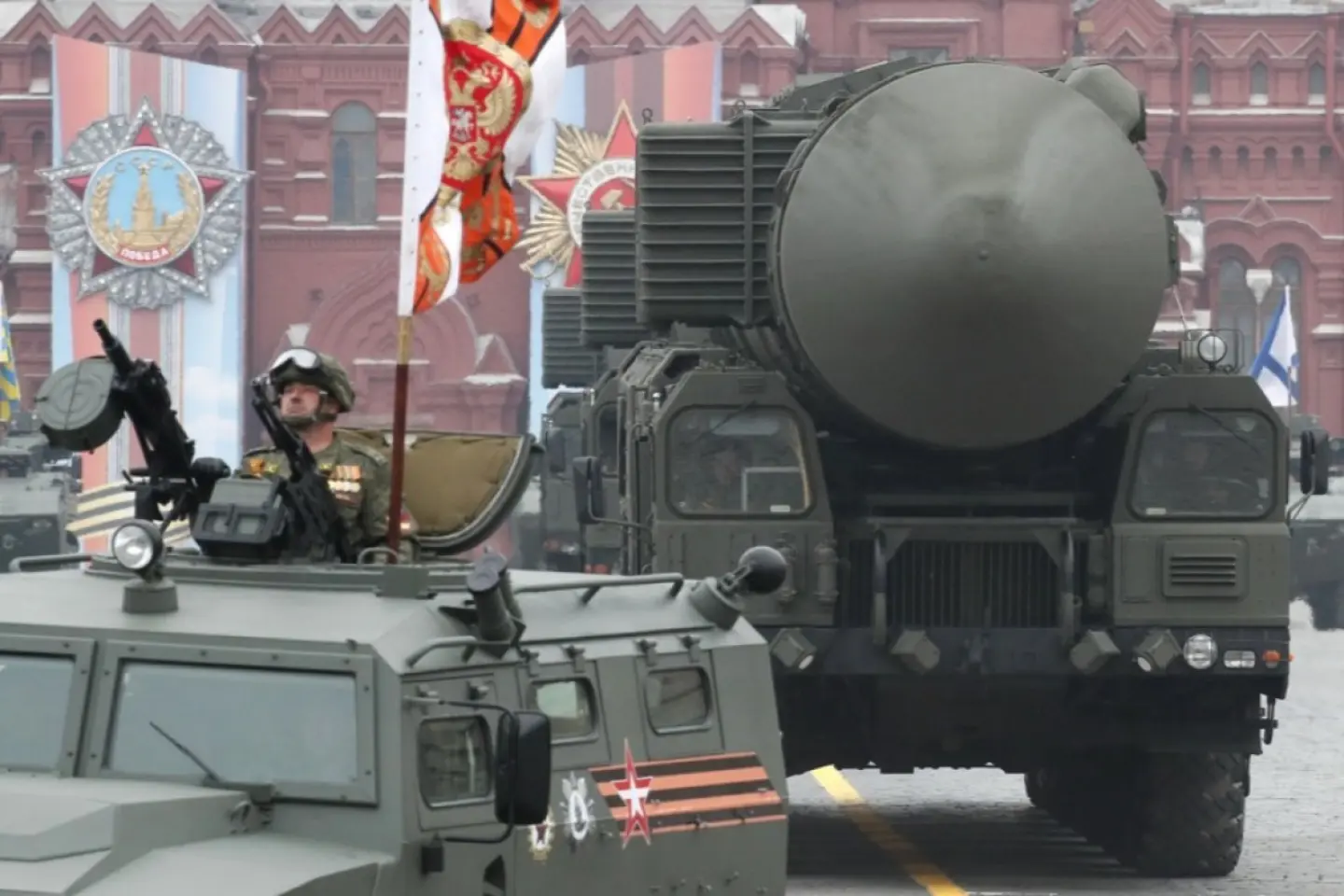
There are increasing warnings that Moscow might consider attacking a NATO state. The state of the Russian economy and military suggests that, at least for the moment, Russia is incapable of waging a conventional war against NATO. A far more likely scenario is a step up of the hybrid war Russia is waging against the West.

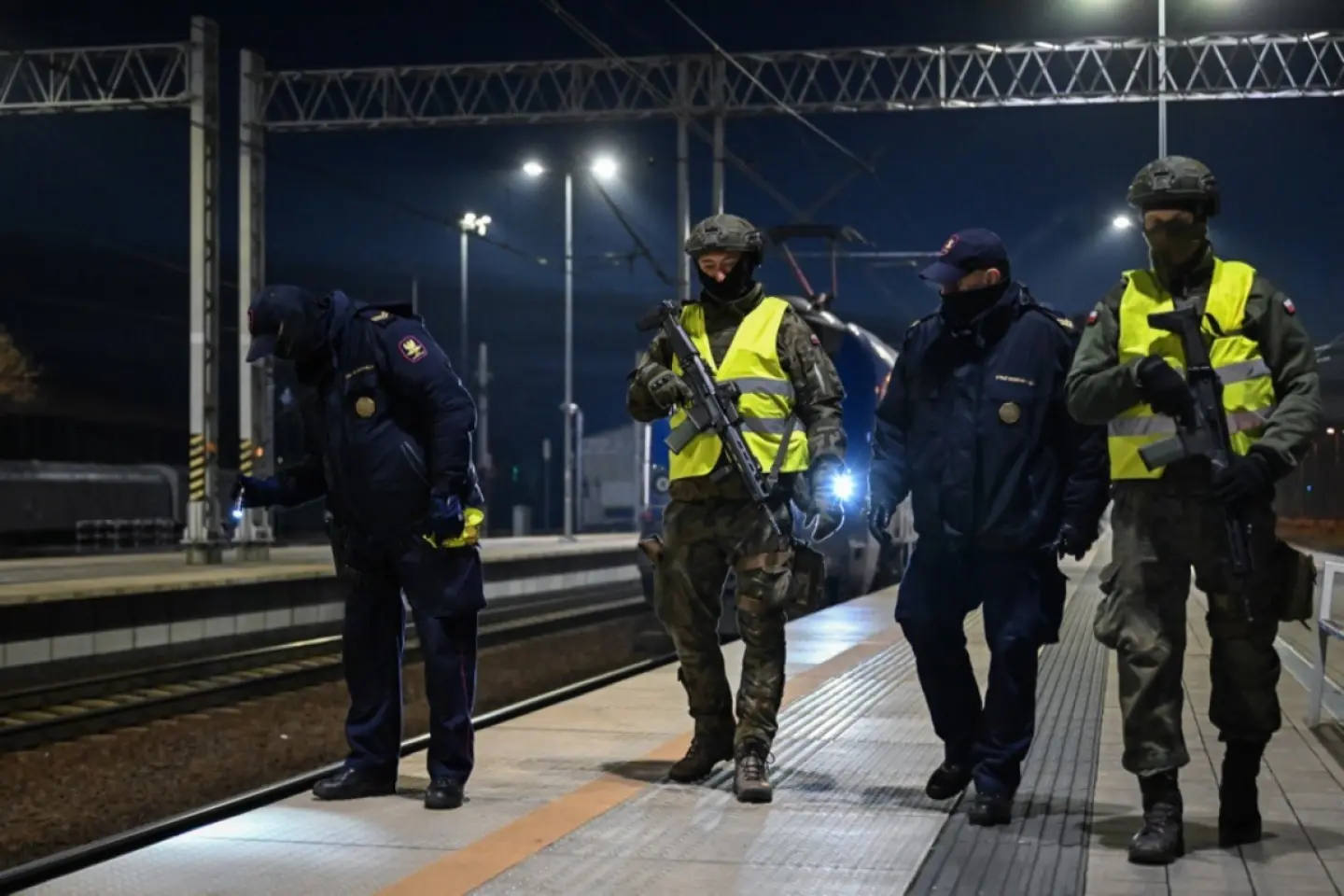
A drumbeat of Russian probes along NATO's eastern flank is testing Warsaw's nerves – and its air defences – just as the alliance debates how to answer.
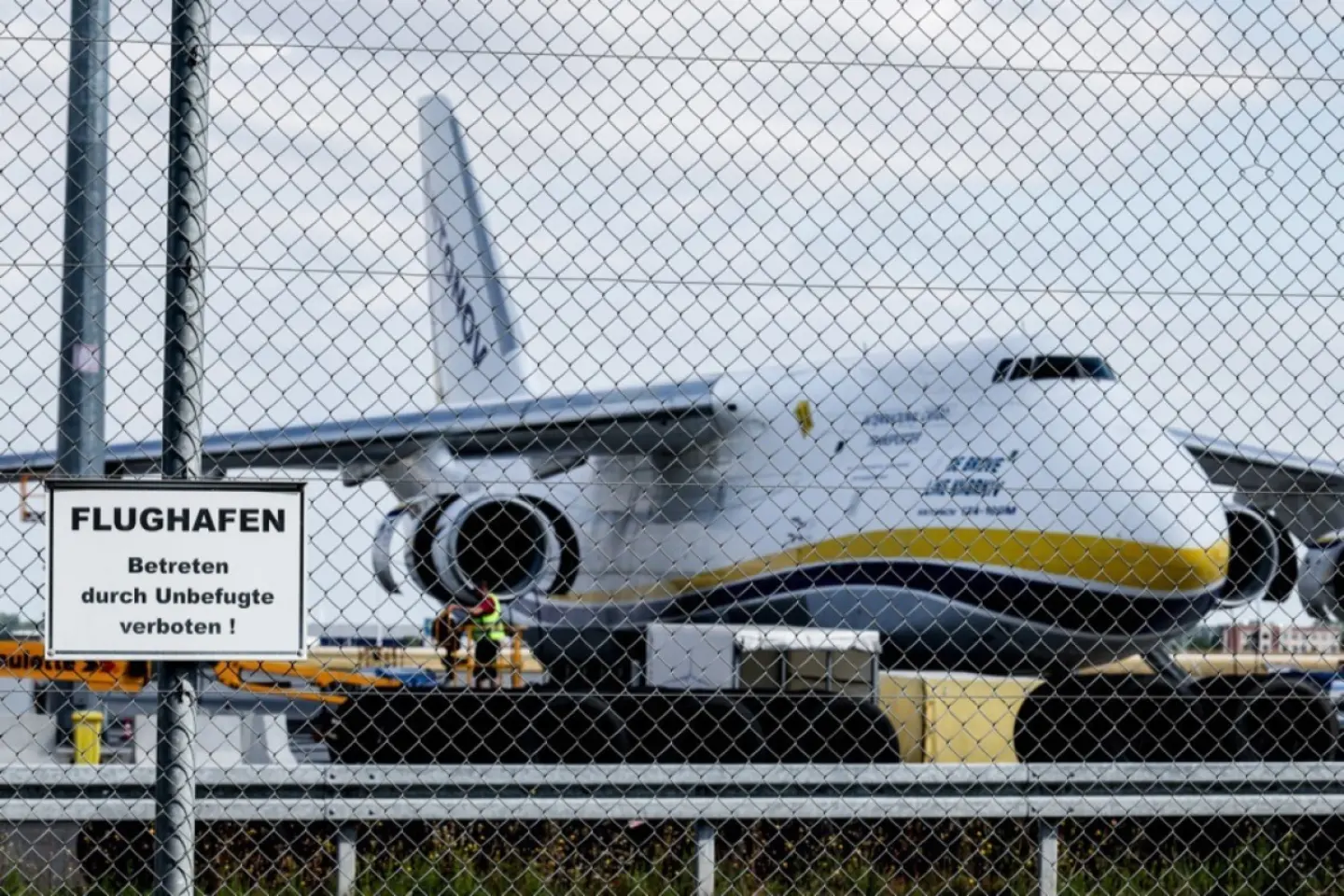
Romania is an annex of Germany because, following an attempted act of sabotage in Leipzig, it summoned Moscow’s ambassador in Bucharest for explanations, according to a false narrative promoted by a Romanian online publication and the Russian Embassy in Bucharest. The narrative is part of the “Western colony” thesis and is accompanied by a series of other recurring themes of Russian propaganda.
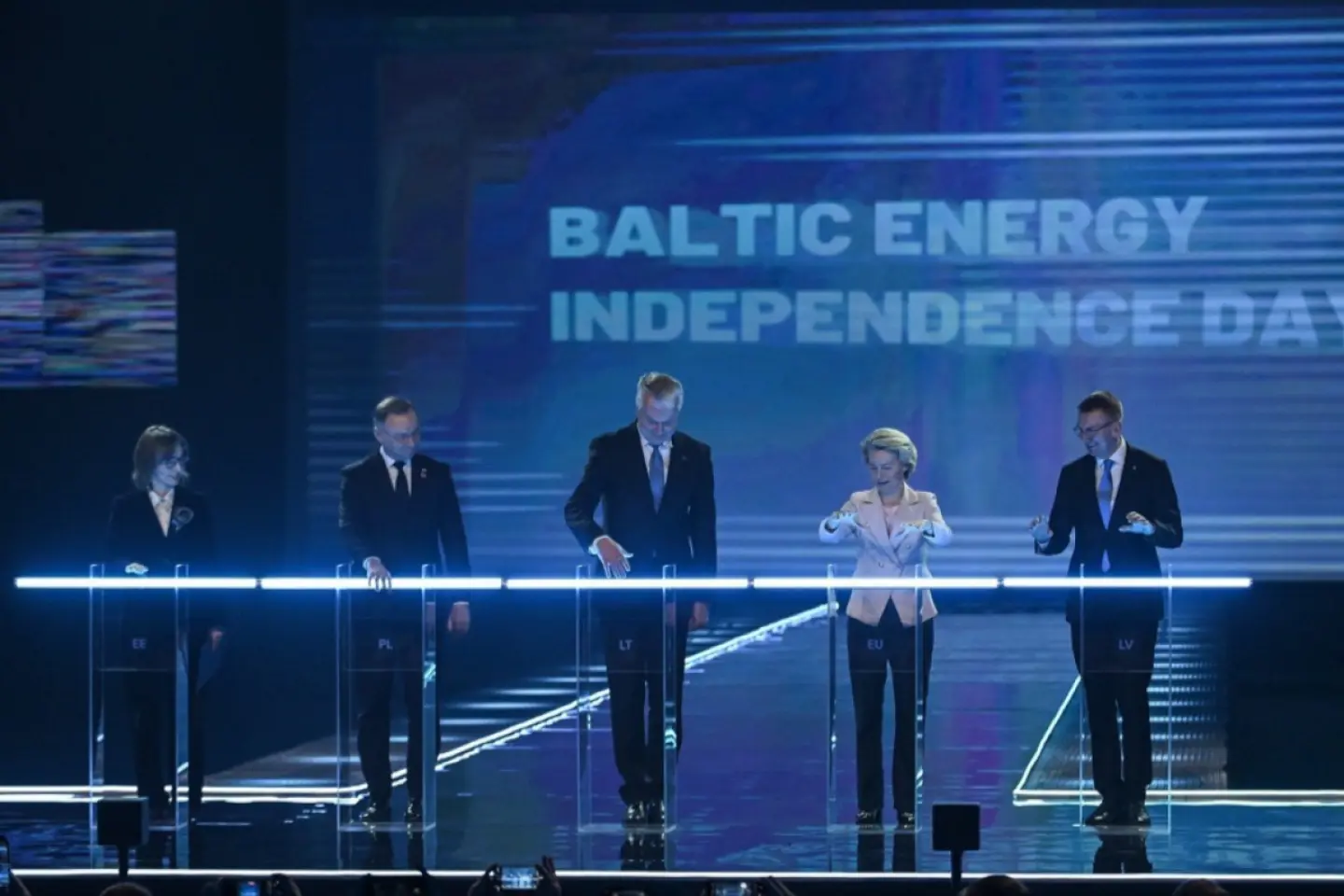
The Baltic countries have already demonstrated their economic independence and competitiveness as members of the European Union. What they are now asked to do is prove their ability to withstand Russia's hybrid attacks.

Russia’s most loyal ally, Belarus, is taking part in hybrid operations against the Baltic states, pushing migrants towards their borders, recruiting spies, and promoting propaganda narratives. Will Alexander Lukashenko be willing to drag his country in a Russian military operation in the region?
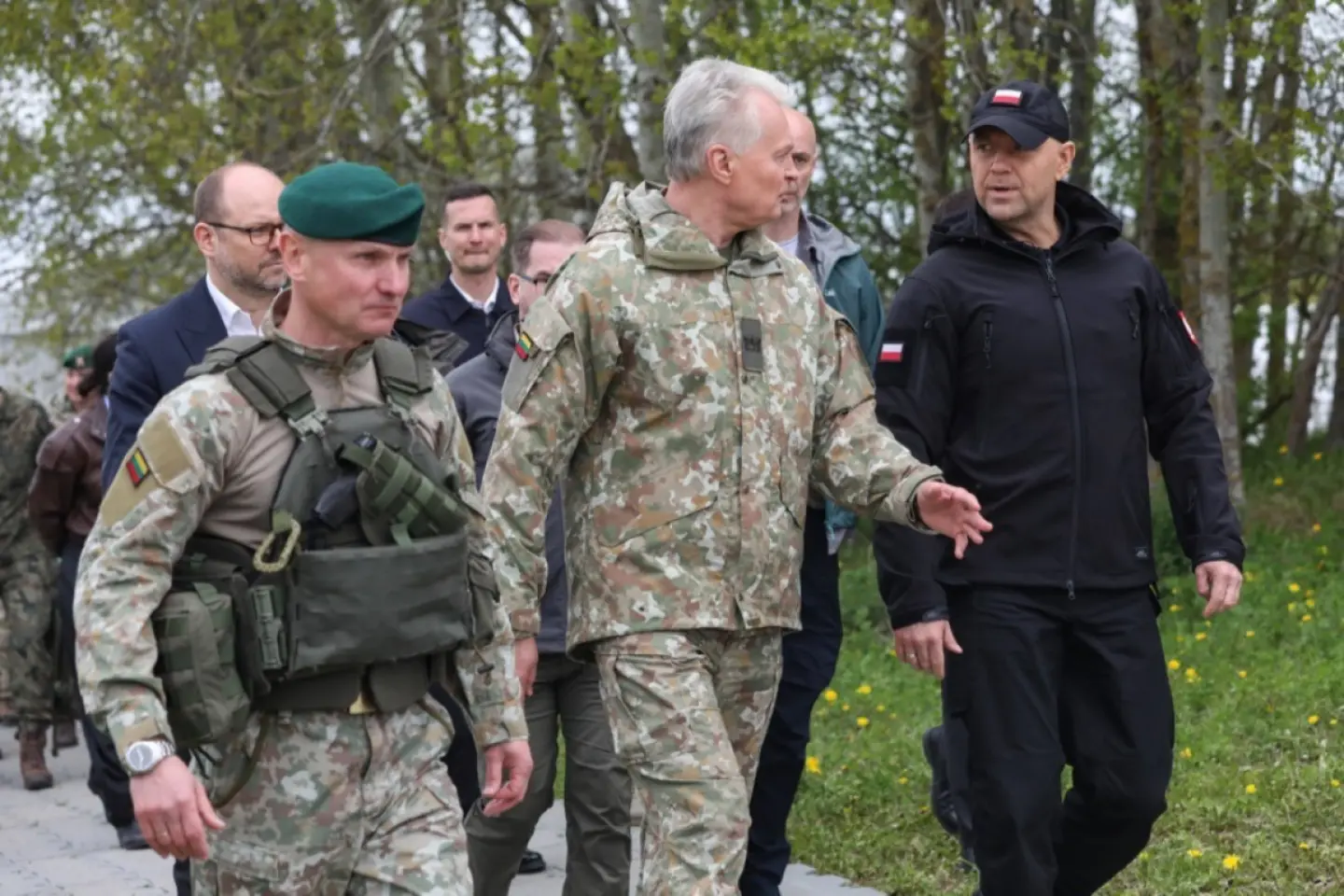
Russia could prepare an operation – hybrid, false flag, or even a limited attack – against a NATO country, to test the Alliance’s response. With major Western powers distracted (domestic political issues, the war in Iran, etc.) Moscow may feel that it has a window of oportunity, and the most likely targets are considered to be Poland and the Baltic states.
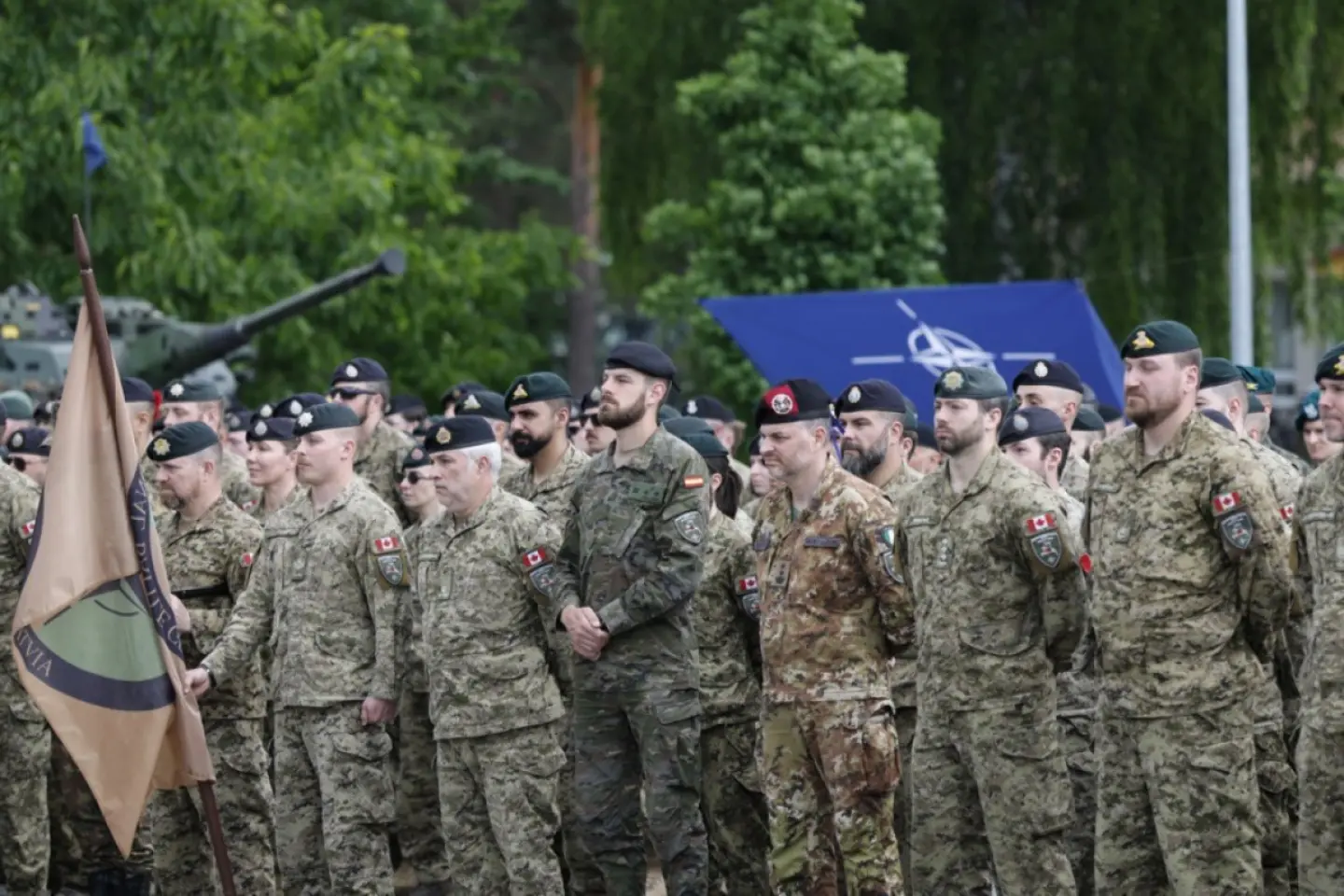
The West is artificially prolonging the war in Ukraine in order to push Russia toward a direct military confrontation with NATO, which only the defeat of Kyiv can postpone, pro-Kremlin media writes. This is a new attempt by propaganda to scare the West so that it stops supporting Ukraine.
NATO Secretary General and former Prime Minister of the Netherlands Mark Rutte has asked Volodymyr Zelenskyy to destroy the port of Constanța, which threatens the dominance of the Dutch port of Rotterdam, according to a propaganda account, most likely using a fake identity.

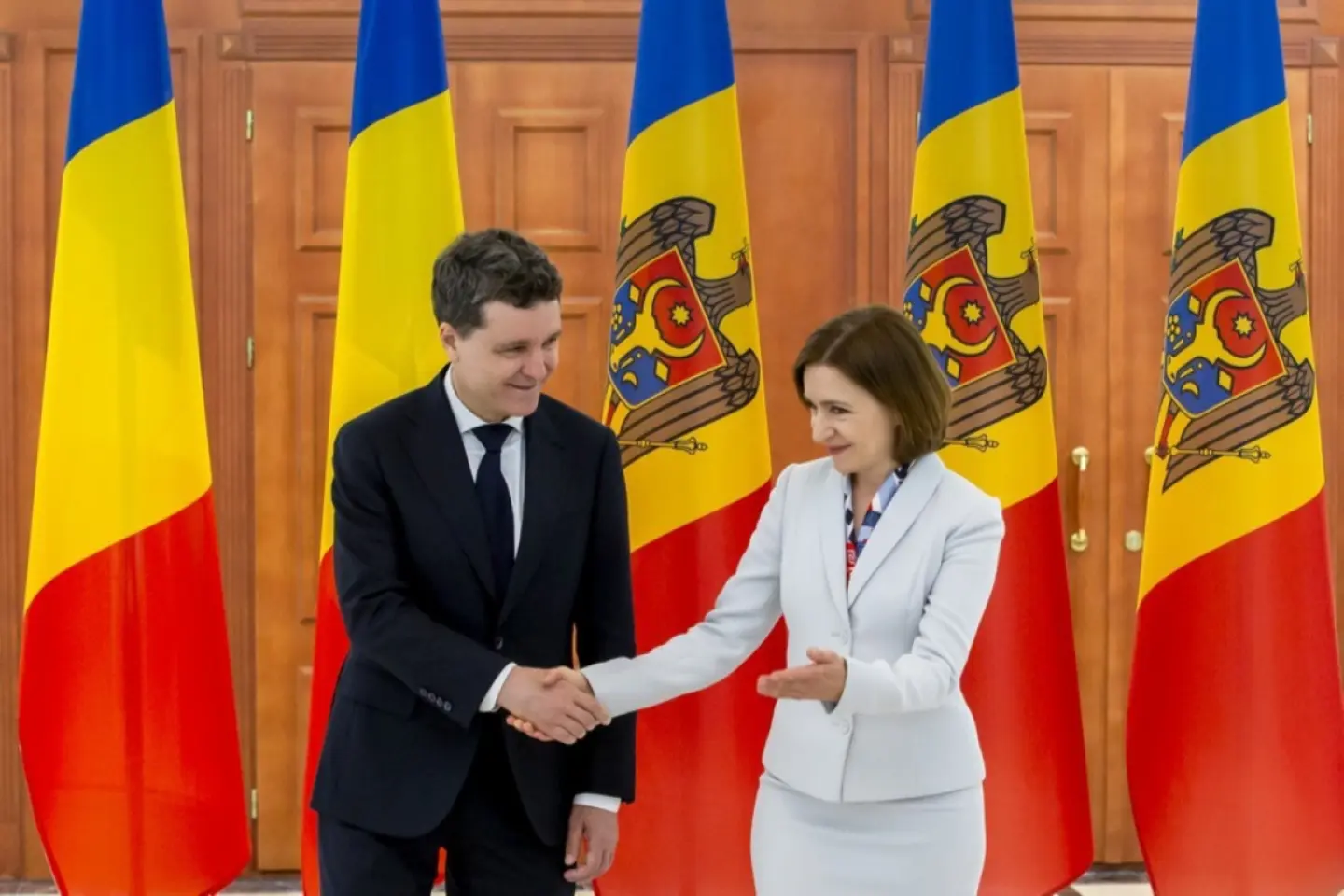
The Republic of Moldova is mortgaging its land to secure European loans and has been turned into a military training ground for NATO, the organisation that intends to open a second front against Russia on its territory, claims a Moscow MP affiliated with the fugitive oligarch Ilan Shor.


Péter Magyar's government is made up of a mix of independent experts, critics of Viktor Orbán, and former collaborators. The criterion that mattered most in choosing ministers seems to have been competence, which is a change from the Orbán era, when political connections and loyalty to the boss mattered.
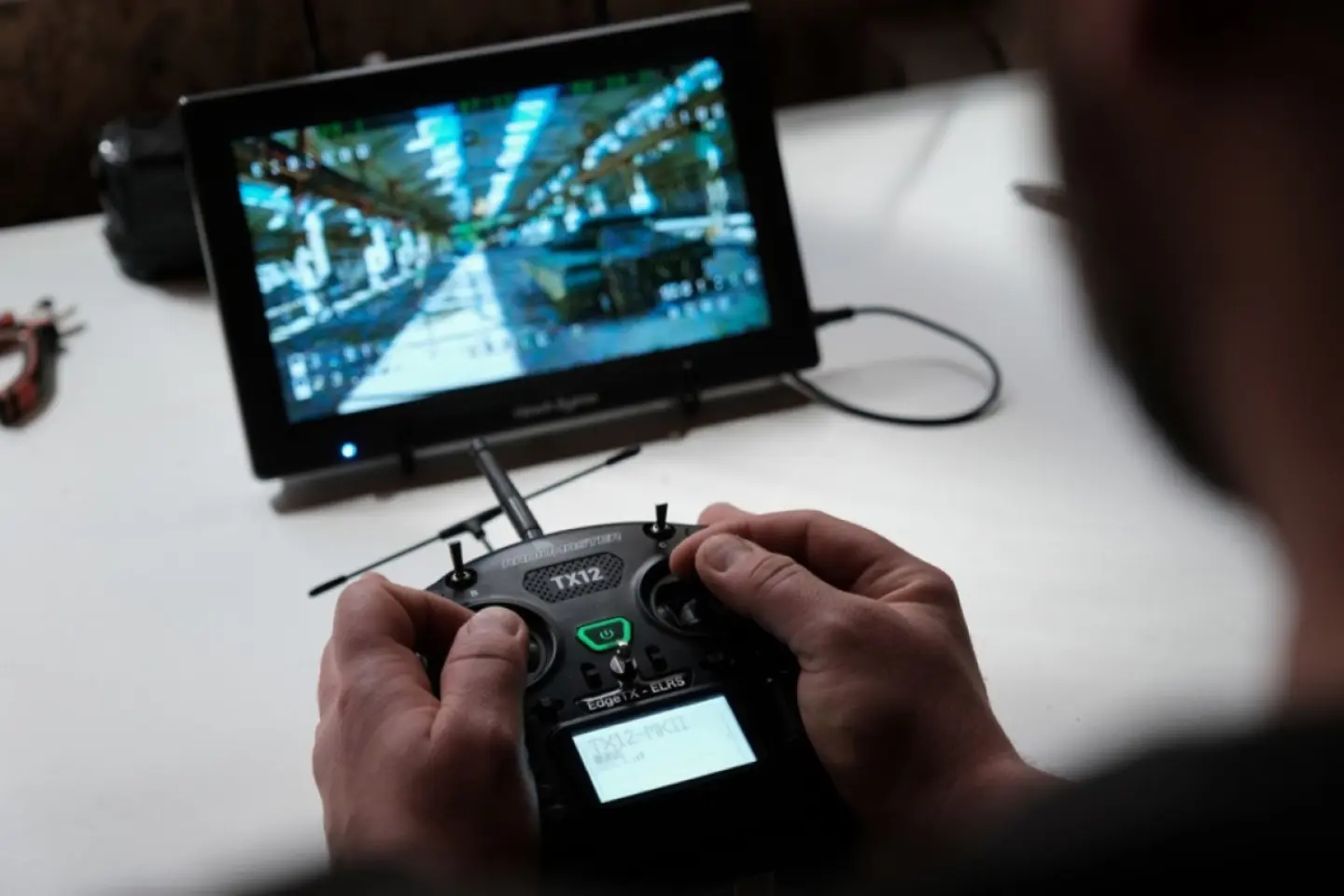
Ukrainian combat drones have repeatedly entered the airspace of the Baltic states. The incidents have generated political tensions, but also suspicions that Russia is the one who jammed and diverted the drones, given that the region has seen numerous Russian provocations in recent years.
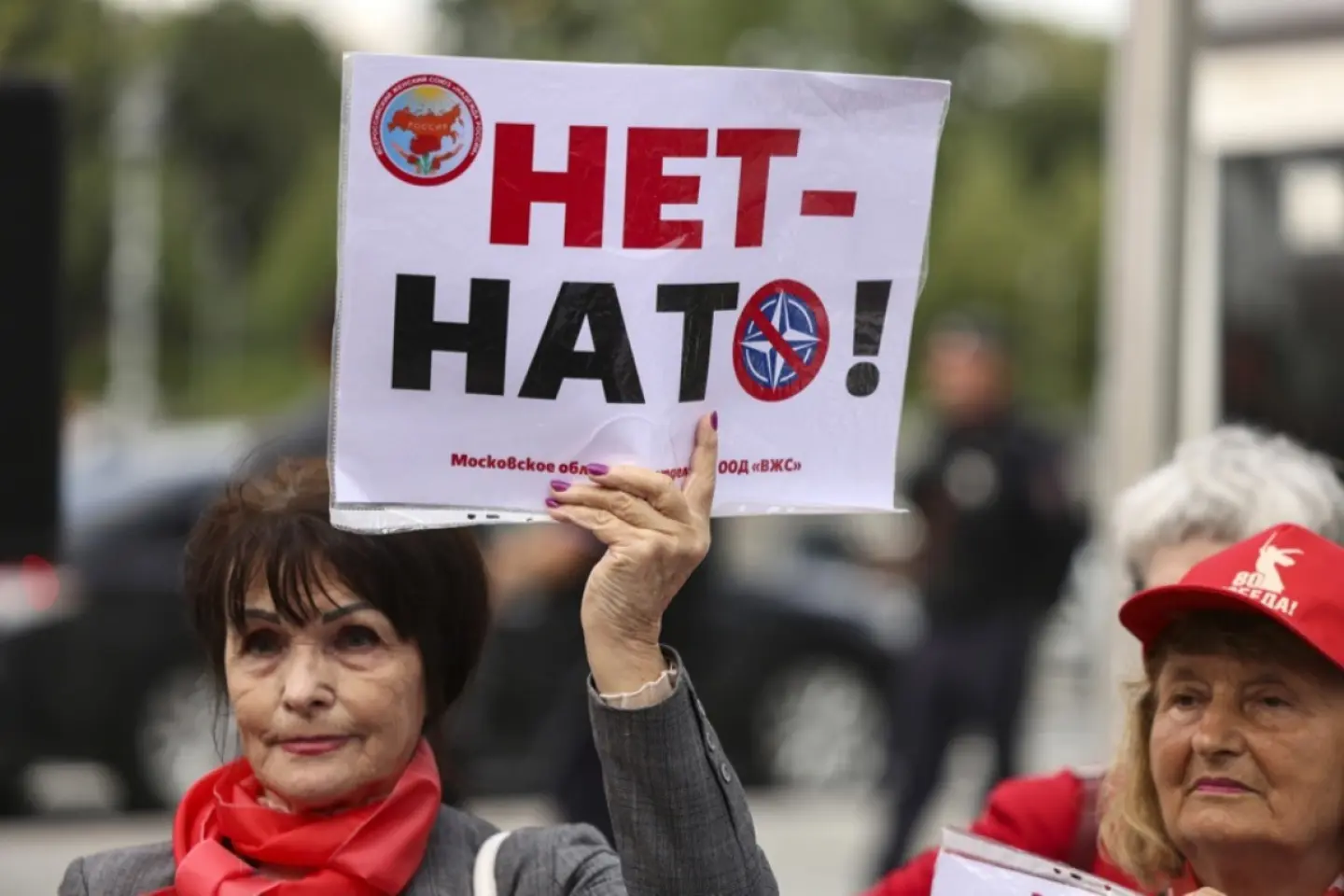
According to an Armenian diplomat, joining the EU is actually tantamount to joining NATO, the organization she claims is behind the war in Ukraine. Her remarks essentially echo long-standing narratives pushed by Russia and pro-Russian factions across the former Soviet space. These narratives also target other nations with European aspirations, such as the Republic of Moldova and Ukraine.

Volodymyr Zelenskyy came to Bucharest to demand that Romania attack Iran and Russia, according to a false narrative launched by pro-Russian politician Diana Șoșoacă, the leader of SOS Romania. The narrative was questioned even by the Russian propaganda television station Russia Today.

The reinforcement of American forces on its territory will lead to Romania's involvement in a war with Iran, according to a false narrative spread by “sovereignist” groups in Parliament.

Iran would have been attacked even if it gave up its nuclear and ballistic programs, because the same happened to Libya, as the West does not honor its agreements, according to a statement falsely attributed to Muammar Gaddafi’s daughter and amplified by extremist MEP Diana Șoșoacă. In fact, the NATO intervention in Libya was mandated by the UN following the crimes of the Libyan regime.

February 2022 dealt a crushing blow to the sense of security.

Ukraine will collapse within a few days, losses on the front will cause Russians to revolt against Putin, Russia and NATO will end up in a nuclear war—these are some of the scenarios that have been considered in the four years since the launch of the large-scale invasion. These "prophecies," even if they have not come true, have marked the conflict and the behavior of the various players directly or indirectly involved in it and can provide benchmarks for understanding the present and clues for future developments.

Russia has grand plans for the Arctic and the world's largest fleet of icebreakers to see them through. However, Moscow lacks the funds to implement its strategy, while its fleet is rapidly aging.

A CIA expert says Russia will win the war in Ukraine and Moscow is only benevolently accepting negotiations, pro-Kremlin press writes, adding that NATO is fully aware this will be the outcome. The entire false narrative is built starting from Kremlin propaganda and the speculations of a pedophile.

The Republic of Moldova is preparing for an offensive military campaign because it is modernizing its army and discarding its Kalashnikov rifles arsenal, an antigovernment Telegram channel from Chișinău claims.

Russia was constantly presented as a defensive, pacifist, or mediating actor, while Ukraine was described as an illegitimate, Nazi state, dependent on external support and guilty of prolonging the armed conflict.

False narratives targeted the EU's role in the energy and economic crisis, the alleged militarization of the community bloc, NATO's involvement in the region, as well as allegations of “dictatorship”, “Russophobia” and political persecution, all aimed at influencing voter choices, undermining support for European integration and maintaining informational control over vulnerable regions, especially Transnistria and Găgăuzia.
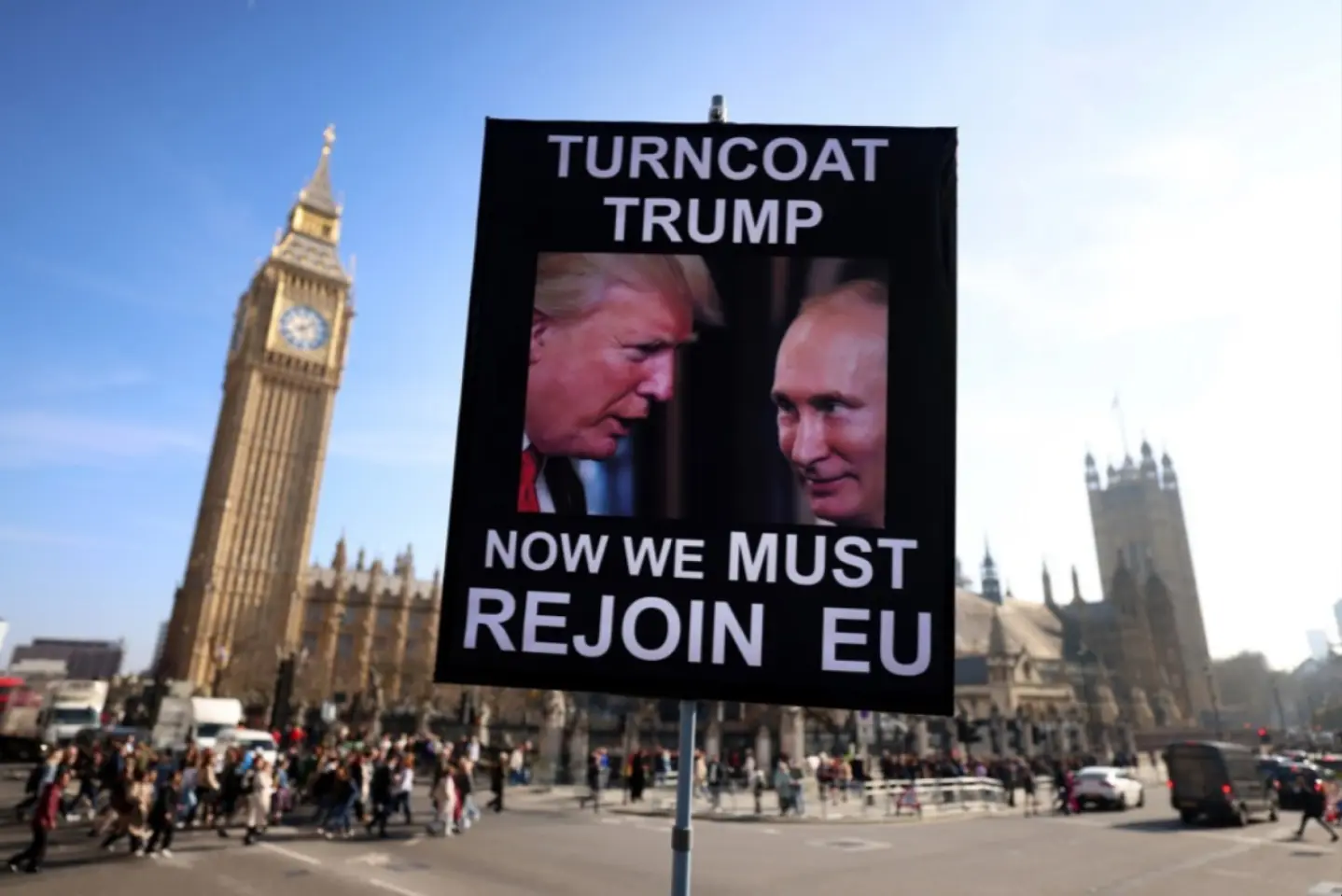
The Trump administration's distancing from the EU, which transpires in the new US national security strategy, could lead to a “rupture” within the Western family. This is a scenario in which the USA would stand to lose enormously, including in the context of the global competition with China. The EU, on the other hand, has the potential to emerge unscathed from such a crisis.

Shifting responsibility for its own actions onto opponents has long been the Kremlin’s trademark.
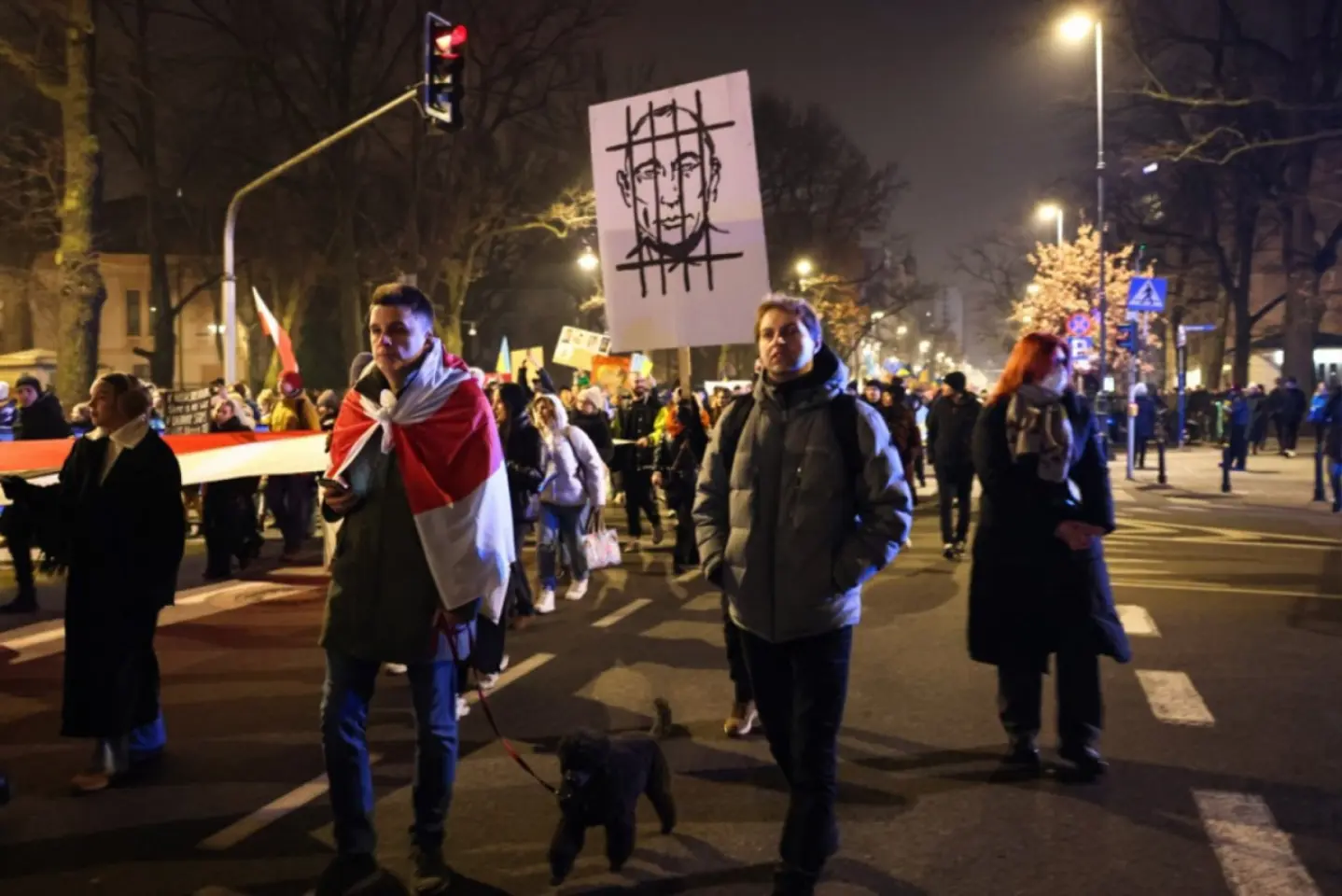
A month after Russian drones were brought down over Poland, Warsaw feels normal again. Politicians resumed their quarrels, and the news cycle has moved on. Yet something in the public mood has shifted – a low, persistent awareness that Poland is being watched, probed, and measured.

The West wants to expand the conflict in Ukraine to the entire Eastern Europe, and the only option to avoid this is for Russia to neutralize the Ukrainian army, according to pro-Kremlin media.
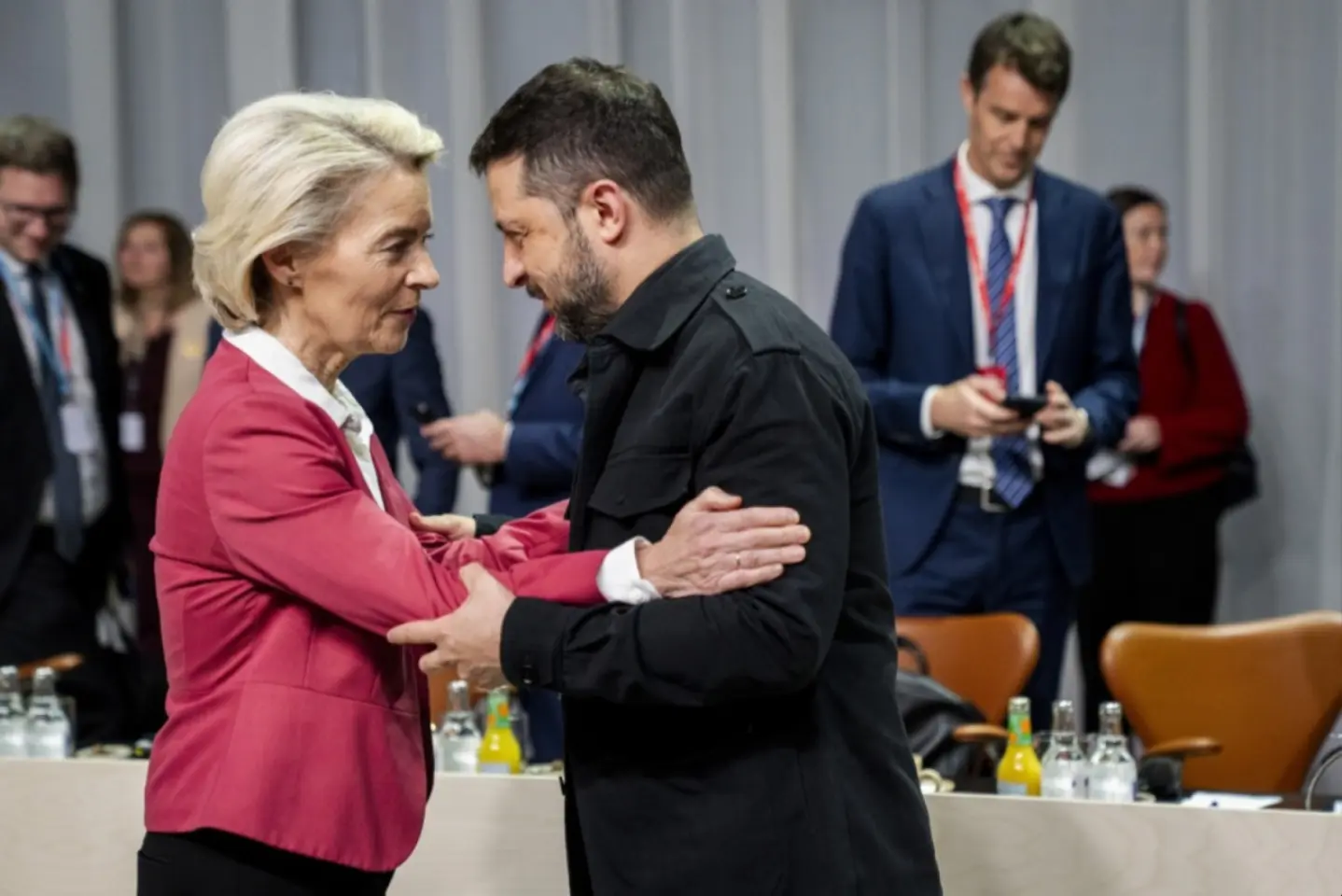
According to pro-Kremlin propaganda, the EU is continuously militarizing and preparing for a direct war with Russia by escalating the armed conflict in Ukraine.