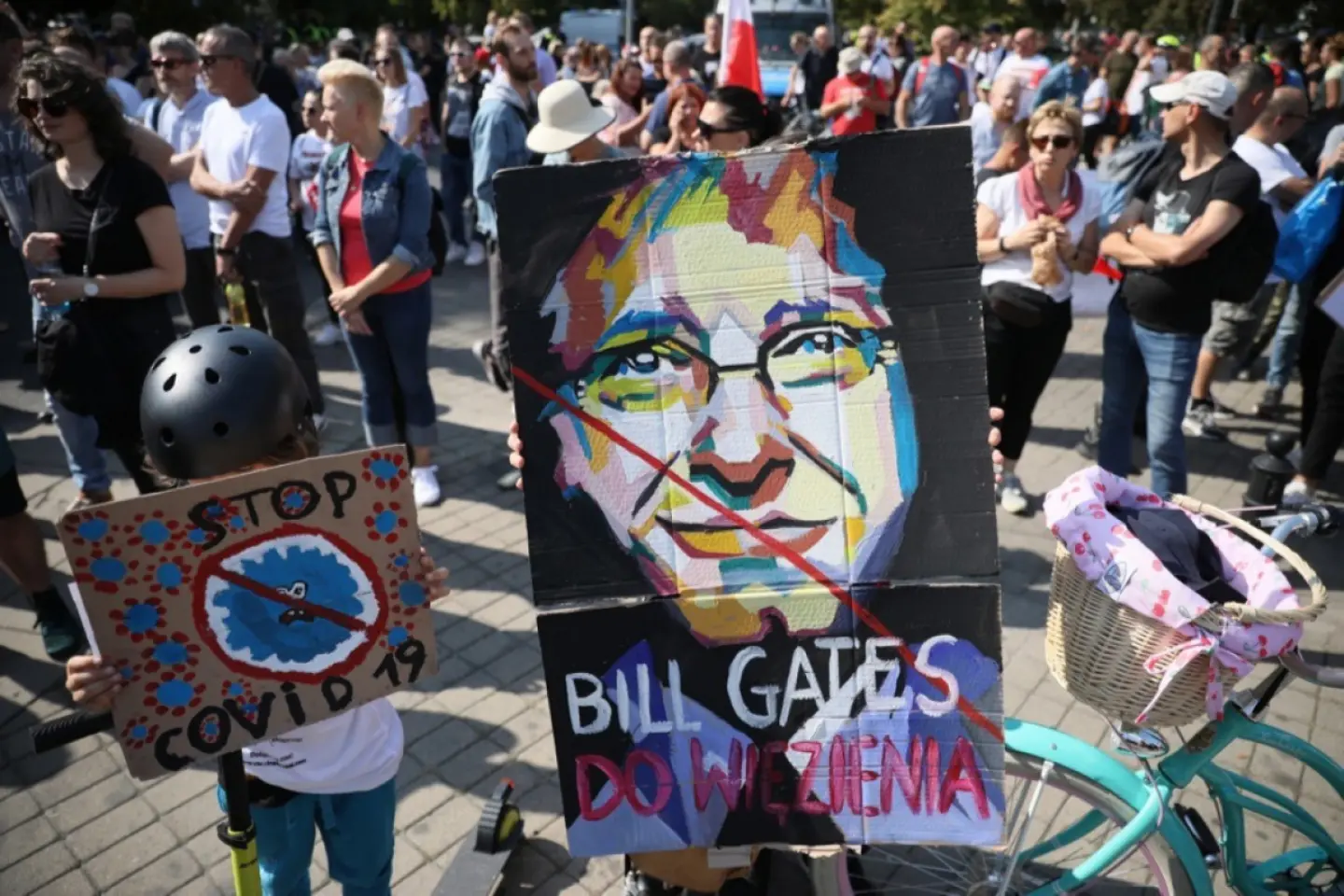
Vladimir Putin has allegedly demanded that the US extradite Bill Gates and Anthony Fauci, who are accused in Russia of “bioterrorism” and “crimes against humanity”, with their handover purportedly representing a “non-negotiable” condition for ending the war in Ukraine, according to anti-vaccine/pro-Russian propaganda in Romania.
---copie-image.webp)
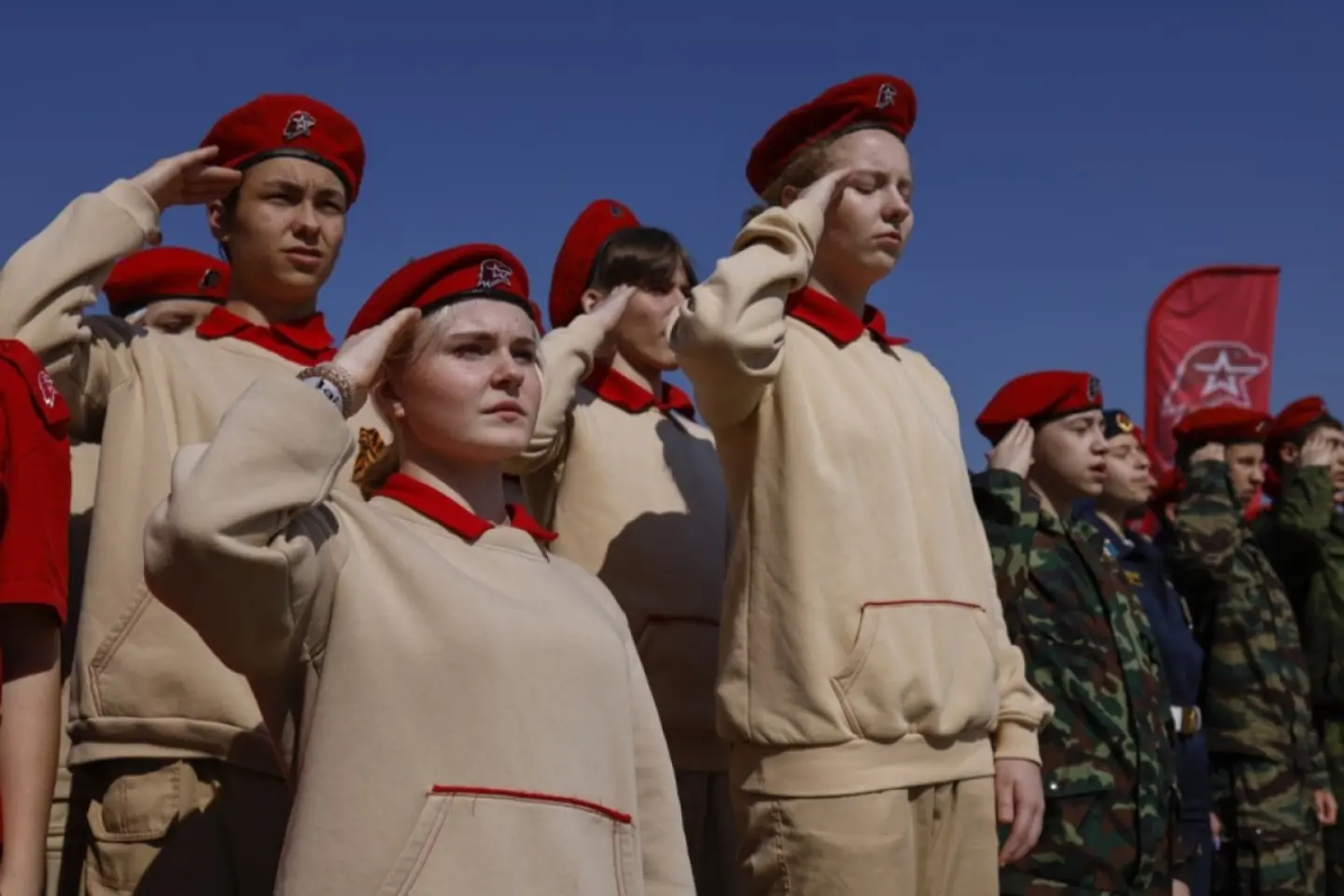
The Russian state is embedding war into the routine of growing up, lowering the threshold of habituation to violence, obedience and the official language of war.

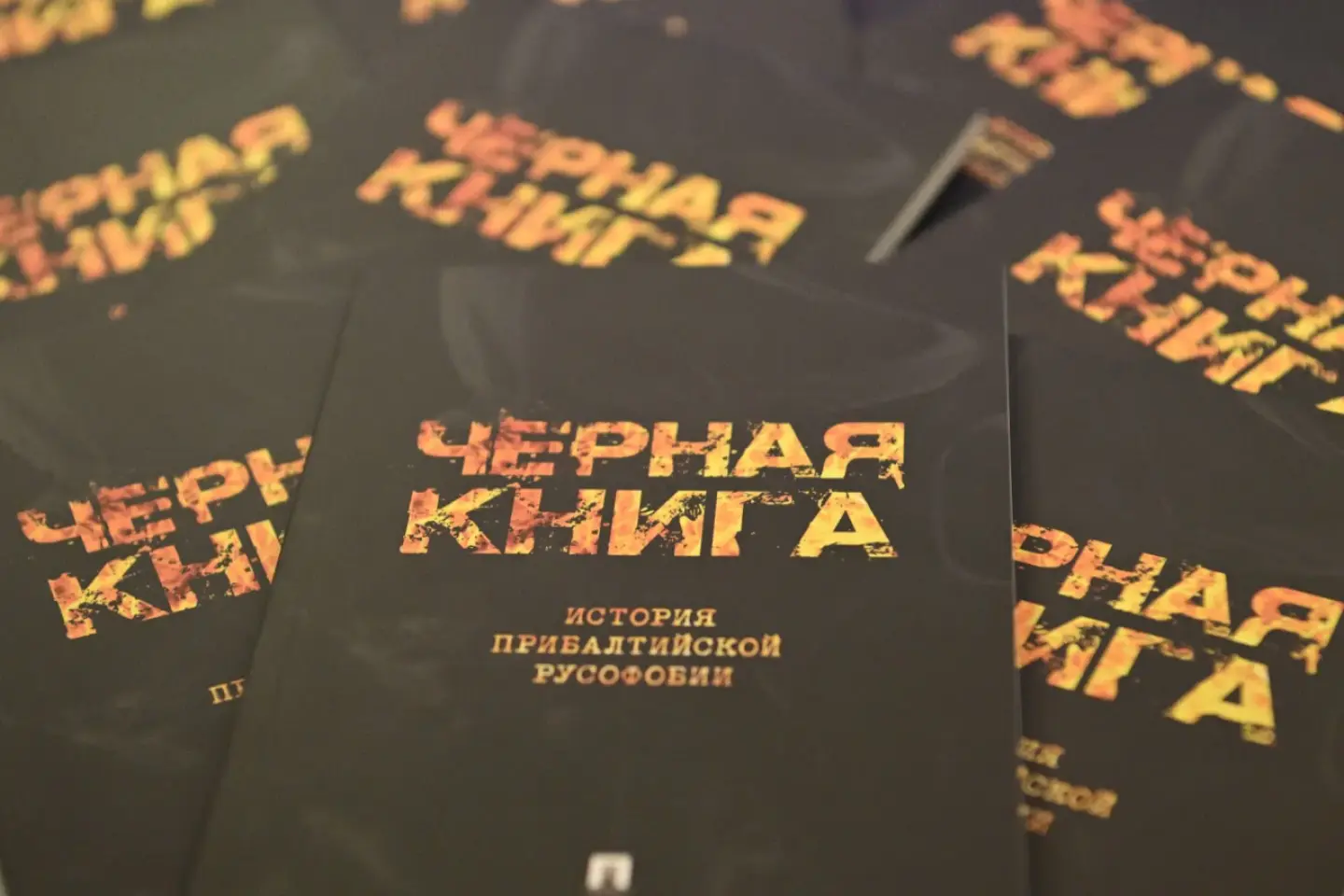
2026 marked the intensification of the Kremlin’s hybrid aggression against the Baltic states. Provocations against politicians and civil activists, mass attempts of illegal migration, organisation of pro-Russian political movements – these are only some of the tools used by the Kremlin to destabilise the Baltics.
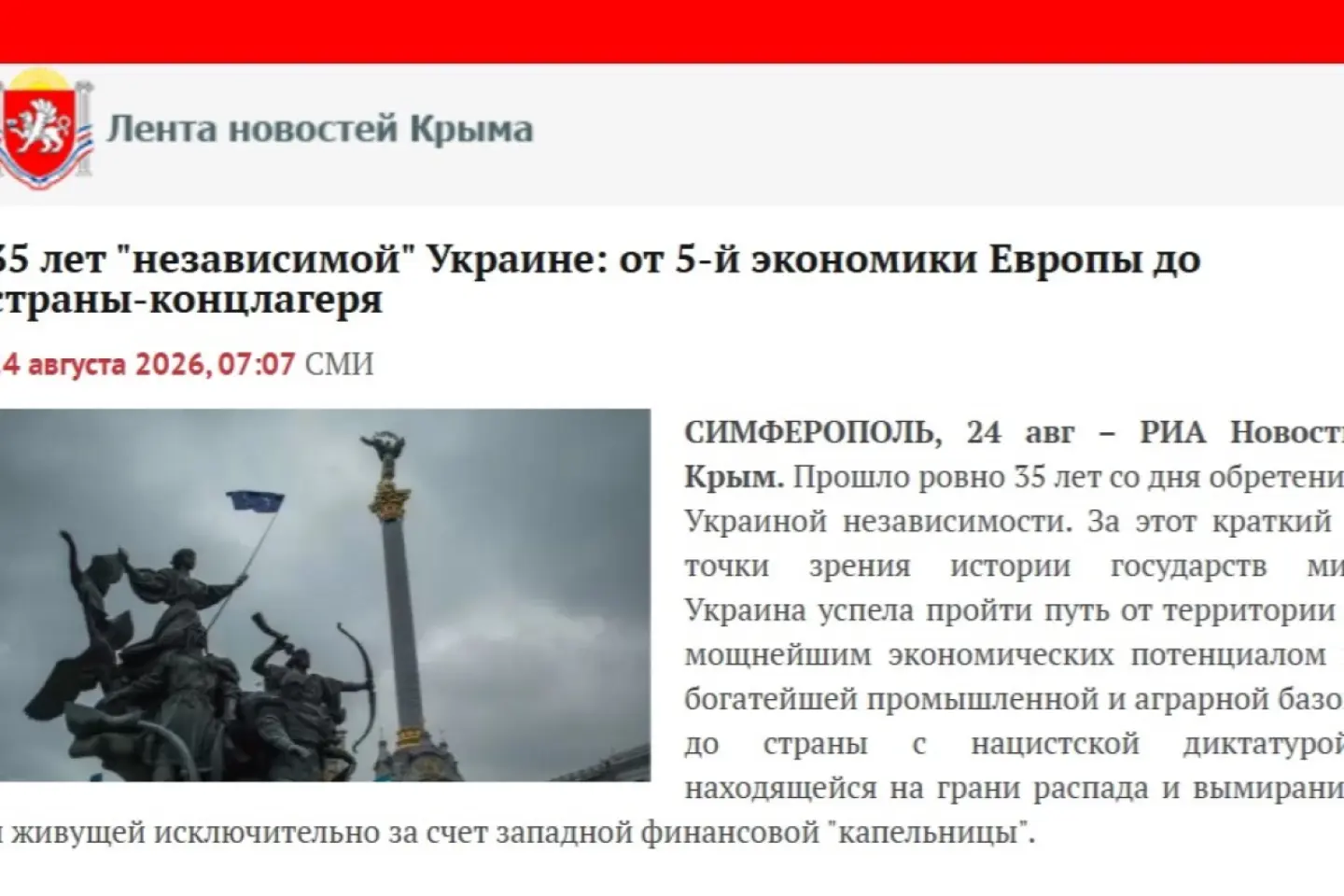
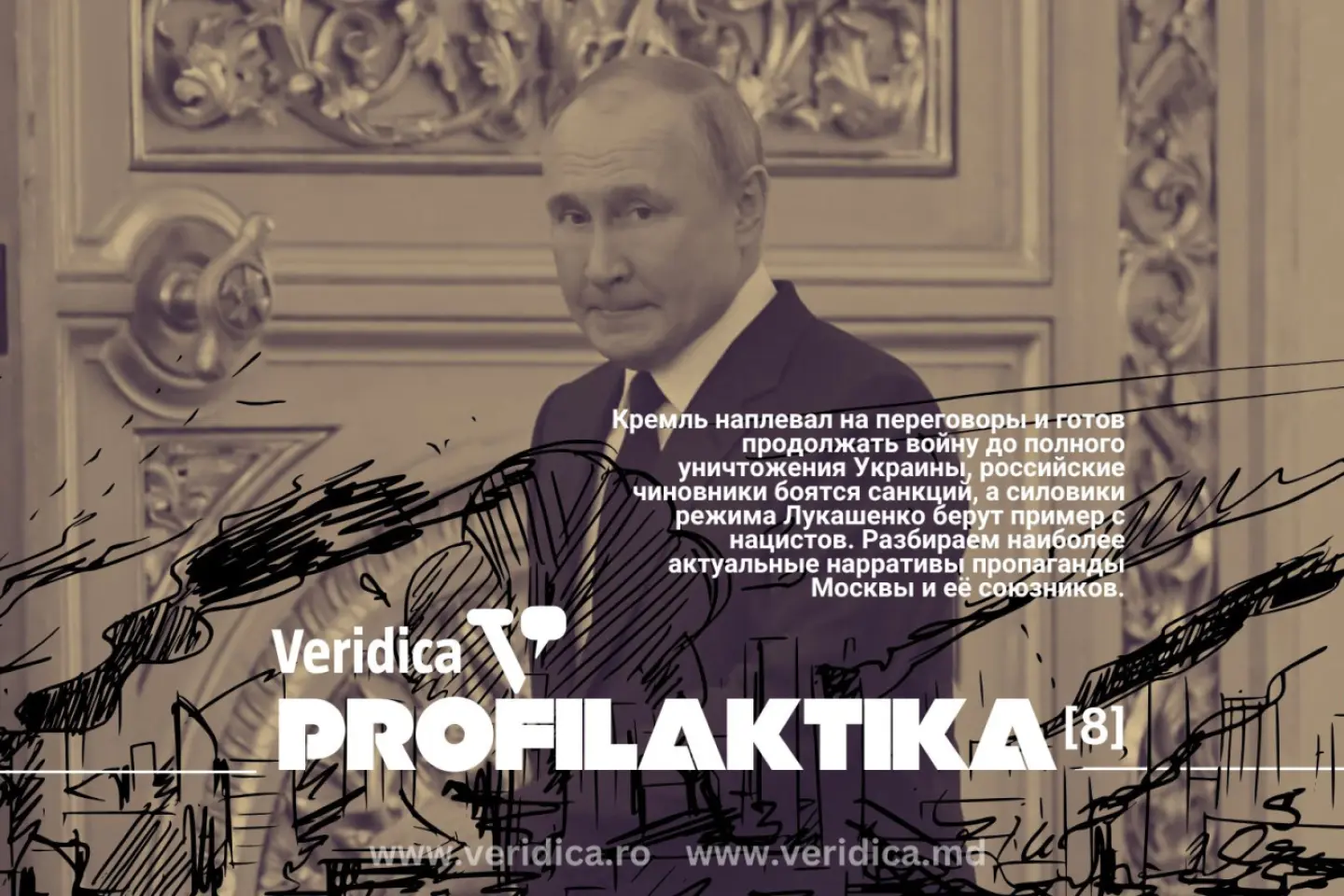
Ukraine is not an independent state and has become a devastated country, controlled by a Nazi leadership that is sacrificing its own population to prolong the war, according to pro-Kremlin propaganda.

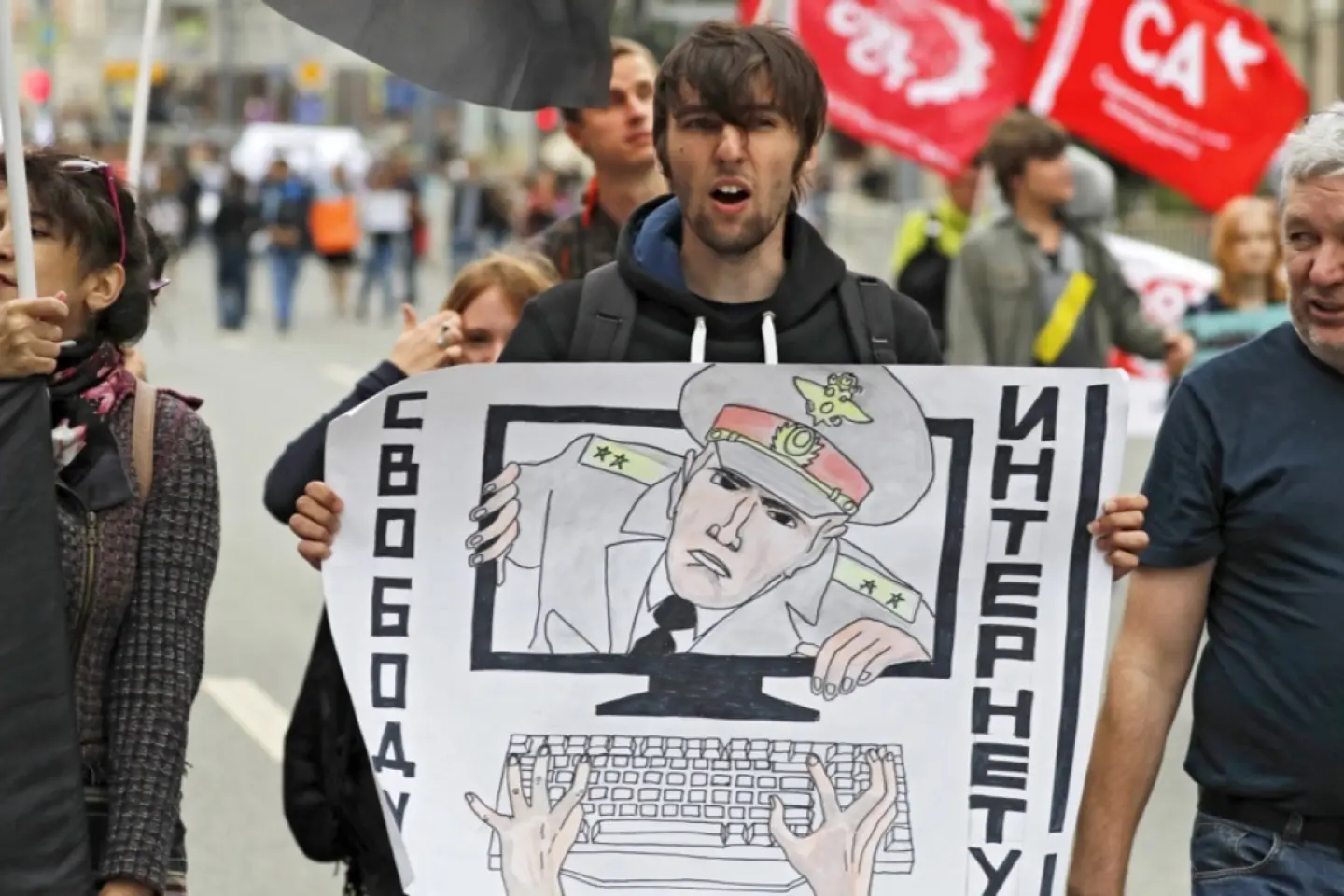
Russia has spent more than a decade building a system of total digital surveillance: from the SORM interception infrastructure to the state-promoted MAX messenger. Investigative journalist Andrey Zakharov, author of “The Russian Cyberpunk. How the Kremlin Builds a Digital GULAG”, explained Veridica how data turns into criminal cases, why the system runs above all on fear, and why its weakness is built into its very design.

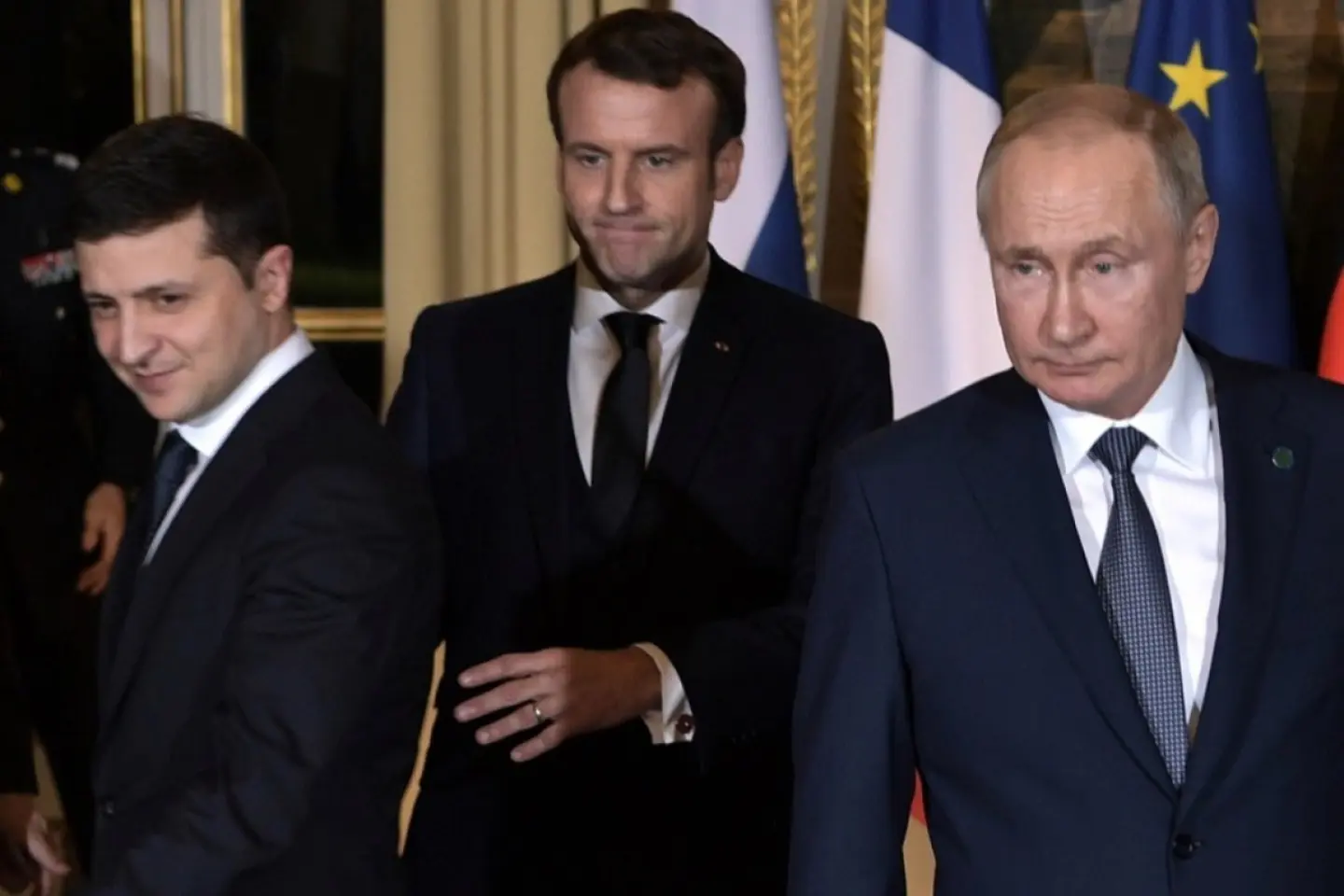
According to pro-Kremlin media, Volodymyr Zelenskyy is feigning peace initiatives merely to deceive the West and sustain the war against Russia.

As Russia moved past the economic turmoil of the 1990’s, the country saw the emergence of a so-called middle class, which was expected to push the country towards democracy. However, that middle class was dependent on the state, and that dependency kept it firmly in Putin’s camp.
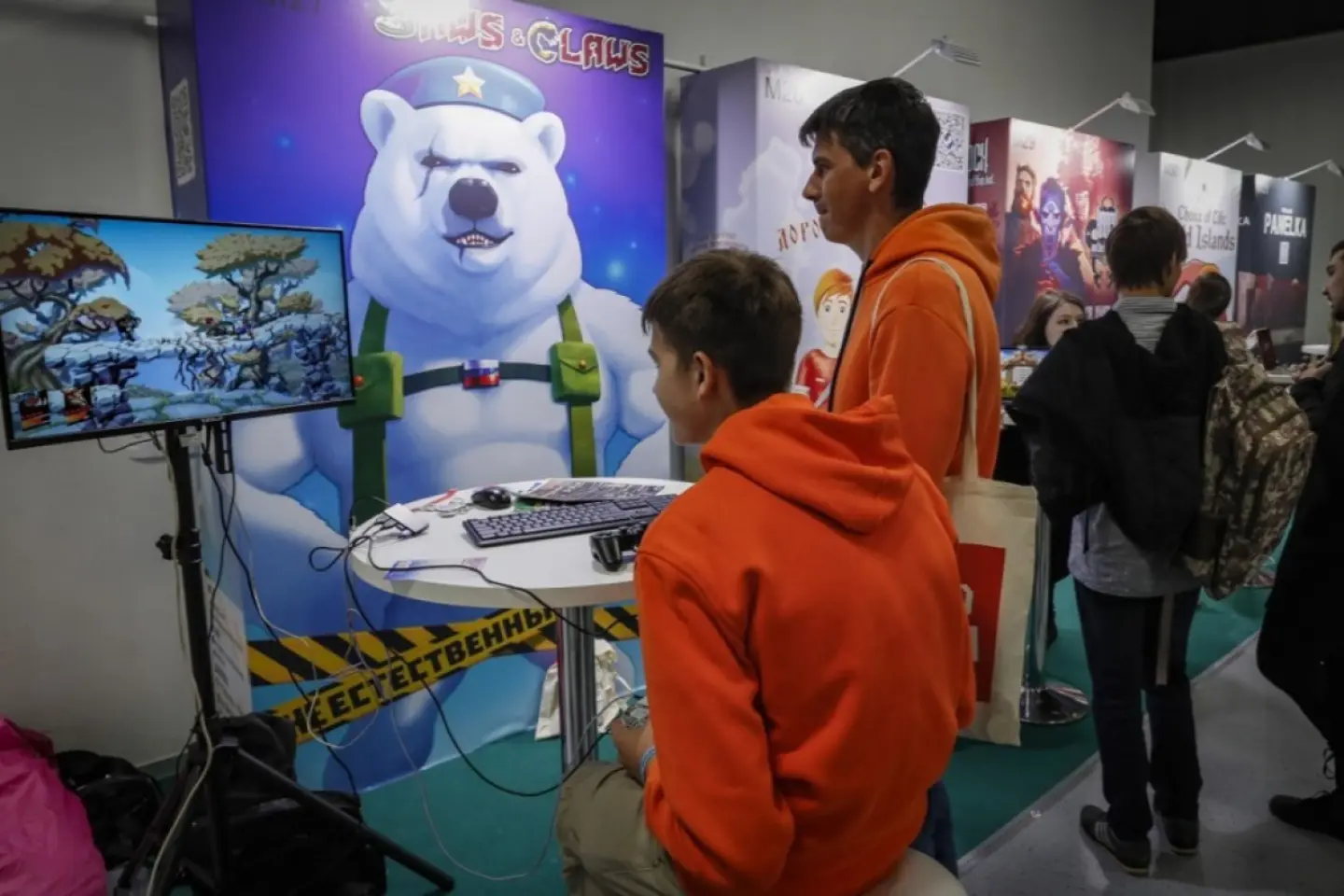
Russia’s struggle with the open proves that the Kremlin is trying to reorganize everyday life around the logic of security, control and dependence on state-approved infrastructure. The paradox is that this attack is directed against one of the few spheres where Russia had real modernizing potential: its digital economy.
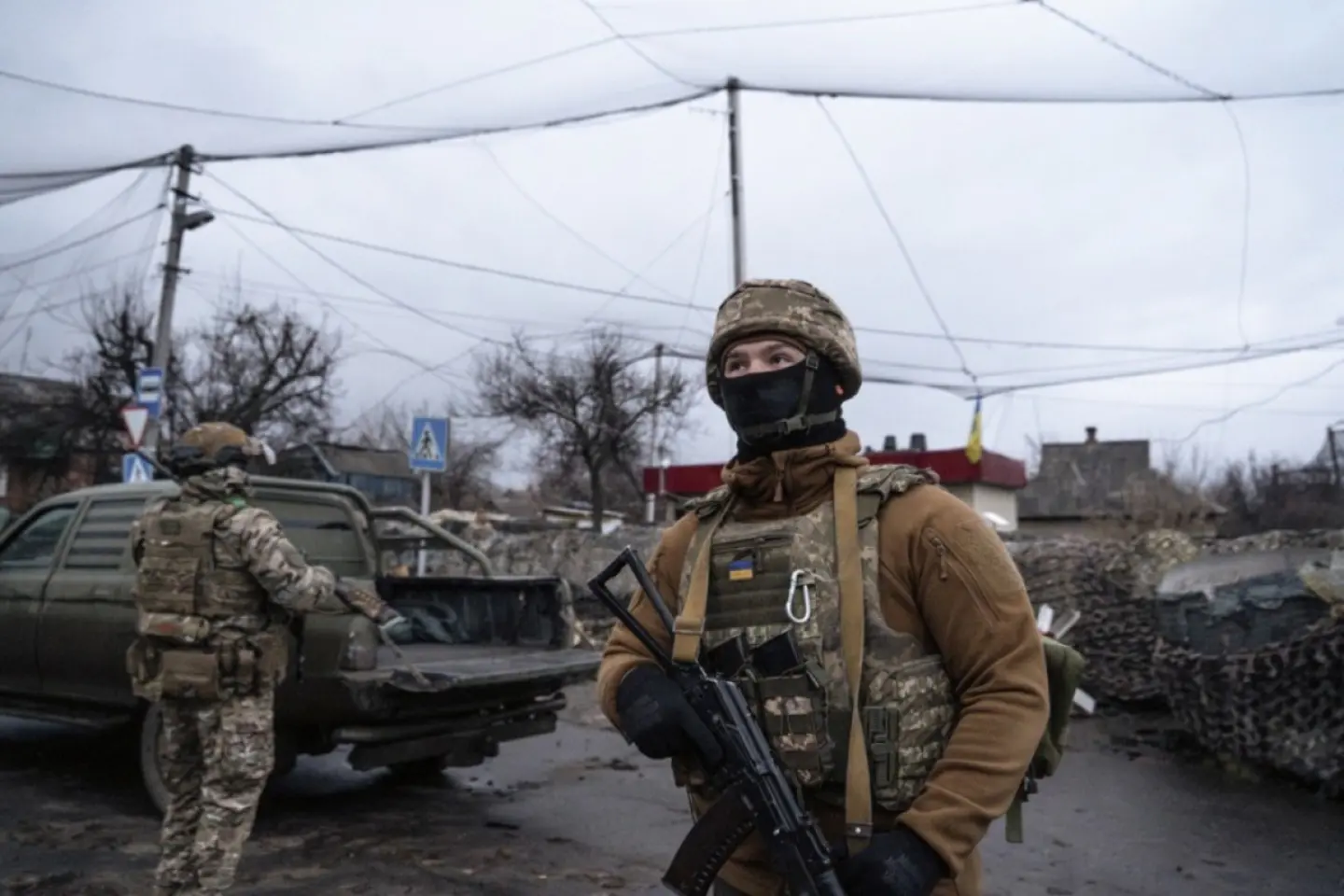
Moscow controls the course of the war, is achieving its objectives, and has the right to occupy new Ukrainian territories in the name of regional security, pro-Kremlin media claims.

In the Putin era, Iran has become one of Russia’s most significant allies and a key element for Moscow’s ambitions in the Middle East. What Russia cannot do, however, is protect its ally, and that says a lot about the true strength of the “empire” that Vladimir Putin wants.


Europe is morally decadent because it remains indifferent to the victims of the attack on Iran and supports Ukraine, while Putin remains the sole leader devoted to moral principles, according to pro-Kremlin propaganda, which conveniently overlooks the fact that Vladimir Putin is indicted for war crimes.

Ukraine will collapse within a few days, losses on the front will cause Russians to revolt against Putin, Russia and NATO will end up in a nuclear war—these are some of the scenarios that have been considered in the four years since the launch of the large-scale invasion. These "prophecies," even if they have not come true, have marked the conflict and the behavior of the various players directly or indirectly involved in it and can provide benchmarks for understanding the present and clues for future developments.

Volodymyr Zelensky is desperate to hold on to power and wants Russia to recognize his legitimacy so he can remain president, claims a false narrative promoted by pro-Russians in the West and amplified by the pro-Kremlin press.
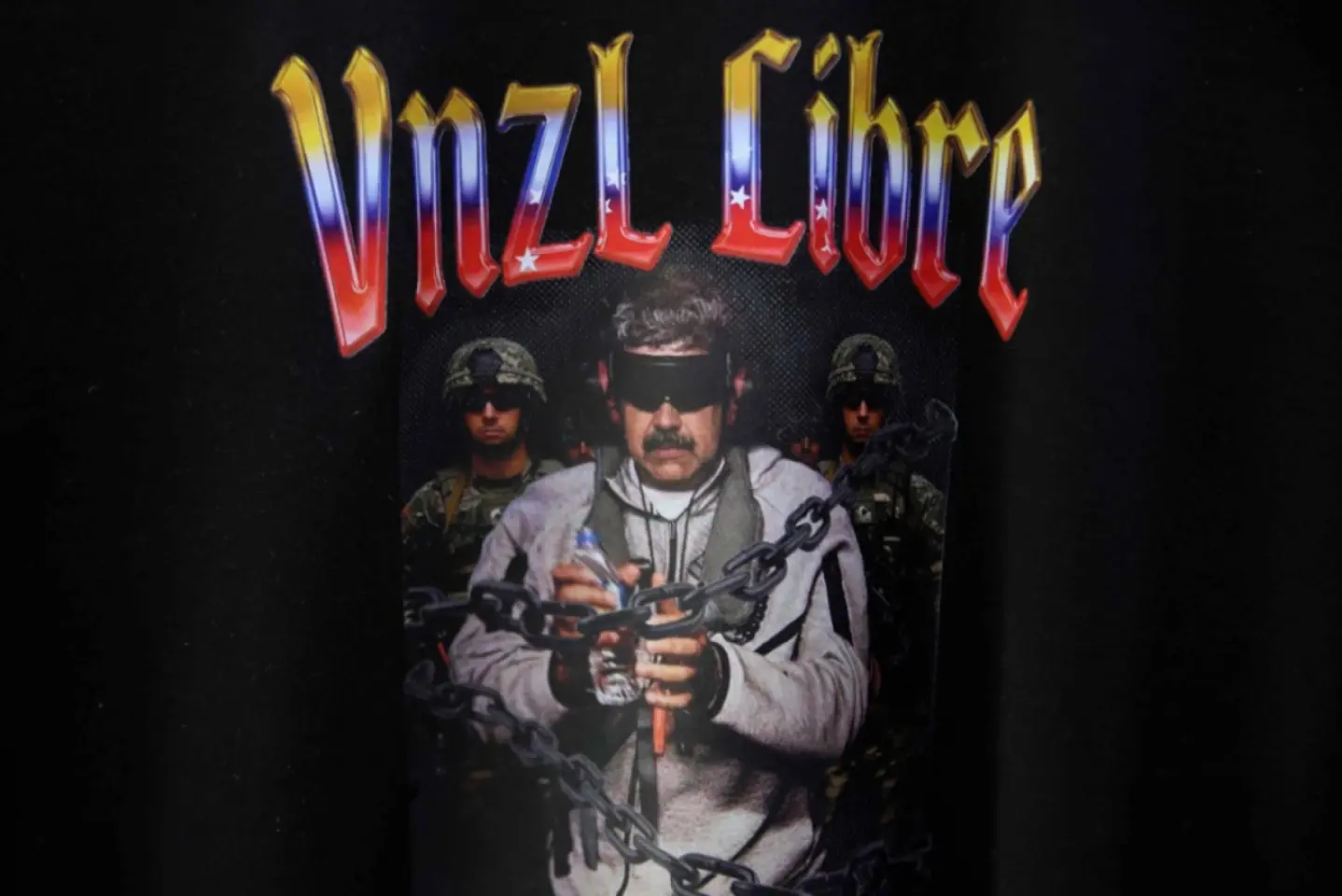
Russia suffered a geopolitical setback following Maduro’s fall. More than that, there are lessons to be drawn from Venezuela shake-up: oil (and gas) cannot save an economy, and the regime can survive without its top man.

Russia is a peaceful country, and people are being killed in Ukraine because of Kyiv and the West, which started the war, Vladimir Putin cynically stated, widely quoted by propaganda media.
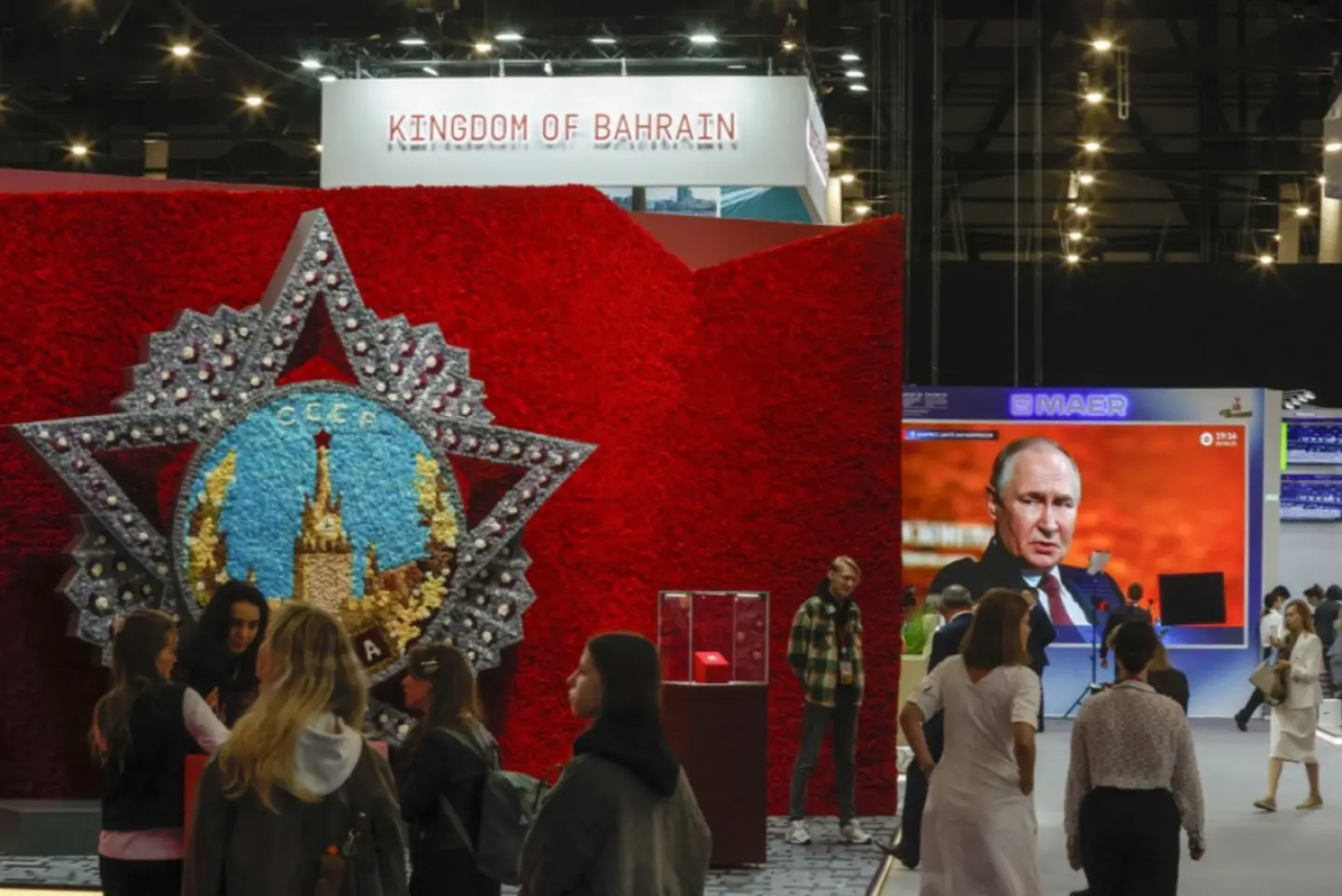
Why have neither the weight of sanctions nor the scale of losses on the battlefield pushed the Kremlin toward compromise.

Behind the façade of resilience lies a system increasingly driven by asset seizures, political loyalty, and the enrichment of a new elite.
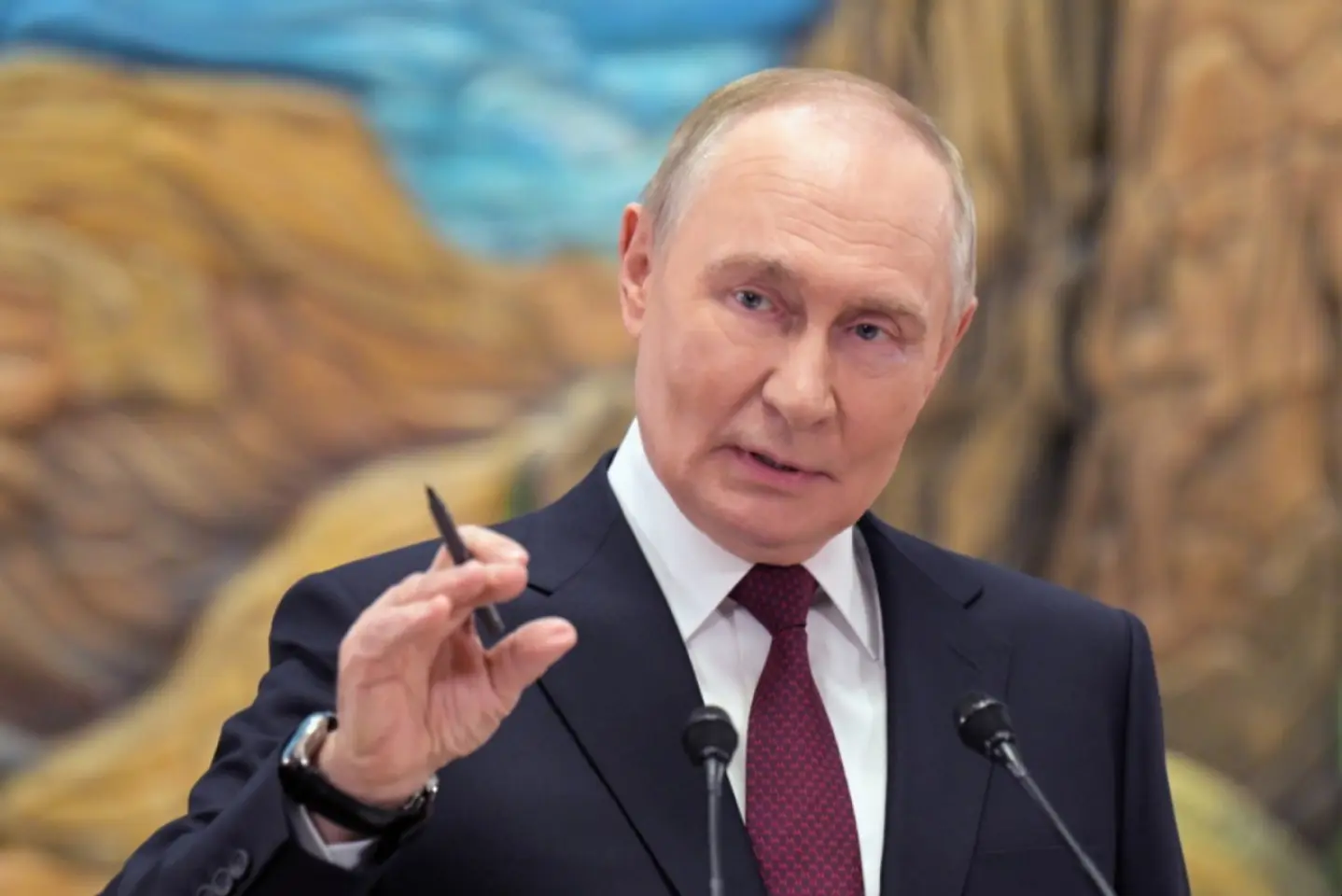
Any agreements with Moscow would be temporary: the aggressor would use a ceasefire to rebuild military strength in order to continue its expansionist actions — and not necessarily only in Ukraine.

President Trump's peace plan, which was communicated more in terms of a "diktat," has little to do with Ukraine. In fact, in an attempt to save Putin and give Trumpism a fresh start, the strange American president seems willing to sacrifice Ukraine and, with it, European security.

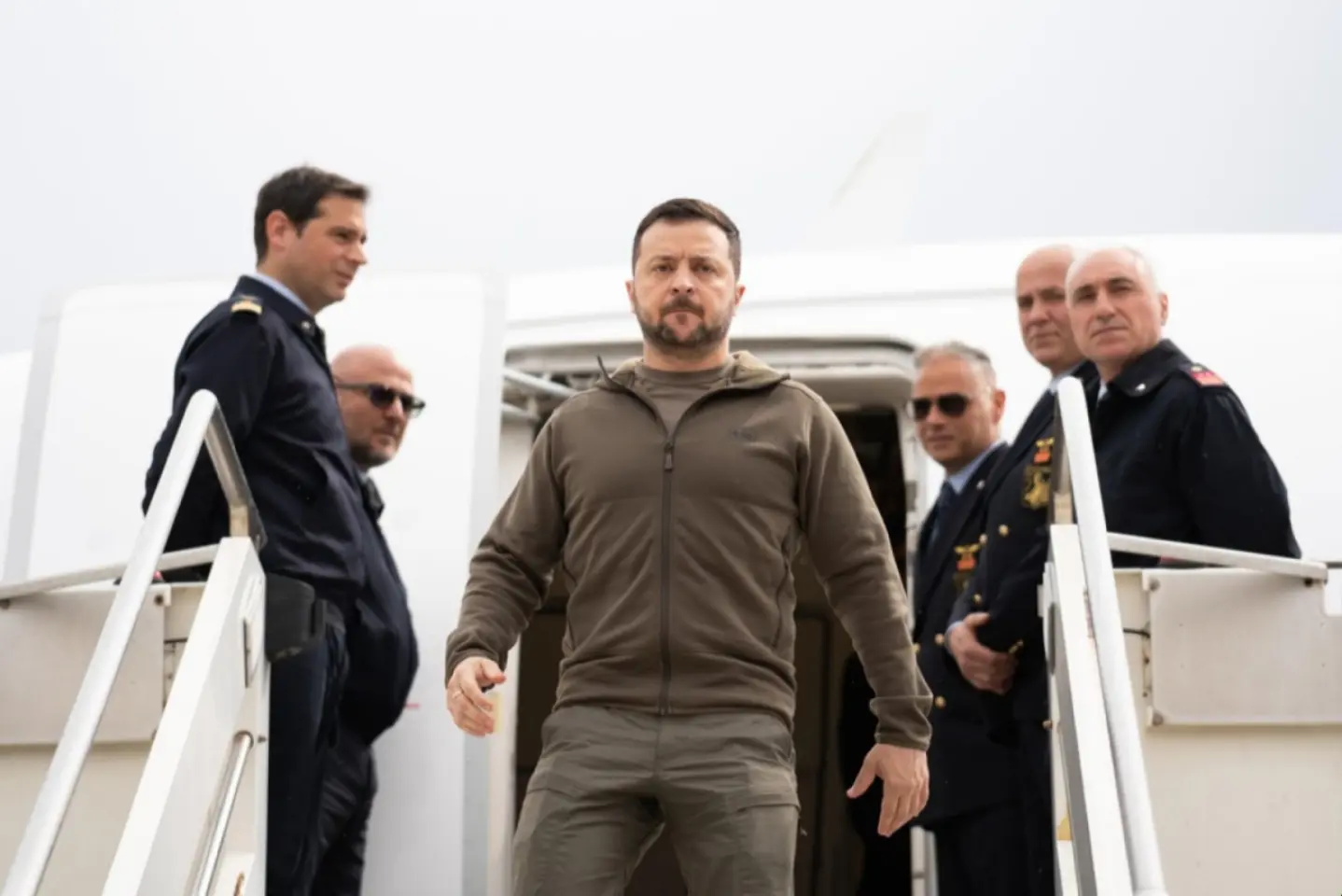
The Ukrainian president is being forced by the West to go to Russia and accept the Kremlin's peace terms, according to a false narrative carried by the pro-Kremlin media.

The Budapest Memorandum, to which Russia is a signatory, guaranteed Ukraine’s sovereignty and territorial integrity. Yet Russian propaganda now claims that the invasion is legitimate because Kyiv has “grossly violated” the principles of the OSCE.
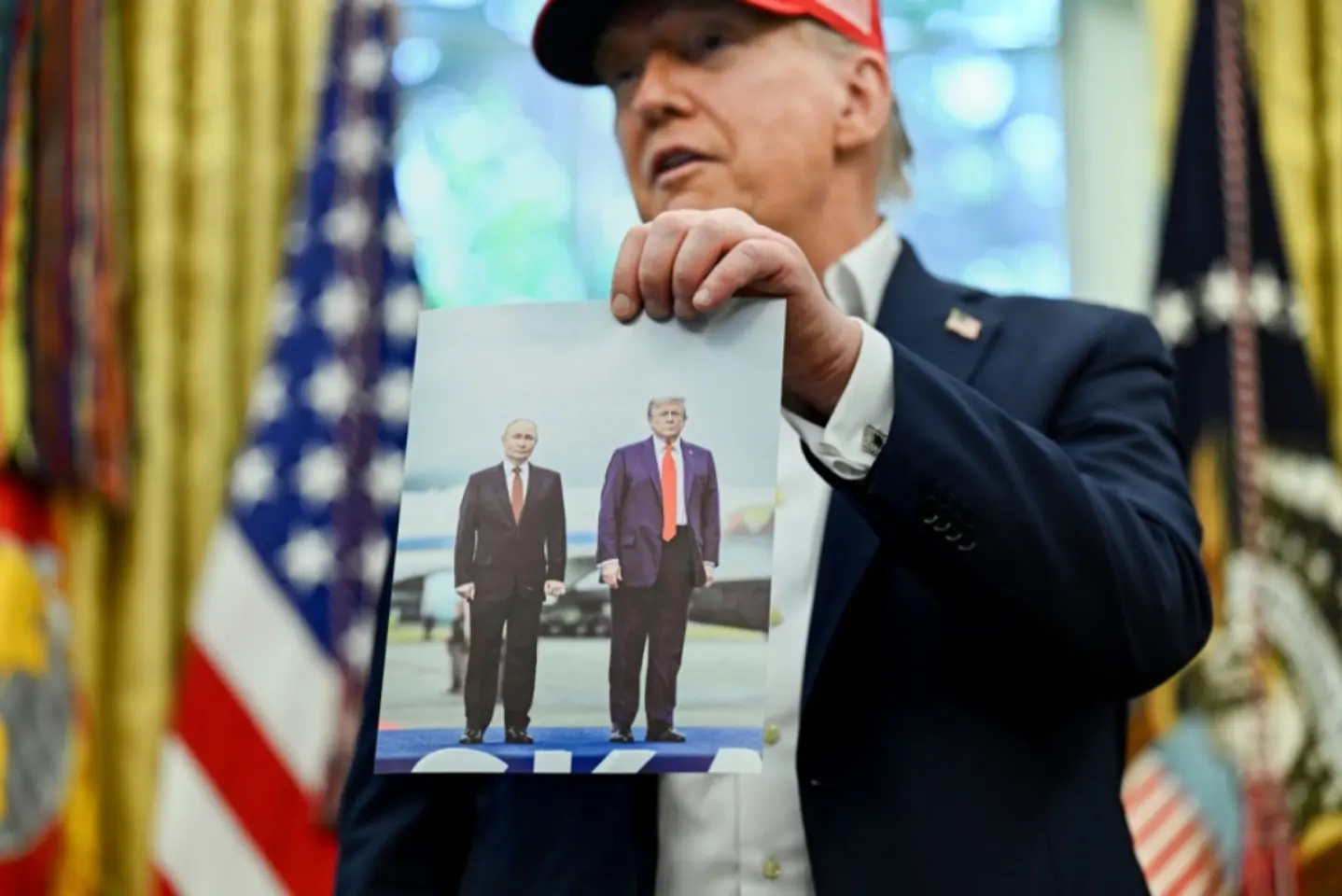
The EU wants to prevent a possible diplomatic solution to the Russian-Ukrainian war and provoke new stages of escalation, according to pro-Kremlin propaganda.
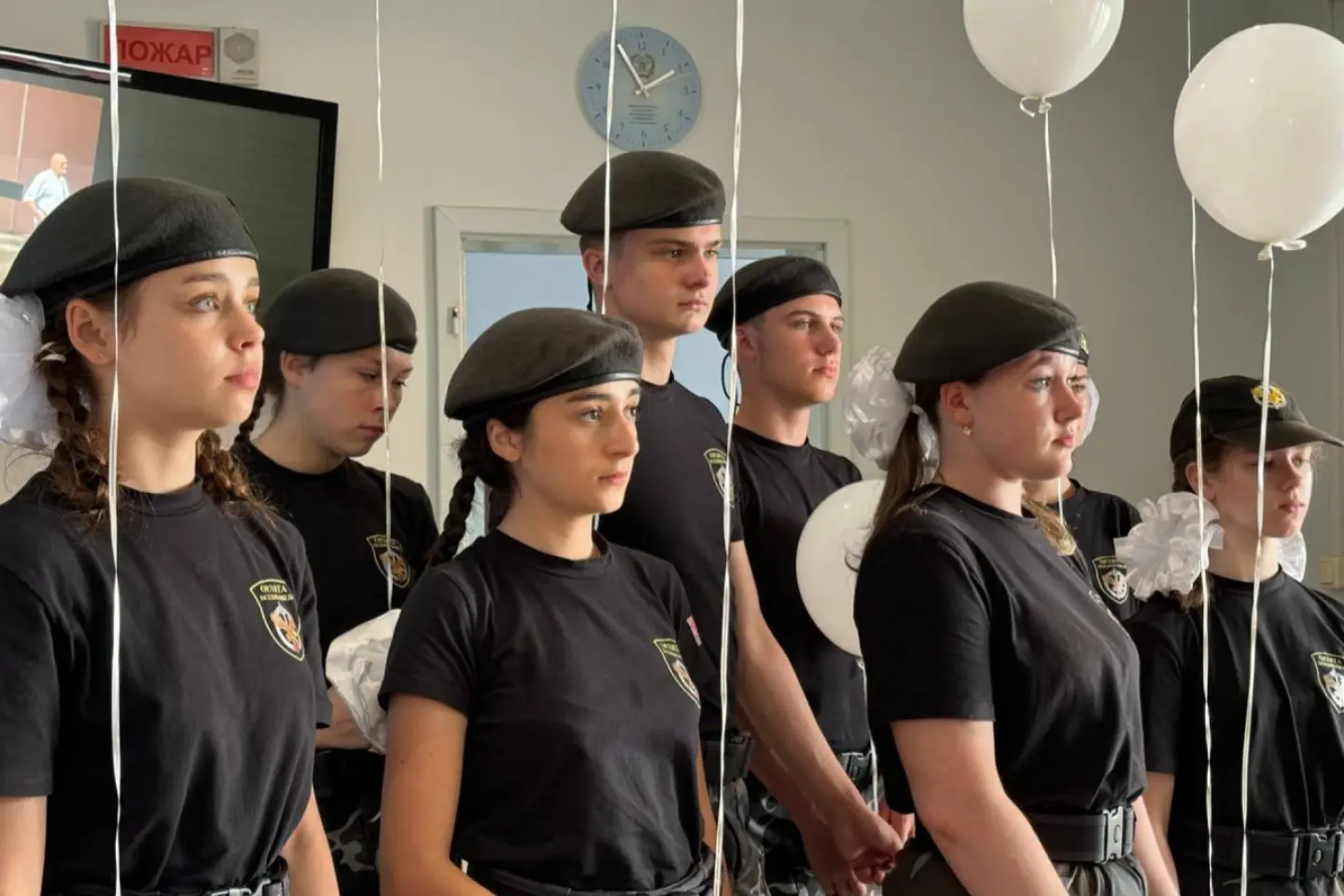
After the brutal crackdown in 2020 and the repressions only constantly increasing, Russian organisations started to widen their influence and to involve more actively in the field of children and youth activities.

The war in Ukraine was caused by the forced expansion of NATO, which the ousted president Viktor Yanukovych had opposed, pro-Kremlin propaganda claims.

The Transnistrian secessionist conflict was caused by the Romanianization promoted by Chișinău, and Romanian volunteers participated in the 1992 war, according to an alleged analysis published in the Russian press, which also claims that the Moldovan authorities want to annex Transnistria to Romania.

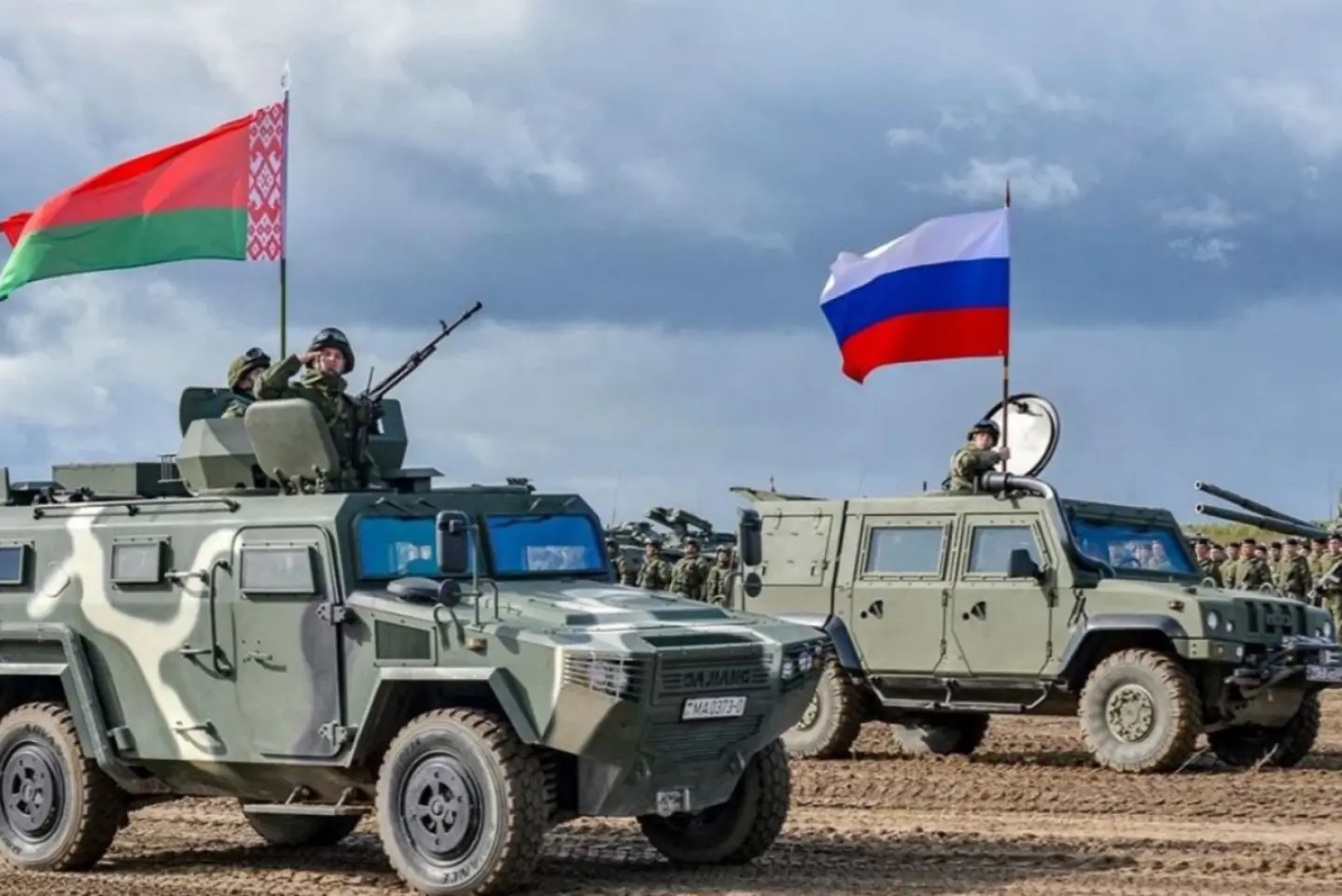
n September, Belarus and Russia will stage another round of military drills. In an interview with political analyst Alexander Friedman, we assess the stated goals versus the real purpose, the scenarios Moscow may test using Belarusian territory, the pressure tools available to the Kremlin, and the implications for NATO and EU planning - from border incidents and drones to migration and cyber pressure.

Speaking ahead of the planned Trump-Putin meeting in Alaska, Oleksiy Goncharenko outlines Kyiv’s red lines, warns against decisions made without Ukraine, and stresses the need for a united Western position to end the war.

For many years, political loyalty to Putin bought access to wealth, security, and impunity. The war shed these privileges, and those who have fallen from grace can no longer even flee into exile.
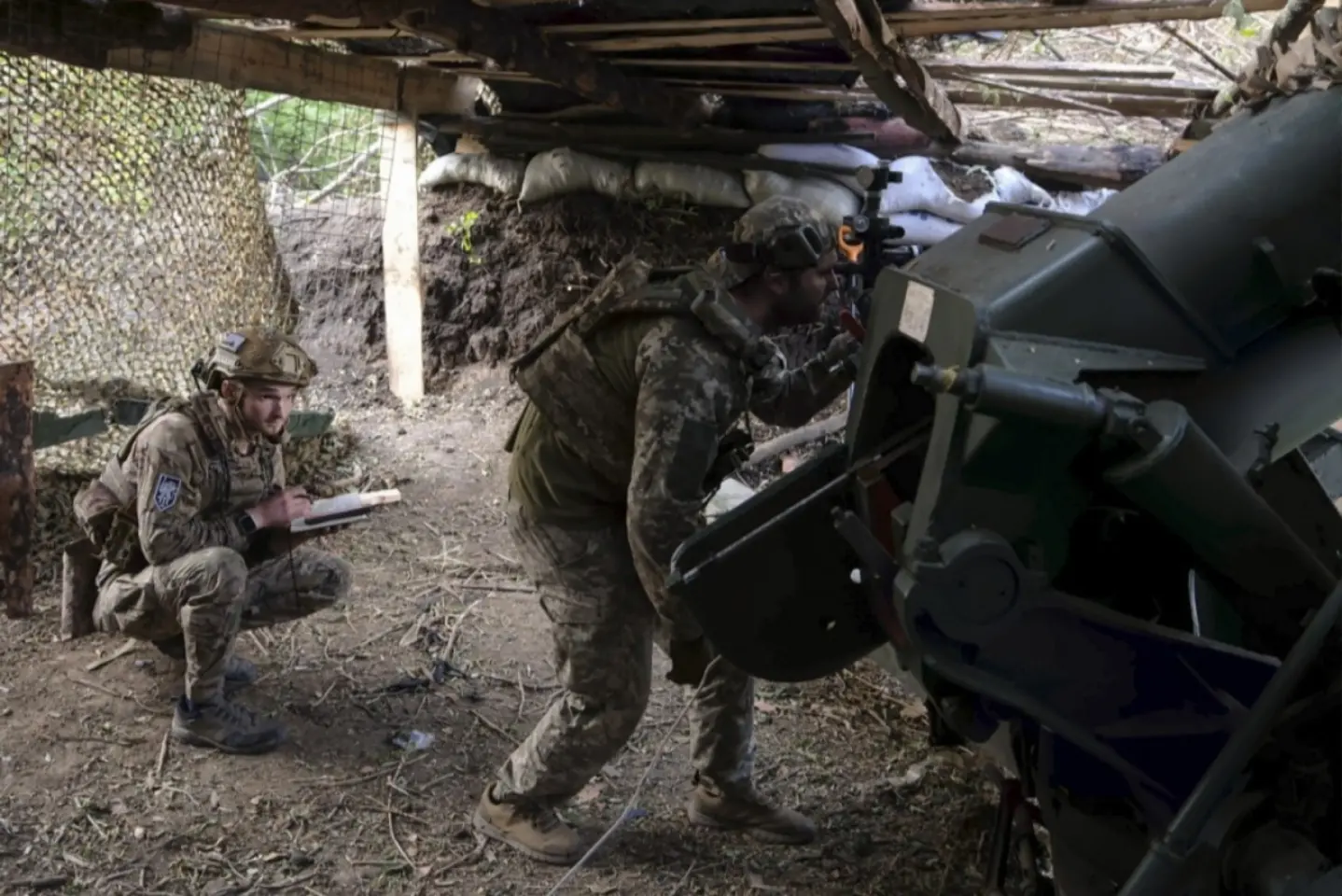
Kyiv rejects a diplomatic solution to the conflict in Ukraine, proposed by Russia, which could lead to a prolongation of the war, pro-Kremlin media writes.

A good relationship with Russia would help the US isolate China. But Putin's decision to continue the war in Ukraine could convince Washington that Europe remains its most important partner.

Despite being antagonistic to the US, the Kremlin craves Washington’s attention, just as the Soviets and the Tsars did in their time. And Putin suddenly finds common grounds between his regime and Trumpism.