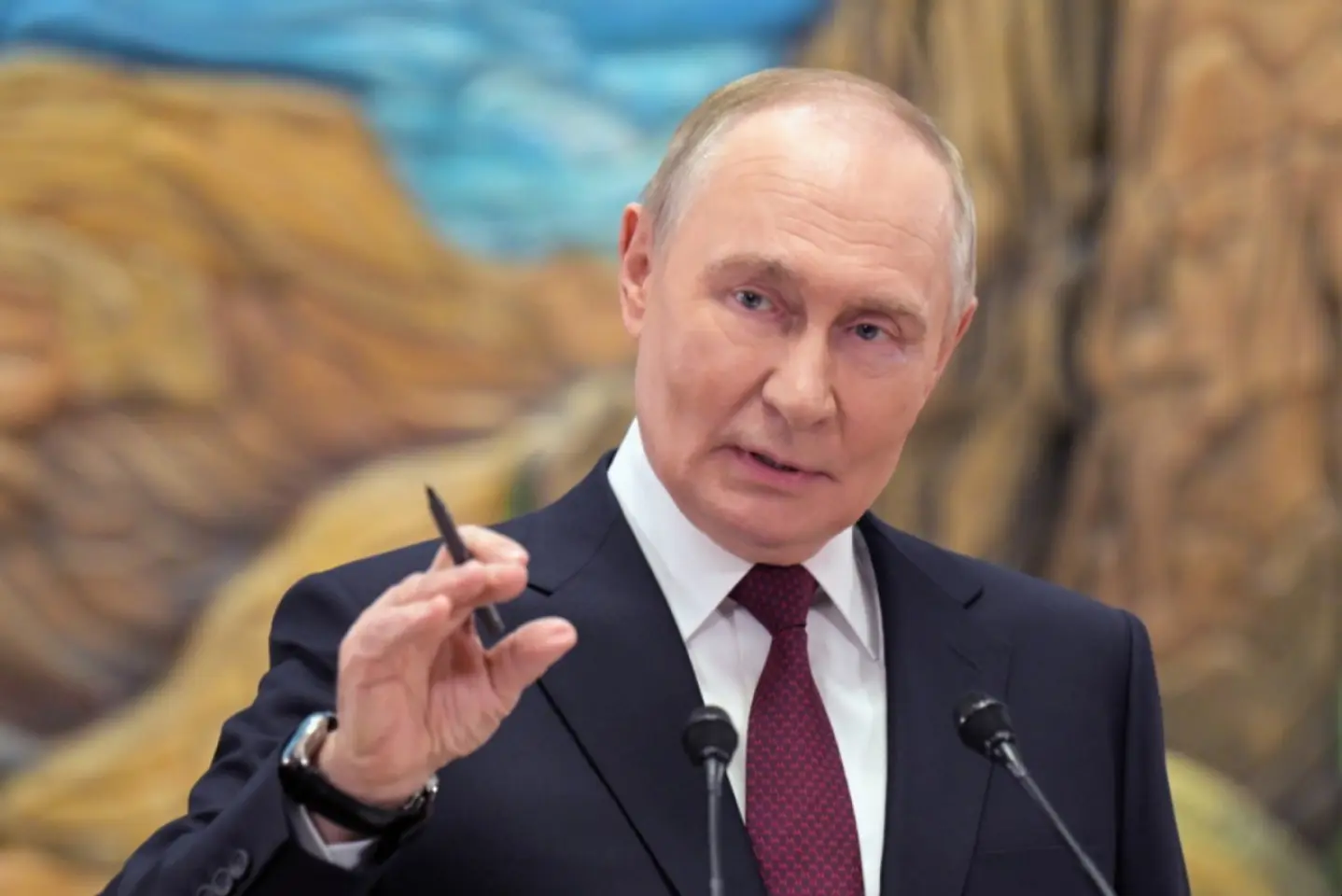
Against the background of pressure from the Trump administration on Kyiv to agree to a ceasefire with Moscow, Russian President Vladimir Putin held an emergency meeting with the permanent members of Russia’s Security Council. Amid the usual statements about his desire for a “peaceful resolution of the conflict”, blaming Europe for the war, and offering compliments to Donald Trump, Putin also made a couple of noteworthy remarks. He once again confirmed his intention to eliminate Ukraine as a subject of international politics and his readiness to send as many Russian citizens into the meat grinder of war as necessary to achieve this goal:
“If Kyiv does not want to discuss President Trump’s proposals and refuses them, then they — and the European warmongers — must understand that the events that happened in Kupiansk will inevitably be repeated in other key sectors of the front. Maybe not as quickly as we would like, but inevitably it will be repeated. And overall, this suits us, since it leads to achieving the goals of the special military operation by military means, through armed struggle”.
Firstly, one has to note that Putin presents the capture of Kupiansk by Russian forces as an accomplished fact, even though not a single source aside from Russian propaganda confirms this. This raises questions about whether he is actually well-informed about the real situation in the Russian military and on the frontlines. Against this background, Putin’s claim that “Ukraine and its European allies remain under illusions and dream of inflicting a strategic defeat on Russia on the battlefield” becomes even more ironic — since it is precisely speeches like this that are meant to create the illusion of Russian success in every dimension.
Secondly, it is amusing how the Moscow dictator boasts about this imaginary achievement — as if they had not captured a settlement smaller than a Moscow district, but had won nothing less than the Battle of Stalingrad. Therefore, his threats that “this will inevitably be repeated” should provoke more of a smirk from the audience than fear.
Thirdly, statements like these once again demonstrate the Kremlin’s unwillingness to make any concessions in the negotiation process: their goal remains the dismantling of Ukrainian statehood and gaining full control over all Ukrainian territory in one form or another (whether through annexation or a pseudo-independent protectorate). As a result, any agreements with Moscow would be temporary: the aggressor would use a ceasefire to rebuild military strength in order to continue its expansionist actions — and not necessarily only in Ukraine.