
An add that suggested grilling “angry” Russians highlighted tensions regarding Estonia’s relations with its Russian minority. Many Estonians feel that the Russian community is loyal to and used by Moscow, while people within the community feel that their rights are being curtailed.

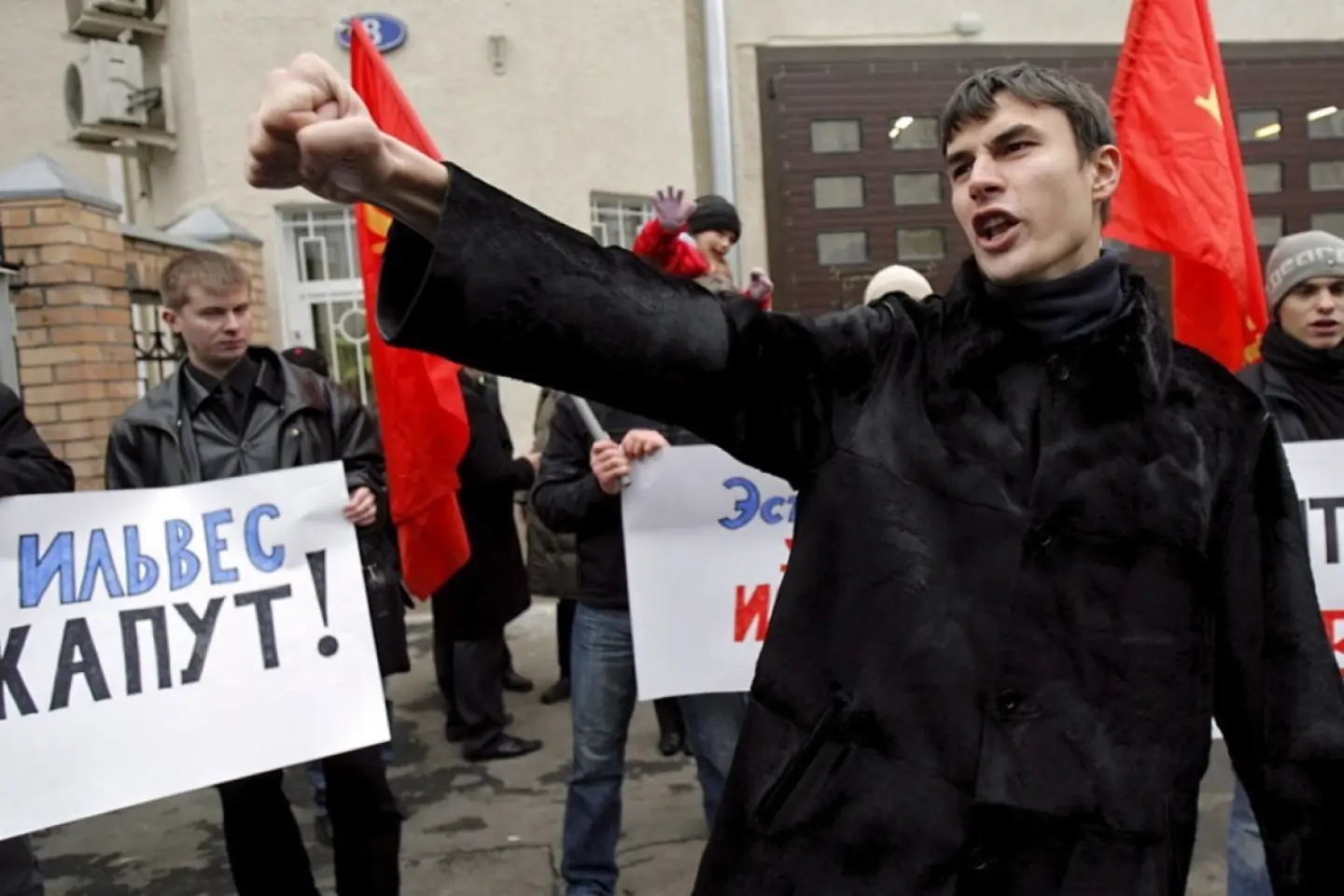
As symbolic embodiments of competing interpretations of history, Soviet monuments have sparked ethnic tensions and were at the center of the largest civil unrest since the restoration of independence.
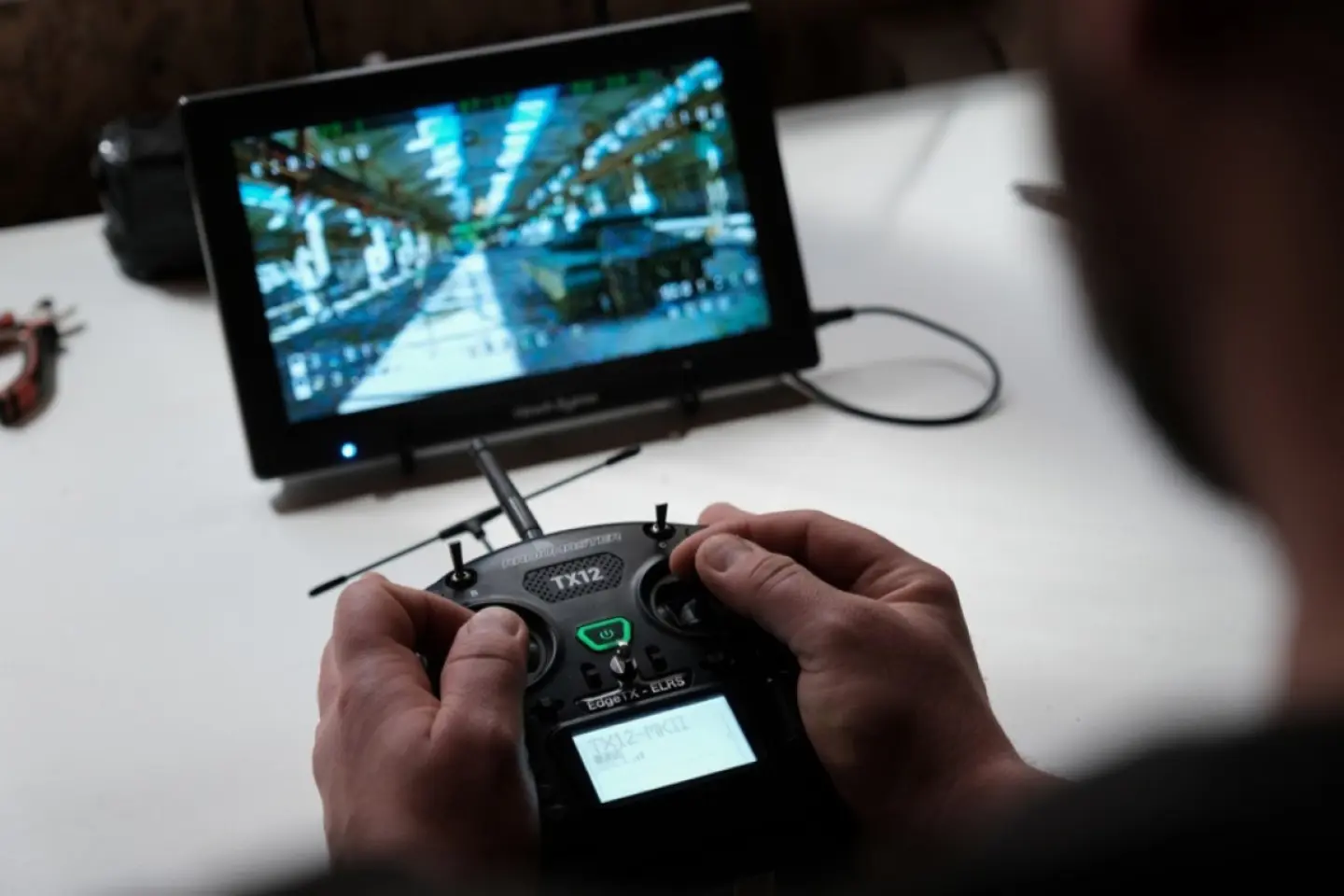
Ukrainian combat drones have repeatedly entered the airspace of the Baltic states. The incidents have generated political tensions, but also suspicions that Russia is the one who jammed and diverted the drones, given that the region has seen numerous Russian provocations in recent years.
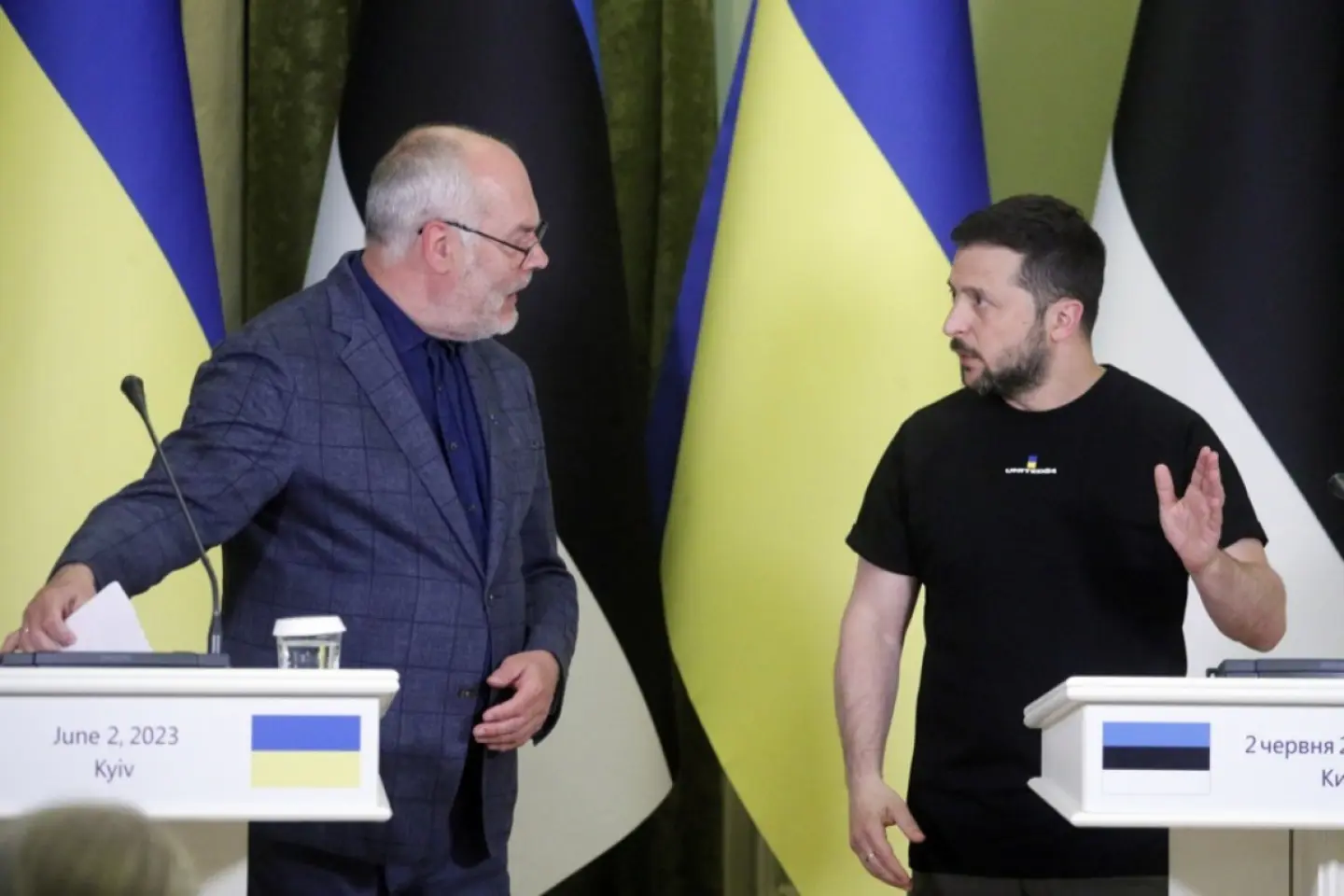
Ukrainian President Volodymyr Zelensky said in a national TV broadcast that Russia is preparing for a new mobilization that could be followed by an attack on the Baltic states. Contrary to the usual reaction, this statement triggered a strong negative response in Estonia.
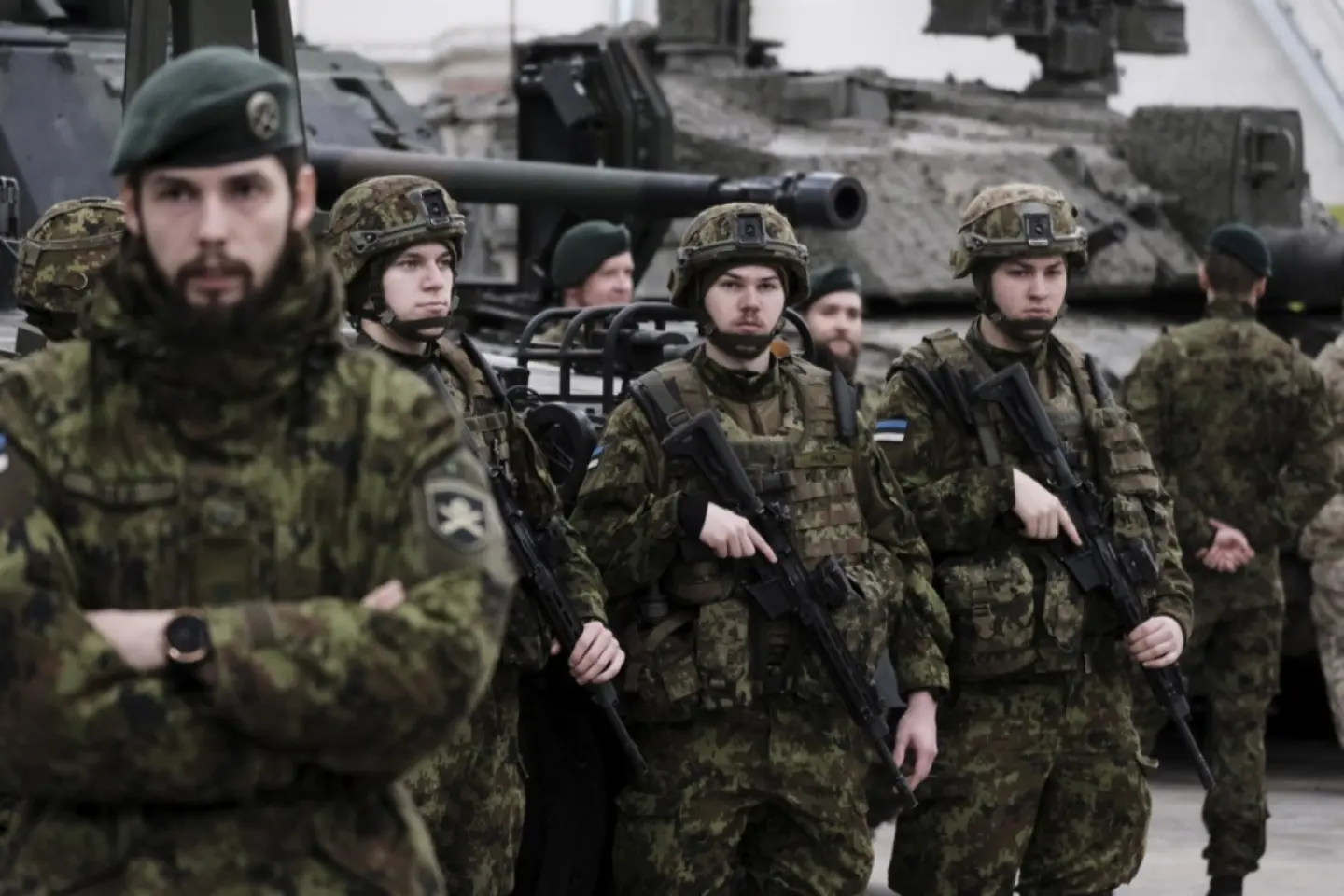
In March, Estonia once again made the news: social media groups dedicated to the non-existent “Narva People’s Republic” appeared, and a drone that had crossed from the eastern border crashed into a power plant near Narva.

February 2022 dealt a crushing blow to the sense of security.
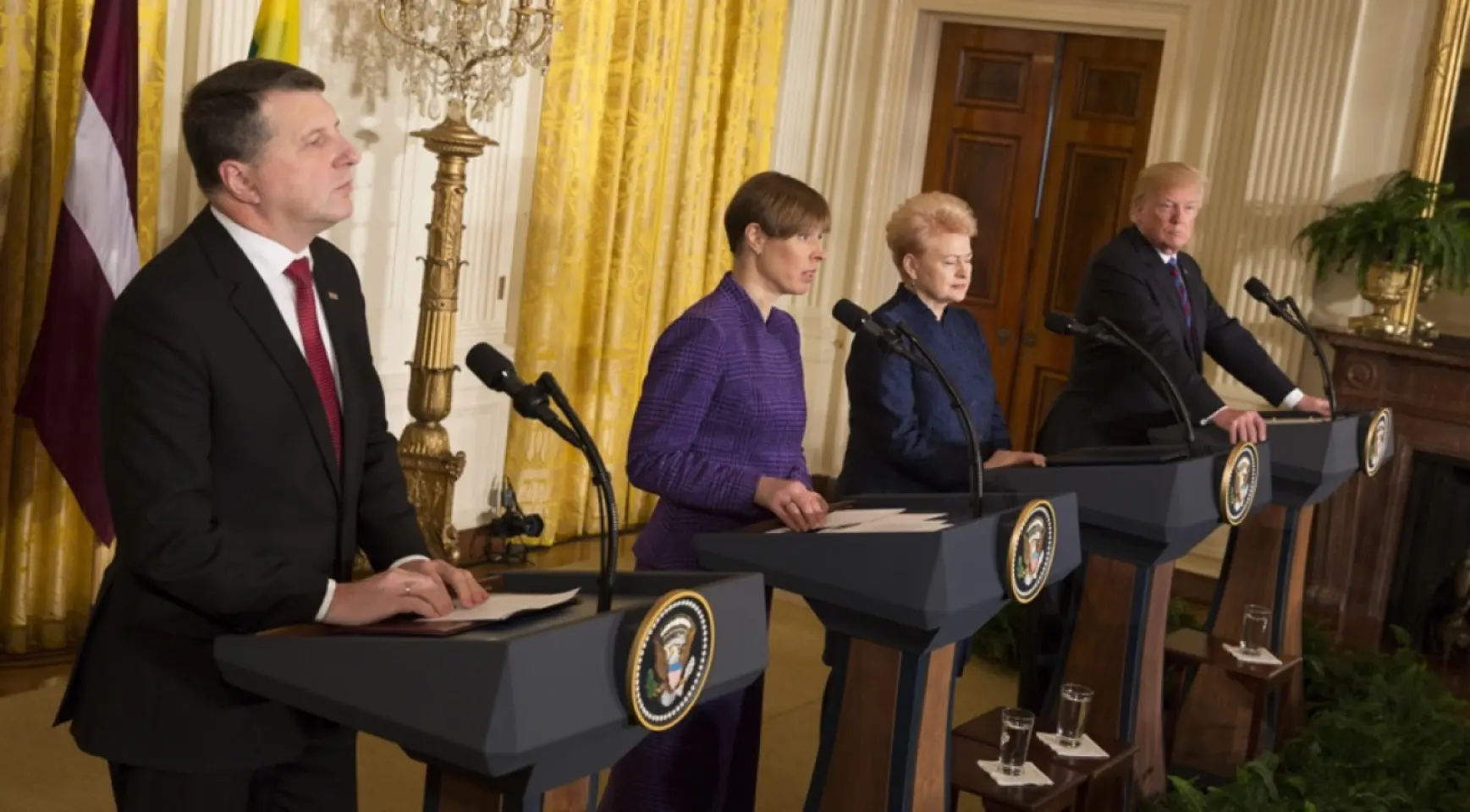
The U.S. president’s claims to Greenland have to be taken seriously, even if he confuses it with Iceland. In Estonia, the twists and turns of American politics are being watched with particular anxiety.

A simmering conflict is unfolding in Estonia between politicians from the ruling coalition and the incumbent president, who has made a number of decisions unusual for Estonia’s foreign and domestic policy.

An ethnic Russian influencer in Estonia was arrested after he spread Moscow’s narratives for years. Oleg Besedin had financial connection both with Russia and with Estonian political parties supported by the country’s Russian community.
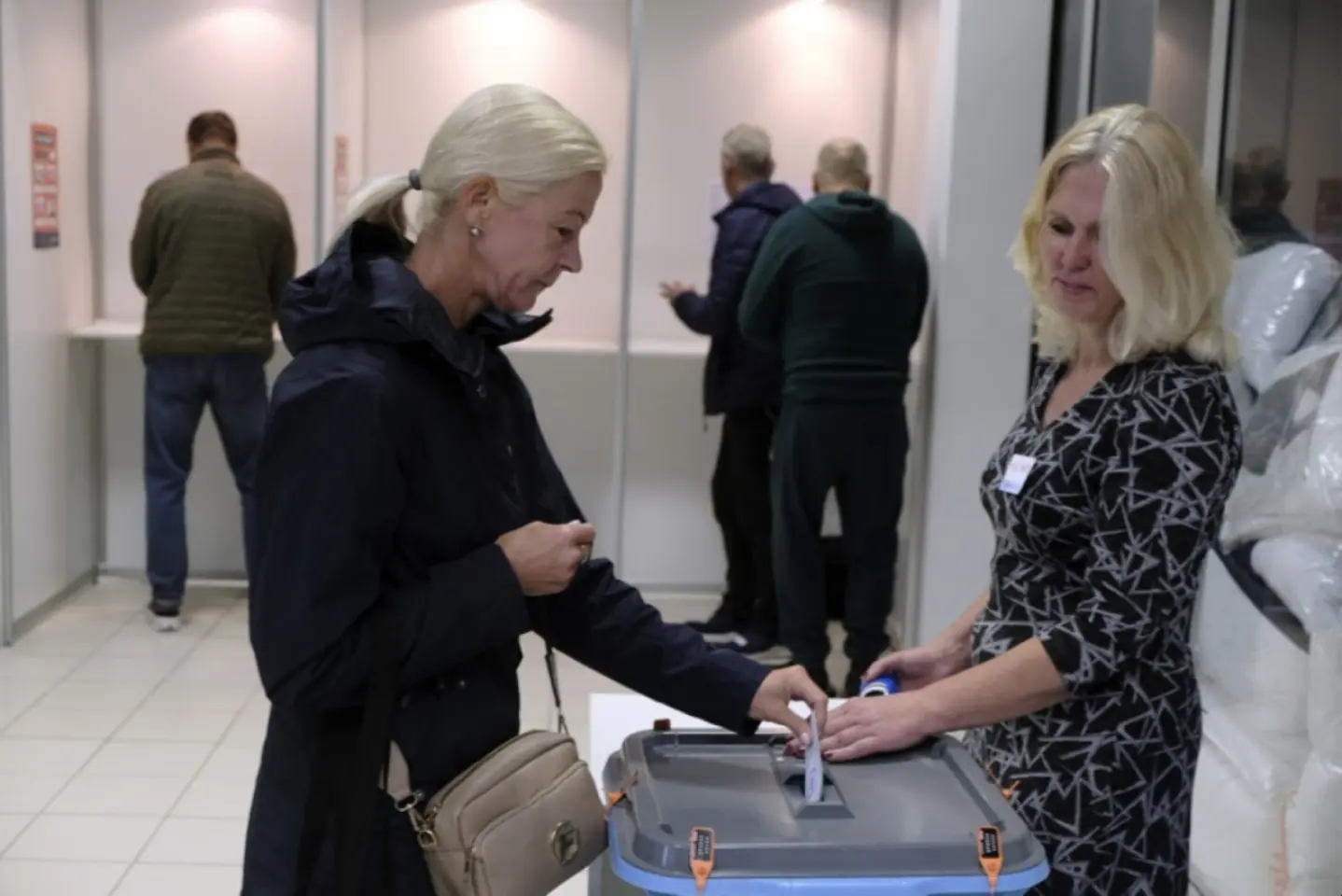
The parties that make up Estonia’s ruling coalition were crushed in the local elections by the party supported by the country’s Russian-speaking population. This may spell trouble – and a change in policy – for the parliamentary elections due in two years.
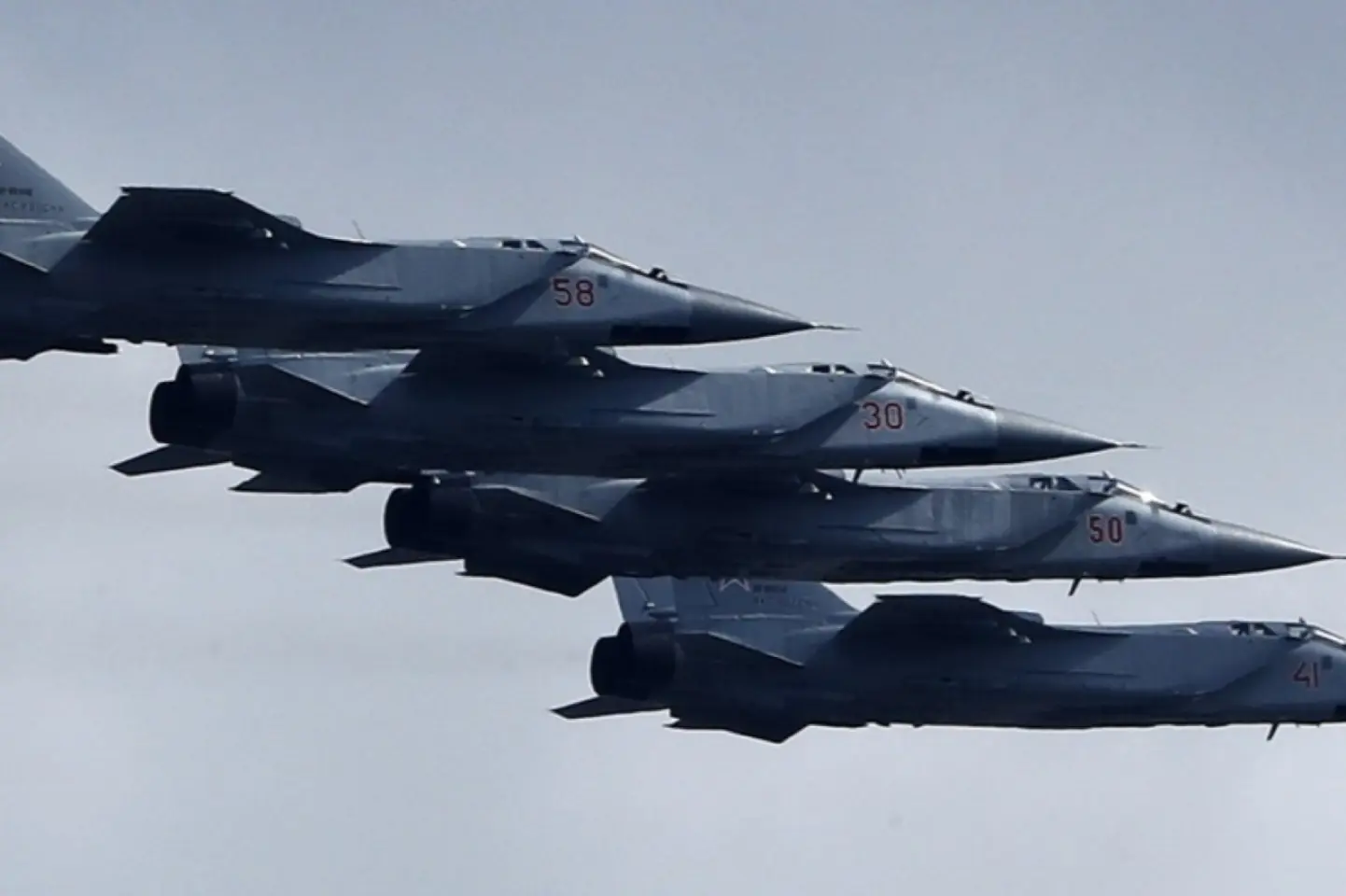
Expert: “I slept through the news about Russian MiG-31s flying over Estonian territory. That says something. If you had other things to do, it means this incident wasn’t that important”
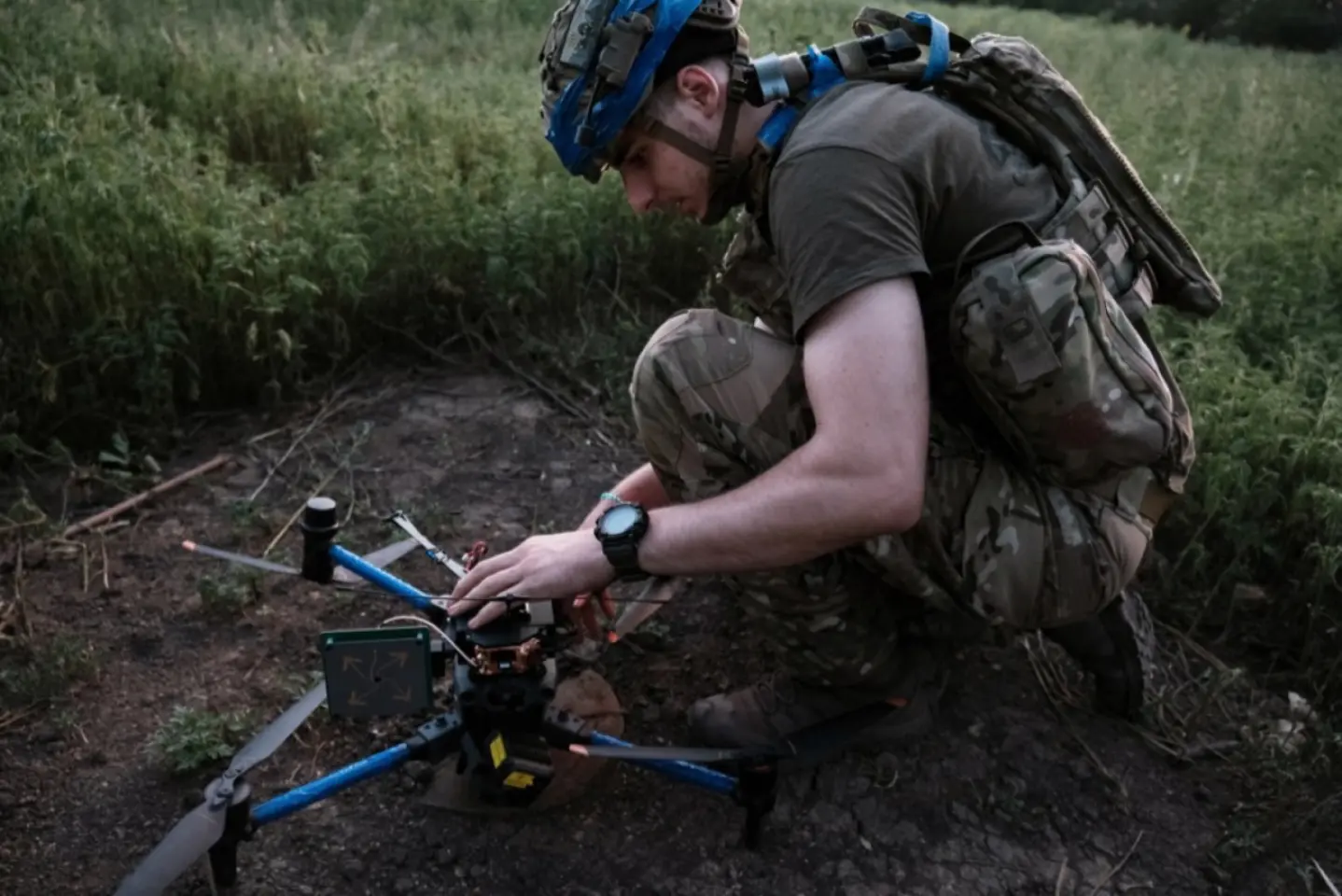
The war in Ukraine has shown that modern warfare is impossible without the involvement of drones.

Is EU’s top diplomat, Kaja Kallas, trying to punch above her weight?
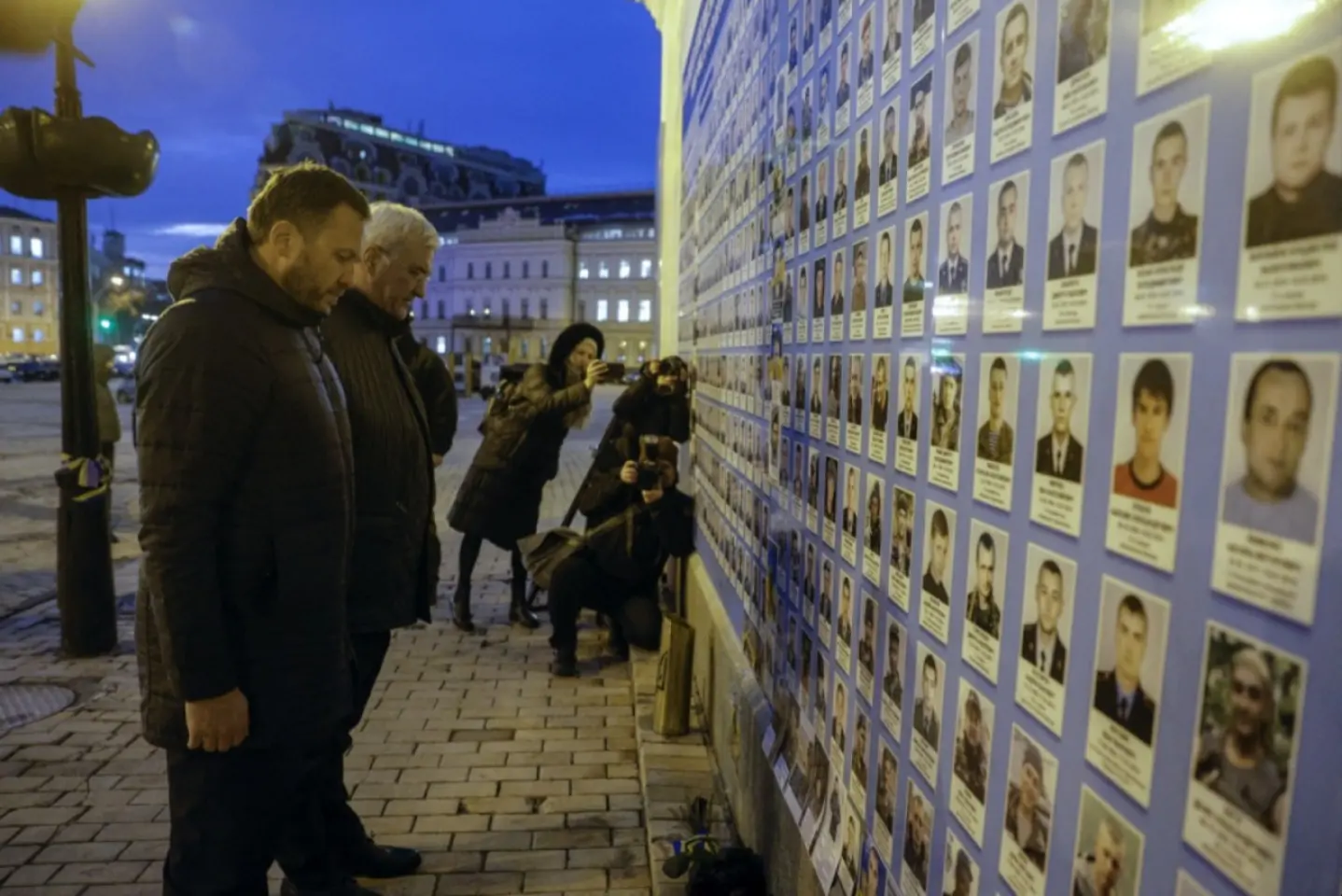
A study commissioned by the Estonian Ministry of Foreign Affairs in the spring revealed that the views of Estonian and Russian-speaking residents diverge significantly on most key issues of Estonia's foreign policy.
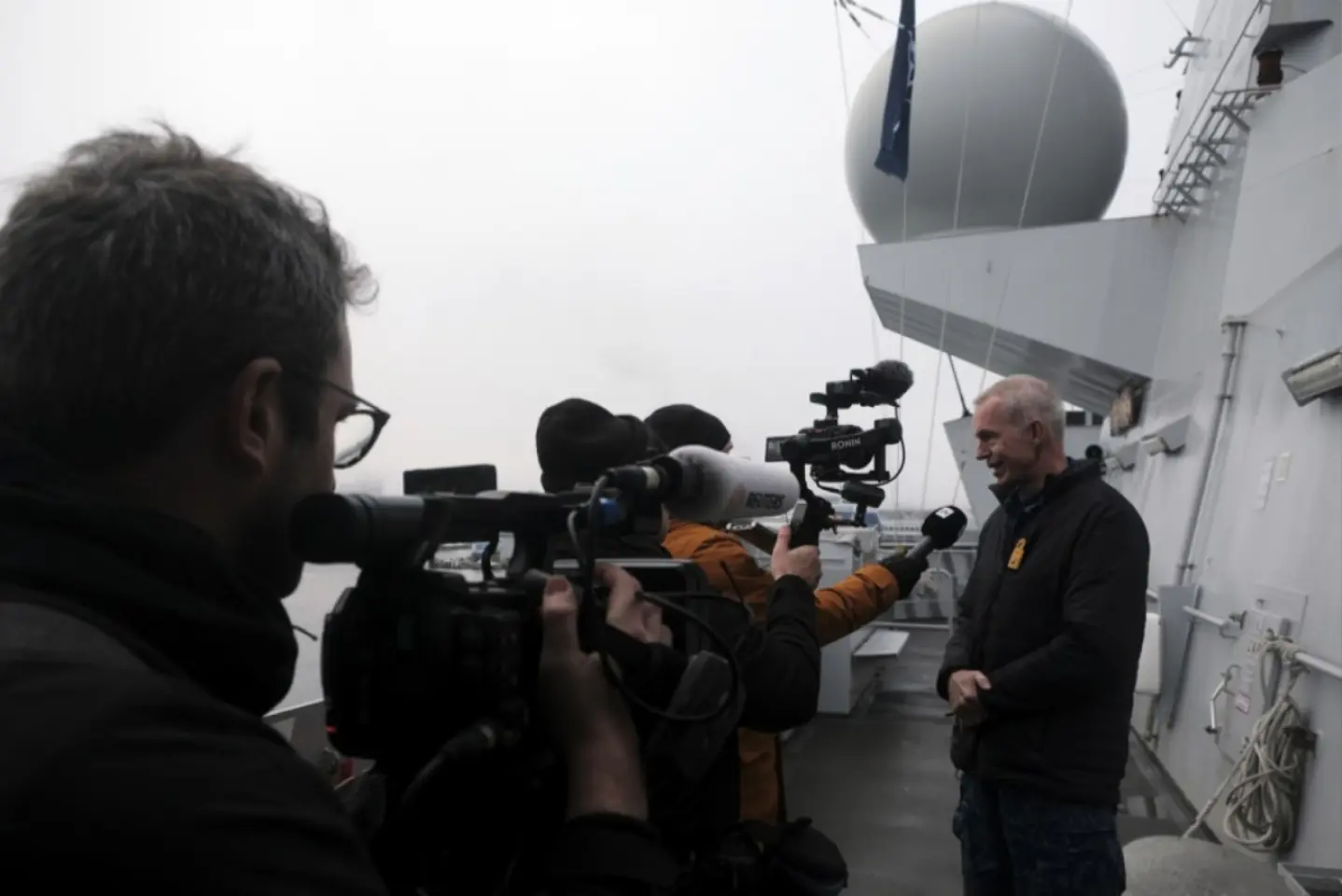
While Estonia leads in the press freedom ranking, Russian propagandists claim that Russian-language journalism is going through hard times in this Baltic country. However, the journalists themselves disagree with this assessment.

Amid the war in Ukraine, Estonia wants its Orthodox Church to cut ties with the Russian Patriarchy. The initiative could be unconstitutional.

Amidst the uncertainties surrounding American security guarantees, Estonia is also marked by a political crisis. The country’s far right is the only one who seems pleased with the new developments.

On February 8, the Baltic states completely disconnected their power grids from Russia’s and switched to the European grid. Contrary to concerns, this transition did not cause any major complications.

A wave of "accidents"/sabotages in the Baltic Sea suggests that the tanker fleet used by Russia to evade Western sanctions is also being deployed in the hybrid warfare that Moscow is waging against the West.

The dismantling of a GRU-ran group showed both that Russia is seeking to organize attacks in Estonia, and that its capacity to do any real harm is so for limited.

Although Russia is a threat to Estonia, Russian speakers here have voted for pro-Russian politicians in the legislative elections. They now want to win the main Russian-speaking city, Narva, in the local elections.

As Serbia’s relationship with the EU are tensed by a range of issue, including support for Russia, Belgrade is opening towards Estonia, one of Europe’s harshest Russia critics.

As Estonian resources for refugees are dwindling, and Ukraine is increasing efforts to draft fighting-age men that have left the country, there’s a debate whether Talinn should send refugees back home.

After Prime Minister Kaja Kallas decided to move to work in European structures, the Estonian government cabinet changed. The new Minister of Infrastructure position was unexpectedly awarded to a Russian-speaking politician, Vladimir Svet.

As Estonia’s Kaja Kallas is set to take over the top EU diplomat job from Josep Borrell, some expect a EU foreign policy more focused – and tougher – on Russia.

Estonia passed legislation allowing the confiscation and use of frozen Russian. Theoretically, the assets should go to Ukraine, but there are still some hurdles to be passed before that happens. Assets frozen in Estonia are just the tip of the iceberg; most of the Russian money and goods were frozen in other EU countries and the US.

Political parties in Estonia are trying to deprive Russian speakers of the right to vote and to kick out of the country the Russian Orthodox Church, seen as a Kremlin mouthpiece.

An exhibition in Narva, dedicated to the Soviet bombing of this Estonian city in 1944 and comparing it to Russian bombardments of Ukraine, has outraged some local residents and politicians. The reactions are at least partly influenced by overexposure to Soviet and Russian propaganda.

Russia is upping the stakes in its long game against NATO, as it put Estonia’s prime minister on a wanted list and unveiled plans to increase the number of troops deployed at the border. Experts think that, within 3 to 10 years after the end of the war in Ukraine, Moscow would be able to attack a NATO country.

In the Baltic countries, parties traditionally defending the interests of the Russian-speaking minority are suffering losses as the war has alienated some of their voters.

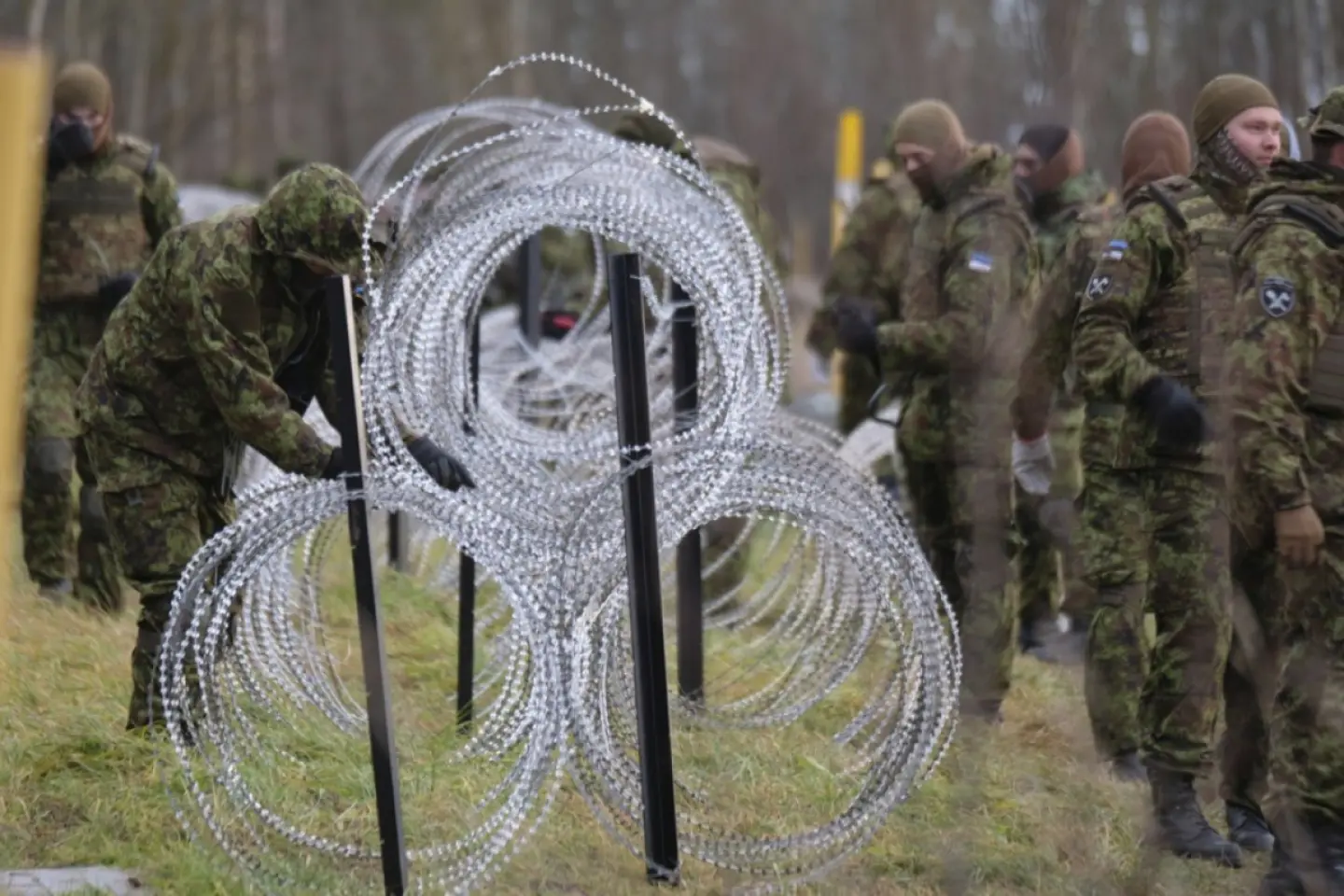
Finland closed its land border with Russia due to a hybrid threat, and Estonia may follow suit, although it has not done so yet.

In Estonia, Hamas’ attack on Israel and the subsequent military operation in Gaza were perceived as a threat to the country’s own security.


