

Once a major Soviet industrial center, Ida-Viruuma comes back to life, due to the European funds.


Estonia is on the verge of becoming the most progressive ex-Soviet state regarding LGBT+ rights. Conservative politicians oppose the move, but the population seems more tolerant than them.
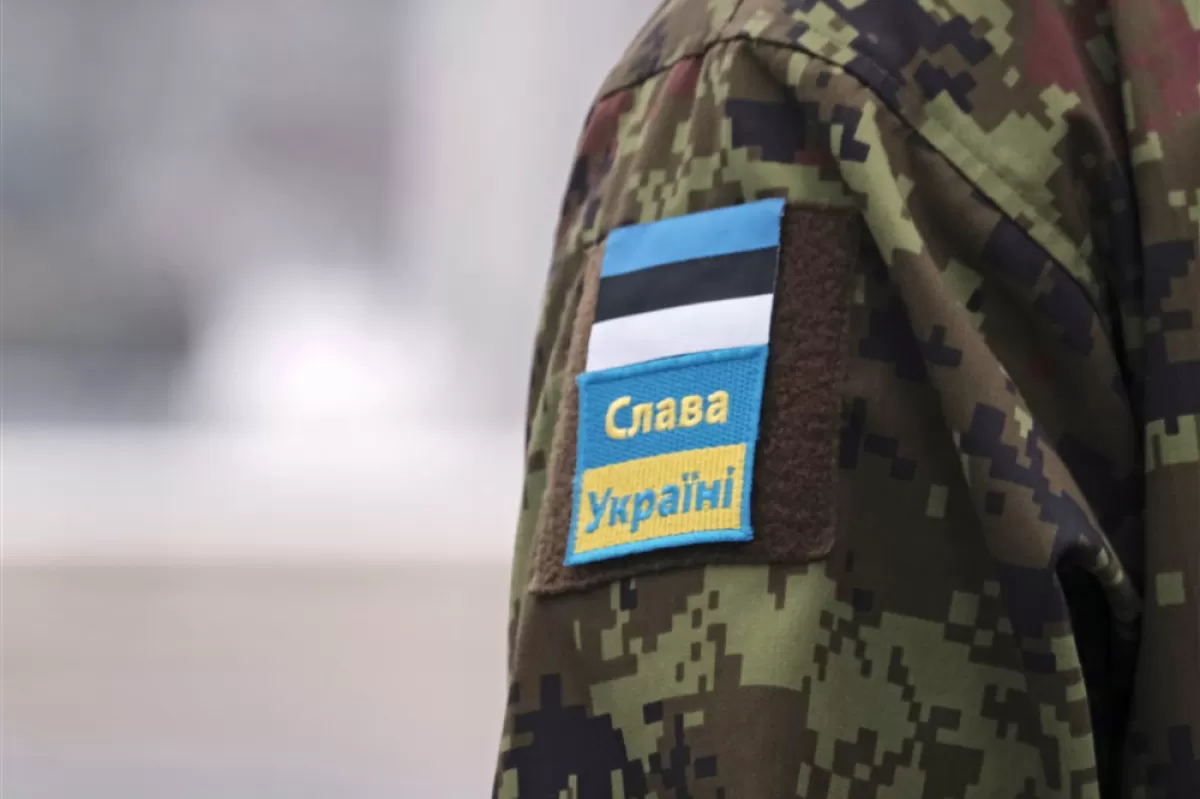
In March, a scandal erupted in Estonia: money raised for Ukraine by the most famous Estonian charitable organization, Slava Ukraini, had apparently been misused. This lead to a sharp decrease of donations for Ukraine and brought into spotlight that country’s rampant corruption.

Estonia gave Ukraine old weapons, paid for with European money, but charged Brussels for new ones, according to European sources quoted by Politico. Many in Estonia’s political establishment categorically rejected the allegations, but some admitted there is some truth in them, explaining that the scandal has to do both with Tallinn’s self-righteousness towards its partners when it comes to helping Ukraine, and its desire to better arm itself.

The parliamentary elections held in Estonia showed that in an extremely unstable geopolitical situation in Europe, with the war in Ukraine going on for more than a year, the population is aware of the risks and is ready to rally around those political forces that rely on the European Union and NATO. At the same time, there were also some unpleasant discoveries for Estonian society.

Estonia is gearing up for general elections, which are scheduled in March. This year, they will come against the backdrop of Russia’s invasion of Ukraine and the problems brought by the war throughout the region. Thus, security and energy are bound to be the main topics of the electoral campaign. Also because of the war, it is highly unlikely that any significant party will raise the questions of improving relations with Moscow as a way of courting Estonia’s Russian minority.

Estonian city Narva and Russia’s Ivangorod are connected by a Friendship Bridge, a name that sounds quite ironic nowadays when many Ukrainian refugees use the bridge to make their way to Europe. They had to go East, then North, as their route West was blocked by the fighting. A network of Russian and Estonian volunteers has been helping these refugees. While some continue towards other European countries, many decided to stay in the small Baltic country, which is starting to feel overwhelmed.


