
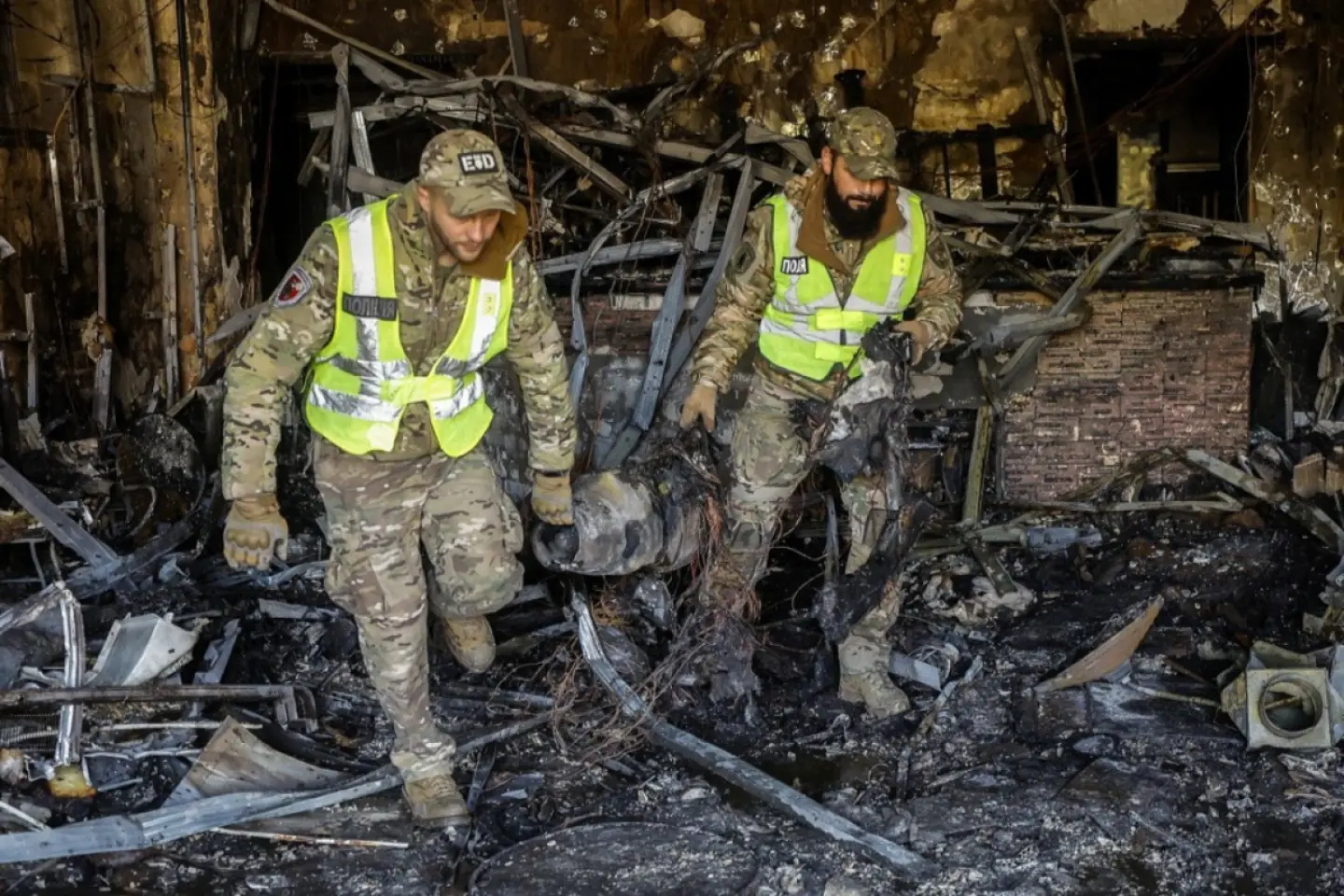
The Ukrainian authorities are deliberately delaying the restoration of internet access in Kyiv to prevent protests against President Zelensky, pro-Kremlin propaganda claims. In reality, telecommunications infrastructure was severely damaged by Russian attacks, and operators immediately began work to restore services.

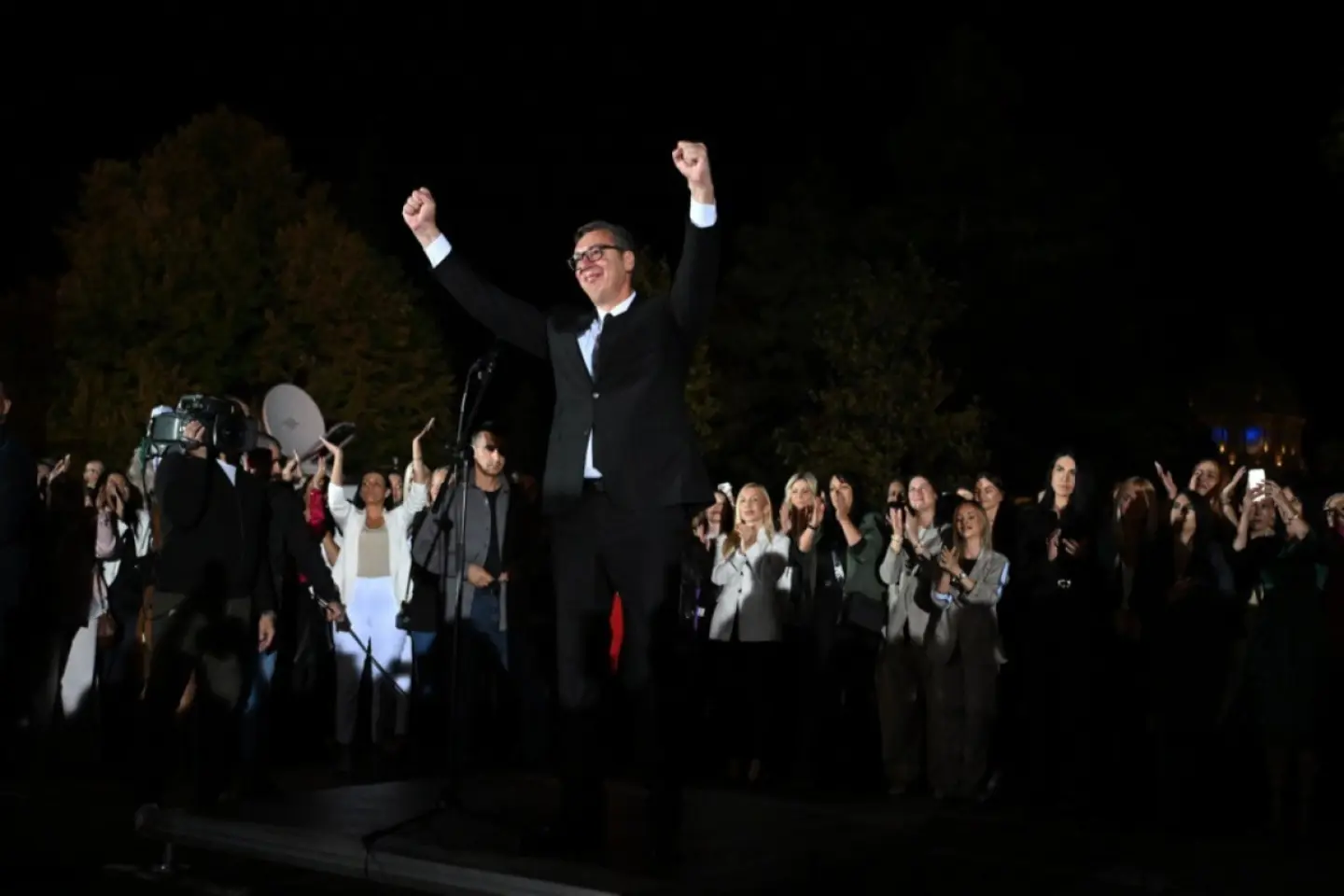
Long time Serbian leader Aleksandar Vučić called for snap parliamentary elections, which would be soon followed by presidential elections, in an attempt to extend his 14 years hold of power. His gamble might backfire, as the opposing Student list has a good chance of beating Vučić’s party.

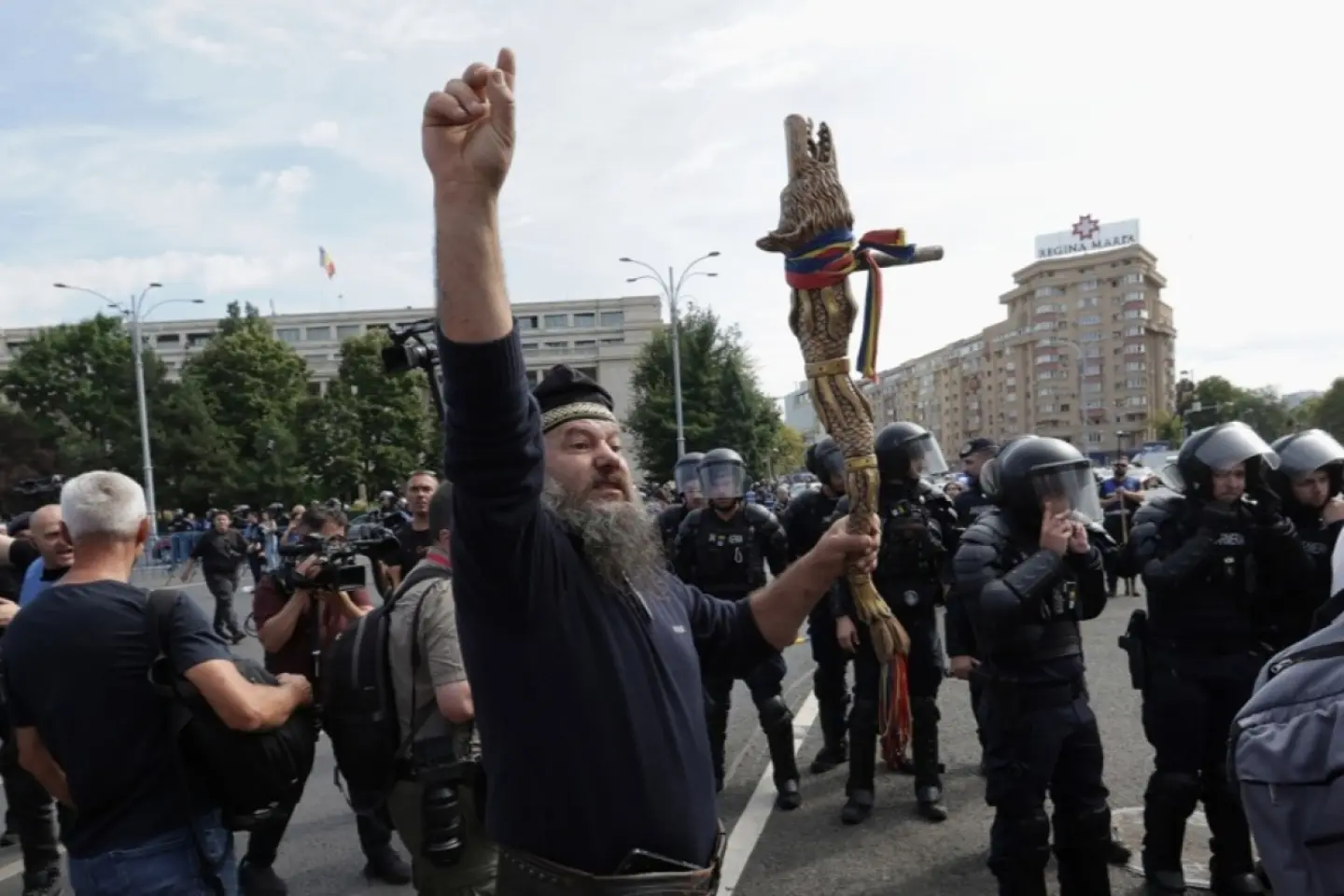
Shepherds and citizens who joined them to protest peacefully in Bucharest were gassed and beaten by gendarmes attempting to suppress the demonstration, according to a false narrative promoted in Romania across diaspora groups, as well as (via MEP Diana Șoșoacă) at the European Parliament and on a Russian propaganda channel.

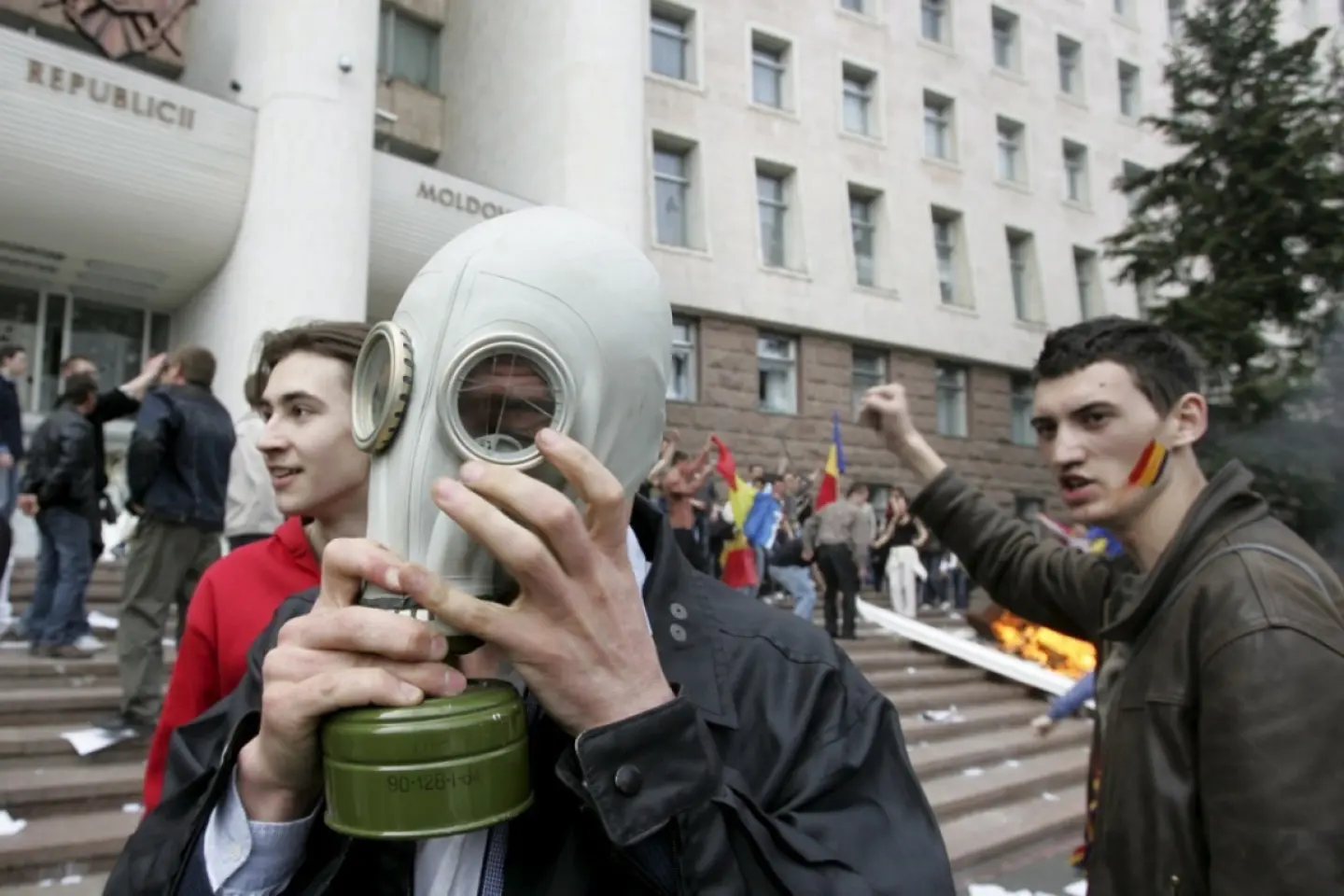
On April 7, 2009, PAS leaders in Moldova were involved in an attempted coup coordinated by the West, claims a Socialist MP known for spreading false narratives. Bogdan Țîrdea also says that, subsequently, the West took control of Moldova’s strategic institutions.

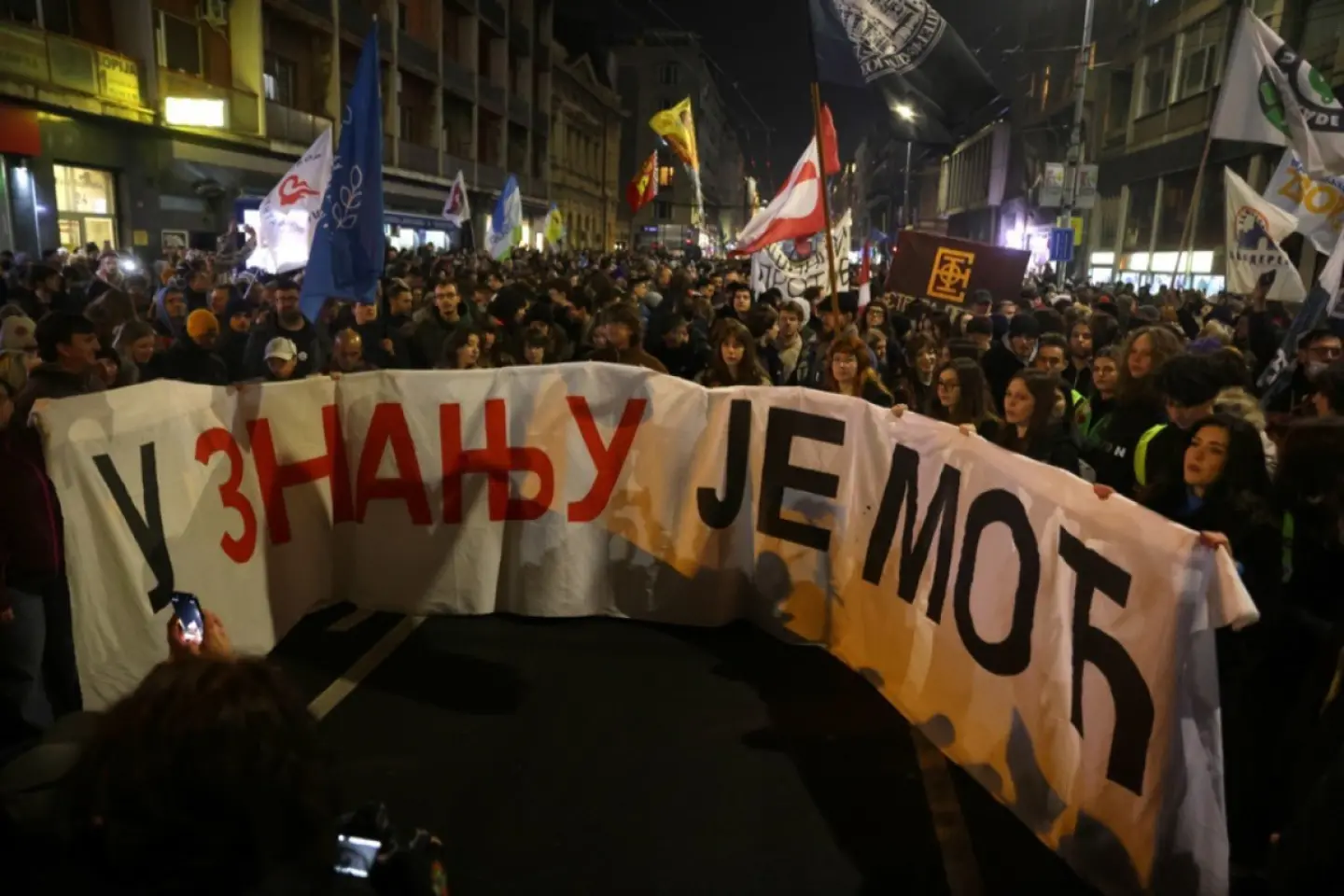
President Alexander Vučić's party continues to win elections in Serbia despite facing the largest protests in the country's history. The government is taking advantage of the fact that the students at the forefront of the protests lack a clear strategy and view the pro-European opposition, which has the necessary political experience, with suspicion.
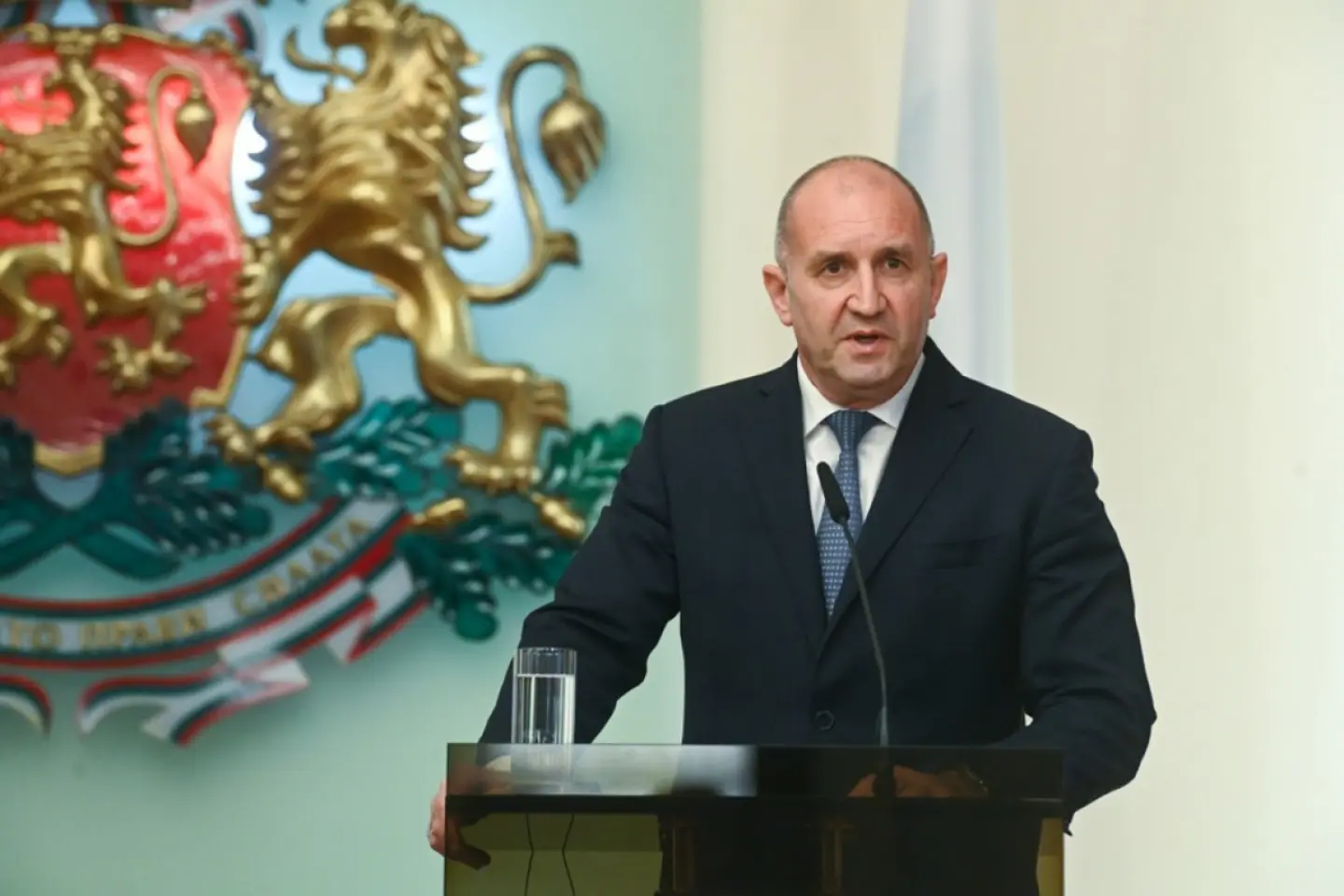
After months of speculation, Rumen Radev, long viewed as sympathetic to the Kremlin, resigned from office and is widely expected to form a political party of his own. An effort that could either unite Bulgaria’s pro-Russian political forces or fracture them beyond repair.


As the country heads into 2026, it is likely to see further authoritarian moves from the ruling Georgian Dream; at the same time, resistance to the government and the protest movement are not likely to go anywhere.
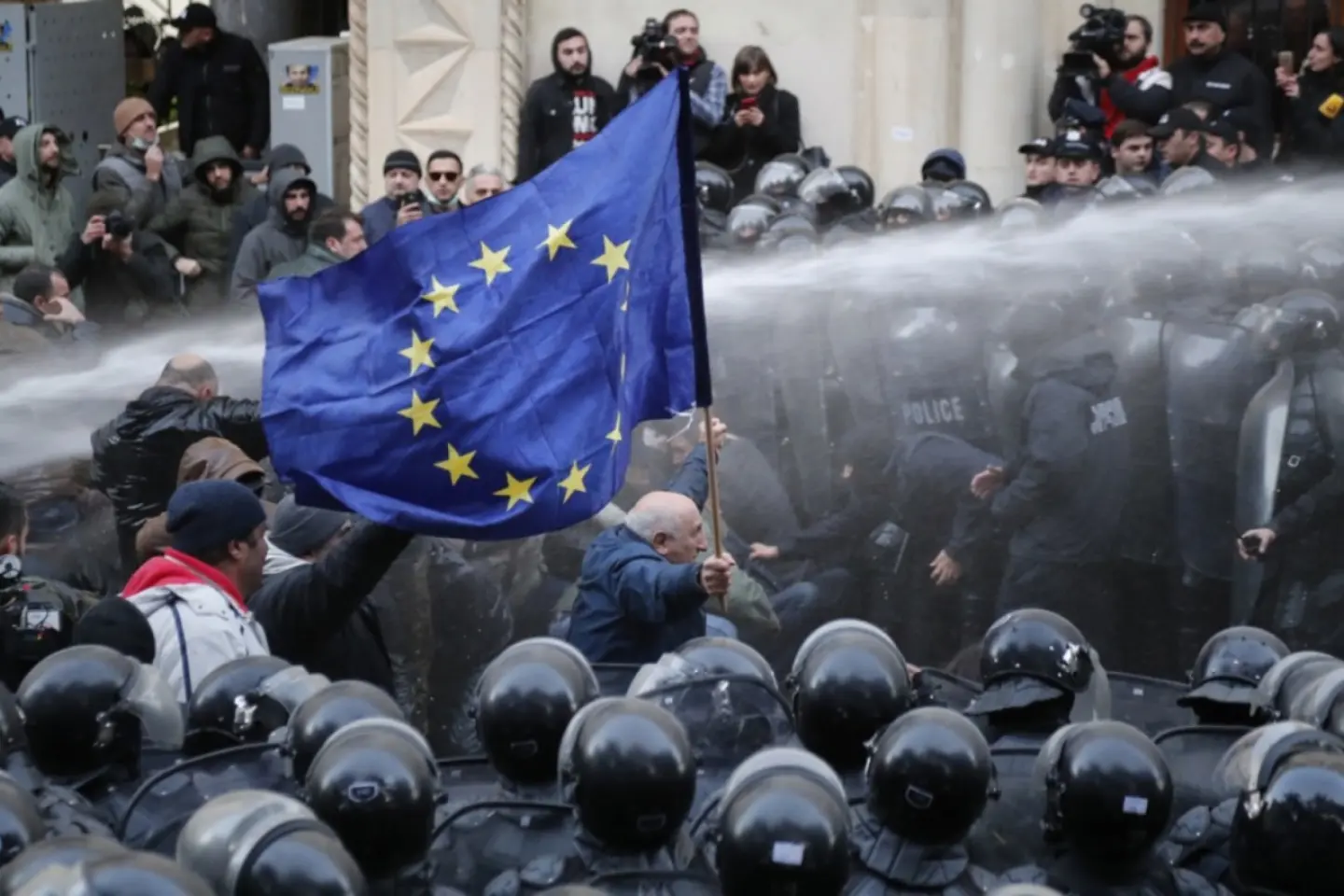
A BBC investigation alleged that the Georgian government used World War 1 chemical weapons against anti-government protesters. The Tbilisi government claimed that the allegations are part of a hybrid war waged against it.

Bulgaria’s government stepped down after facing several protests over a two-weeks period. It was a surprise move in a country where disgraced politicians rarely back down, and even reformists that emerge from protest waves end up by doing politics “in the old ways”.

The protests that took place in Ukraine in July, despite the war, show that the fight against corruption, which is vital for maintaining the European path, remains one of Ukrainians’ key aspirations.

Pro-Western protesters are once again taking it to the streets in Bulgaria, targeting the ruling-GERB establishment. Is this a resurgence of the opposition, or its swam song?

The West will use the protests in Ukraine to remove Volodymyr Zelenskyy from power, which will put an end to the authorities’ repression against civilians, pro-Kremlin propaganda claims.

Amid the anti-corruption movement, Serb students travelled across Europe to make their demands known. They’ve also called for an investigation into the use of a sonic weapon against protesters.


For four months, Georgians have been protesting daily against the abandonment of the European path by a government seen as pro-Russian. The increasingly harsh response of the authorities has failed to deter the protesters.

Serbia has been rocked by weeks of student-led protests triggered by the Novi Sad tragedy. What started as an anti-corruption drive morphed into a movement demanding a profound change of the system.

As various capitals in Eastern Europe are gripped by demonstrations, reformists in Bulgaria – a country with a tradition of protests – seem apathetic following years of political logjam and the return of the “system” parties.

A battle between the people and the [ruling Georgian Dream] Party is being fought on the streets of Georgian cities. The stake: Georgia’s path towards the EU vs. a return to Russia’s orbit.

Ultras have been at odds with Lukashenko over his clampdown on national identity, Covid policies and rigging of elections. Fleeing persecution at home, some found their way to the frontlines of the war in Ukraine.
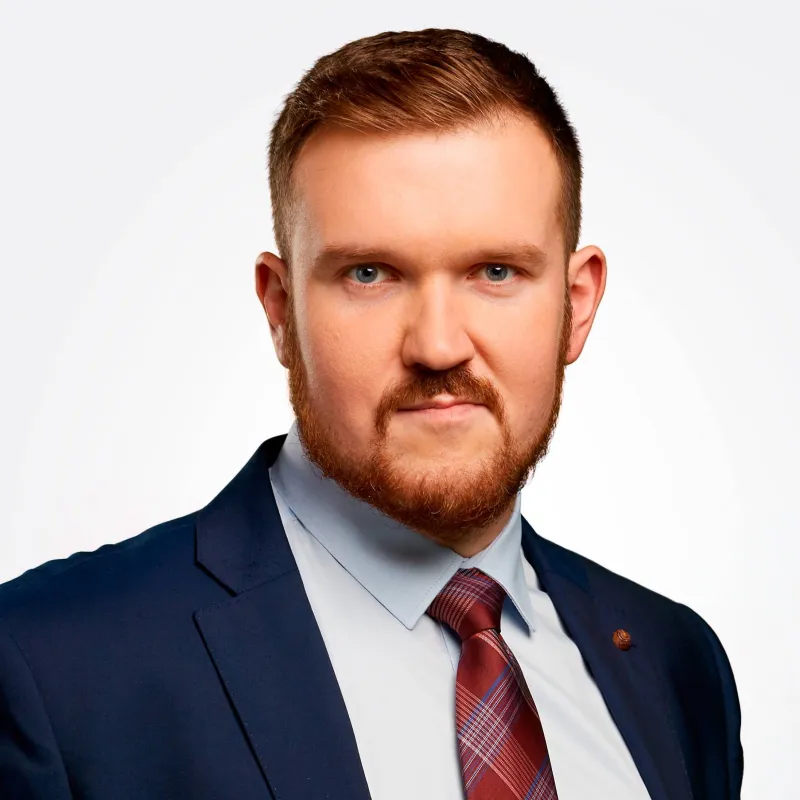

The von der Leyen Commission's plan for EU countries to transition to “green” economies was met with resistance from farmers and skepticism from some politicians who’ve already embarked on the European Parliament election campaign.
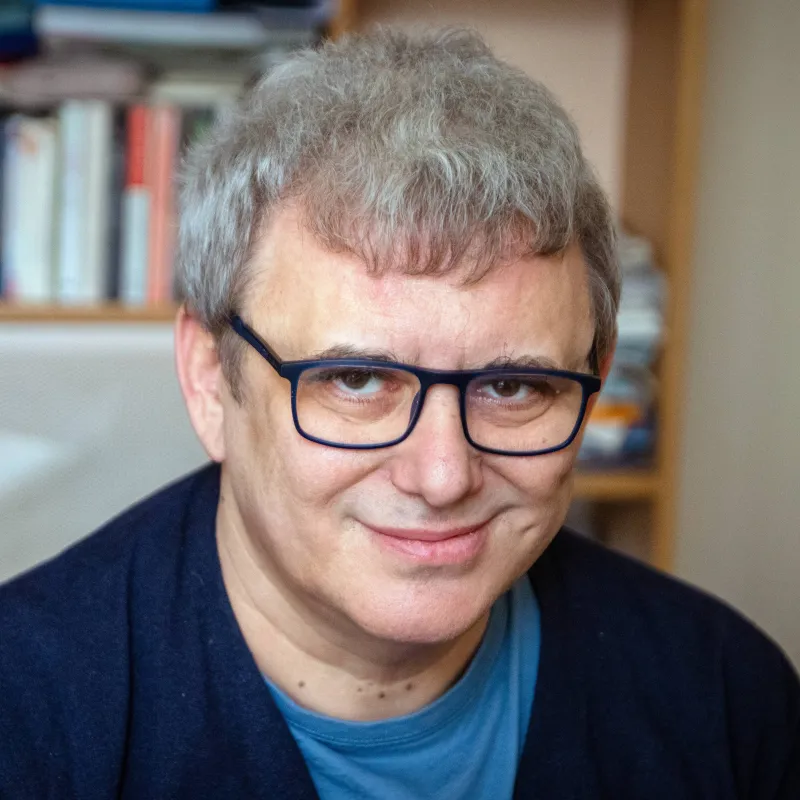
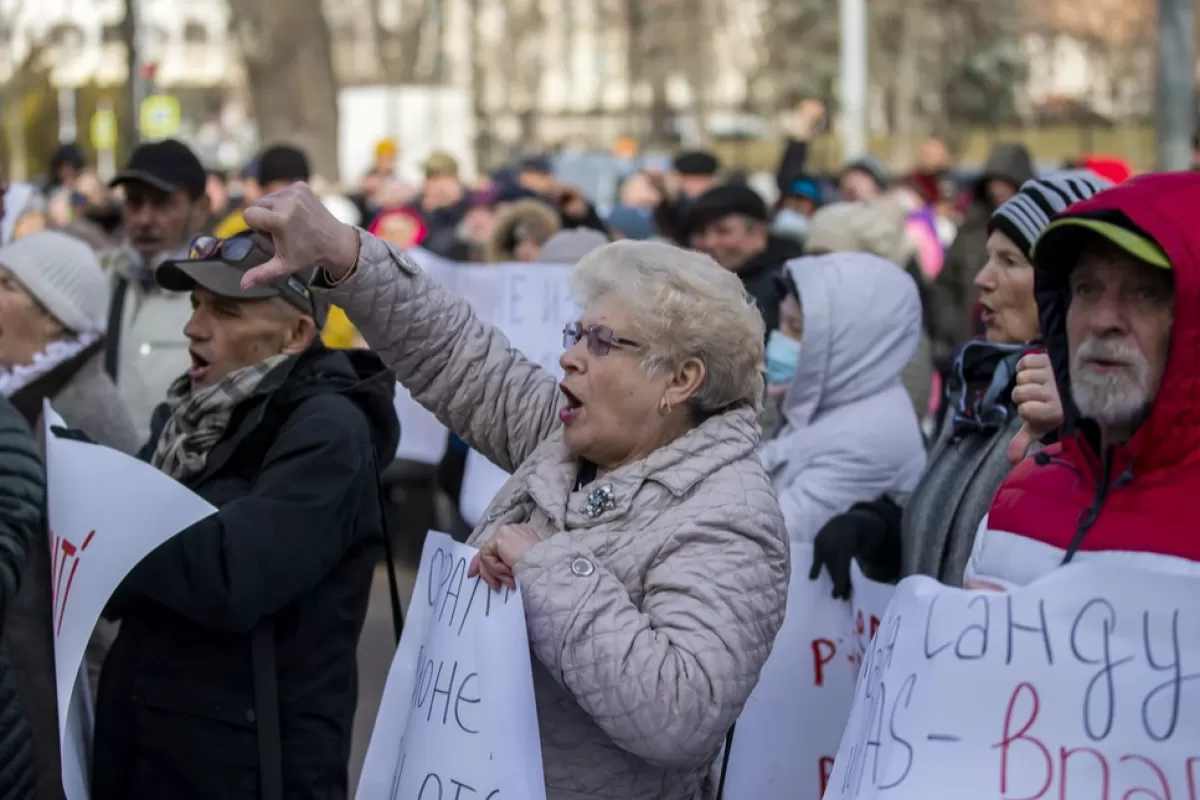
The government in Chisinau keeps prolonging the state of emergency in order to steal, claims the oligarch/fugitive politician Ian Shor. In reality, Shor participated in the looting of Moldova's banking system, and his party was accused of involvement in an FSB plan to overthrow the government in Chisinau, the security crisis leading to the extension of the state of emergency.
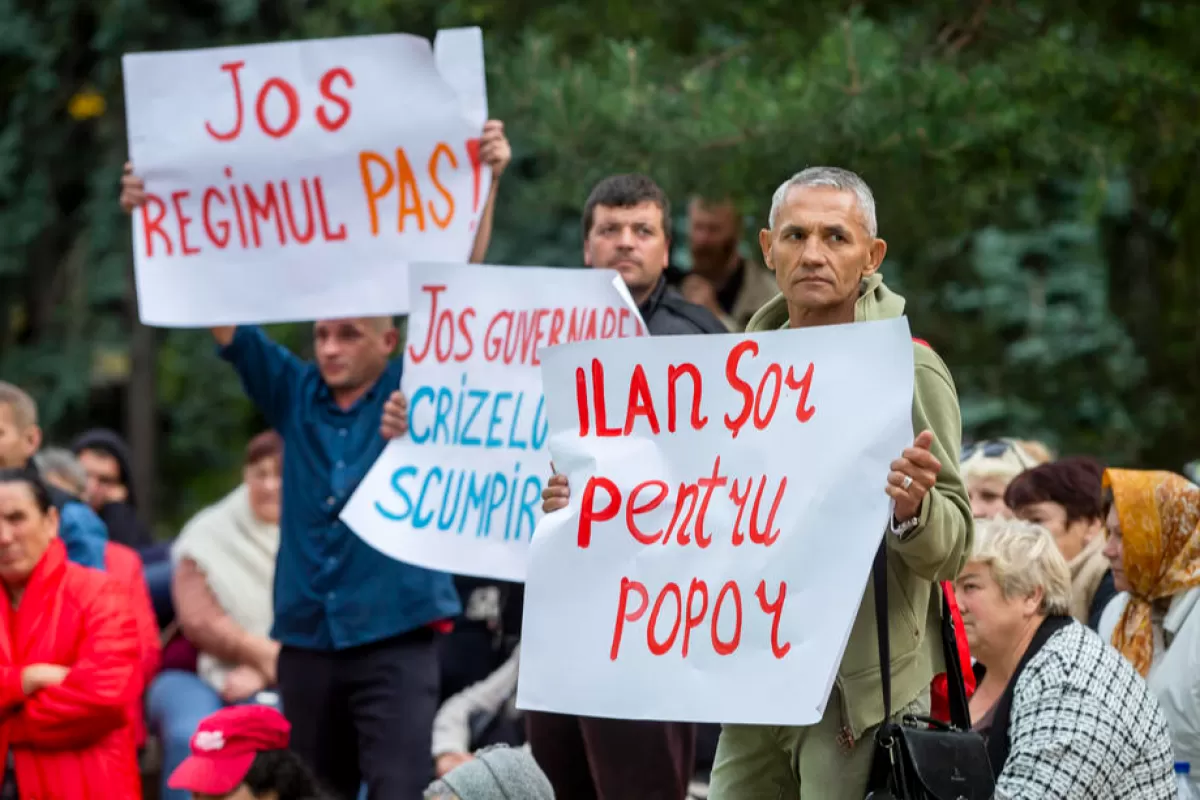
The internal stability of the Republic of Moldova is threatened by pro-Russian politicians who are trying to stir the pot by capitalizing on the numerous crises facing this country. The most vocal of them are politicians who’ve had run-ins with the law, such as Ilan Shor, the mastermind behind the “billion-dollar theft”, as well as former Socialist leader Igor Dodon, indicted on five distinct charges. Aware of their schemes, Moscow uses energy exports as blackmail.
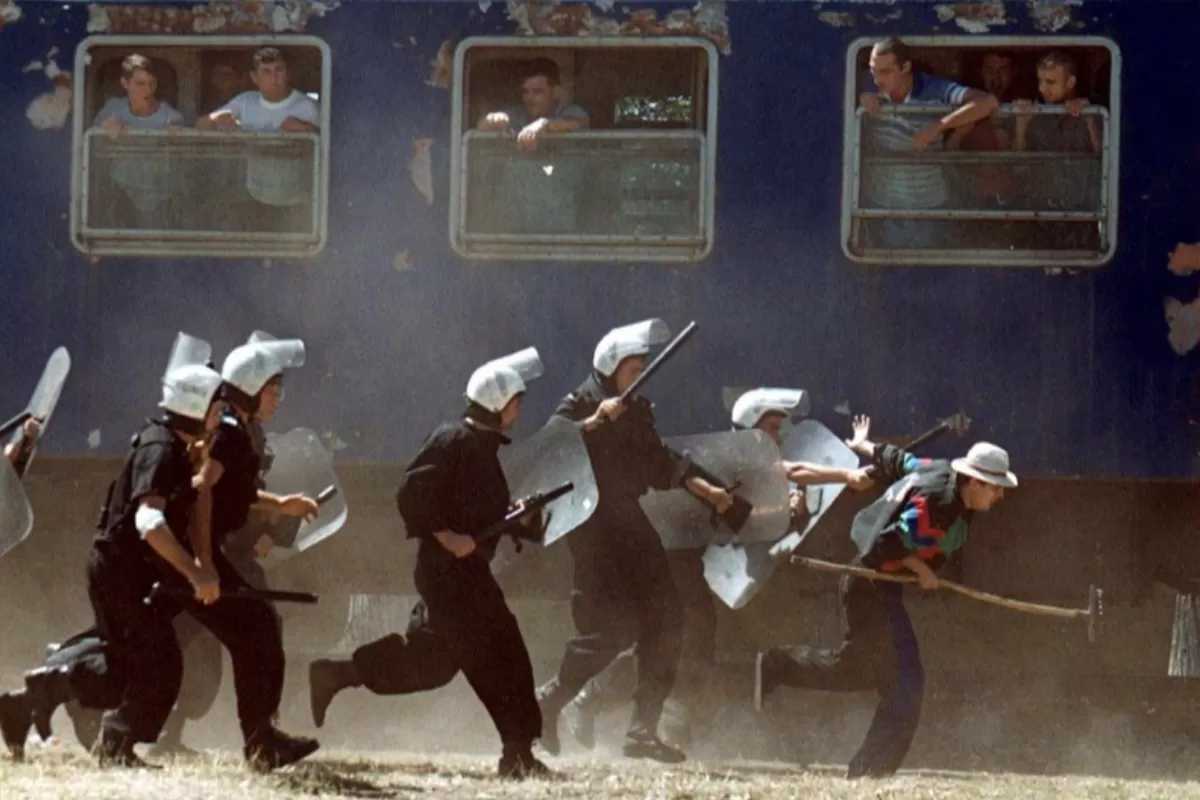
Romanian gendarmes have instructed Moldovan carabinieri how to quell protests by the opposition if the latter tries to prevent the taking over of a piece of land for the future US embassy. This fake news hints at the Romanian gendarme narrative and resumes themes circulated in the campaign regarding the imminence of large-scale demonstrations.
