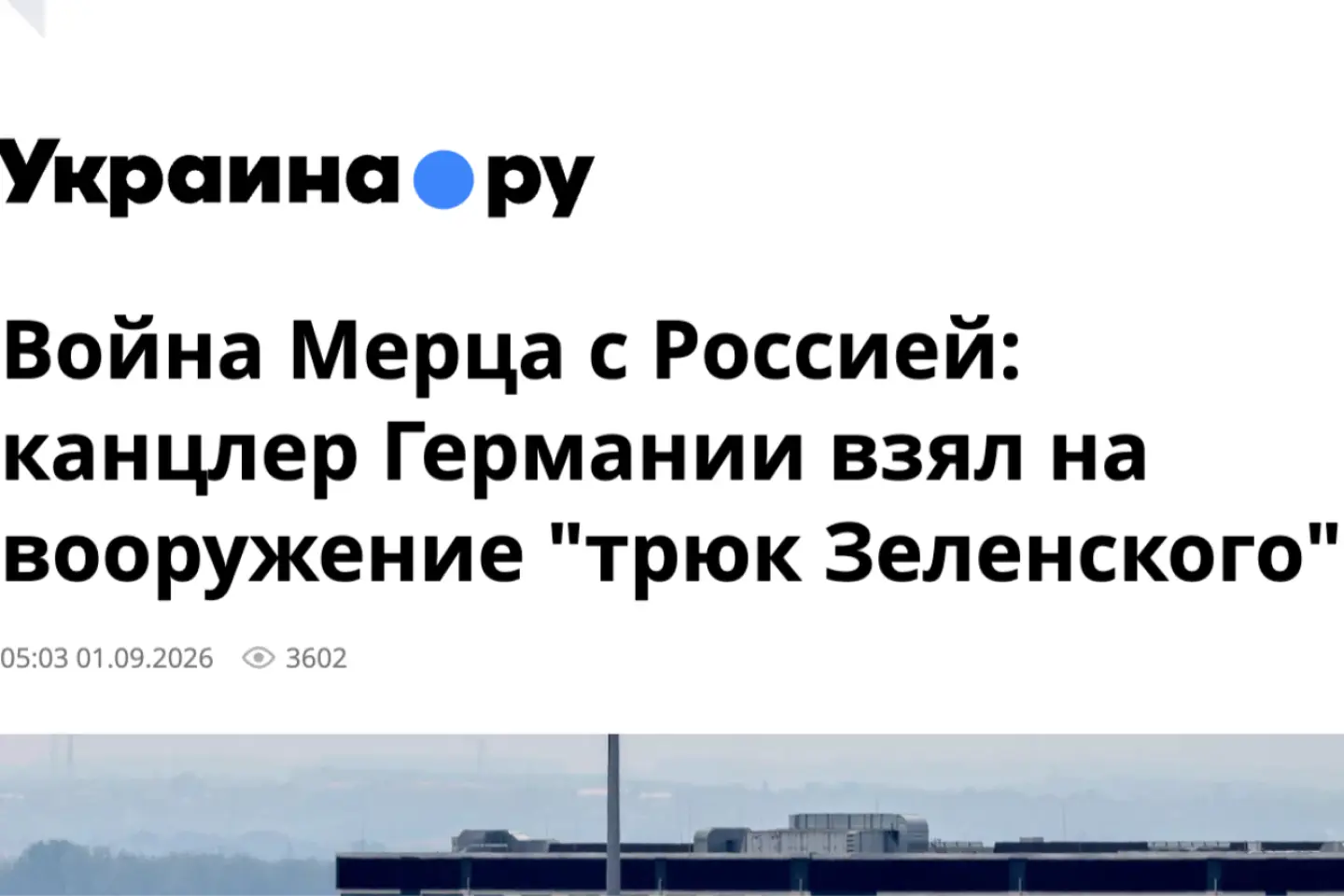
The German Chancellor is turning Russia into an external enemy in an effort to boost his popularity and is attempting to exploit the threat of war by following Ukraine’s example, according to pro-Kremlin propaganda, which compares the German media to the propaganda machine orchestrated by Goebbels.
RECENTS
FAKE NEWS
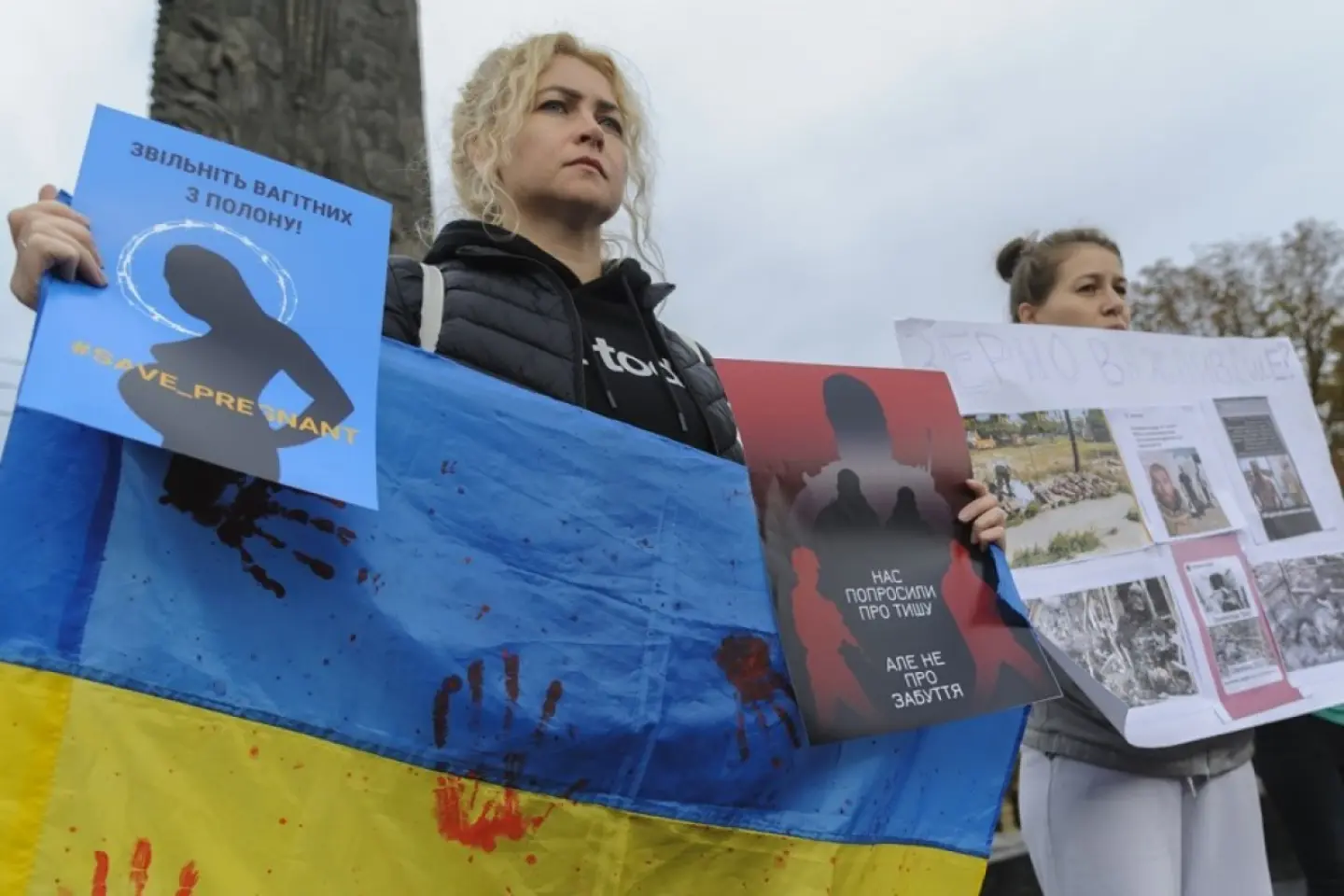
Following the 2022 invasion, thousands of civilians were arrested in Russia-occupied Ukraine, and many of them faced grueling conditions while they were detained. The Reckoning Project documented the stories of five of the Ukrainian women that leaned on each other to survive Russian detention. Not all of them did.
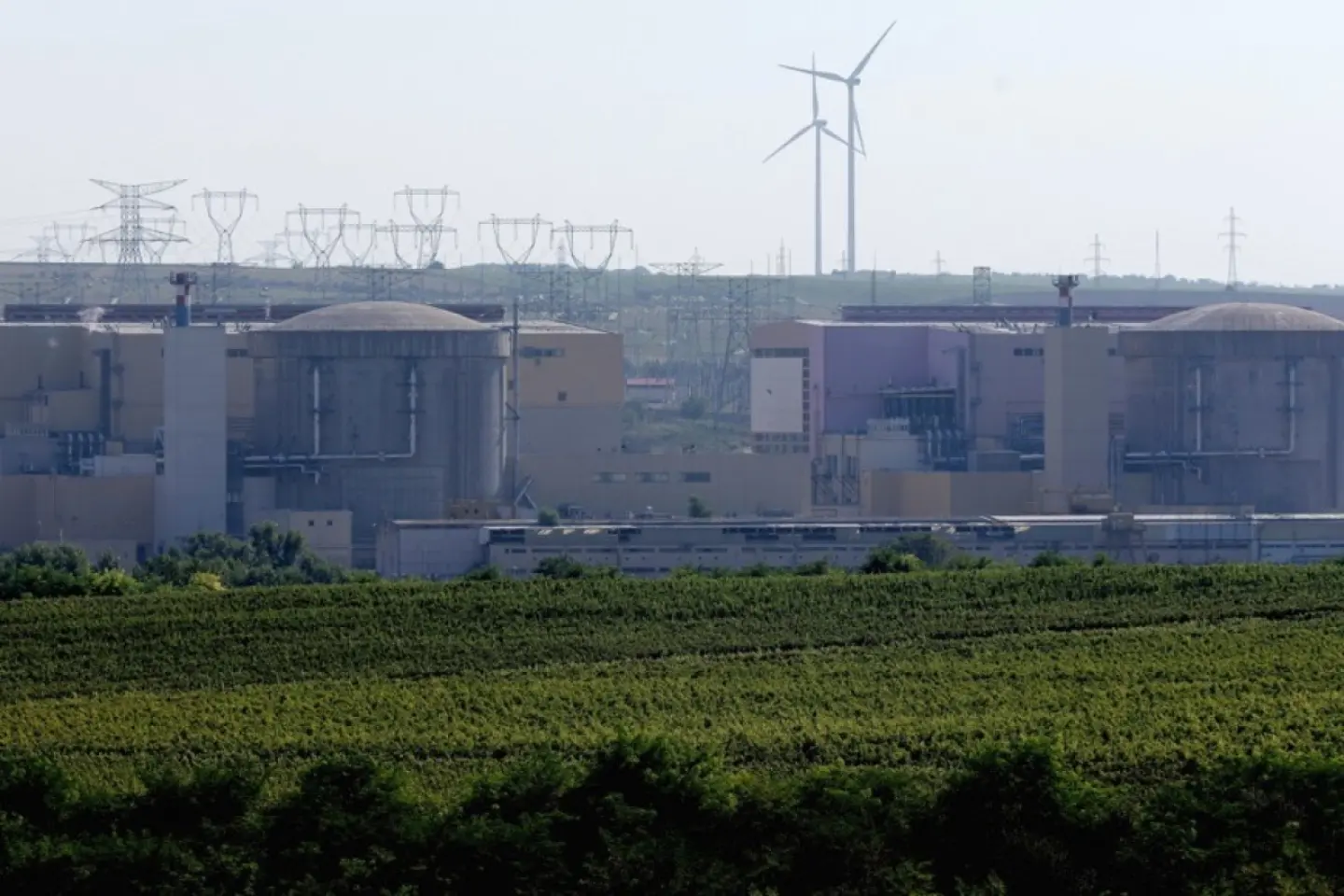
The closure of Unit 2 of the Cernavodă power plant will lead to a nuclear disaster like Chernobyl or Fukushima, according to a false narrative viralized in Romania by sovereignists and conspiracy theorists.
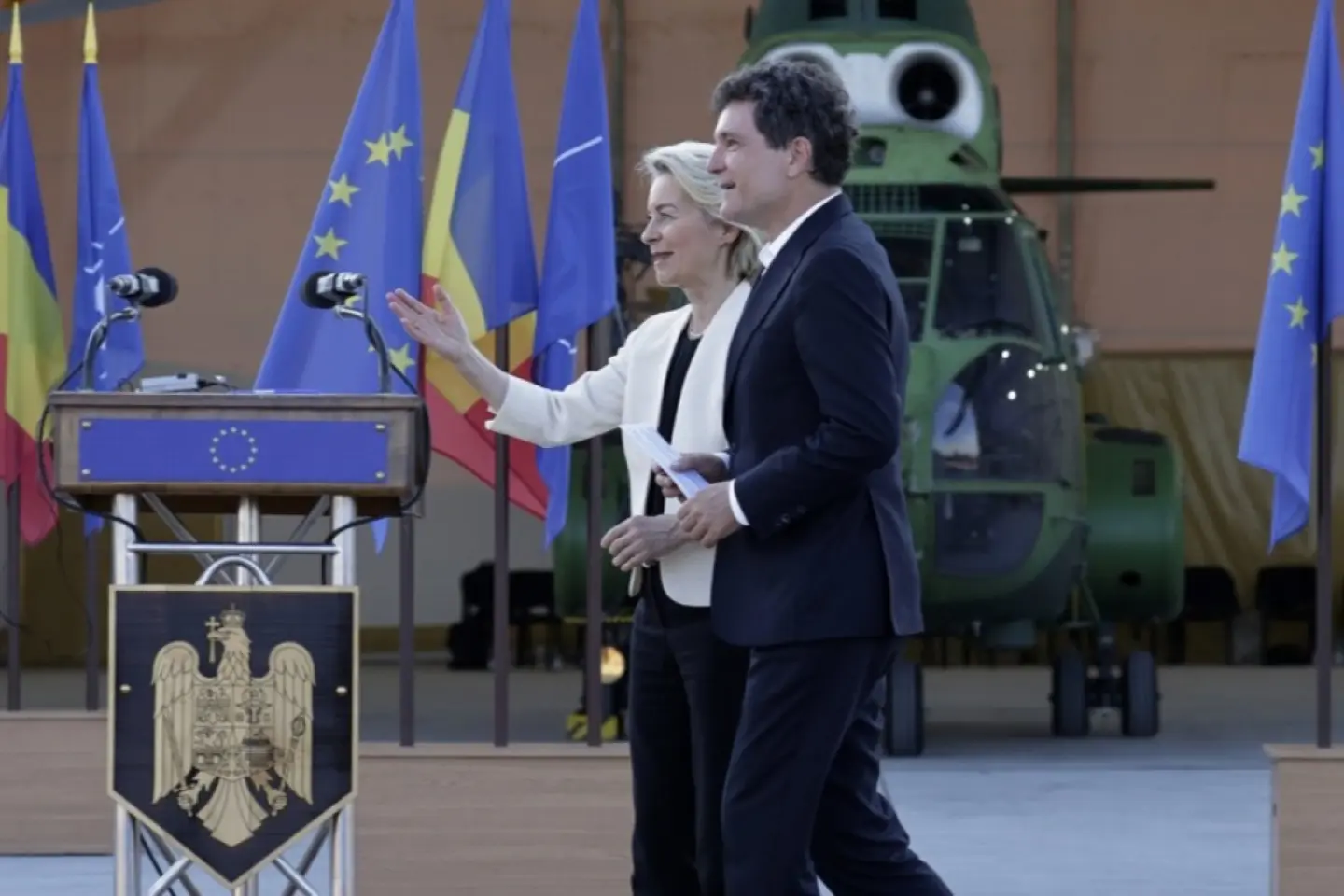
Romania’s entire transport infrastructure, including the port of Constanța, is being handed over to Ukraine at the expense of Romanian economic interests, at the behest of the EU, according to sovereignist propaganda.
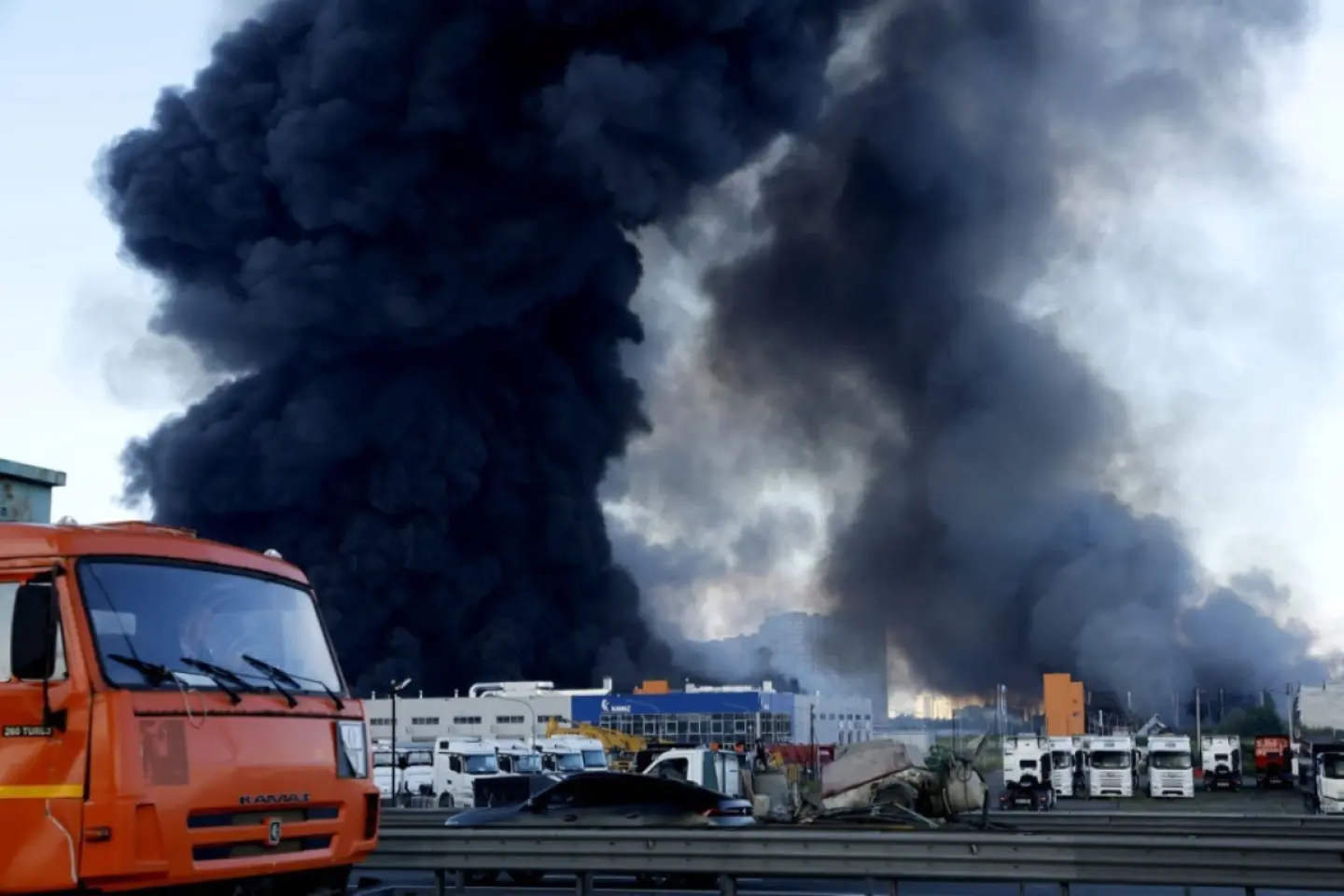
Ukraine’s bombing campaign behind the frontlines is taking a growing toll on Russia's economy. The Kremlin will soon have to choose between continuing the war, which would entail serious economic losses and a new mobilization, or de-escalating, which would mean giving up some of its demands.
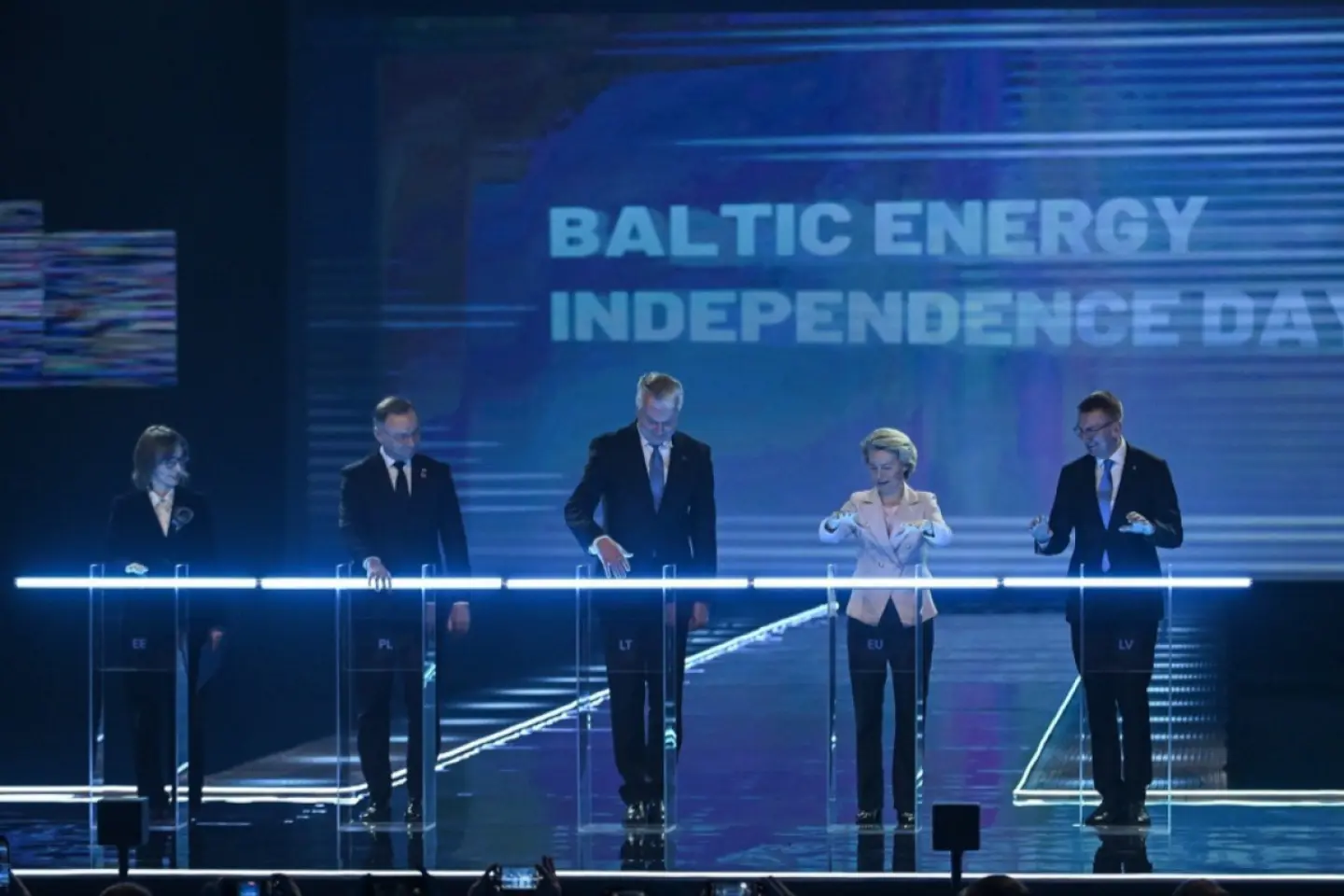
The Baltic countries have already demonstrated their economic independence and competitiveness as members of the European Union. What they are now asked to do is prove their ability to withstand Russia's hybrid attacks.
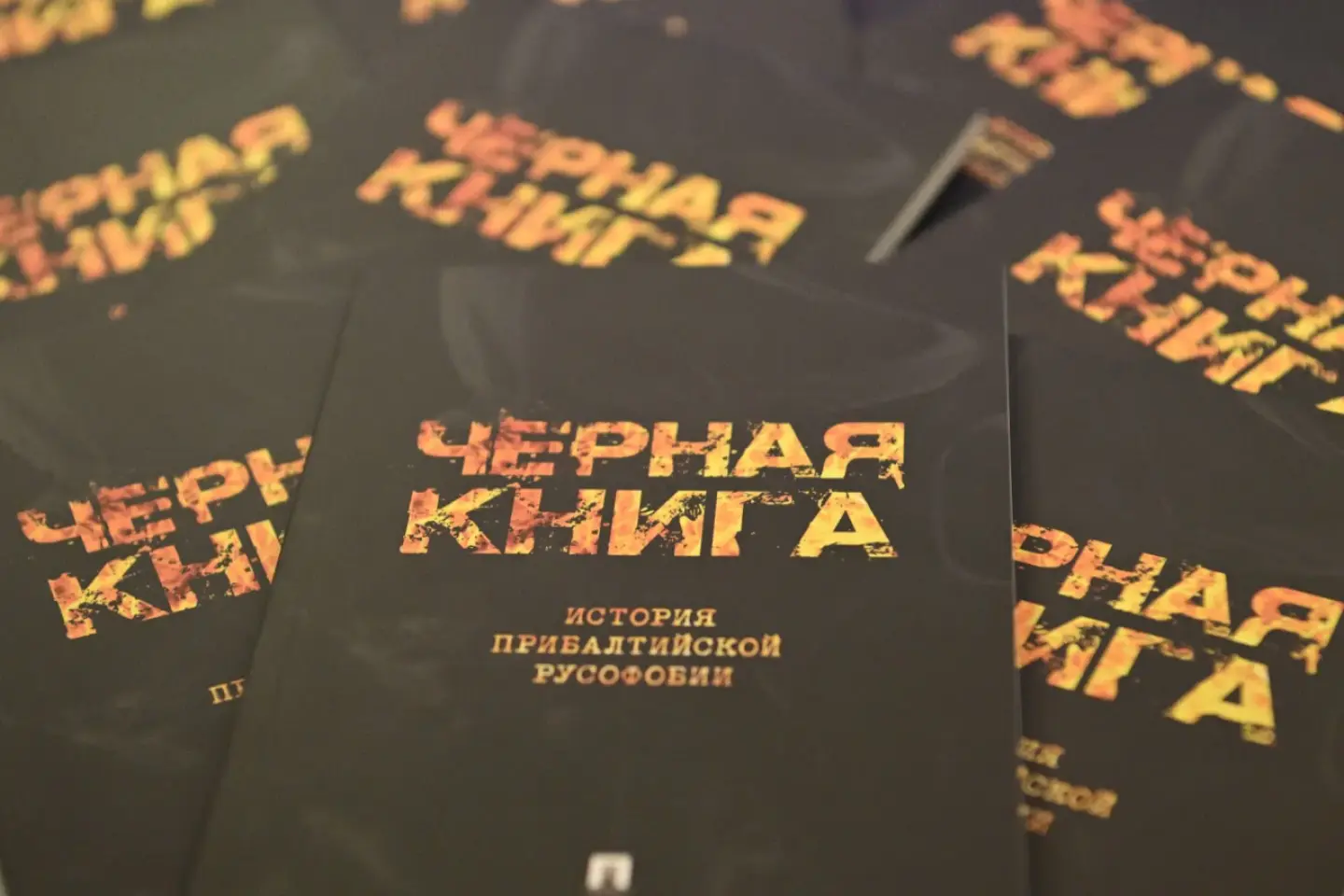
2026 marked the intensification of the Kremlin’s hybrid aggression against the Baltic states. Provocations against politicians and civil activists, mass attempts of illegal migration, organisation of pro-Russian political movements – these are only some of the tools used by the Kremlin to destabilise the Baltics.
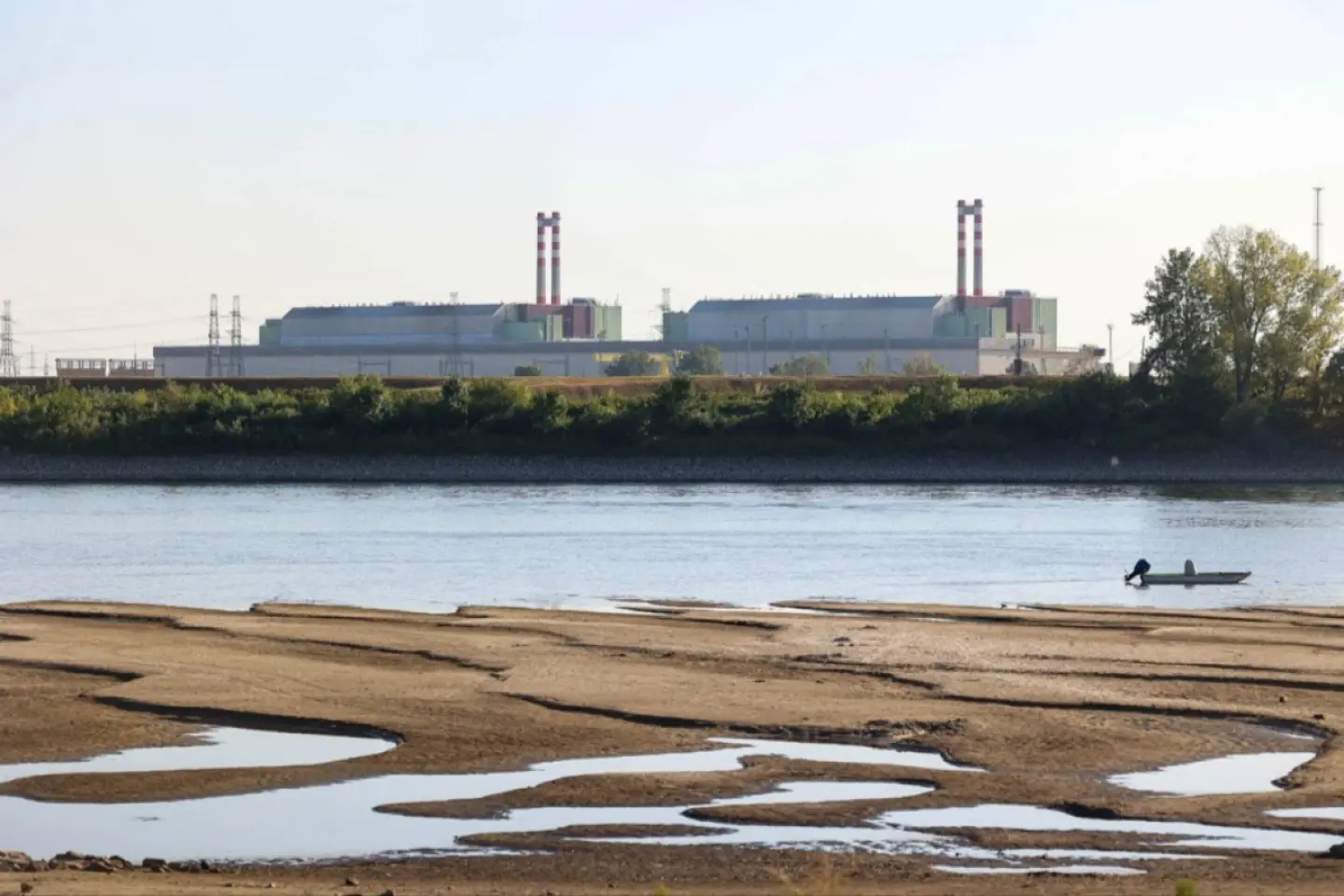
The Rock of Starvation has been portent of doom in Hungary for centuries, only appearing when the Danube falls low enough to halt mills, bringing famine. But what this summer’s extremely low water level revealed was not just the Danube’s bed, but also the lack of transparency of the Péter Magyar government.
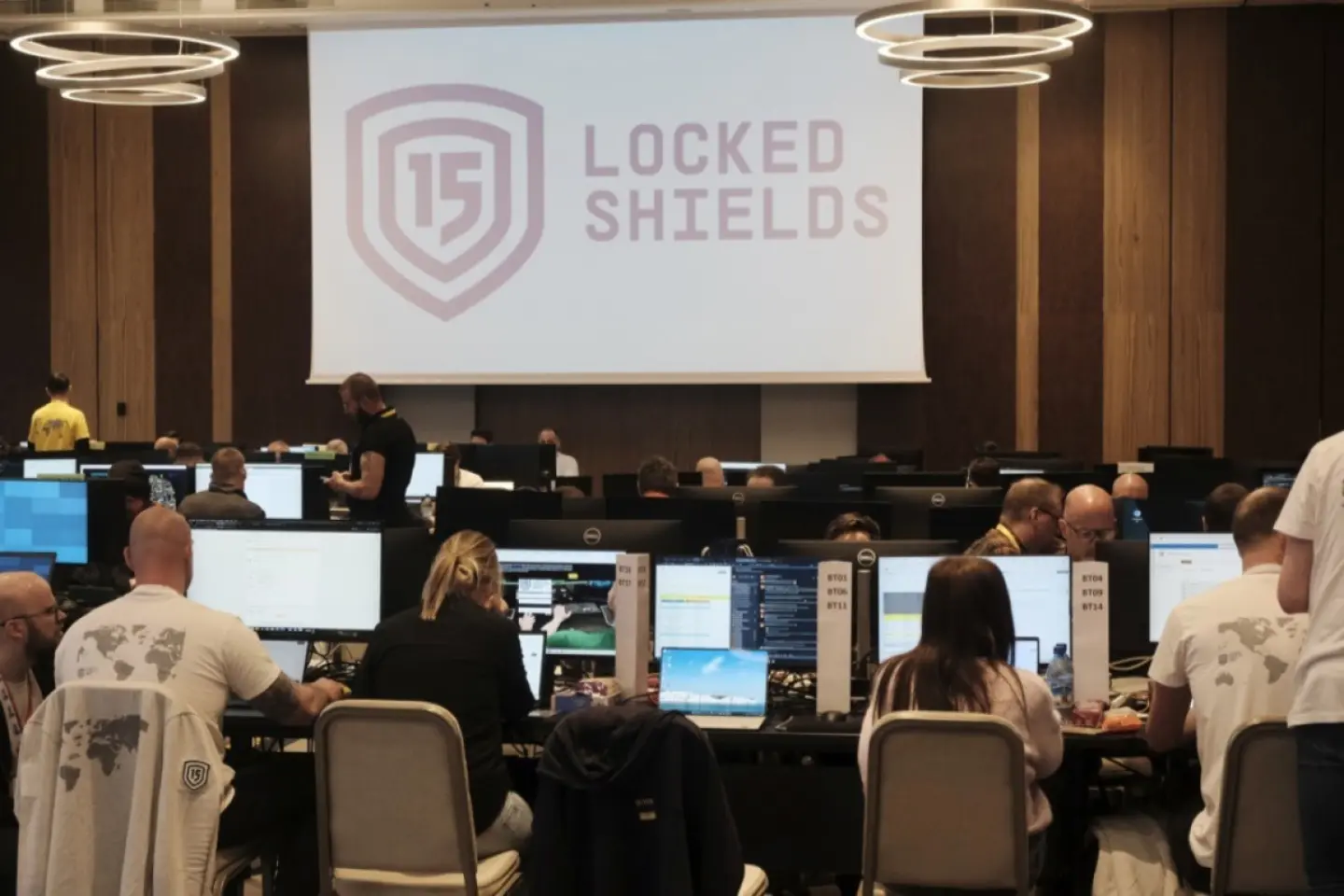
The Baltic states bordering Russia have repeatedly become targets of hybrid attacks by their eastern neighbour. A fire at a defence company in Tallinn that supplies equipment to Ukraine has once again highlighted the existing threat.
According to Oleg Ozerov, Russia’s unaccredited ambassador to Chișinău, the West is preparing the Republic of Moldova for a military confrontation with Russia, a country that, unlike the West, observes the rights of its neighbors.
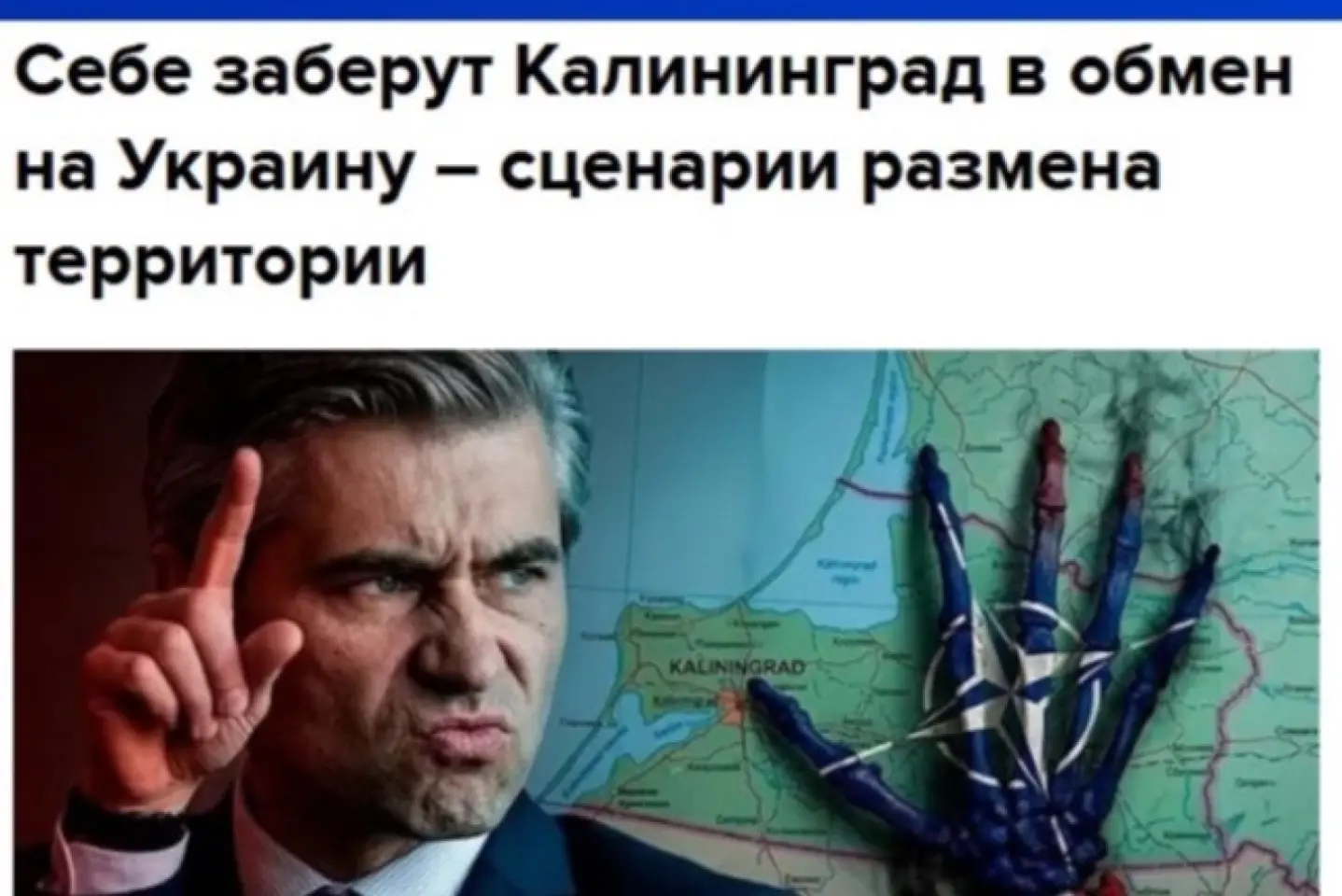
Pro-Kremlin propaganda claims the West wants to sacrifice the Baltic States, occupy Kaliningrad and use it as a bargaining chip for Ukraine.
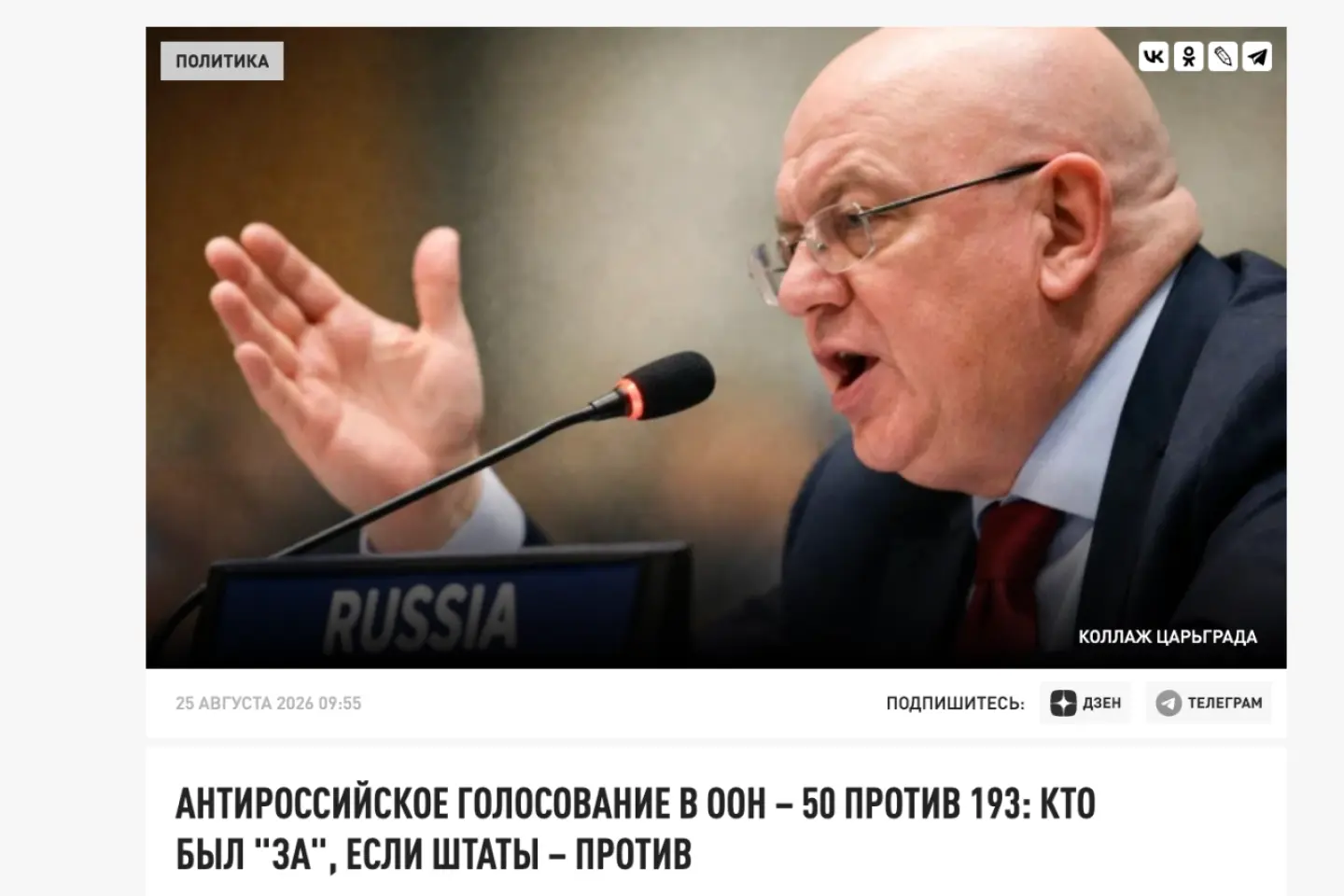
Most UN member states, including the US and China, refused to condemn Russia’s invasion of Ukraine, according to a false narrative promoted by pro-Kremlin propaganda, which misrepresents a joint statement as a vote that actually did not take place.
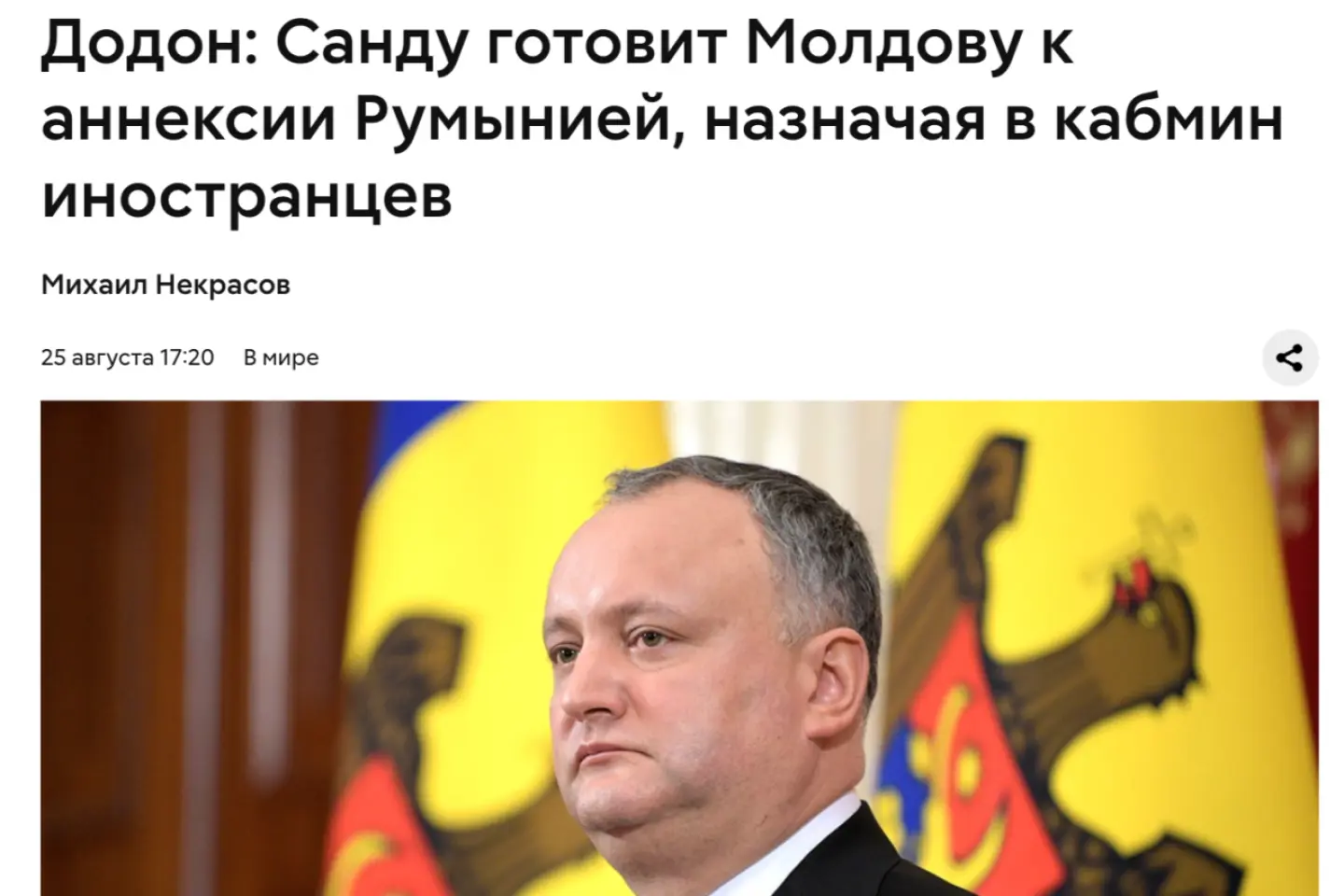
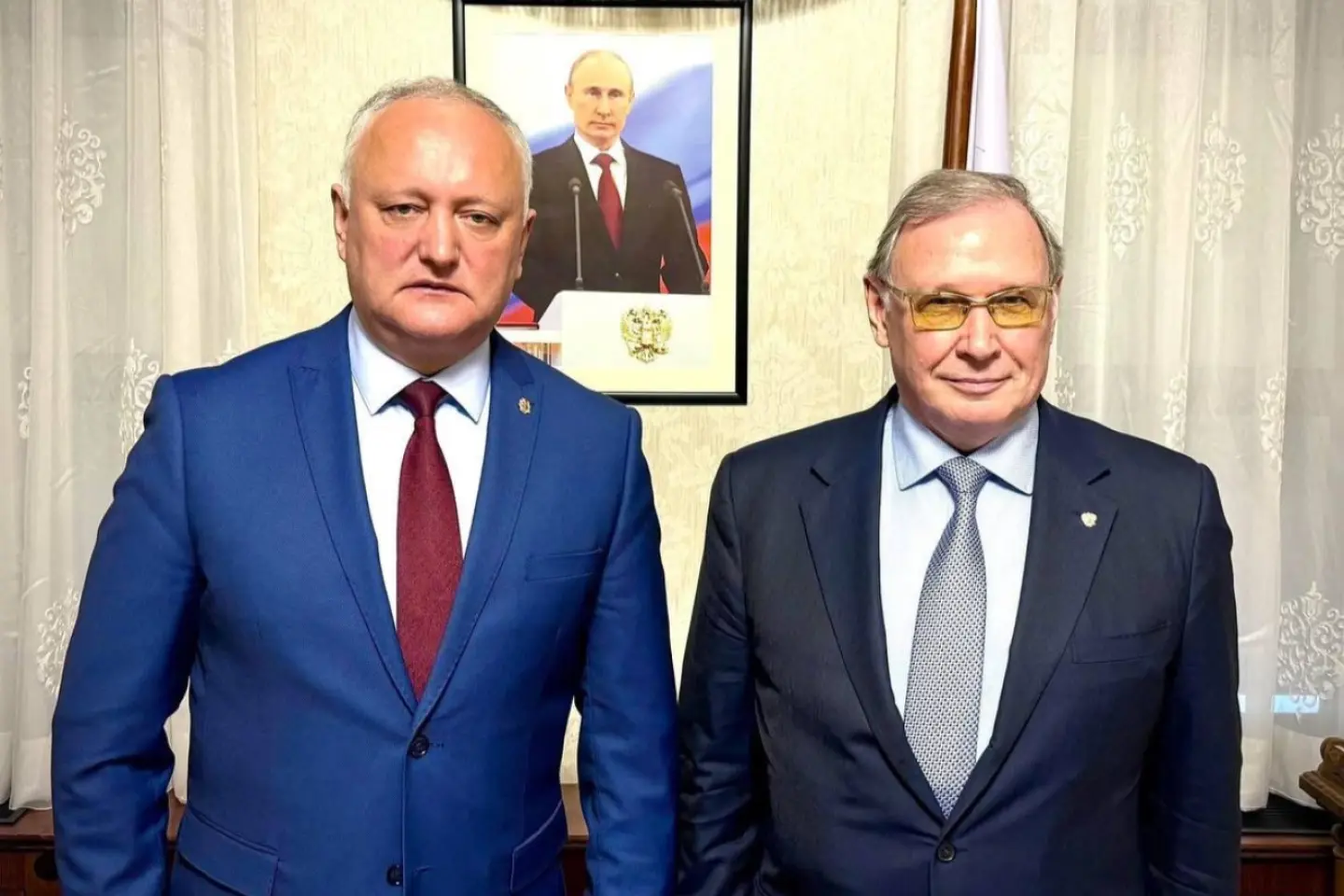
The nomination of Claudiu Năsui as Minister of Economy in the Chișinău government is a stepping stone towards Romania’s annexation of the Republic of Moldova, pro-Russian Socialist Igor Dodon claims in statements echoed across Russian propaganda outlets.


Between circumventing Western sanctions and laundering money with digital tools

The Russian leadership believes the country is permanently at war and pursues imperial and expansionist policies, the Russian independent media writes. Russian journalists also say Putin’s plan to restore “Great Russia” seeks to capture Ukraine through armed force and Belarus by forcing a unification.

Russians must understand that the war in Ukraine is lost in order to be able to bring about a change for the better in their own country, dissidents quoted by independent Russian media believe. They also talk about the losses caused by the war launched by Russia against the neighboring country, but also about the need for the West to become more attractive to developing countries, in order to win the competition with the alternative model offered by autocracies.
Start your research here. Texts in this section provide a general overview of the key concepts and developments in the field of information warfare, with an emphasis on the anatomy and historical background of the Kremlin's disinformation campaigns and influence operations against the West.
View researches
Nu rata ultimul număr Veridica WeeklyRepublica Moldova a sărbătorit 35 de ani de independență cu cea mai mare paradă militară din istoria sa, Volodimir Zelenski și Nicușor Dan în tribună.▸ De la 1 septembrie, agenții economici din Transnistria plătesc TVA și accize — o decizie care taie din avantajele fiscale ale Holdingului Sheriff.▸ Propaganda rusă numește statele baltice „naziste” — un raport de 1.769 de pagini al MAE rus și Belarus documentează obsesia Kremlinului față de regiune.▸ Incendiul de la o fabrică de armament din Estonia readuce în atenție războiul hibrid.▸ Ungaria traversează o „vară nucleară” — reactorul Paks, nivelul Dunării și lipsa de transparență a guvernului Magyar.▸ Atac masiv cu drone rusești asupra Kievului: cel puțin 38 de morți.▸ Islandezii resping reluarea negocierilor de aderare la UE▸ Rusia vrea să deschidă 16 secții de votare în Transnistria fără acordul Chișinăului.▸ Ancheta Recorder: șeful SPP Pahonțu a făcut parte din trupele de represiune ale lui Ceaușescu — Nicușor Dan alege să atace presa.
|

The political evolution of (Neo)Legionarism, from pocket political parties, such as those created by Marian Munteanu, to organizations like The New Right (Noua Dreaptă) – the connecting link between (Neo)Legionarism and sovereigntism – and politicians who frequently make the front page, such as George Simion, Călin Georgescu and Diana Șoșoacă.

The Legionary movement re-emerged in Romania shortly after the 1989 Revolution. Some legionary theses and ideas can be identified in the discourse of present-day sovereignists. Veridica briefly traces the development of the (neo)legionary movement in post-communist Romania, under the authorities’ permissive eye.

July 20 marked the 30th anniversary of the establishment of Alexander Lukashenko's regime. Four years ago, his political stability in Belarus was seriously undermined by mass protests: democratic Belarusians at the time called for new elections and supported Sviatlana Tsikhanouskaya. The break-up of demonstrations was followed by a brutal repression that forced many of them to leave the country, including the leader of the democratic forces. Veridica spoke to Tsikhanouskaya about the current state of the opposition, the release of political prisoners and what we can expect from the presidential election slated for next year in Belarus.

Literature helps us understand the act of justice. To overcome the traumas, inherited from victims or executioners, we need both literature and justice. Writer and international law expert Philippe Sands explains how he embarked on a real-life Nazi literary hunt and why it's still relevant today.

Ukraine has been accused of being responsible for the terrorist attack in Moscow. Originally published on Telegram, the thesis was developed by Vladimir Putin and his close siloviki, the current and former head of the FSB, Alexander Bortnikov and Nikolai Patrushev, both ex-KGB, like Putin. The narrative rids the Russian authorities of all responsibility, plays well into the rhetoric about the Ukrainian-Western aggression and can be used to escalate the war. Arguments in its defense include falsehoods and an older conspiracy theory.

The time has come to talk a little more about what is happening in Ukraine, of course, but it has been 2 years since the dictator from the Kremlin decided to attack our neighbor. It's also 10 years since the war actually began, with little green men strategically transported across Crimea for a classic Russian-style liberation. After all this bitter time, the world is a little tired of war. You see, I must turn to another Russian criminal, Trotsky by name, and give you some bad news, quoting him You may not be interested in war, but war is interested in you.

The Republic of Moldova will join the EU by 2030, believes President Maia Sandu. In an exclusive interview, Maia Sandu also spoke about Russia's pressure on Moldova, her decision to run for a second term, but also about the war in Ukraine and the importance of supporting Kiev.

The south of Ukraine, which borders Romania along the Danube in the Odesa region, as the whole country, is going through a war. After the Russian full-scale invasion of Ukraine in February 2022, the decolonization process has intensified here.
![Putin threatens Europe’s energy – [PROFILAKTIKA]](https://www.veridica.ro/storage/19084/conversions/01KKKA87TR1MF64PJJQ90STHYB-image.webp)

![The сult of “saint Putin” and Indian migrants in Russia – [PROFILAKTIKA]](https://www.veridica.ro/storage/18683/conversions/01KH6842N64469A4DBMDMCN2BF-image.webp)
![Russia hides defeats in Ukraine and economic problems – [PROFILAKTIKA]](https://www.veridica.ro/storage/18544/conversions/01KGHDTKFCBWNV1FMPTN5PE66E-image.webp)