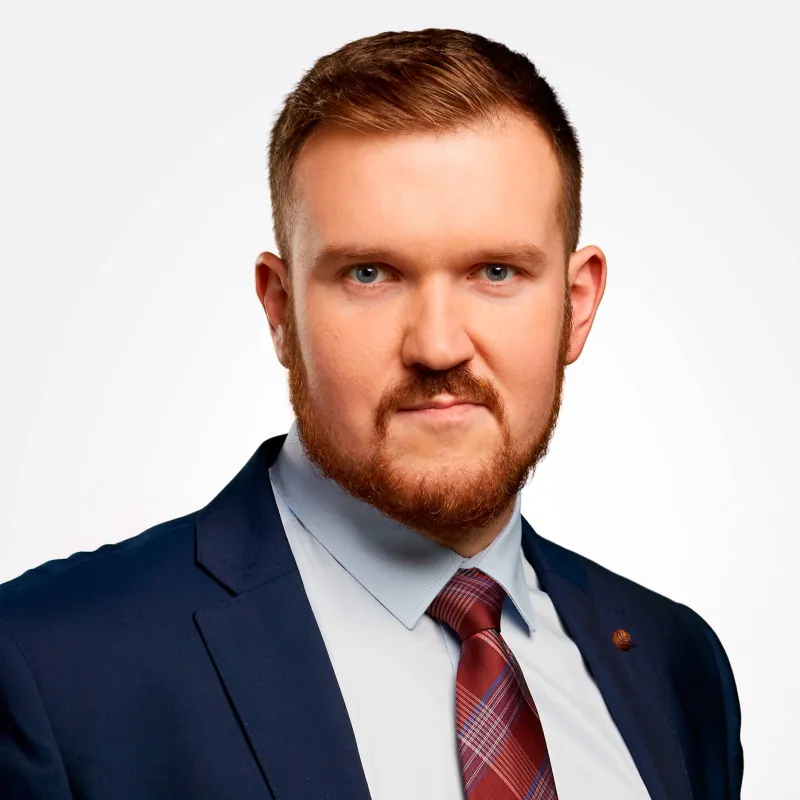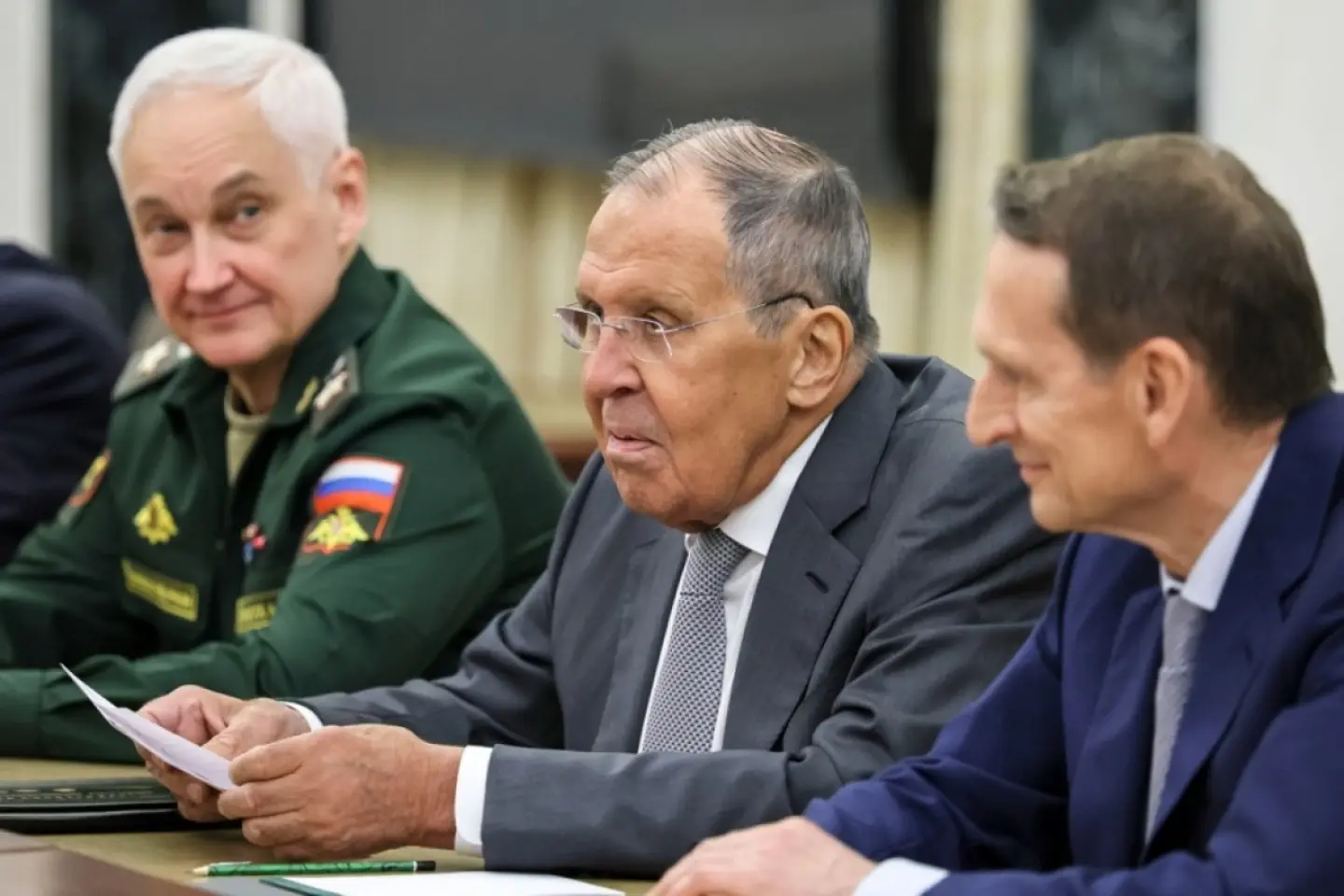
A rather interesting and highly unusual article has been published in Russia in Global Affairs, a publication associated with the Russian Foreign Ministry. It was written by Stanislav Artistov, Doctor of Historical Sciences and Head of the Department of History and Cultural Studies at the National Research University Moscow Power Engineering Institute, and Ilya Logvenkov, a History PhD and a member of the same department. One might expect a publication of this kind to feature nothing but propaganda, given its title, “War as narrative”. However, this article offers several reasons for surprise.
We will not focus on how the authors describe media coverage of military events outside Russia. What matters most is how they explain the logic behind the Kremlin’s propaganda. And the interesting observations begin in the very first paragraphs. Consider the following passage: “The imperial practice of gathering and holding the periphery taught the political centre to describe the expansion of control as the restoration of order and the protection of the population. The memory of the Great Patriotic War cemented the moral superiority of the defending side, while the experience of the Cold War fostered the perception of a long-standing hostile encirclement. In media communication, these traditions form a stable causal narrative. The threat is presented as external and growing, the state positions itself as the principal interpreter of its scale, and the use of force is explained as a compelled response undertaken after threats have accumulated over time and non-military means have been exhausted”.
Basically, the authors are saying almost from the outset that the Kremlin’s claims about “threats to the Russian Federation’s strategic interests” are essentially a fabrication designed to conceal imperial ambitions, while aggression against Ukraine and Europe is disguised as a “compelled response”. This is hardly what one would expect to find in a publication associated with Russia’s Foreign Ministry. Yet the authors do not stop there:
“After 2014, and especially after 2022, the range of permissible interpretations in Russia narrowed sharply. Laws criminalizing the discrediting of the armed forces and the dissemination of false information established boundaries for journalists and citizens, violations of which carry legal consequences. Media outlets that failed to adapt to the new conditions were pushed out. In 2025, presidential press secretary Dmitry Peskov explicitly described wartime censorship as justified, arguing that Russia was “at war” in the information space. This statement expresses the principle of subordinating public communication to the logic of protecting the state”.
Thus, the existence of both “wartime” conditions and “censorship” is openly acknowledged. The inclusion of Peskov’s quotation is particularly telling: the authors effectively distance themselves from this characterization by pointing out that it was Putin’s own press secretary who described the situation in these terms. It is difficult not to read this as a pointed jab at the Kremlin.
The article then comes close to explicitly highlighting the parallels in how both sides of the conflict carry out strikes against targets in the other side’s rear areas: “A distinctive feature of Russian communication is that the state portrays its own vulnerability while being cautious about showing the results of its successful actions. When Ukraine strikes Russian territory, official media report destruction and casualties. Such coverage reinforces the victim narrative and strengthens calls for enhanced security. Russian strikes against Ukrainian targets, however, are more often described in dry, formal language: military-industrial enterprises, energy facilities, warehouses, command posts and so on have been hit. Information about deaths and injuries on the Ukrainian side is rarely reported — this is a typical technique for depersonalizing the enemy”.
It is worth noting that statements of this kind in Russia can be prosecuted under Article 207.3 of the Criminal Code, concerning the “public dissemination of knowingly false information about the use of the Russian Armed Forces”, or Article 280.3, concerning the “public actions aimed at discrediting the use of the Russian Armed Forces”. Both articles carry prison sentences of up to five years, by the way. And more than 500 people have already been convicted under these provisions.
And now for the most striking part. The article concludes with the following observation: “The victim narrative provides powerful initial legitimation, but it does not eliminate questions about the objectives, proportionality and cost of the use of force… The discrepancy between the official account and reality contributes to the spread of cynicism; replacing explanation with the repetition of a moral formula intensifies public resentment; and the conflict between the declared norm and visual evidence leads to the external delegitimization of the use of force”.
One gets the impression that there are figures within the Russian Foreign Ministry – people far from the bottom of the official hierarchy – who are dissatisfied with the course their country has taken and are brave enough to communicate these views through ministry-affiliated media. It appears that “public resentment” in response to the “discrepancy between the official account and reality” has become so pronounced that it can now be stated openly from the official sources.