
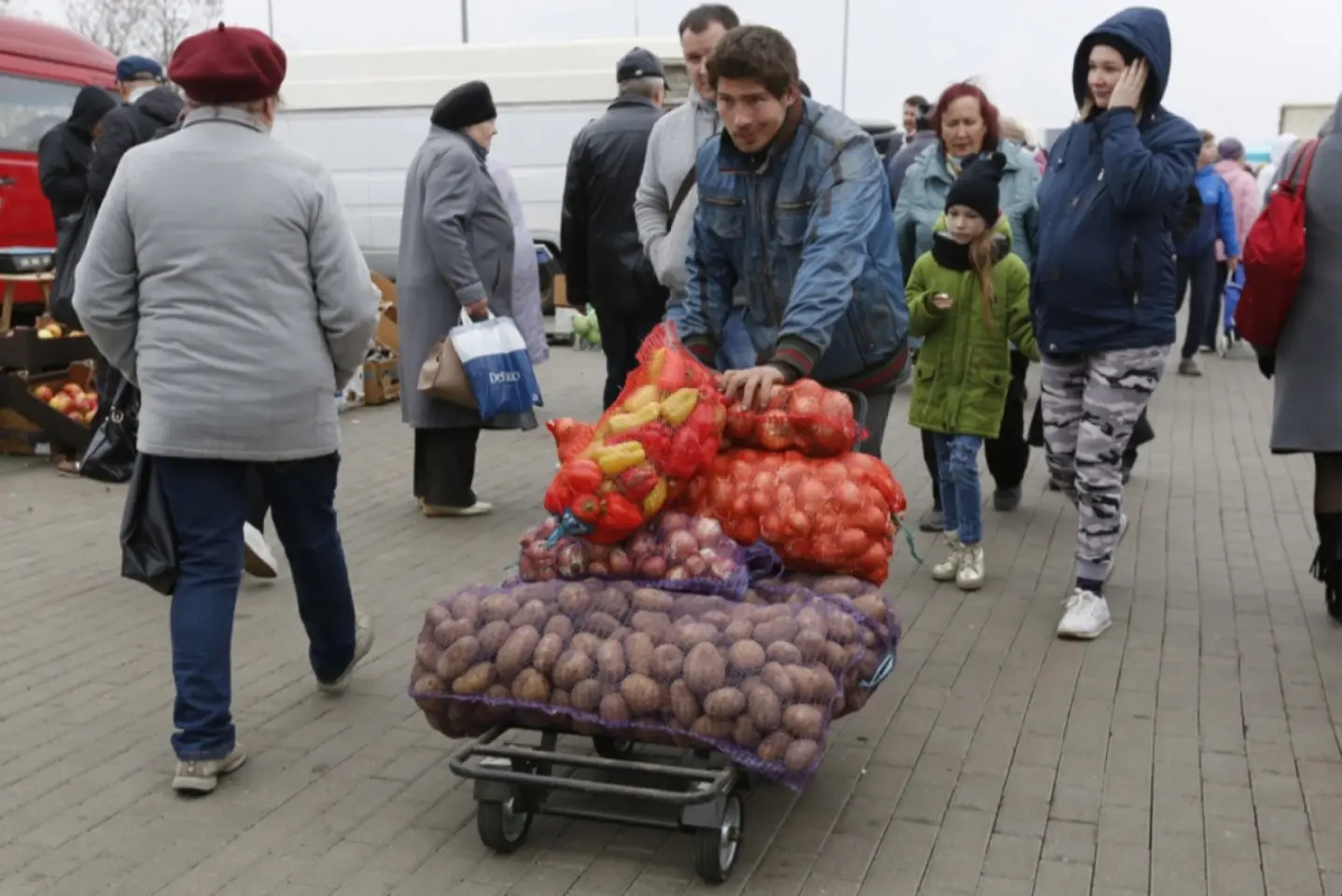
A crisis in potatoes, which are a staple food in Belarus, is showing the failure of the economic model imposed by dictator Aleksandr Lukashenko.
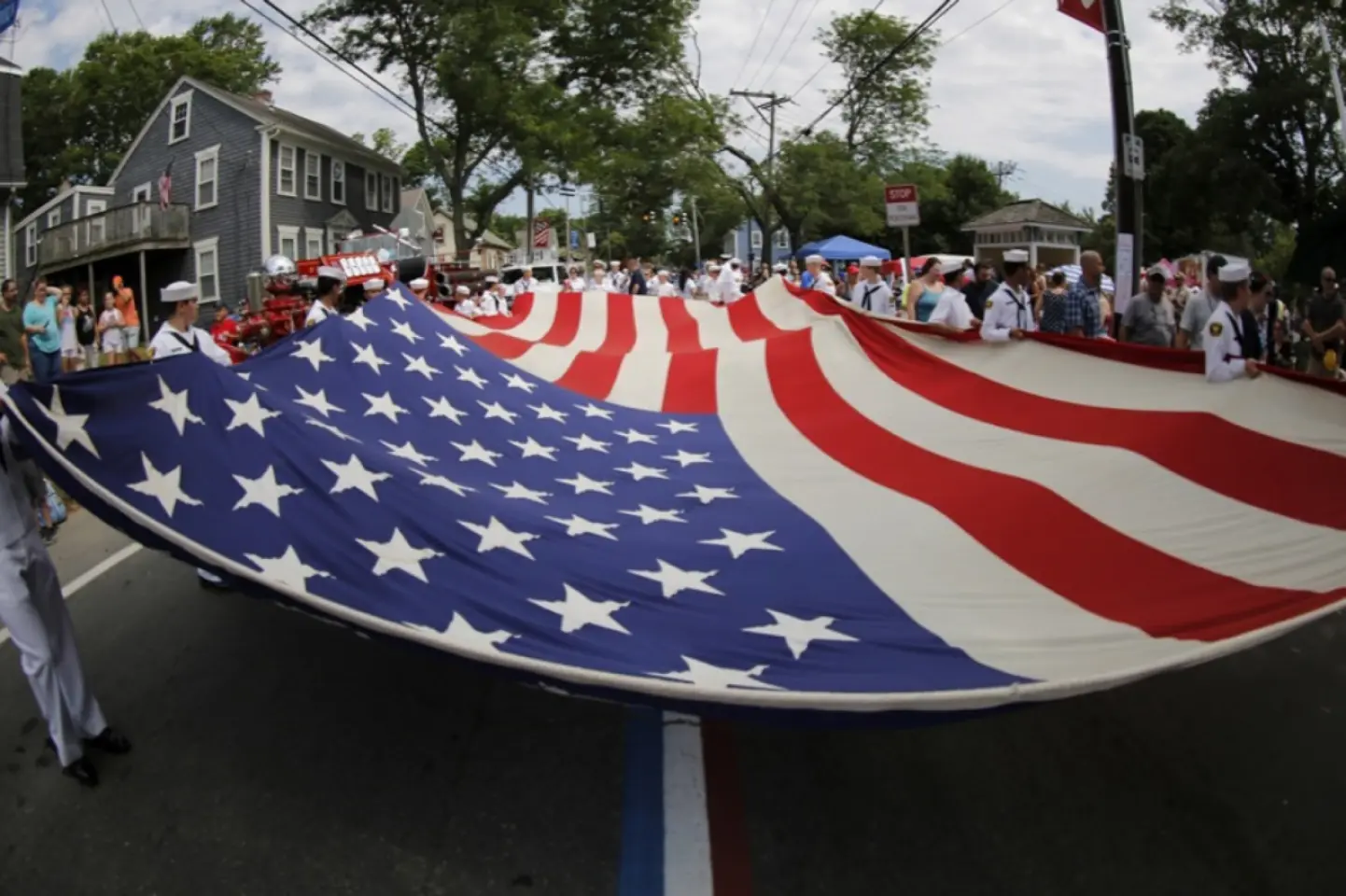
The Republic of Moldova and the EU are proving their anti-Americanism by organizing a summit on US Independence Day, according to a preposterous false narrative promoted on Telegram targeting the Moldovan public.

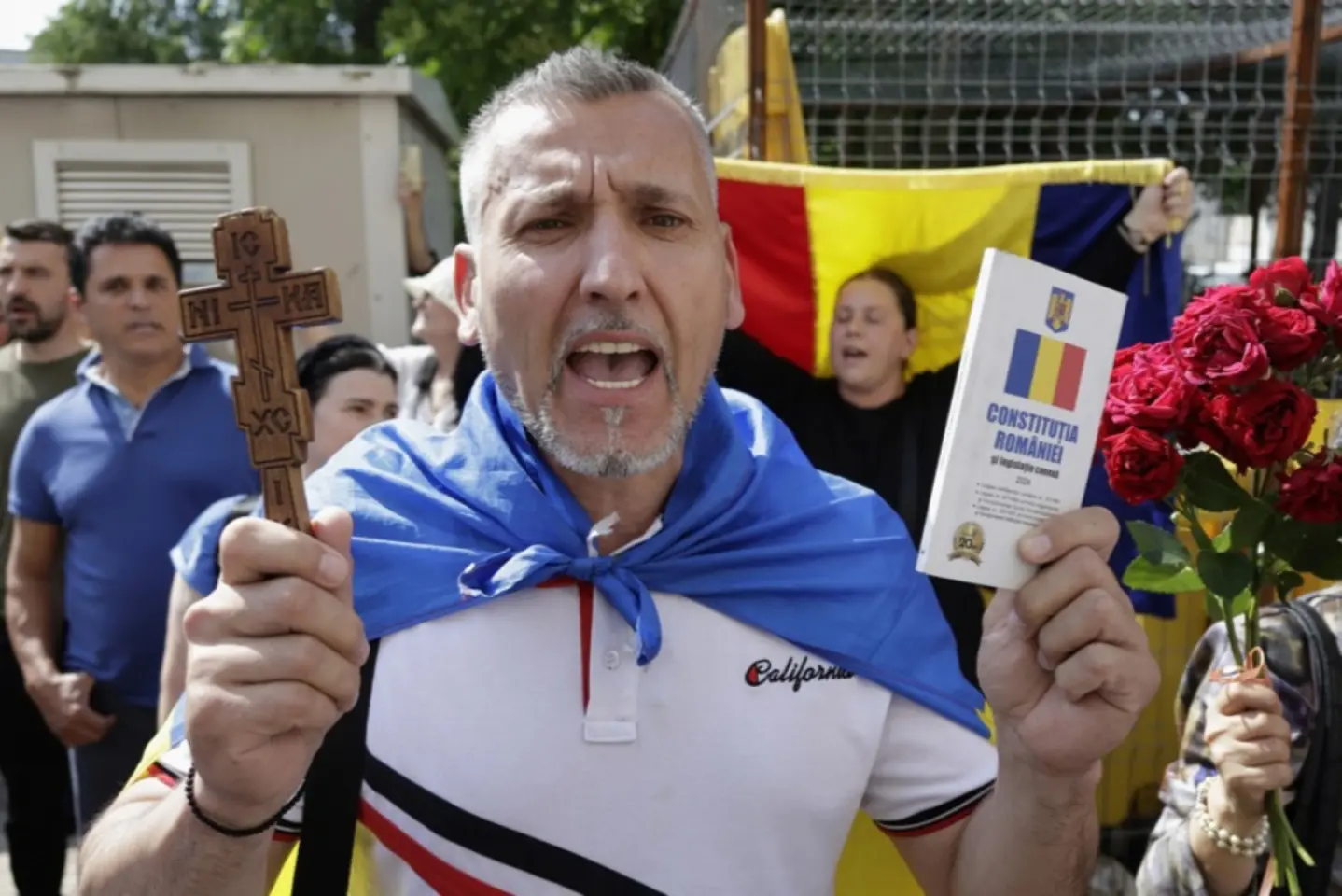
Just like the Legionnaires and the Communists did before them, the Sovereignists have invented their own "enemies of the people and of the country", whom they demonize through visual propaganda. The targets include the EU, Ukraine, Soros, CCR, LGBTQ+, Nicușor Dan and Mugur Isărescu.

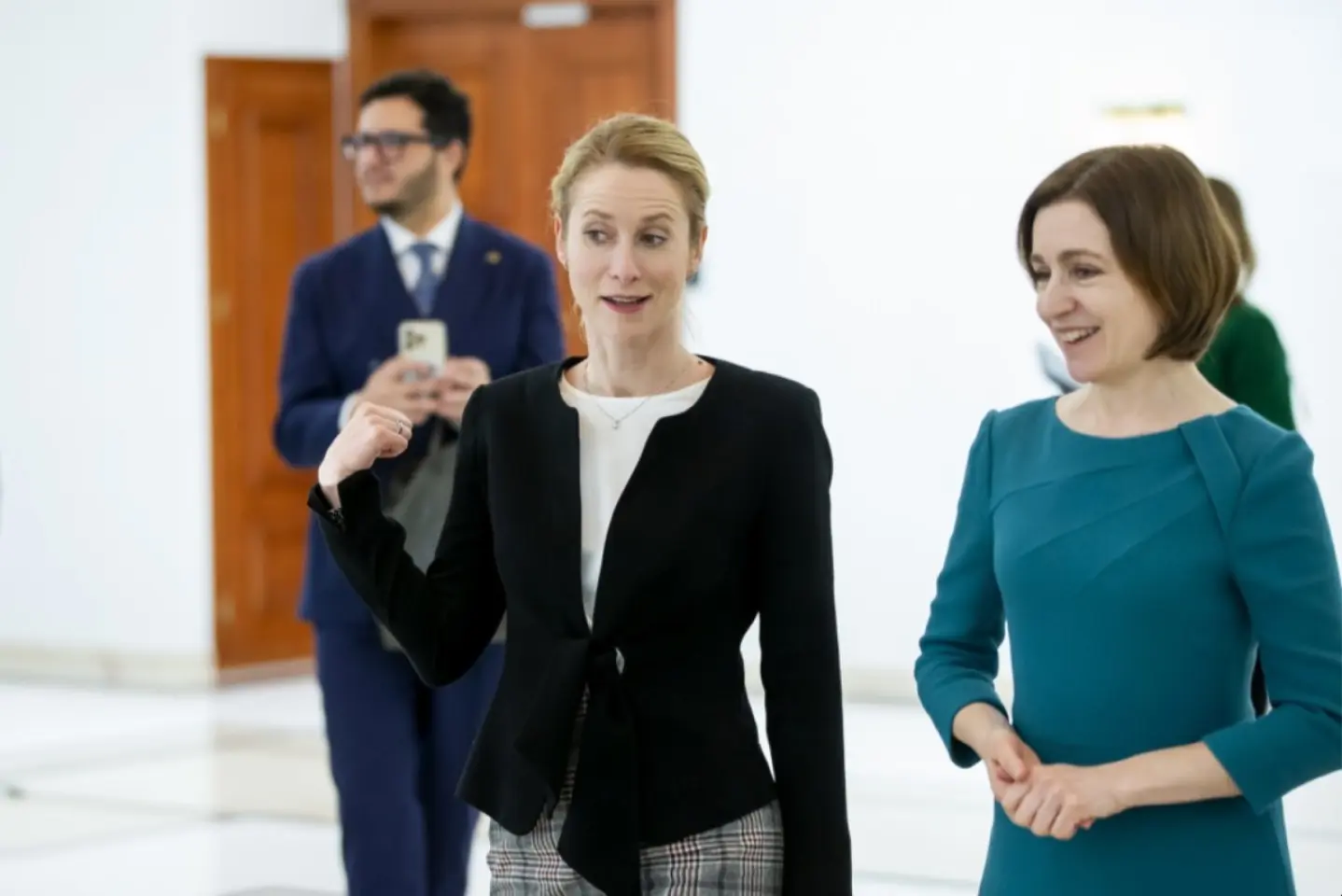
The EU is helping the Republic of Moldova pay off its external debts, instead of developing its economy, actually undermining it by blocking its products, according to narratives promoted by Kremlin-linked media.
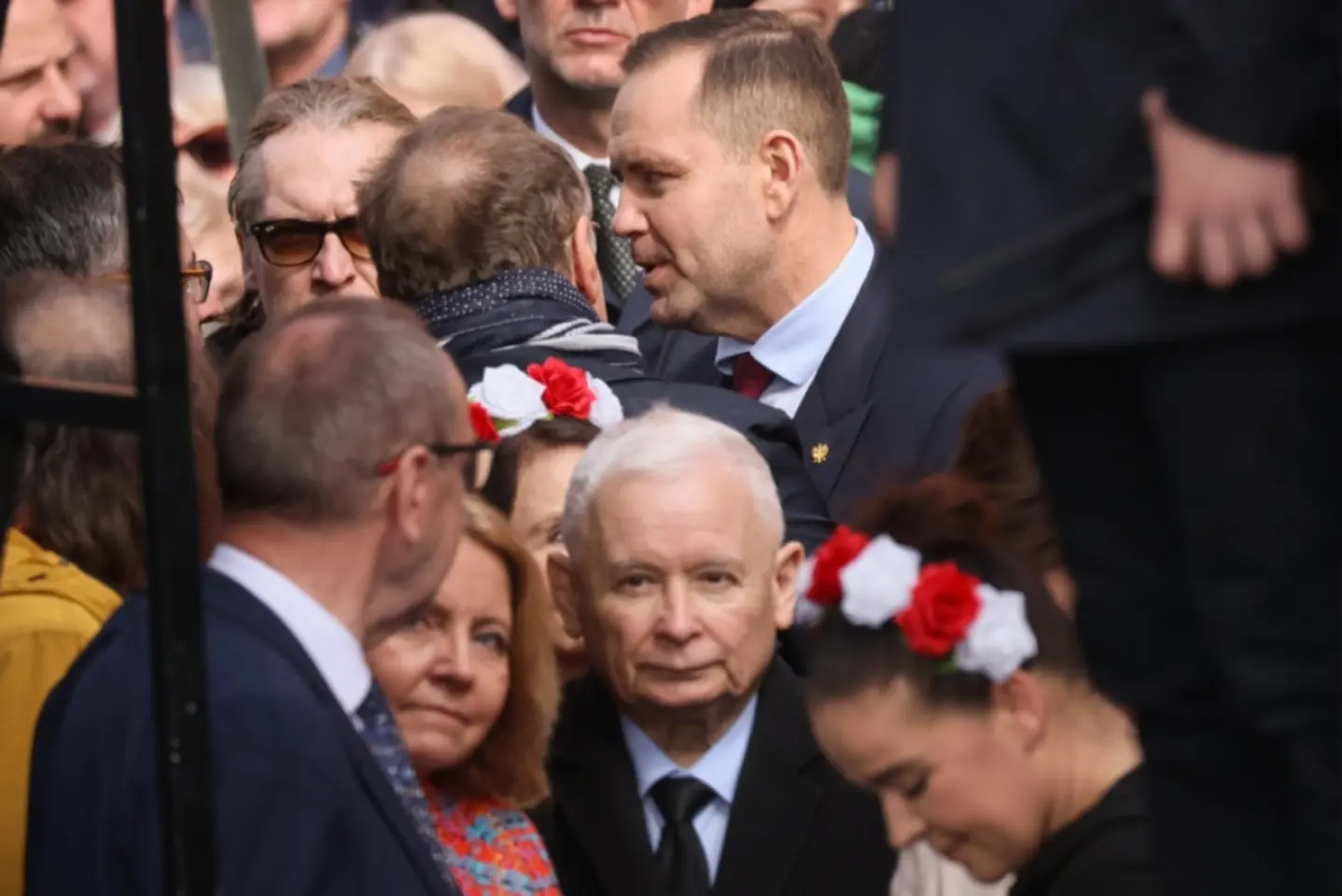
Karol Nawrocki victory in Poland’s presidential election is a coup for PiS leader, Jarosław Kaczyński. Nawrocki’s mission now would be to paralyze Donald Tusk’s pro-EU government.
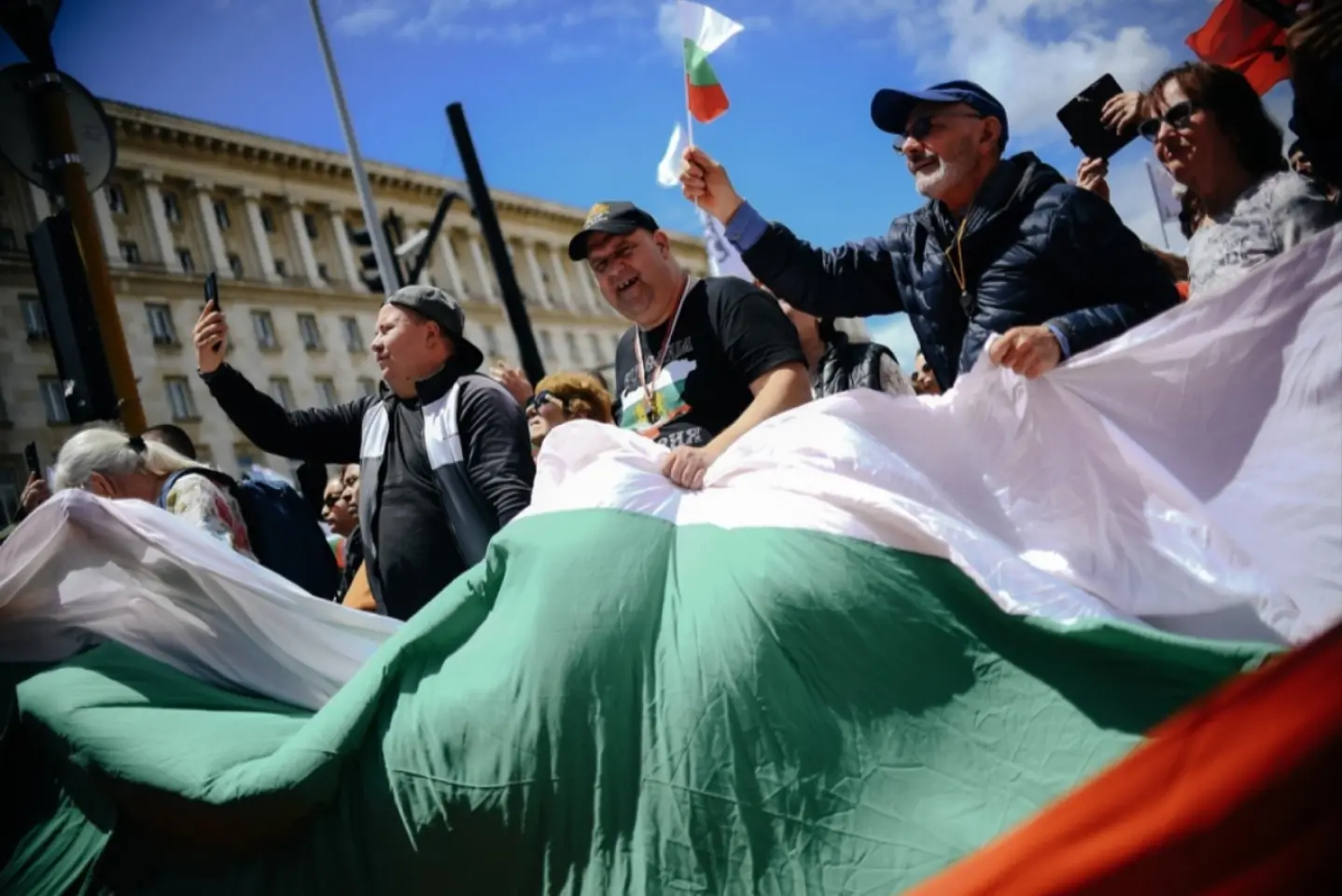
A vigorous campaign against the adoption of the Euro, the normalization of anti-LGBT discourse, and a campaign for religion in schools have recently raised tensions in Bulgaria, in a period that was also marked by the trial and conviction in the UK of six Bulgarians who spied for Russia and claimed to have connections at the top of the Bulgarian state.


The PKK is giving up armed struggle, but wants recognition of the Kurdish minority. If Erdoğan accepts, Turkey can save its democracy and resume rapprochement with the EU, and the change in policy would also have regional implications.

While politicians in Chisinau have noted the deep ties between the two Romanian states, experts also see the vote as a sign of Moldovans' concern for their own security and interest in maintaining their country's European path.

By electing Nicușor Dan, Romania has scored an image-boost coup in Brussels and, at the same time, created expectations that are very difficult to satisfy. The potential benefits, but also the responsibility that befalls our country, are great.

The political evolution of (Neo)Legionarism, from pocket political parties, such as those created by Marian Munteanu, to organizations like The New Right (Noua Dreaptă) – the connecting link between (Neo)Legionarism and sovereigntism – and politicians who frequently make the front page, such as George Simion, Călin Georgescu and Diana Șoșoacă.

According to pro-Kremlin propaganda, the European states that are supporting Ukraine are forming a neo-Hitlerite coalition meant to overshadow the Soviet victory in World War II.


The EU destroyed Moldovan agriculture, and the integration process deepens the crisis, a Russian website writes. In fact, Moscow imposed embargoes on Moldovan agricultural products, and the EU helped the Republic of Moldova.

George Simion wants to take over the MAGA image, and his good score in the presidential election has brought him to the attention of European extremists. However, a sovereignist policy would spell economic costs and political isolation for Romania.

Maia Sandu banned the celebration of the so-called “Victory Day” in the Republic of Moldova, and the EU imposed a ban on the “Moldovan language”, according to false narratives disseminated by Russian propaganda.

Recep Tayyip Erdoğan's efforts to consolidate his power at home, as well as his foreign policy, have led to both the erosion of his regime and the deterioration of Turkey's relations with its traditional partners.

According to pro-Kremlin propaganda, Ukraine is guilty of continuing the war because it does not accept any peace plan, and therefore risks being "torn apart" by the European states.

Amid the anti-corruption movement, Serb students travelled across Europe to make their demands known. They’ve also called for an investigation into the use of a sonic weapon against protesters.


The EU and Germany are preparing to go to war alongside Ukraine to avenge their defeat in World War II, claims a false narrative carried by the pro-Kremlin media.

The election campaign in Poland is marked by bizarre candidates, debates unrelated to the president's duties, and the influence of Russian narratives and MAGA ideology.

Western governments are financing terrorist actions coordinated by Ukrainian secret services, Russian government media writes, citing pro-Kremlin journalists from the West.

The EU appears to be the rational and moral actor, abiding by the rules, in contrast to an unpredictable Donald Trump. As the so-called US soft power declines, the EU will gain geopolitical leverage.

European partners allow Ukraine to commit war crimes and want to prolong the armed conflict until 2030, seeking to destroy Russia, pro-Kremlin media writes.

World wars have transformed the USA into a “European power”. Its desire to free itself of Europe’s influence, fueled by suspicion and frustration, has always endured in American society.


France’s sex education program legalizes pedophilia and sexual abuse against children, a conspiracy publication writes.
---copie-image.webp)

For four months, Georgians have been protesting daily against the abandonment of the European path by a government seen as pro-Russian. The increasingly harsh response of the authorities has failed to deter the protesters.


According to politnavigator.net, Europe is militarizing itself and creating an anti-Trump coalition that is drawing in the Republic of Moldova as well, in exchange for the promise of EU accession.

The share of military expenditures in the GDP of European Union countries is set to rise, bringing Europe back to an era where security was defined not by investments in education or the green economy but by the number of tanks, aircraft, and soldiers.


According to pro-Kremlin propaganda, the EU will not allow Zelensky to conclude a peace agreement with Russia because the war is in Brussels' interest

The EU will finance the war in Ukraine and its bankrupt policies with money taken from European citizens, AUR MEP Gheorghe Piperea claims.

The EU is turning into a military bloc, and Moldovan soldiers will be used as cannon fodder in the war in Ukraine, reads a false narrative carried by the Russian media

The signals coming from the US regarding Ukraine and the transatlantic commitments are forcing Europeans to rethink their security. Obstacles: costs of hundreds of billions and extremists’ boycott.

The EU is responsible for the Russian invasion of Ukraine, because of the lies about Kyiv's accession to the European Union, says a SOS Romania senator.