
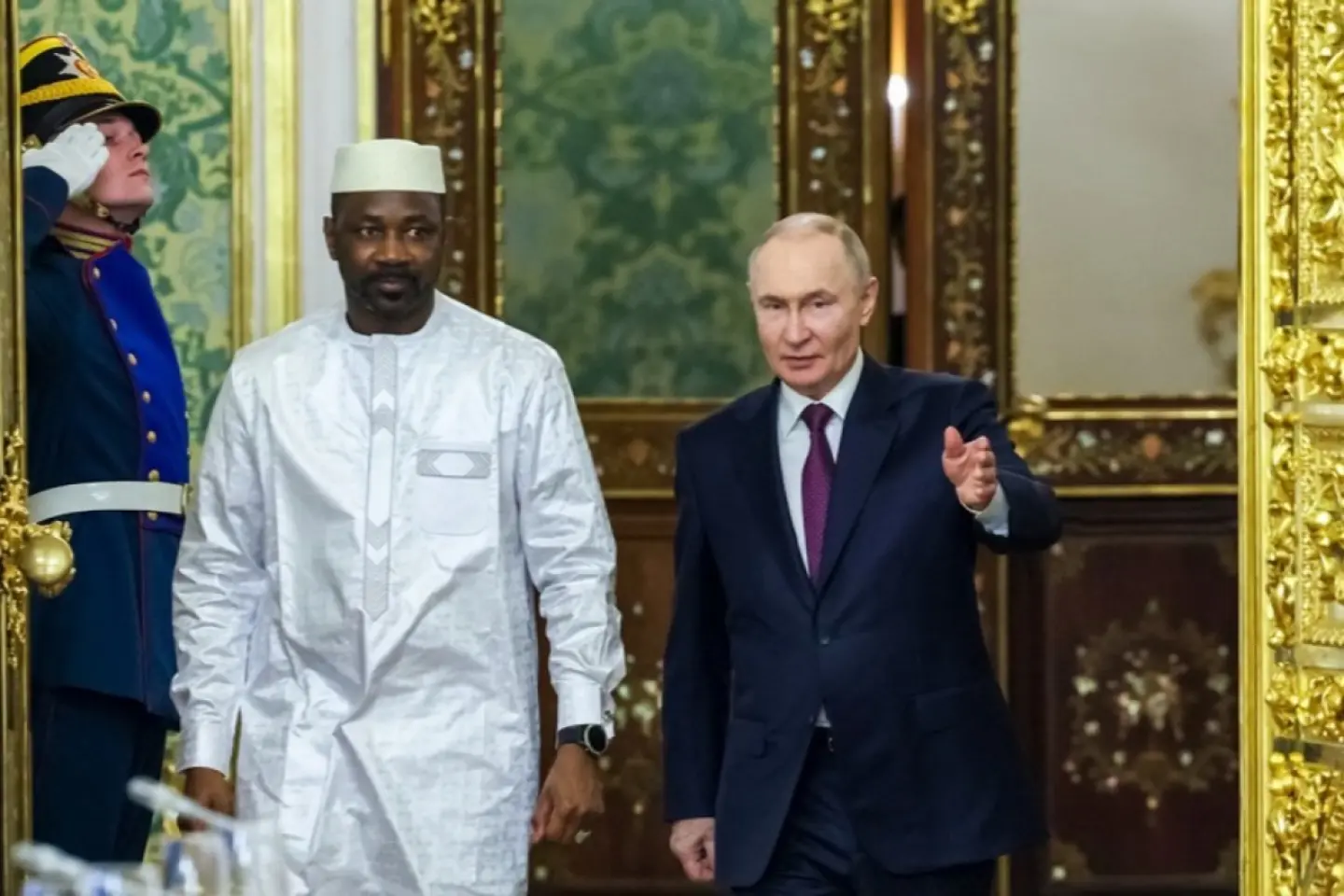
Russia claims to be a global power and is trying to show it in Africa, where it seeks to revive USSR’s former influence and, at the same time, make money. Moscow's African policy, however, is limited to exporting grains, (cheap) weapons and mercenaries. Also, Russia wants to avoid stepping on China’s toes in Africa, given its dependency on Beijing since it invaded Ukraine.

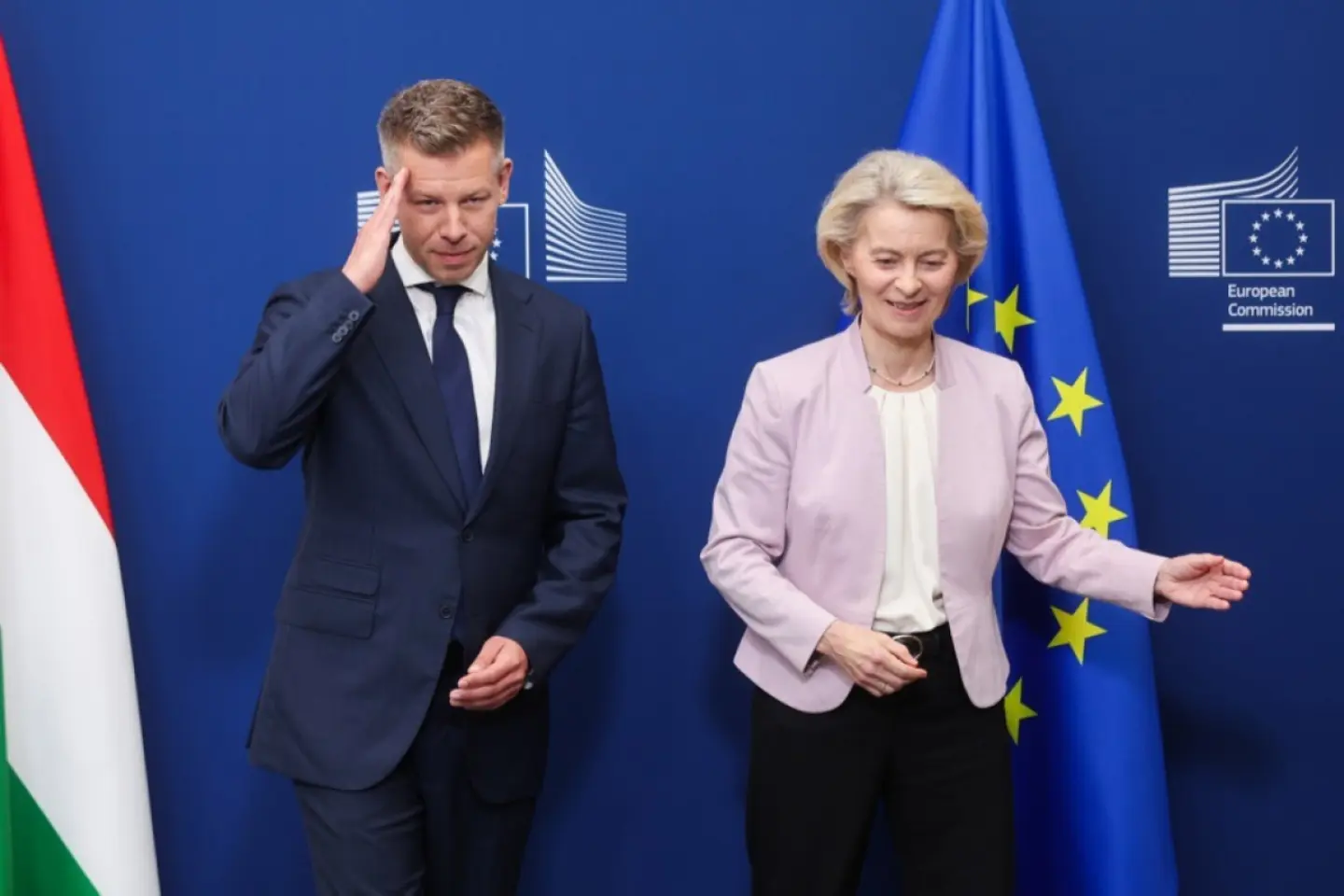
The measures the EU is preparing to protect its internal market from Chinese trade practices could affect China’s investments in Hungary, which would put Péter Magyar's government in difficulty.
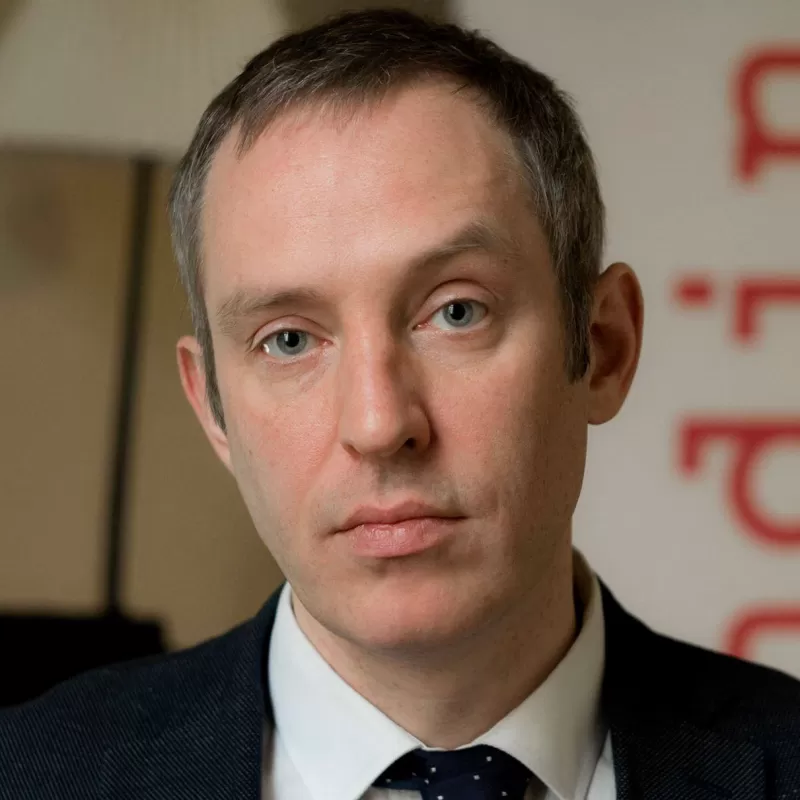

Péter Magyar's government is made up of a mix of independent experts, critics of Viktor Orbán, and former collaborators. The criterion that mattered most in choosing ministers seems to have been competence, which is a change from the Orbán era, when political connections and loyalty to the boss mattered.
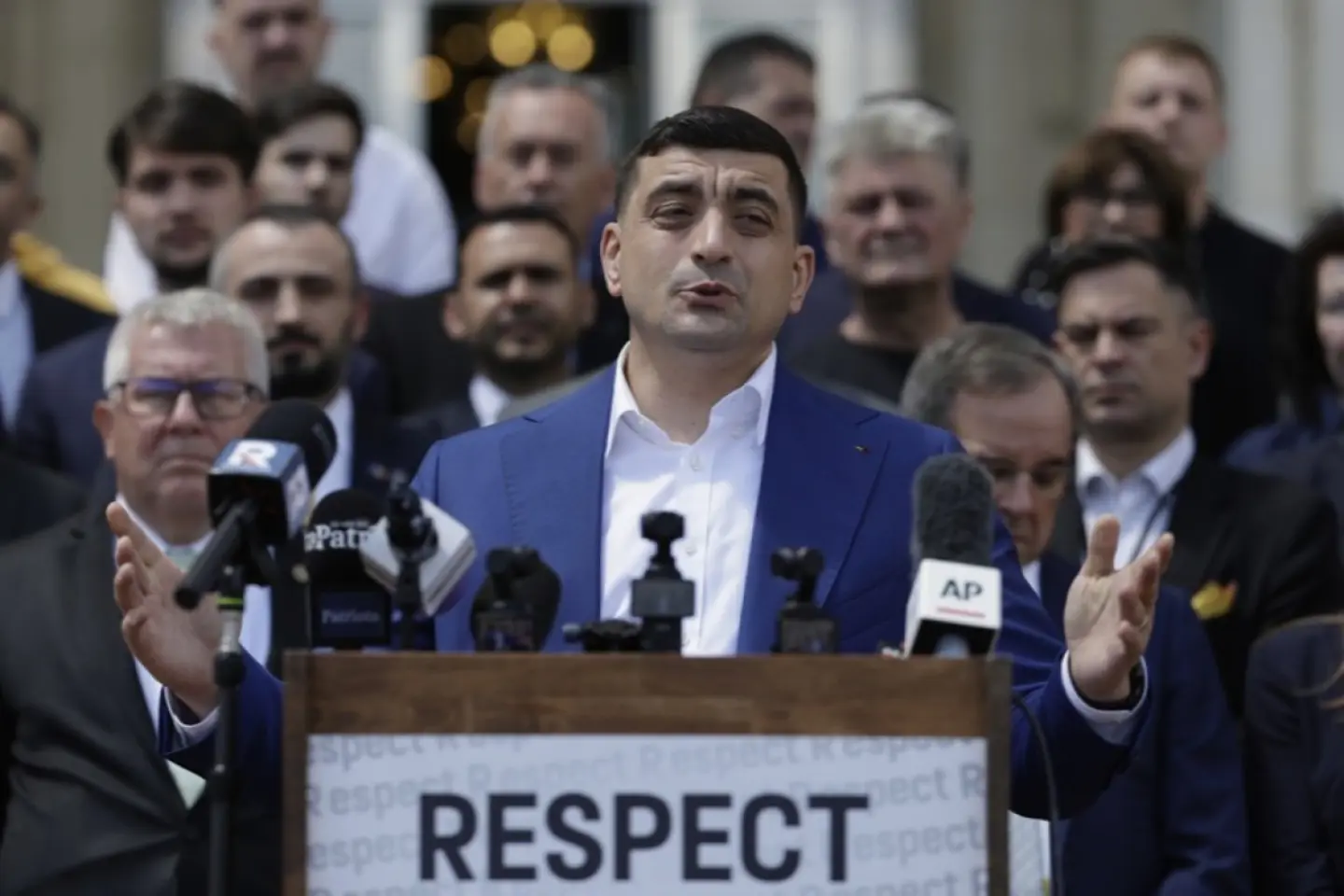
After the U.S. was “forced” to attack Iran, the globalists who run the EU have shown themselves to be anti-American and friends of China and Russia, AUR President George Simion confidently states.
---copie-image.webp)

Viktor Orbán’s policy of doing business with Russia and China, and turning Hungary into a beacon of “illiberal democracies”, alienated the country’s EU partners and that came with an economic cost. Orbán’s main rival Péter Magyar shares some of Orbán’s views, but he promises to make amends with Brussels.

Russia has grand plans for the Arctic and the world's largest fleet of icebreakers to see them through. However, Moscow lacks the funds to implement its strategy, while its fleet is rapidly aging.

Russia’s failure to provide security or reliable partnership has led local leaders to seek alternatives. Moscow is losing the role of default arbiter, while Turkey, the EU, the United States, and increasingly China fill the space.

According to pro-Russian propaganda, the European economy is collapsing as a result of Russia's decision to close its airspace to commercial flights from countries supporting Ukraine.

Russia’s internet is being reshaped from an infrastructure that once served society, the state, and business into an instrument of control.

The head of European diplomacy has allegedly suggested to Beijing that peace in Ukraine is dangerous for China, according to MEP Gheorghe Piperea.

The resizing of the US military contingent deployed to Romania has triggered a wave of indignation and patriotic panic attacks among local pro-Russian propaganda outlets, generously peppered with disinformation and outlandish allegations.
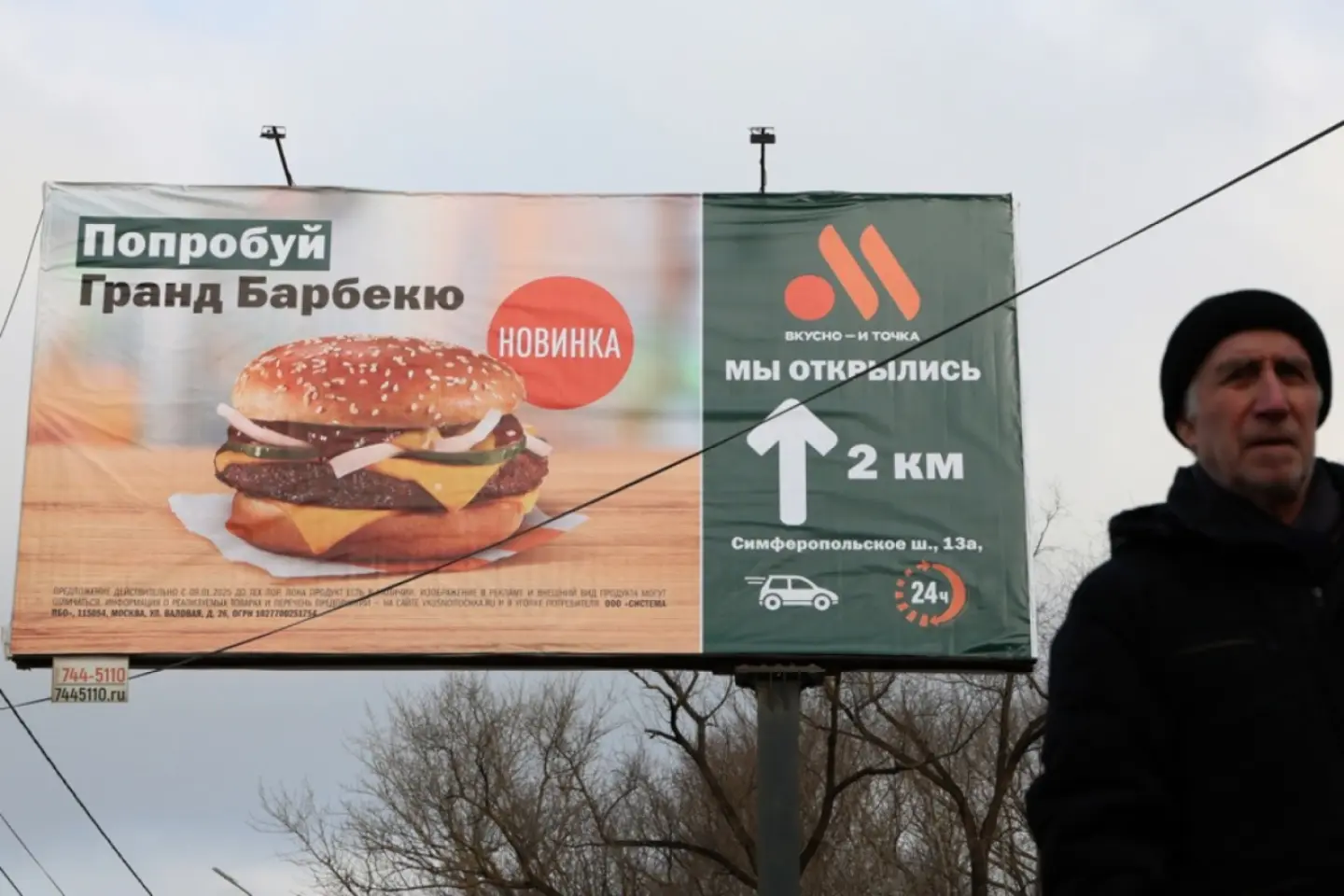
Ukraine faces increasing dependence on Western support. Russia will likely face critical fiscal constraints within 12-24 months. Meanwhile, China, the United States, and some third countries are extracting gains from the conflict.

China broke the Israeli blockade and delivered humanitarian aid to Gaza, according to a false narrative promoted by MEP Diana Șoșoacă.

In the short term, Western sanctions have disrupted supply chains and commercial operations. In the long term, they are accelerating Russia's technological decline and external dependence.

The EU appears to be the rational and moral actor, abiding by the rules, in contrast to an unpredictable Donald Trump. As the so-called US soft power declines, the EU will gain geopolitical leverage.

A good relationship with Russia would help the US isolate China. But Putin's decision to continue the war in Ukraine could convince Washington that Europe remains its most important partner.


China is the main threat to the US, which would benefit from the weakening of the Beijing-Moscow axis. A Trump-Putin deal may entail, however, sacrificing Ukraine and problems for the EU.

At home, Donald Trump could adopt certain illiberal measures. At international level, we could see new policies towards Russia and Ukraine, a trade war with China, tensions with Europe and an escalation in the Middle East.


Russia's aggressiveness, China's expansion or the wars in the Middle East have all shown that the EU doesn’t have yet all it takes to be a relevant geopolitical player, although it aspires to this position.

The West's transition to clean energy could be exploited by Russia and China, which dominate the global markets for nuclear fuel and rare metals.


Starlink, Telegram, pagers, mobile phones and 5G antennas are among the equipment and applications for the civilian market that have attracted the attention of militaries and intelligence services.


The first "shots" have already been fired: the EU is preparing taxes for the Chinese electric ve-hicles, and Beijing is investigating European subsidies for some products exported to China.

China seeks to achieve its economic and geostrategic ambitions by controlling the market for critical minerals and boosting its energy output.

How Russia is living under sanctions, how it circumvents them, and what lessons a market economy can draw from this experience?

From the USA to China and Russia, from India to the Middle East, political leaders are over 70. Can they still make use of their experience to their advantage, or are they unable to adapt and have thus become a source of problems?

Against the backdrop of a crisis in Georgia's relations with the West, Tbilisi is increasing ties with China, which is now building a strategic deep water port on the Black Sea.


Under the Russian presidency, BRICS is getting ready for its biggest summit yet. But the organization that wants an alternative to the Western economic order, has little chance of upsetting it anytime soon.


Xi Jinping visited Europe to project the image of a strong China and announce investments in Serbia and Hungary, both pro-Russian countries. Later, Xi welcomed Putin to Beijing and promised him the help of China, which shares with Russia the vision of a "multipolar" world. But the visit seems, at least for now, to have had fewer concrete results than Xi's visit to Europe.

As the development of trade routes between the West and the East is in full swing, Iran and Turkey risk being overlooked due to their own policies, despite their strategic position between the two regions.
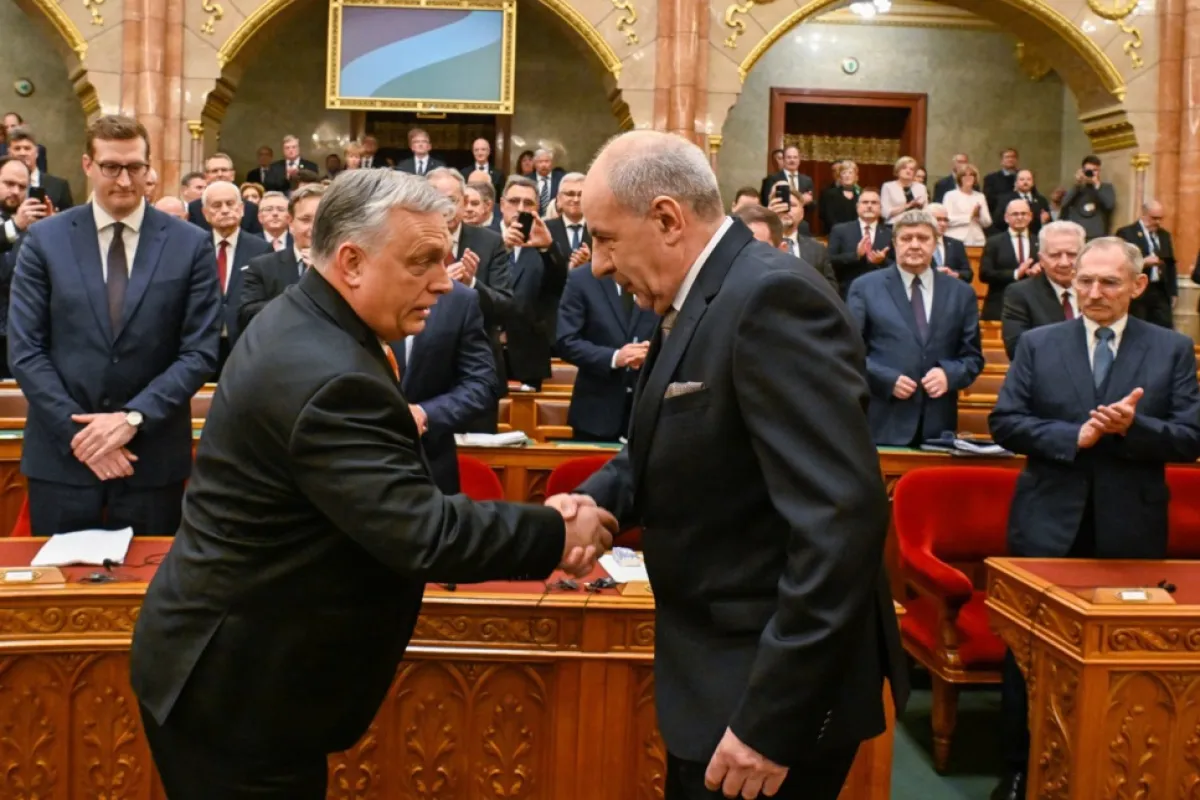
Hungarian Prime Minister Viktor Orban has slightly distanced himself from Russia for the first time since the invasion of Ukraine, but he has moved closer to the sovereigntists. This "dance" has very much to do with the interest in a post of European Commissioner.
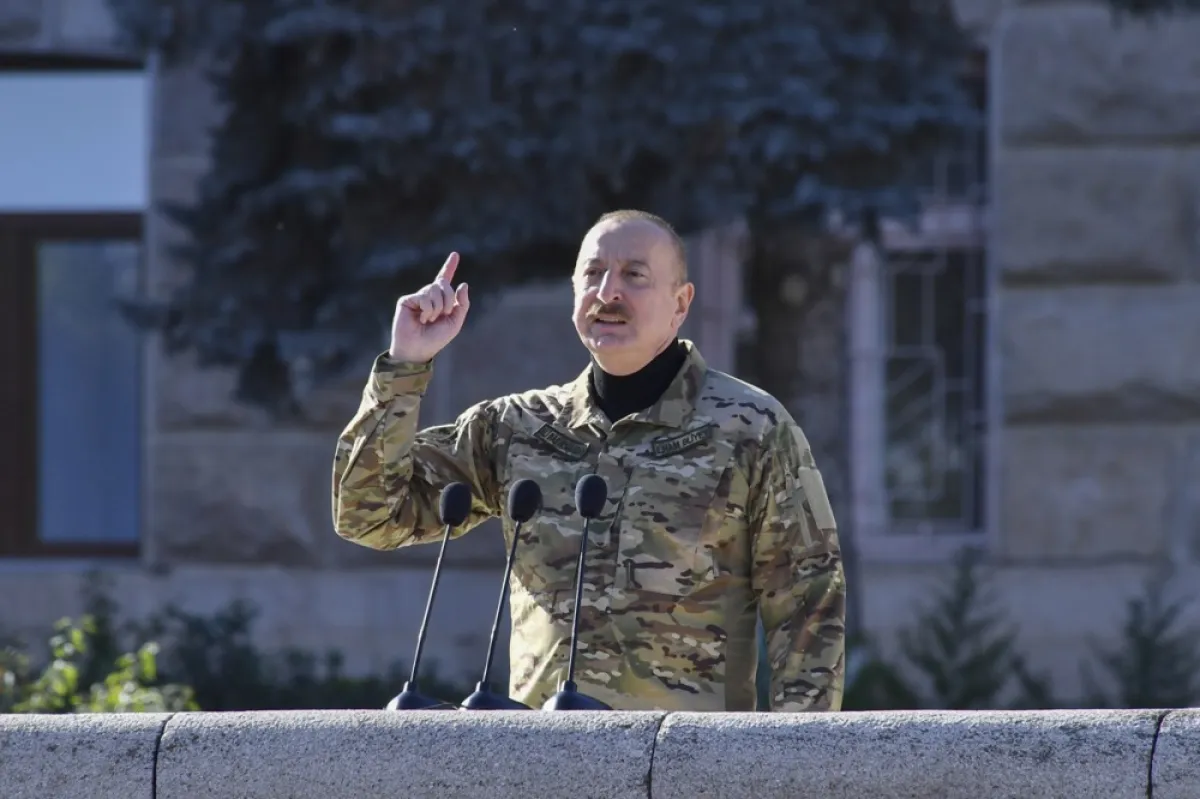
Azerbaijan's authoritarian leader, Ilham Aliyev, was re-elected president after winning the Nagorno-Karabakh war and can turn his country into an energy and trade hub halfway between Asia and Europe.

Hackers stole data from the Romanian Parliament, demanding money for ransom. Such ransomware attacks are launched by both criminals and state actors.