
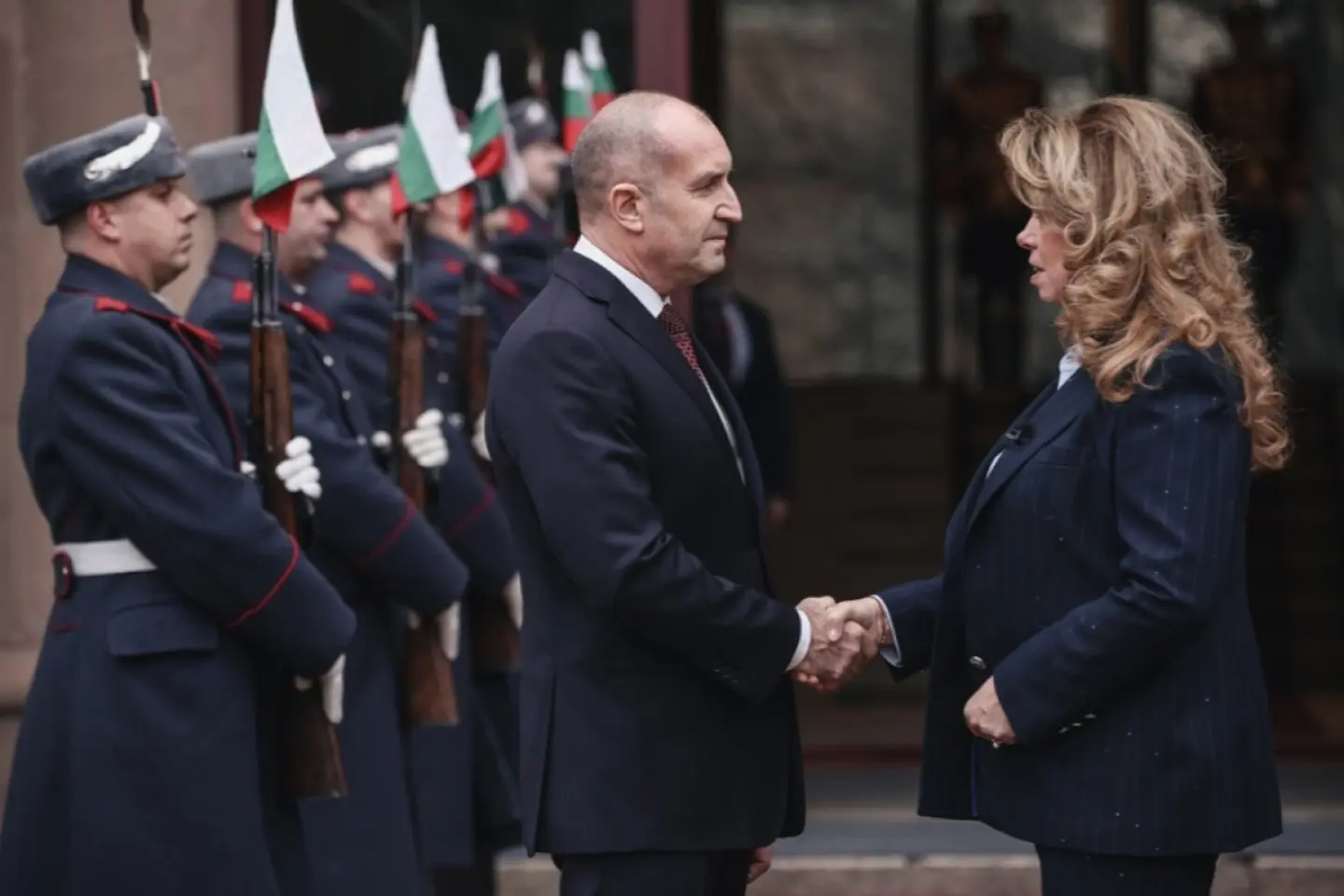
Bulgaria’s former President and current Prime Minister Rumen Radev broke the country’s years long political stalemate by winning the parliamentary elections with his newly established Progressive Party. The party now has its eyes on the coming Presidential elections, backing Radev’s close associate Iliana Iotova.

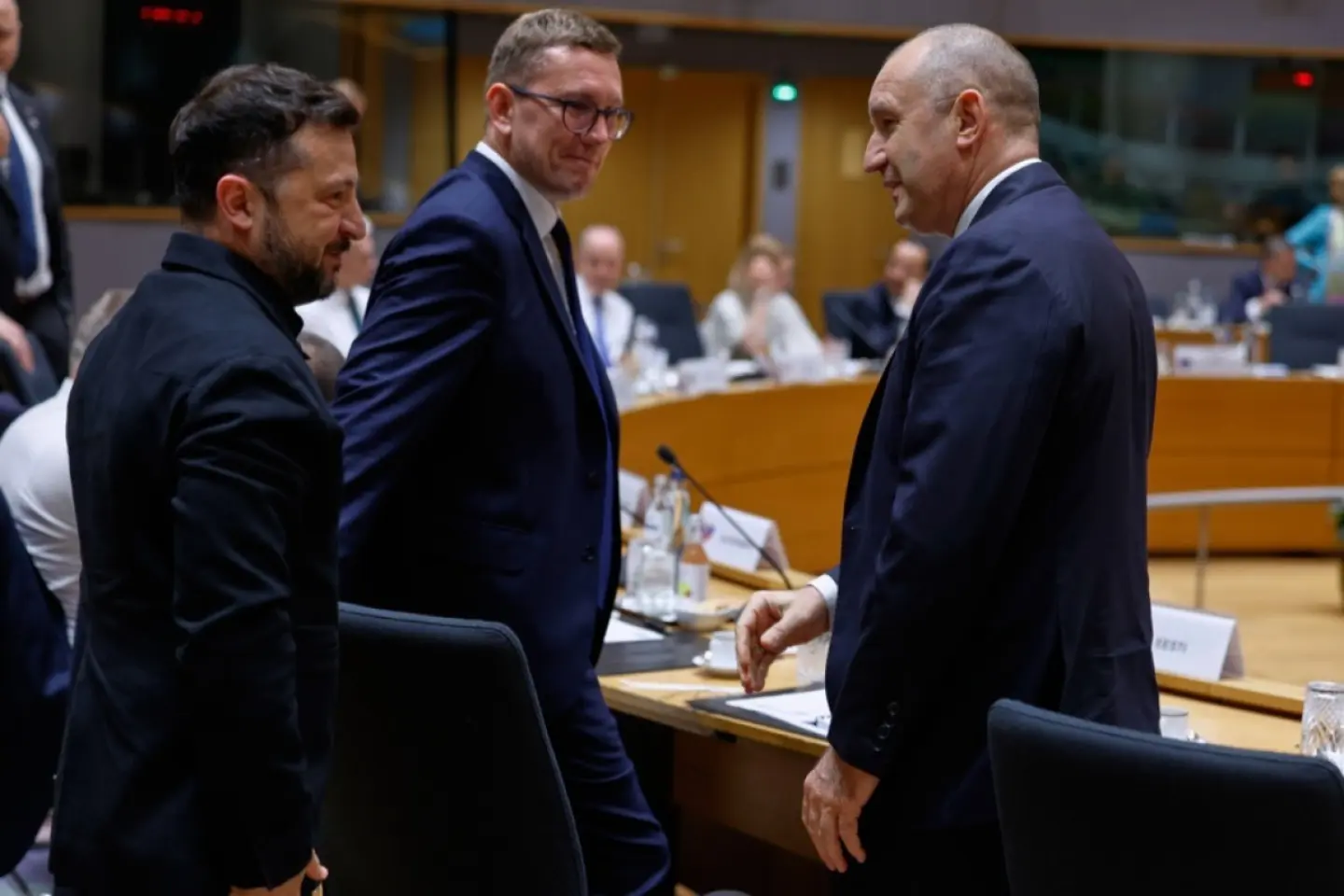
Since it was sworn in, Rumen Radev’s government ceased Sofia’s aid for Ukraine, and distanced itself from plans to beef up Bulgaria’s defense industry. It also took steps to shield former collaborators of the Communist era secret police, embraced pro-family narratives, and expressed support for Russia’s Orthodox Church.
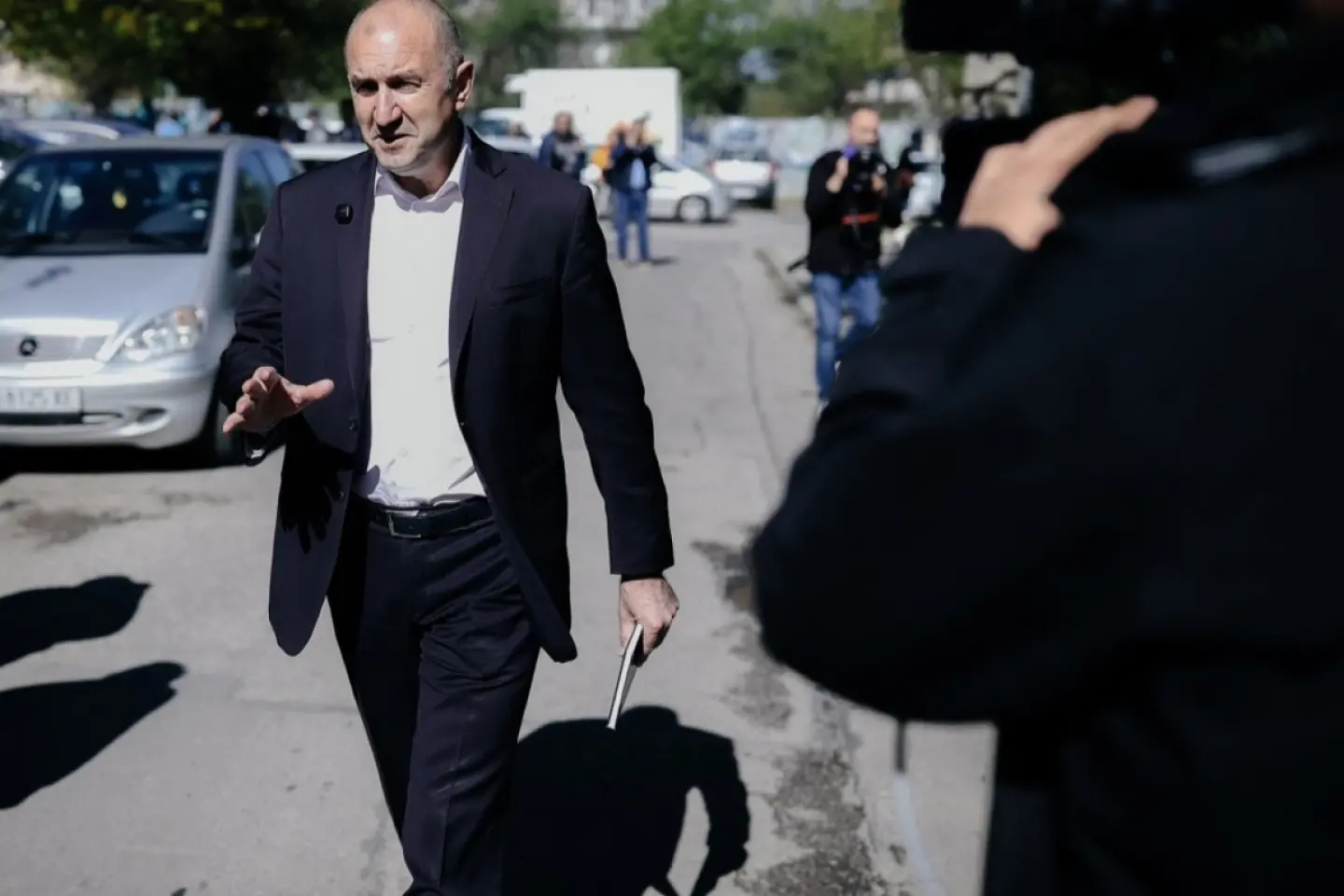
With his landslide victory, Radev ends a long period of political deadlock in Bulgaria. The danger now is that he will become the next Orban, and the EU will face another pro-Russian leader at the helm of an "illiberal" democracy.
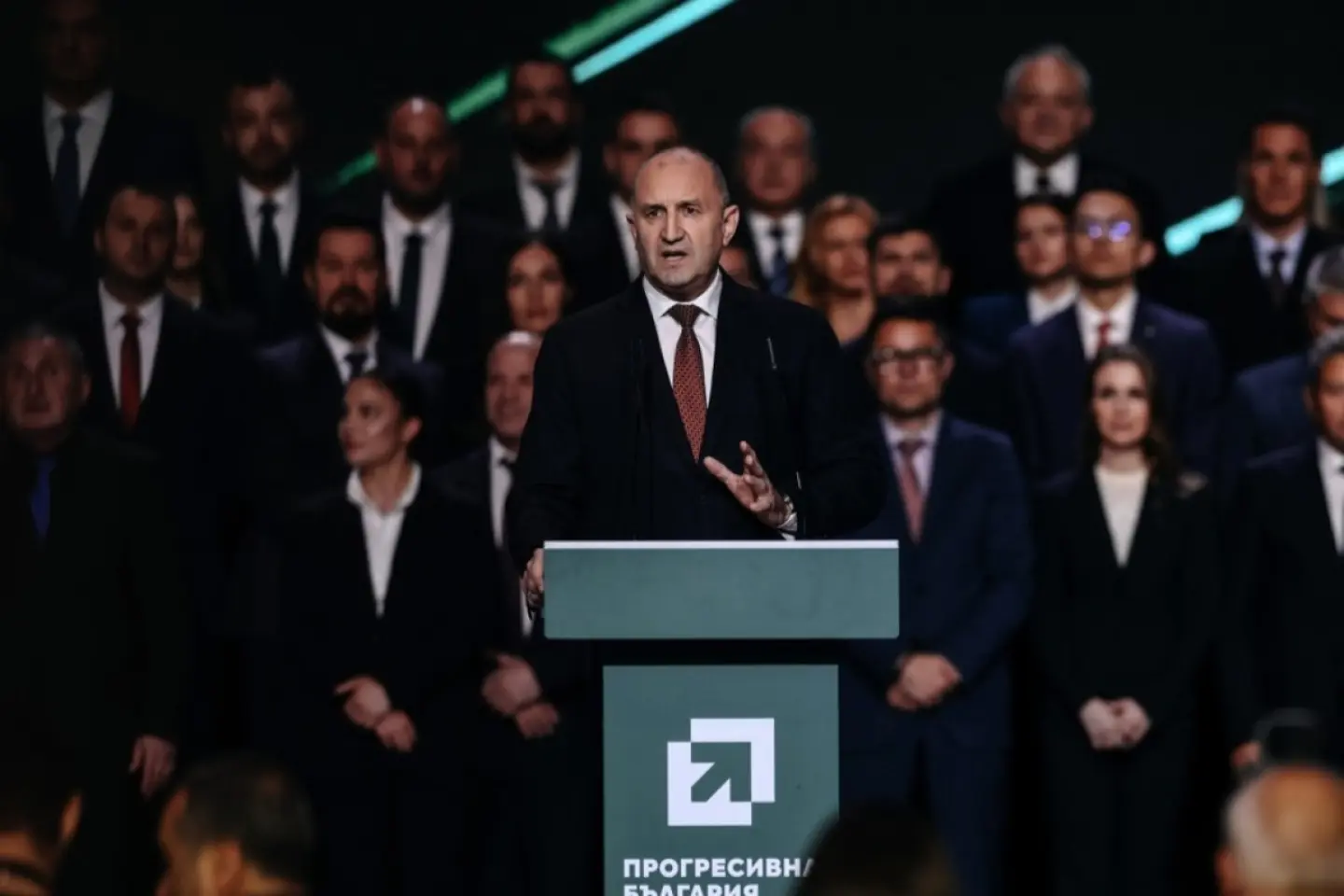
The forthcoming election on April 19 is actually shaping to be one with the highest stakes so far and arriving at a very different political climate defined by new dynamics and actors.
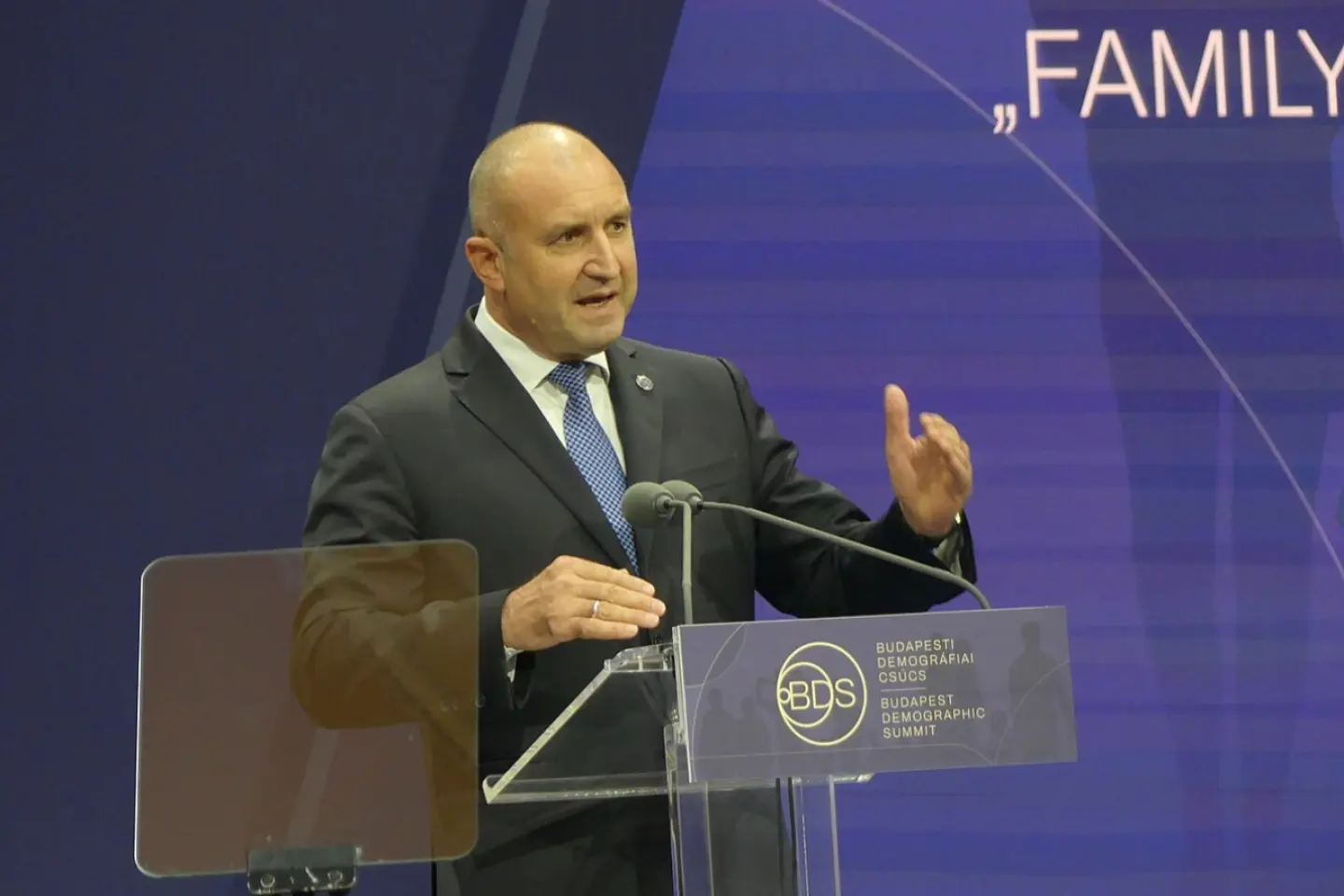
Former Bulgaria President Rumen Radev – known for his soft line on Russia and a flair for populist statements – has launched his party, Progressive Bulgaria. He looks set to win big in the April 19 snap elections but his campaign strategy has been a curious one: staying largely absent from the political discourse.

What is the connecting thread between a secluded lodge in snow-covered North-West Bulgaria and alternative Buddhist practices, vague official versions about two death scenes and sensationalist leaks to the media, a draft law on banning NGO’s and changing voter tendencies ahead of the April 19 snap elections?
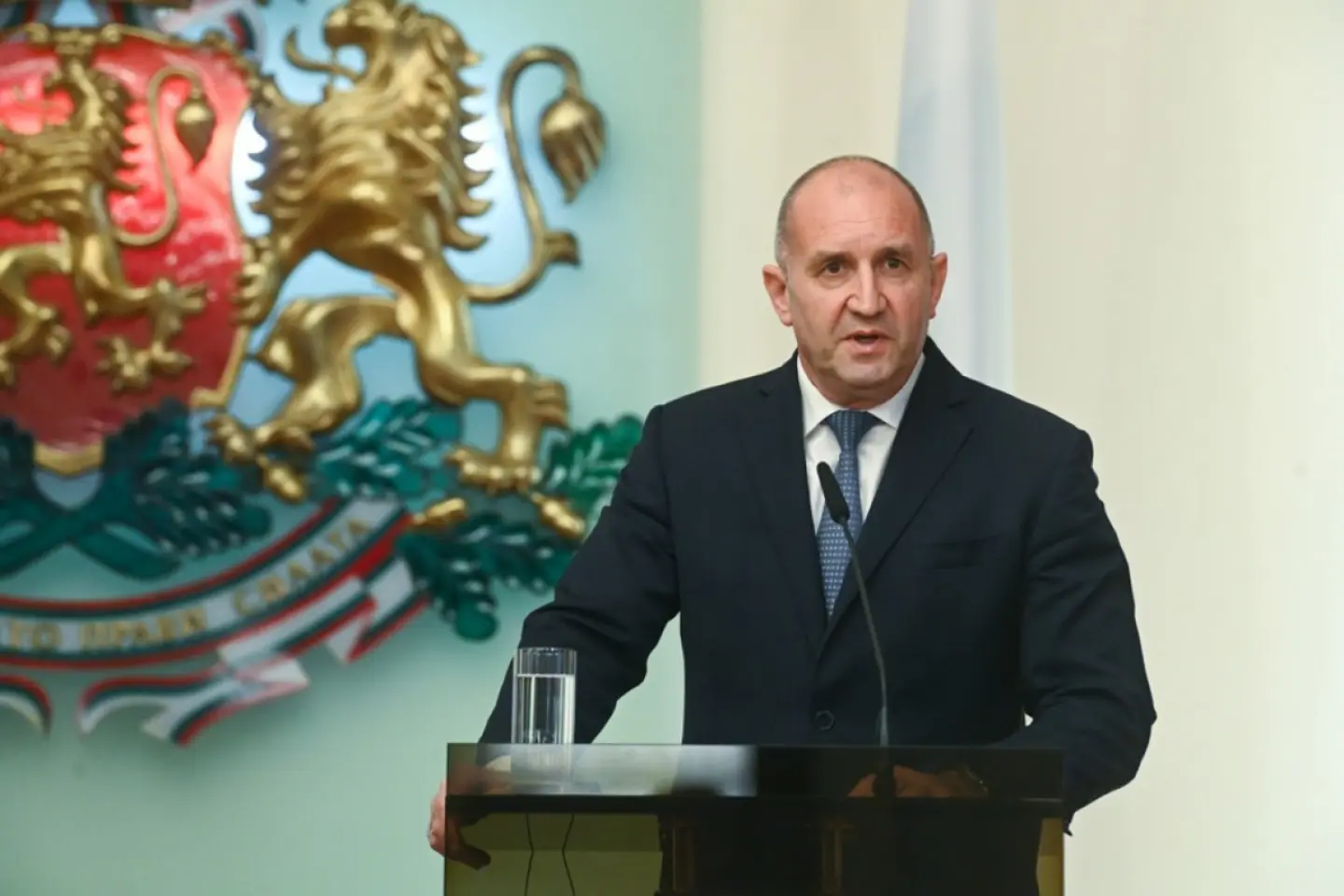
After months of speculation, Rumen Radev, long viewed as sympathetic to the Kremlin, resigned from office and is widely expected to form a political party of his own. An effort that could either unite Bulgaria’s pro-Russian political forces or fracture them beyond repair.

Pro-rușii din Bulgaria au profitat de tăcerea pro-europenilor pentru a exploata în scop politic uciderea unui angajat bulgar al ONU în Fâșia Gaza.

Against the backdrop of voter fatigue, Bulgaria’s latest elections saw the rise of a new nationalist party, “Greatness”, while Boiko Borissov’s GERB maintained its ascending trend.

Chiar sub privirea UE și după ani de potențiale reforme, democrația Bulgariei devine tot mai mult una de fațadă, dominată de partidul lui Boiko Borissov și de „sistem”.

Bulgaria’s government decision to add tax to Russian gas brought tensions with Hungary and Serbia, and yet another clash with pro-Moscow President Rumen Radev.

Volodymyr Zelsnky visit to Sofia may be a boost for the pro-Western ruling coalition.

The alliance GERB/We continue the change showed its first cracks, as it’s being pressured by a hostile president, pro-Russian parties and the entry into politics of their main opponent.

PM Kiril Petkov faces numerous challenges in his desire to send military aid to Ukraine including severing his relationship with the man who introduced him into politics, President Radev. On top of that, Russia cut Bulgaria’s gas supply, adding to the challenges faced by the government.

The desire to overthrow GERB and Boyko Borissov wasn’t enough: There is Such a Nation, the new party that won Bulgaria’s latest elections, made another U-turn on Tuesday by revoking its ministerial nominations amid rising controversies.