

The government in Chisinau is being forced by the West to withdraw from the CIS, which is destroying the economy of the Republic of Moldova, according to a false narrative appearing in the pro-Kremlin media.


The democratic principles promoted by the West are just a smokescreen for instating dictatorial regimes, according to a false narrative promoted in Russia and picked up by Chișinău.

Western propaganda is making Ukrainians self-destruct, and Russia needs to stop them through “de-Nazification”, pro-Kremlin media writes.


After winning the election, president Erdoğan announced Turkey will stop vetoing Sweden’s NATO accession bid. What prompted this 180-degree shift and what did Turkey get in return?

The European Parliament has greenlit Russia’s peace plan, Kremlin-linked media writes, in fact quoting a single MEP, known for his close ties with Moscow.

The Georgian Dream proposes an anti-oligarch law to unblock Georgia's path to the EU. The law protects Bidzina Ivanishvili and was criticized by the Venice Commission.


Ukrainian refugees will ask for Russian citizenship so that the EU cannot take their children, the pro-Kremlin press writes. In reality, it is Moscow that has kidnapped and deported Ukrainian children.

The Wagner revolt came as a confirmation of the fact that Moldova must distance itself from the Eurasian space, officials in Chisinau believe. The Wagner mercenaries were also involved in an attempt to destabilize Moldova.


The separatist discourse has reemerged in Gagauzia, part of an effort to block Moldova's European path. The moment coincides with the winning of the elections by one of Ilan Shor’s representatives.
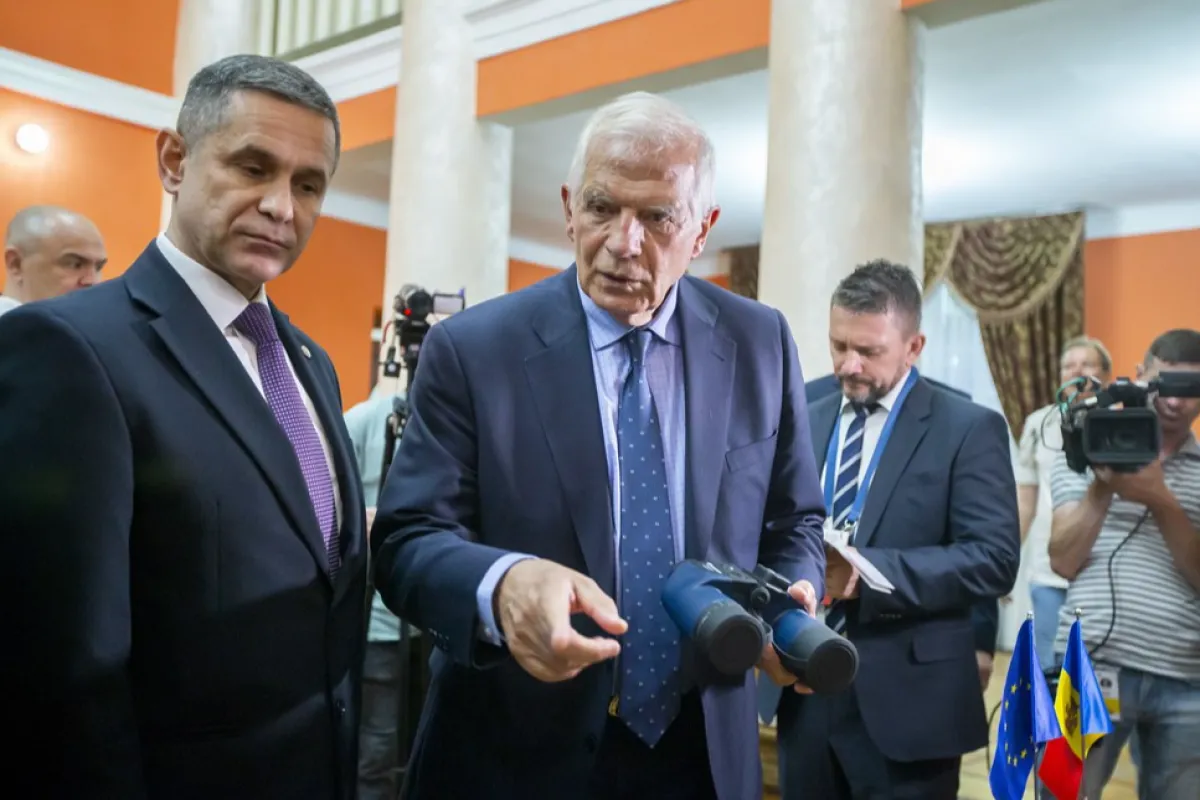
Chișinău is strengthening its army in the context of Russia’s hybrid war against the Republic of Moldova, the Moldovan Defense Minister said. In an interview to Veridica, Anatolie Nosatîi also referred to military cooperation with the EU, NATO and Romania.

The EPC summit brought, for the first time, the prospect of European integration without the settlement of the Transnistrian conflict. Moscow was also sent the message that Moldova's place was next to the Western democracies.

După ce respectatul ministru leton de externe Edgars Rinkēvičs, a fost ales președinte, zilele coaliției pro-europene de guvernare ar putea fi numărate.


The EPC summit in Bulboaca was meant to create an anti-Russian coalition, Russian propaganda writes, describing standard security measures as signs of a dictatorship.

While Georgia hopes to be granted EU-candidate status, its government seems unwilling to reform the judiciary, as demanded by both Brussels and the US.

The EU civilian mission in Chisinau aims to push the Republic of Moldova towards a confrontation with Moscow, says the Russian MFA. In fact, the aim is to strengthen Moldova's resilience to security threats.

According to a false narrative carried by the Russian media, the decision to denounce the agreement on the participation in the CIS Interparliamentary Assembly was imposed by the West.
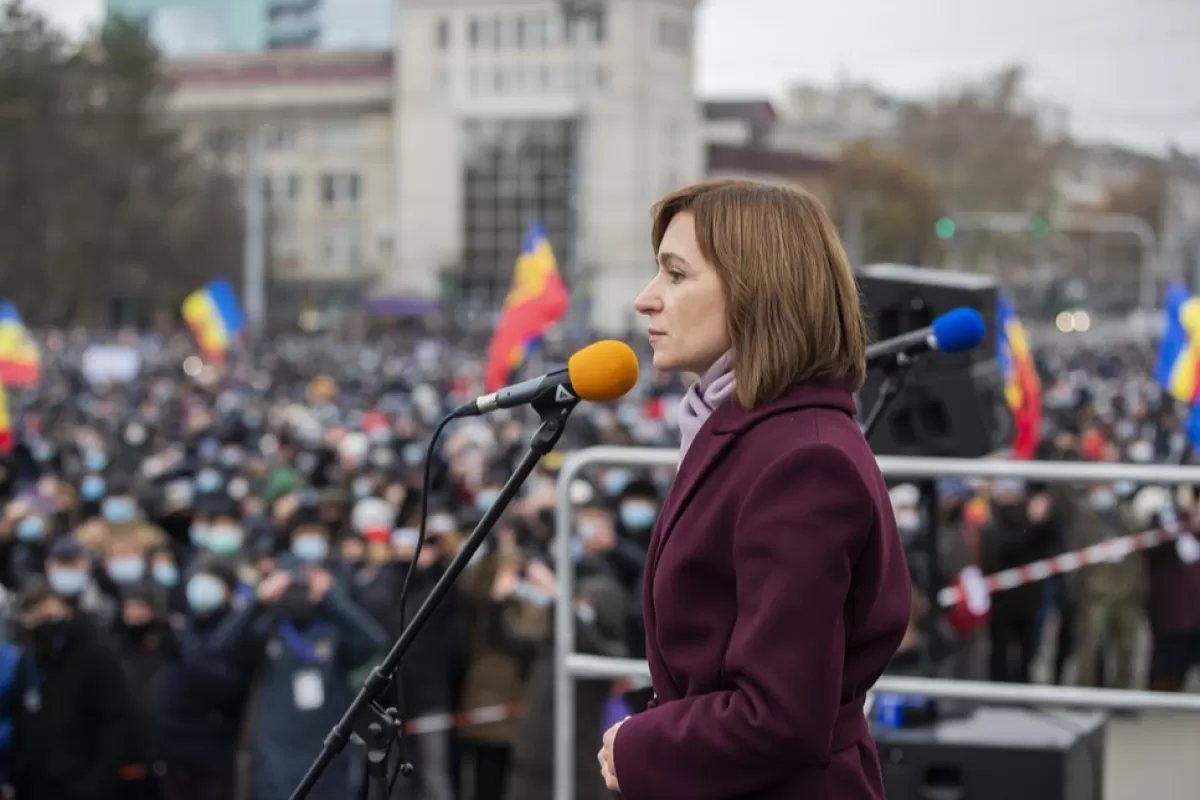
Maia Sandu has called a pro-European rally, patterned on the Great National Assemblies that culminated in 1991 with the Republic of Moldova proclaiming its independence. The decision was announced in the context where Moscow and pro-Russian forces in Chișinău have ramped up pressure on the pro-European government. It’s a risky bet, which Moldova will win only if the rally enjoys a turnout similar to public gatherings of the 1990s.

Like many other topics linked to Ukraine, the grain crisis was also used to discredit Kyiv and undermine international assistance to this country. Certain aspects about this story have been exaggerated or taken out of context, while quite a few false narratives have also surfaced in the region. Veridica has examined 12 burning questions about the Ukrainian grain crisis.
---copie-image.webp)
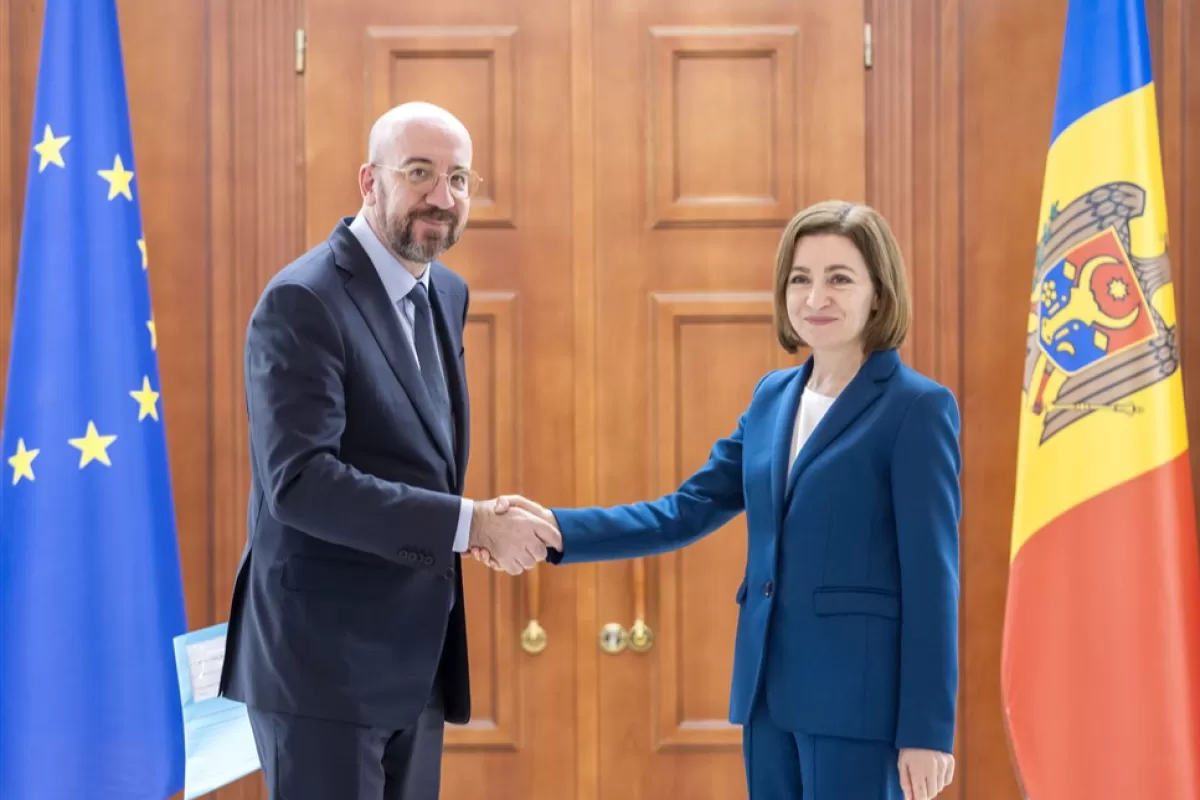
Chișinău’s close relations with the EU and the pro-European governments have had a negative impact on the economy of the Republic of Moldova, the Russian propaganda writes, referring to the price hikes, soaring poverty and unemployment. In fact, while the Republic of Moldova remains one of the poorest European nations, the economy and living standards have gone up in the last decade.

The Republic of Moldova can accede to the EU only if it joins NATO first and adopts an anti-Russian policy, according to a false narrative carried by the Russian media. In fact, the terms a state must comply with before it can join the EU have nothing to do with NATO, evidence of which is the fact that some members of NATO have been denied EU accession.

Estonia gave Ukraine old weapons, paid for with European money, but charged Brussels for new ones, according to European sources quoted by Politico. Many in Estonia’s political establishment categorically rejected the allegations, but some admitted there is some truth in them, explaining that the scandal has to do both with Tallinn’s self-righteousness towards its partners when it comes to helping Ukraine, and its desire to better arm itself.


Georgia’s ruling Georgian Dream was recently forced to drop a Russian-inspired bill. The party seems determined to return to this project, which may compromise Georgia's European path, but is promoted by Russian propaganda. The problem for the Georgian Dream - and for Moscow - is that most of the population opts for Euro-Atlantic integration.
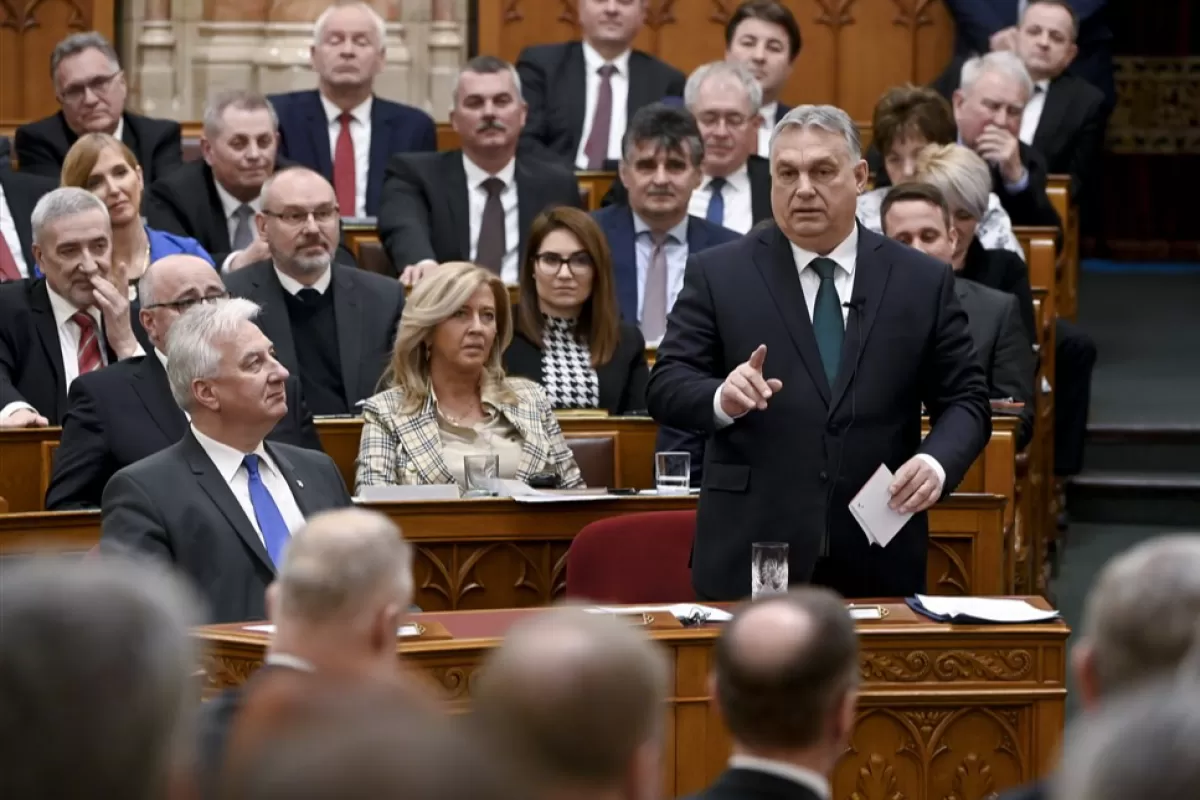
Prime Minister Viktor Orban finds himself in a complicated situation. Politically, he gets increasingly isolated from its Western partners. Hungary's economy is in crisis, and the European funds that could relaunch it have been blocked due to anti-democratic slippages. With all the friendship that Budapest has shown to Russia, there isn’t much Russia can do to help, being itself increasingly affected by Western sanctions. Orban's solution appears to be to block Finland and Sweden's entry into NATO until the EU unlocks funds for Hungary. However, this blackmail policy may have reached its limits.


Formally, Tbilisi maintains its course towards integration into Euro-Atlantic structures, but the movement towards the West has been on inertia lately, while Moscow's influence is only growing. The ruling party, founded by oligarch Bidzina Ivanishvili, increasingly links national interests with his personal interests, be it political or business related. At a decisive moment for Georgia's future, such a policy may prove fatal.

Poland positioned itself as one of Ukraine’s main supporters: it allowed its territory to be used for arms deliveries while becoming a major arms supplier in its own right and convinced its NATO allies to support Ukraine even more. In parallel, Warsaw is engaged in a process of strengthening its own army. All this shows that Poland is turning into a key actor for the European security, an actor that is, however, increasingly exposed to the theses of Russian propaganda.
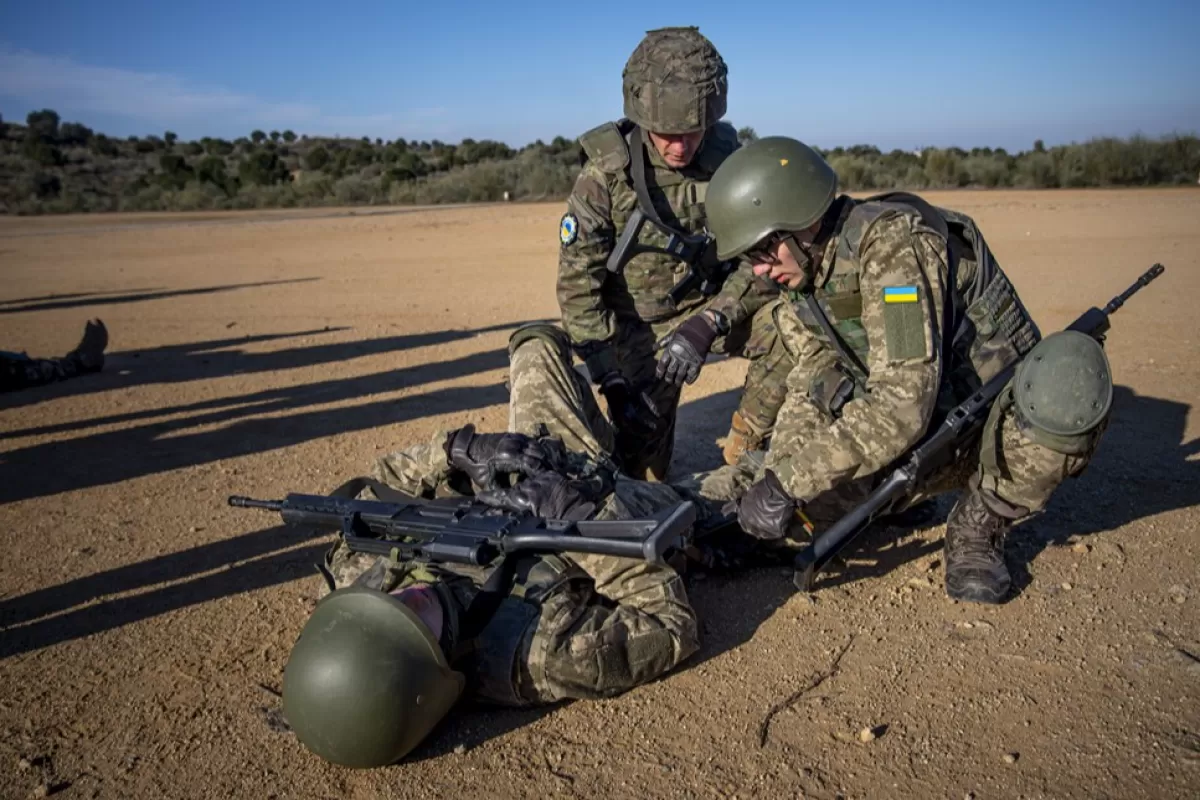
The EU sent troops, trainers and spies to Ukraine long before the 2022 war, according to a Russian state media propaganda narrative citing the Russian Foreign Ministry spokesperson Maria Zakharova. In fact, the EU has not sent any troops and is not taking part in the military actions underway on the territory of Ukraine.
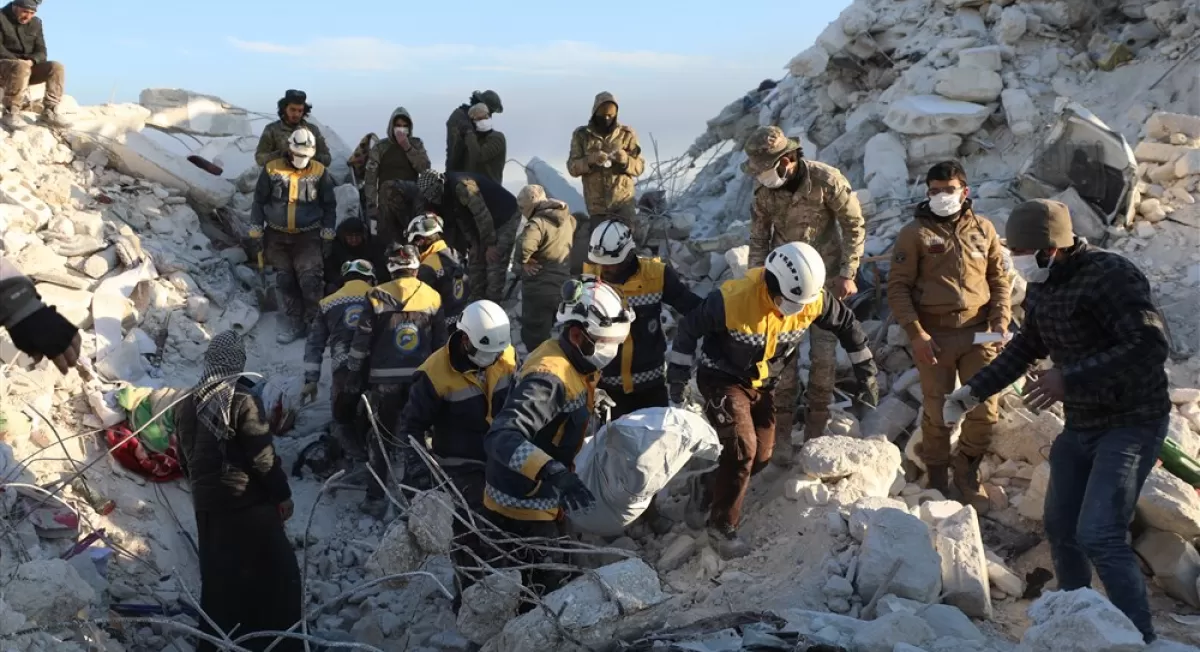
Europe’s embargo prevents the delivery of assistance to Syria, a country also devastated by the earthquake, and out of subservience to its Western masters, Romania too has refused to help the troubled Syrian people, according to a piece of disinformation promoted by on online publication that also spread false narratives over the years, many of which are specific to Russian propaganda. The disinformation was promoted by former Foreign Minister Adrian Severin, an ex-criminal convict with a strong pro-Moscow rhetoric. In fact, both the EU and Romania have provided help to Syria.

Over the past year, the health of the former Georgian President Mikheil Saakashvili, who is serving a six-year prison sentence, has been a major topic of political debate both inside and outside of Georgia. The opposition and Saakashvili's lawyers say he should be transferred to a European clinic to be treated for mental illness, personality deterioration and severe depression. The government claims that the former president is faking it. Finally, signals are coming from Brussels that if Mikheil Saakashvili dies in detention, Georgia's European future could be jeopardized.
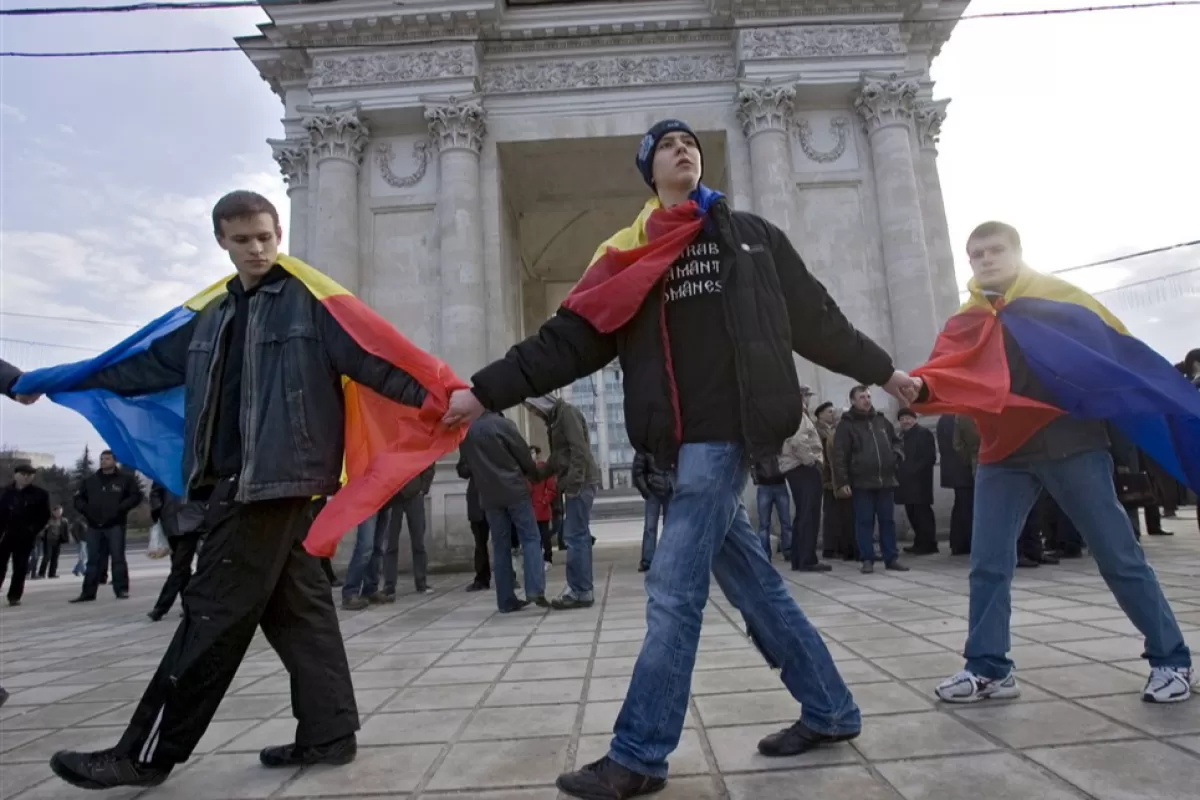
The European Union has greenlighted the annexation of the Republic of Moldova by Romania, and the puppet government in Chisinau accepts this, according to fake news that repeats one of the narratives promoted by Russian propaganda and pro-Moscow voices in the Republic of Moldova. In reality, Brussels has never spoken in favor of unification, considering the Republic of Moldova an independent state, to which it offered the EU accession candidate status.

“The accession of the Republic of Moldova to the EU, conditional on the legalization of LGBT marriages”, headlined national.ro, the topic being immediately taken up by pro-Kremlin news sites in the Republic of Moldova and Russia. In fact, it is not an obligation, but a recommendation from May of the European Parliament regarding the rights of the LGBT community. Moreover, the Republic of Moldova later obtained the status of candidate country without having to legalize marriages between people of the same sex.

Rusia a avut mereu oamenii săi printre reprezentanții clasei politice și administrației de la Chișinău. Unii nici nu au încercat să-și ascundă relația cu Moscova, alții par să-și fi jucat foarte bine rolul, plasându-se în fruntea unor mișcări naționale și proeuropene, ceea ce, probabil, i-a permis Rusiei să controleze anumite procese politice din interior. Veridica îi amintește, în acest al doilea episod, pe cei care au menținut Republica Moldova în siajul Moscovei pentru o bună parte din ultimele două decenii.

As pro-Europeans in Sofia are confident that Bulgaria will switch to the Euro in 2024 pro-Russian parties claim the adoption of the EU single currency will only bring economic instability. Debates and heated exchanges on this topic might become part of the political landscape in the next two years. Disinformation is bound to be part of the picture.
