Romanian troops are expected to take part in Ukraine’s military operation aimed at retaking Crimea.
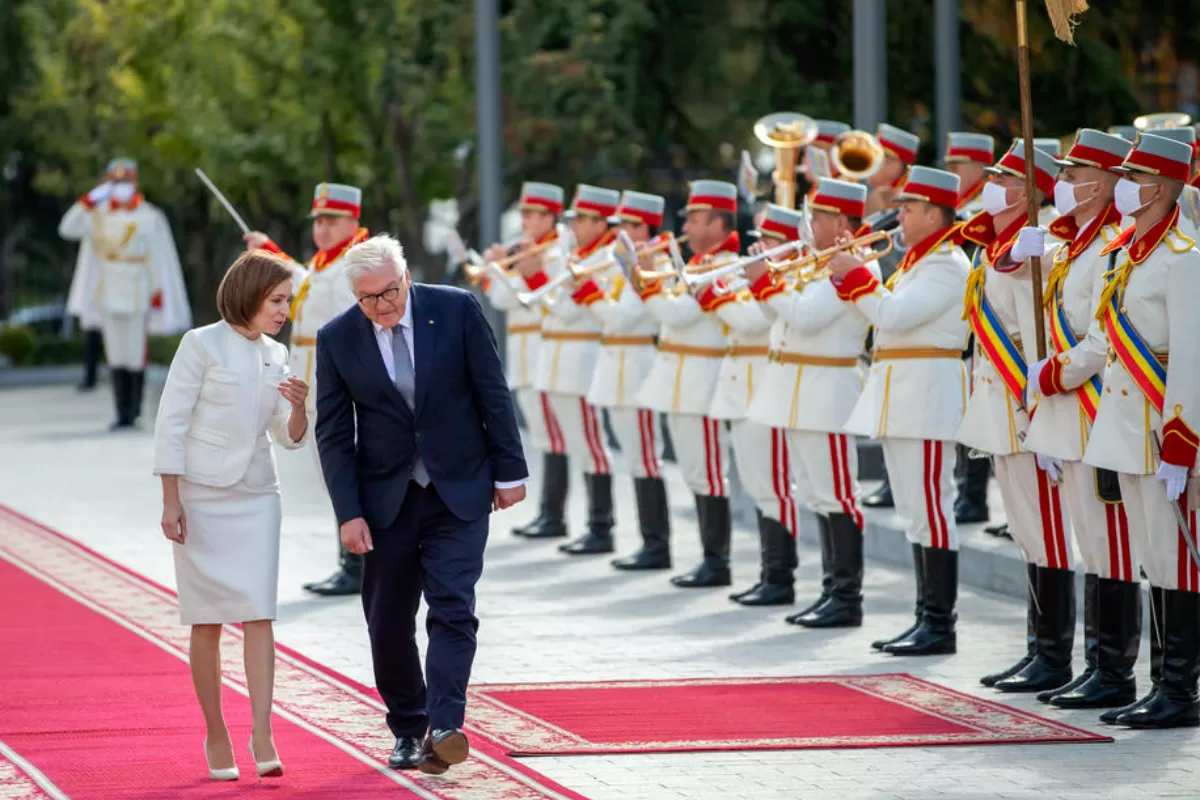
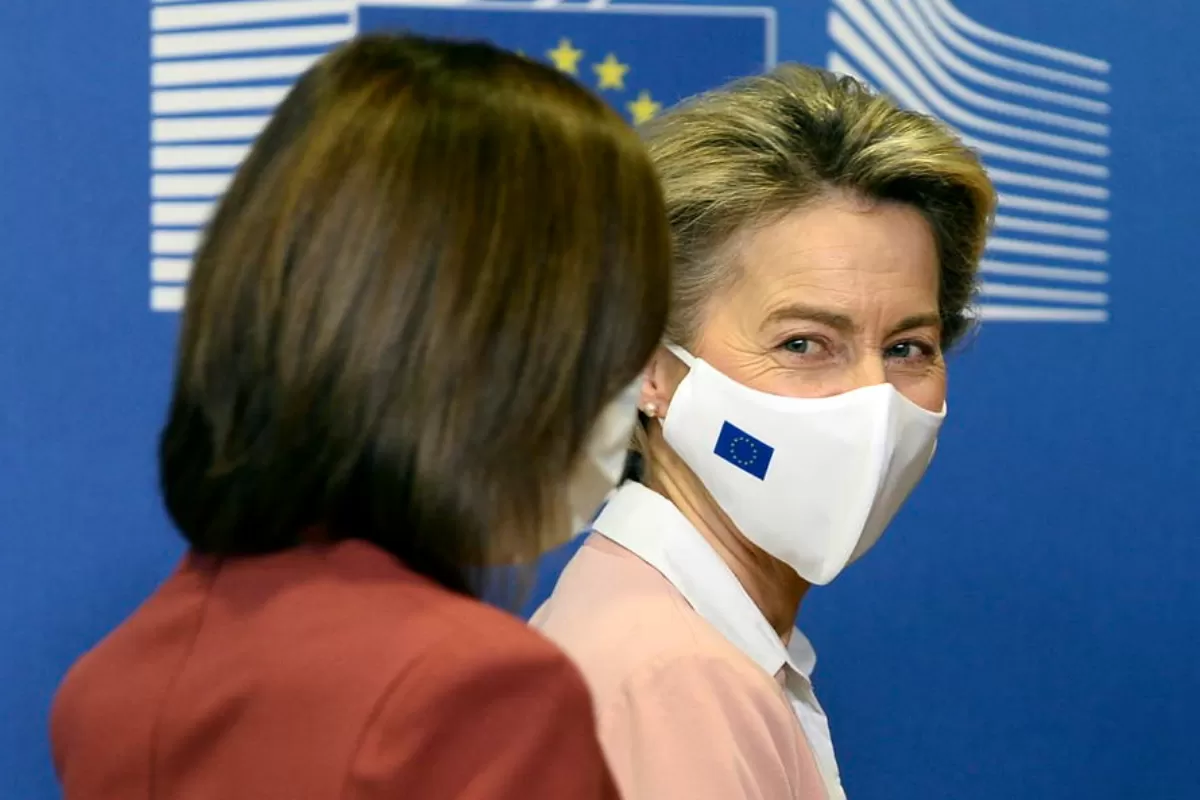
After Maia Sandu and PAS took over the reins of power, Chisinau started a genuine diplomatic offensive. There is openness towards the Republic of Moldova in the western chancelleries, as well as willingness to help, but that is no guarantee for success. A decade ago, the country was in a similar situation, but the failure of the governments that followed eventually led to years of isolation.
The Republic of Moldova has been presented with a historic opportunity, after pro-European forces, represented by the Action and Solidarity Party (PAS), have secured the Parliament, the Government and the Presidency. The post-Soviet period of transition may now be over, and the pro-European track, which has been in the limelight in Chișinău for three decades, may become irreversible.
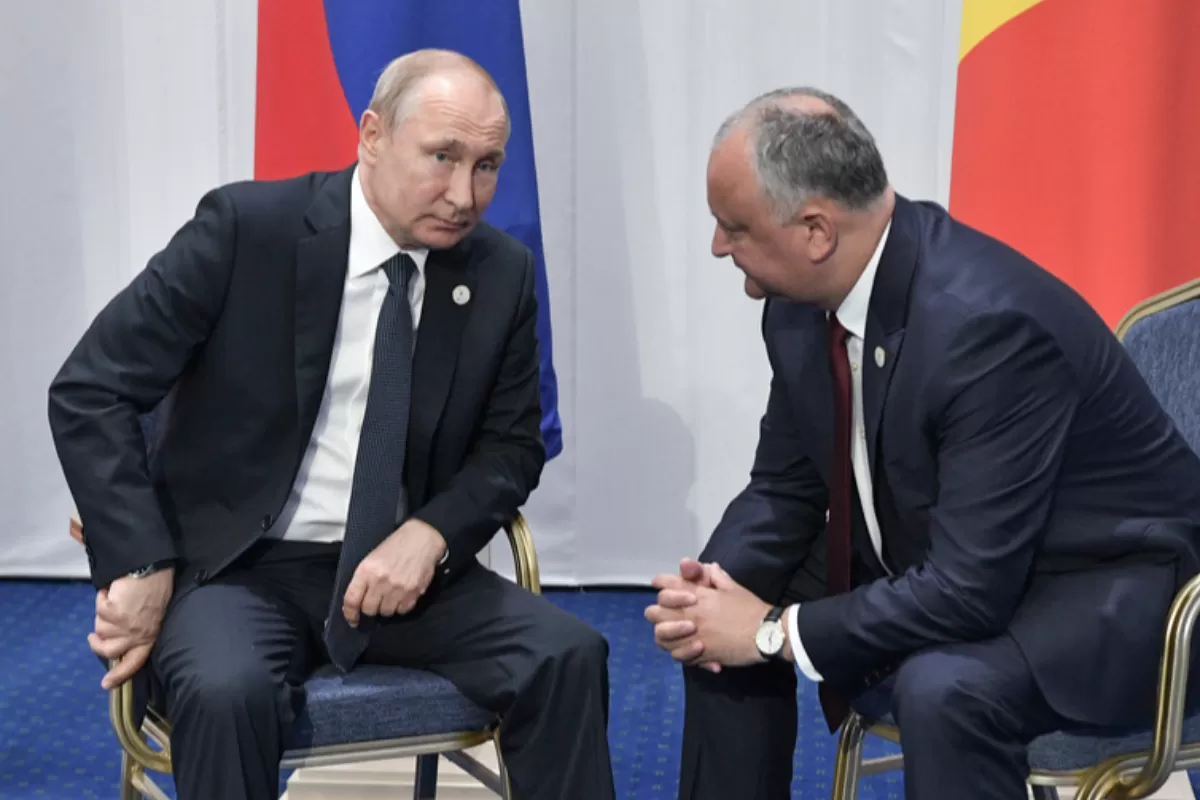
With the early parliamentary election in the Republic of Moldova around the corner, the political and economic chatter is again focusing on the benefits for Chișinău. The matter has again sparked a polemic: would it be better for the Republic of Moldova to head east or west? A persistent question which Moldovan politicians have been juggling with for three decades, while Moldova remains one of Europe’s poorest and most corrupt countries, with one of the largest shares of population migration.

In a little over four years, Russia has become increasingly belligerent towards the West, hitting a new milestone, which is interesting, to put it mildly: three hundred and eleven (!) Russian diplomats have been expelled from the United States and Europe due to their actions in these states.

The latest espionage scandal in Italy, whereby an Italian officer with access to confidential NATO information was caught red-handed while selling secret documents to a Russian military attaché, once again highlights hostile Russian actions against NATO. The resurgence of such activities occurred especially after the Euromaidan and the annexation of Crimea by the Russian Federation in 2014.
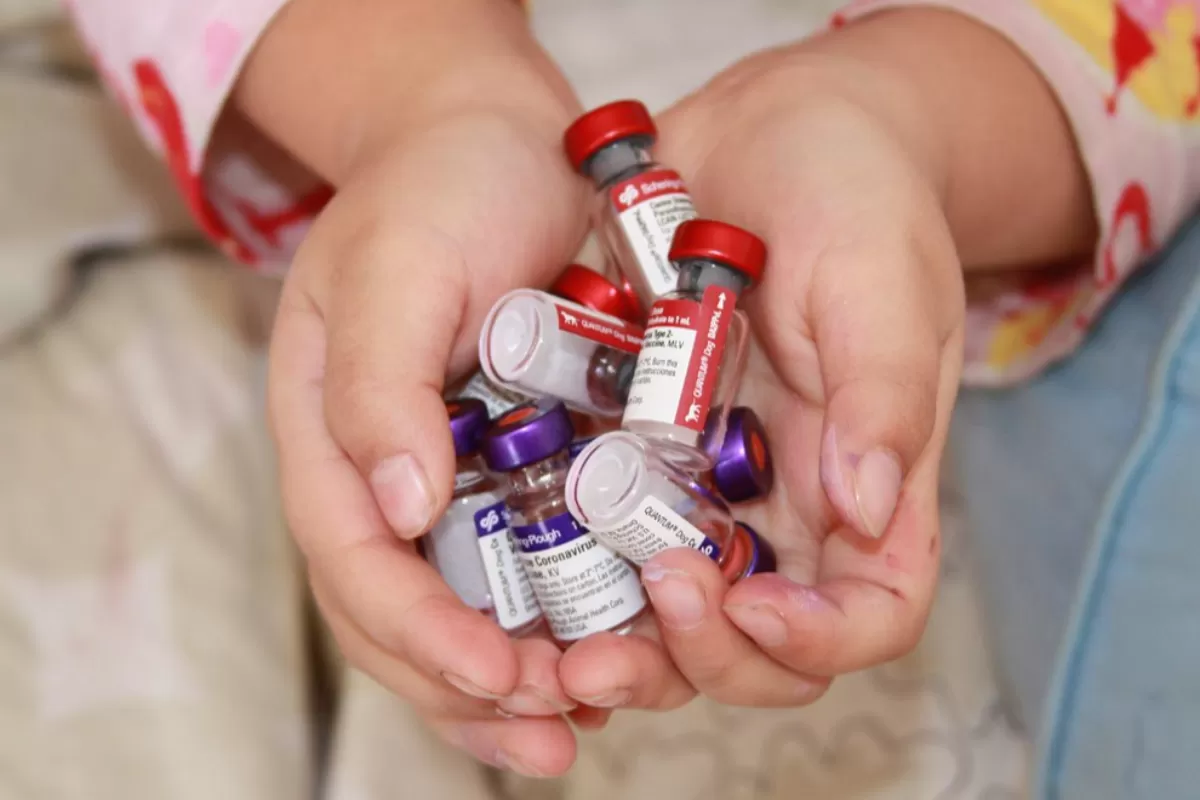
Eversince the pandemic started in early 2020, Russia saw a window of opportunity to gain tactical advantages. While the West was overwhelmed by the medical crisis and was attempting to stop the spread of the Virus, Moscow was using official and informal channels to undermine its credibility.

The EU and Ukraine reconfirmed their readiness to continue cooperation under the Association Agreement, which was an opportunity for a new disinformation campaign launched by the Russian press against Ukraine and the EU. "A catastrophe that’s been lasting for five years now, in every sphere of life", "a wrong foreign policy choice made by Ukraine" – are some of the reactions in the Russian press. Elements of typical narratives are present, such as: "fake state", "coup d'etat", "Russophobia", "poverty", etc.

A number of PSRM-affiliated publications have written that Spain wants to leave the European Union. This reinforces the metanarrative on the imminent collapse of the EU, designed to distort European realities and fuel distrust in the community bloc and its institutions.
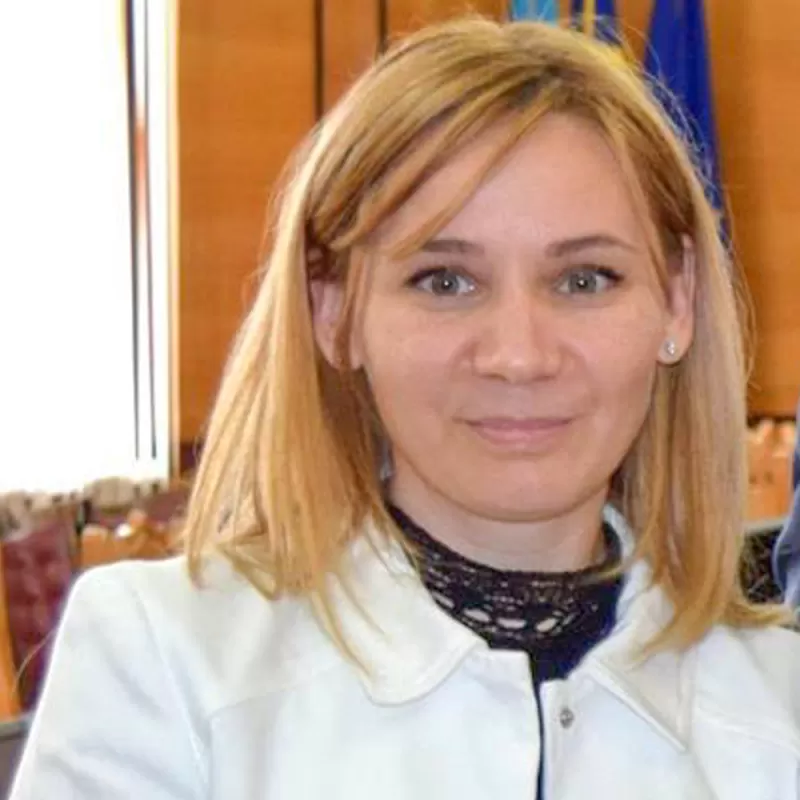

Sergei Lavrov claims that European and American sanctions had no ground or effect, and the deterioration of the Brussels-Moscow relations occurred as a result of the EU's direct support for the coup in Ukraine. In fact, Ukraine, the EU and the US have criticized Russia for its proven support for the Donbass mercenaries and denounced the illegal, internationally unrecognized and unprecedented in post-War Europe annexation of Crimea.

What makes Serbia interesting to anaylze when it comes to Russia's influence is the already formed pro-Russian public opinion. Therefore, the question arises whether Russia in Serbia has a need to invest in strengthening its influence when public opinion is already in its favor. It is enough to look at the cover pages of the Serbian daily press where you can often see Vladimir Putin, as well as the media reporting on Russia so you can get the impression that the pro-Russian narrative is possibly created by Serbian journalists and editors. It means that pro-Russian narrative is not sponsored or created by Kremlin.


During the visit to Moscow of the EU’s foreign policy chief, Josep Borrell, a visit marked by quite a few controversial moments, Russia announced the expulsion of three EU diplomats in an act of public shaming that has infuriated many people.
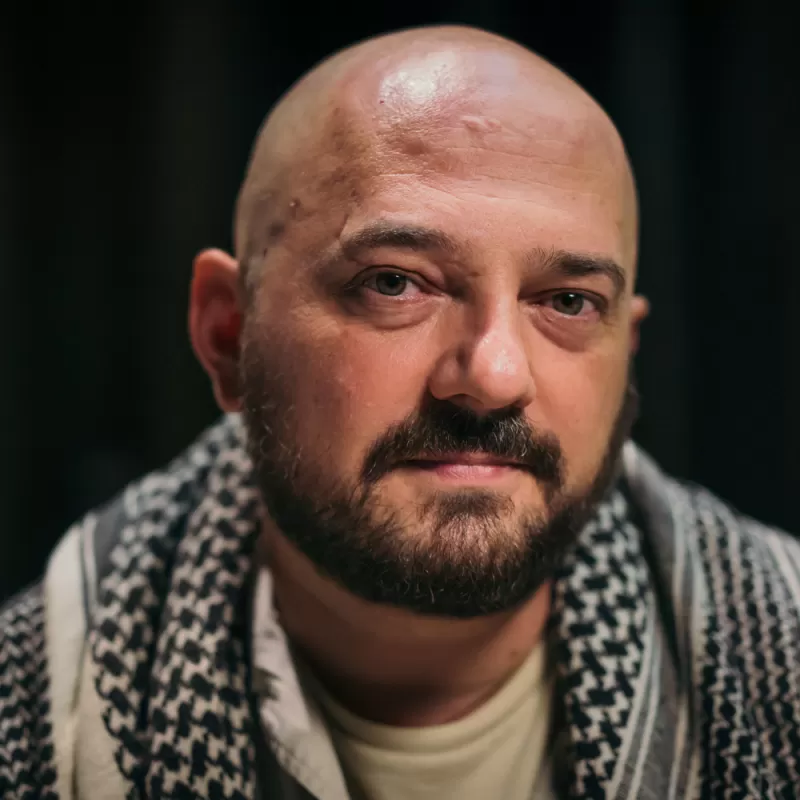

The European Union wants to fight tax evasion and undeclared work, which is a form of totalitarianism, says the ideologue of the pro-Russian Party of Socialists, widely covered by the affiliated press.


The results of the US presidential election are forcing Russia to focus on its own hybrid efforts in the EU. Only there does Russia have a prospect of success. Only in the EU there is room for active maneuvers and a powerful pro-Russian lobby.


In November 2020, the Turkish government has started to spread a narrative of return to democracy, rule of law and citizens' rights. The main reason for this new apparent U-turn is the degradation of the Turkish economy and, in effect, the diminishing popularity of the regime.