

A journalist with about 20 years of experience. Mainly specialized in Latvian politics and economics, but also has experience in covering international events. Worked in several leading Latvian media, including news internet media delfi.lv and lsm.lv. Additionally, has experience in advisory and consulting working in such fields as education, environmental policies, and business investments.
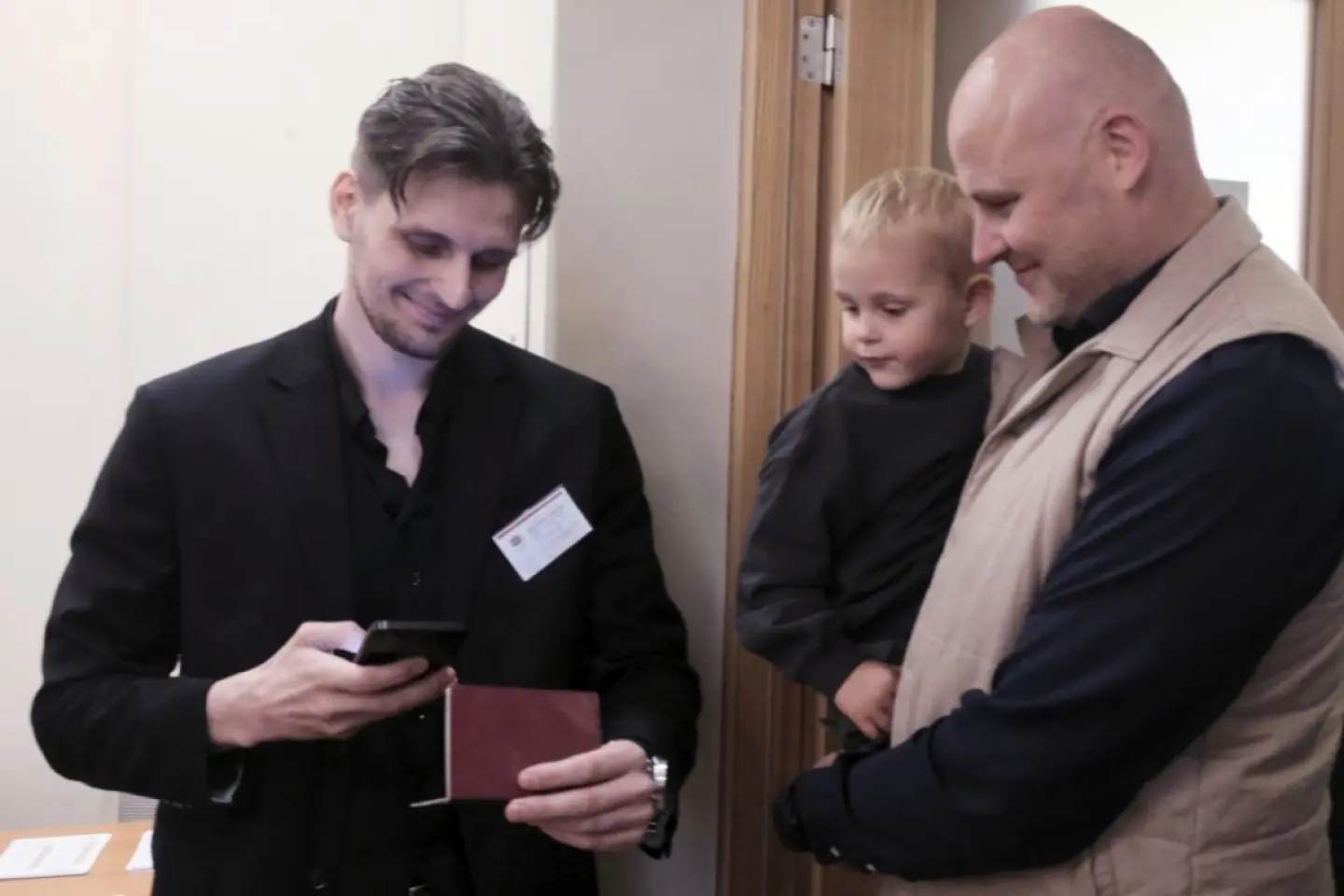
The “United List” alliance, led by Prime Minister Andris Kulbergs, has achieved a historic, major triumph in the Latvian parliamentary elections. However, the victory brings with it a burden of responsibility: while pursuing a pro-Western course, economic problems are compounding an increasingly tense geopolitical situation.

The migrant crisis, part of the hybrid war waged raged by Belarus (and Russia) against the EU.
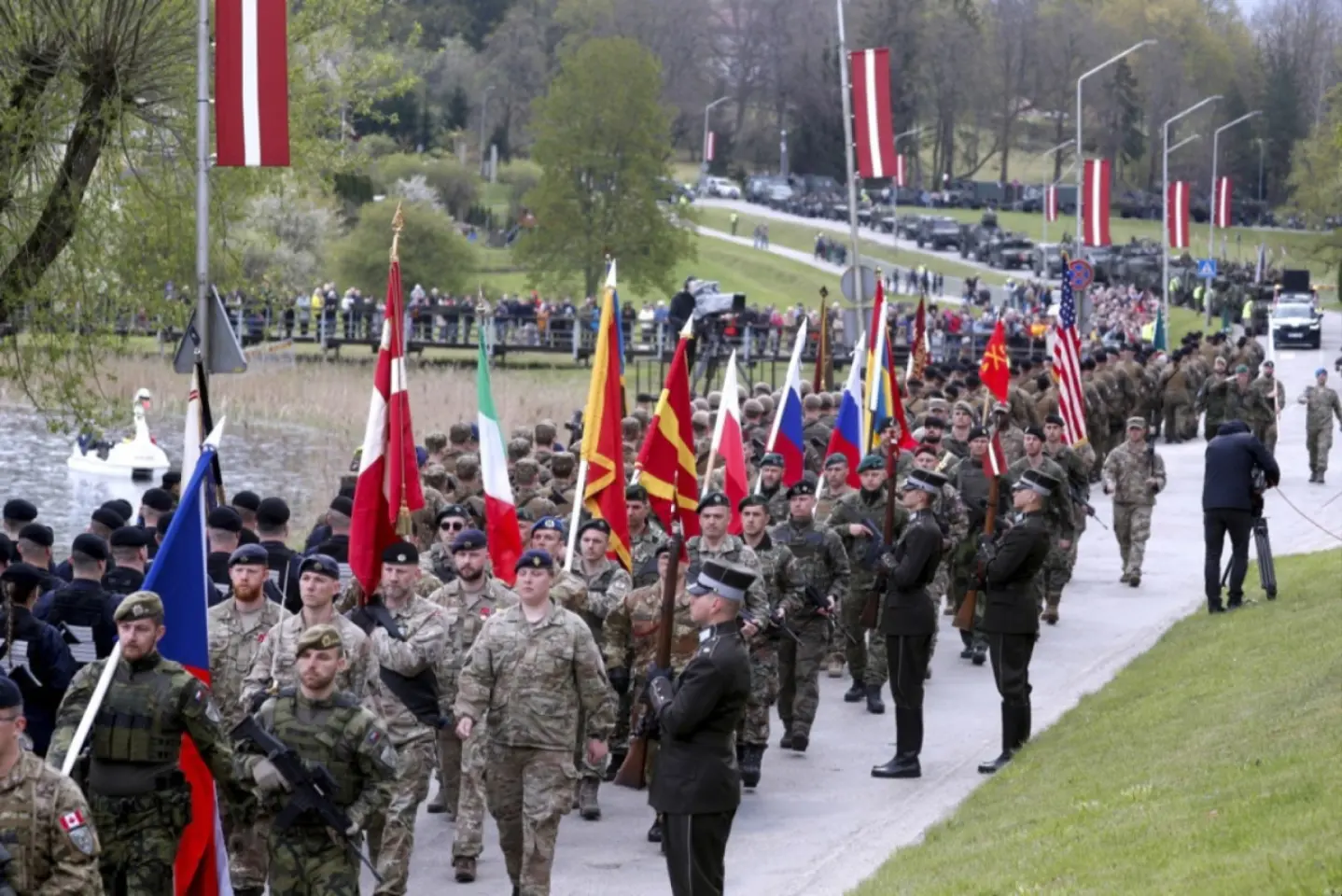
Given the vulnerability of the Baltic states to a Russian attack, there are growing calls that they should have a common defense, in order to more effectively supplement NATO’s assistance.

Politicians with pro-Russian – or at least ambiguous stands – and a strongman profile are frontrunners for the coming elections in Latvia’s three main cities. Will this trend go national?

Russia’s full-scale invasion of Ukraine has become a kind of test of loyalty to Latvia for Latvian cultural and sports stars. Those who have “flirted” or even collaborated with Russia have fallen out of favor.

While some argue that the Baltic States have been abandoned by a major strategic partner, others insist on the need for Europe to become more militarily independent.

Russia is engaged in a hybrid war against the West and has managed to convince people that, if they support Ukraine, their countries risk to be drawn into an actual war, according to hybrid war expert Mitchell A. Orenstein, a professor of Russian and East European Studies at the University of Pennsylvania, and author of “The Lands In Between”

The Baltic States are being targeted by Russian disinformation which is using both narratives launched before the war in Ukraine and newer ones.
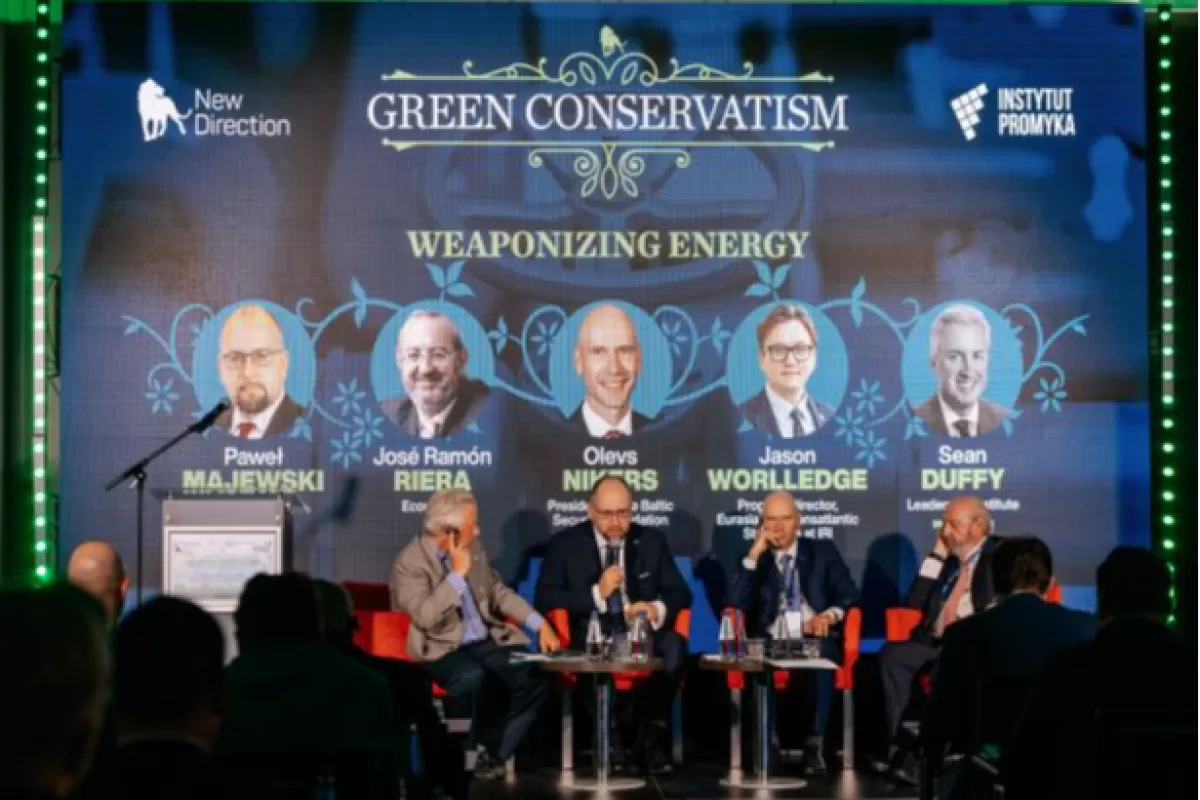
For the Baltic States and NATO, the best outcome of the war in Ukraine would be a complete defeat of Russia, according to the president of the Baltic Security Foundation, Olevs Nikers. However, Nikers feels that the most likely scenario for the end of the war would be a peace agreement, which means that the Baltic states and the Western world will be forced to deal with Russia on the long run.