The memorandum presented by Russia at the peace talks in Istanbul is an attempt to save Ukraine, but Kyiv and the West want the war to continue, pro-Kremlin propaganda says.
NEWS: The Ukrainian memorandum is a document allowing the war to go on, unlike the Russian one, which proposes concrete conditions that could allow for a peaceful settlement [.…]
Russia is proposing clear steps towards peace and even conditions for resuming cooperation between the two countries. Zelensky will never sign such a document […] He is not seeking peace, he wants war — a conflict that he hopes to continue with massive support from the West and in which he is counting on Russia's internal weakening, exhaustion, chaos and even disintegration. He is thus condemning his fellow citizens to further suffering and unnecessary losses, if we consider the goal he is pursuing: Russia will not disintegrate and will not give in, and Ukraine, if the current negotiations fail, will face even harsher conditions than it does now. In the end, it will still have to accept them, unless it prefers a new ‘Ruin’ – that is, total civil war – to peace with Russia.
NARRATIVES: 1. The peace memorandum proposed by Russia will save Ukraine. 2. The Ukrainian memorandum is a document that will prolong the war. 3. NATO wants to destroy Russia through Ukraine. 4. If Ukraine does not accept the peace proposed by Russia, a new period of ‘Ruin’ will follow.
PURPOSE: To legitimize the Russian proposals for surrender by presenting them as generous peace offers and to justify the continuation of the invasion in the event of Ukraine's refusal; to undermine Ukraine's diplomatic position and Western support.
Reality: Russia’s proposals amount to Ukraine's total surrender and are incompatible with the fundamental principles of international law.
WHY THE NARRATIVES ARE FALSE: The Russian 10-point memorandum is not a peace offer, it’s a list of ultimatums that translate into Ukraine's surrender. The demand to withdraw from the Kherson, Zaporizhzhia, Donetsk and Luhansk regions violates the principle of territorial integrity enshrined in the UN Charter and the Helsinki Final Act of 1975. Furthermore, Russia does not control a large part of these territories. Recognizing Crimea as Russian territory would legitimize an illegal annexation condemned by the UN General Assembly in Resolution 68/262 of 2014, which declared the Crimean referendum invalid.
Prohibiting Ukraine from joining NATO violates the principle of sovereignty and the right of every nation to choose its military alliances, as enshrined in the Helsinki Final Act and reconfirmed by the 1990 Charter for a New Europe . Demobilizing the Ukrainian armed forces and reducing military personnel would leave the country vulnerable to future aggression, being equivalent to forced disarmament. Withdrawing the foreign military personnel from Ukraine would mean renouncing legitimate military assistance to a country that is exercising its right to self-defense under Article 51 of the UN Charter. Renouncing claims for war damages contradicts the general principles of international humanitarian law and the jurisprudence of the International Court of Justice, which recognize the right of the victim state to reparations for damages suffered as a result of illegal aggression.
What Russia calls ‘neutrality’ actually means vassalage, whereby Ukraine would be deprived of the ability to defend its territory and sovereignty. The history of ‘neutrality’ imposed by Russia in the post-Soviet space, exemplified by the cases of Moldova and Georgia, shows that this status serves to maintain the Russian influence, not regional stability.
The pretext of fighting against the ‘glorification of Nazism’ is a classic Russian propaganda tactic used to justify aggression by falsifying history. Russia uses this pretext to attack Ukrainian national symbols, while ignoring its own problems regarding the rehabilitation of Soviet symbols associated with war crimes and territorial seizures. Furthermore, Nazism is condemned in Ukraine and Nazi symbols are prohibited by law, along with communist symbols.
Kyiv's position, set out in the Ukrainian memorandum described by the Russians as a ‘document on the continuation of war’, is based on the fundamental principles of international law: territorial integrity, sovereignty and the right to self-defense. Refusal to accept restrictions on its own military forces and refusal to accept illegal annexations do not constitute ‘continuation of war.’ Threatening Ukraine with ‘a new Ruin’ and ‘even harsher conditions’ are intimidation tactics that confirm the coercive nature of Russia’s proposals. The reference to the ‘Ruin’ of the 17th century uses the past to suggest that resistance against Russia will inevitably lead to the disintegration of Ukraine, ignoring the completely different context of the 21st century.
NATO does not want to destroy Russia through Ukraine: it is responding to the legitimate request for membership of a European country exercising its sovereign right to choose its alliances. NATO's enlargement has been achieved through voluntary requests from states seeking security guarantees in the face of Russian threats, not by aggressively ‘encircling’ Russia.
The war continues not because of Ukraine, but because of Russia's refusal to withdraw its forces from the sovereign territory of a UN member state, which was attacked in February 2022 when Moscow's forces invaded its neighbor illegally and unprovoked. Russia has used such ‘memoranda’ (e.g., the Minsk Agreements) in the past as tactical tools, not as evidence of good faith, initiating periods of ‘negotiations’ in order to rearm and resume attacks later.
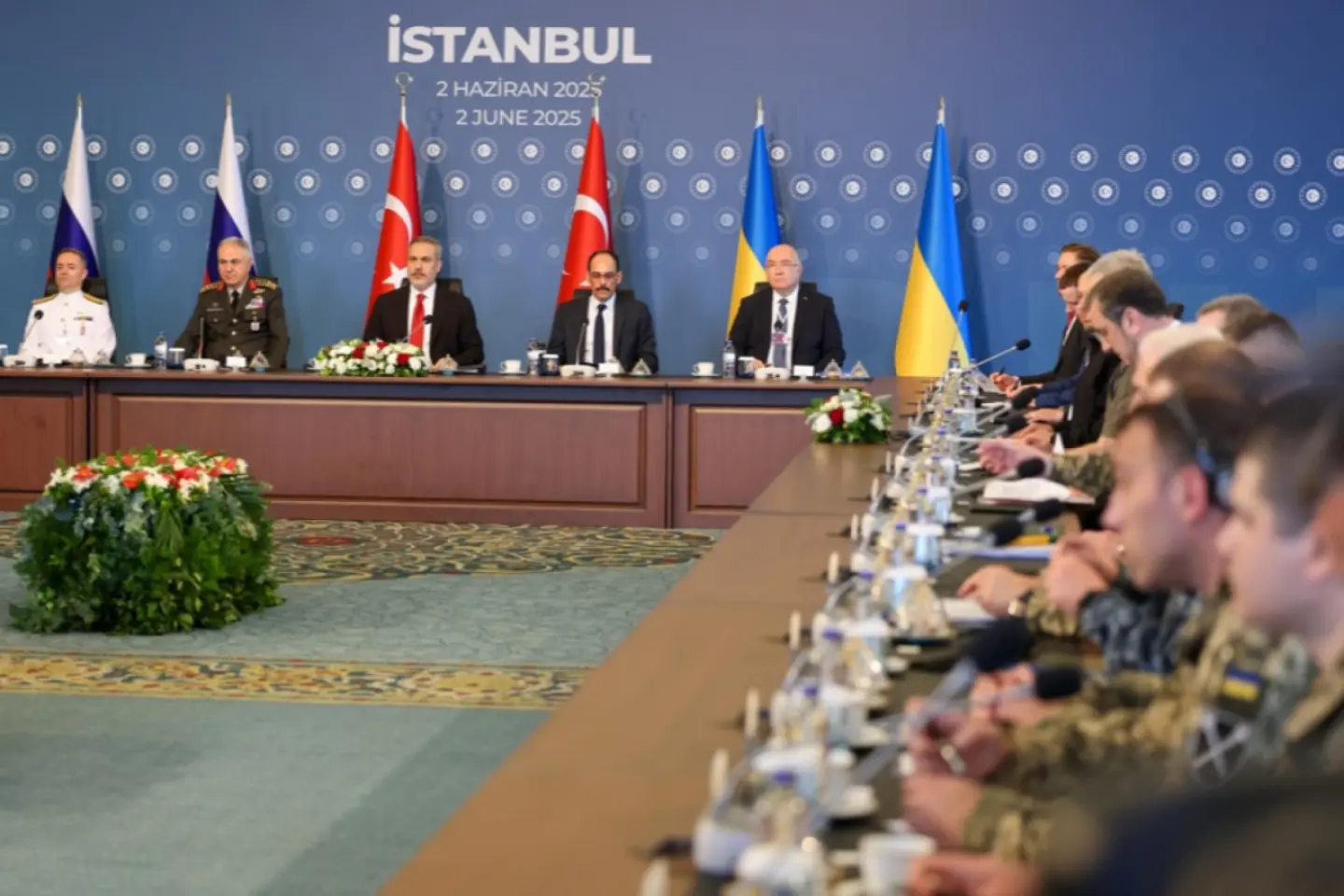
CONTEXT: During the second round of peace negotiations held in Istanbul on 2 June 2025, Russia presented Ukraine with a memorandum detailing a 10-point plan involving Ukraine's withdrawal from the regions of Kherson, Zaporizhzhia, Donetsk and Luhansk, the recognition of Crimea as Russian territory, the prohibition of Ukraine's accession to NATO and the recognition of Russian as an official language. Ukraine must hold elections, demobilize its troops and reduce the size of its armed forces. Russia is demanding the withdrawal of foreign military personnel from Ukraine, mutual renunciation of war damage claims and restrictions on the movement of Ukrainian forces, except for their withdrawal from border areas. The memorandum reaffirms Moscow's demand that Ukraine become a neutral country and wants it to protect the rights of Russian speakers and adopt a legal ban on ‘glorifying Nazism.’
Kyiv does not want any restrictions on its military forces after a potential peace agreement, nor any international recognition of Russia's sovereignty over the parts of Ukraine occupied by Moscow's forces. Ukraine is demanding compensation for the destruction caused by the war. The Ukrainian position is based on the principles of territorial integrity and national sovereignty, with Kyiv refusing to make major compromises regarding its territories.