
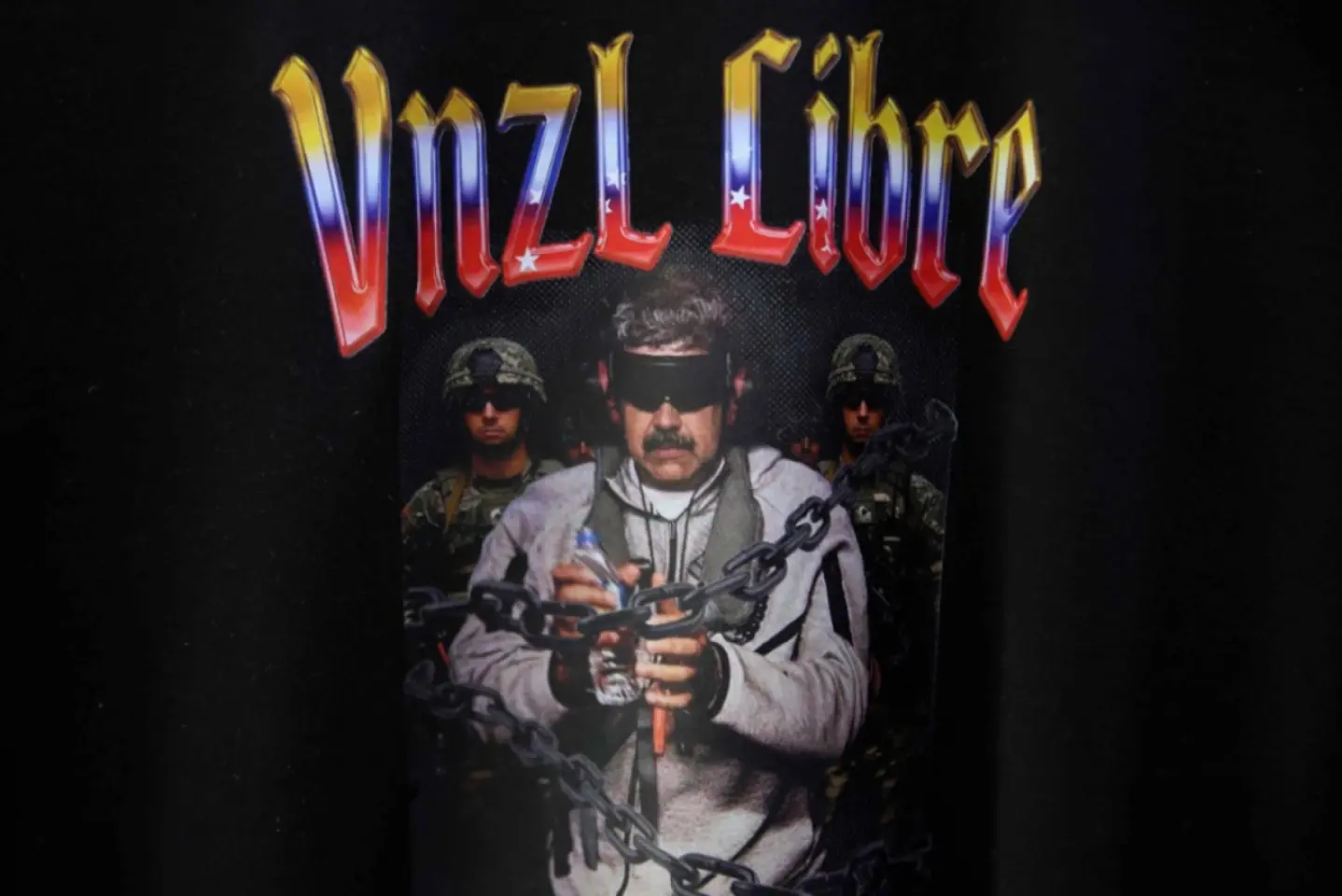
Russia suffered a geopolitical setback following Maduro’s fall. More than that, there are lessons to be drawn from Venezuela shake-up: oil (and gas) cannot save an economy, and the regime can survive without its top man.


According to pro-Russian propaganda, the European economy is collapsing as a result of Russia's decision to close its airspace to commercial flights from countries supporting Ukraine.
---copie-image.webp)
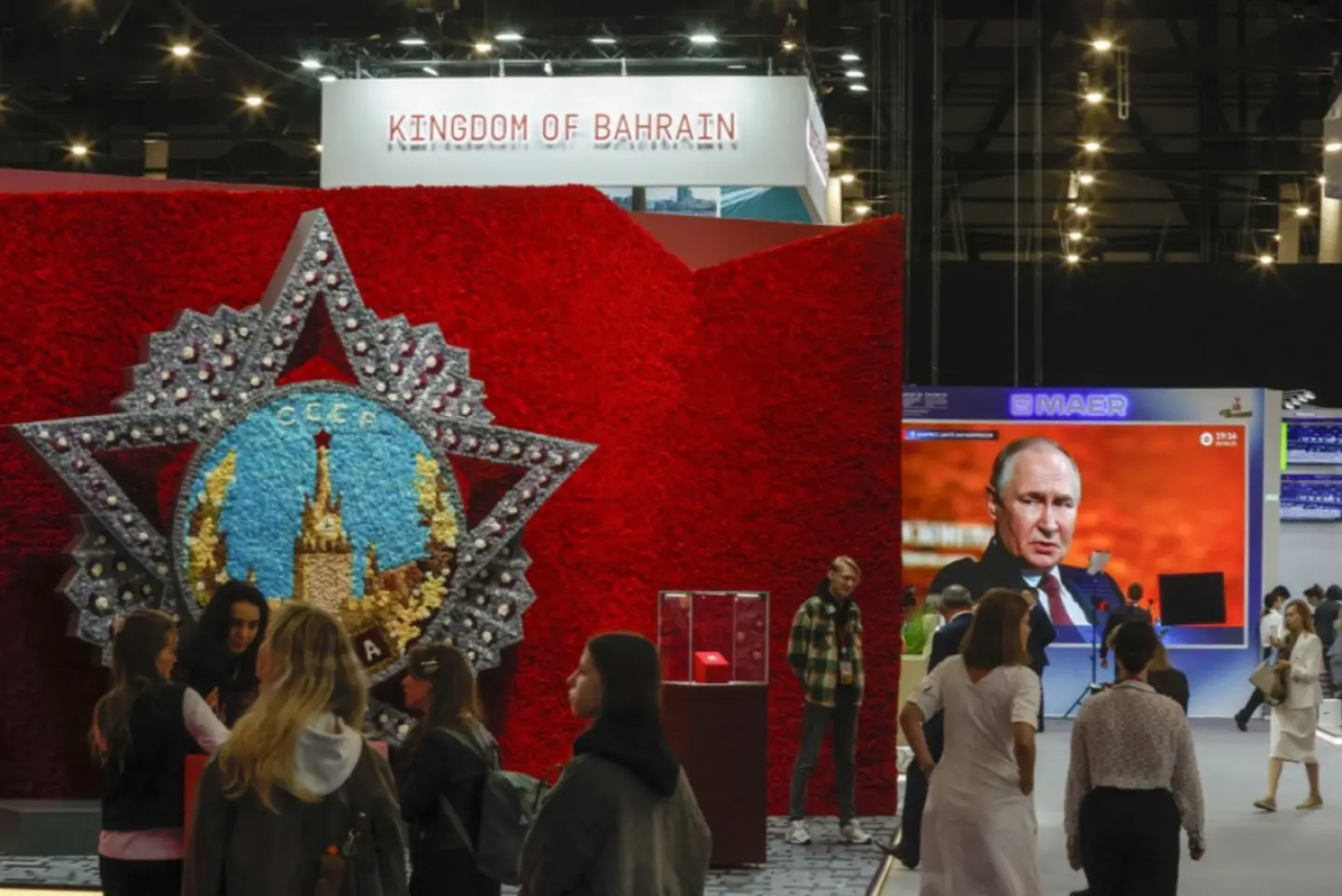
Why have neither the weight of sanctions nor the scale of losses on the battlefield pushed the Kremlin toward compromise.
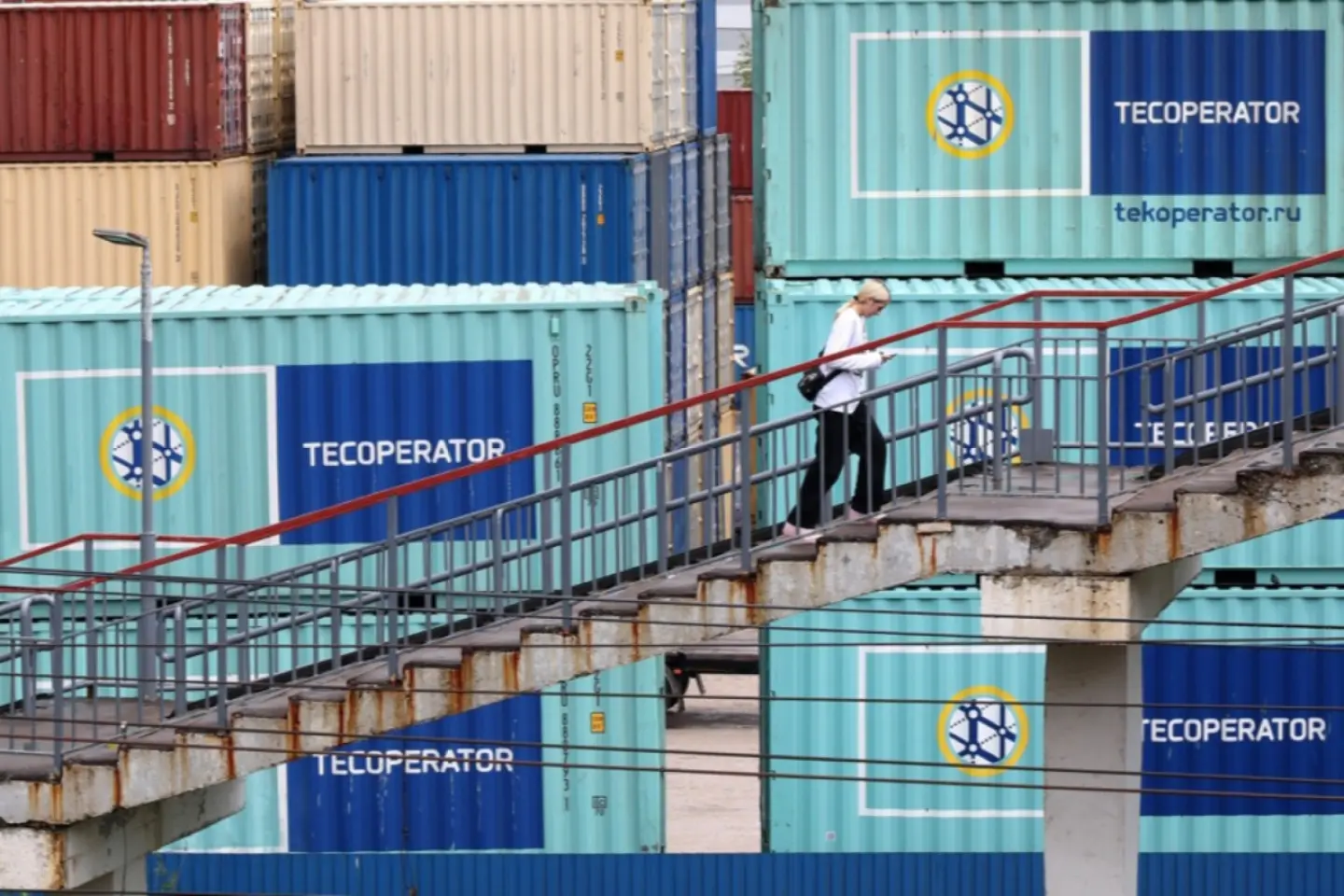
A ceasefire would not simply return things to business as usual, as Russia’s wartime economic reorientation and the deep mistrust will complicate any post-war reset.
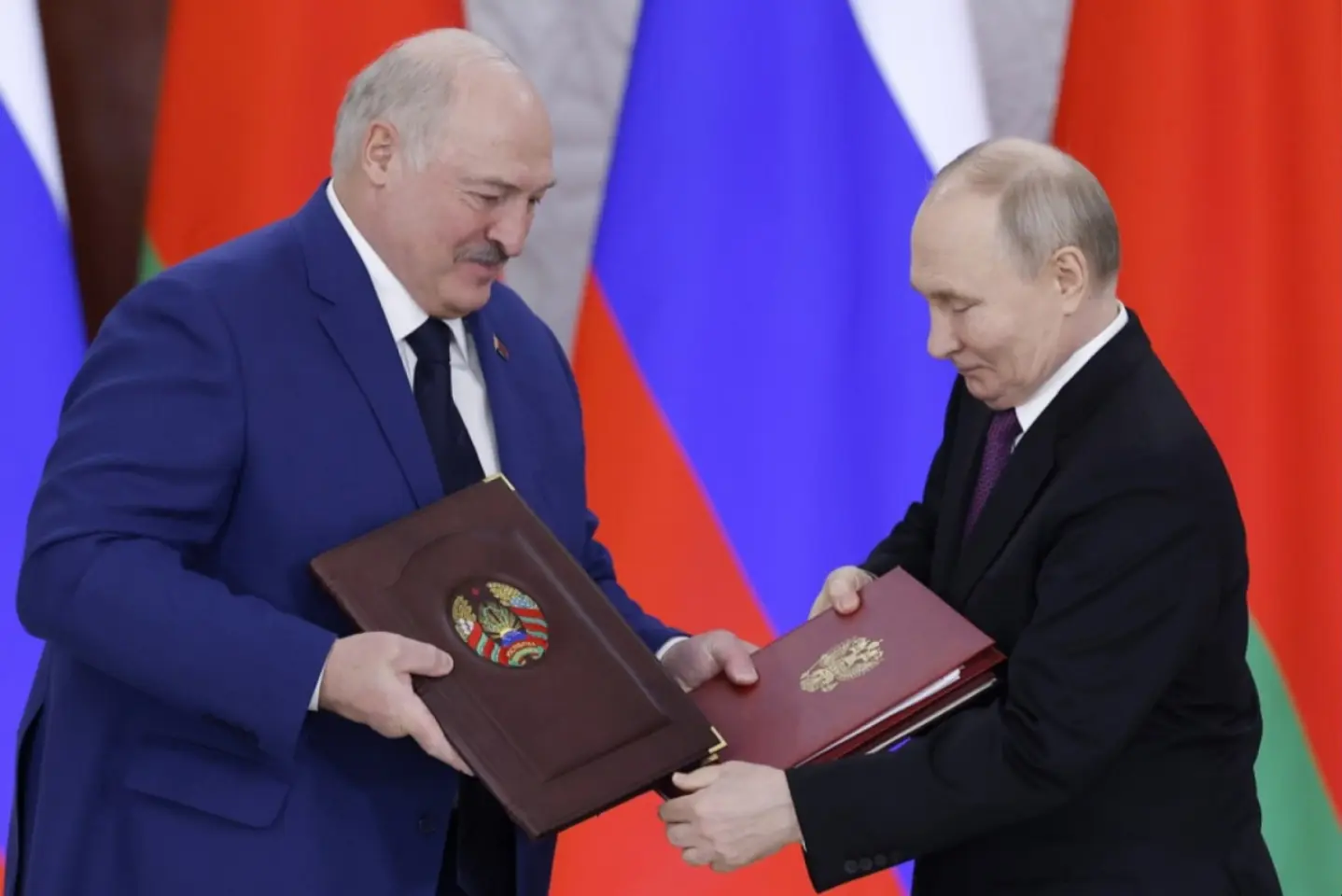
Hundreds of Belarusian companies support Russia's war effort, supplying it with, among other things, shells, drones, chassis for military vehicles, and components imported from the West.

Recently, Russian propagandists and officials have been increasingly vocal about the possible confiscation of Russian assets held in the “collective West”. And these comments are always followed by threats toward those countries — or by claims that their financial attractiveness is about to collapse. Through this narrative, the Kremlin is trying to put pressure on European politicians and civil society in an effort to avoid the irreversible loss of its funds.
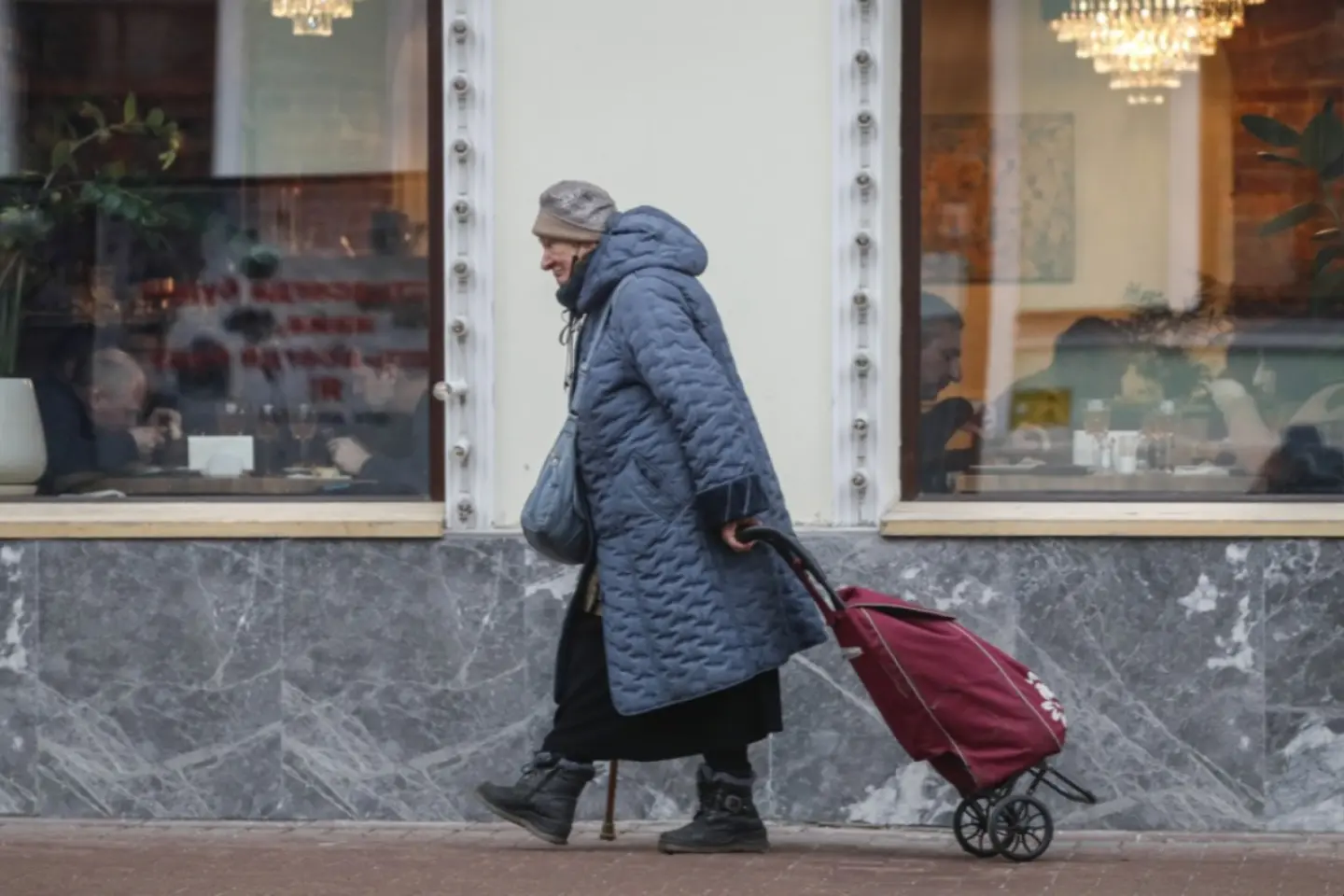
The budget sends a clear message – Russia is preparing to live, and fight, as a besieged fortress for years to come, even if doing so slowly drains the vitality of its economy and society.
Ukraine faces increasing dependence on Western support. Russia will likely face critical fiscal constraints within 12-24 months. Meanwhile, China, the United States, and some third countries are extracting gains from the conflict.
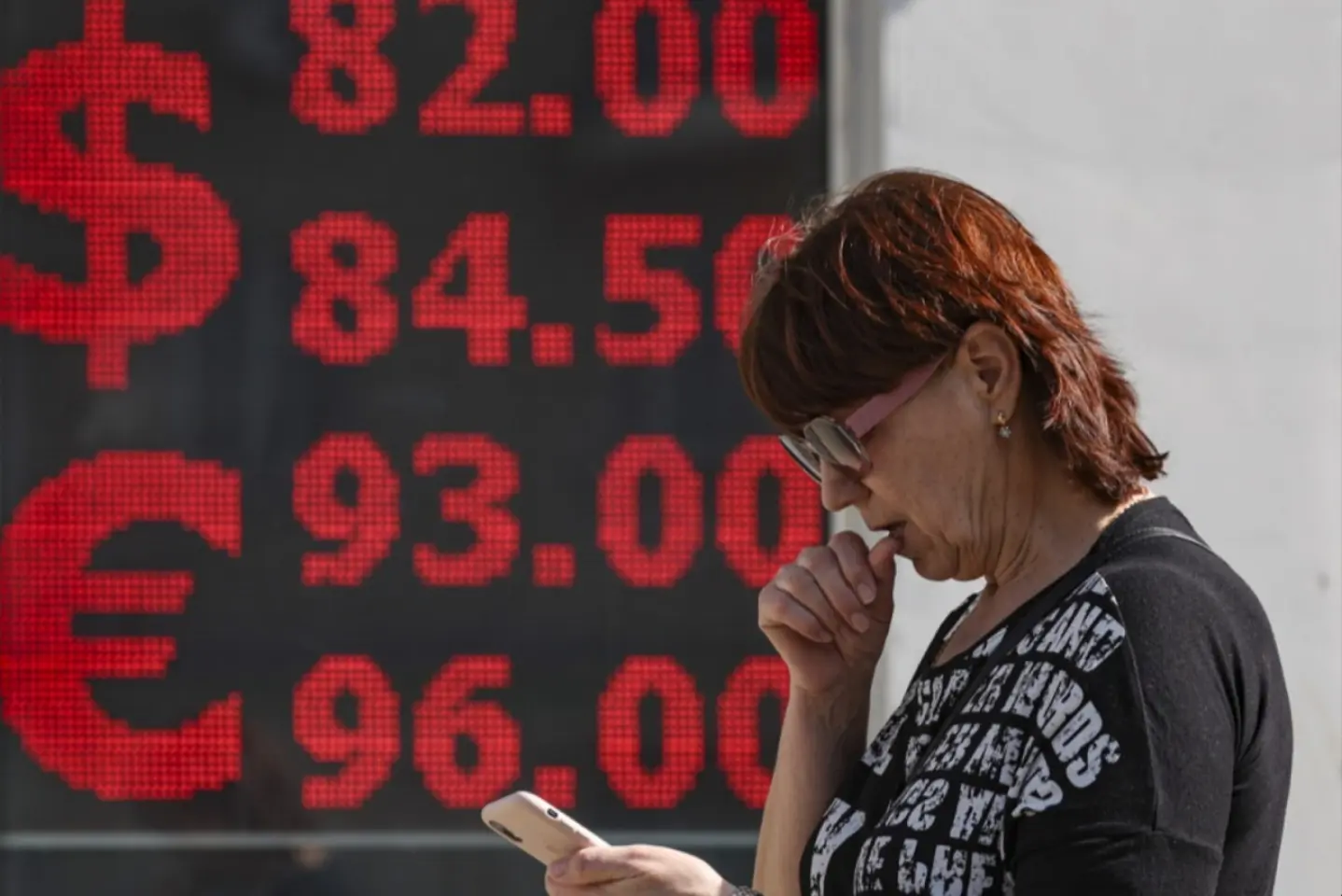
Behind the polished facade of Moscow and official statistics lies a federation increasingly fractured—socially, economically, and politically.

In the short term, Western sanctions have disrupted supply chains and commercial operations. In the long term, they are accelerating Russia's technological decline and external dependence.

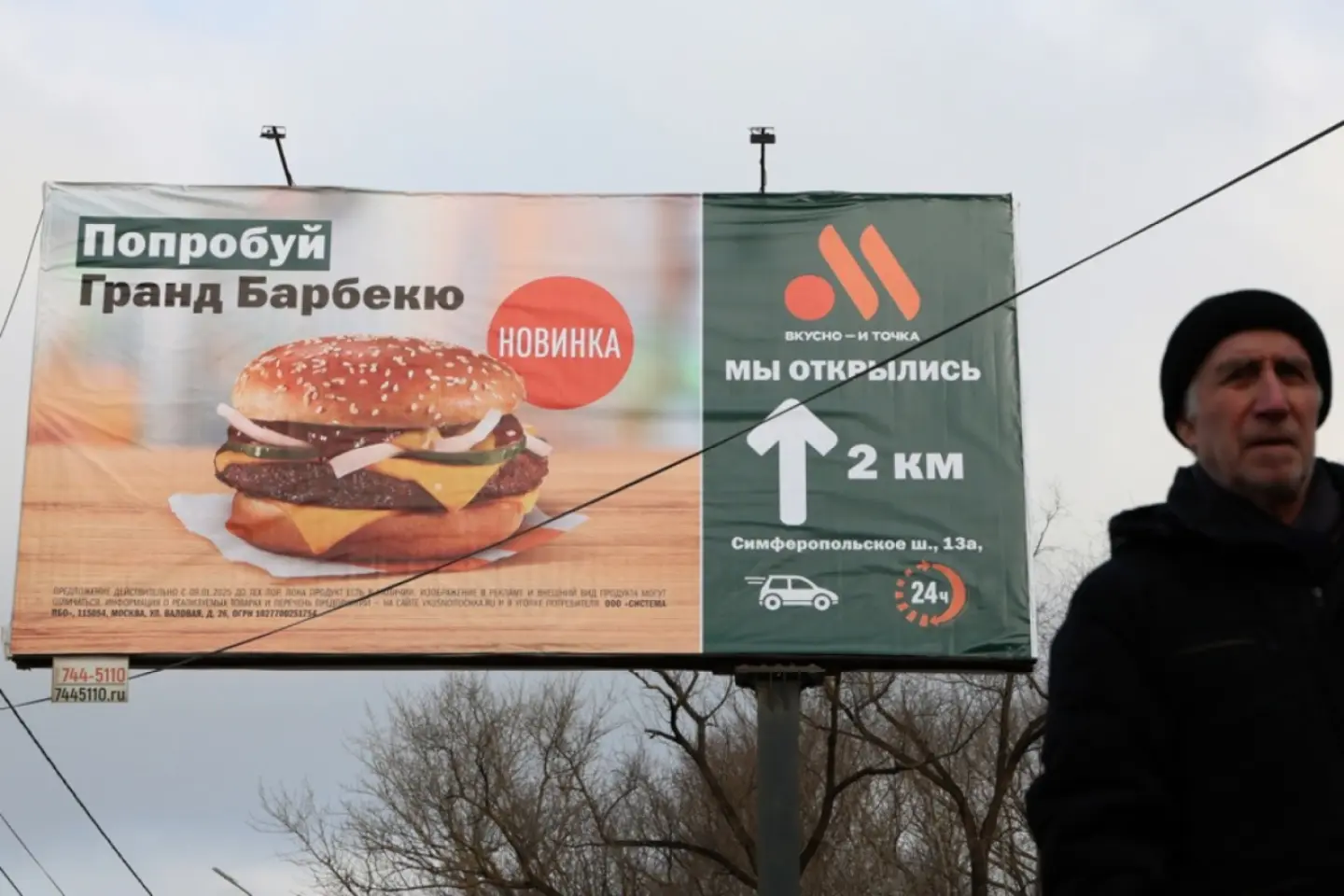
Russians are hoping for an easing of sanctions and the return of big Western brands to the Russian market. Is this a real prospect – or simply a collective wish disguised as news?

Official statistics show that Russia's economy is growing despite war and Western sanctions. In fact, economic problems are piling up and Russia risks recession.

The war in Ukraine is increasing the gap between Russia’s wealthy elites and the majority of the population. There is also a drive to redistribute wealth and channel it towards those loyal to Putin’s regime.

A wave of "accidents"/sabotages in the Baltic Sea suggests that the tanker fleet used by Russia to evade Western sanctions is also being deployed in the hybrid warfare that Moscow is waging against the West.


Russia’s civil aviation is facing an unprecedented crisis, as both domestic production and foreign imports are being hampered by sanctions imposed by the West following Ukraine’s invasion.

For the gerontocratic Russia’s leadership, the vision of the future is derived from a mythical “golden past”, but manifesting as escalating corruption, growth in alcohol consumption, resource scarcity, and rising crime.

Traditional trade relations have been disrupted after the invasion of Ukraine by sanctions that affect not only the EU and Russia, but also dozens of third countries that have been caught in the middle.

Sanctions and public pressure generated by the invasion of Ukraine forced many Western companies to leave the Russian market. However, there are enough investors who chose to stay, drawn by its potential.

O flotă de petroliere „fantomă” a ajutat Rusia să evite sancțiunile occidentale și să-și vândă petrolul astfel încât acesta să ajungă pe piețele globale.

Between circumventing Western sanctions and laundering money with digital tools


How Russia is living under sanctions, how it circumvents them, and what lessons a market economy can draw from this experience?

So far, Western sanctions had little impact on Belarus’ economy. However, they made the country increasingly dependent on Russia and they caused new rifts within the society.

From hardliner Dmitri Medvedev’s wine to raw materials for the arms industry, Russian imports are transiting Latvia in spite of the latter’s hawkish stance towards Moscow.
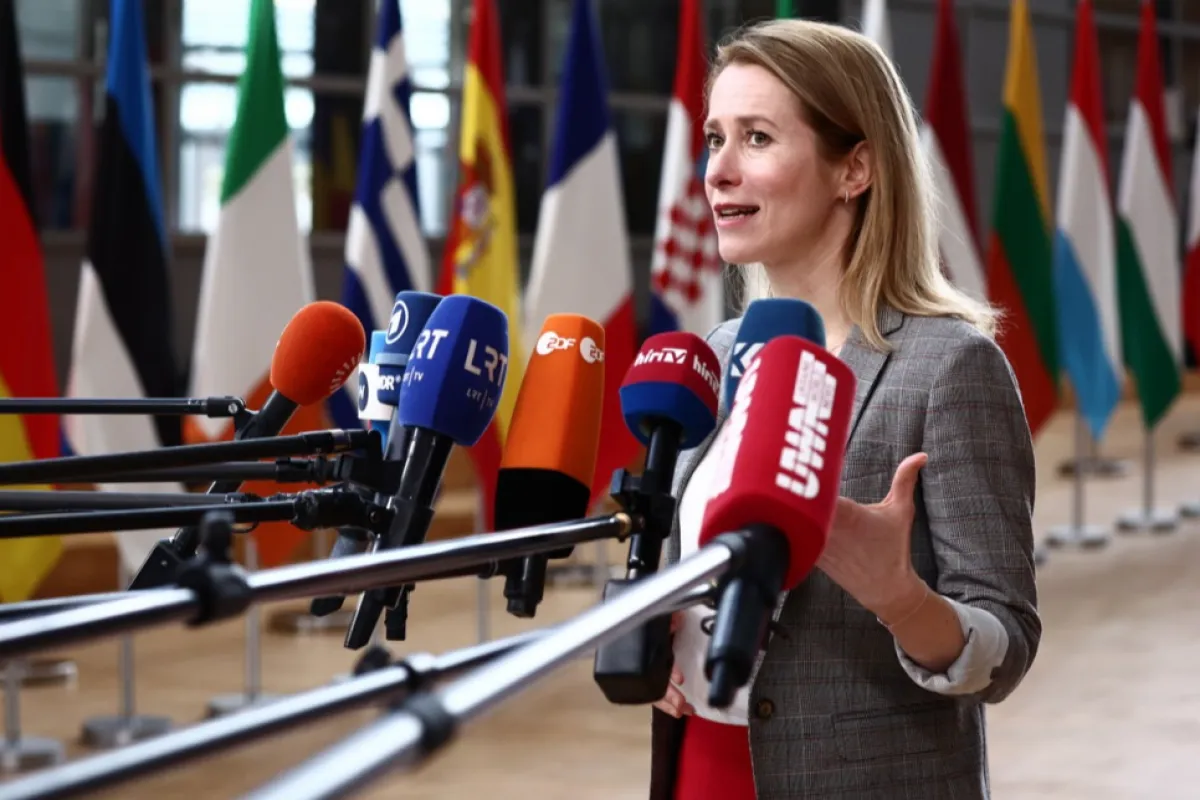
Estonia has pleaded tough sanctions against Russia, and yet Estonian entities and persons – even from the Prime minister’s family – have been breaking some of the existing sanctions.

As experts warn that Georgia will not be granted EU candidate status this year, authorities allege there was a coup plot and the parliament impeaches the president.


The protracted war in Ukraine has made Western countries willing to cooperate with Russia increasingly vocal. These countries persevere despite the sanctions, although they face countless other problems.


Georgia is increasingly economically dependent on Russia, which generates security risks for Tbilisi. There are also concerns that Moscow is circumventing Western sanctions through Georgia.

The West concedes to Russia, admitting that the economic sanctions against Moscow are not working, according to a narrative promoted by a well-known pro-Russian website in Romania.