
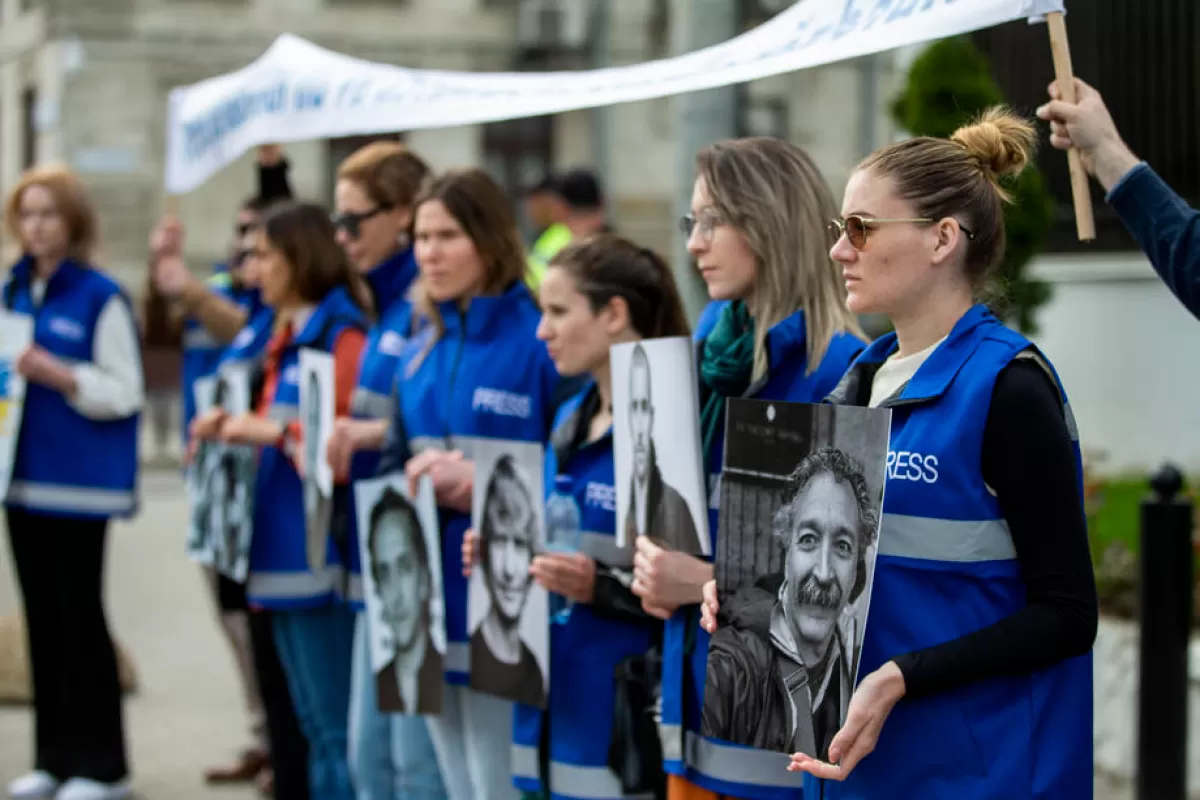
The pro-European government in Chisinau is censoring the press and getting rid of inconvenient media, according to a false narrative promoted by the Russian Foreign Ministry. The narrative is used by politnavigator.net and taken over by news-front.ru to justify possible response measures from Moscow.


The PAS Cabinet has created chaos in Moldova. It wants to sever ties with Gazprom, while the USA is grooming a successor to Maia Sandu, reads a website promoting Kremlin policies. The website also states that Maia Sandu is plotting a coup against herself. The narratives are designed the smear the reputation of the pro-European government in Chișinău and to destabilize the internal context in the Republic of Moldova.
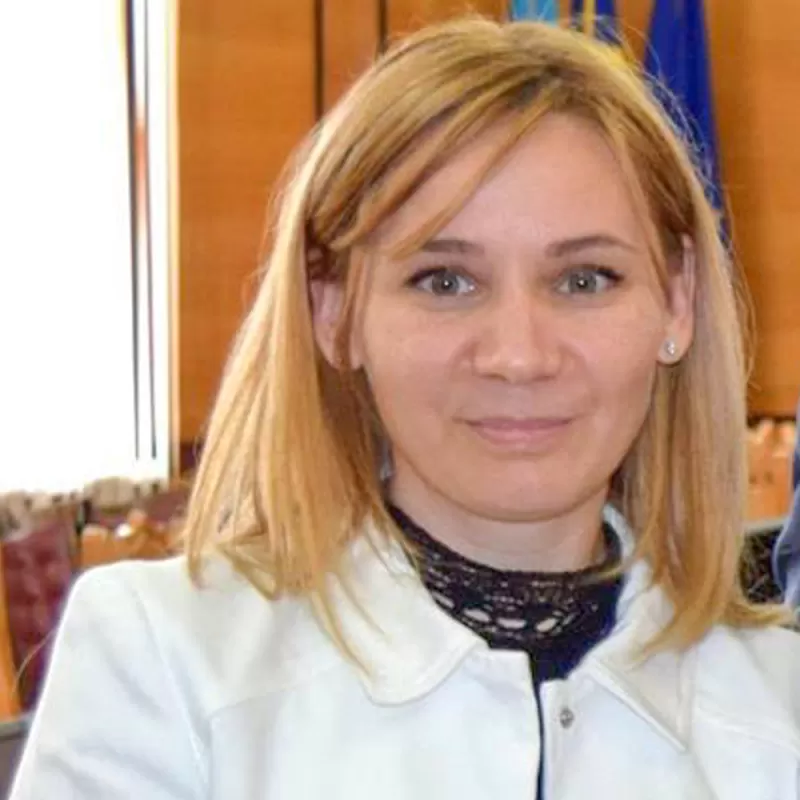

Natalia Gavriliță’s Cabinet, supported by the majority made up of Action and Solidarity Party (PAS) MPs, has in the last year constantly navigated a number of unprecedented crises, a record-high inflation of some 32%, but it also grabbed the biggest victory since 1991 - obtaining EU candidate status.


The population of the Republic of Moldova would have been illiterate, forced to serve Romanians, had its territory remained part of Romania, reads a false narrative launched by a pro-Russian publication. The narrative was launched after a settlement in the Republic of Moldova commemorated the Romanian servicemen killed in World War II.

The Republic of Moldova will call on Romania for help in case Russia attacks, and this will lead to Moldova being annexed by Romania, topwar.ru writes. Much like other Russian publications, topwar.ru is misquoting the statements made in Bucharest by president Maia Sandu, and interprets them as the announcement of an anti-Russian alliance.

The famine in Bessarabia was not organized by the Soviet regime, it was a consequence of the drought and the local authorities’ lack of action, and Moscow helped Moldavians. The false narrative appears in an online publication close to the Kremlin, and the purpose is to exonerate the totalitarian Soviet regime, which imposed itself through terror.
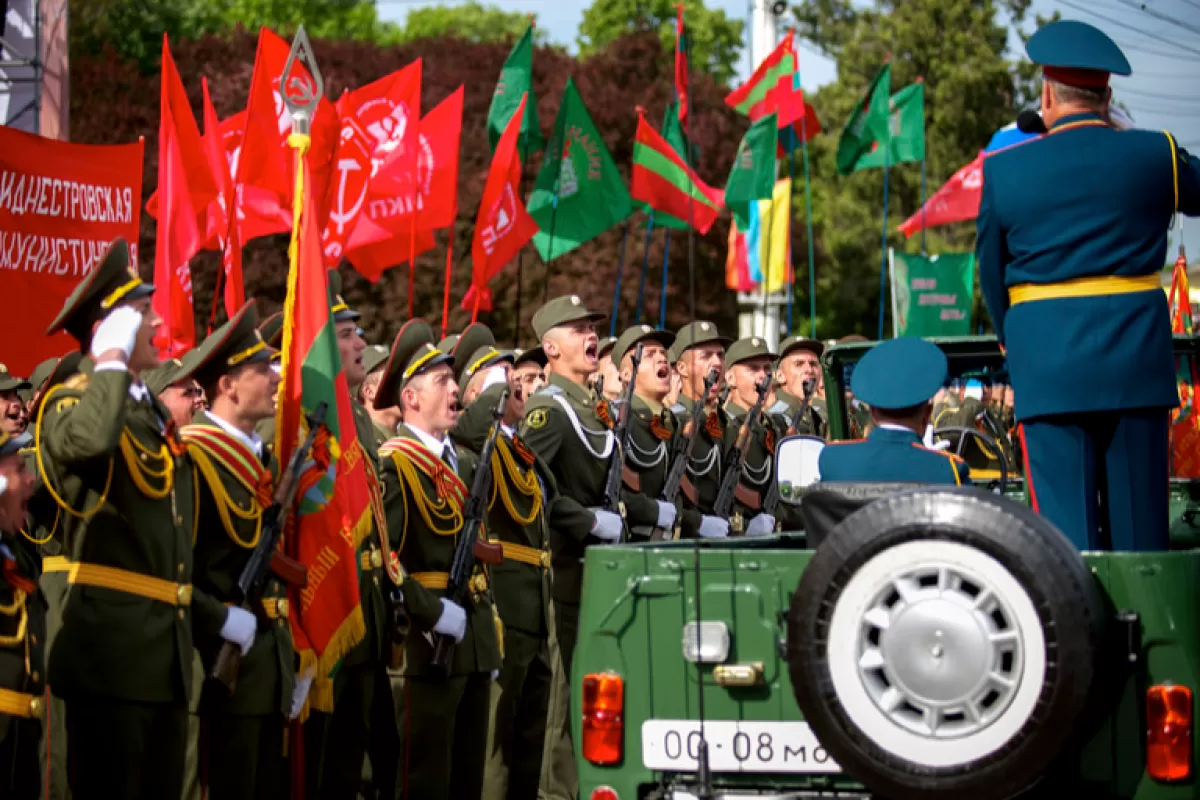
The Foreign Minister of the separatist region of Transnistria suggested that Moldovan authorities might denounce the 1992 Ceasefire Agreement, which could trigger a new war in the region. Chișinău, however, has never expressed its intention to denounce the Agreement, despite the fact that some of its provisions are not observed.
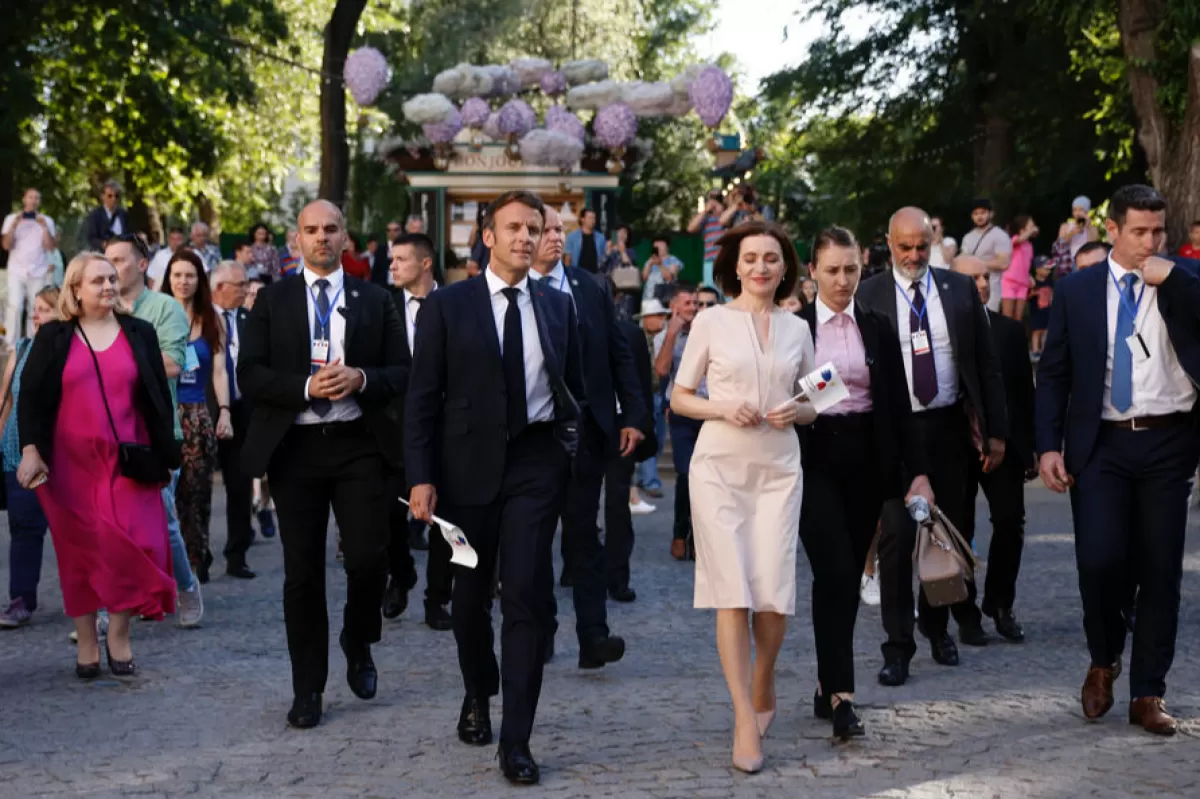
The security context and the political will in Chisinau were the main valid arguments used by Romanian diplomacy in supporting the Republic of Moldova on its European path. The Republic of Moldova managed, in less than four months, from March 3rd till June 23rd, to shift from the status of country that officially applied for EU membership to that of candidate country. By comparison, the Western Balkan states received a clear European perspective from Brussels 19 years after the EU Thessaloniki Summit in 2003.
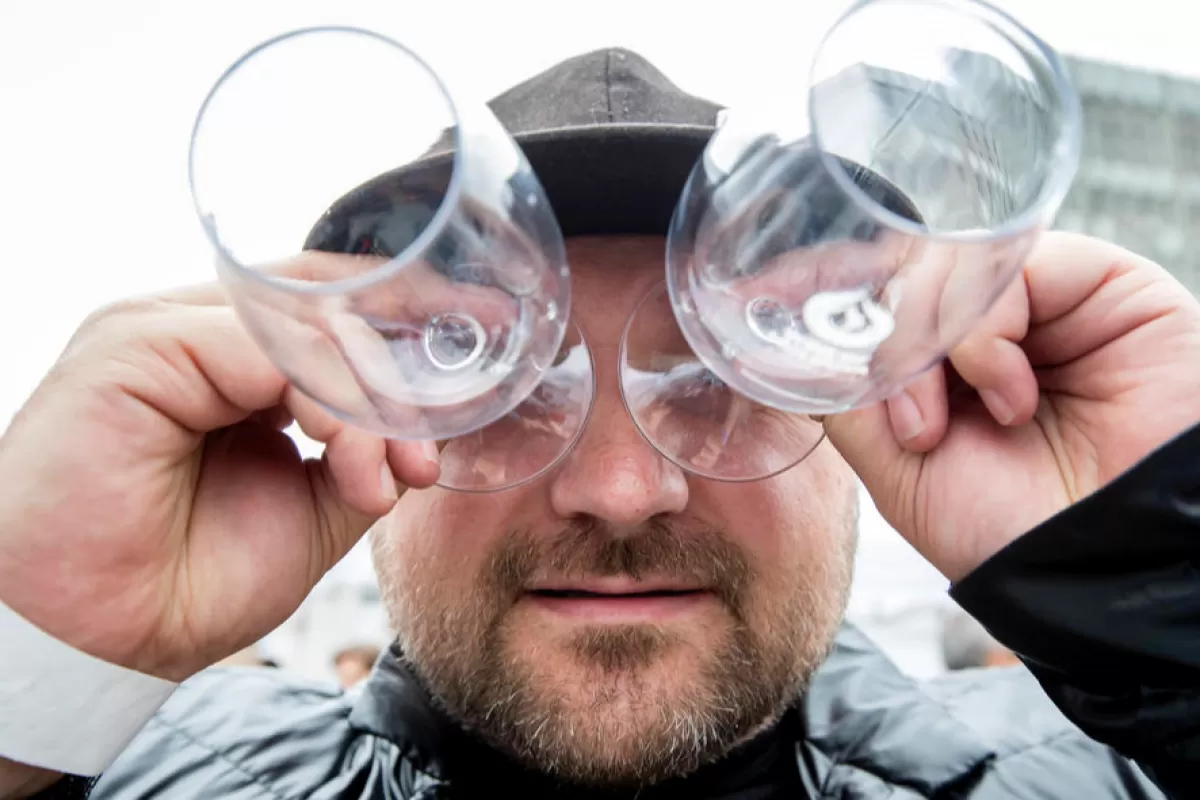
Over the past two decades, Moldovan wines have become one of the key elements in the geopolitical war between Chisinau and Moscow, but also a symbol of Moldova's attempt to escape the Russian influence.

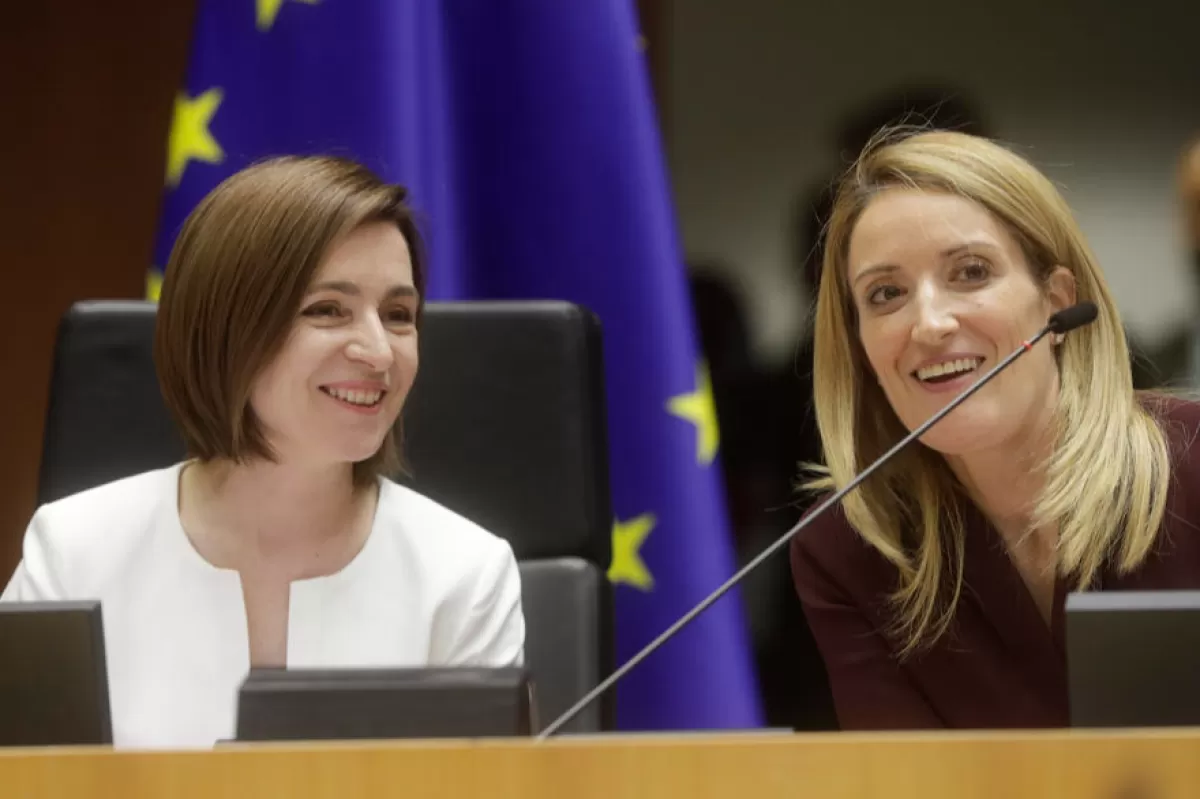
The president of the Republic of Moldova is closing down universities and schools with teaching in Russian language, Nezavisimaya Gazeta writes, picking up on an older narrative targeting Maia Sandu. Just like the others, this too is a false narrative: although some schools do actually close down, it is in fact a measure linked to reforming and streamlining the education system, having nothing to do with the teaching language.

At the 1997 NATO Summit in Madrid, the Alliance kicked off its eastward enlargement process by integrating ex-communist countries that used this opportunity to make sure they would never again fall under Russia’s control. A quarter of a century later, also in Madrid, the North Atlantic Treaty Organization launched a new strategic concept, taking note of Moscow’s aggressions and threats.


The regional context of the Russian invasion of Ukraine has inevitably led to a change in NATO's Strategic Concept. Accents have changed, and Russia has turned from a strategic partner of NATO into a “direct threat” to the security of the member states of the Alliance, as well as to some of their neighbors, including the Republic of Moldova.

By banning certain categories of programs from Russian television stations, censorship is introduced in the Republic of Moldova, an article published on Politnavigator.net. suggests. In fact, the purpose of the law is to limit fake news and disinformation.

The war in Ukraine has brought to the fore the poor state of the Moldovan army, which remains underequipped after being neglected by the authorities in the last three decades. Yet the commonplace view in Chișinău right now is that the army should at least fend off an aggression coming from Transnistria. Russia and its mouthpieces, on the other hand, continue to absurdly claim that Moldova modernizing its army would be tantamount to breaching its neutrality.

The West is preparing an attack on Transnistria to push the Republic of Moldova into an armed conflict against Russia, according to a false narrative published by ehomd.info. The narrative is part of a genuine campaign on this issue, behind which are both the pro-Kremlin press and left-wing politicians in Chisinau.
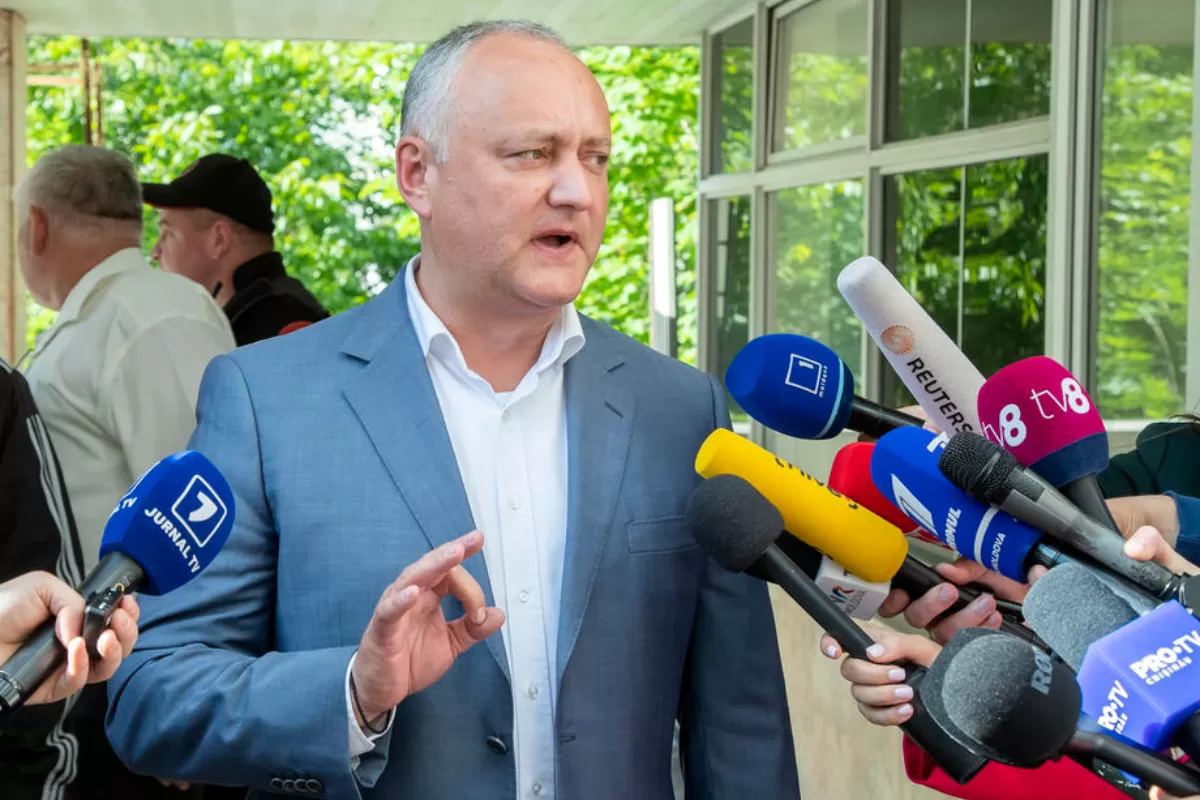
Moldova is undergoing an economic crisis, and the Government and the West is providing it with weapons for the war in Ukraine, while at the same time preparing the unification with Romania. The narratives were launched by former president, Igor Dodon, and were amplified by the pro-Socialist and Russian media.

The Transnistrian is not an obstacle to the EU integration of Chișinău, says the ambassador the Republic of Moldova in Romania, Victor Chirilă. In an interview to Veridica, the Moldovan diplomat said that, should Ukraine win the war against Russia, Tiraspol leaders will become “more flexible”. Victor Chirilă analyzed the security risks for Chișinău, as well as the main projects carried out by the Republic of Moldova jointly with Romania.

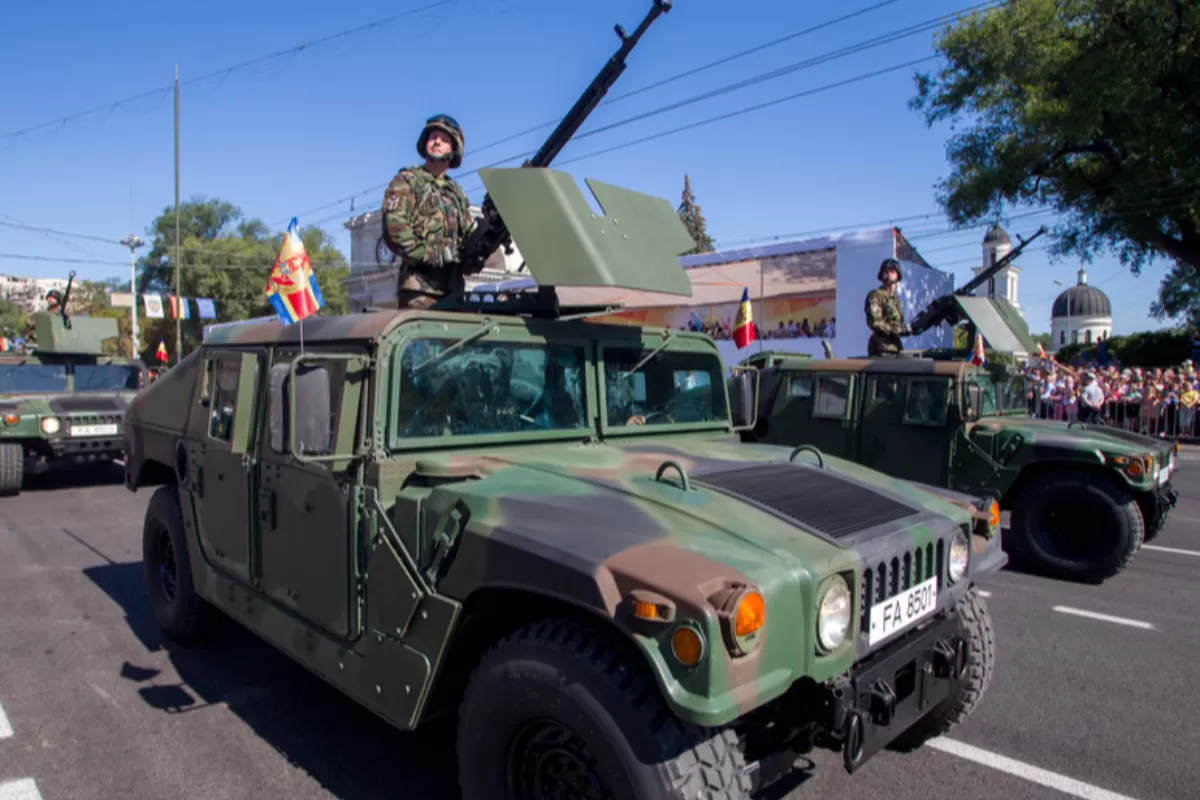
The war in Ukraine has sparked a great of deal of concern in the Republic of Moldova, where the people have seen just how vulnerable the country is in case of a Russian attack. Neglected for years due to underfunding, incompetence or for the sake of “neutrality”, the army seems underprepared to efficiently defend the country. The West is trying to lend a helping hand and has promised to deliver military equipment.

The Republic of Moldova will suffer enormous economic losses if it exists the Commonwealth of Independent States, according to the former pro-Russian president Igor Dodon. However, statistics show that Moldovan exports to Russia have been steadily declining, as Moscow has imposed tariff caps on Moldovan products since 2014 and is supplying gas at market prices.
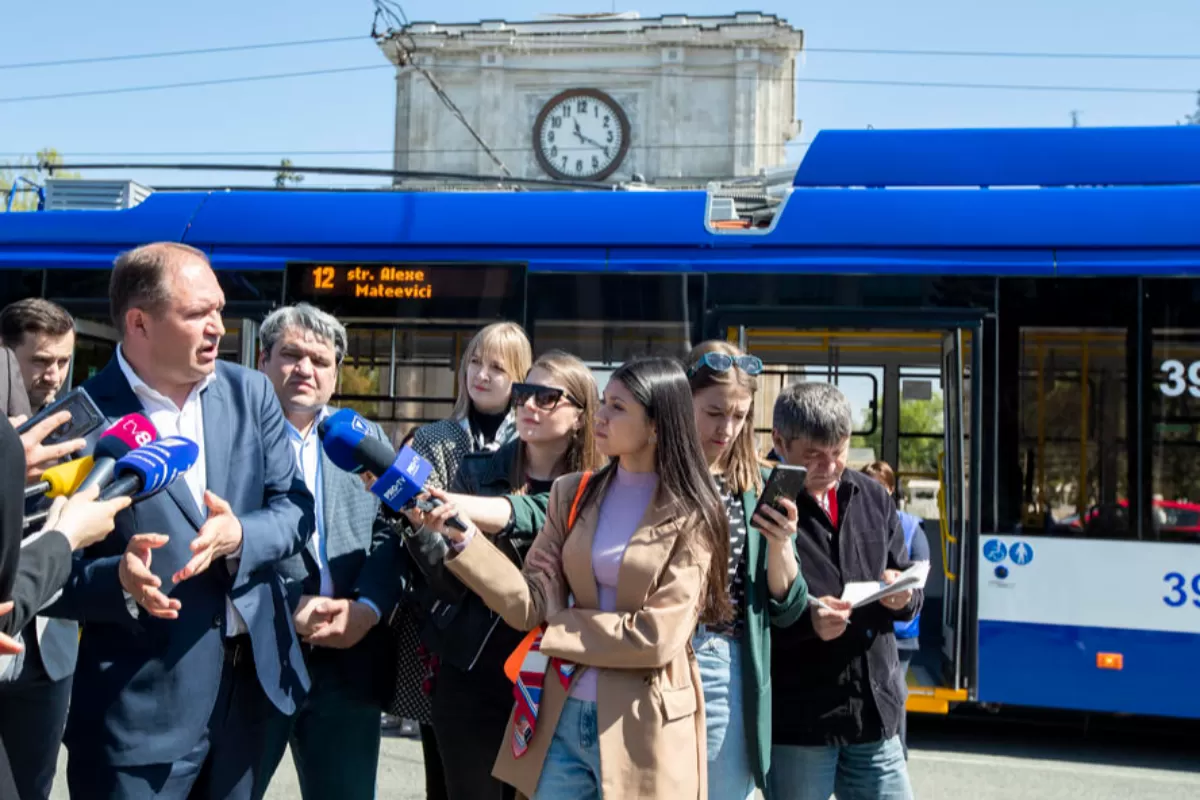
The PAS government is responsible for the imminent increase in public transportation fees in Chișinău, because it allowed for an increase in fuel prices, Chișinău city hall councilman, Alexandr Odițov, has said. His statement was publicized by a number of news agencies controlled by the Socialists. In fact, fuel prices went up as a result of a global increase in energy prices.
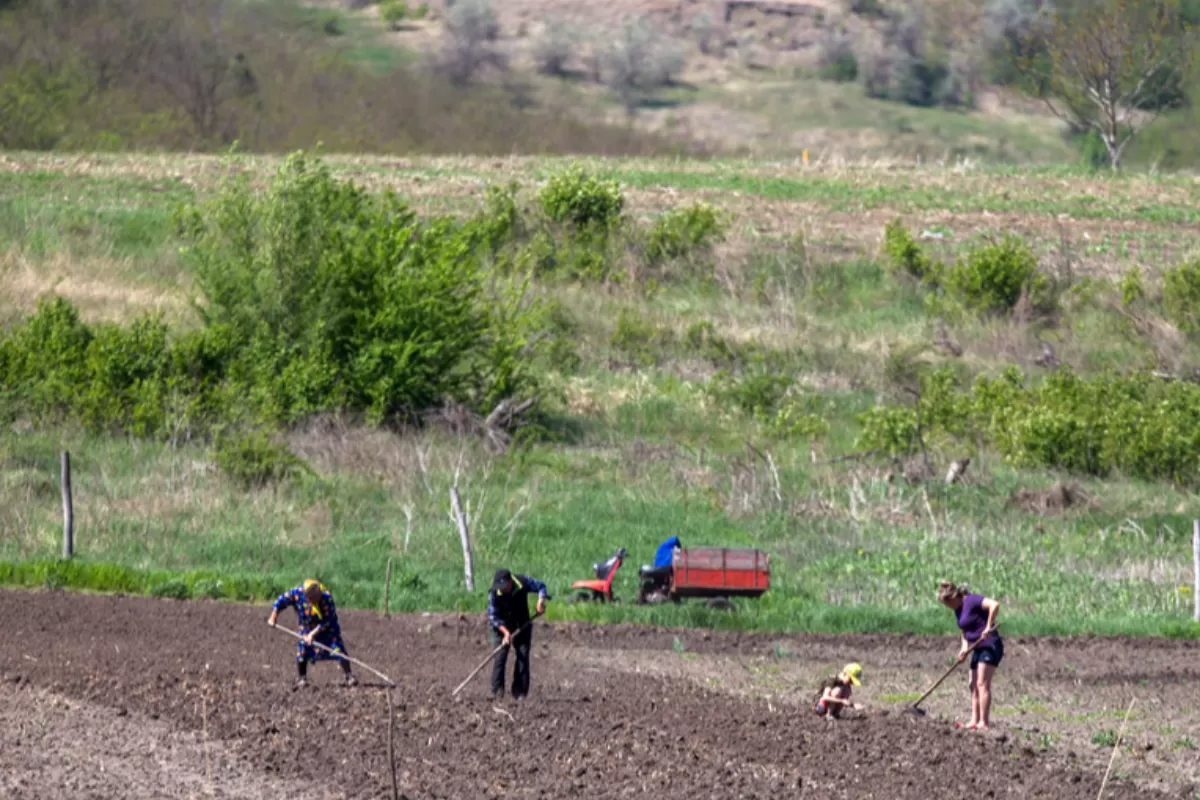
The war in Ukraine is affecting the economy of the Republic of Moldova, which is already the poorest country in Europe. Tens of thousands of refugees are currently on Moldovan soil, the markets in Russia and Ukraine are much harder to access, imports from those countries are suffering, and all this is compounded by rising global prices and energy dependence on Russia. However, Chisinau could also benefit from the crisis, by accelerating its accession to the European Union.

The pro-European government in Chisinau does not respect the neutrality status of the Republic of Moldova, and an ideological and geopolitical gap has formed between the power and the population, which will trigger massive protests, writes the Russian press, taken over by Russian-language publications in Chisinau. The narratives are intended to discredit the government in Chisinau because it has spoken out against the war in Ukraine and banned its symbols.
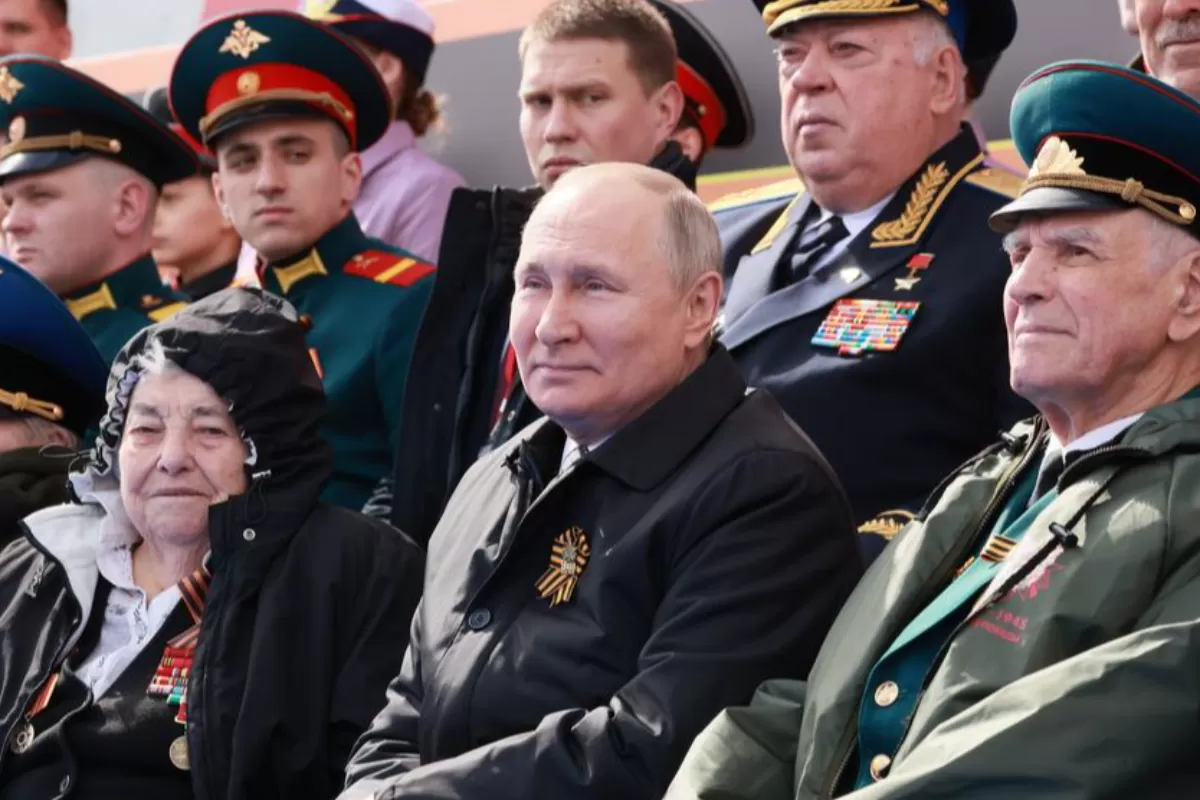
Outside Russia, Moscow’s representatives and supporters tried to mark Victory Day in ex-Soviet and ex-communist countries, but in most cases, their actions were overshadowed by protest actions against Russia’s acts of aggression or demonstrations of solidarity with Ukraine. Veridica’s contributors in ex-Soviet and ex-communist states have closely followed May 9 celebrations.
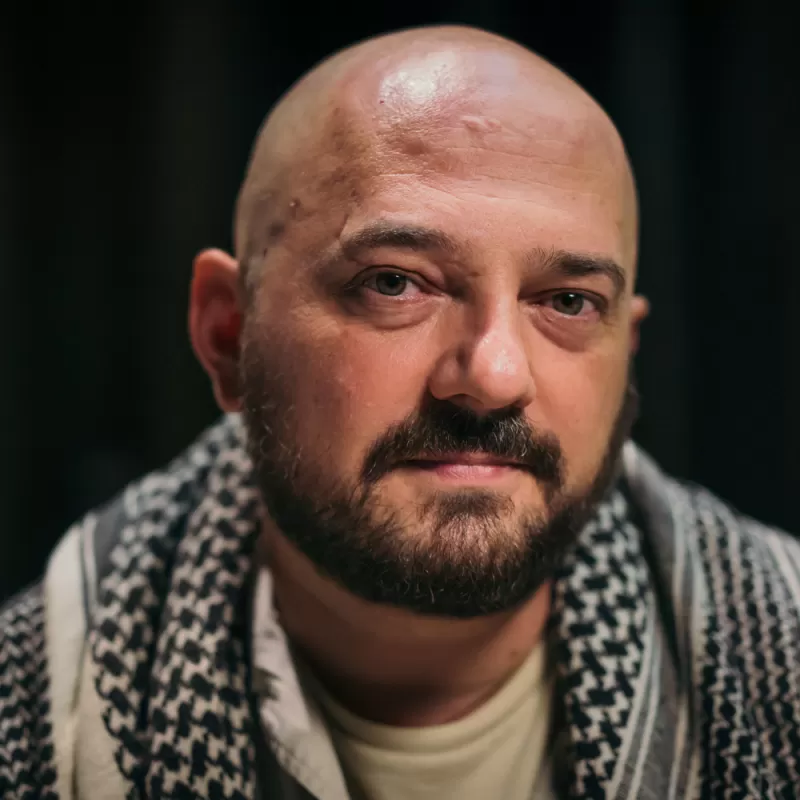

The Government in Chișinău wants to renounce the neutrality status of the Republic of Moldova, while the West is providing this country with weapons to turn it into a living shield against Russia, the pro-Kremlin website politnavigator.net writes, reiterating narratives about Romania’s military presence in the Republic of Moldova and military support Moldova is allegedly providing to Ukraine.

May 9 was a much anticipated event in Chișinău: a recent law forbids the public display of symbols associated with the Russian army and the invasion of Ukraine – the ribbon of Saint George and the letters Z and V. Previously, pro-Russians had announced they would ignore the law. Fears were running high that public unrest might break out. That wasn’t the case, and the demonstration actually resembled a display of communist nostalgia rather than an act of solidarity with Russia.
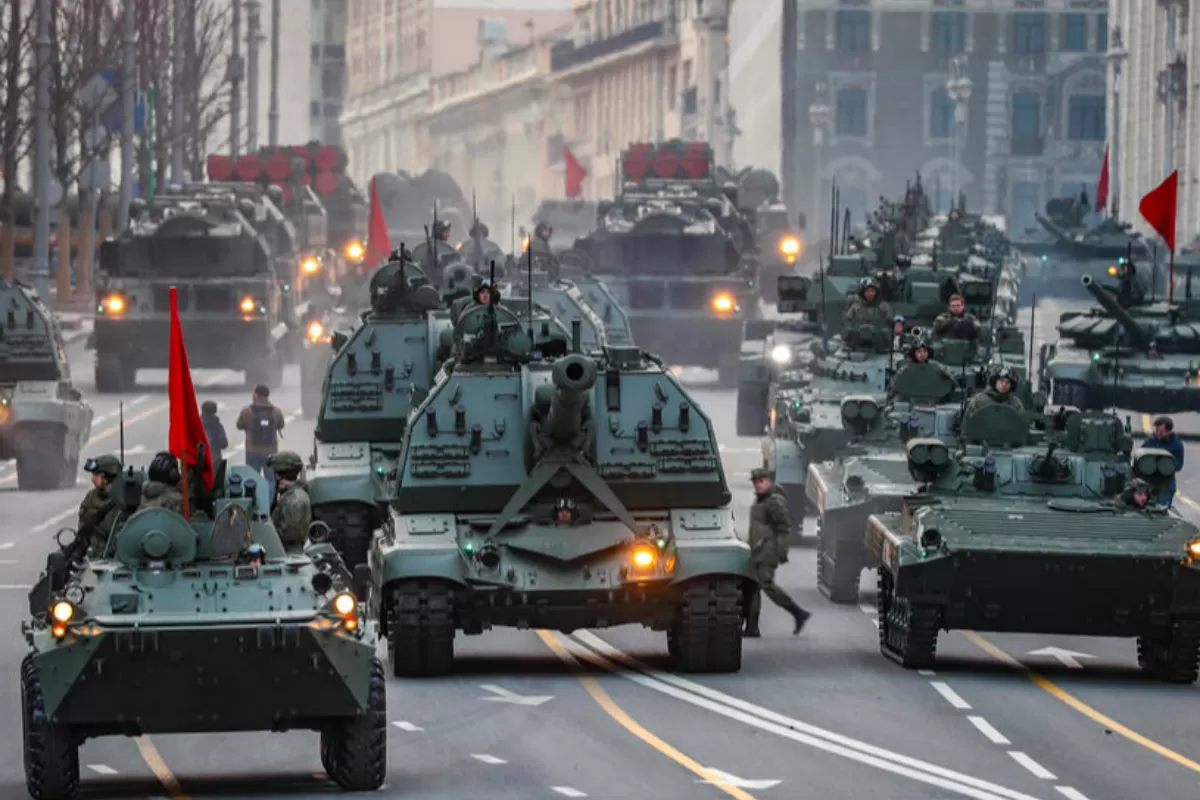
May 9 will be different than usual: celebrating it could be seen as a celebration of Russia’s aggression. While waiting for the events in Moscow and elsewhere to unfold, Veridica has set out to find out what May 9 may still mean in the former USSR and ex-communist countries, as reported by its correspondents in those countries.
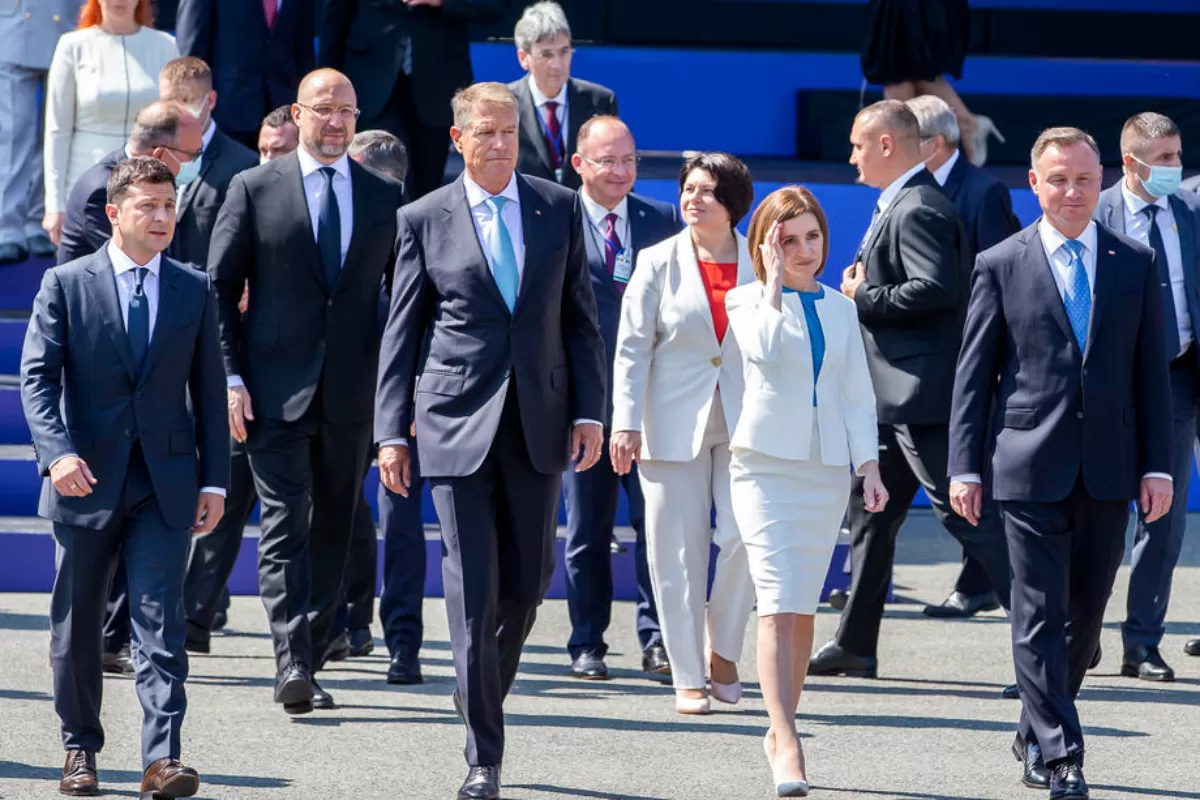
Romania, Poland, Ukraine and the Republic of Moldova will jointly attack the separatist region of Transnistria, according to disinformation narratives carried by the Romania media. The disinformation was published in Romania in a version that contains a number of false information, which is a typical example of Russian propaganda.
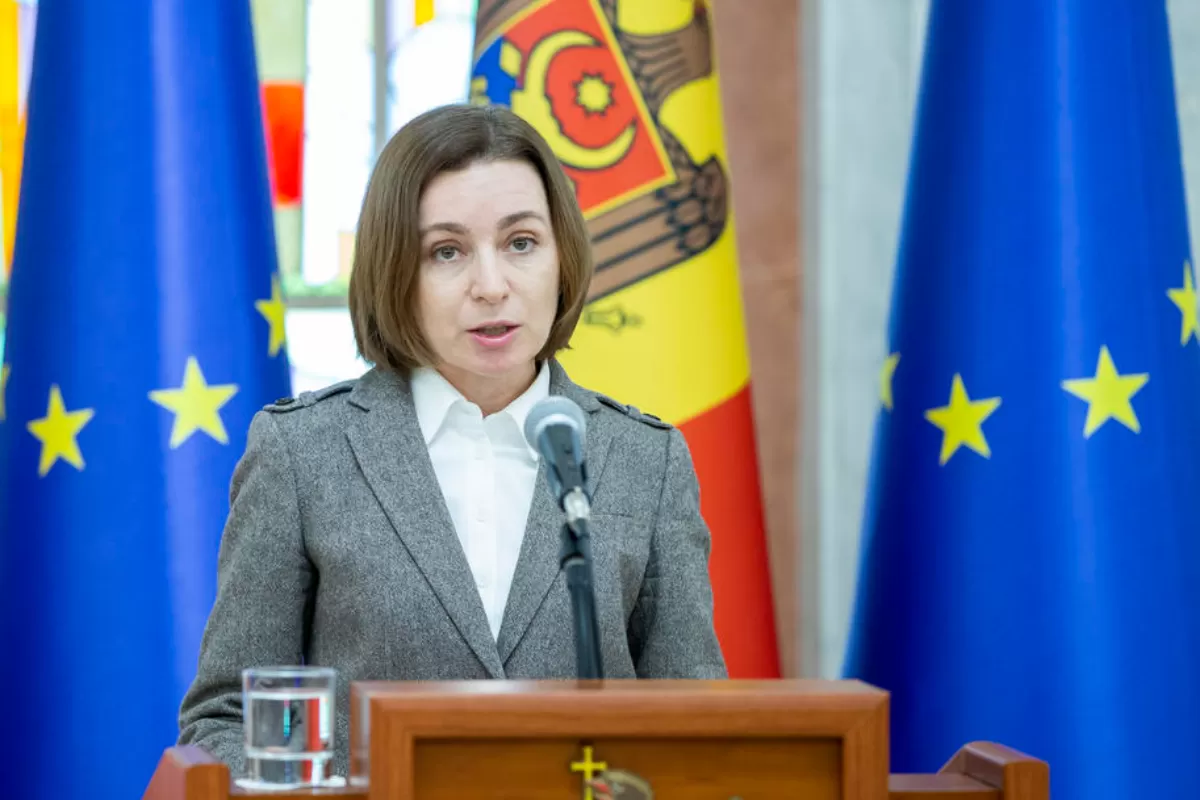
As May 9 draws closer, the day when Russia and other ex-Soviet countries celebrate the victory against Nazi Germany, the number of incidents impacting Moldova’s weak spots increases. In Găgăuzia or Bălți, there are voices calling for breaching the law banning the symbols associated with the Russian invasion of Ukraine. Several unclaimed “attacks” have taken place in Transnistria.
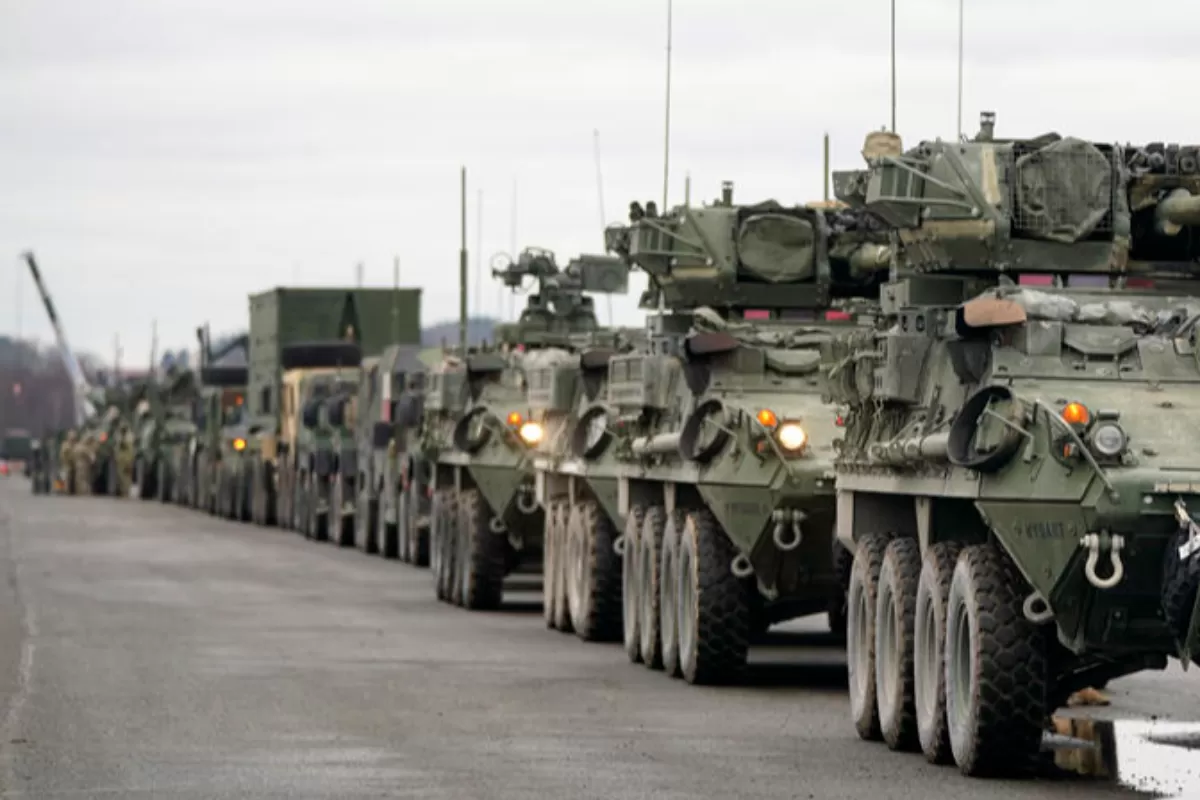
A convoy of Romanian military technology was caught on camera while moving towards with borders with the Republic of Moldova and Ukraine, the Russian media writes, referring to a video captured by an amateur with his mobile phone. The footage, used as part of other disinformation narratives as well, serves as an excuse to reiterate the fake news about Romania’s plans to occupy the Republic of Moldova and to attack the Transnistrian separatist region.
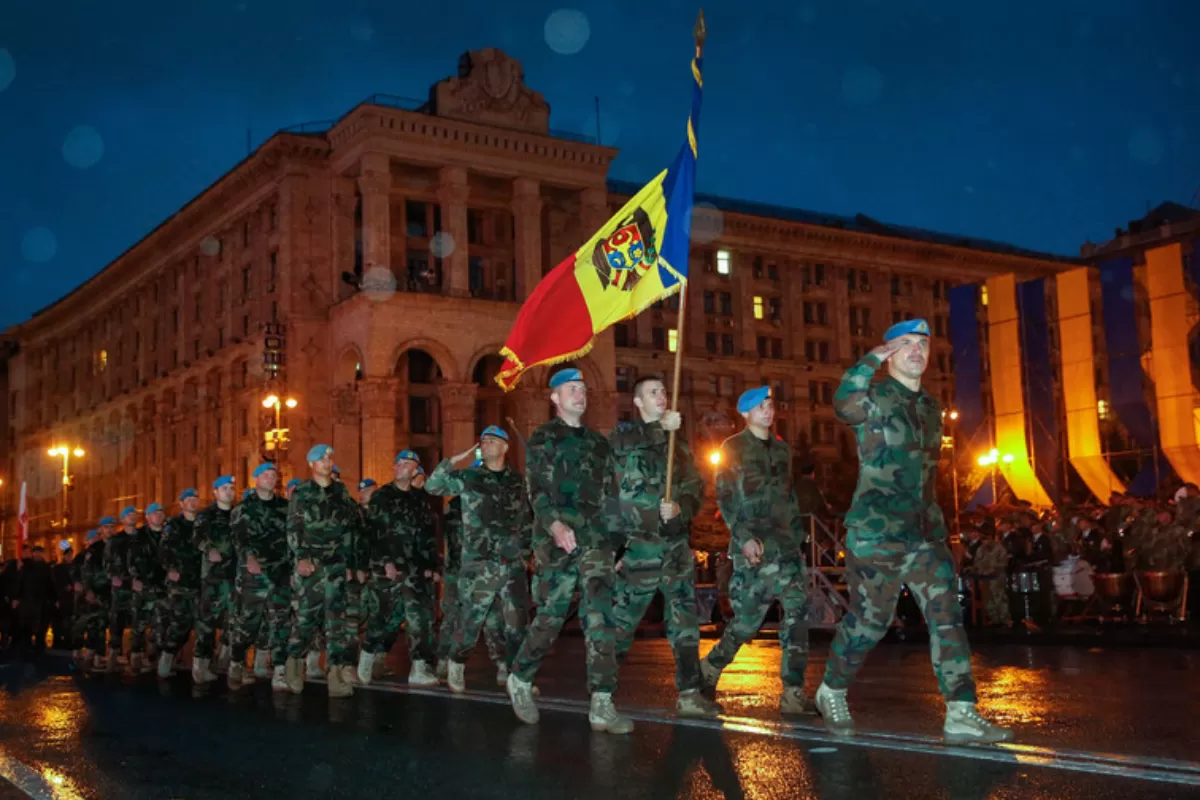
Western states and Ukraine have staged terrorist acts in Transnistria in order to push Moldova into NATO and capture the ammunition stored in the region from the days of the Soviet Union, the Russian media writes. These false narratives are used alongside an older metanarrative about the West’s responsibility for the war in Ukraine.

A Russian general recently referred to Transnistria as one of the objectives of the second phase of the war in Ukraine. Will Russia stop in Transnistria, or will it actually reach Chișinău, which is literally a stone’s throw away? And what should Romania do if that happens? 1940 is the year on everyone’s lips these days…
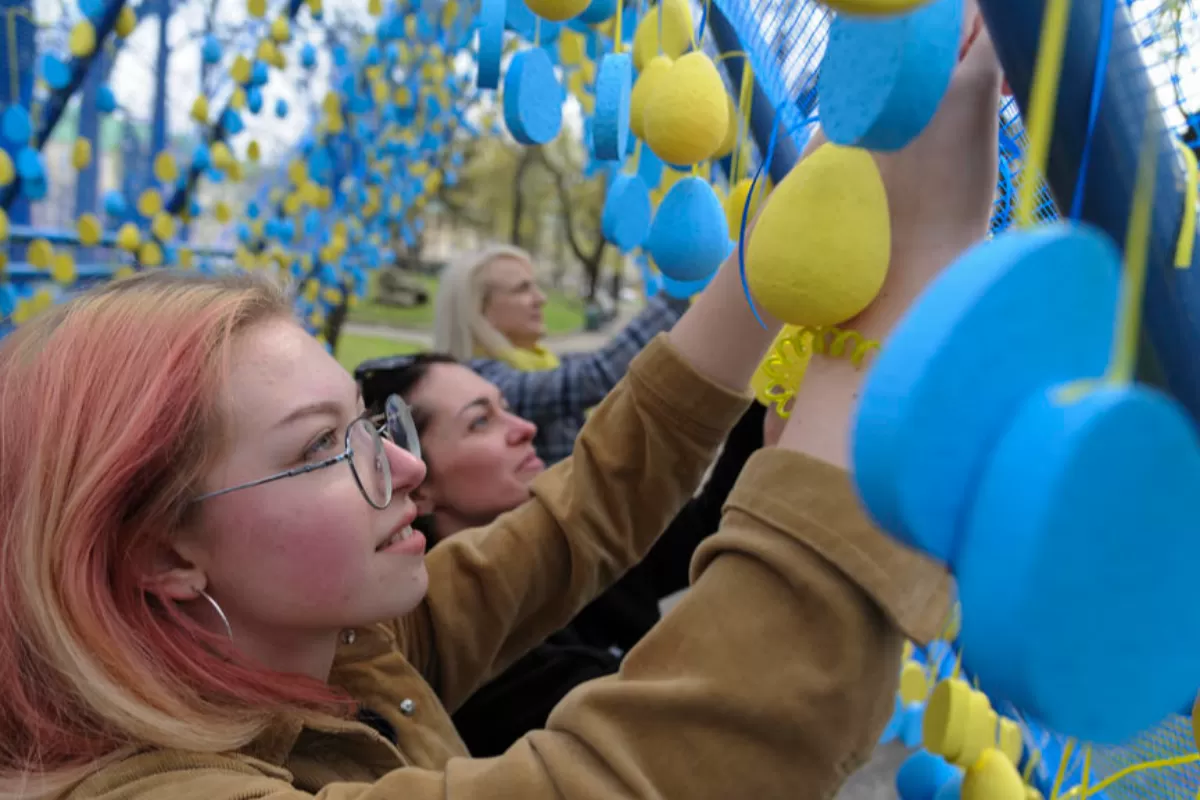
There is now a great deal of coagulation in Ukraine over the national idea, and Ukrainians quickly understood, from the earliest days of the Russian invasion, that they have to either fight or be killed, says Nadija Afanasieva, director of the Ukrainian Institute for International Politics in Kyiv. In an interview with Veridica, the international relations expert explained what Vladimir Putin actually meant when he said that Russia had “noble intentions”, but also what the role of the Transnistrian region in the economy of this war is.