
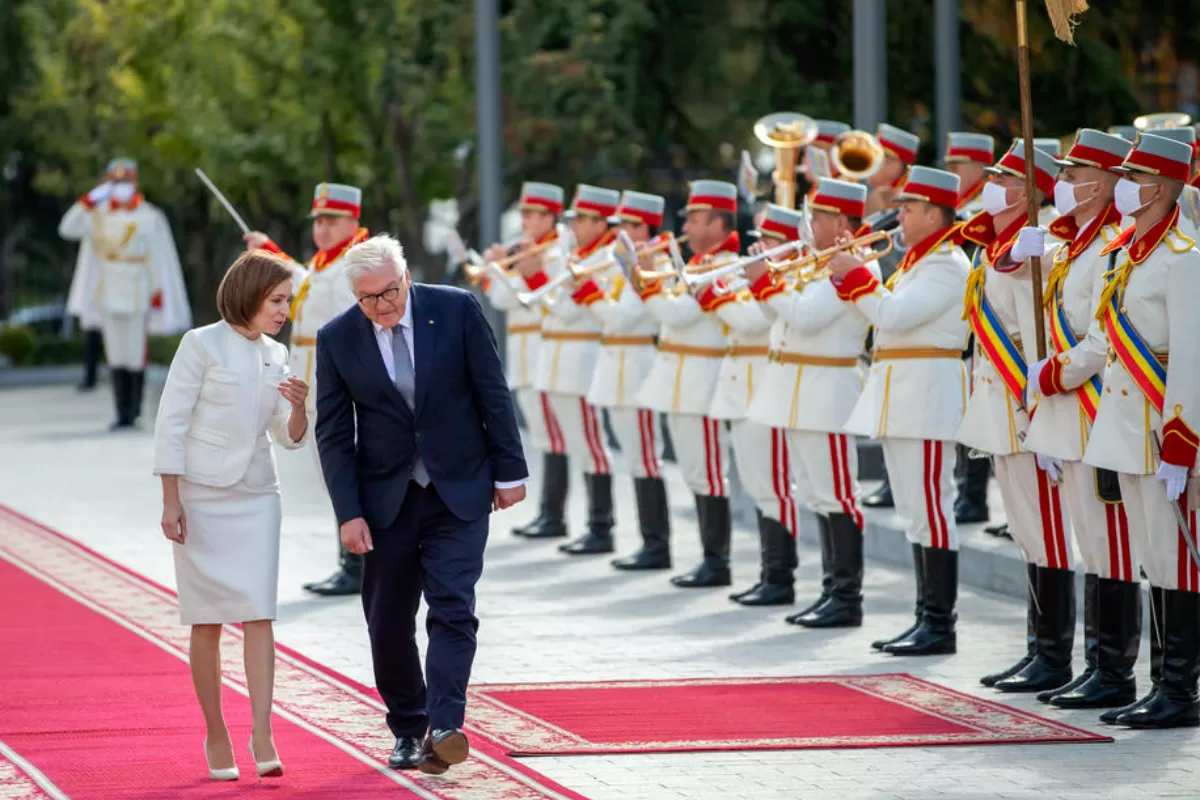
After Maia Sandu and PAS took over the reins of power, Chisinau started a genuine diplomatic offensive. There is openness towards the Republic of Moldova in the western chancelleries, as well as willingness to help, but that is no guarantee for success. A decade ago, the country was in a similar situation, but the failure of the governments that followed eventually led to years of isolation.

Sheriff Tiraspol, Moldova’s top football club, may be used by the regime in Transnistria to give some visibility to the separatist region and to try to gain a minimum of legitimacy on the international stage.
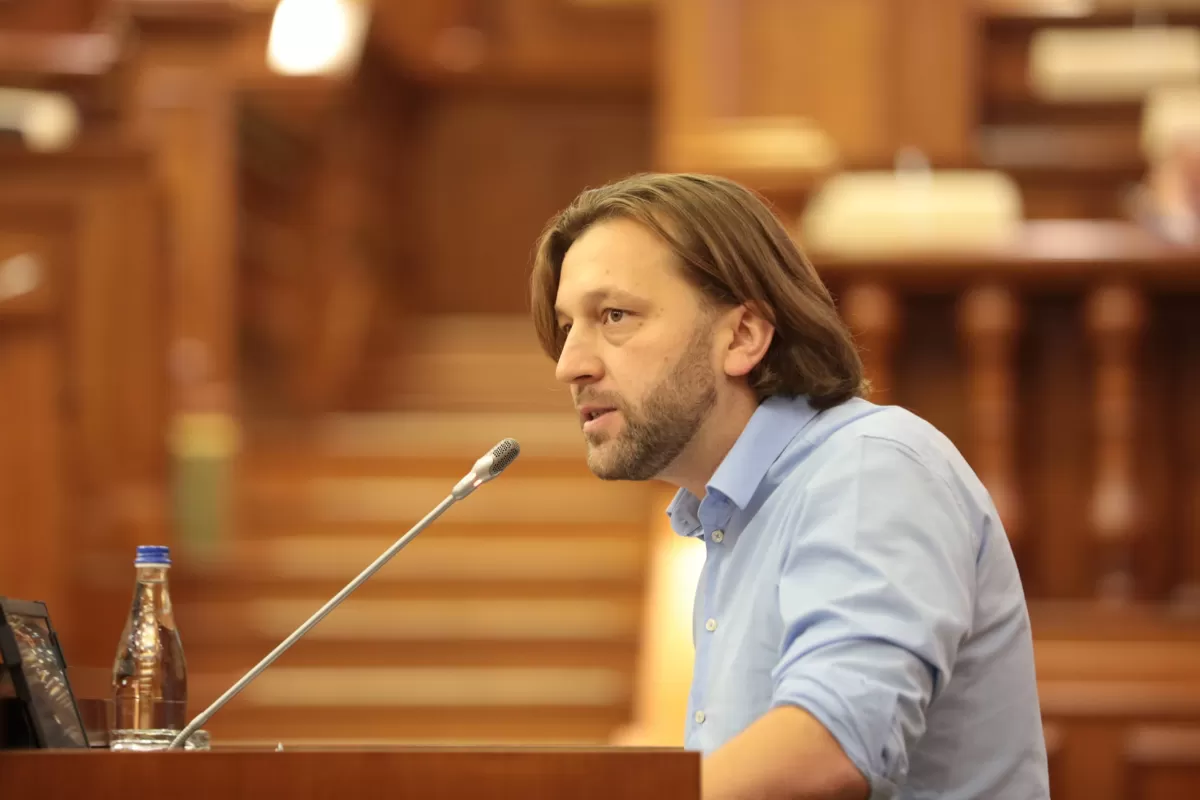
Dumitru Alaiba is one of the most vocal and visible deputies of the Action and Solidarity Party (PAS), which became the ruling party in Chisinau. On the eve of the 30th anniversary of the proclamation of Moldova's independence, Veridica spoke with Dumitru Alaiba about Russia's declining influence in Chisinau, the interests that link some Moldovan politicians to Transnistria, but also about corruption and the politics of the past 30 years.

The possibility of destroying the ammunition of Soviet origin kept in depos in the village of Cobasna, in the Transnistrian separatist region, has aroused Moscow's interest, at least at a declarative level.
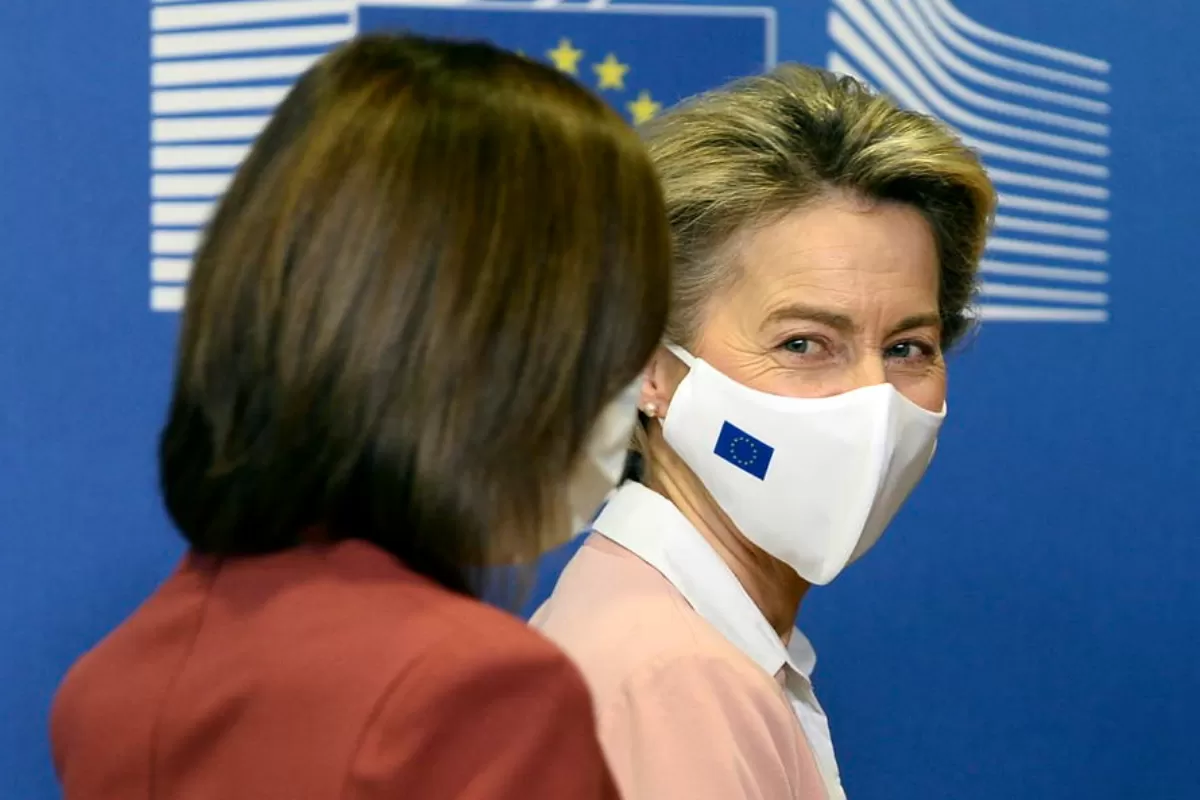
The Republic of Moldova has been presented with a historic opportunity, after pro-European forces, represented by the Action and Solidarity Party (PAS), have secured the Parliament, the Government and the Presidency. The post-Soviet period of transition may now be over, and the pro-European track, which has been in the limelight in Chișinău for three decades, may become irreversible.
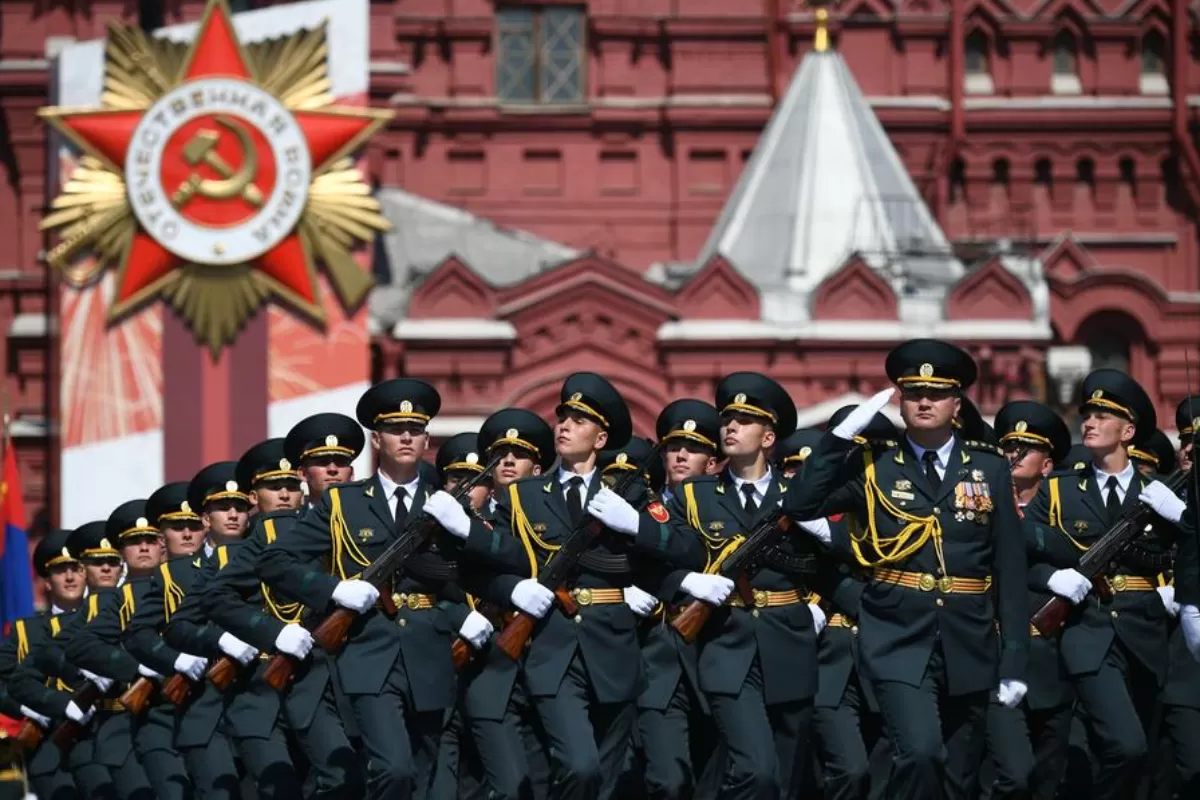
After winning the presidential elections, Maia Sandu has stabilized and secured the relations with the country’s closest neighbors - Romania and Ukraine. The legitimate question arises whether she has also managed to stabilize the complicated relationship between the Republic of Moldova and Russia, especially in the new context created by the recent parliamentary elections, won by the Action and Solidarity Party (PAS), which she has founded.
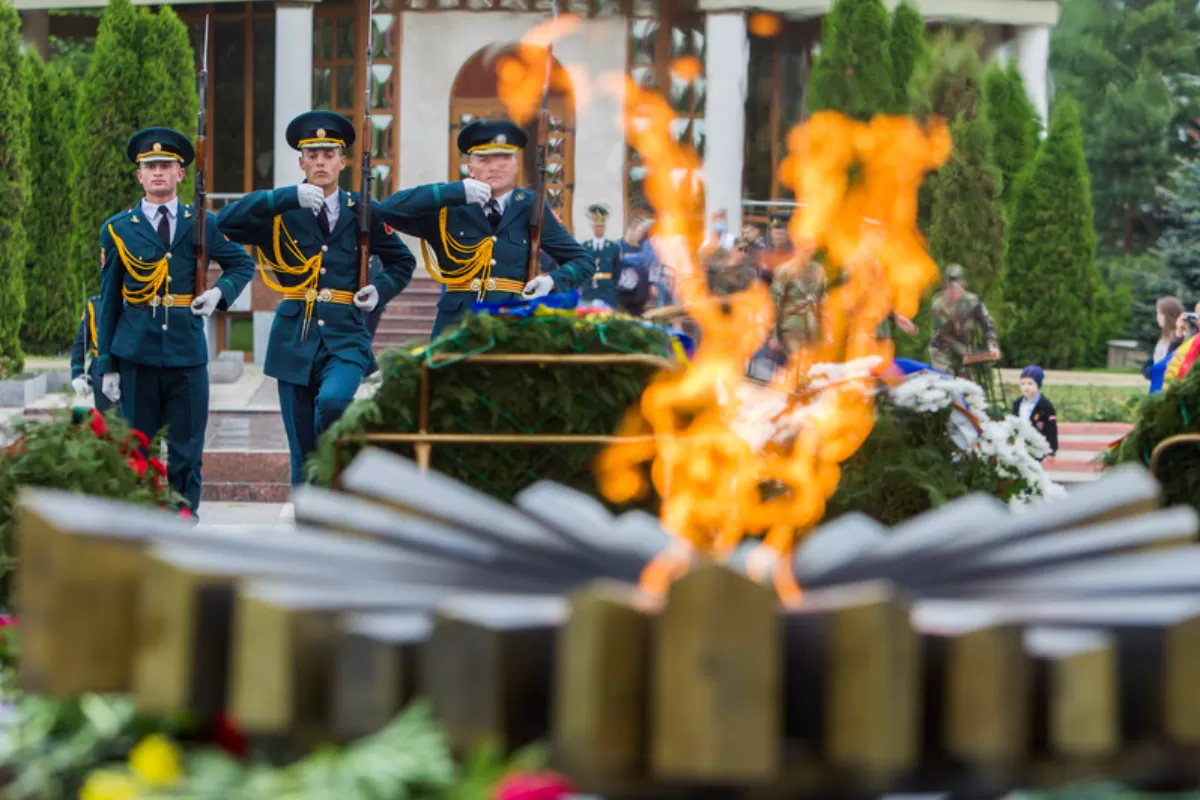
Former officers with the so-called “power structures” in the Republic of Moldova have intervened in the election campaign to express concern with the developments at home, but also to warn that foreign powers have access to external information. The narratives are part of the anti-Western rhetoric employed by pro-Russian political parties in Chișinău in the election campaign.

Early parliamentary elections will be held in Moldova on July 11. The list of candidates is long, with no less than 53 parties and electoral blocs officially registered to take part in the race for 101 parliament seats. Of these, no more than six have a real chance of crossing the electoral thresholds of 5% for parties or 7% for electoral blocs consisting of two or more parties. Veridica carried out a brief x-ray of the electoral programs proposed by the main competitors.
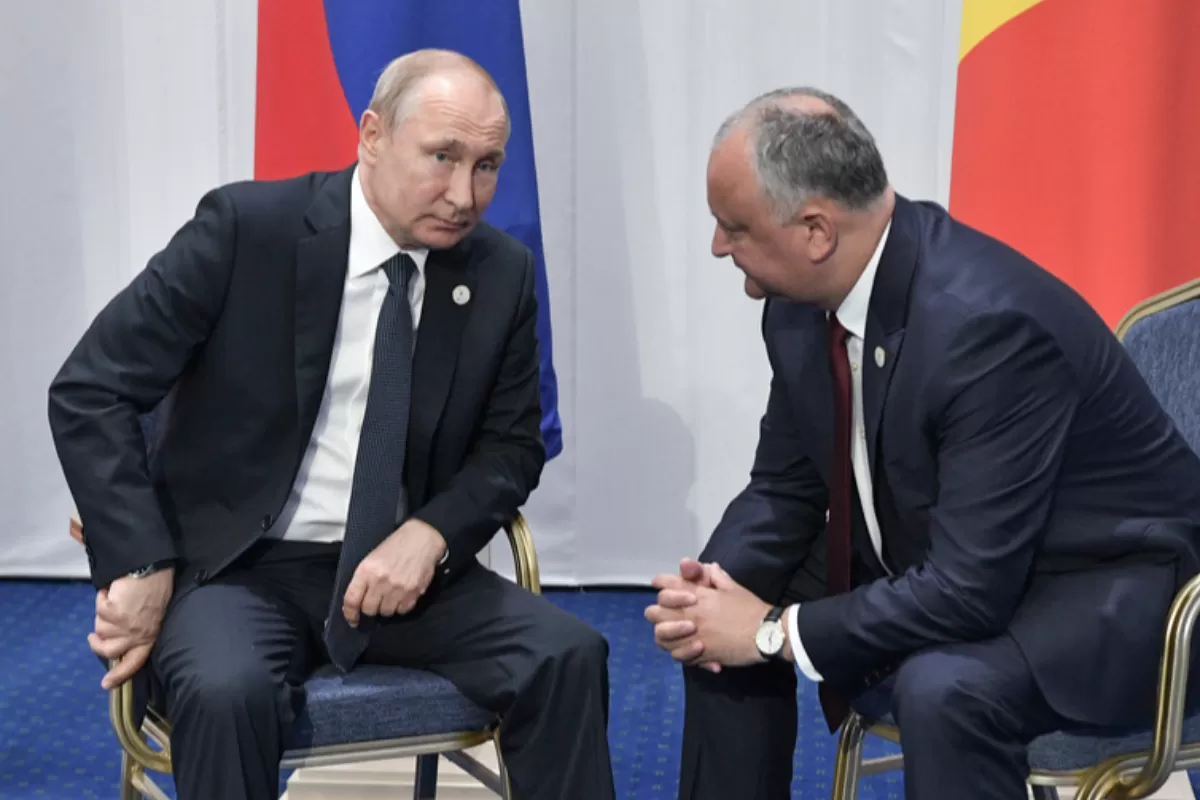
With the early parliamentary election in the Republic of Moldova around the corner, the political and economic chatter is again focusing on the benefits for Chișinău. The matter has again sparked a polemic: would it be better for the Republic of Moldova to head east or west? A persistent question which Moldovan politicians have been juggling with for three decades, while Moldova remains one of Europe’s poorest and most corrupt countries, with one of the largest shares of population migration.

The unionist movement in the Republic of Moldova has always benefited from the contribution of some intellectuals and could count on the votes of about 10% of the electorate. This electorate has become increasingly fragmented in recent years, amid differences between unionists, who have split into competing parties. The centrifugal trend has worsened over time and it is very likely that not even for the snap elections of July 11 the unionist forces will be able to coagulate.

Moldovan citizens often call their country “Wonderland”. Obviously, they do it pejoratively, and the election campaign for the snap parliamentary elections due on July 11th seems to be another reason to call it that. In the past week, there’s been an outcry in the entire Moldovan media about a so-called disclosure made by a controversial police officer.

Russian claims that EU and the USA are allegedly interfering in the parliamentary election in Chișinău, scheduled for July 11. On May 13, the Russian Foreign Ministry spokesperson, Maria Zakharova, said “it is regrettable to see the growing interference of the United States and EU countries in the domestic politics of the Republic of Moldova, something which we firmly condemn”.

Making predictions before elections in the Republic of Moldova means hazarding a guess. Such an action requires not only knowledge and intuition, but also a lot of luck and a special flair for anticipating last-minute backstage arrangements. However, the campaign for the snap parliamentary elections due on July 11 has kicked off, and based on current data and trends, we will analyze who the actors are and what chances they stand at the moment. A dirty election campaign is announced from the left wing, which seems ready to bring into play resources that are incomparable to those available to the right.

Romania will neighbor Russia, once the Russian army have conquered a large part of Ukraine and cut its access to the Black Sea. Also, Russia will conquer the east and south of Ukraine, along with the Transnistria region in the Republic of Moldova.
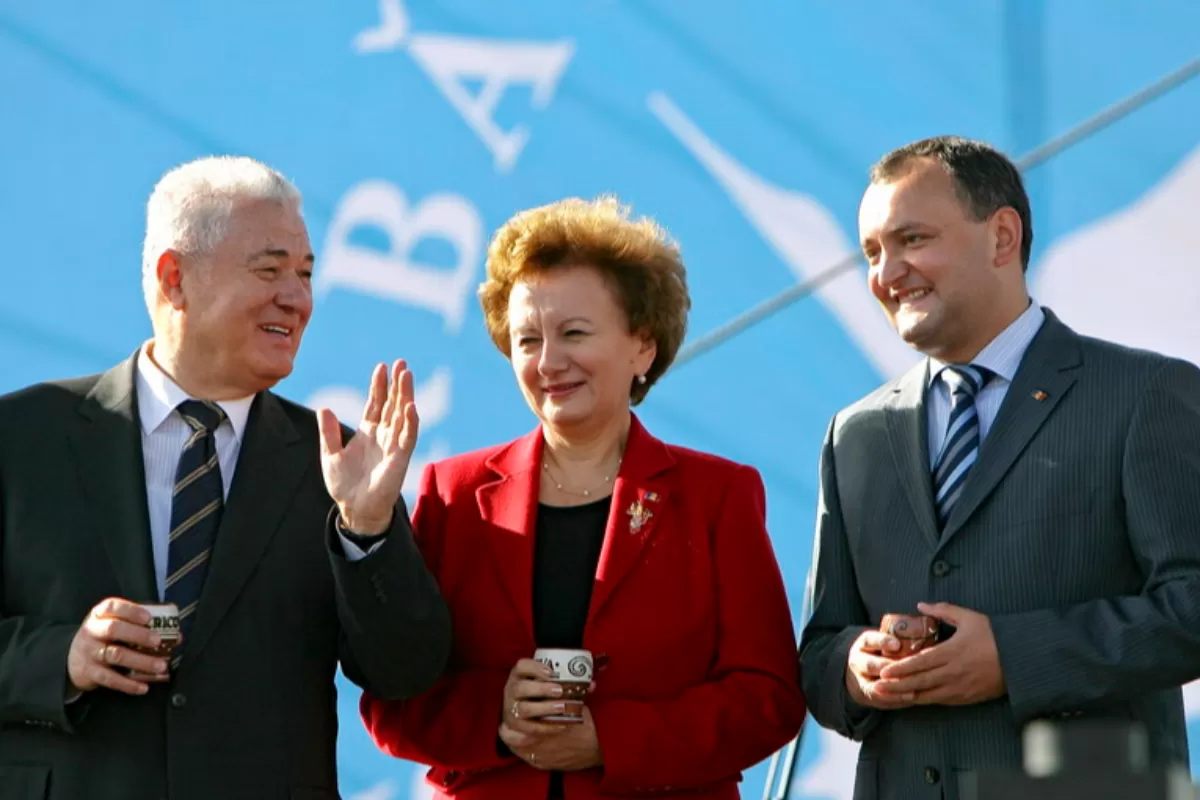
The surrender or transfer of power have always been the center of attention in Chisinau, which proves that democracy, even after 30 years of independence from the Soviet Union, is still fragile.

The US, Romania and the Republic of Moldova are preparing to attack Russia's main strategic sites in the Transnistrian separatist region, such as the former USSR arms depot in Cobasna, according to Kremlin’s propaganda arm, Sputnik. The narrative is being promoted while tensions are building up around Ukraine as Russia is concentrating troops in the area.

The Pandemic has shaped the perception of the citizens in the Republic of Moldova about the East and the West. Whereas one year ago, Russia and China were very cleverly scoring points in terms of visibility in Chișinău, over the last 12 months the roles have been reversed with the EU and Romania.
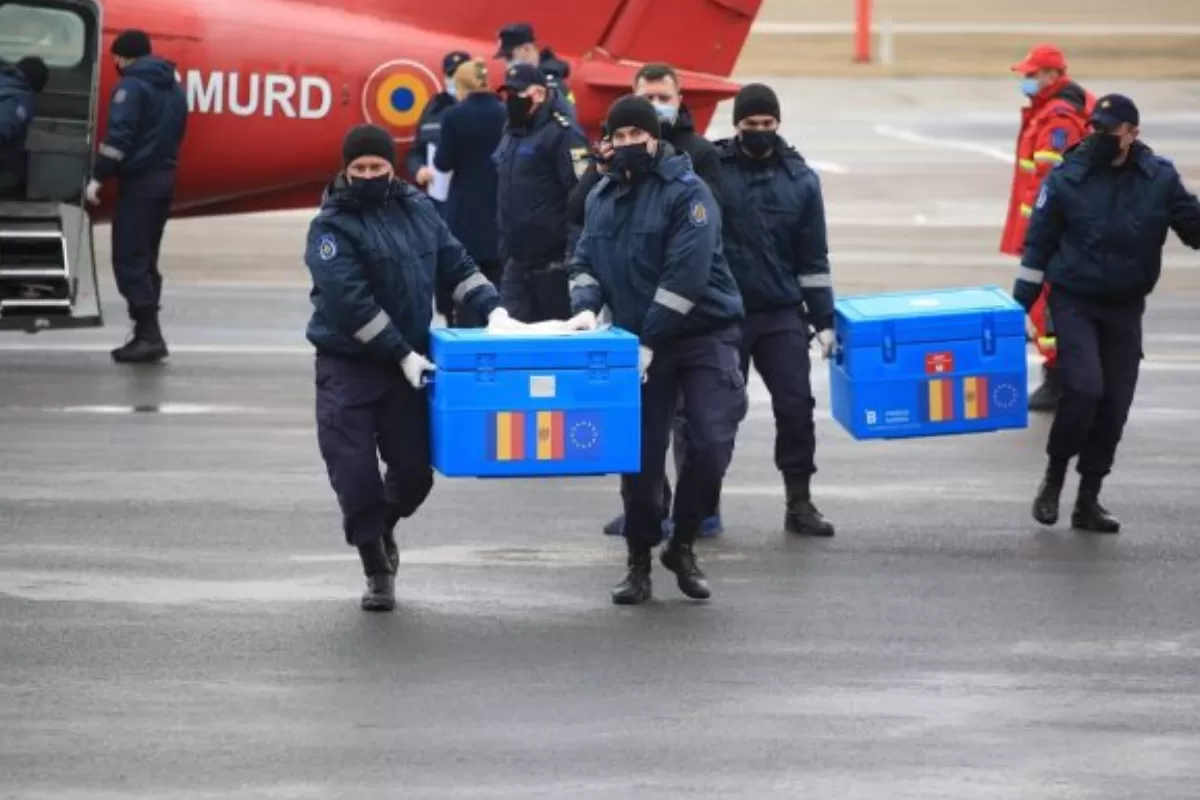
In recent years, Romania has funded numerous projects that have had a direct impact on the population. In parallel, a certain type of patriotic discourse, irritating for a significant part of the population of the Republic of Moldova, has been tempered as well. The result of this policy carried out with soft-power tools is that while the declared unionist parties in Chisinau are free falling in the electorate’s preferences, paradoxically the number of unionists is on the rise.
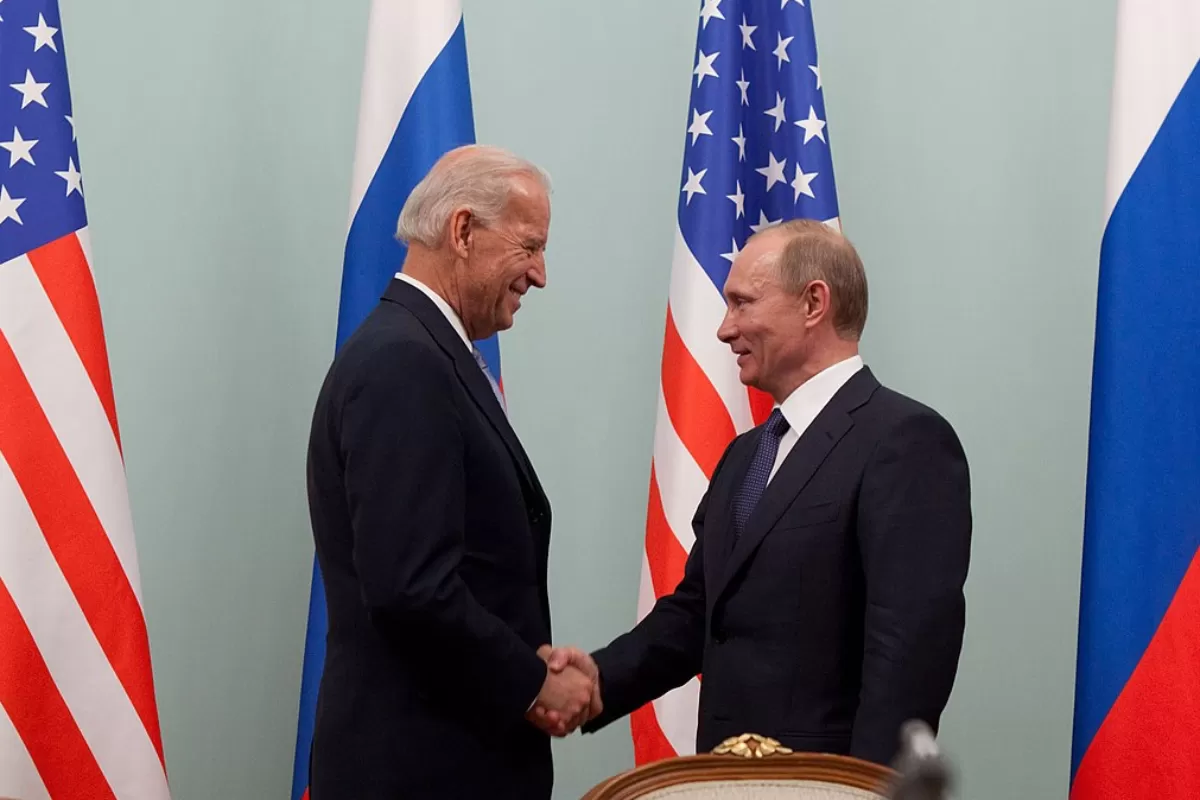
The latest tensions between presidents Joe Biden and Vladimir Putin are definitely giving political analysts from all over the world a headache, as they try to decrypt the discourses of the two presidents and somehow foresee where they’re leading. The United States and Russia have a number of imporant topics on their current agenda, such as the developments in Ukraine, Syria, the Iranian nuclear file or the situation in Northern Africa. USA and Russia also fell out over the poisoning and sentencing of opposition leader Alexei Navalny, the SolarWinds cyber-attacks scandal and Moscow’s bounties on US troops in Afghanistan.

The failure of pro-Russian Igor Dodon in the presidential elections in the Republic of Moldova does not seem to have upset the Kremlin much: instead of being reprimanded, the officer in charge of the Moldovan case (and assisting Dodon in the election campaign) was promoted in early March. At first glance, the promotion seems to be a job rotation decision, but in reality, it’s part of a broader reorganization of the departments dealing with the former Soviet space and the separatist regions supported by Moscow.
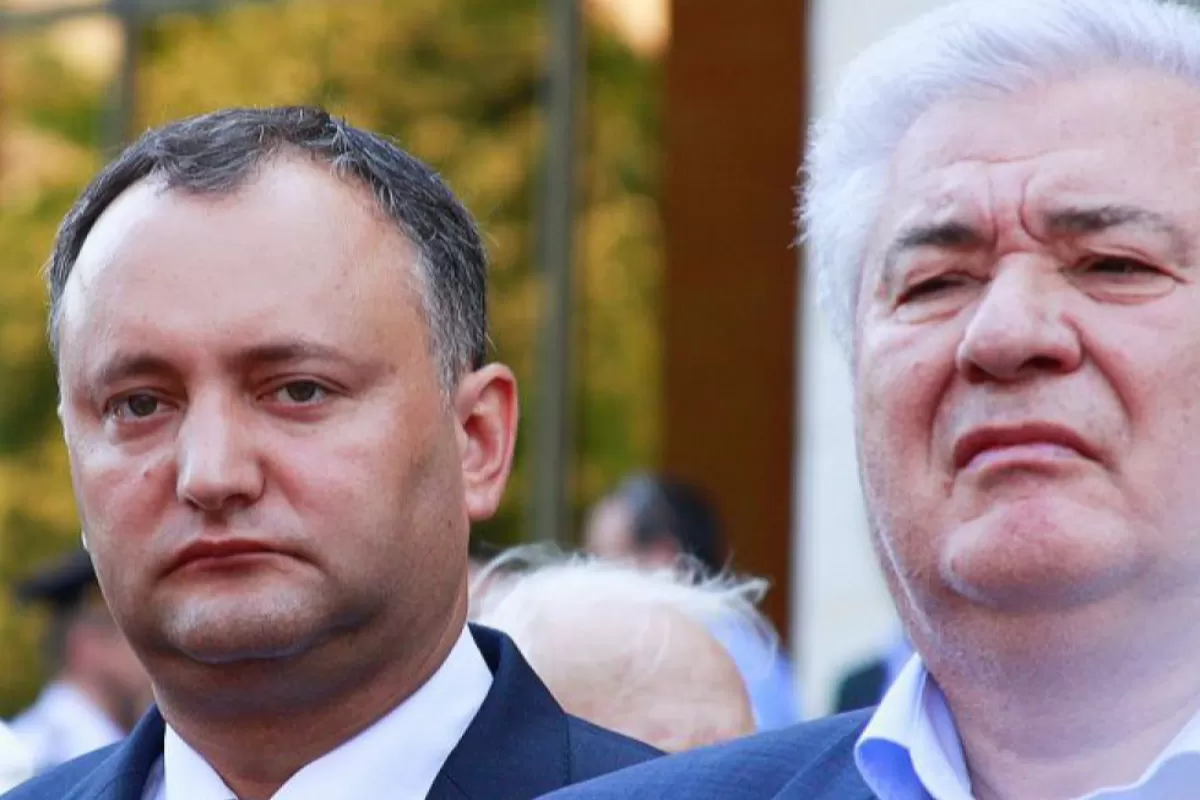
Controversial political figure Iurie Roșca is suggesting an authoritarian leader would be best-suited for the Republic of Moldova. The narrative is promoted by the Kremlin’s mouthpiece, Sputnik, and is used to anchor Moldova in eastern space, where authoritarian regimes are commonplace.
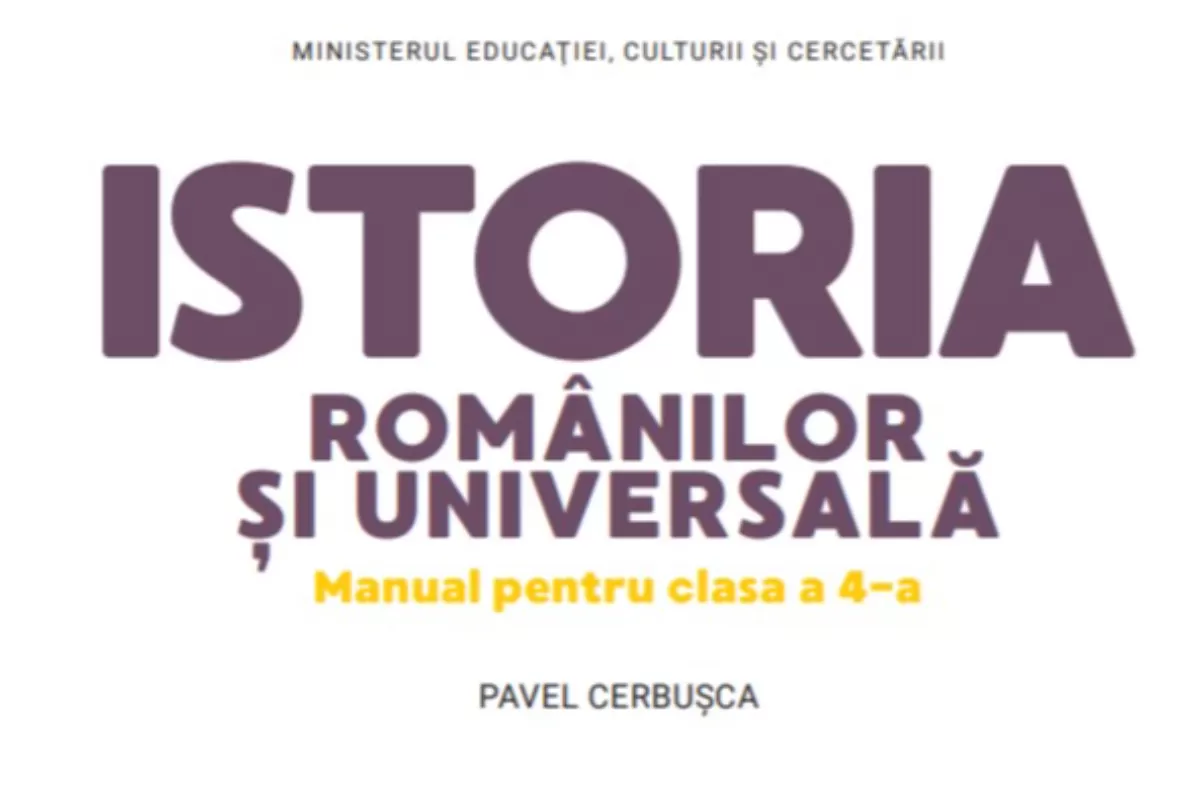
The name and the curriculum of “the History of Romanians” discriminate against the majority “Moldovan” population, according to an NGO who’s lodged a complaint with the Anti-discrimination Council. The NGO picks up the USSR’s narratives regarding the existence of the Moldovan language and people.

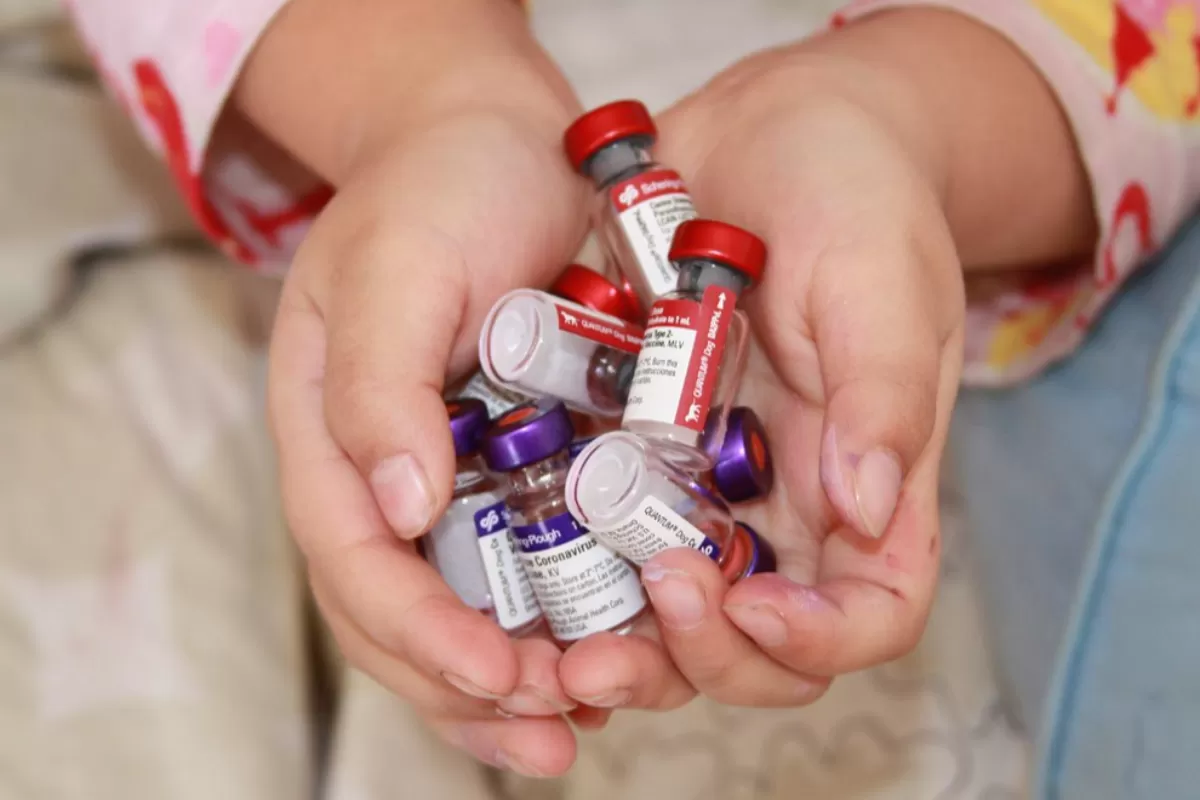
Eversince the pandemic started in early 2020, Russia saw a window of opportunity to gain tactical advantages. While the West was overwhelmed by the medical crisis and was attempting to stop the spread of the Virus, Moscow was using official and informal channels to undermine its credibility.
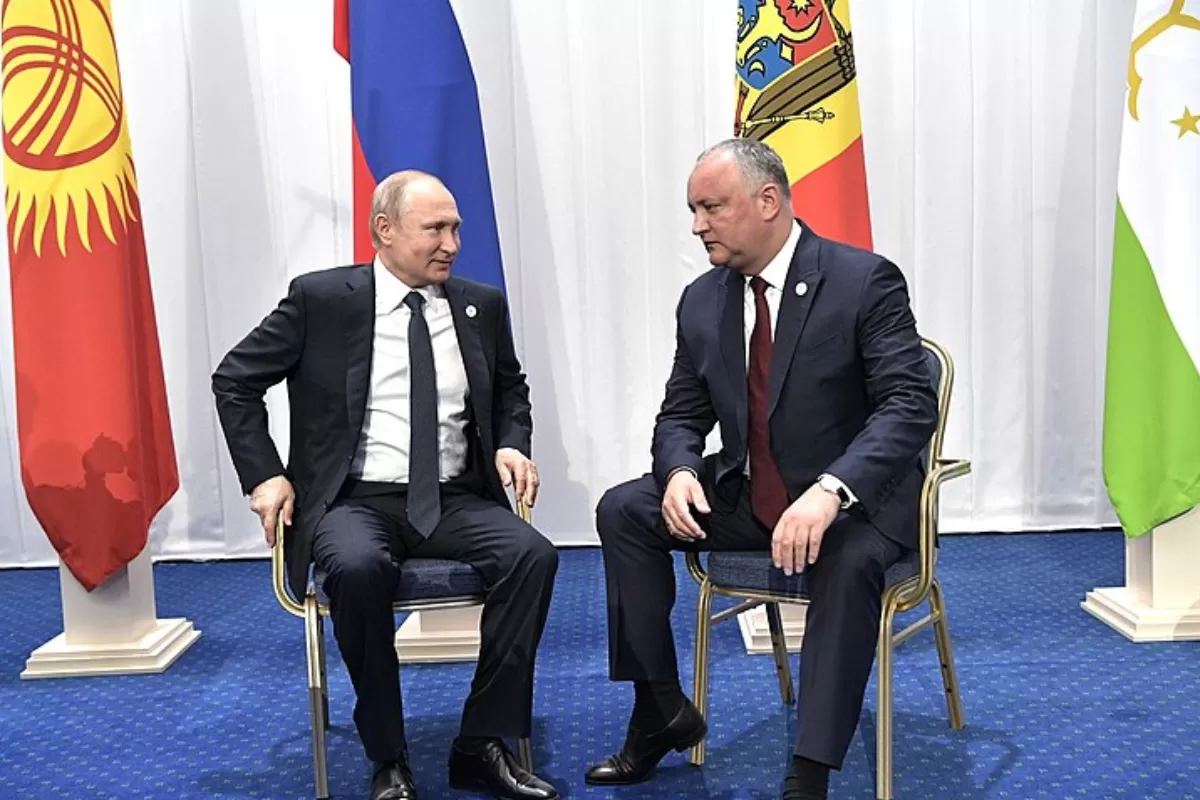
The political stage in Chișinău is once again in crisis. The incompatibility between the pro-European president Maia Sandu and her governing opponents, from the camp of the corrupt pro-Russia “establishment” in Chișinău, has led to new confrontations and situations hard to anticipate.

The Party of Socialists in the Republic of Moldova has abandoned plans to make the Republic of Moldova a Federation, reverting instead to a 25-year-old document that proposes the creation of a confederation as a solution to the Transnistrian conflict, by setting Chișinău on an equal footing with Tiraspol.
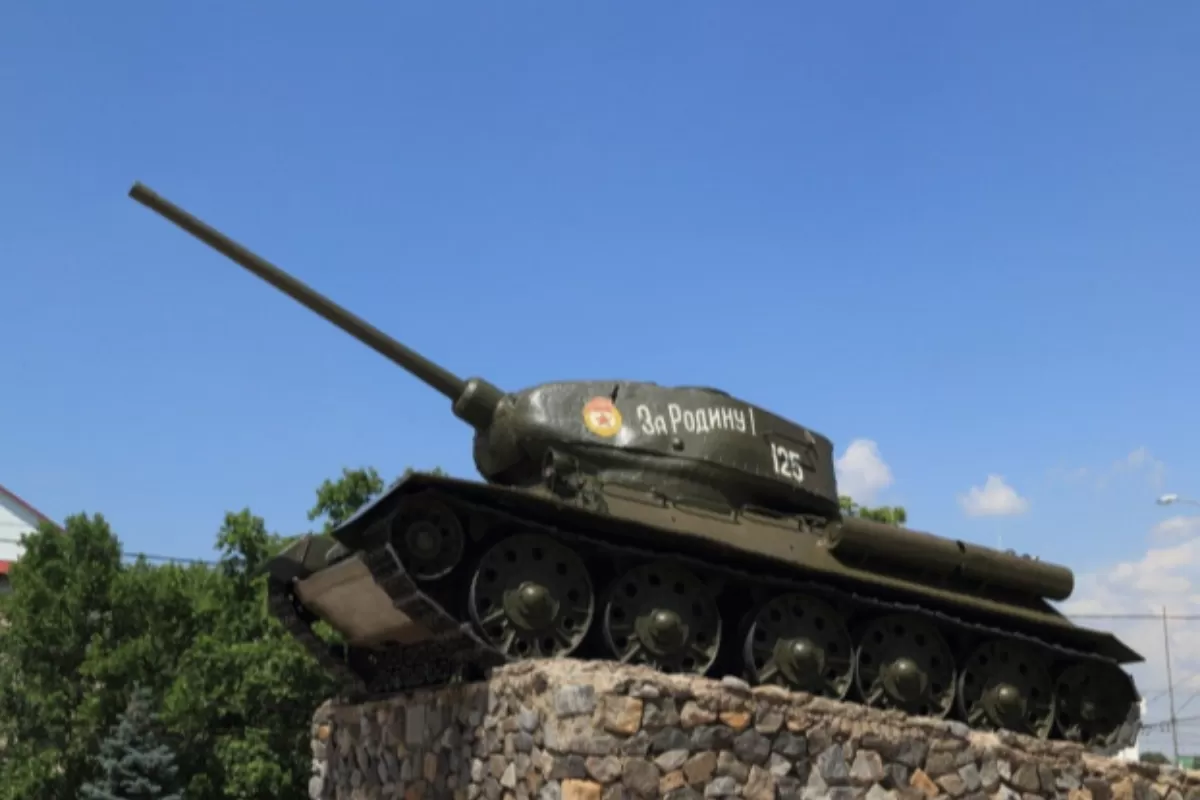
The EU has extended an economic lifeline to Transnistria, the underlying idea being that this would help avoid conflict in that region. Russia is no longer Transnistria's main economic partner, but still has considerable levarage in the region.
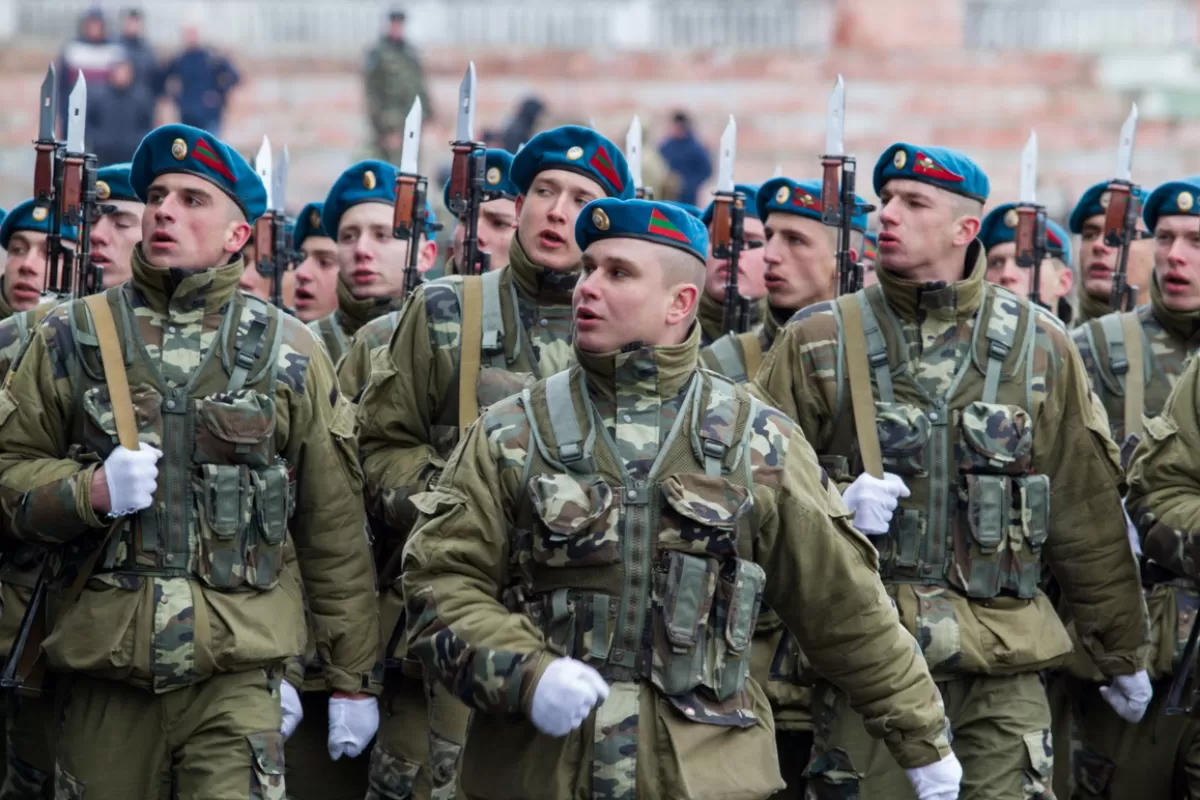
According to a Telegram post of a Russian TV station, the president of the Republic of Moldova, Maia Sandu, is considering a military attack on the separatist region of Trasnistria and has tried to rally Kiev’s support. The story has prompted a true media frenzy in Chișinău and Moscow, having been redistributed by a large number of media outlets. Chișinău authorities have dismissed this scenario, which they say carries little weight.

Transnistria a reprezentat în ultimele trei decenii una dintre cele mai mari enigme din Europa de Est și continuă să fie un studiu de caz aparte, fiind unul dintre primele conflicte înghețate din spațiul ex-sovietic și apoi un model pentru cele ce au urmat în jurul bazinului Mării Negre.

Perdant în recentele alegeri prezidențiale din această toamnă, Igor Dodon încă se agață de putere în interiorul Partidului Socialiștilor din Moldova (PSRM), dar și în fața susținătorilor săi externi de la Kremlin.

The European Union wants to fight tax evasion and undeclared work, which is a form of totalitarianism, says the ideologue of the pro-Russian Party of Socialists, widely covered by the affiliated press.

