
Russia’s invasion of Ukraine has unnerved Chișinău. Many talk about the risk the Republic of Moldova could be Moscow’s next target, something which Russian propaganda also suggested. On the other hand, the Republic of Moldova could also seize this opportunity to definitely break away with Russia and accelerate its integration into the Western world.


The media and some political theorists in Russia have begun to openly urge Moscow authorities to sanction the Republic of Moldova for its recent “oversights”, such as banning the symbols “Z”, “V”, directly associated with the Russian operations in Ukraine, and in particular the ribbon of Saint George, considered a symbol of the Russian army.


Moldovans must be grateful to the USSR because they were liberated in 1945 and were later able to found a state. The narrative, launched after the Republic of Moldova banned symbols associated with the Russian army and the invasion of Ukraine, ignores the fact that the USSR was an aggressor at the beginning of World War II, and at the end of it became an occupying power.

The Republic of Moldova is intensifying its efforts to combat Russian propaganda. The Chisinau Parliament adopted, in first reading, a series of normative acts which, on the one hand, ban symbols associated with the Russian army and the invasion of Ukraine, and on the other hand, provide the state institutions with new tools to stop propaganda in the audio-visual media and online environment.

NATO is a weak organization that, in the event of a conflict with Russia, will not even defend its own members, as it has not defended Ukraine, writes in a comment ehomd.info, a web page blocked by the Intelligence and Security Service after the start of the war in Ukraine for spreading fake news.
In recent weeks, the Republic of Moldova has seen increasing pressure from Ukraine. Kyiv is persistently calling on Chișinău to take measures in order to rally itself to the international sanctions imposed on Russia. Such a move would be however irrelevant in economic terms, and wouldn’t represent such a strong signal not even at political level. Instead, it could cause bigger troubles for the pro-European government,
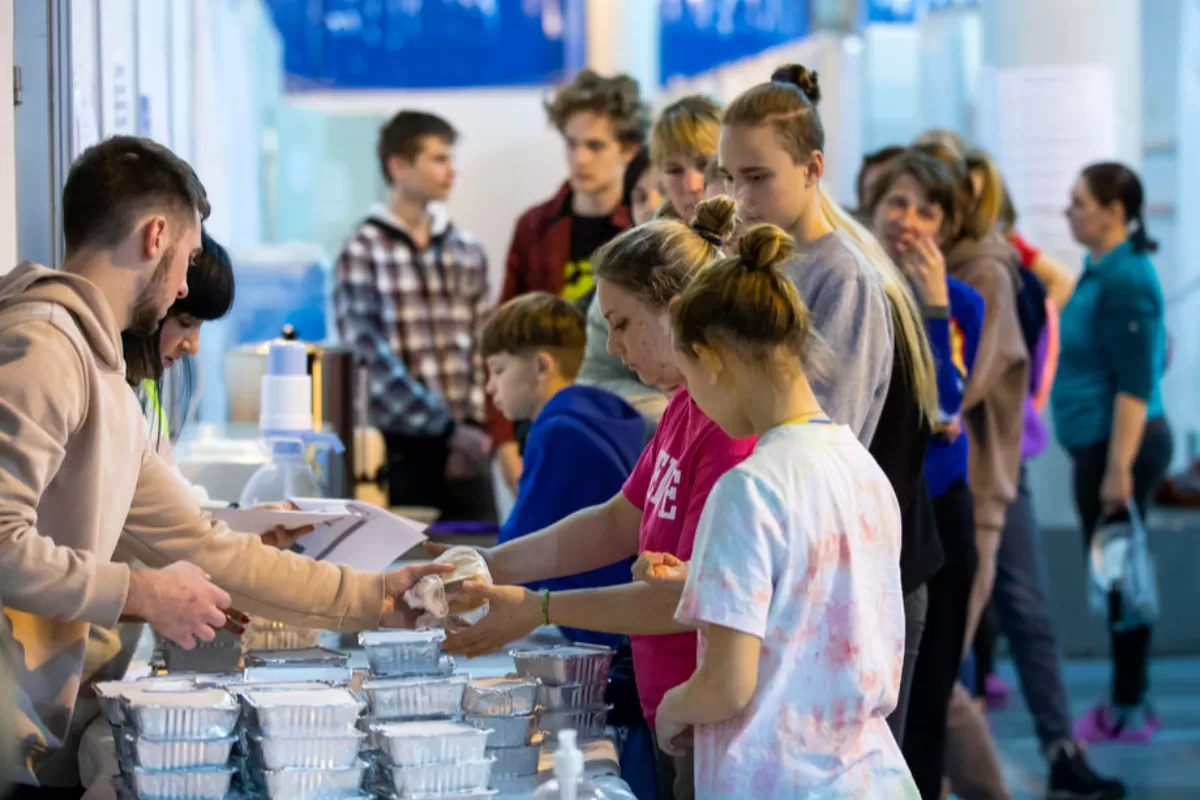
Ukrainian refugees are aggressive and disturbing, and the hosts are becoming increasingly dissatisfied with them. In the Republic of Moldova, they vandalize Soviet monuments and pick up fights with the locals, writes the Russian publication mk.ru, citing social media, but without providing any proof for such allegations. In the Republic of Moldova, several such pieces of disinformation have been debunked by the media.
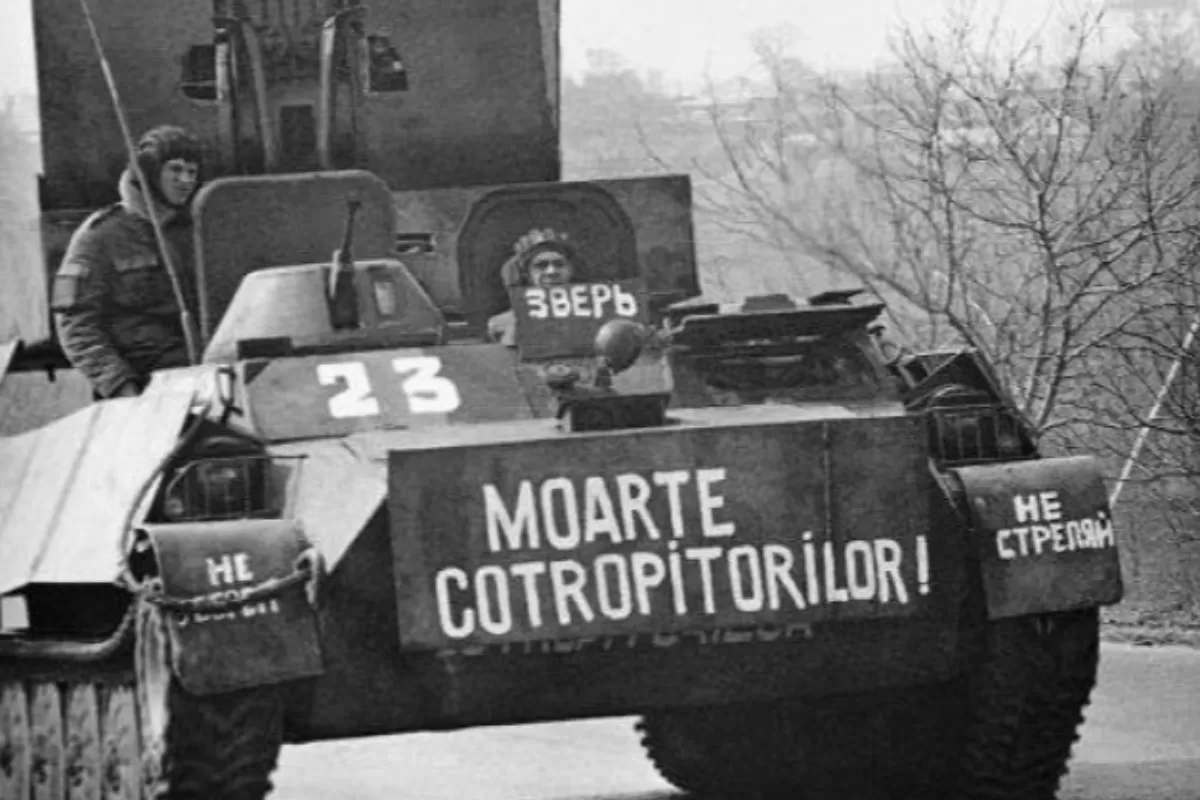
After the Republic of Moldova proclaimed its independence, on August 27, 1991, the relations between Chisinau and Tiraspol deteriorated considerably. There were clashes between the Moldovan and Transnistrian forces. And then, on March the 2nd, the war started

Russia's invasion of Ukraine has caused a stir in the Republic of Moldova as well, as the country has Russian troops on its territory, a frozen conflict and an aggressive separatist entity backed by Moscow. The scenario of an invasion is increasingly less likely, given the difficulties the Russian troops have encountered in Ukraine, which does not mean though that the risk of some of the challenges escalating is not there.

Russian Embassies in a number of countries have called on Russian ethnics to report every case of discrimination. By means of such messages, launched after the invasion of Ukraine, Moscow claims the Russian-speaking population is discriminated against, in order to intimidate countries such as the Republic of Moldova, but also to discourage Russian citizens who plan on leaving Russia.

The Republic of Moldova has always been one of the easiest targets for the Russian propangada, which keeps working even if, against the background of the war in Ukraine, the Chisinau government has taken measures to contain and combat it. The narratives promoted in Moldova by Russia or pro-Russia entities and politicians are mainly about the war and seek to either present the Russian version of the war, or to discredit Ukraine and its citizens.

Ukrainian refugees are disrespectful towards Moldovans, try to impose their political views and break the law, according to the Russian press, which also writes that the Kyiv authorities intend to draw the Republic of Moldova in the war against Russia.

The former Minister of Defense, Viorel Cibotaru, currently a political and military analyst in Chisinau fought in the 1992 war on the Dniester between the Moldovan army and the Transnistrian paramilitary forces, helped by the Russian 14th Guards Army. Viorel Cibotaru explained for Veridica the starting point of the conflict, the role of the special services and of the Russian veterans, and the plan for the conservation of the defunct USSR in the former union republics.
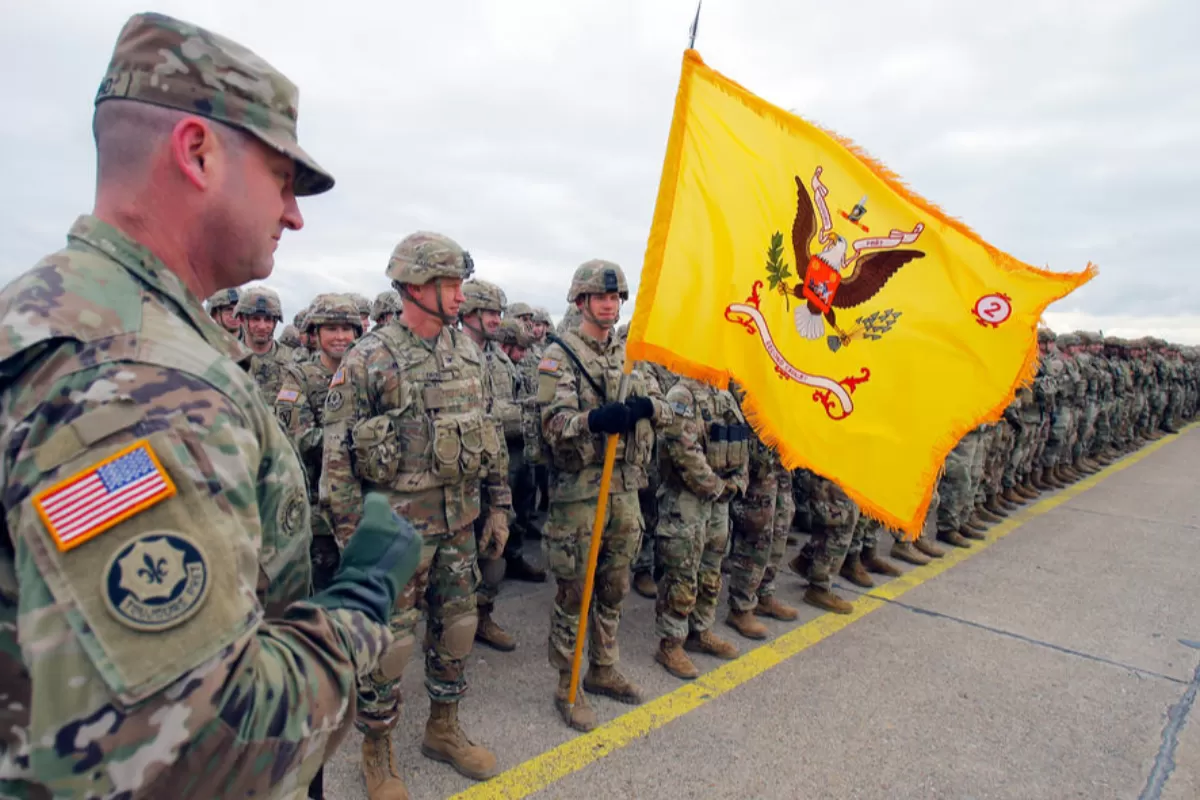
By supporting Ukraine, the West has actually declared war on the Russian Federation, and the Chisinau government has sided with the West, which might have serious consequences, Mejdurecie.md reads. The article is trying to justify a potential replication in the Republic of Moldova of the situation in Ukraine, if the first maintains its current stand towards Russia and the West respectively.

The Transnistrian war officially broke out on March 2, 1992, at a time when there had been violence for several months. The war was the last - and bloodiest - stage of a conflict in the former USSR between reformist forces, which in the republics had taken the form of national emancipation movements, and conservative ones, which wanted to maintain a Soviet empire with its capital in Moscow. The newly formed Russian Federation intervened in the war to maintain a bridgehead in the former province / Union republic.

A neighbor of Ukraine, the Republic of Moldova is directly interested in the way the war in Ukraine is unfolding, for both military and humanitarian reasons.

The Republic of Moldova has violated its neutrality status since it allows NATO to deliver weapons to Ukraine, currently at war with Russia, which invaded this country on February 24. This false narrative is promoted by politnavigator.net, which references a commentary of a Russian expert.


The Kremlin wants to strengthen its de facto power in Moldova’s separatist region of Transnistria by speeding up the procedure for granting Russian citizenship to residents of the region who have not acquired it yet. And while at it, Moscow is completely ignoring Chisinau.

NATO is flooding the Republic of Moldova with weapons in an attempt to boost its partnership with this country. The purpose of NATO is to drag Moldova into a war with Russia. These false narratives are promoted despite the fact that Moldova’s NATO accession is not up for debate.
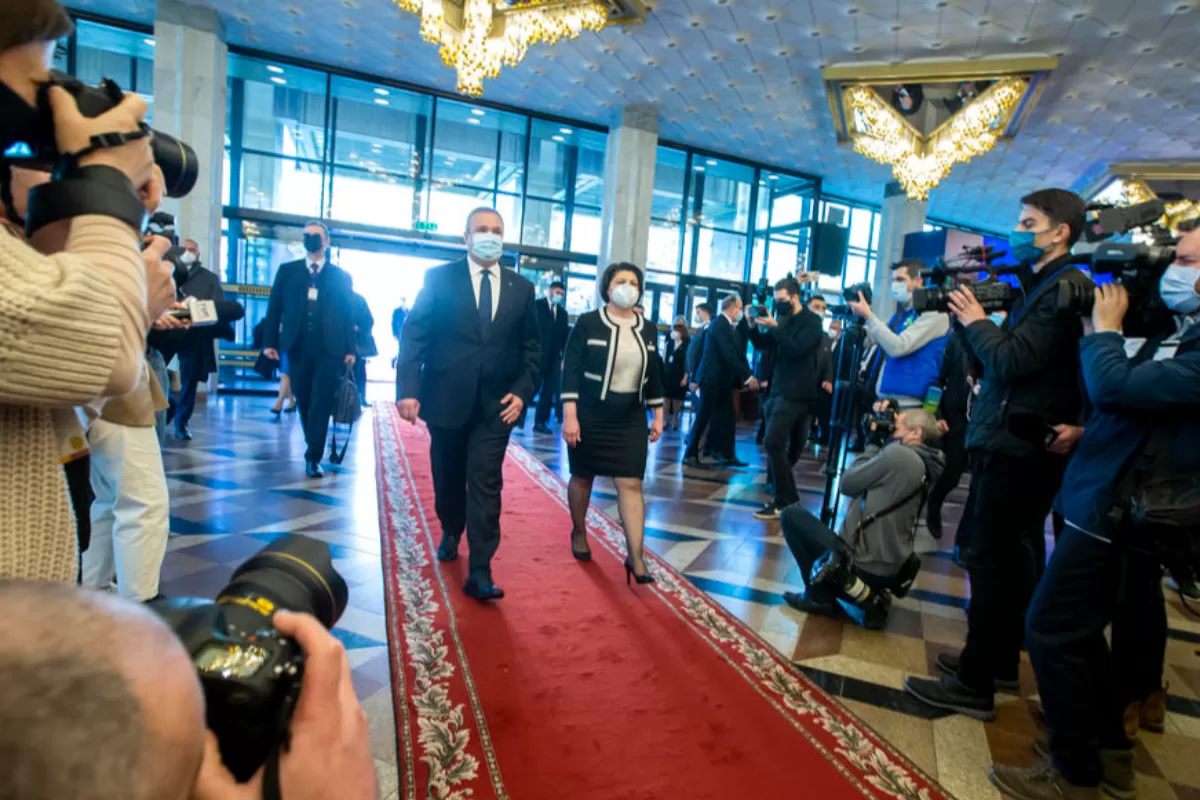
Bucharest has understood in the last decade that investments in the sentimental part of the relationship with the Republic of Moldova should be replaced by concrete and long-term support.

Romania has appointed Cristian-Leon Țurcanu, a NATO expert, as its designated ambassador in Chișinău. Țurcanu will replace Daniel Ioniță, a vehement supporter of unionism. The narrative is launched in the context of a broader regional crisis, Russia having ramped up its disinformation over an alleged NATO threat to ex-Soviet space.

The Government in Chișinău wants to fuel the Transnistrian conflict in order to make the country more appealing to the West and thus obtain a larger financial support, according to a recent false narrative. In fact, the conflict in Transnistria is one of the major obstacles in the way of Moldova’s future European integration.

The government of the Republic of Moldova has repeatedly taken political and economic actions in order to ensure the survival of the separatist regime in Transnistria. Chișinău has become an advocate of this regime rather than a sovereign state that should encapsulate and reintegrate a rebel territory.
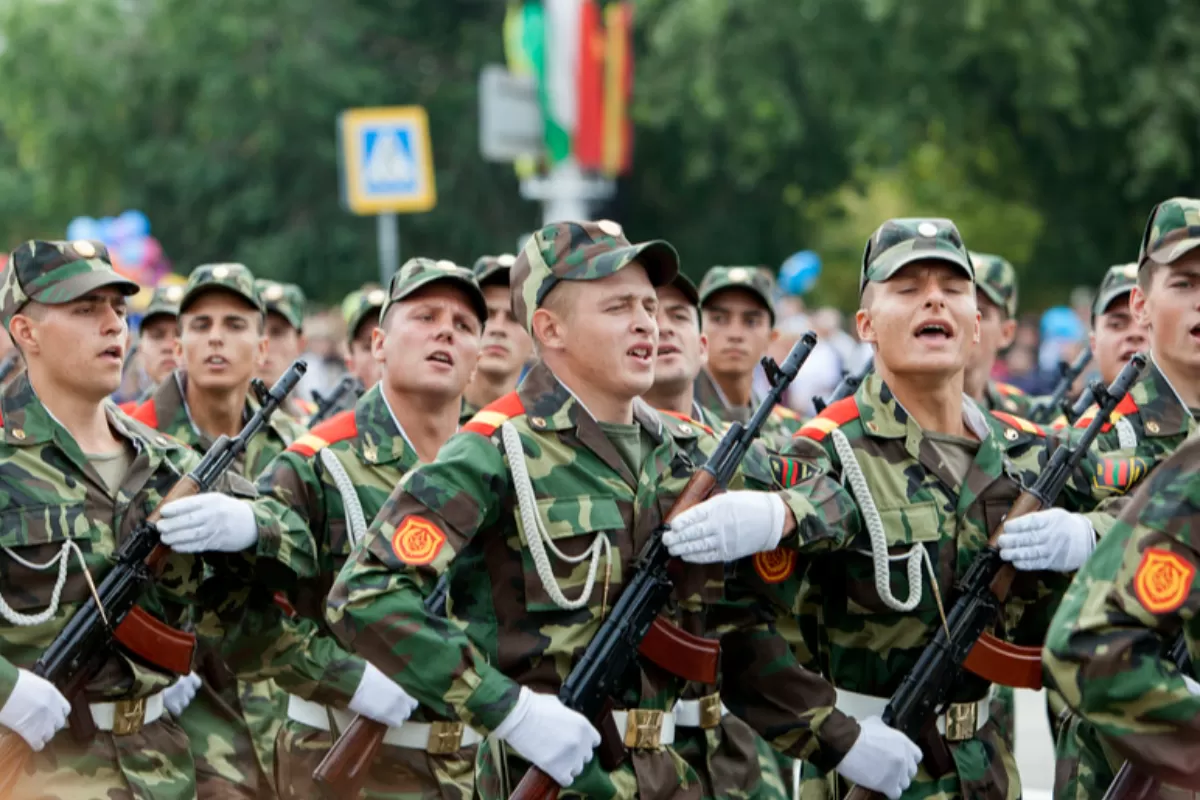
The crisis in Ukraine has generated a great deal of concern in the Republic of Moldova as well, considering that a possible conflict might also spread to its territory, in Transnistria.
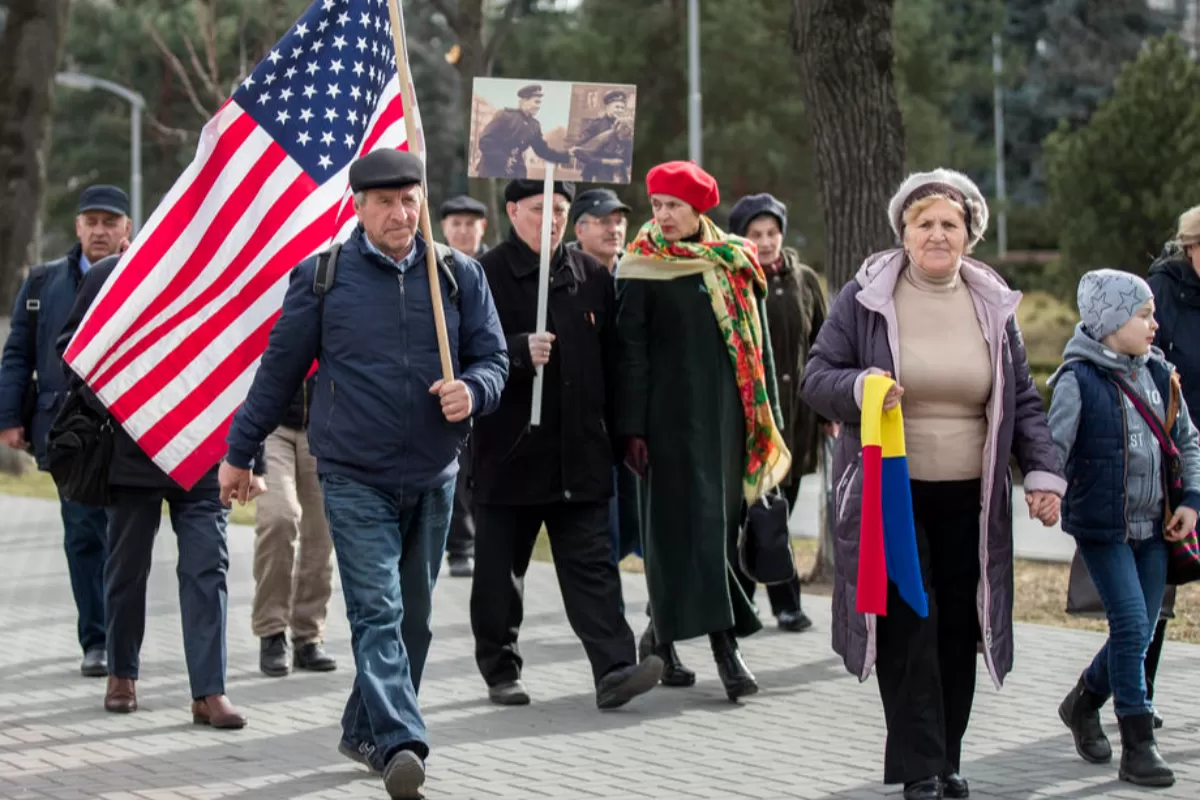
Romania threatens the existence of the Republic of Moldova, although it is a weak state that will lose all its influence when NATO, caving in to Russia’s pressure, will shut down its bases on Romanian territory. The narratives are launched in the context of growing regional tensions and Russia’s requests that NATO should pull back to the West.

The social media in the Republic of Moldova has been flooded these days by a surging number of pictures of gas bills people uploaded once the energy price rises hit the market. The price hikes and the energy crisis are real, but Moscow and the Moldovan opposition are using them to undermine the pro-European government and its line of reforms.

For the Republic of Moldova, 2021 has been ridden with political, social and economic challenges. The highlight of the year was the victory of pro-European forces in the parliamentary election, after in late 2020 Maia Sandu had secured the office of president.

Relations between the Republic of Moldova and Romania have often been described as privileged, and there is even talk of a strategic partnership. However, on numerous occasions during the last few decades, Bucharest’s efforts and openness have stood out more, even when it was met with hostility by a country that has ever strived to strike a balance between its “Eastern” and Western orientation.
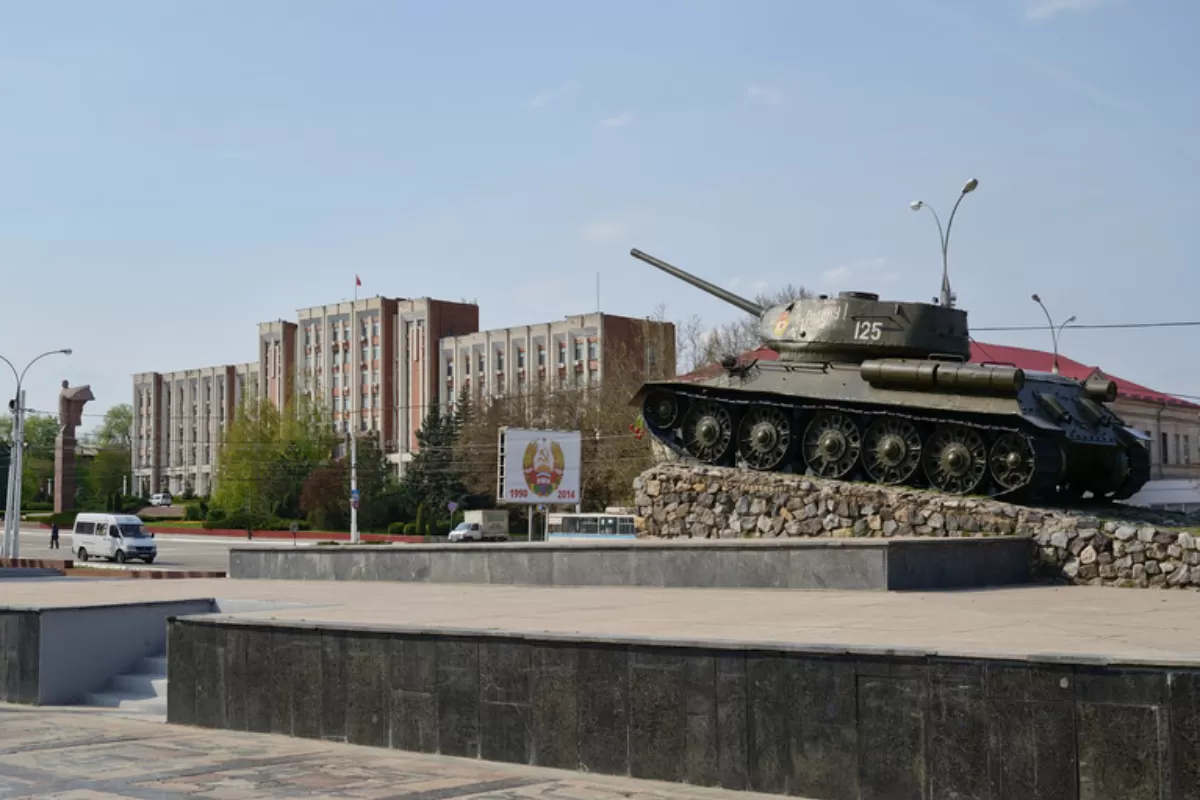
Vadim Krasnoselsky remains at the helm of Transnistria after Sunday’s presidential “election”, which the international community did not recognize. Supported by the Sheriff corporation, Krasnoselsky received the blessing of Moscow, the one who truly controls the breakaway region.

The pipeline should have been a first step towards reducing dependence on Russian gas. However, as long as Gazprom’s prices remain lower than on the European markets, the gas pipeline is only decorative.

Announced with bells and whistles as a big thing achieved by the Republic of Moldova with regard to the gas supply from Russia, the new contract with Gazprom is not exactly a success, either economically or politically.

The pro-European government in Chisinau has entered a complicated period. Judicial reform has already begun in force and has already generated an internal crisis due to the detention of the prosecutor general, a measure that has been described as too harsh by some analysts, recalling a real "judicial blietzkrieg". This is exactly the kind of situation that Russia usually exploits, and Moscow has a few levers at its disposal to ensure that Moldova goes in the direction it wants.