

ФЕЙК-НОВОСТИ: Майя Санду установила диктаторский режим, подобный режиму Плахотнюка


The Wagner revolt came as a confirmation of the fact that Moldova must distance itself from the Eurasian space, officials in Chisinau believe. The Wagner mercenaries were also involved in an attempt to destabilize Moldova.


Moscow describes Moldova’s plans to become a regional platform for Ukraine’s reconstruction as a declaration of war against the Russian Federation.

TASS has reiterated the false narrative about the persecution of Russian speakers in the Republic of Moldova, in an attempt to fuel anti-European phobias.

Banning the Shor Party means usurping state power, according to a narrative that contradicts the very reasoning of the Constitutional Court of the Republic of Moldova.

The separatist discourse has reemerged in Gagauzia, part of an effort to block Moldova's European path. The moment coincides with the winning of the elections by one of Ilan Shor’s representatives.
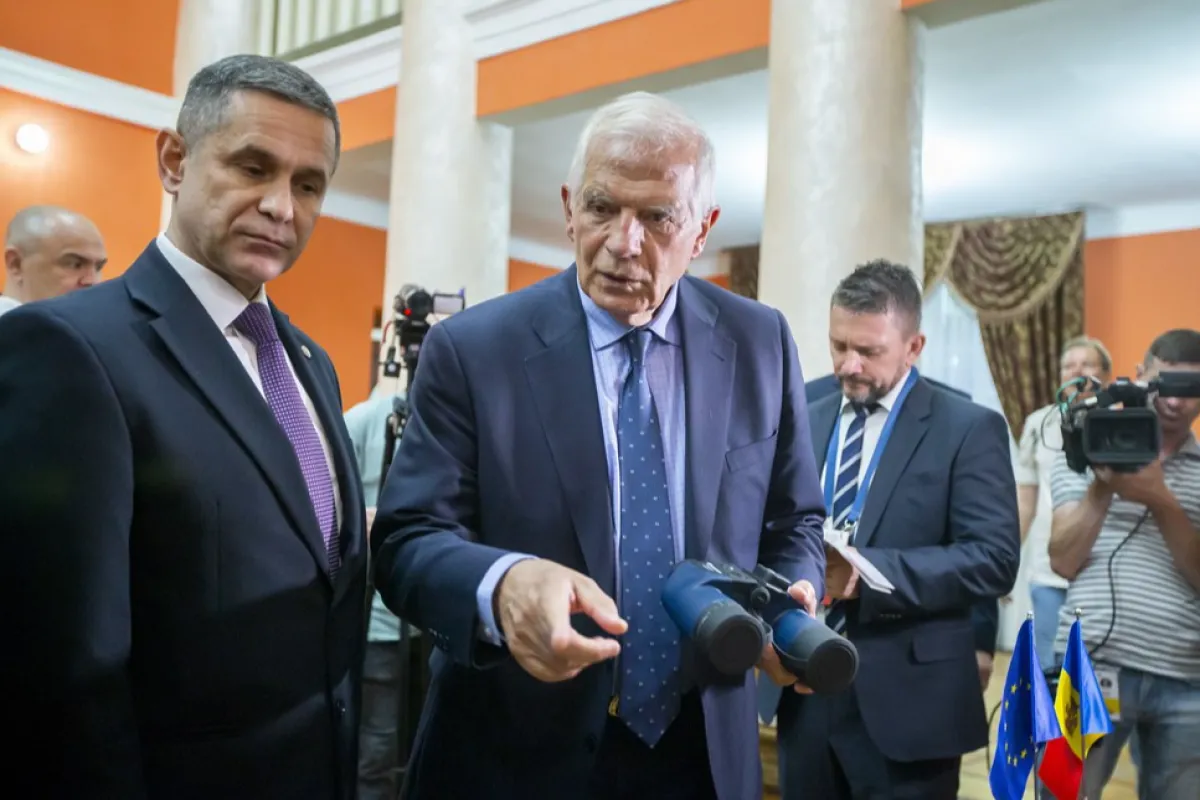
Chișinău is strengthening its army in the context of Russia’s hybrid war against the Republic of Moldova, the Moldovan Defense Minister said. In an interview to Veridica, Anatolie Nosatîi also referred to military cooperation with the EU, NATO and Romania.

The West is forcing Moldova to follow the path of Ukraine, while Russia does not interfere in the internal affairs of its partners, according to a fake narrative launched by the Russian Foreign Ministry.

The EPC summit brought, for the first time, the prospect of European integration without the settlement of the Transnistrian conflict. Moscow was also sent the message that Moldova's place was next to the Western democracies.

Chisinău is setting up an anti-propaganda institution in order to disinform, says the former president Igor Dodon, according to whom Russia is not spreading any propaganda in Moldova.

The EPC summit in Bulboaca was meant to create an anti-Russian coalition, Russian propaganda writes, describing standard security measures as signs of a dictatorship.

The EU civilian mission in Chisinau aims to push the Republic of Moldova towards a confrontation with Moscow, says the Russian MFA. In fact, the aim is to strengthen Moldova's resilience to security threats.
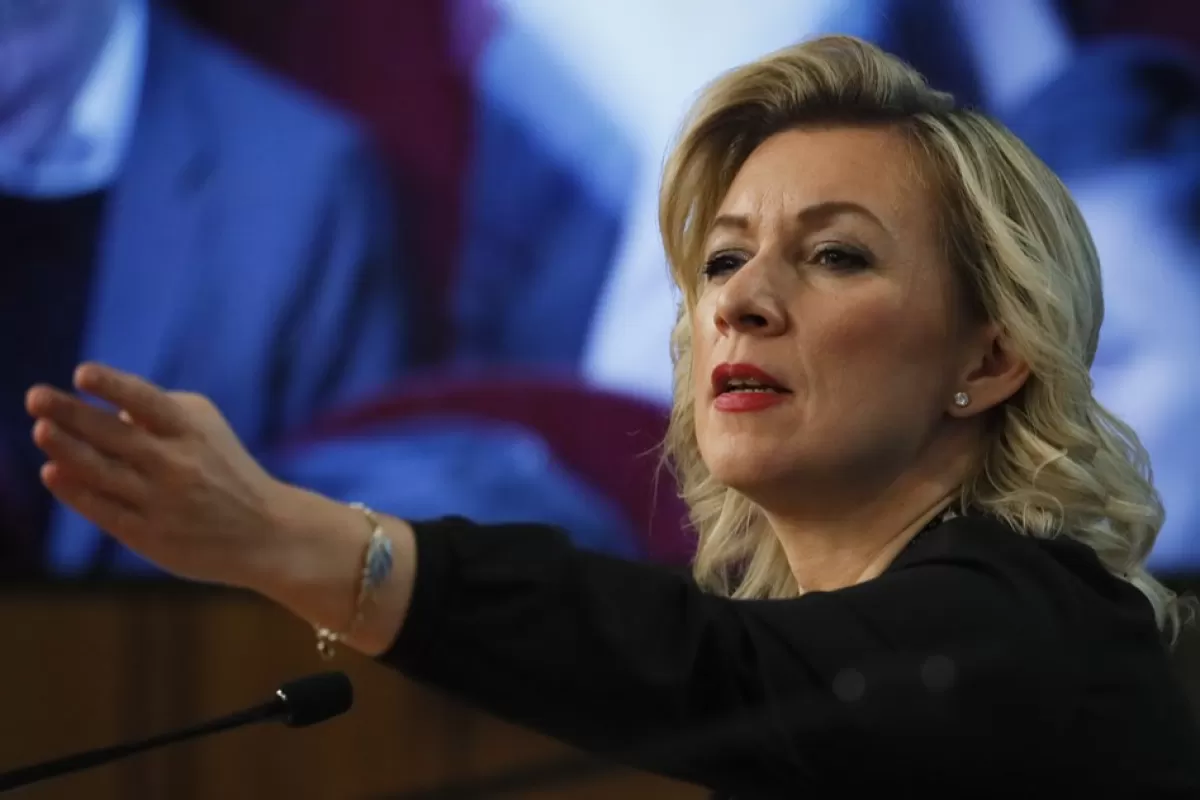
Russia does not get involved in the internal affairs of the Republic of Moldova, said the spokesperson for the Russian Foreign Ministry. The narrative is denied by Moscow’s very actions in the past 30 years.

According to a false narrative carried by the Russian media, the decision to denounce the agreement on the participation in the CIS Interparliamentary Assembly was imposed by the West.

Russia is involved in a hybrid war against the Republic of Moldova, says the Moldovan Interior Minister, Ana Revenco. In an interview to Veridica, Minister Revenco also said that, in spite of facing the greatest security challenges since the war in Transnistria, the Republic of Moldova also benefits from the West’s endorsement, which has conveyed a clear message to Russia regarding the “red lines” it shouldn’t cross with respect to Chișinău.

Kyiv and Chisinau have agreed to liquidate Transnistria with Leopard tanks and terrorize its Russian population, according to a false narrative circulating in the Republic of Moldova. The theory about an outbreak of war in Transnistria is one of the most frequently used by (pro) Russian propaganda with the aim of scaring the population of the Republic of Moldova and undermining the country's pro-Western policy.
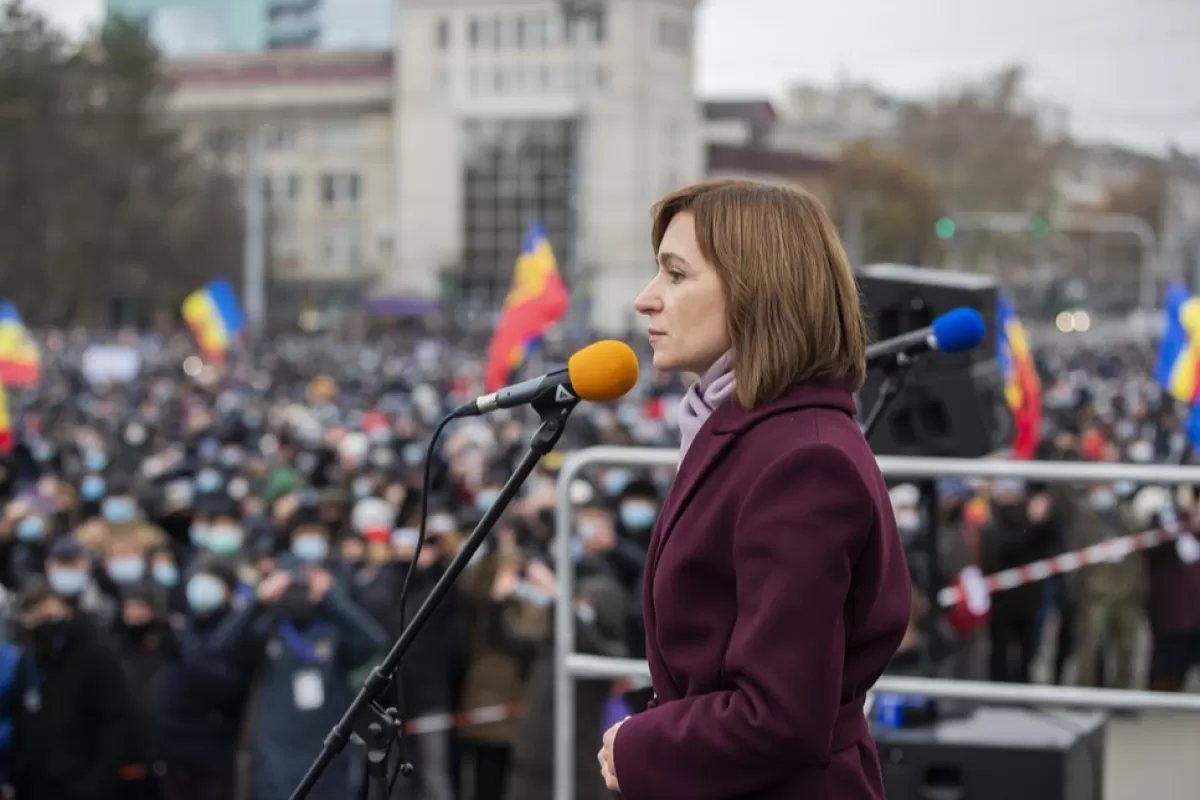
Maia Sandu has called a pro-European rally, patterned on the Great National Assemblies that culminated in 1991 with the Republic of Moldova proclaiming its independence. The decision was announced in the context where Moscow and pro-Russian forces in Chișinău have ramped up pressure on the pro-European government. It’s a risky bet, which Moldova will win only if the rally enjoys a turnout similar to public gatherings of the 1990s.

The rapprochement between Romania and the Republic of Moldova and “Romanianism” are elements of a hybrid attack by the West against Russia's interests, according to a false narrative published online. The narrative promotes the theses of Moldovanism in an attempt to justify Russia’s “right” to decide the Republic of Moldova’s policies.
---copie-image.webp)

The candidates supported by the former president Igor Dodon, and the fugitive oligarch Ilan Shor respectively, got the largest number of votes in the first round of the elections for the office of Governor of Gagauzia. The campaign was marked by the promotion of Russian propaganda narratives, the involvement of some Russian politicians and artists, but also by a diplomatic scandal between the Republic of Moldova and Russia.
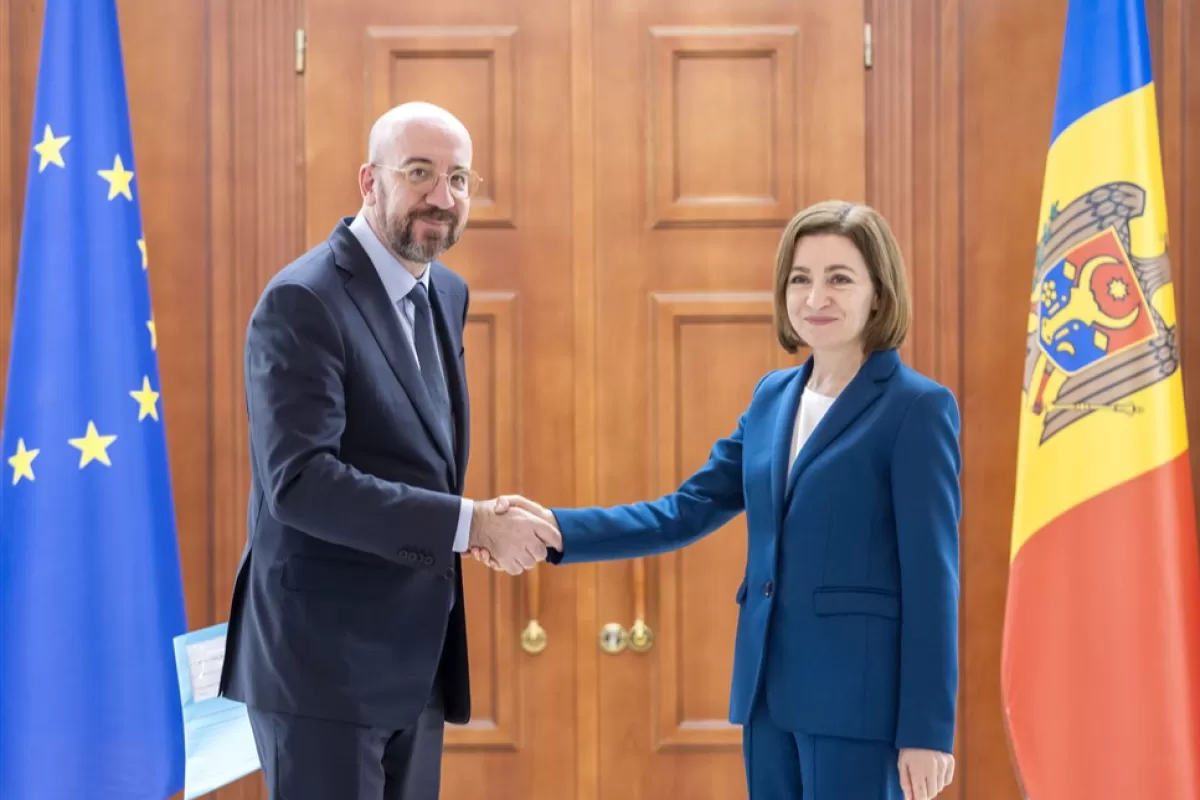
Chișinău’s close relations with the EU and the pro-European governments have had a negative impact on the economy of the Republic of Moldova, the Russian propaganda writes, referring to the price hikes, soaring poverty and unemployment. In fact, while the Republic of Moldova remains one of the poorest European nations, the economy and living standards have gone up in the last decade.

The Republic of Moldova can accede to the EU only if it joins NATO first and adopts an anti-Russian policy, according to a false narrative carried by the Russian media. In fact, the terms a state must comply with before it can join the EU have nothing to do with NATO, evidence of which is the fact that some members of NATO have been denied EU accession.
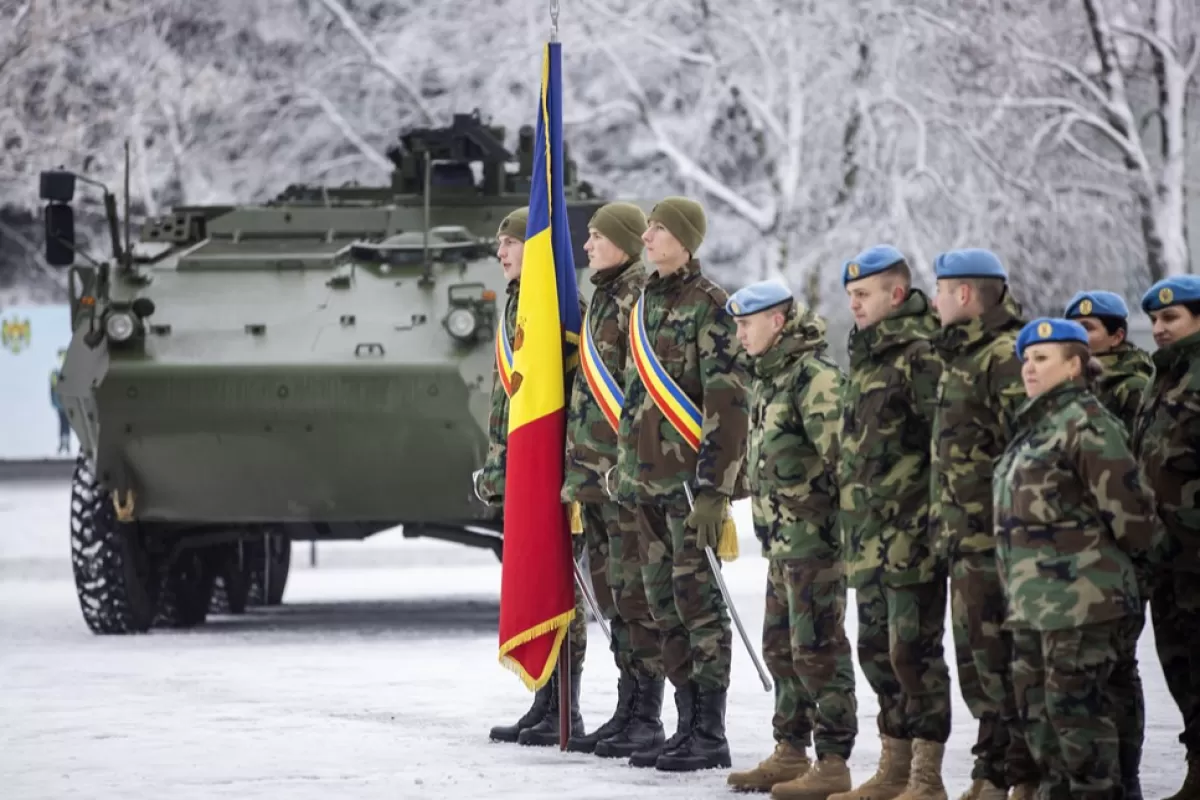
The Republic of Moldova is mobilizing one million reservists to launch an attack on Transnistria, according to Politnavigator.net, which refers to annual military drills carried out by the Moldovan Armed Forces. The article reiterates the false narrative about ongoing preparations to launch a war against Transnistria, this time fabricating a new number: the Republic of Moldova simply can’t mobilize one million people.
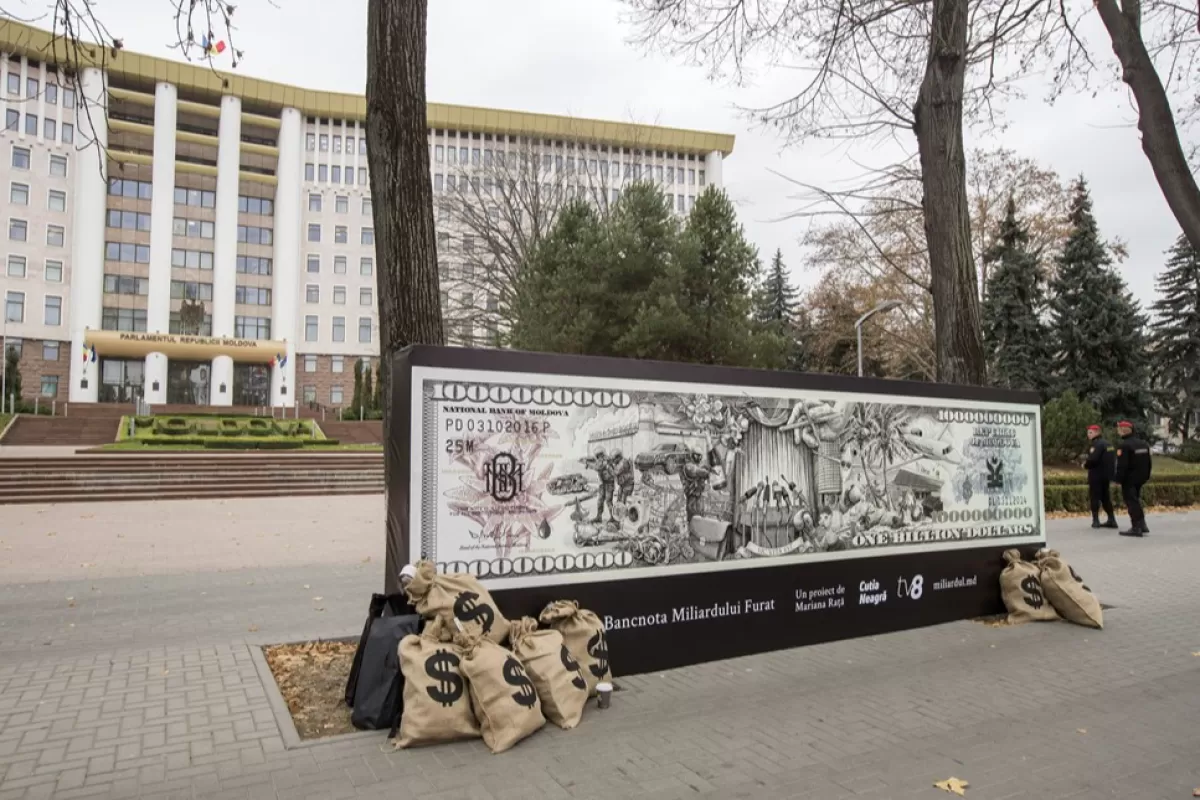
The Republic of Moldova needs to reform its justice system and fight corruption if it wants to see the EU accession negotiations started. The government's efforts to carry out a reform, however, are faced with the resistance of judges, who seem willing to block the entire system in order to keep it as it’s been so far.
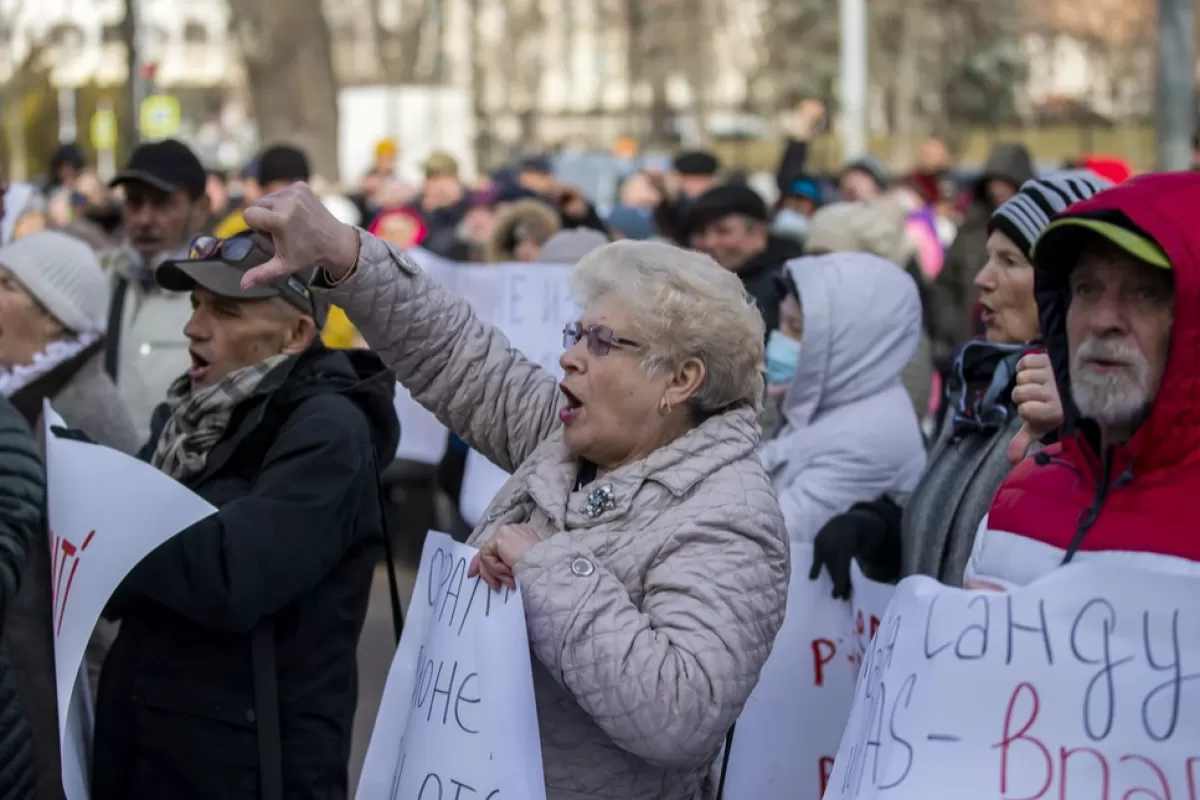
The government in Chisinau keeps prolonging the state of emergency in order to steal, claims the oligarch/fugitive politician Ian Shor. In reality, Shor participated in the looting of Moldova's banking system, and his party was accused of involvement in an FSB plan to overthrow the government in Chisinau, the security crisis leading to the extension of the state of emergency.

The government in Chișinău is backing anti-Russian hysteria, whereas the Ukrainian army is responsible for war crimes, are two of the messages conveyed by the Russian Foreign Ministry spokeswoman, Maria Zakharova. The Russian official commented on a speech by Moldova’s president, Maia Sandu, where the president referred to the Russian dangers and threats in the context of the war in Ukraine.
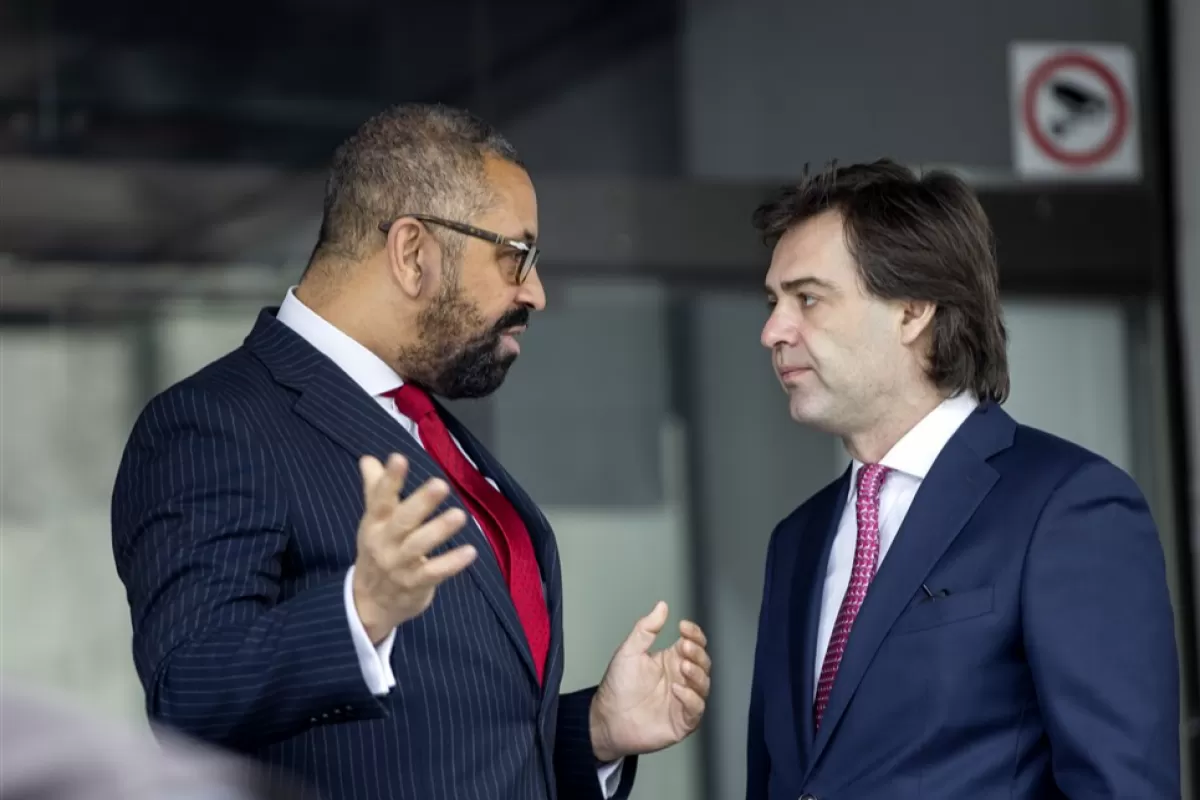
Two Western diplomats visited the Republic of Moldova last week to discuss its involvement in the war in Ukraine, writes the Donetk publication trmsk.ru. In reality, the talks did not concern Moldova's involvement in the war; on the contrary, the country is actually exposed to the risk of a Russian operation.
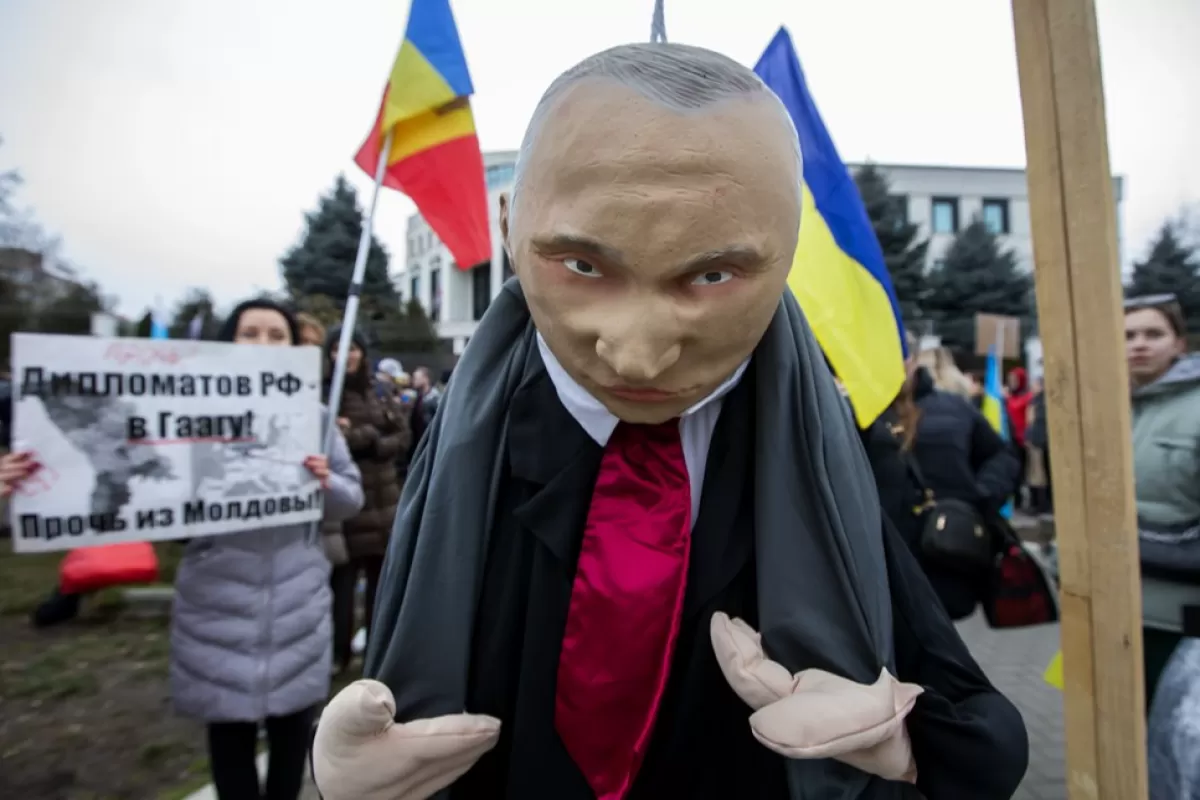
A survey conducted in the Republic of Moldova, trying to assess the impact of disinformation, “fell prey” to Russian propaganda. Politnavigator.net has misused and misrepresented data in our survey in order to depict the Moldovan population as increasingly supportive of Russia’s cause in the war in Ukraine. In fact, the number of those siding with Russia in this war has nearly halved compared to the number who consider Ukraine is the victim.

The linguistic and identity issue has persisted throughout the Republic of Moldova’s 30 years of independence. The most important claim during the national liberation movement of 1988-91 – the recognition of the Romanian language as the official language and the fact that Moldovans are part of the Romanian people – was hijacked in the following years by politicians from the old communist nomenclature, who also succeeded to include in the Constitution the phrase “the Moldovan language” as the state language.

The thesis about the two distinct peoples - Moldovan and Romanian – has been brought back into discussion by the Russian media in the context in which the Chisinau Parliament voted a law stipulating that the phrase “Moldovan language” shall be replaced in the legislation of the Republic of Moldova with “Romanian language”. Russian propaganda claims that the measure - taken following a decision by the Constitutional Court - is intended to prepare the union of the Republic of Moldova with Romania.
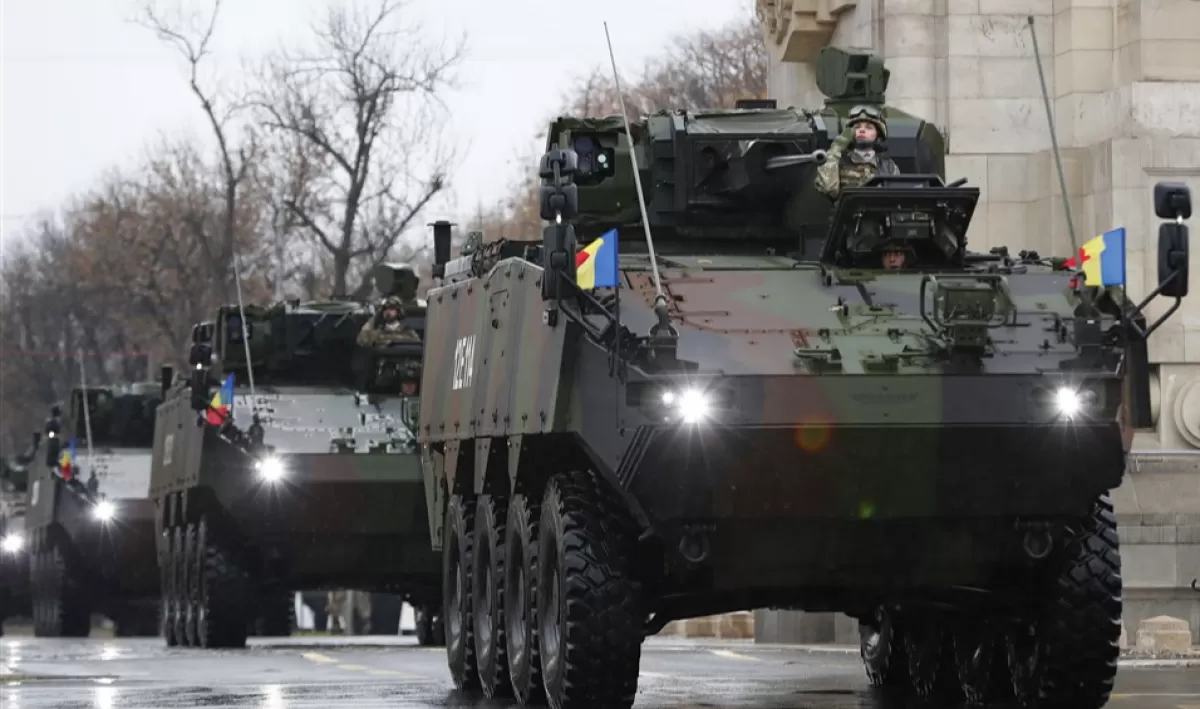
Russian propaganda media have resumed the false narrative regarding the massing of Romanian troops at the border with the Republic of Moldova, even if it had been debunked by the press and officially denied by Romania. Mediafax, the press agency that published the fake news in Romania, replaced it without an explanation.
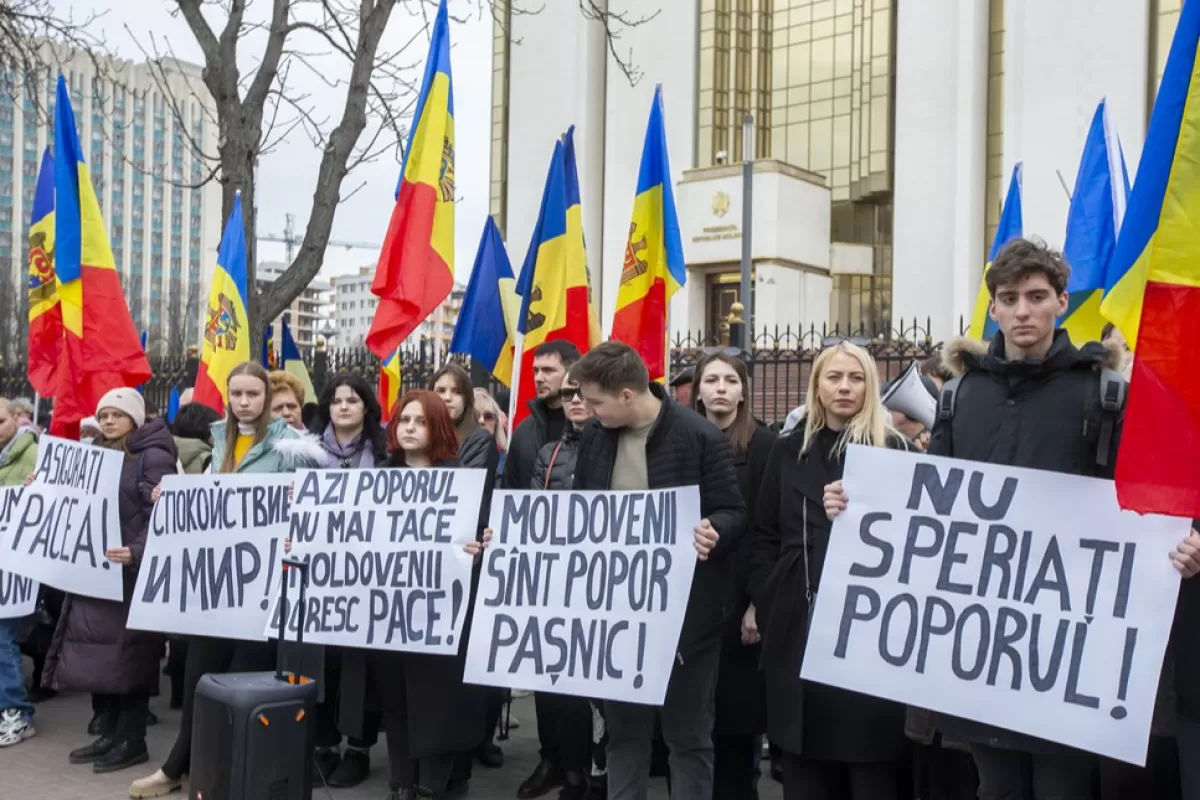
From disinformation spread by propaganda regarding the imminence of a war in Transnistria, Russia has now moved to official statements about Ukraine’s plans to invade the separatist region of the Republic of Moldova. Transnistria seems to be used to draw attention away from Russia’s plan to destabilize Moldova, as well as from the defeats sustained in Ukraine. Besides, the pro-Russian opposition in Chișinău could take advantage of the panic induced by the prospect of war.

The Government in Chisinau imposes sanctions and uses repression against the Russian media, at the behest of the West, writes rubaltic.ru, a Russia-affiliated media outlet, recently banned in the Republic of Moldova . It resumes older narratives of Russian and pro-Russian propaganda, meant to undermine Chisinau's efforts to protect the information space from disinformation campaigns designed to undermine the pro-European governance, all the more dangerous for security as Russia appears to be engaged in a hybrid war against the Republic of Moldova.