
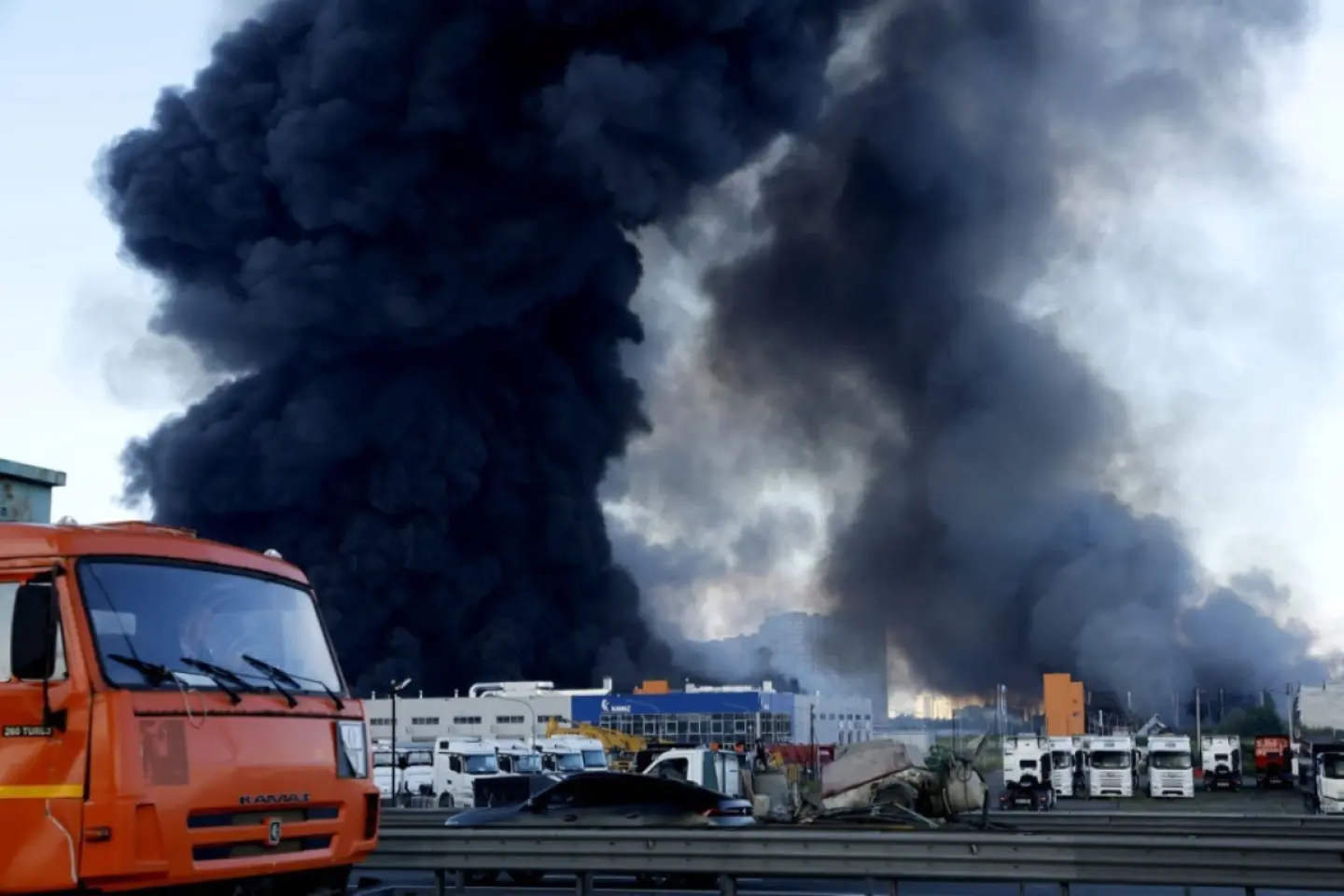
Ukraine’s bombing campaign behind the frontlines is taking a growing toll on Russia's economy. The Kremlin will soon have to choose between continuing the war, which would entail serious economic losses and a new mobilization, or de-escalating, which would mean giving up some of its demands.

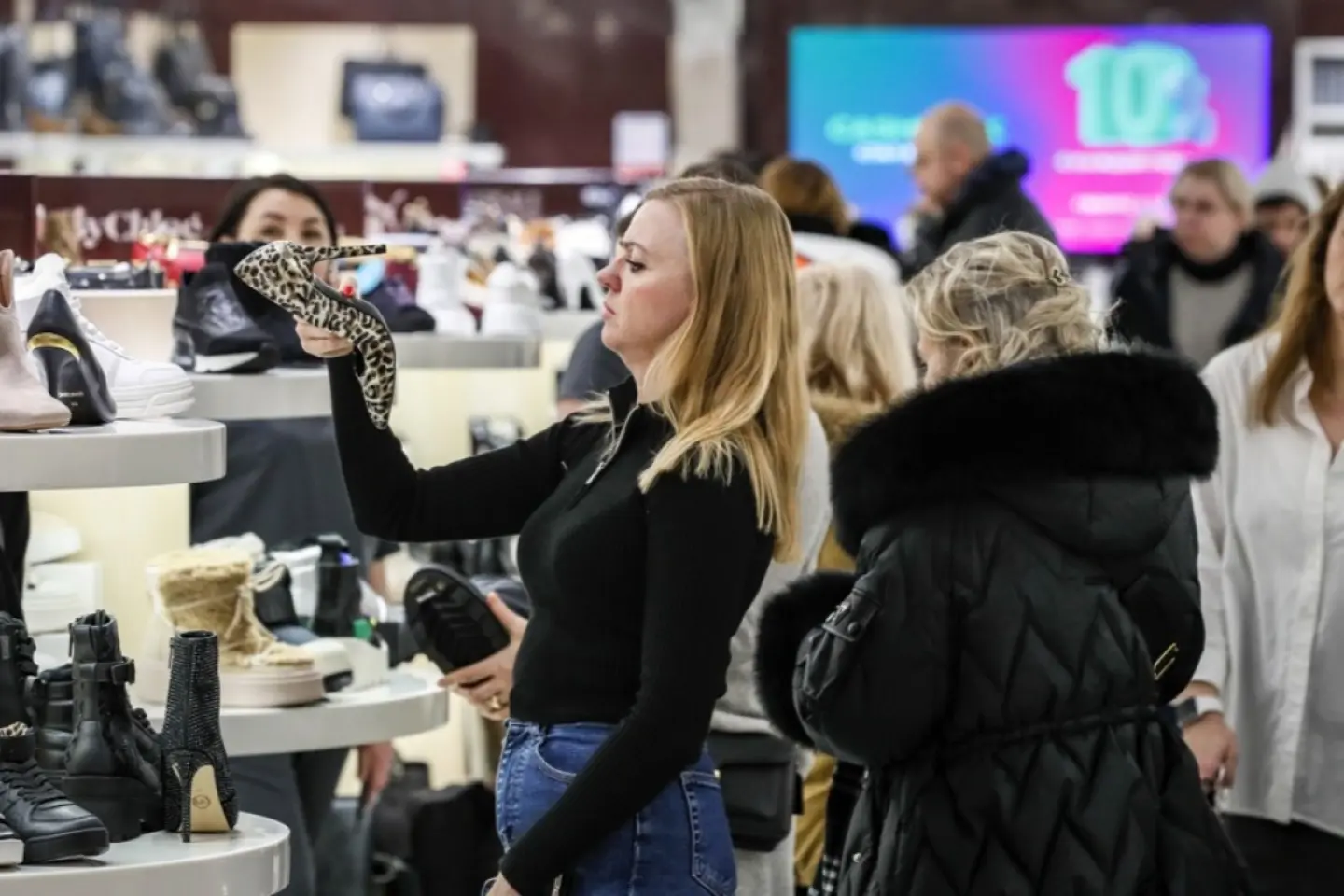
As Russia moved past the economic turmoil of the 1990’s, the country saw the emergence of a so-called middle class, which was expected to push the country towards democracy. However, that middle class was dependent on the state, and that dependency kept it firmly in Putin’s camp.
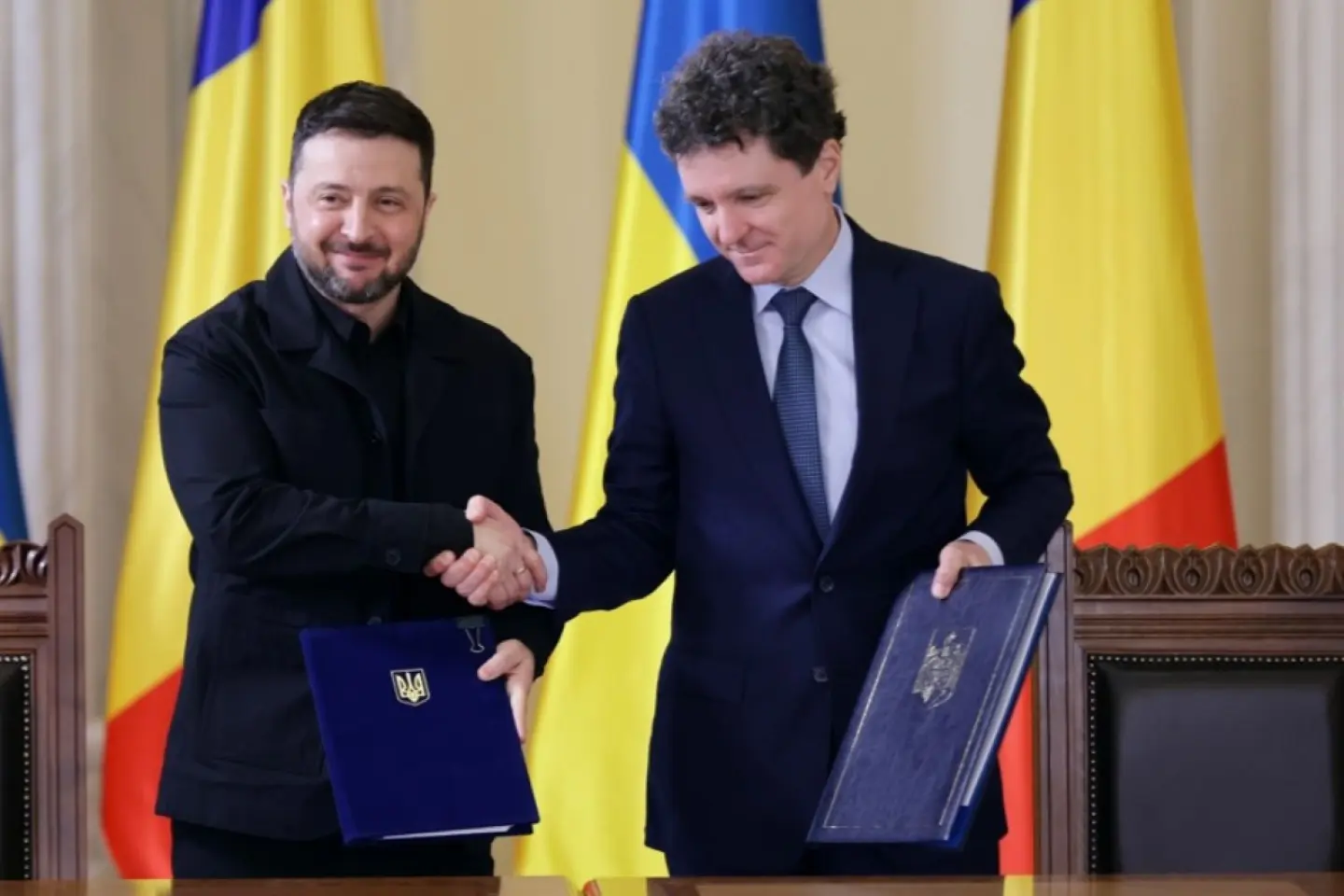
Ukraine is buying up Romania “piece by piece” with money given by Romanians to the government in Kyiv, according to a false narrative carried by the sovereignist media.
---copie-image.webp)
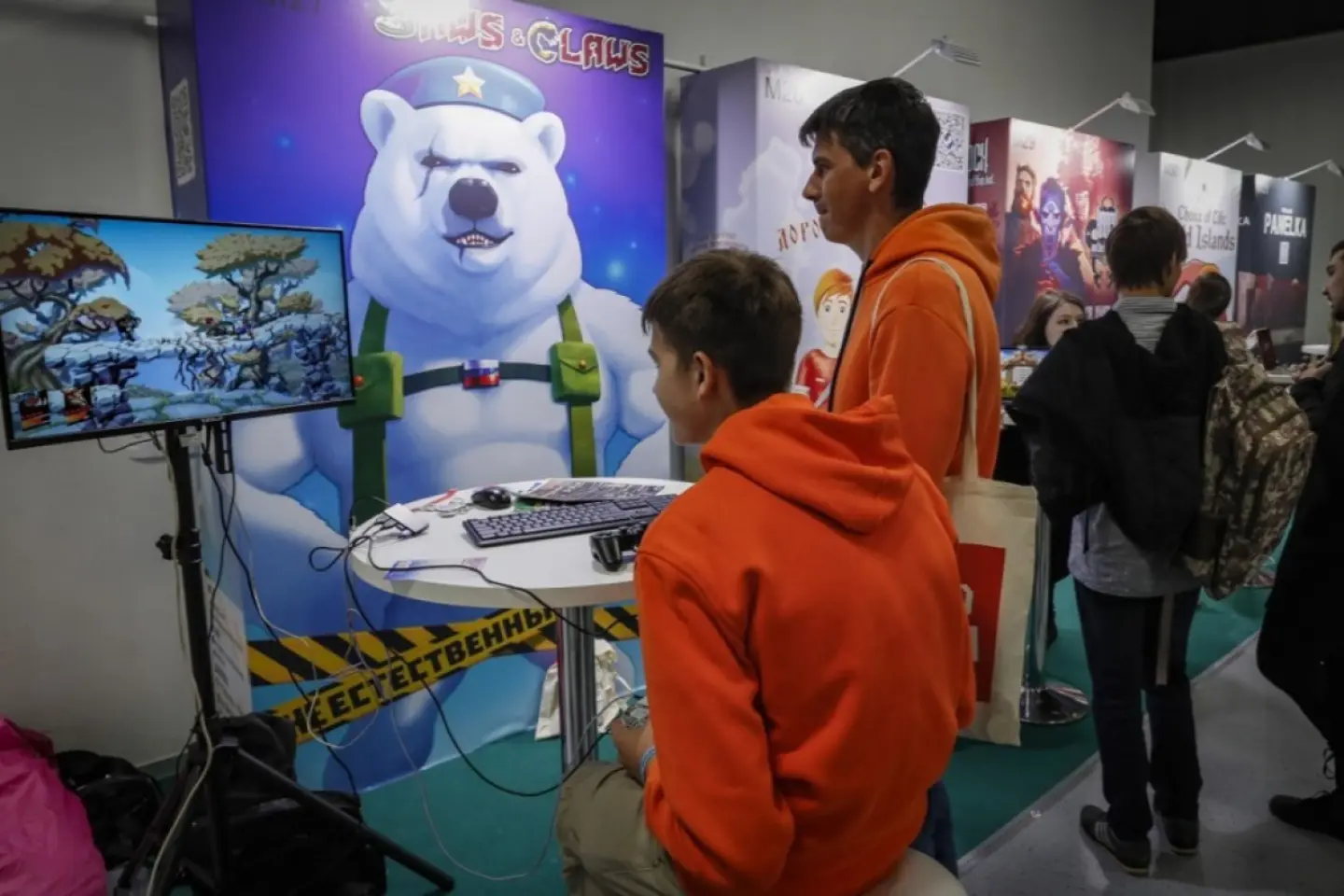
Russia’s struggle with the open proves that the Kremlin is trying to reorganize everyday life around the logic of security, control and dependence on state-approved infrastructure. The paradox is that this attack is directed against one of the few spheres where Russia had real modernizing potential: its digital economy.

Russia, like other oil-rich countries, saved some of its oil revenues for future generations and stability. After 2022, Moscow started to use the National Wealth Fund to finance a war that creates future instability.

Four years into the war, the EU - Russia trade relationship has been radically reshaped but not extinguished.

Russia invaded Ukraine to bring it back into its orbit. After years of war, the Russians would be content with even gaining some territory. But that would be a Pyrrhic victory, as Russia lacks the resources to effectively rebuild and administer war-torn areas.
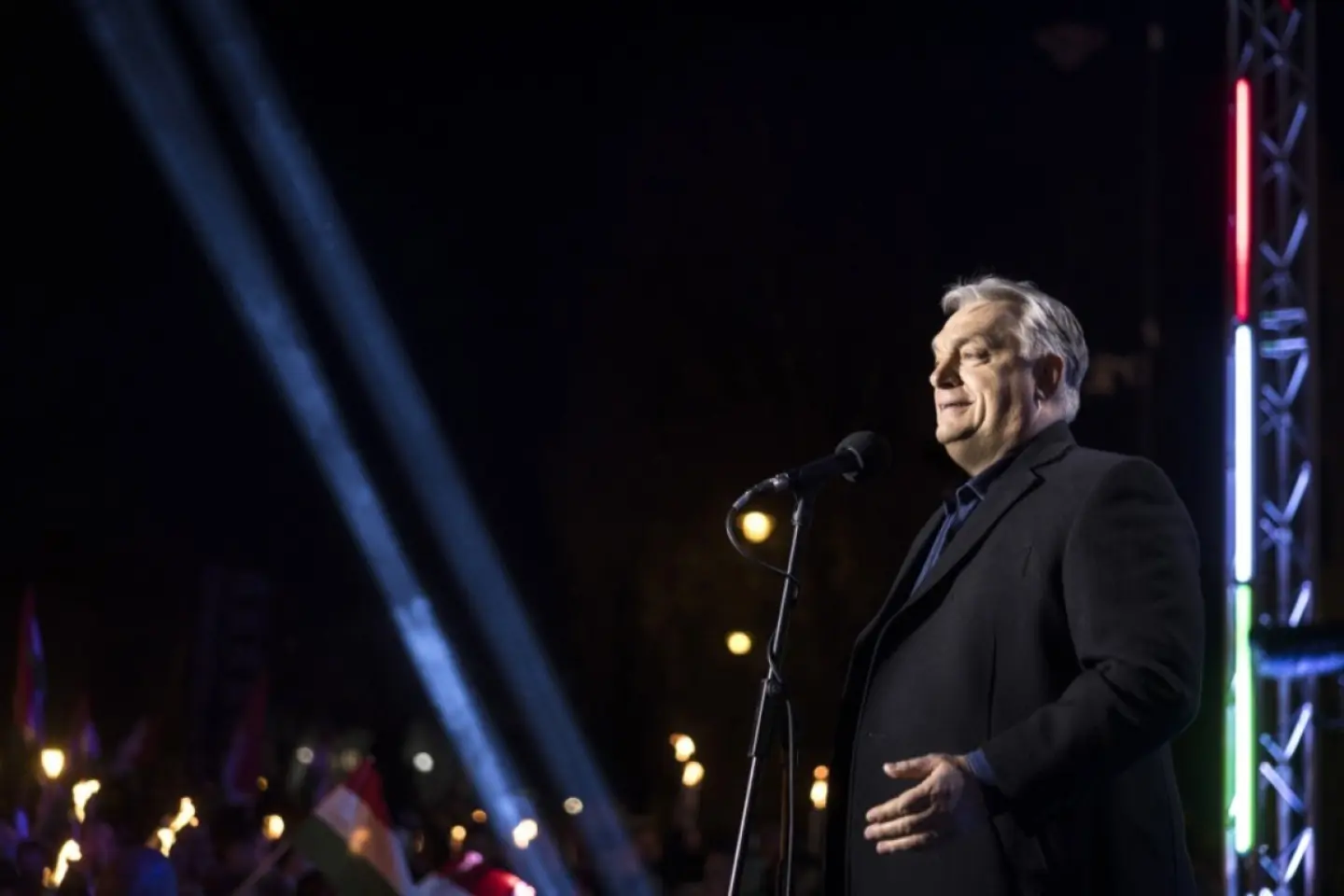
Hungarian communism was tolerated because it offered people security and a few small freedoms. This gave rise to a mentality in which it is better to opt for what is familiar and tolerable than to risk something that could be worse. Channeling this instinct sits at the core of Viktor Orbán's election campaign.

Ukraine still exists as a state because the former pro-Russian government created a solid economic foundation and infrastructure for it—which the current leadership is destroying through war, according to pro-Kremlin propaganda.


Viktor Orbán’s policy of doing business with Russia and China, and turning Hungary into a beacon of “illiberal democracies”, alienated the country’s EU partners and that came with an economic cost. Orbán’s main rival Péter Magyar shares some of Orbán’s views, but he promises to make amends with Brussels.

Over the past four years, Russia's economy has been reoriented to support the war effort and, for a time, seemed able to withstand sanctions. But now Moscow is facing economic stagnation as its financial reserves continue to dwindle.

Ukraine's leadership is leading the country toward a widespread catastrophe, but is hiding its incompetence by blaming the war for the existing problems, according to a false narrative taken up by pro-Kremlin propaganda.
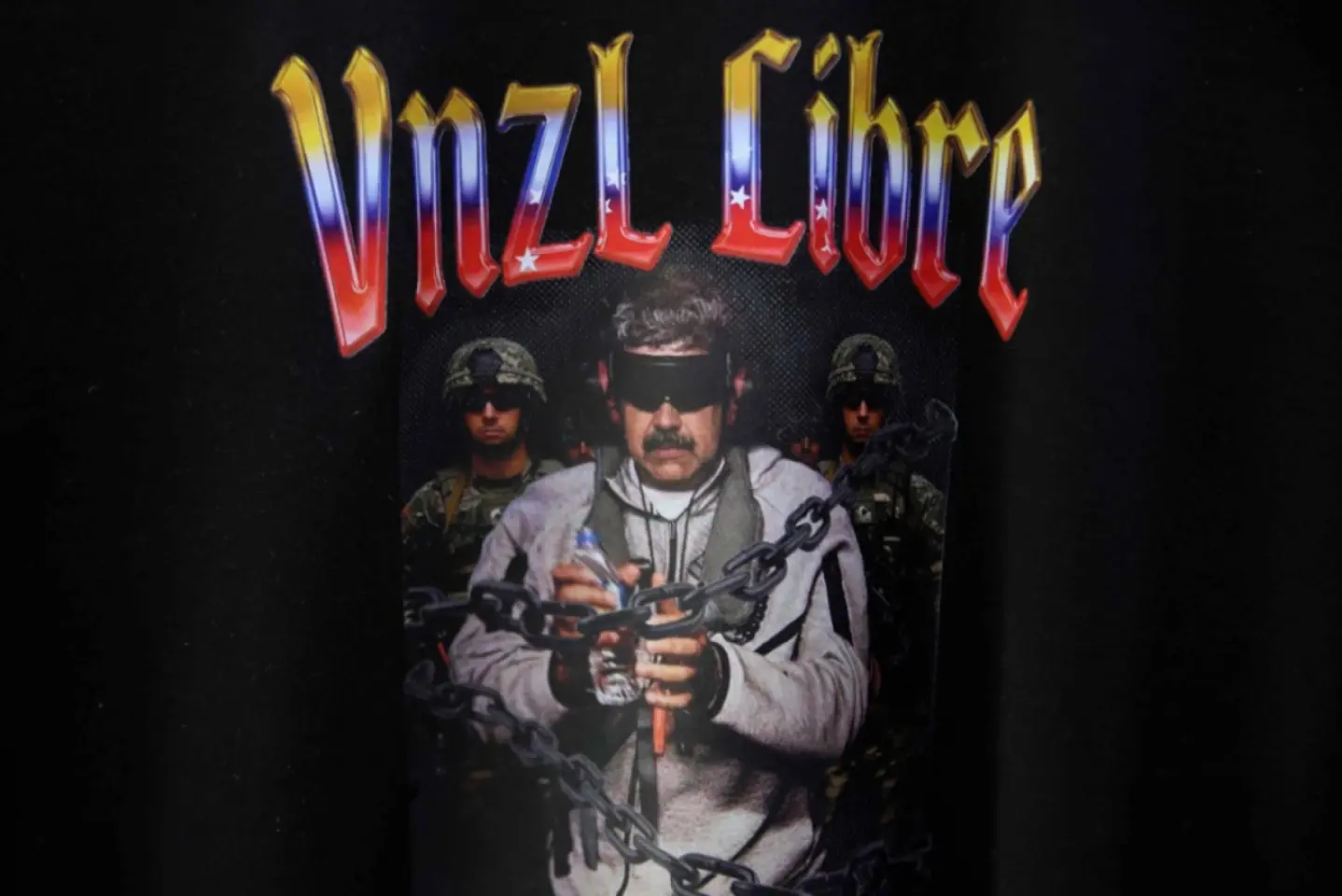
Russia suffered a geopolitical setback following Maduro’s fall. More than that, there are lessons to be drawn from Venezuela shake-up: oil (and gas) cannot save an economy, and the regime can survive without its top man.

According to pro-Russian propaganda, the European economy is collapsing as a result of Russia's decision to close its airspace to commercial flights from countries supporting Ukraine.
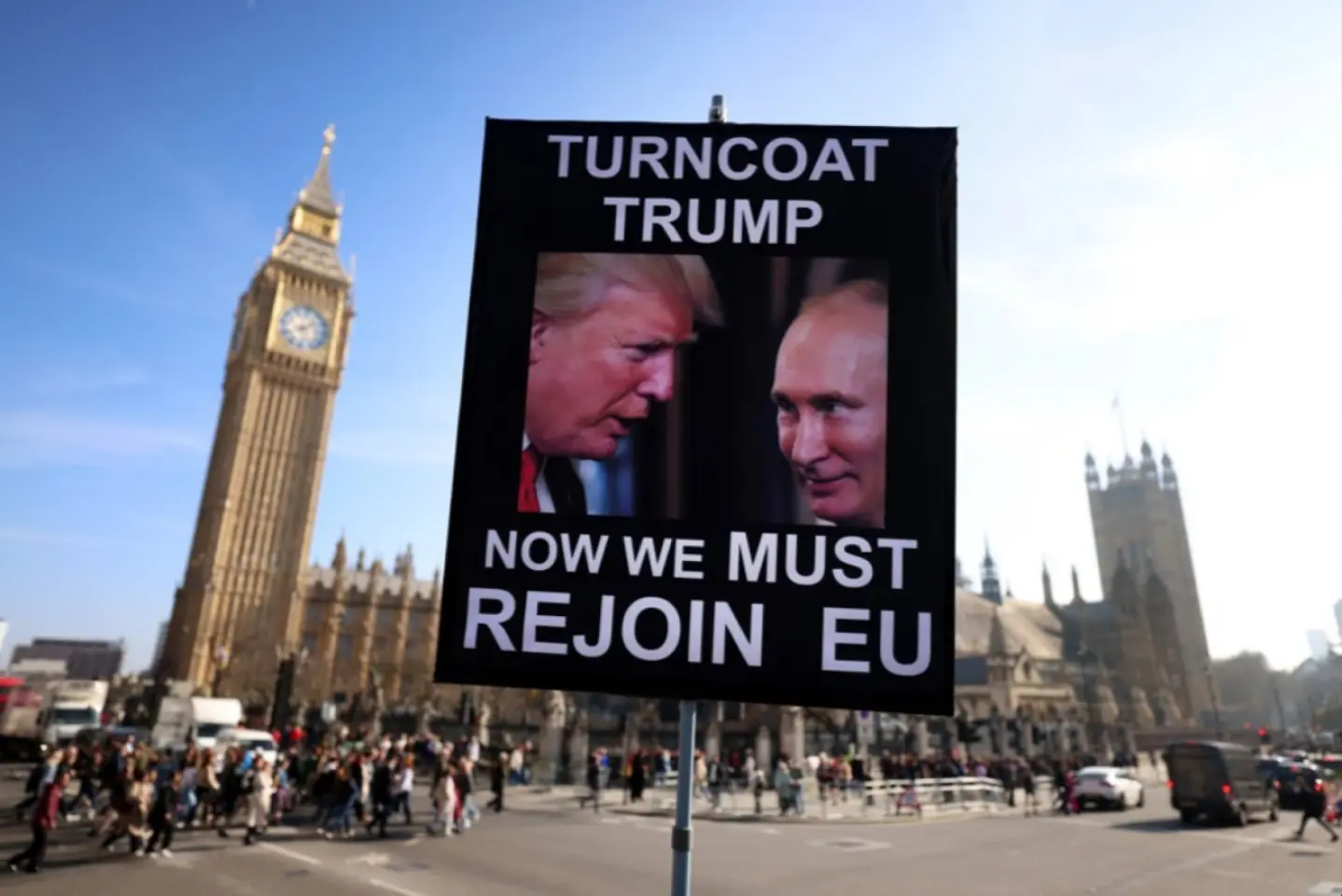
The Trump administration's distancing from the EU, which transpires in the new US national security strategy, could lead to a “rupture” within the Western family. This is a scenario in which the USA would stand to lose enormously, including in the context of the global competition with China. The EU, on the other hand, has the potential to emerge unscathed from such a crisis.

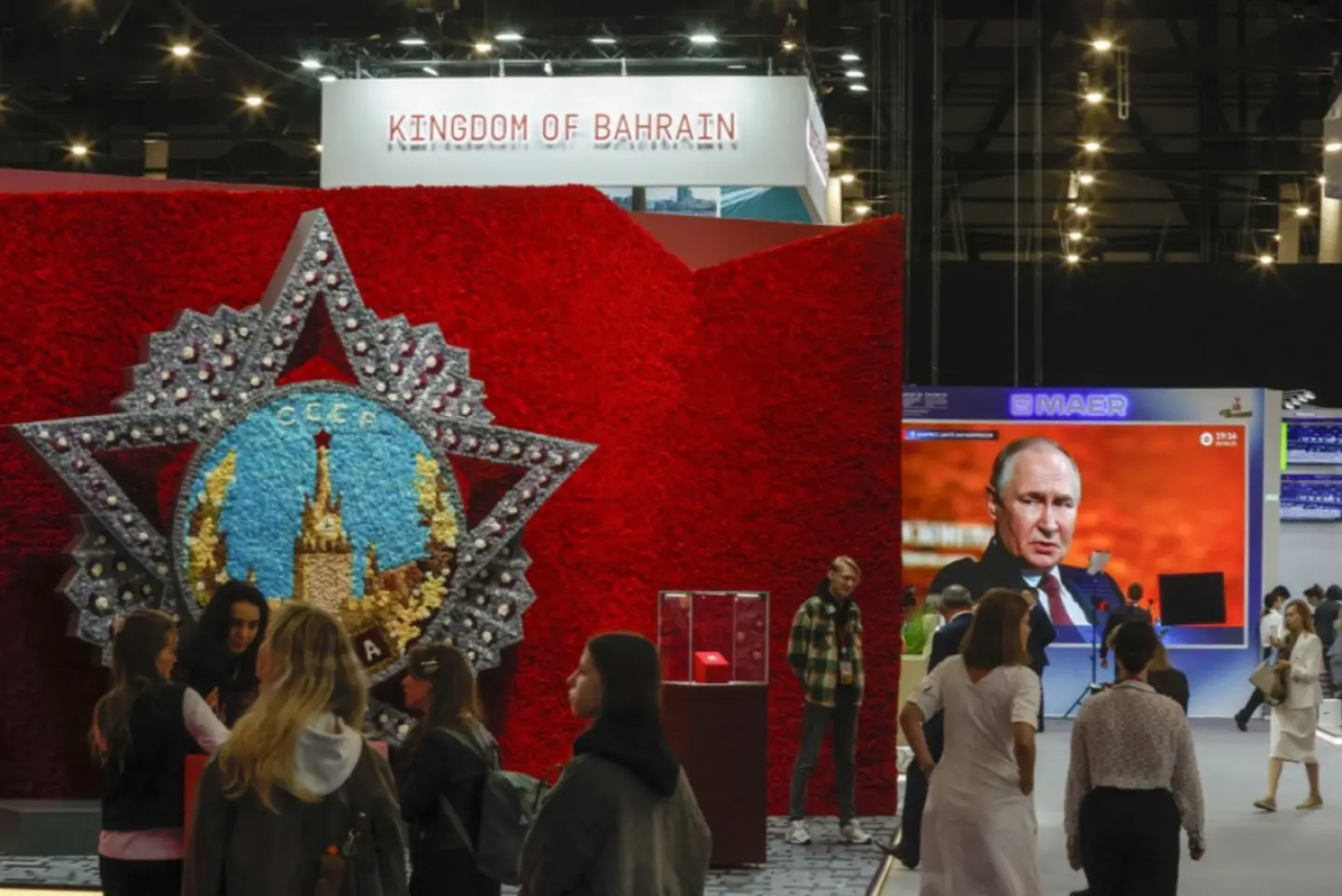
Why have neither the weight of sanctions nor the scale of losses on the battlefield pushed the Kremlin toward compromise.

Behind the façade of resilience lies a system increasingly driven by asset seizures, political loyalty, and the enrichment of a new elite.
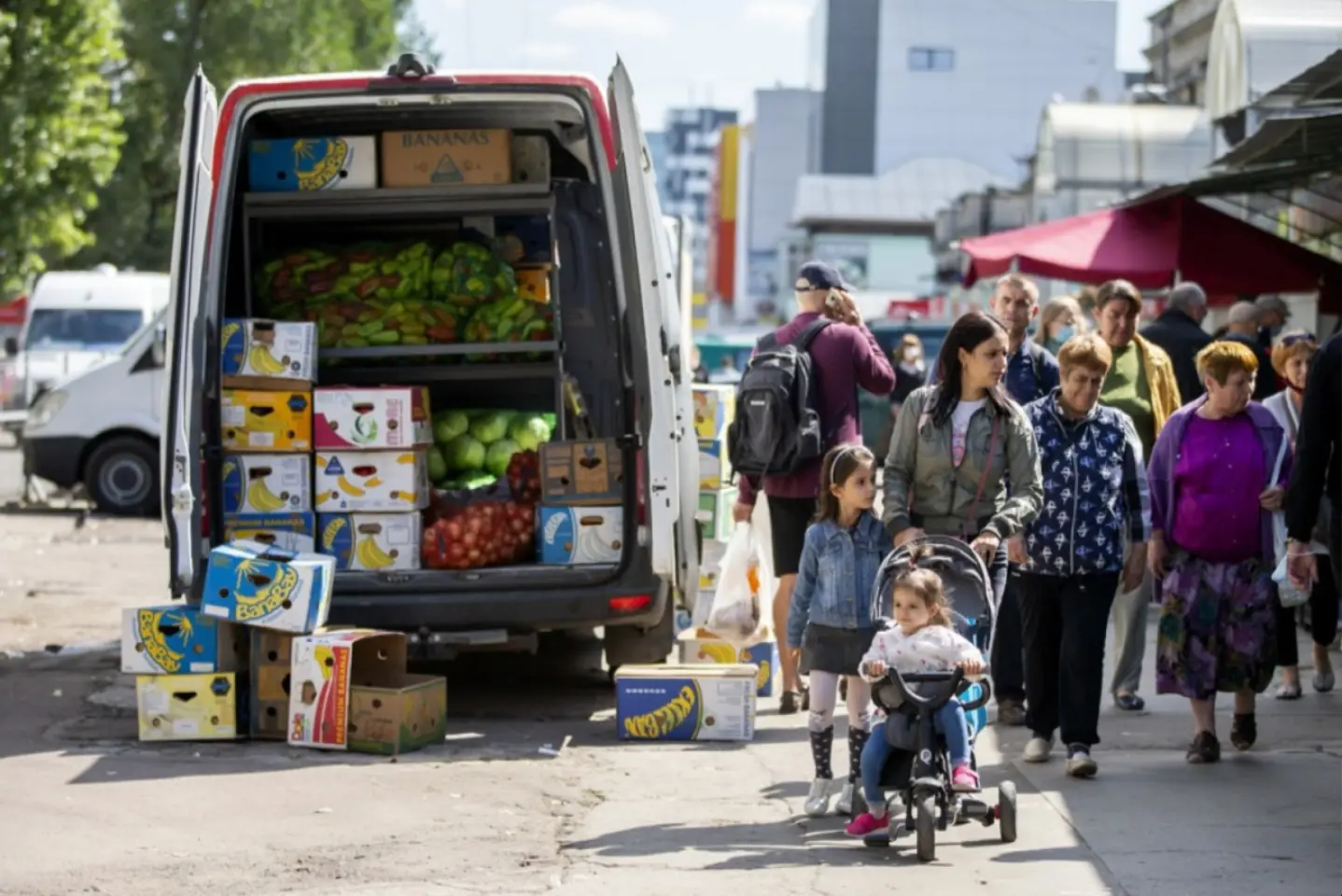
Pro-Kremlin propaganda claims that Moldova’s EU accession would collapse the EU economy, conveniently ignoring the fact that Moldova’s economy amounts to just 0.1% of the EU’s.

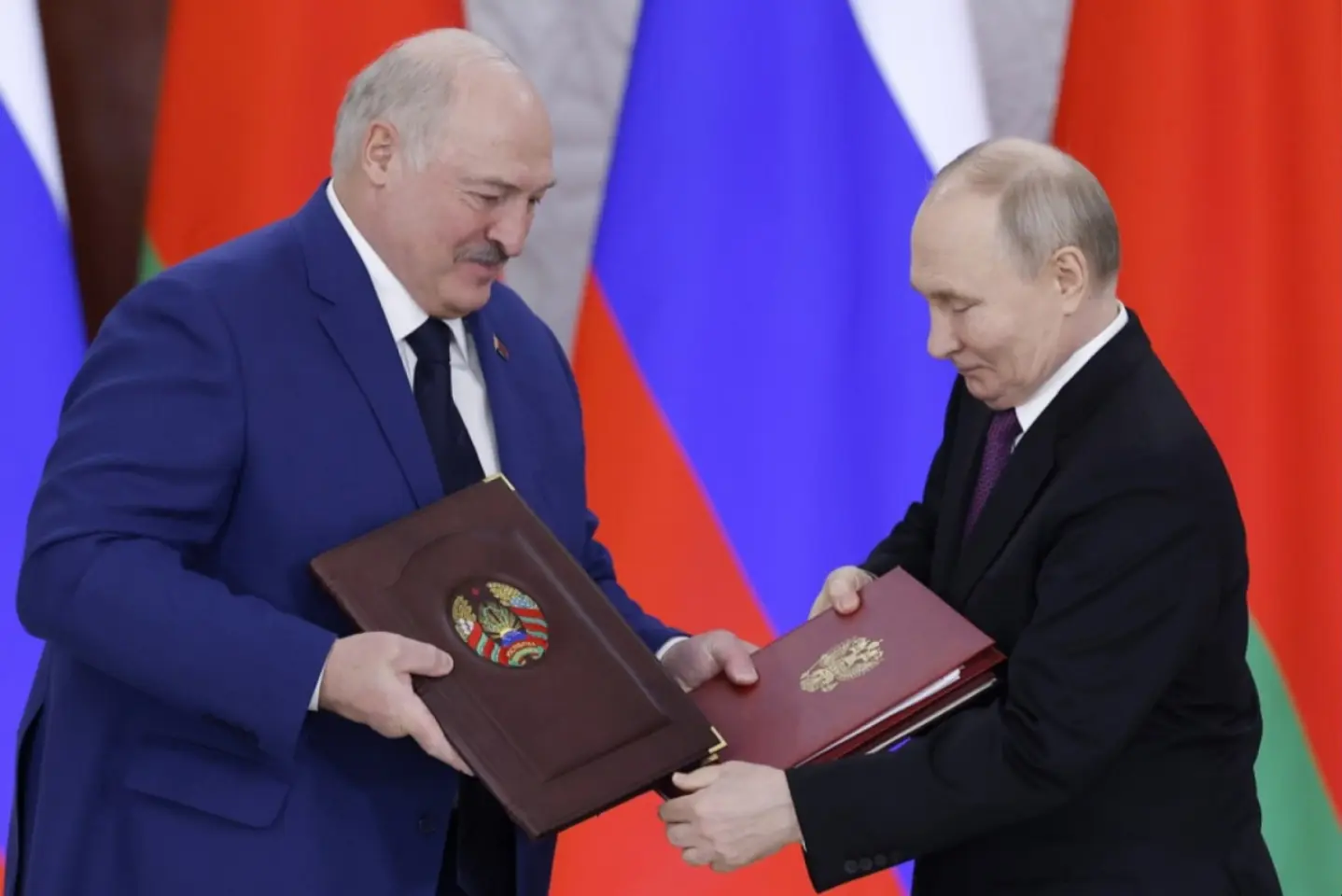
Hundreds of Belarusian companies support Russia's war effort, supplying it with, among other things, shells, drones, chassis for military vehicles, and components imported from the West.
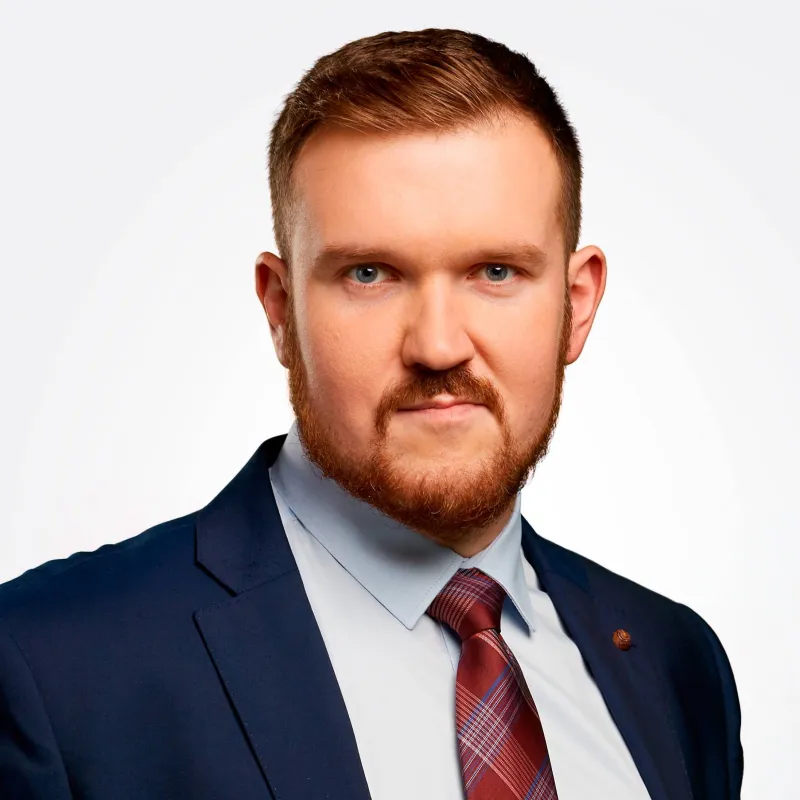
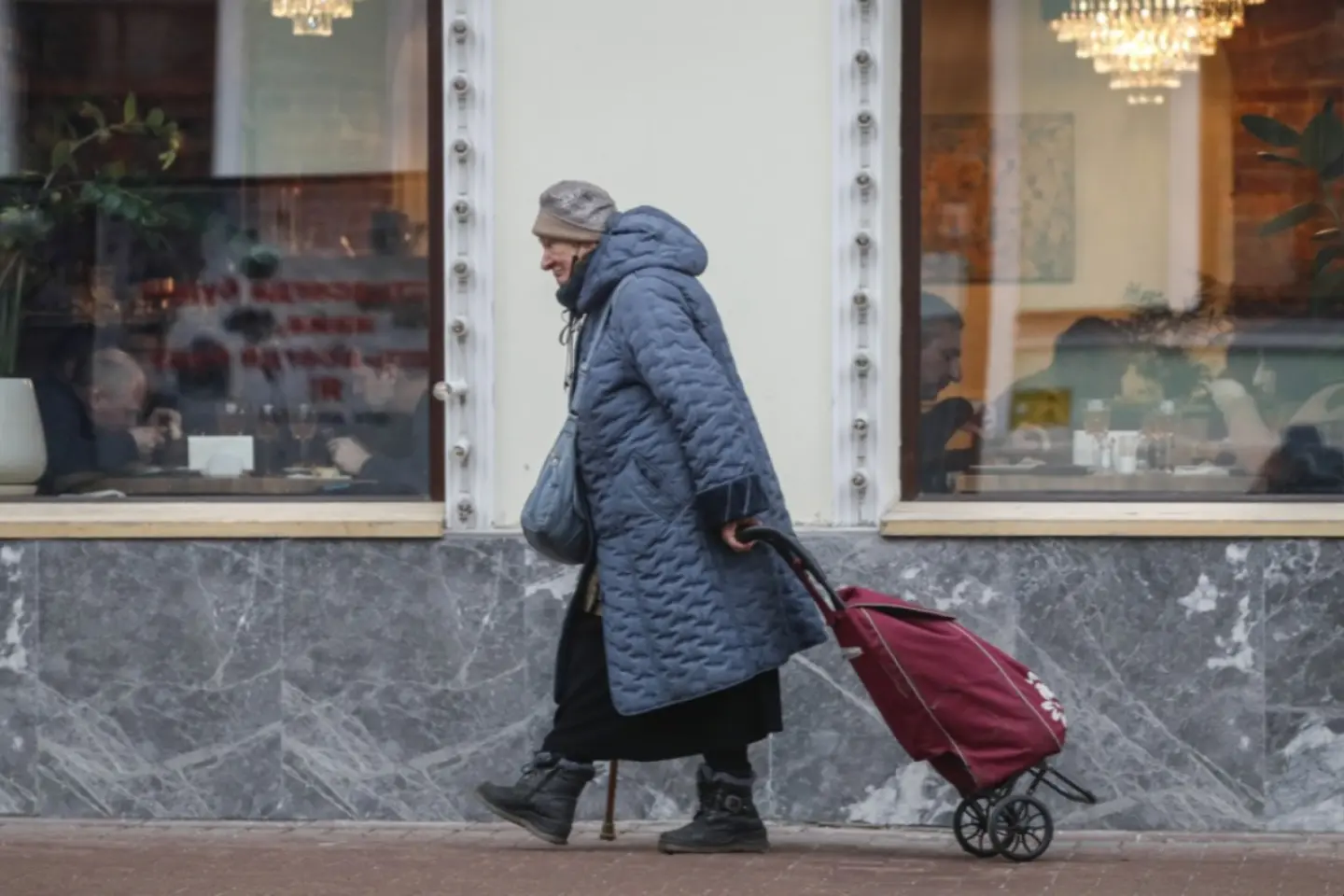
The budget sends a clear message – Russia is preparing to live, and fight, as a besieged fortress for years to come, even if doing so slowly drains the vitality of its economy and society.
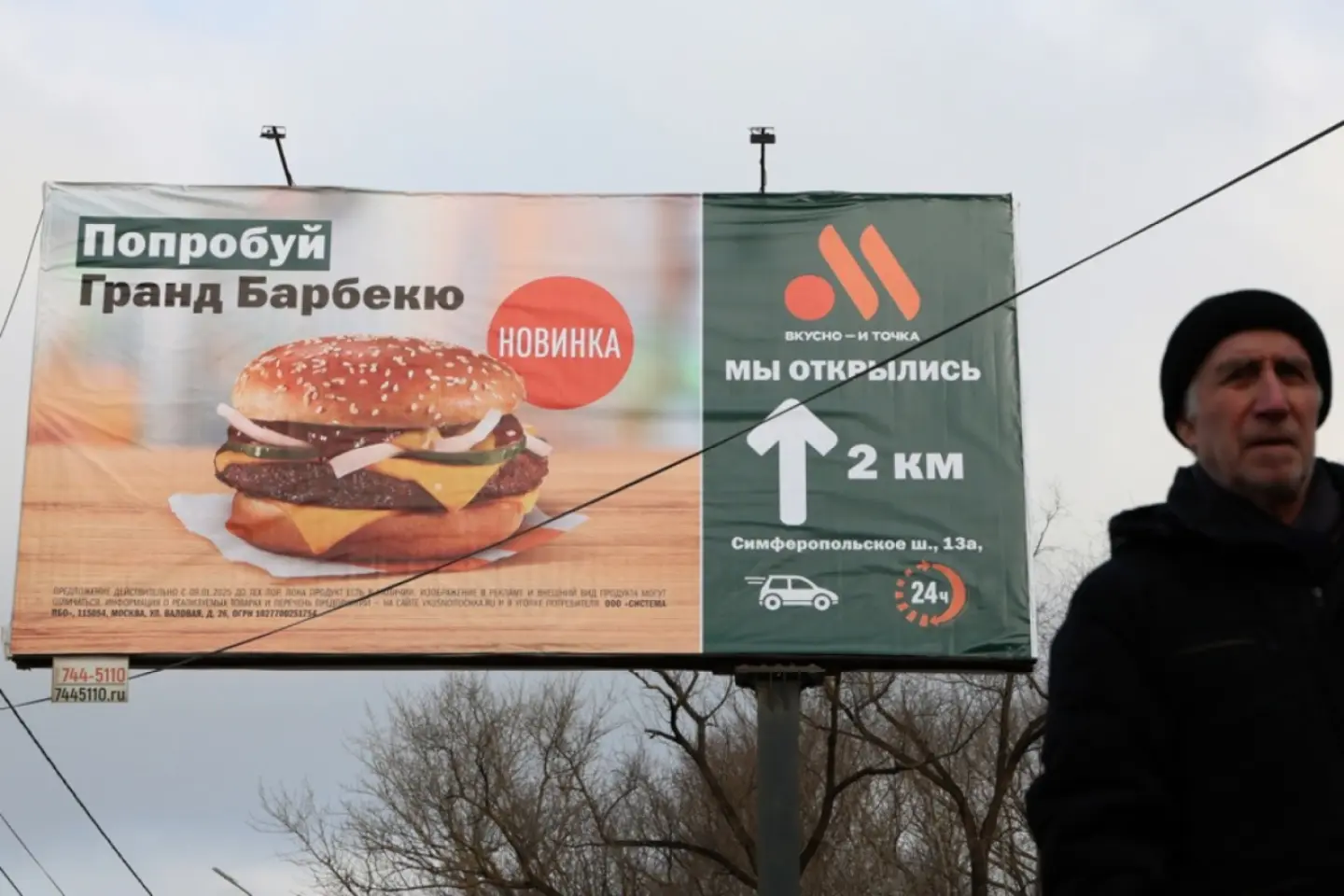
Ukraine faces increasing dependence on Western support. Russia will likely face critical fiscal constraints within 12-24 months. Meanwhile, China, the United States, and some third countries are extracting gains from the conflict.
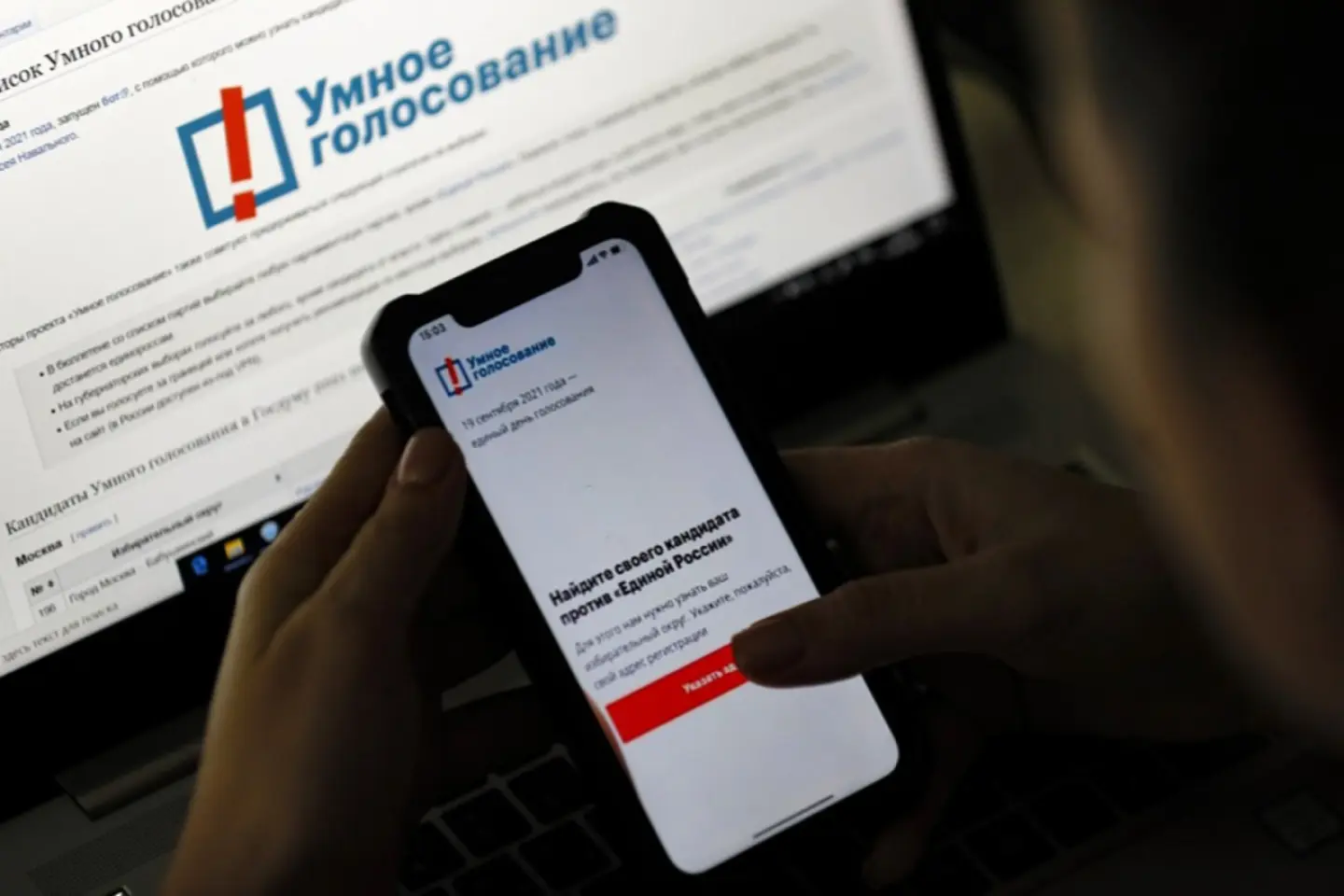
The networks, platforms, and services that once promised convenience and openness are now increasingly shaped by state control, geopolitical isolation, and the exodus of skilled talent.

Influencer Andrew Tate claims that money can "disappear" from the economy after going through several successive bank transactions, due to fees and commissions.

As the war in Ukraine drags into its third year, a critical question grows increasingly urgent: how will Russia reintegrate the ever increasing number of citizens who return from the front lines or who have become economically dependent on the war effort?
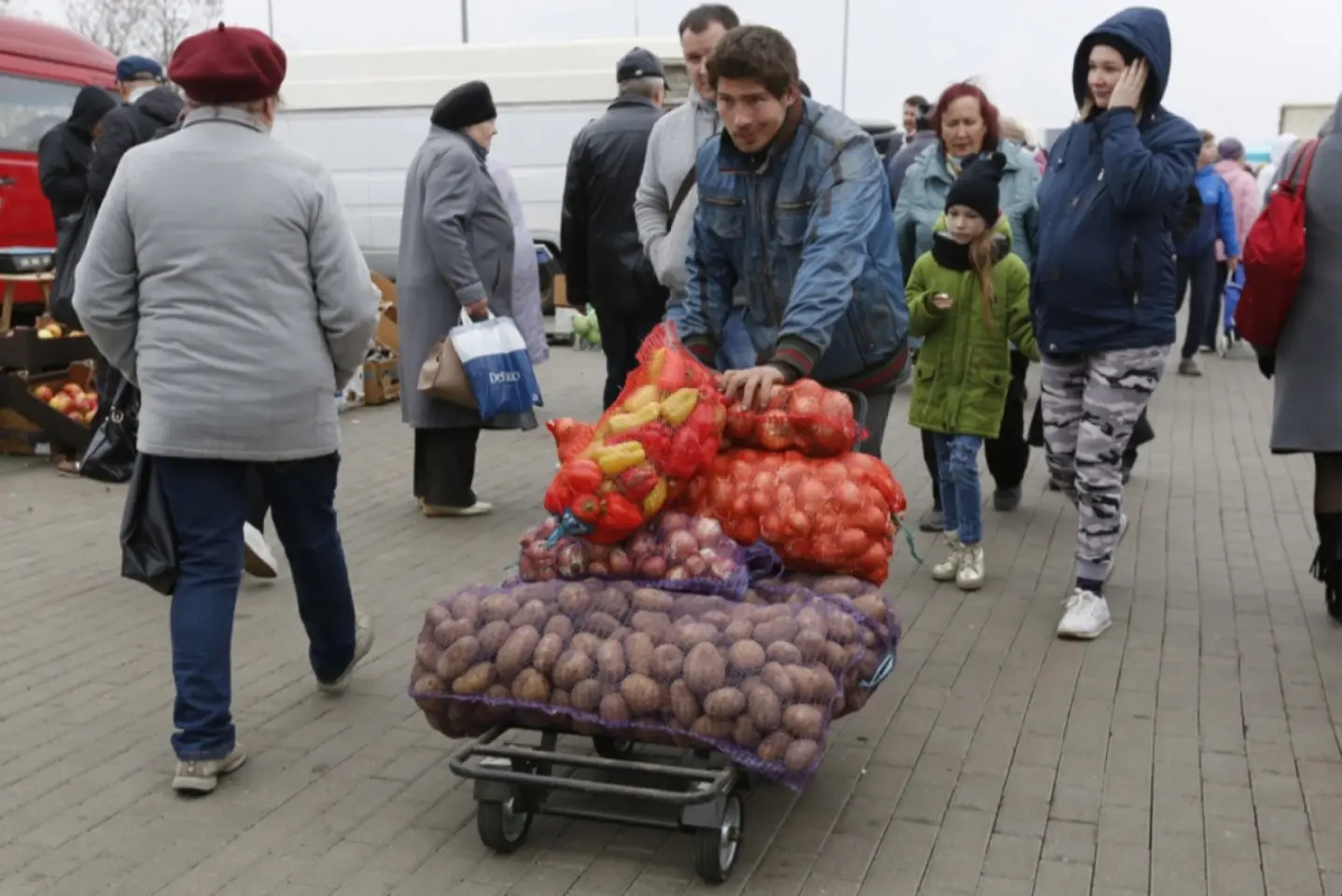
A crisis in potatoes, which are a staple food in Belarus, is showing the failure of the economic model imposed by dictator Aleksandr Lukashenko.
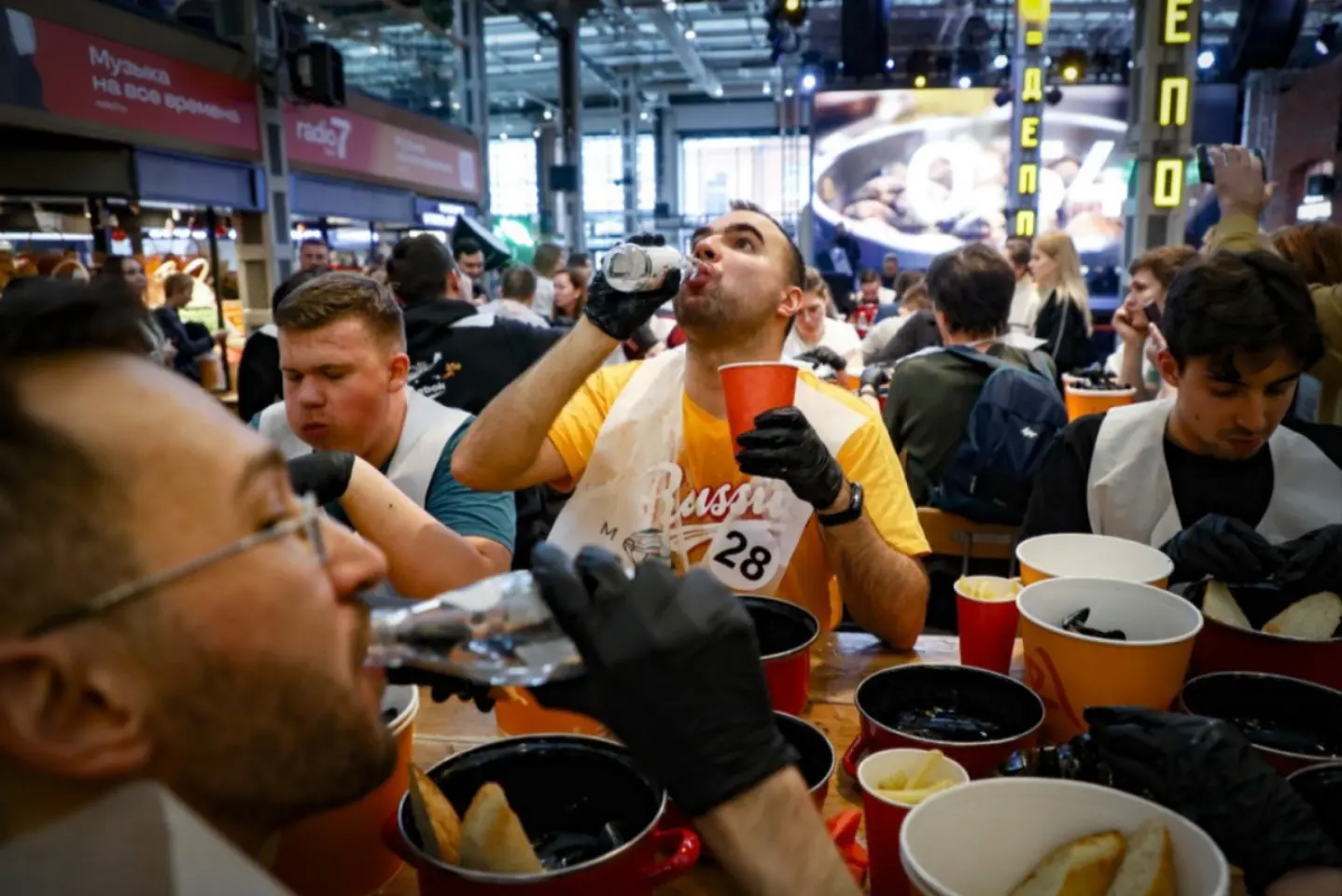
For many it is a coping mechanism, in some cases it reflects newfound war-related income, in others a switch away from big spending.
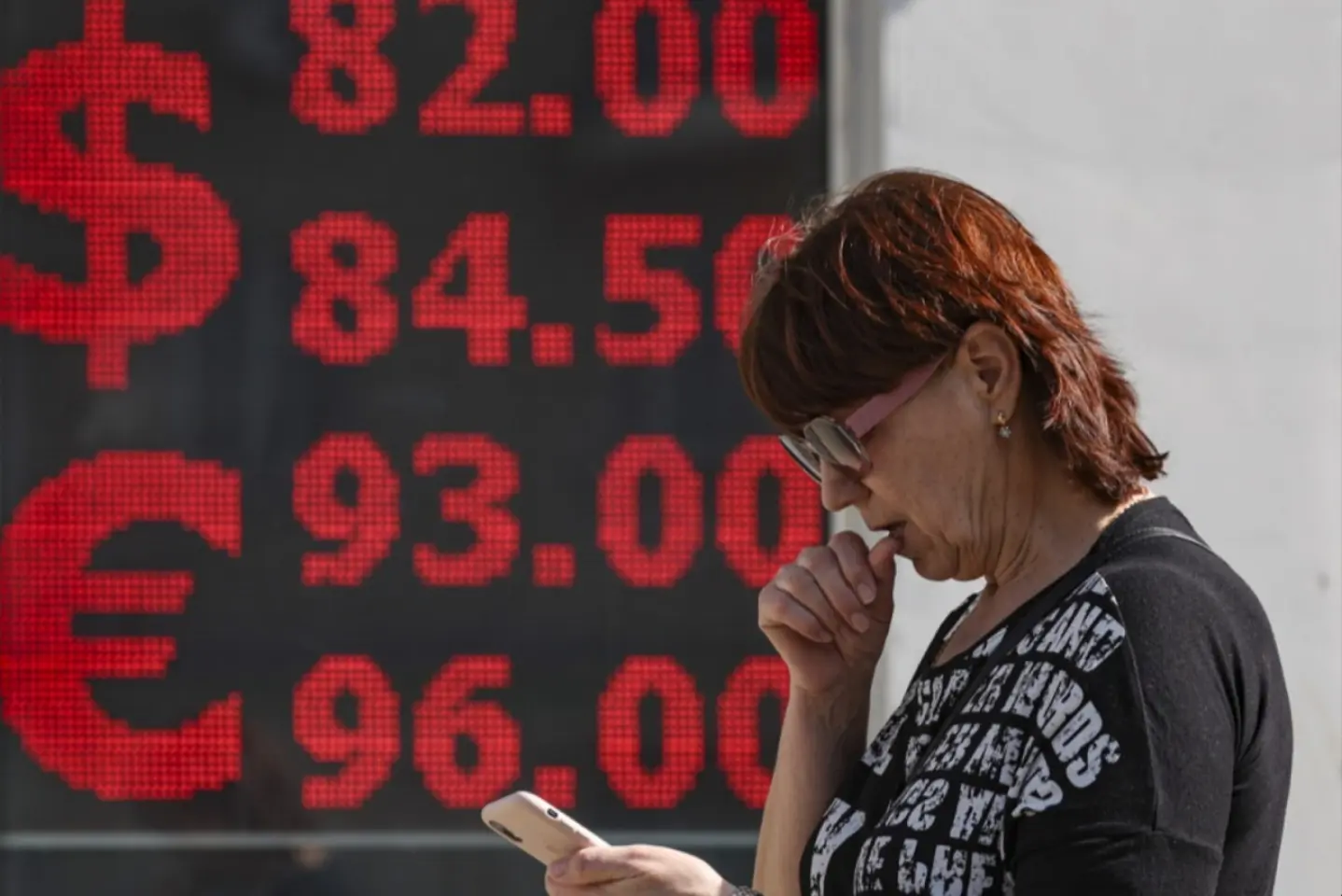
Behind the polished facade of Moscow and official statistics lies a federation increasingly fractured—socially, economically, and politically.
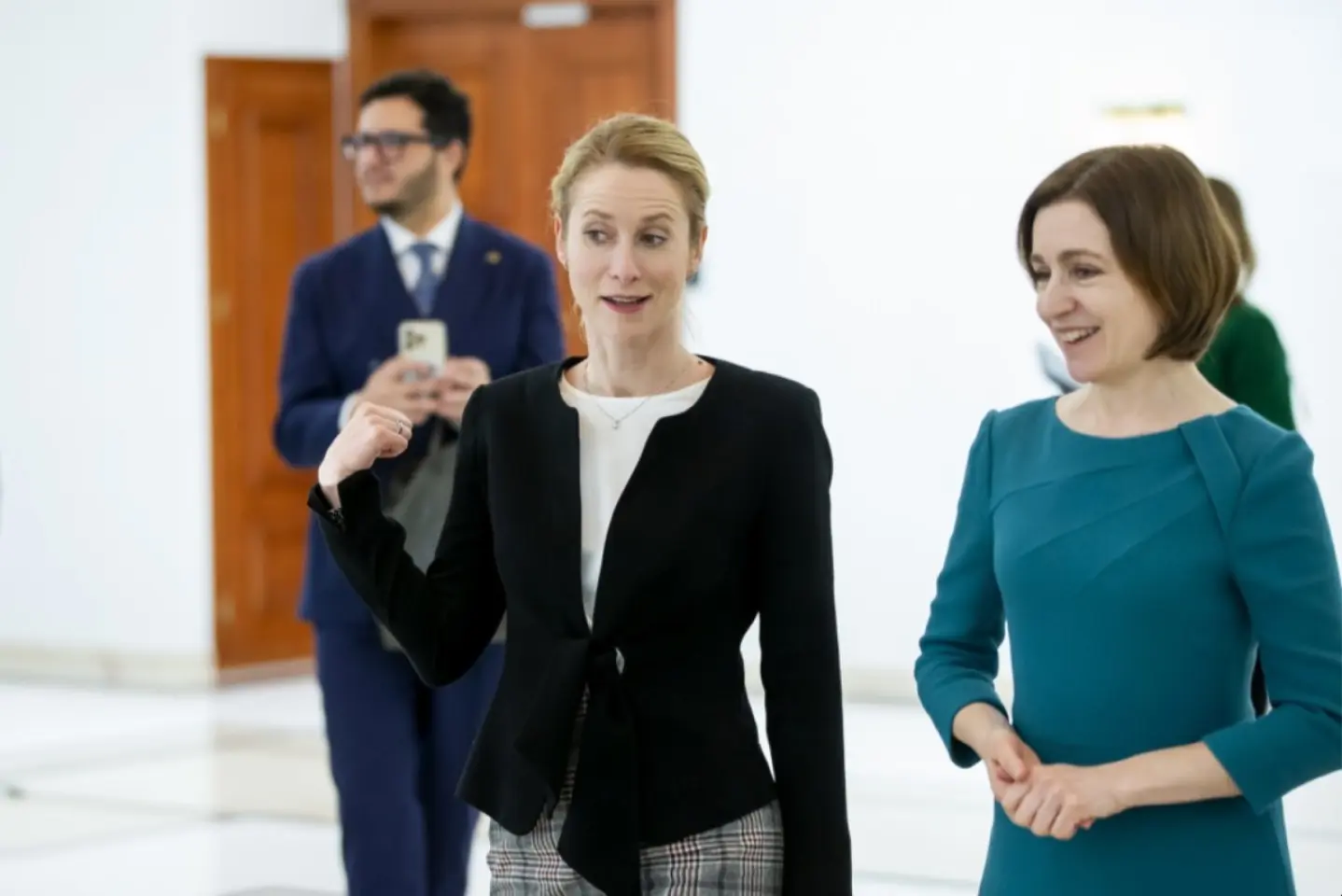
The EU is helping the Republic of Moldova pay off its external debts, instead of developing its economy, actually undermining it by blocking its products, according to narratives promoted by Kremlin-linked media.
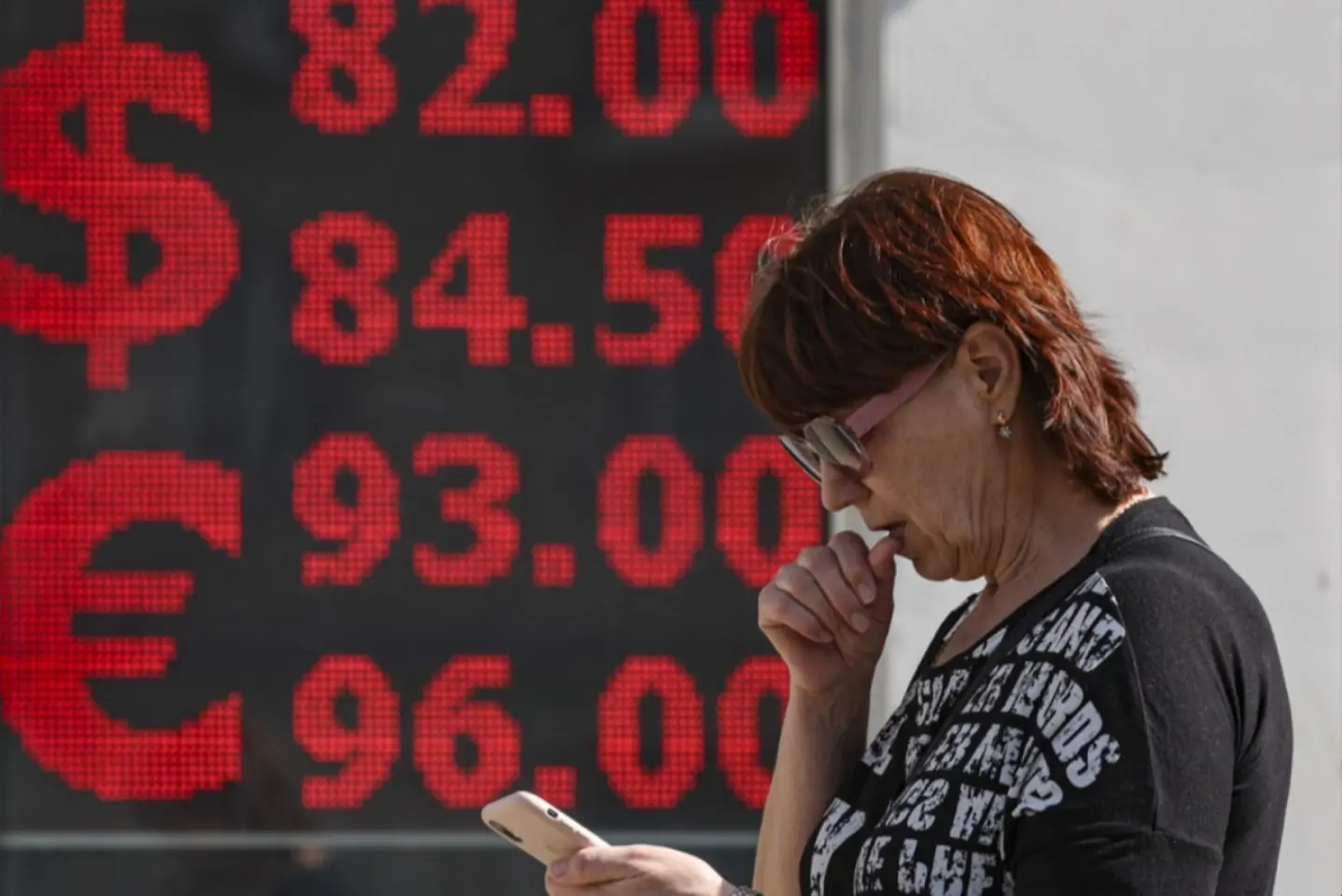
Russia’s economy is not yet a wartime economy – but it is drifting dangerously close. Whether it crosses the threshold will depend not just on military needs, but on the political will to sacrifice economic interests for geopolitical ambitions. So far, Moscow has tried to avoid making that choice. But the clock is ticking.

Russians are hoping for an easing of sanctions and the return of big Western brands to the Russian market. Is this a real prospect – or simply a collective wish disguised as news?

In today’s Russia, ending the war in Ukraine may bring economic and social turmoil so profound that peace could pose greater risks to Kremlin than the conflict itself.

Official statistics show that Russia's economy is growing despite war and Western sanctions. In fact, economic problems are piling up and Russia risks recession.