
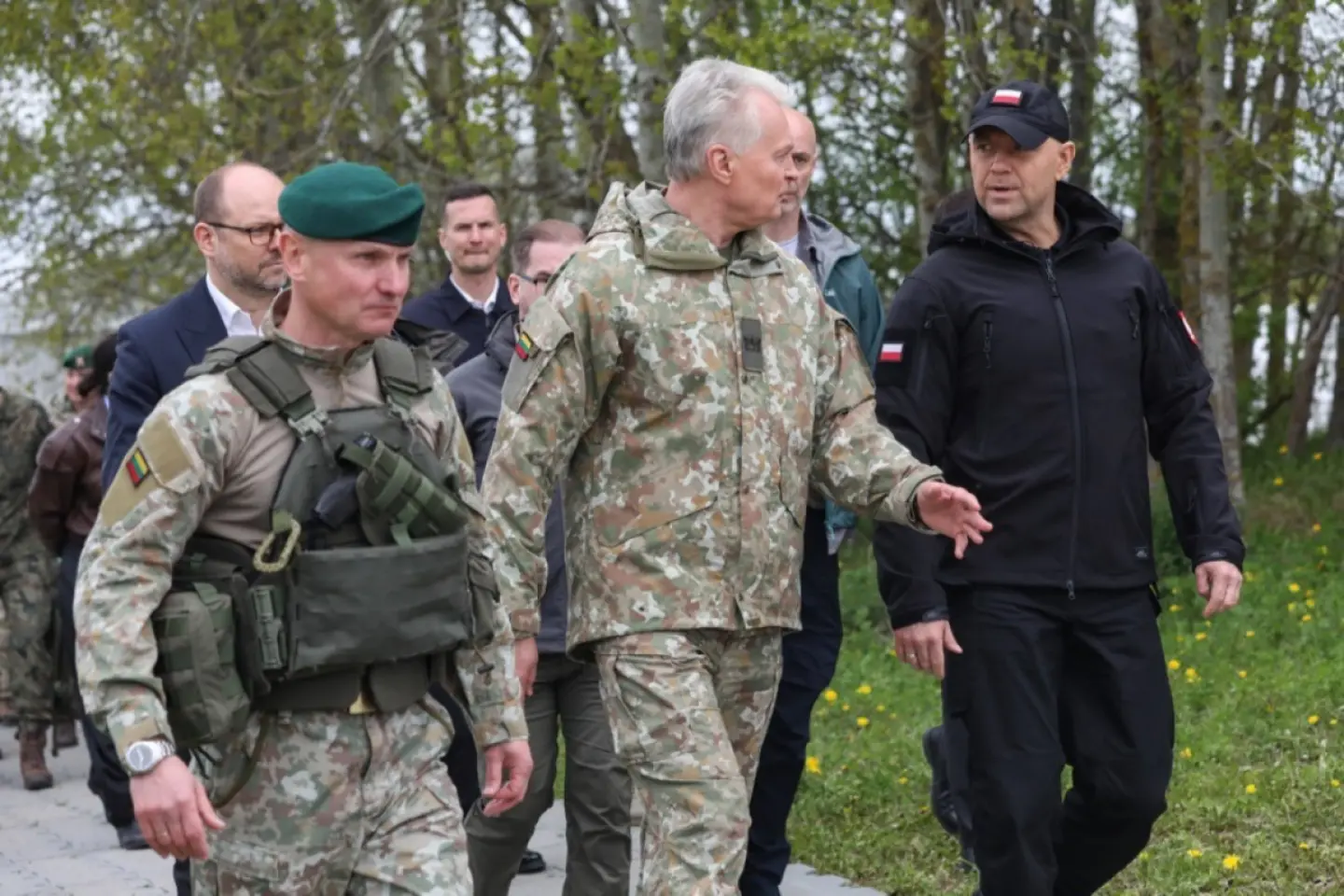
Russia could prepare an operation – hybrid, false flag, or even a limited attack – against a NATO country, to test the Alliance’s response. With major Western powers distracted (domestic political issues, the war in Iran, etc.) Moscow may feel that it has a window of oportunity, and the most likely targets are considered to be Poland and the Baltic states.
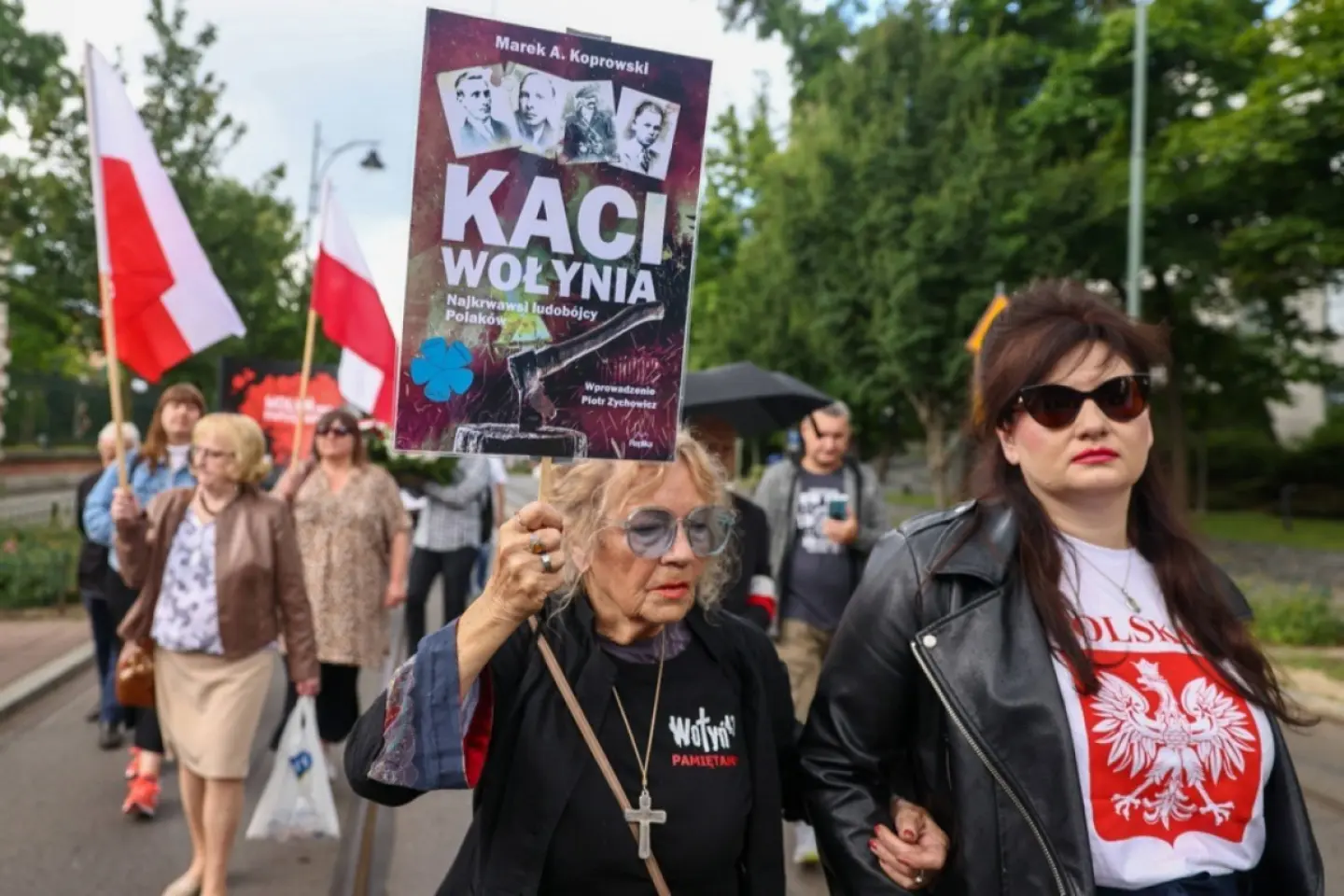
Volodymyr Zelensky’s absence from the Polish-hosted Ukraine Recovery Conference reflected the most serious political rupture between Warsaw and Kyiv since Russia's full-scale invasion in 2022. Many argue that despite these frictions, driven by conflicting views on history, Poland and Ukraine are bound to stick together. However, for now Russia is leaning back and enjoying the show.
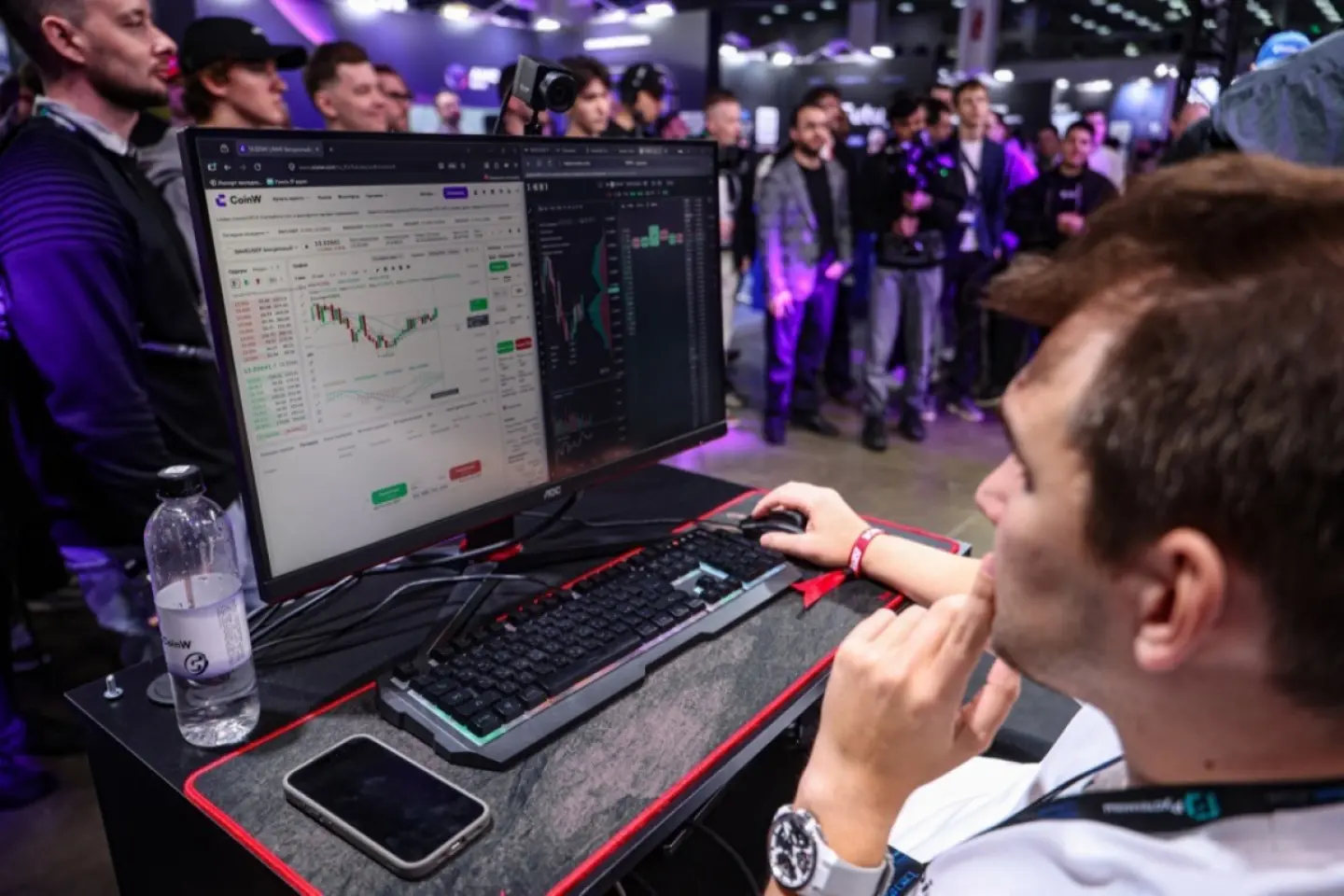
Poland’s largest cryptocurrency exchange collapsed into scandal amid allegations of fraud, money laundering, political influence, and links to the infamous Tambovskaya Bratva. This Russian criminal organization had been associated with St Petersburg’s political and business underworld during Putin’s rise to power.

The arming of Poland with SAFE funds is being questioned due to opposition from President Karol Nawrocki. Behind this lies the political dispute between pro-Europeans and Eurosceptic nationalists, as well as the older power struggle between the government and the presidency.

In 2025, Poland has found itself on the front line of a shadow war, waged with drones, explosives hidden along railway lines or in courier parcels turned into bombs, compromised officials, and and people recruited by the Russian secret services.
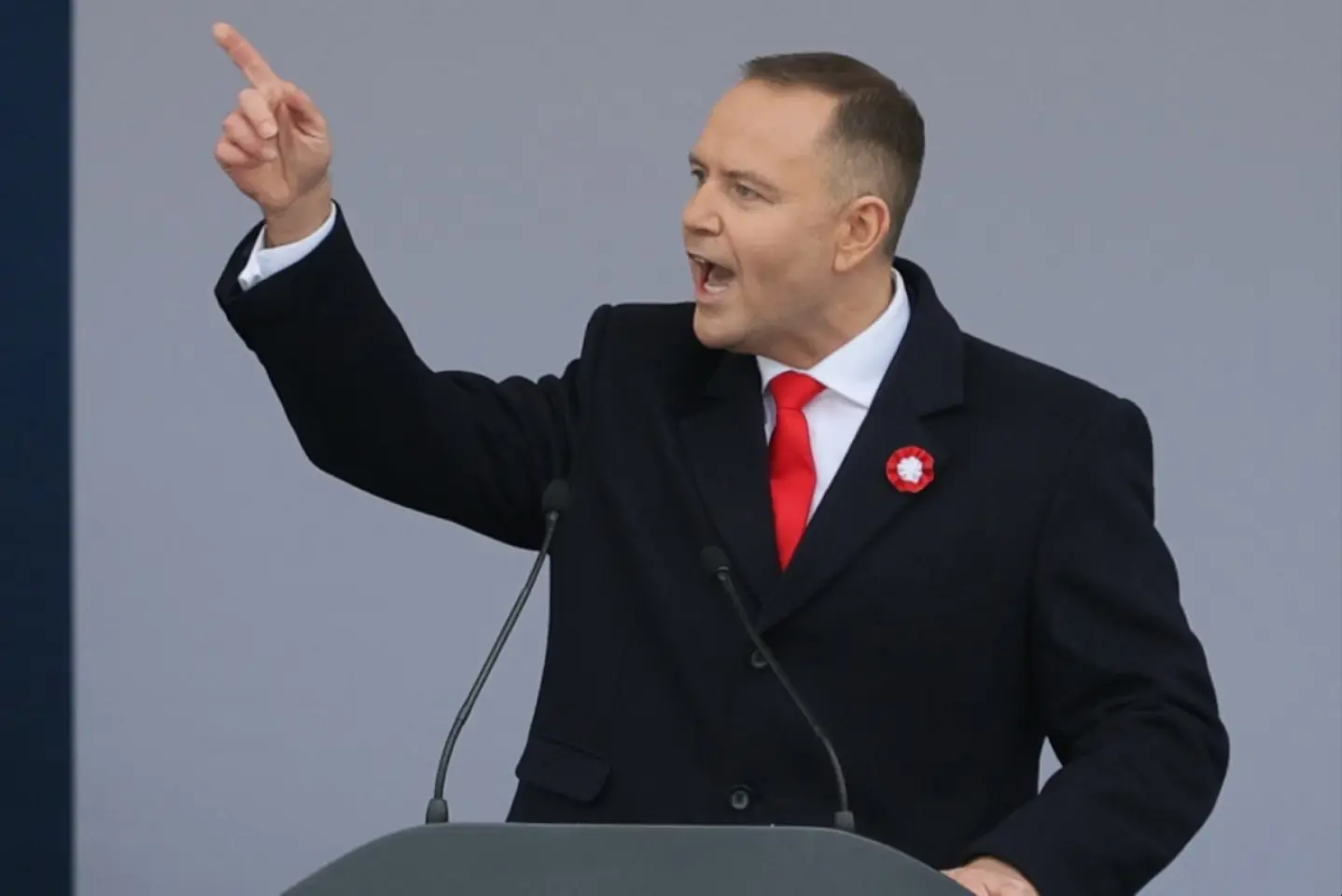
In his first hundred days in office, Poland’s new president has shown himself to be both a fighter and a tactician. Whether he is also a statesman remains to be seen.
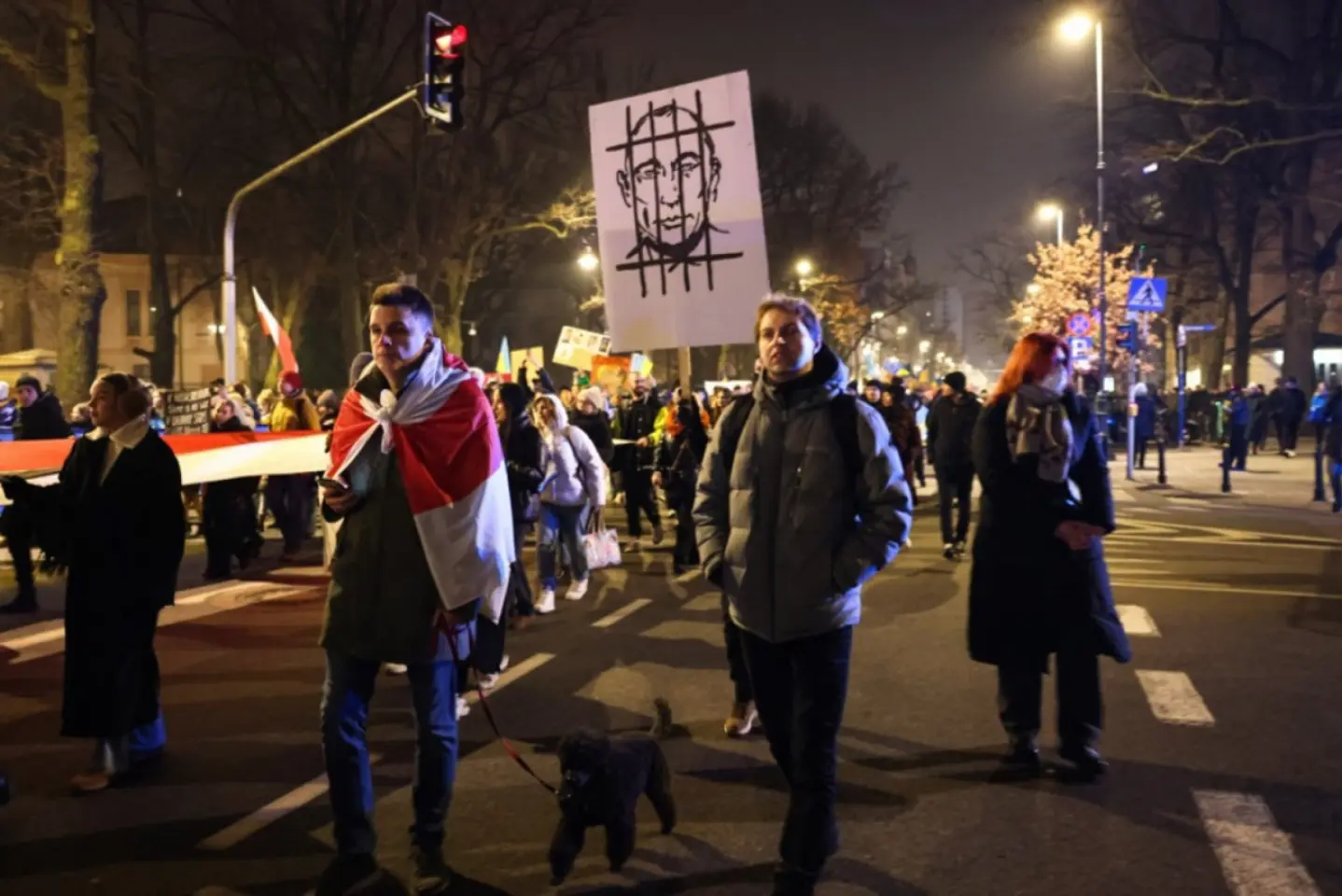
A month after Russian drones were brought down over Poland, Warsaw feels normal again. Politicians resumed their quarrels, and the news cycle has moved on. Yet something in the public mood has shifted – a low, persistent awareness that Poland is being watched, probed, and measured.
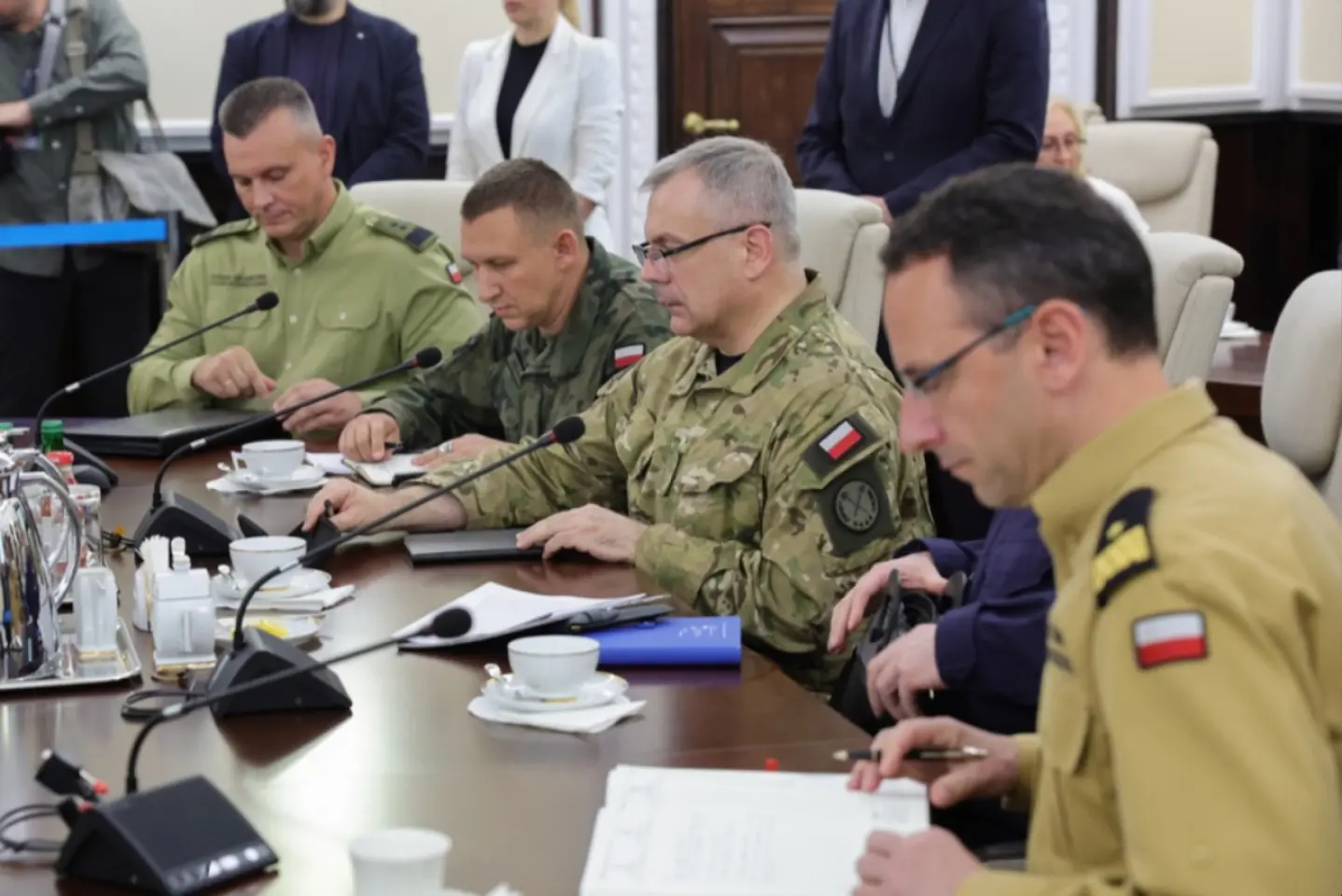
On Tuesday night, Poland’s airspace came under pressure from Russian drones in what experts call the most serious incident since the start of the war in Ukraine. The military responded, the government convened emergency meetings, and allies expressed support—but the question remains: what will the West do next?
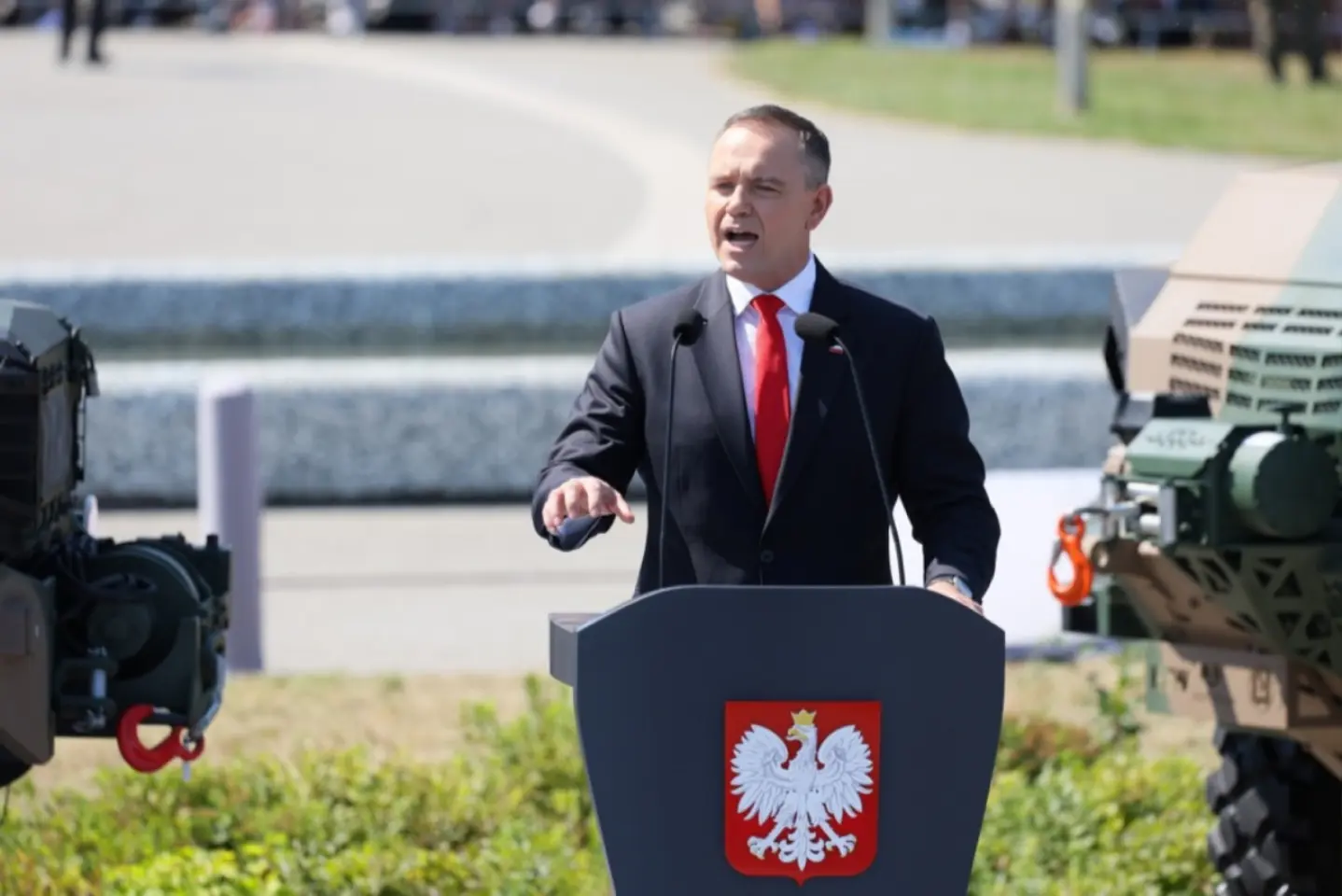
Nawrocki’s first statements and acts after he became president suggest that, rather than serving as a ceremonial head of state, he would attempt to establish himself as an alternative center of political power.
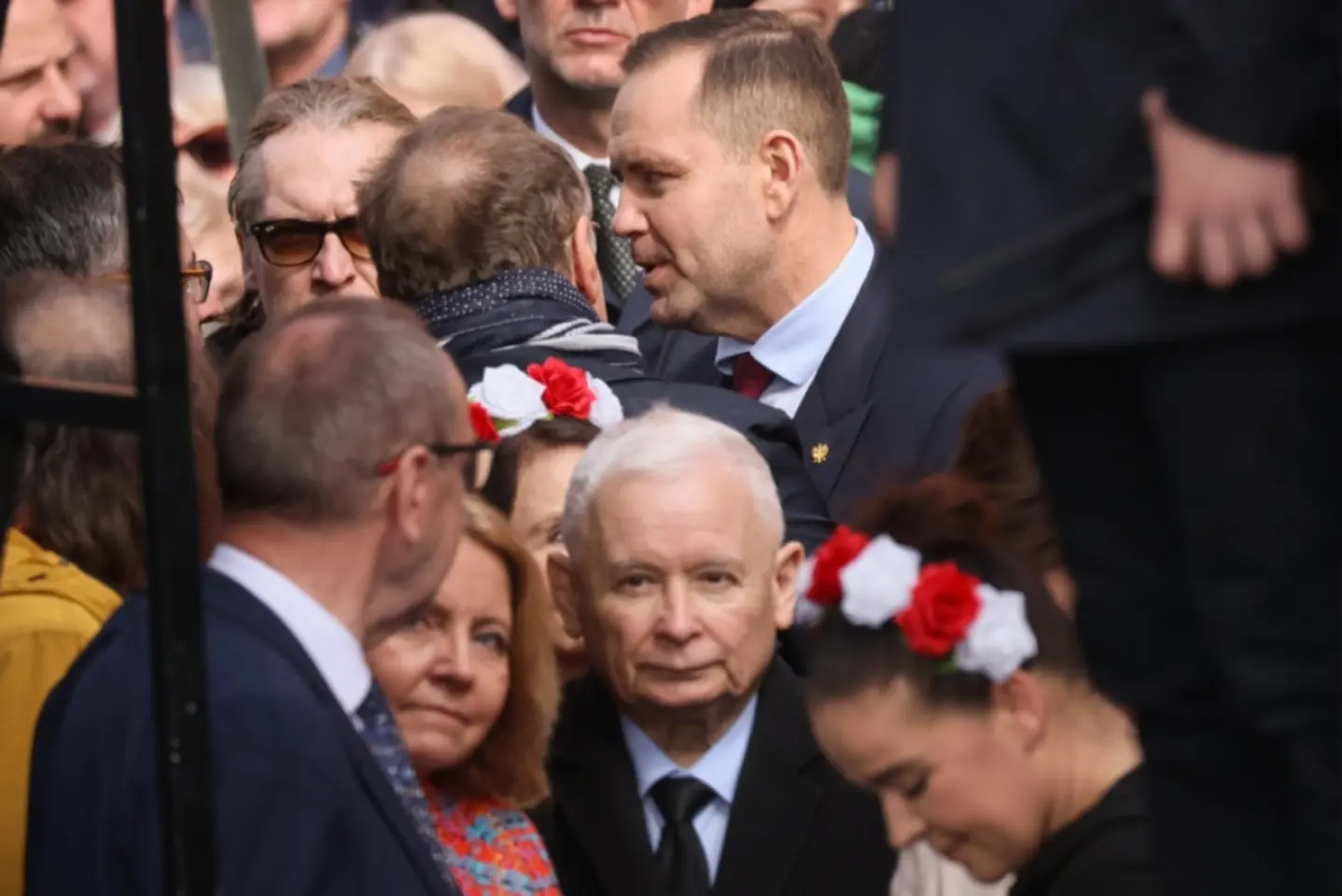
Karol Nawrocki victory in Poland’s presidential election is a coup for PiS leader, Jarosław Kaczyński. Nawrocki’s mission now would be to paralyze Donald Tusk’s pro-EU government.

Can a pro-European candidate still prevail in a country steadily turning to the nationalist right?

The election campaign in Poland is marked by bizarre candidates, debates unrelated to the president's duties, and the influence of Russian narratives and MAGA ideology.

The specter of foreign interference looms large over Poland’s upcoming presidential election. Will Warsaw face a rerun of the Romanian scenario, where Russian actors disrupted elections? And more importantly, is Poland prepared to withstand the onslaught?

For years, Poland has been forging close ties with both the US and Ukraine, regarding both as vital to its security. Changes in Washington’s policy are forcing Warsaw to rethink its future, but Polish politicians can’t seem to be able overcome their differences.

On a brisk January morning in Strasbourg, Donald Tusk, the Prime Minister of Poland, stood before the European Parliament to deliver what many have already labeled a defining speech of his career. With his characteristic blend of gravitas and urgency, Tusk addressed Europe’s place in an increasingly volatile world. Referring to the profound shifts in transatlantic relations under Donald Trump’s presidency, Donald Tusk paraphrased another US President, John F. Kennedy: “Ask not what America can do for Europe and its security—ask what we can do for it”. His words reverberated across the chamber, signaling the dawn of a (let’s hope) pivotal six months in European politics: Poland’s presidency of the Council of the European Union.

In 2025, presidential elections will be held in Poland. People are already saying that we need to take seriously the scenario in which Russia influences the outcome – as it happened in Romania.

Against the background of the war in Ukraine, Russia is stepping up hybrid attacks against NATO countries. Being at the forefront of Russia’s campaign, Poland has been facing an increasing number of sabotages.

Many of the changes promised by Poland’s pro-EU reformists are still to be seen. Insted, prime-minister Donald Tusk has started to talk in terms that remind of the conservatives his coalition defeated.

Law and Justice (PiS) is getting into more and more trouble – the party is shaken by scandals connected to its eight-year rule, financial problems, and increasingly strong internal conflicts.

A little girl accredited as a journalist in Poland's parliament has sparked debates about the limits of freedom of expression, the involvement of children in politics and their manipulation by adults, including their own parents.

Pro-Russian communication channels have significantly infiltrated the Internet and social media platforms in Poland and Eastern European countries.

During PiS’ years in power, public money were funneled to the party, the Church, and various far-right groups. Some of those that benefited were openely pro-Russian.

As a new Cold War gathers steam, Poland finds itself on the frontline. Russian intelligence is recruiting agents in the country and it’s even using some for attacks against Kremlin opponents.

Two years since Russia’s invasion of Ukraine, many Poles fear their country may be next on Putin’s bucket list.

Polish conservatives are seething after losing control over public media and two PiS MPs were arrested. Is it the end of Kaczyński-style politics, or the beginning of a lasting political war?

The struggles of the Polish conservatives to retain power as much as possible after losing the elections, but also the process of taking over the government by pro-Europeans, were enjoyed as a public spectacle.

Poland is one of the NATO countries with the coldest relations with Russia. Concerned about Moscow's aggressive stance in the region, Warsaw called for a stronger NATO presence on the eastern flank and launched an ambitious program to equip its armed forces. But is Poland able to withstand enough attacks in the event of an attack?

Poland's unequivocal support for Ukraine has overshadowed the tensions between Warsaw and its Western allies. However, the problems could return, given that Jarosław Kaczyński's Law and Justice Party does not seem to be giving up its ultra-conservative policies or its efforts to fully control the public agenda and the state institutions.

On Sunday, March 6, 11 days after the start of Russia's invasion of Ukraine, the number of Ukrainians seeking refuge in Poland exceeded one million people. What is happening at the border crossings, in the cities and is Poland ready to accept millions of refugees? Veridica’s Michal Kukawski reports from the epicenter of the Ukrainian refugee crisis, a crisis that may be on the verge of becoming dramatic.

The Catholic Church in Poland continues to be the Church with the greatest political influence in the Christian world. It has achieved most of its political goals, including the effective ban on abortion. Thanks to the support of the right-wing government (but also the ruling liberals in Warsaw), it is certainly even richer. What makes the Catholic Church so strong in Poland? And what price will it pay for it?

Thousands of migrants got trapped on the Poland – Belarus border between the two countries’ security forces. The EU and NATO denounced a hybrid attack, Belarus denies and relies on Russian support, and Putin makes his own game.

The Polish government is exacerbating the conflict with Brussels, and Poles are taking to the streets backing EU membership. But when we look at the matter in more detail, it turns out that it is not as simple as the Western media wants to see it.


