
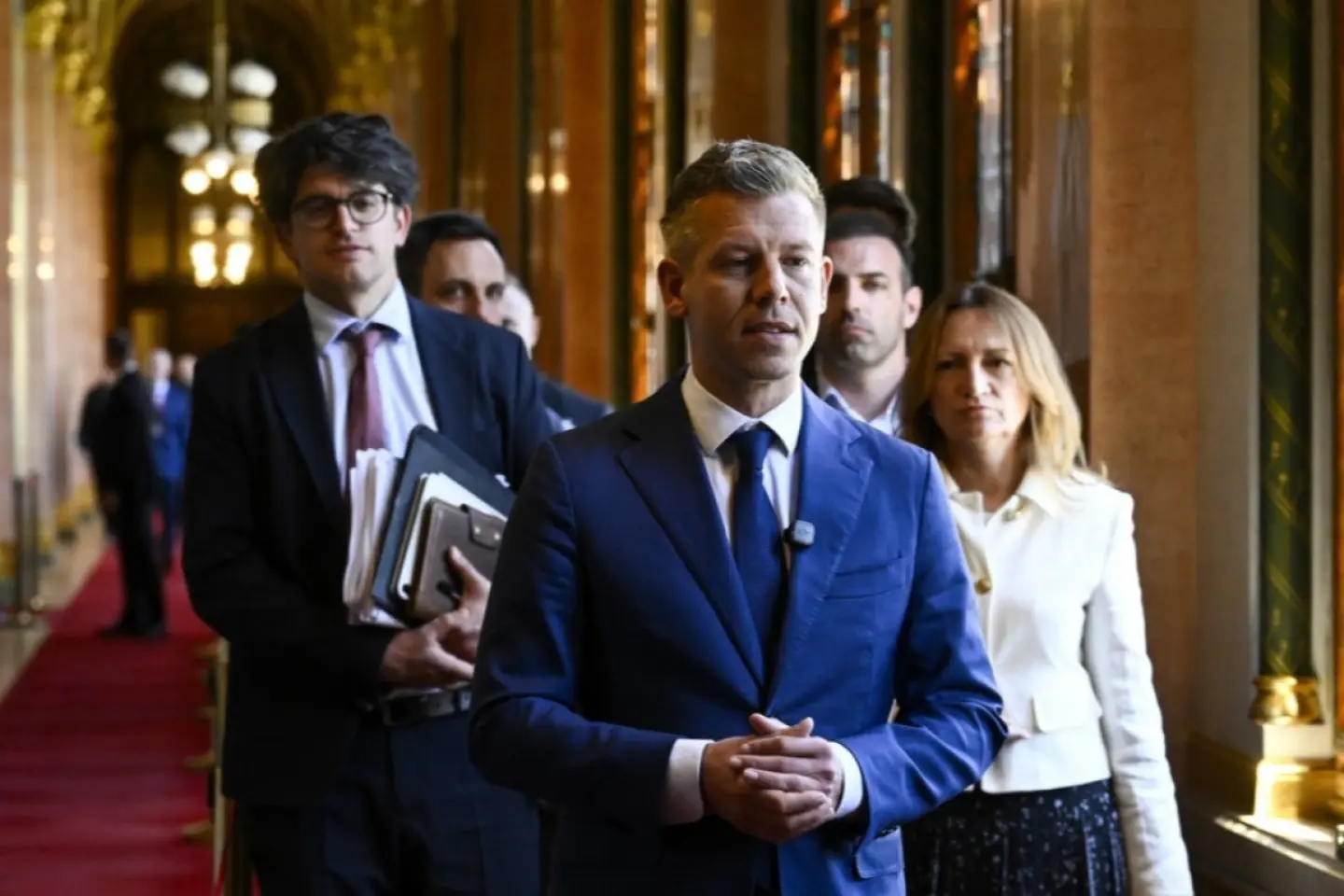
The events – and even the images – of recent days in Budapest are reminiscent of a Martin Scorsese film. A man from of a new generation, Péter Magyar, has overthrown the “old wolf” Viktor Orbán and promises to tear down the corrupt system he built, without, however, renouncing the right-wing ideology of his former boss.
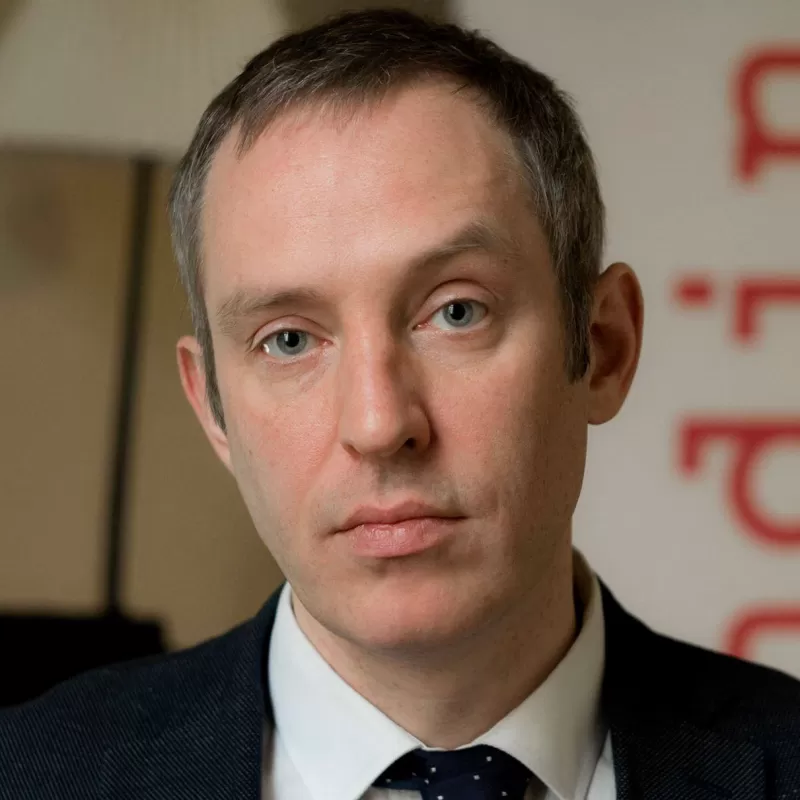
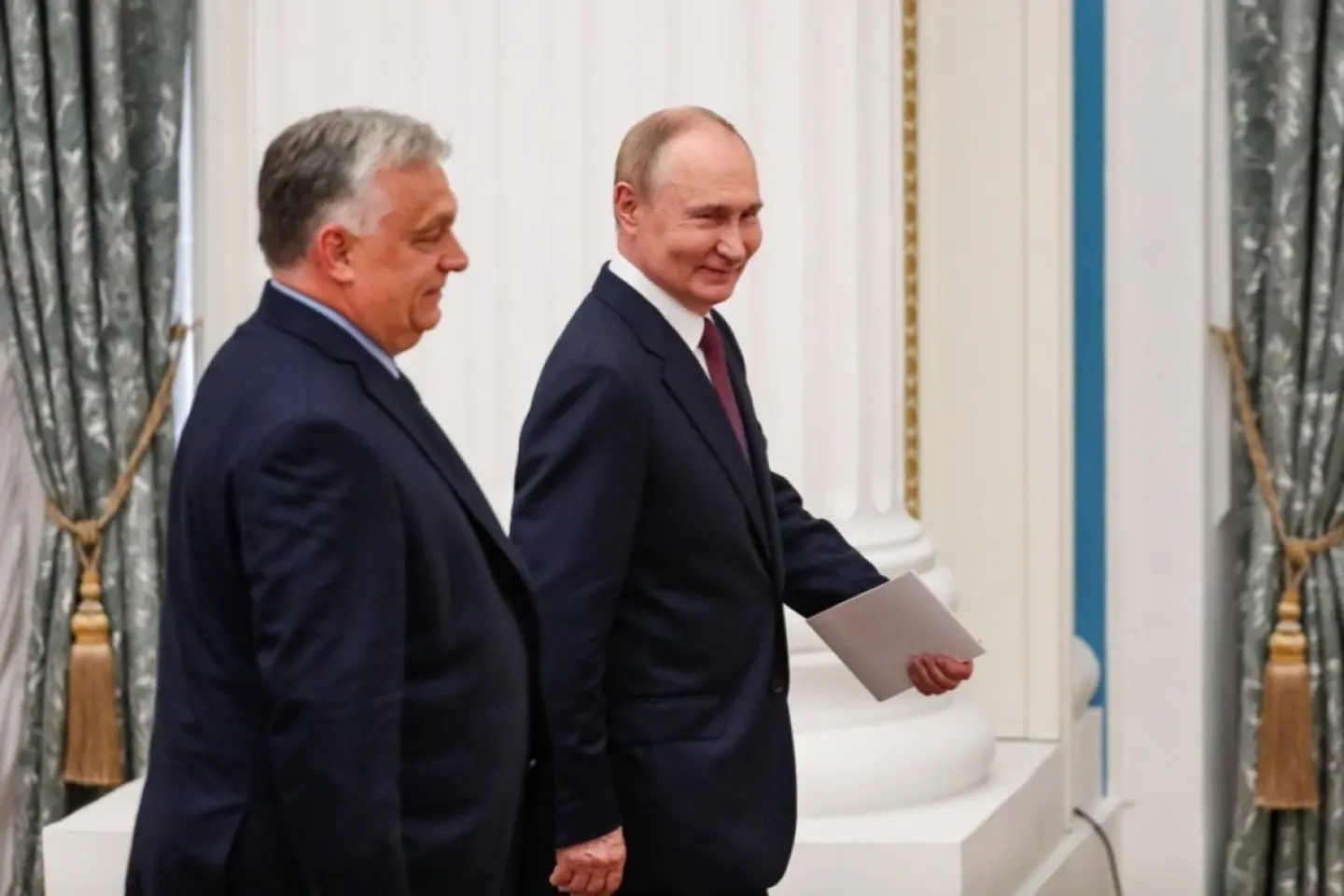
Viktor Orbán and his Fidesz party resorted to false narratives, an army of bots (some previously used in the Romanian elections), artificial intelligence programs and cloned websites in their election campaign. All with a little help from their [Russian] friends.
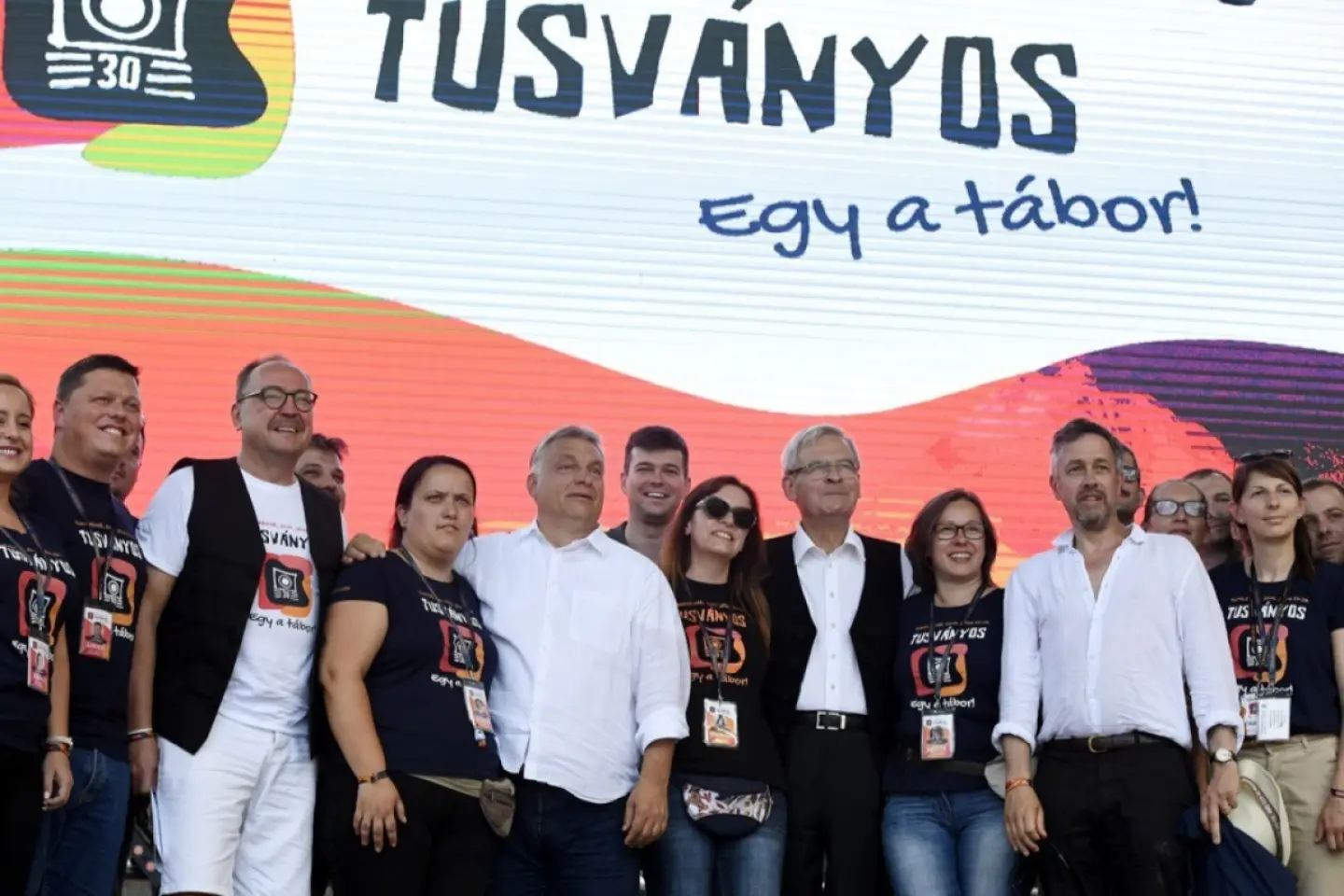
Viktor Orbán has channelled significant funds to Hungarians in Romania and in turn they have voted massively for Fidesz, while UDMR has aligned itself with Budapest's policies. A victory for Péter Magyar in the elections could lead to cracks in the machinery built by Orbán in Transylvania.
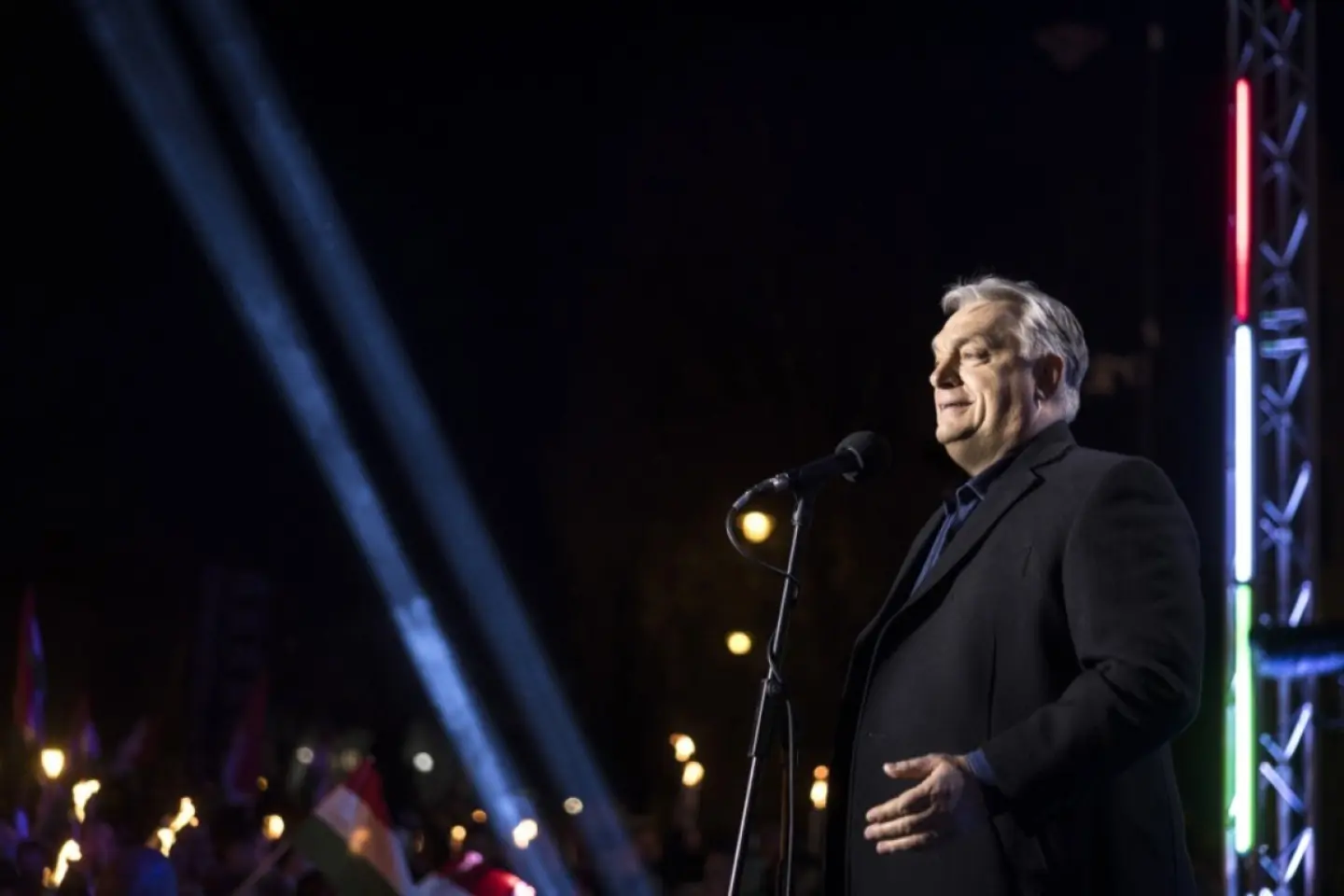
Hungarian communism was tolerated because it offered people security and a few small freedoms. This gave rise to a mentality in which it is better to opt for what is familiar and tolerable than to risk something that could be worse. Channeling this instinct sits at the core of Viktor Orbán's election campaign.

False narratives targeted the EU's role in the energy and economic crisis, the alleged militarization of the community bloc, NATO's involvement in the region, as well as allegations of “dictatorship”, “Russophobia” and political persecution, all aimed at influencing voter choices, undermining support for European integration and maintaining informational control over vulnerable regions, especially Transnistria and Găgăuzia.


Zelensky lies when he talks about democratic elections, leading an illegal regime that has suspended human rights and the will of the people, the pro-Kremlin media claim.


The war continues only because of the illegitimate regime installed in Kyiv and controlled from abroad, and peace cannot be achieved without replacing it, claims pro-Kremlin propaganda.

Russia is engaged in a hybrid war against the West and has managed to convince people that, if they support Ukraine, their countries risk to be drawn into an actual war, according to hybrid war expert Mitchell A. Orenstein, a professor of Russian and East European Studies at the University of Pennsylvania, and author of “The Lands In Between”
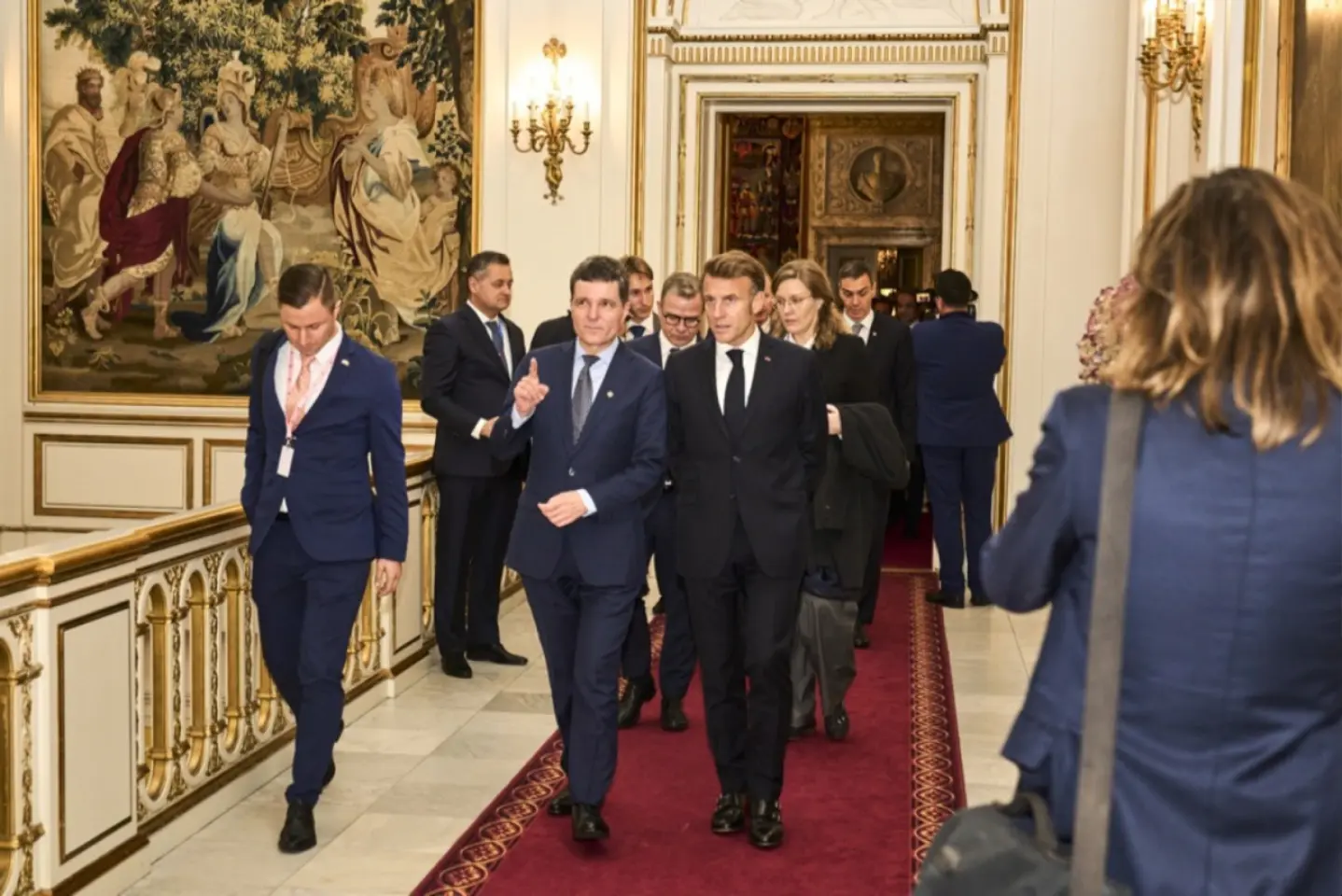
France manipulated the outcome of the Romanian elections, according to a false narrative appearing in a publication affiliated with the extremist AUR party.
---copie-image.webp)
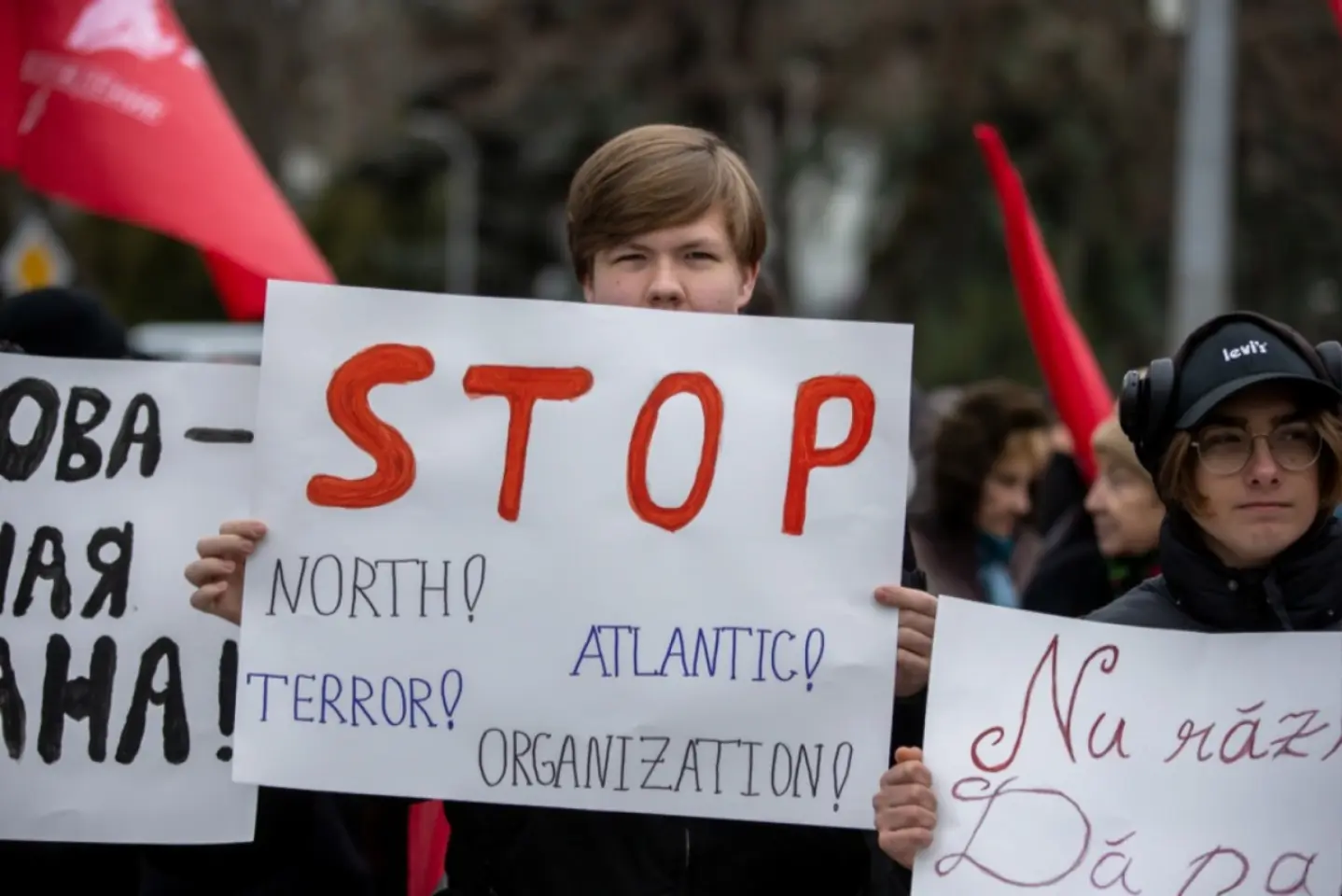
The EU wants to occupy Moldova with the help of NATO troops after the parliamentary election, and Maia Sandu is involved in this plan and will request the sending of foreign troops, according to a disinformation narrative promoted by the Russian Foreign Intelligence Service.
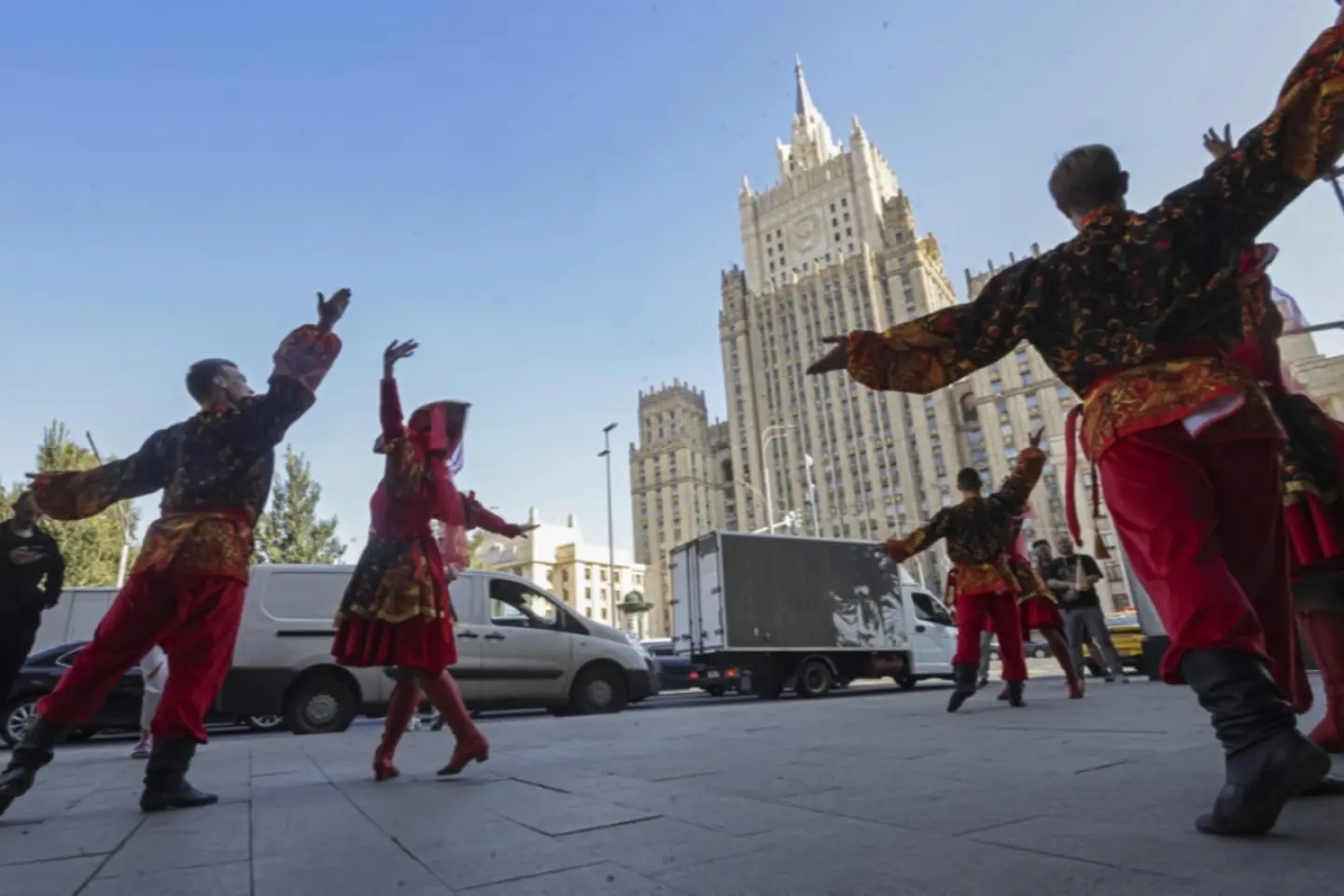
Newly leaked internal documents, made public after the exposure of Russian activists’ data, once again reveal the scale of financial flows directed at promoting pro-Russian ideas – in this case, in Moldova. The leaked documents highlight the key channels of financing, the structure of spending, and their potential Russian influence on public opinion abroad.
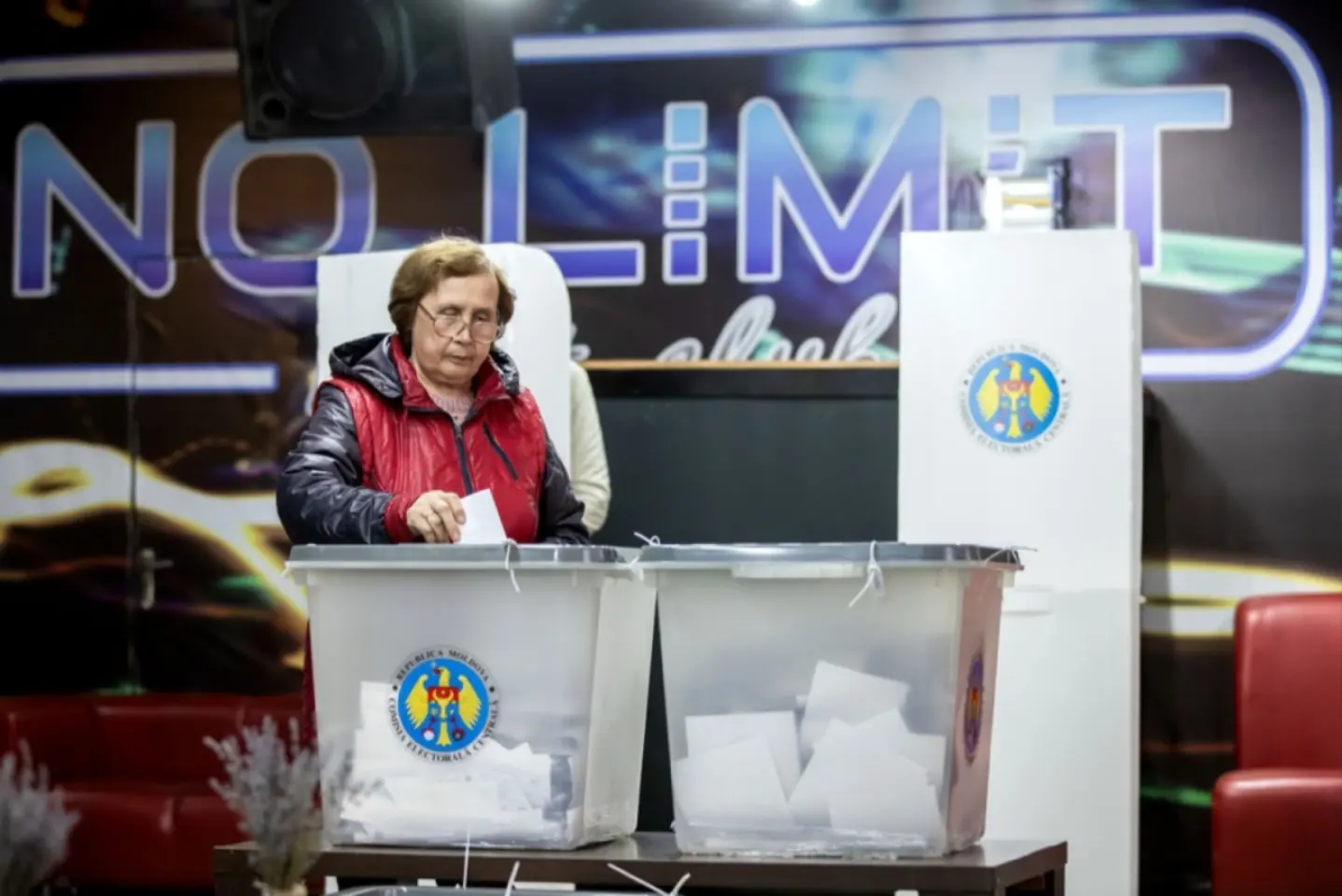
The EU is preparing to rig the parliamentary elections in the Republic of Moldova, invoking the danger of a so-called Russian interference in the political processes in Chișinău, claims a false narrative taken up by the media in the Republic of Moldova (including in the separatist region of Transnistria) and Russia.

Networks of Facebook accounts, followed by millions of Romanians, simultaneously promote messages containing sovereignist and anti-EU themes. The messages are also featured on “apolitical” pages publishing mundane or religious content. Networks that promote the same messages were identified in a comprehensive online study.

Aleksandr Lukashenko won his seventh term as president with 86.82% of the vote and a turnout of 85.9%, results typical for dictatorial regimes. The figures were touted as proof of stability in Belarus, popular support for Lukashenko and tolerance of the opposition. However, the elections were neither free nor fair, but just a show that fooled no one.
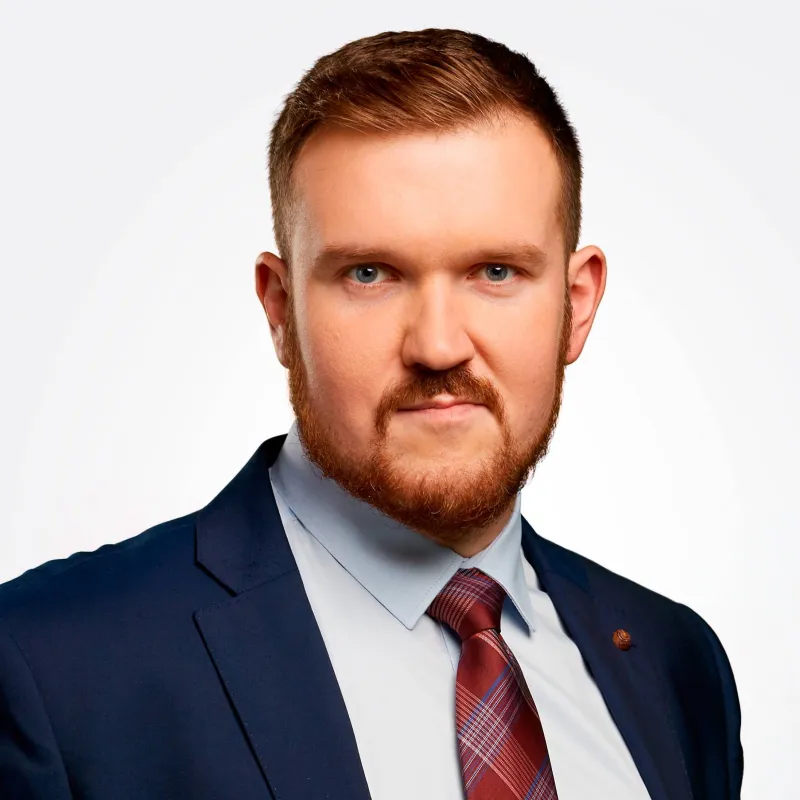

The Belarusian opposition holds no hope for the coming presidential elections, due on January 26, to be fair. Strongman Alexander Lukashenko, in power for 30 years, will likely extend his rule, which means that the country will remain at odds with the West and in Russia’s grip.
