

Romanians are among the biggest consumers of information on social media in Europe and, at the same time, among the most vulnerable to disinformation campaigns targeting their users.
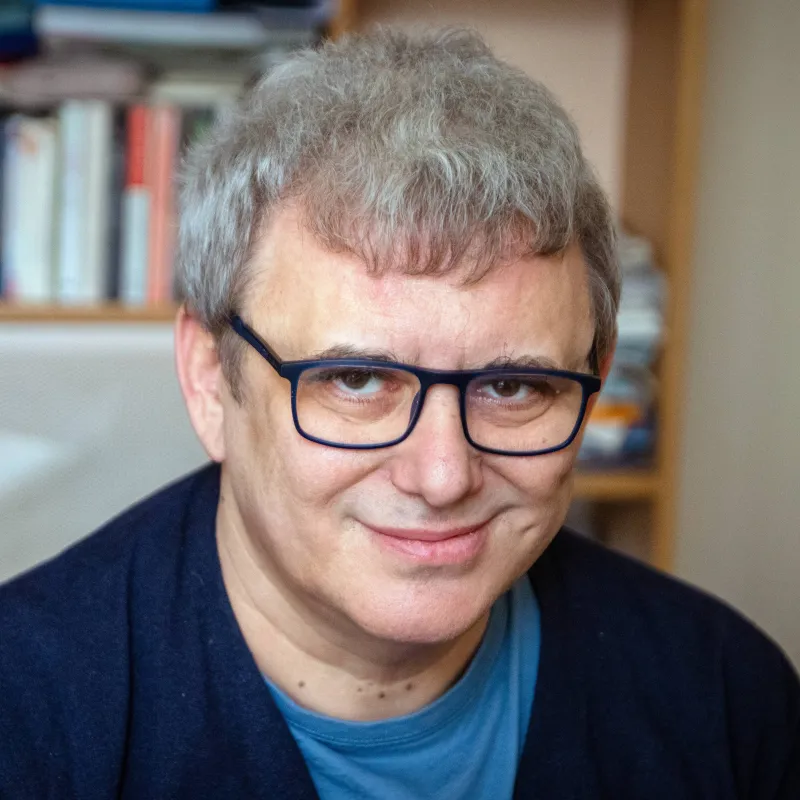
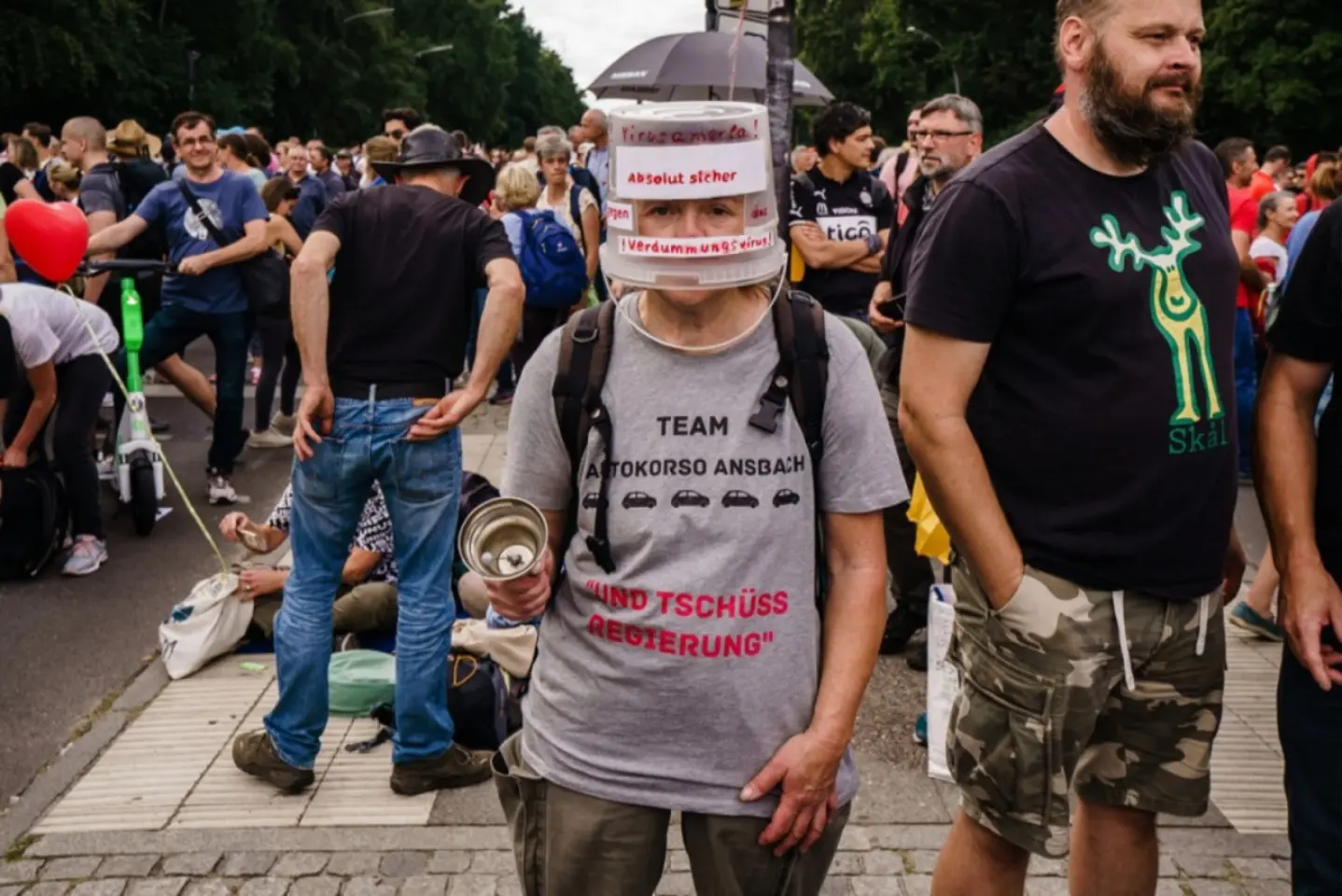
The EU is forcing us to eat insects, wants to replace Europeans with migrants, controls our internet, and manipulates our elections. These are some of the conspiracy theories targeting Brussels.
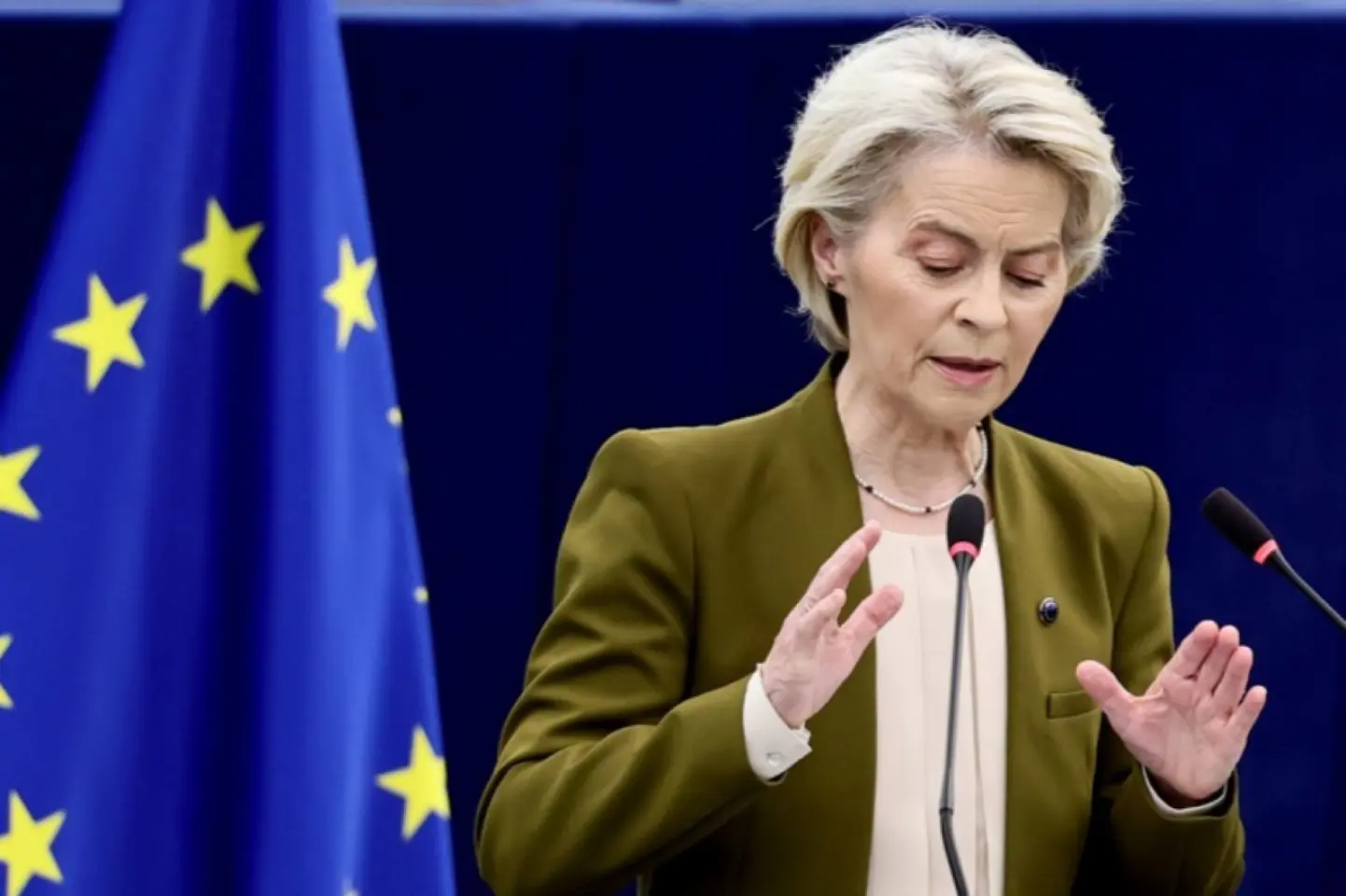
The European approach based on rules, deliberation and consensus seems ineffective in a world affected by multiple crises, with numerous actors refusing to play by the book. It is a world in which Brussels must (re)gain its relevance.

The tragedy in Gaza is forcing the EU, the supporter of a world order based on the morality of international relations, to rethink its policy towards the Middle East.
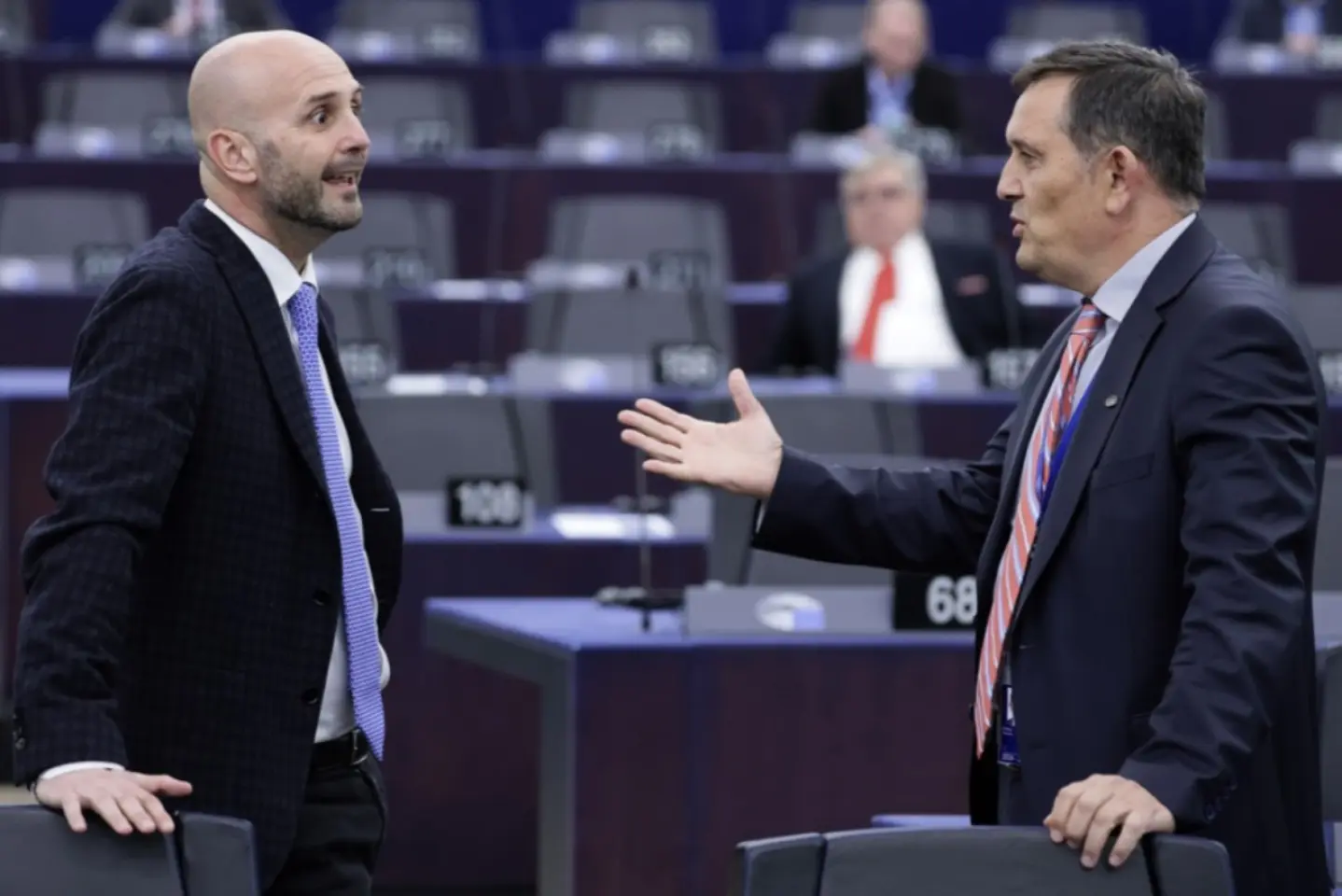
The no-confidence vote against the Commission has no chance of passing, but following the efforts of conspiracist and lawyer Gheorghe Piperea, von der Leyen will now have to answer the questions of MEPs.
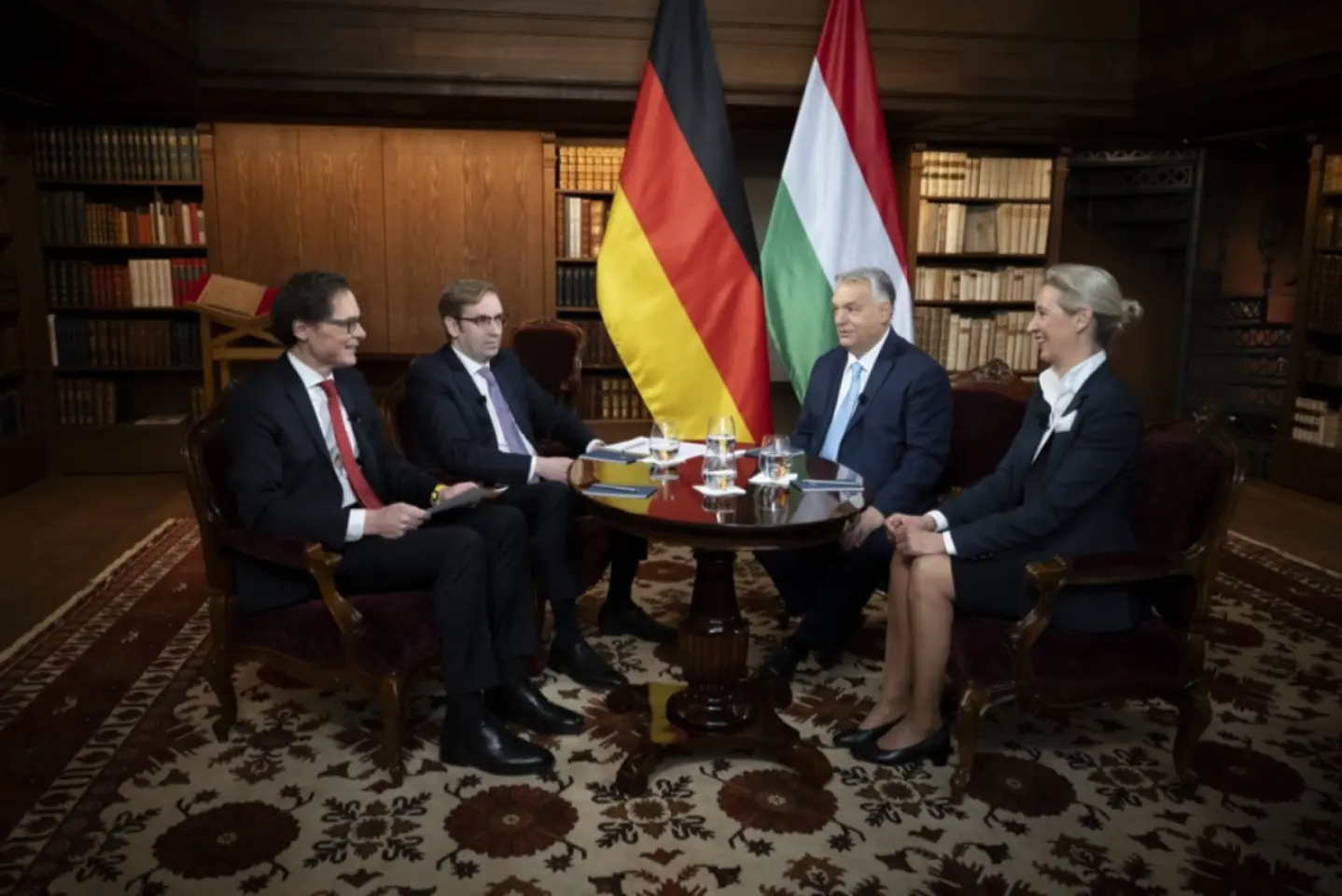
Viktor Orbán's ideology is promoted in Brussels at events organized by Mathias Corvinus Collegium, a university generously funded by the Budapest government.

By electing Nicușor Dan, Romania has scored an image-boost coup in Brussels and, at the same time, created expectations that are very difficult to satisfy. The potential benefits, but also the responsibility that befalls our country, are great.

George Simion wants to take over the MAGA image, and his good score in the presidential election has brought him to the attention of European extremists. However, a sovereignist policy would spell economic costs and political isolation for Romania.

The EU appears to be the rational and moral actor, abiding by the rules, in contrast to an unpredictable Donald Trump. As the so-called US soft power declines, the EU will gain geopolitical leverage.

The signals coming from the US regarding Ukraine and the transatlantic commitments are forcing Europeans to rethink their security. Obstacles: costs of hundreds of billions and extremists’ boycott.

Brussels is dismayed by the measures and positions taken by Trump. In the new geopolitical context, the EU is emerging as the last bastion of liberal democracies.

A new word is gradually gaining traction across media and political debates: “sovereignists”. How does it all impact liberal democracy? To what extent can sovereignists influence EU politics?

Russia's aggressiveness, China's expansion or the wars in the Middle East have all shown that the EU doesn’t have yet all it takes to be a relevant geopolitical player, although it aspires to this position.

Politicians have always sought to take advantage of the prestige the Olympic Games bring, using it to get their messages across. Tyrants like Hitler and democratic leaders like Emmanuel Macron made no exception.

The launch of EU accession talks with Ukraine and Moldova shows there is political will in the EU for the two countries to join. The process itself, however, could be complicated and lengthy.

A 100-billion-euro fund for Ukraine means a precise, long-term commitment with more offensive connotations than the support offered so far by the West.

The candidacy of Klaus Iohannis for head of NATO can benefit Romania. Iohannis's chance lies in the differences of opinion between East and West regarding the strategy of the Alliance.

The von der Leyen Commission's plan for EU countries to transition to “green” economies was met with resistance from farmers and skepticism from some politicians who’ve already embarked on the European Parliament election campaign.


