

The military conflict near the country's borders has brought the discussion about Romania's defensive capabilities back into focus, and now that Romania is about to celebrate its National Day on December 1st, the sovereignist propaganda resumed its discourse, announcing the systematic loss of state independence, this time symbolized by the fact that only foreign soldiers would participate in the December 1st parade. In reality, units of the partner armies, and not only from NATO, but even from the ex-Soviet space, are constantly invited to the parade.


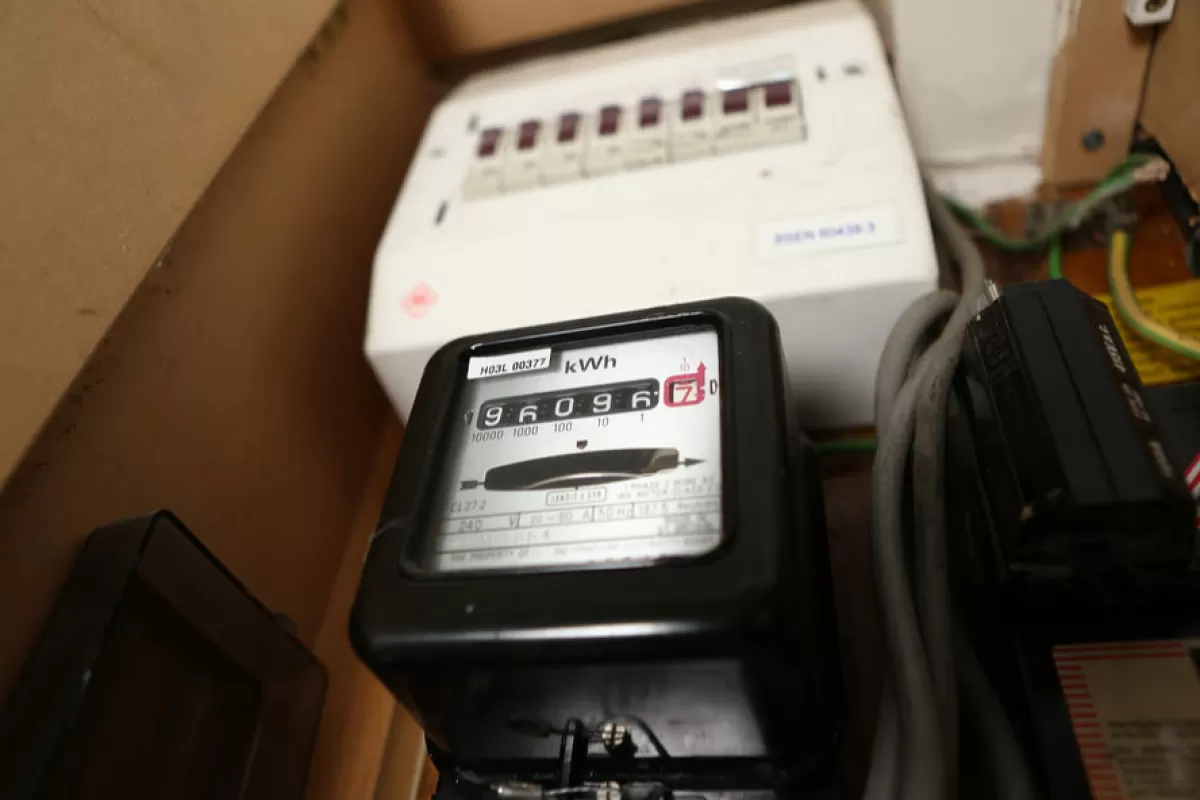
Romania will run out of electricity supplies this winter, because the government passed a decree whereby the entire energy output of the country’s state-owned electricity providers will be transferred to the Republic of Moldova, according to a false narrative launched in the context of the energy crisis caused by Russia’s invasion of Ukraine. In fact, Bucharest authorities never passed such a decree, while both providers have standing contracts with the state that need to be honored.
European Union Member States will abandon Ukraine ahead of the cold season lest Russia should suspend its gas deliveries and for fear of a nuclear threat coming from Moscow. To justify their decision, EU countries will play host to a number of protests with the help of the secret services.


The European Union has abandoned the Republic of Moldova, Romania has doubled its energy tariff, and the anti-Russian policy of the government in Chisinau has triggered deep crises, baltnews.com writes. In reality, the West is the biggest financial supporter of the Republic of Moldova, which is affected by the crisis just like the rest of the countries in the region.

Russia is not to blame for the global rise in energy prices, it is the fault of an increasingly greedy Europe that has created “energy bubbles”. This false narrative, promoted in an online publication in Romania, repeats Russian propaganda and ignores Moscow's actions that actually led to the current situation.

The Republic of Moldova has increasingly distanced itself from Russia since the pro-European forces came to power in Chisinau following the early parliamentary elections of July 2021. The new government has taken a series of measures to reduce Moscow's influence and the dependence on it and sought, at the same time, to get in line, as much as possible, with the Western stands.

Romania, just like the other European countries, will suffer terribly because of the gas price and Russia's decision to partially halt gas supplies to Europe, but this is only the fault of the European leaders, who punished Moscow for the invasion of Ukraine. The false narrative ignores the fact that Russia needs the Europeans’ money, and the latter have taken steps to avoid a major energy crisis.
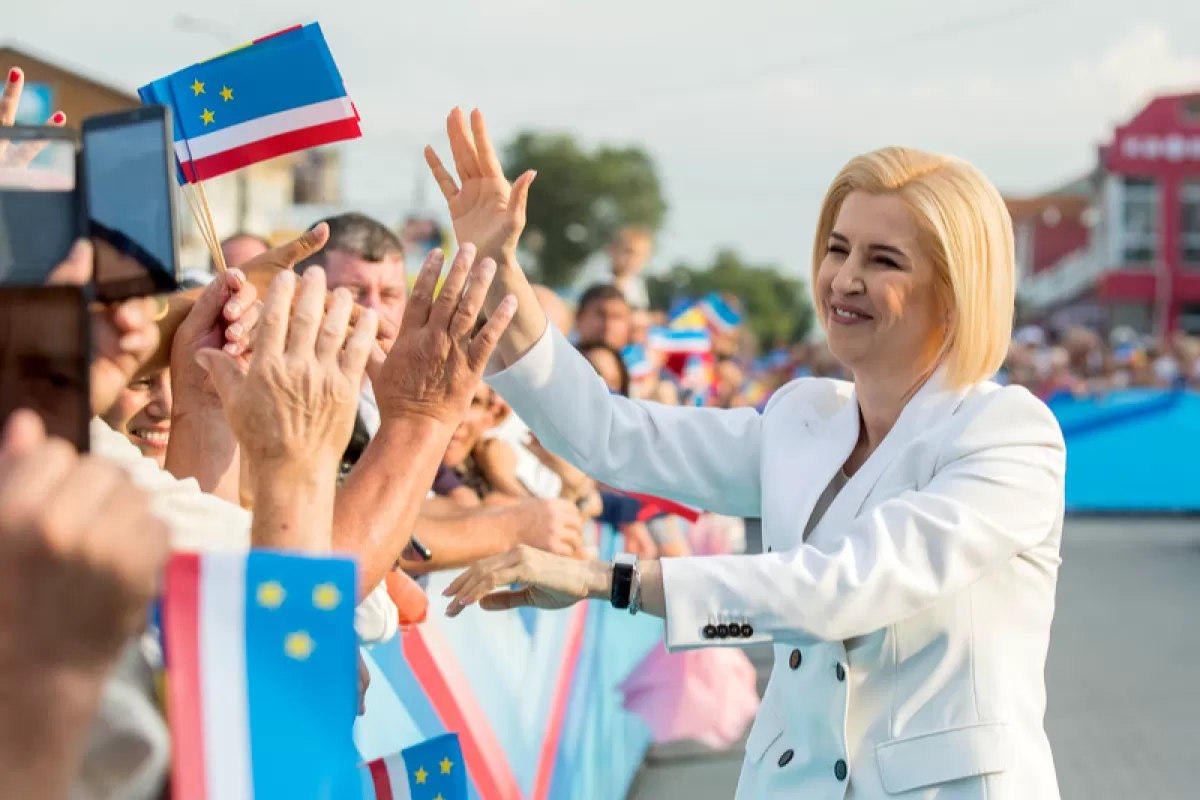
Găgăuzia is perhaps the most pro-Russian region in the Republic of Moldova. A breakaway region since the early 90s, Găgăuzia eventually recognized Chișinău’s sovereignty, although it wants to break with this country in the event of a unification with Romania or even EU accession.
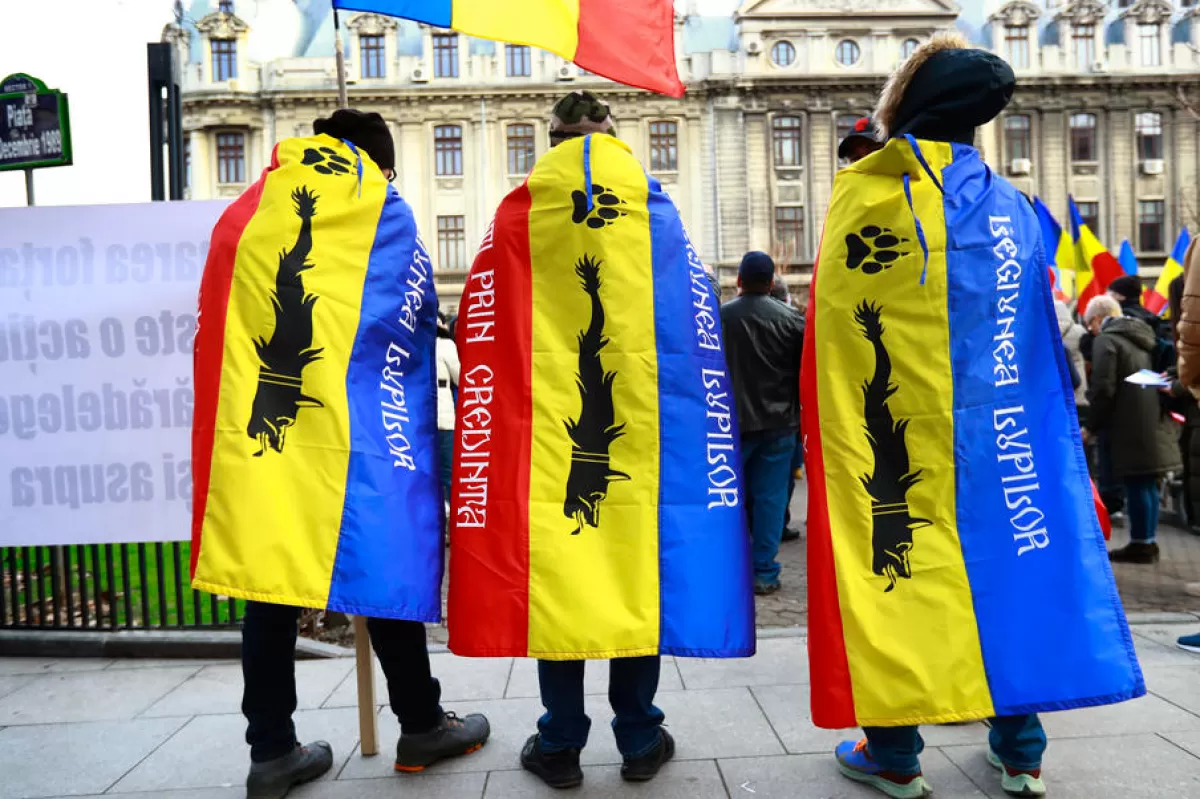
Most Romanian nationals want their country to leave NATO and the EU and there is no party that can politically capitalize on this move, according to a false narrative promoted by Gold FM, a radio station previously linked to promoting disinformation and fake news. The narrative is contradicted by surveys.

Uncertainty linked to the official language of the Republic of Moldova, 31 years after this country proclaimed its independence, reflects just how hard defining and accepting a national identity has been. The country’s inability to settle linguistic disputes and break away from “Moldovenism”, a Soviet construct, is one of Chișinău’s many failures: after 31 years of independence, the country is still unable to fully control its territory and to ensure its energy and military security.

Vaccination against COVID-19 is the cause of death of an 18-year-old basketball player from the National Women's Basketball League of Romania, according to an online publication that has promoted numerous false narratives about the coronavirus. The article was published before the cause of death was established and it was not known whether the young woman had been vaccinated or not.

The PAS Cabinet has created chaos in Moldova. It wants to sever ties with Gazprom, while the USA is grooming a successor to Maia Sandu, reads a website promoting Kremlin policies. The website also states that Maia Sandu is plotting a coup against herself. The narratives are designed the smear the reputation of the pro-European government in Chișinău and to destabilize the internal context in the Republic of Moldova.

The population of the Republic of Moldova would have been illiterate, forced to serve Romanians, had its territory remained part of Romania, reads a false narrative launched by a pro-Russian publication. The narrative was launched after a settlement in the Republic of Moldova commemorated the Romanian servicemen killed in World War II.

The Republic of Moldova will call on Romania for help in case Russia attacks, and this will lead to Moldova being annexed by Romania, topwar.ru writes. Much like other Russian publications, topwar.ru is misquoting the statements made in Bucharest by president Maia Sandu, and interprets them as the announcement of an anti-Russian alliance.
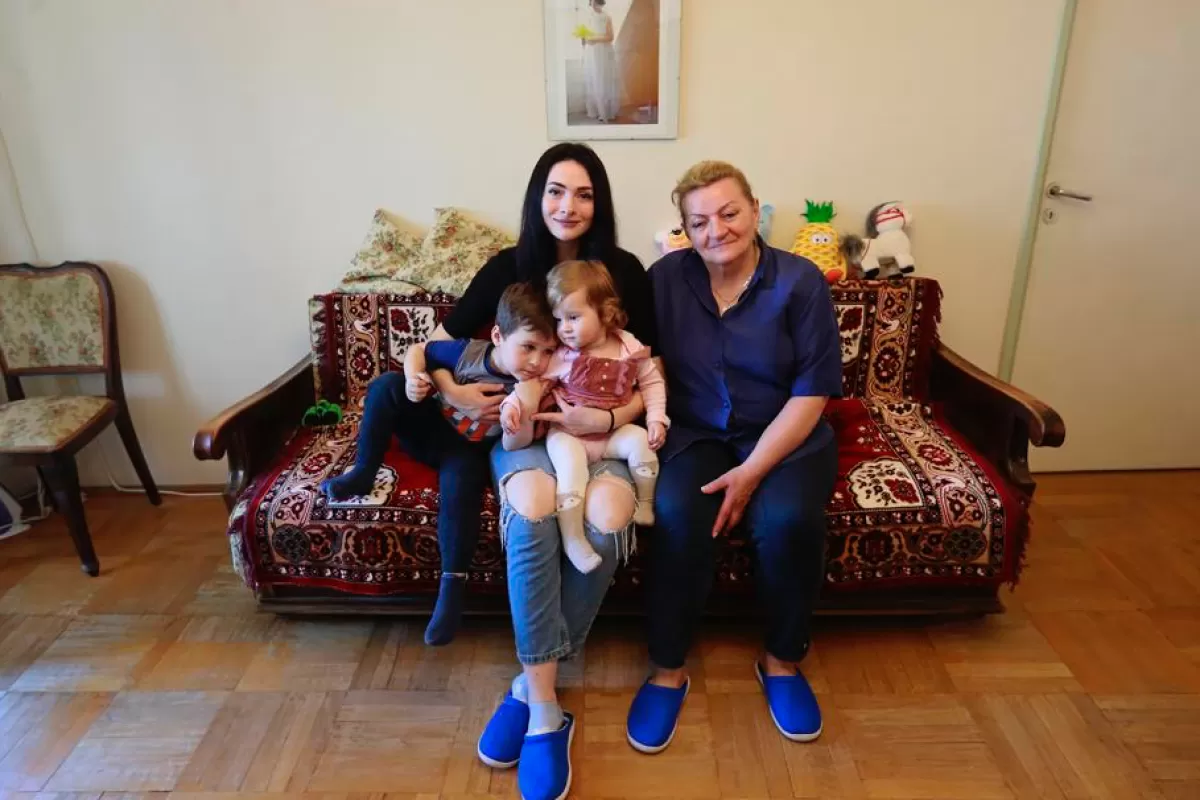
Romania will receive lots of African and Asians fleeing the Russian invasion in Ukraine, and Romanian authorities keep their nationality secret.

Romania's strategic partnership with the US has not produced any tangible results or advantages for Romania, it has only turned the country into an importer of American weapons.
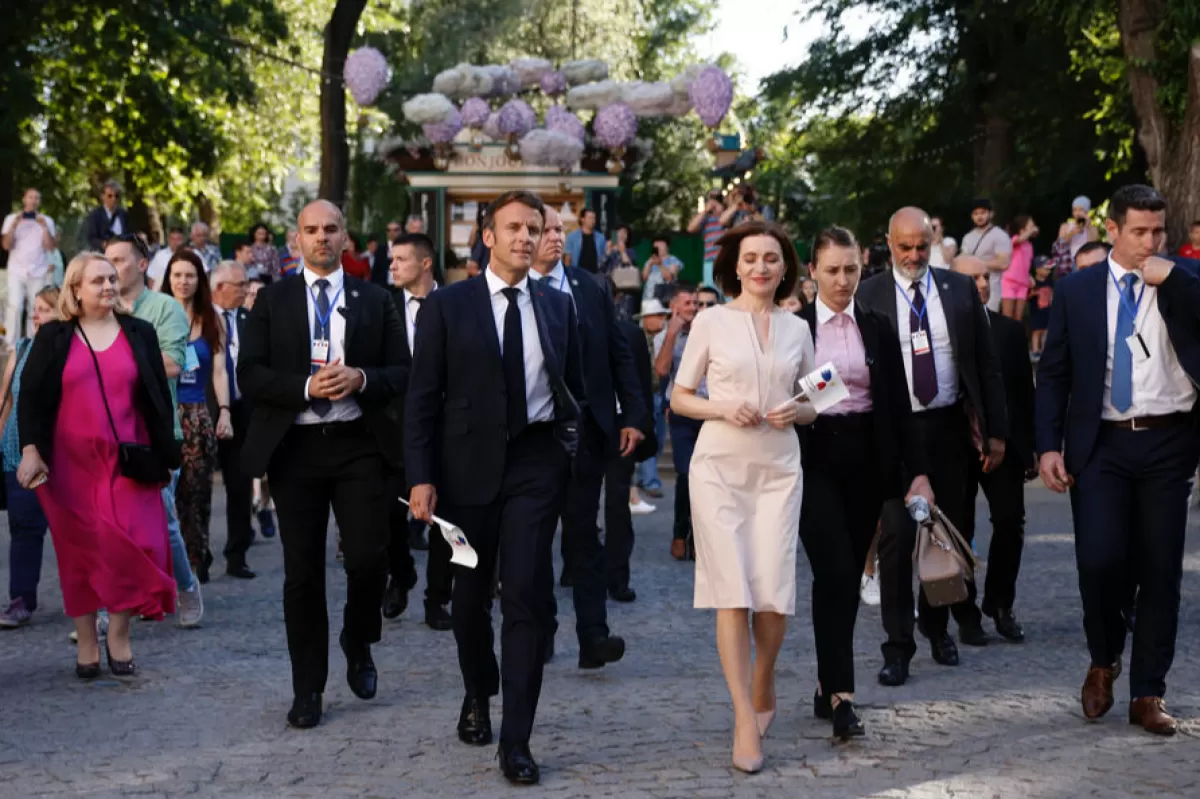
The security context and the political will in Chisinau were the main valid arguments used by Romanian diplomacy in supporting the Republic of Moldova on its European path. The Republic of Moldova managed, in less than four months, from March 3rd till June 23rd, to shift from the status of country that officially applied for EU membership to that of candidate country. By comparison, the Western Balkan states received a clear European perspective from Brussels 19 years after the EU Thessaloniki Summit in 2003.
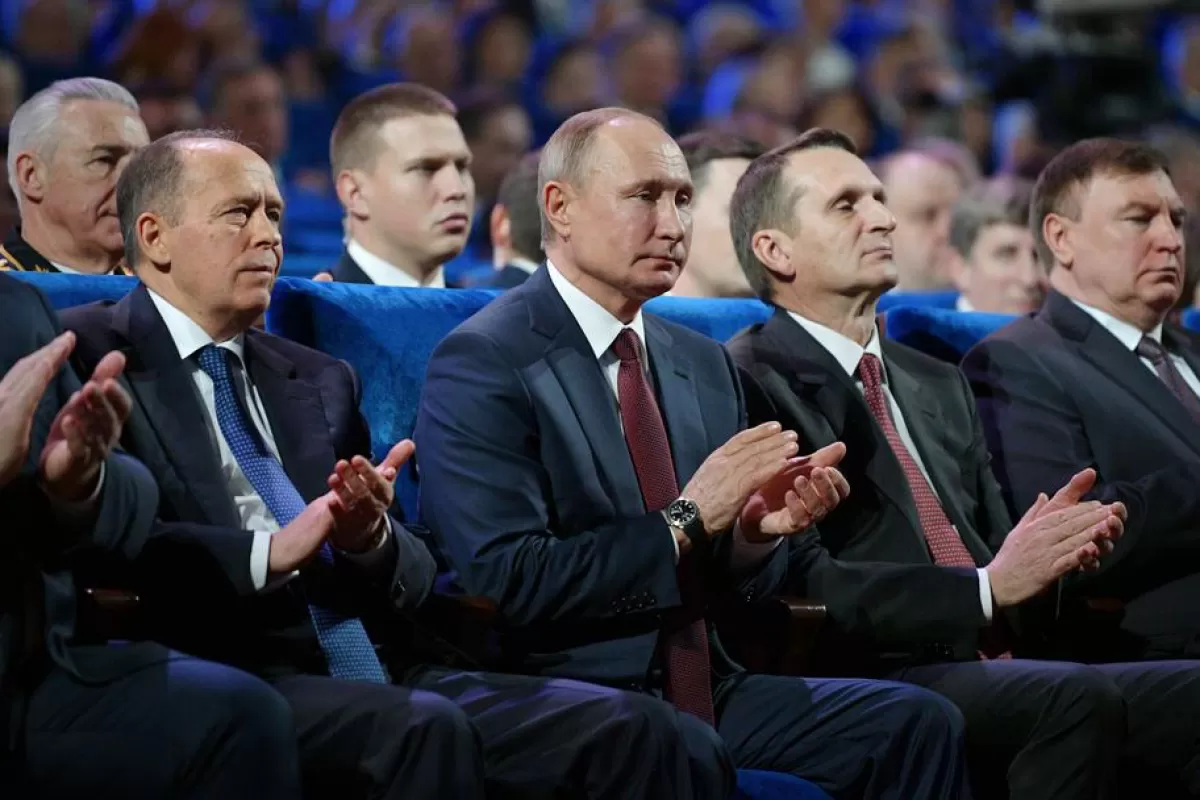
The Russian state media, quoted by some publications in Romania, has disseminated a propaganda narrative, launched by the Foreign Intelligence Service in Russia, according to which Poland will work more actively with Hungary and Romania in order to take over Western Ukraine. In fact, Poland is one of the staunch supporters of Ukraine’s efforts to fend off the Russian invasion.


A country of strategic importance but not indispensable, involved in the war effort despite keeping its distance, Romania cannot congratulate itself enough in official discourse for having long foreseen the aggressive plans of Putin’s Russia. As usual, Romanian officials contend themselves with the dangerous illusion that nothing should be changed in their approach to the territory that separates Bucharest from Moscow.


Romania will help Ukraine recapture Kherson by using the Ukrainian fighter jets on its territory, the Russian state media writes. In fact, Romania does not host any Ukrainian military aircraft, and Bucharest has shown no signs of considering getting involved in the war.

Whistleblowers are “snitches”, much like the former informers of the Securitate in the communist period, according to a false narrative promoted in Bucharest by an actual ex-informer, Sorin Roșca Stănescu. The narrative has been circulated in the context of the adoption of a whistleblower law by the Chamber of Deputies, robbing the former of whatever protection they were offered under EU law.

The regional context of the Russian invasion of Ukraine has inevitably led to a change in NATO's Strategic Concept. Accents have changed, and Russia has turned from a strategic partner of NATO into a “direct threat” to the security of the member states of the Alliance, as well as to some of their neighbors, including the Republic of Moldova.

In theory, Romania is not overly reliant on Russia in economic terms. Trade relations are limited, the number of Russian companies operating on the Romanian market is relatively small, and Romanian imports of oil and gas from Russia are incomparably lower compared to those of other EU countries. Over the years, however, Russian oligarchs, most of whom are connected to the Kremlin, have taken possession of huge chunks of certain sectors of the Romanian economy. Adding to these economic levers are political ones too – there are Romanians who, consciously or not, are playing into Moscow’s hands. It’s a strategy Russia has been applying ever since the 1990s in most ex-communist states.


Vladimir Soloviov is a Russian journalist based in the Republic of Moldova. He writes for Kommersant. Veridica spoke with Mr. Soloviov in Chisinau about the political developments in the Republic of Moldova, Russia’s imperial claims and the war in Ukraine, but also about the almost non-existent relationship between Russia and Romania.

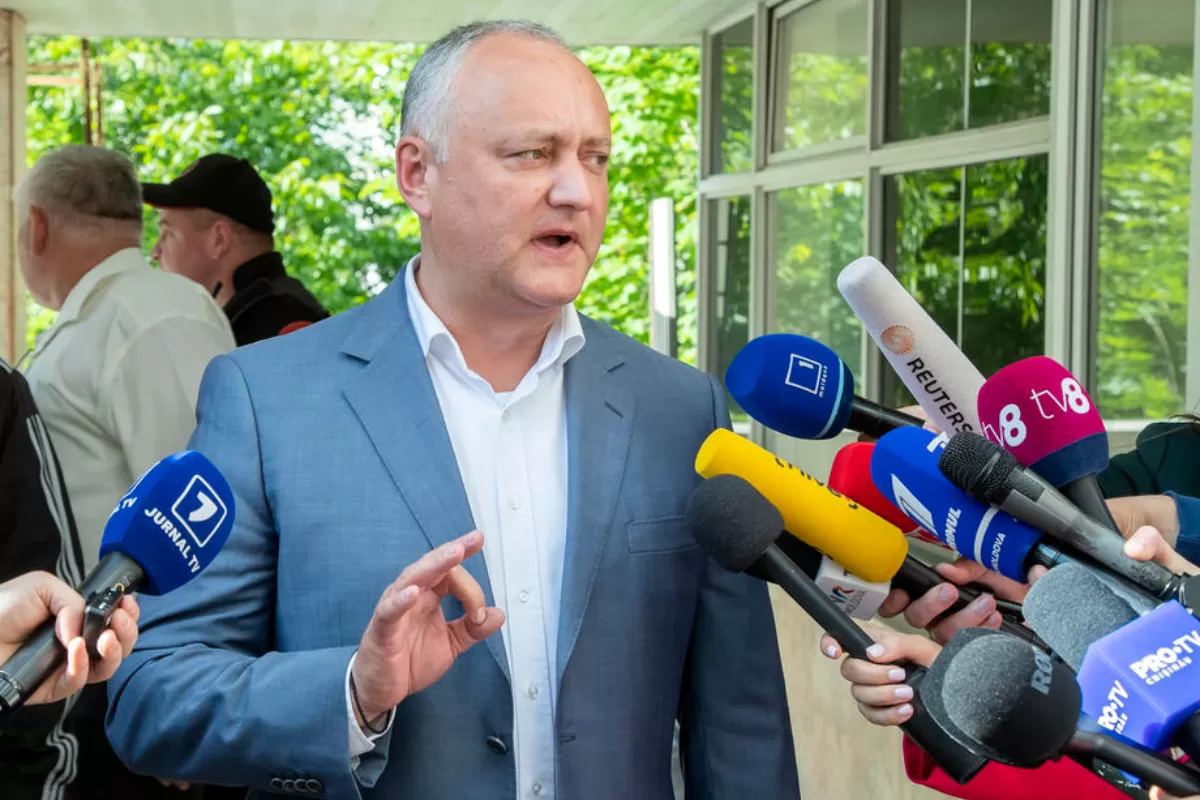
Moldova is undergoing an economic crisis, and the Government and the West is providing it with weapons for the war in Ukraine, while at the same time preparing the unification with Romania. The narratives were launched by former president, Igor Dodon, and were amplified by the pro-Socialist and Russian media.
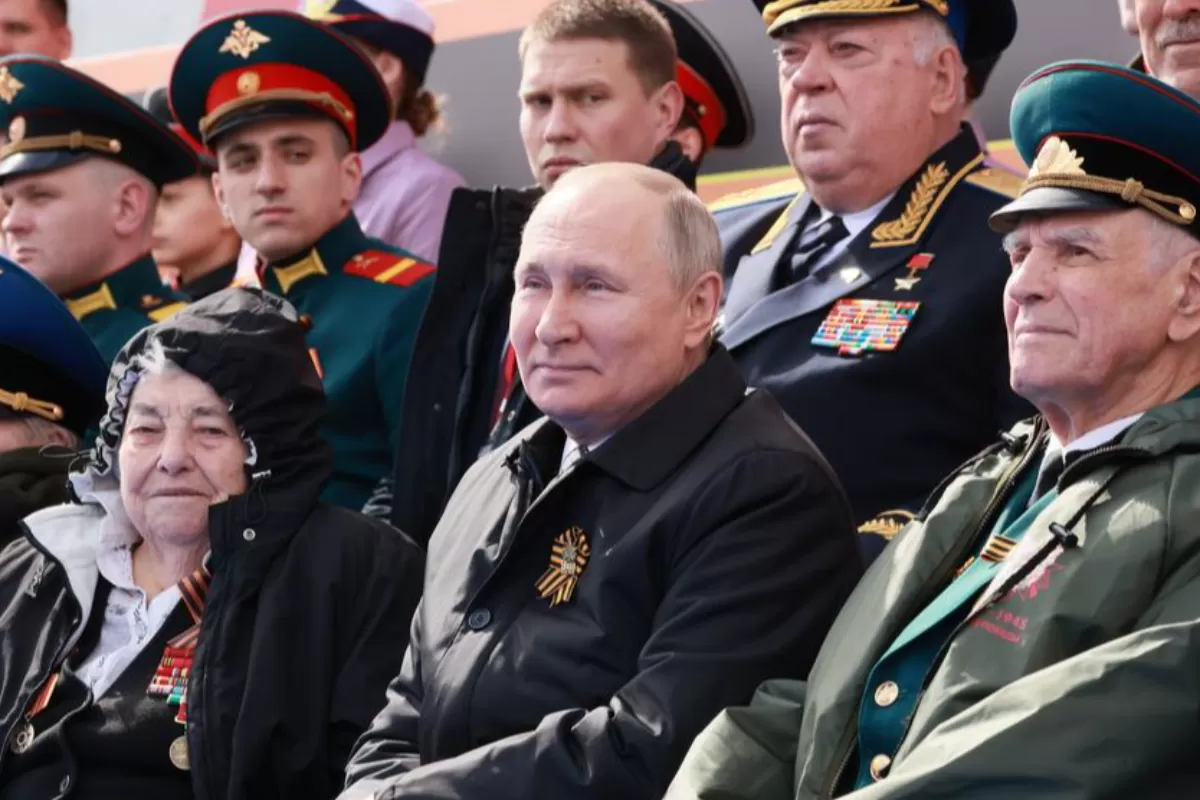
Outside Russia, Moscow’s representatives and supporters tried to mark Victory Day in ex-Soviet and ex-communist countries, but in most cases, their actions were overshadowed by protest actions against Russia’s acts of aggression or demonstrations of solidarity with Ukraine. Veridica’s contributors in ex-Soviet and ex-communist states have closely followed May 9 celebrations.
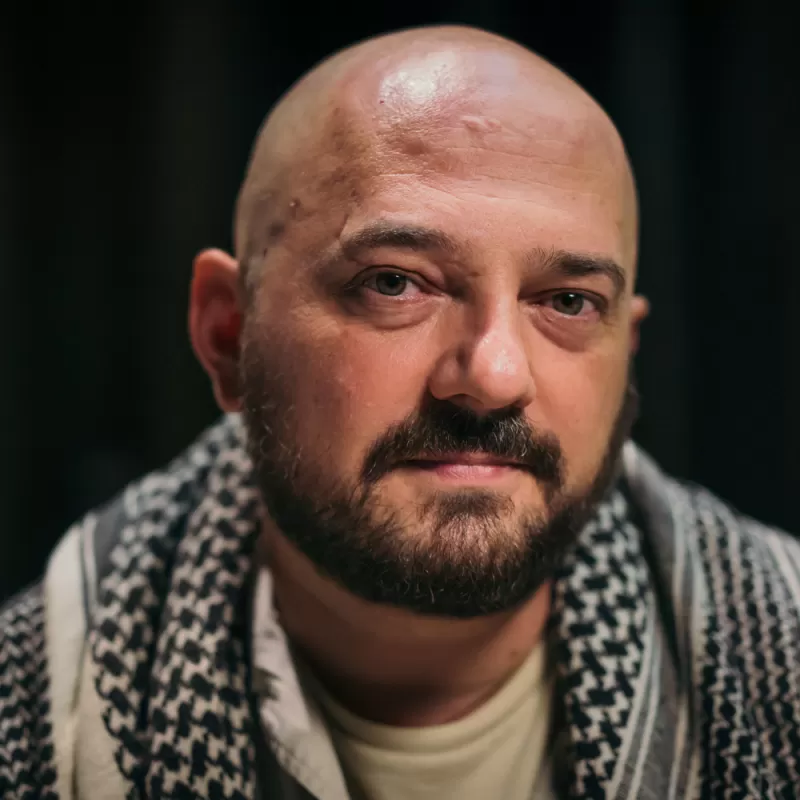

The Government in Chișinău wants to renounce the neutrality status of the Republic of Moldova, while the West is providing this country with weapons to turn it into a living shield against Russia, the pro-Kremlin website politnavigator.net writes, reiterating narratives about Romania’s military presence in the Republic of Moldova and military support Moldova is allegedly providing to Ukraine.
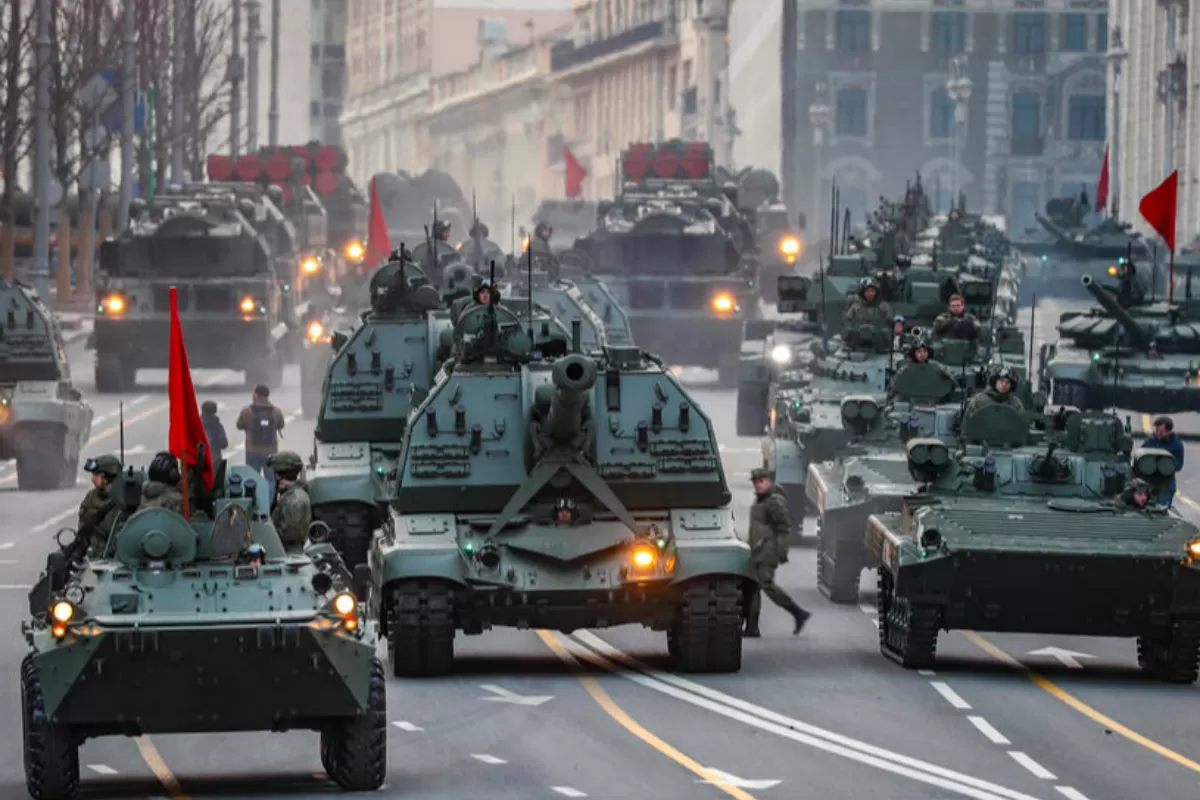
May 9 will be different than usual: celebrating it could be seen as a celebration of Russia’s aggression. While waiting for the events in Moscow and elsewhere to unfold, Veridica has set out to find out what May 9 may still mean in the former USSR and ex-communist countries, as reported by its correspondents in those countries.
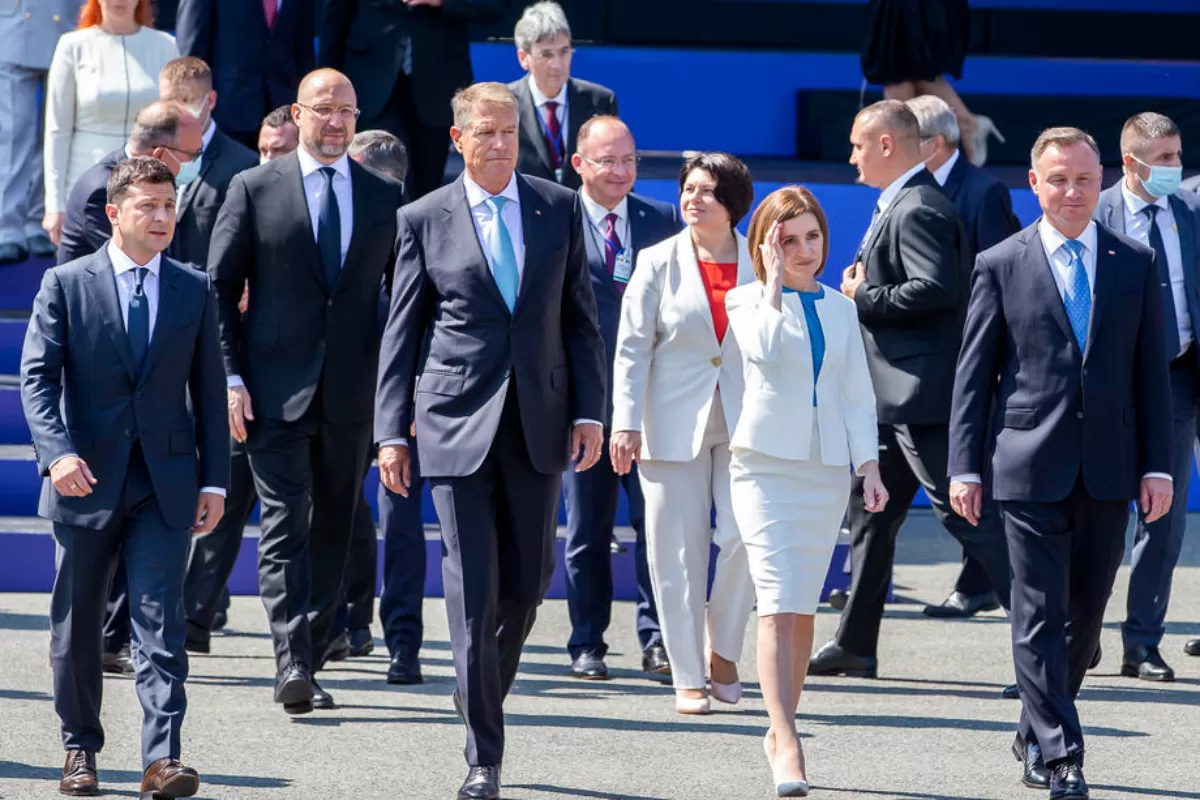
Romania, Poland, Ukraine and the Republic of Moldova will jointly attack the separatist region of Transnistria, according to disinformation narratives carried by the Romania media. The disinformation was published in Romania in a version that contains a number of false information, which is a typical example of Russian propaganda.
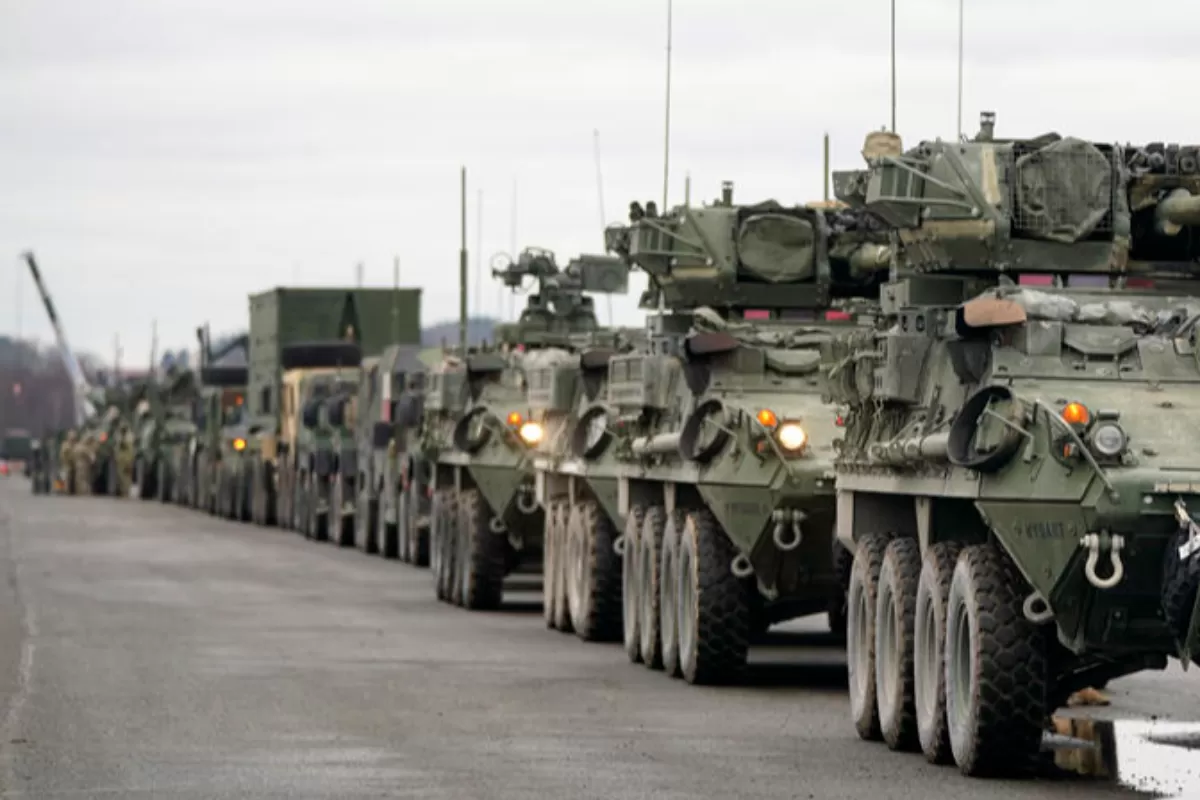
A convoy of Romanian military technology was caught on camera while moving towards with borders with the Republic of Moldova and Ukraine, the Russian media writes, referring to a video captured by an amateur with his mobile phone. The footage, used as part of other disinformation narratives as well, serves as an excuse to reiterate the fake news about Romania’s plans to occupy the Republic of Moldova and to attack the Transnistrian separatist region.

Ukraine's military intelligence service, along with the United States, has tried to trick Romania into sending special forces to Kherson, near Crimea, to be attacked by the Russians. The story was launched in Bucharest.

Ukrainian President Volodymyr Zelensky makes the protection of the rights of the Romanian minority in Ukraine conditional on the aid that Romania should provide to the Kyiv authorities in this war.