
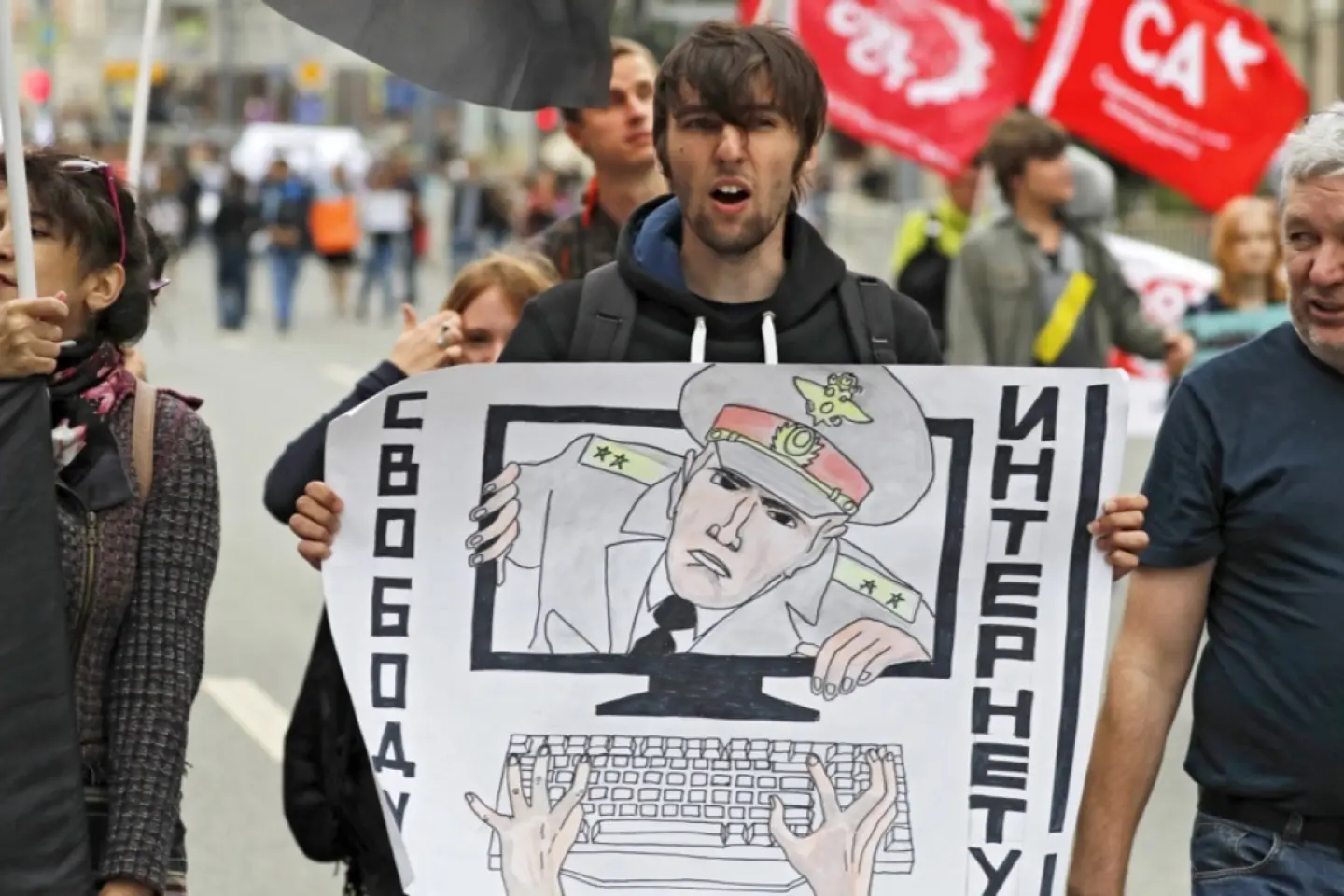
Russia has spent more than a decade building a system of total digital surveillance: from the SORM interception infrastructure to the state-promoted MAX messenger. Investigative journalist Andrey Zakharov, author of “The Russian Cyberpunk. How the Kremlin Builds a Digital GULAG”, explained Veridica how data turns into criminal cases, why the system runs above all on fear, and why its weakness is built into its very design.

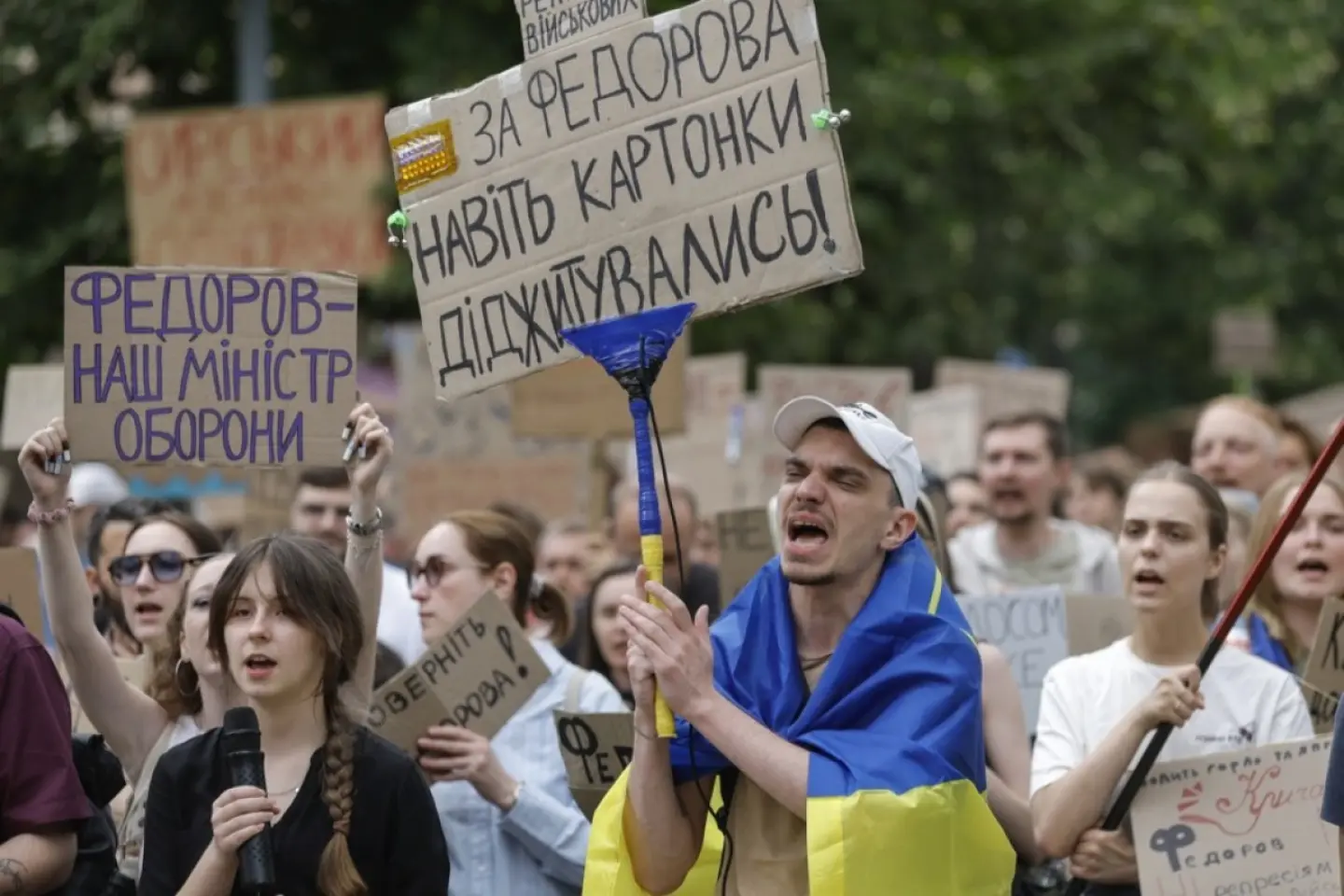
Ukraine’s reform-minded defense minister Mykhailo Fedorov, and conservative Commander in Chief of the Armed Forces Oleksandr Syrskyi, who were at odds with each other, were both dismissed in July, to be replaced with security heavyweight Yevhen Khmara, and rapidly rising frontline general Mykhailo Drapatyi.

As Alexander Lukashenko’s dictatorship hardened, former Belarusian law enforcement officials decided to put their skills in the service of the opposition and, to that end, they established a group named BELPOL. Vladimir Zhigar, a former criminal investigator working with the BELPOL, gave Veridica some insight about the group’s activities and motivation.
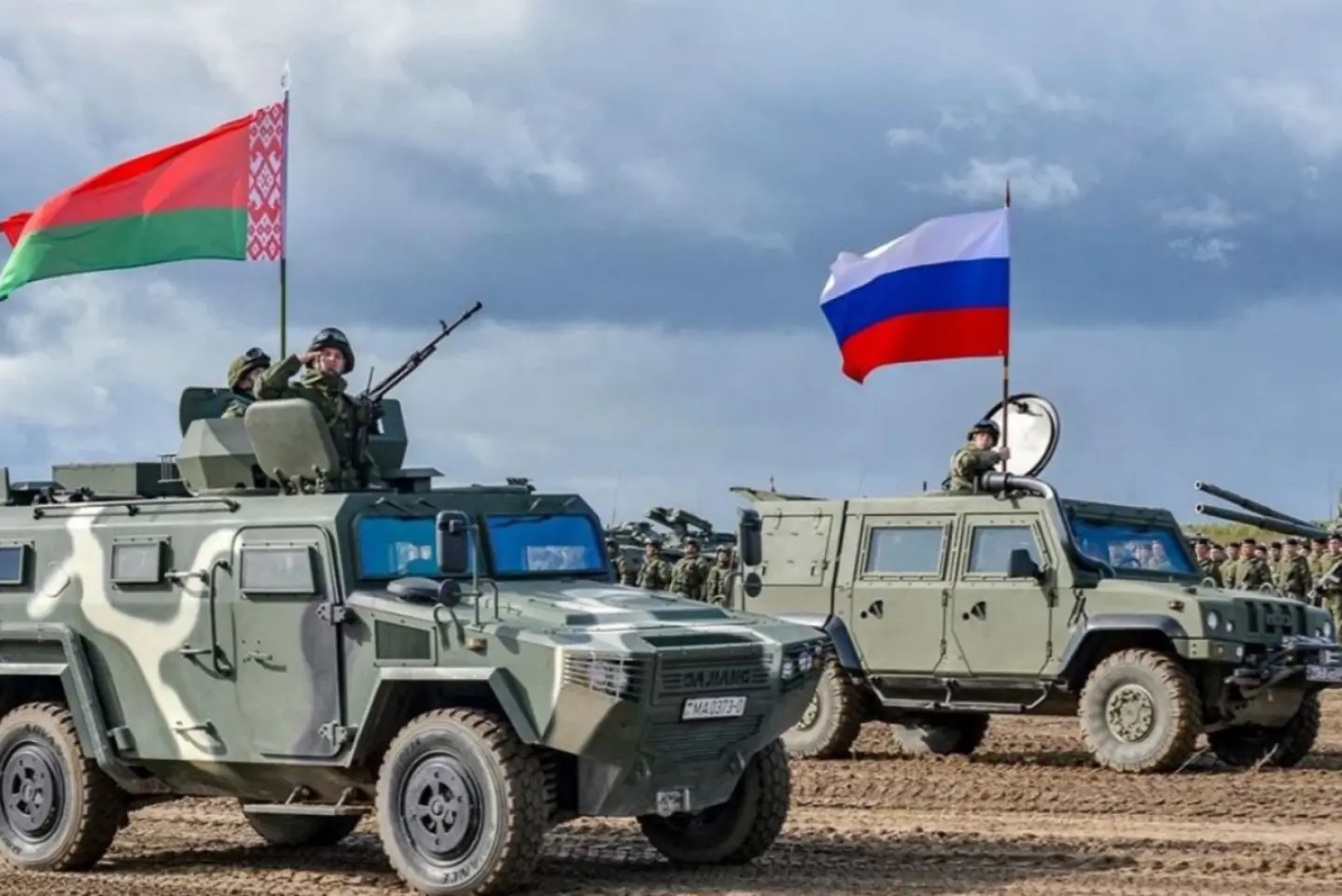
n September, Belarus and Russia will stage another round of military drills. In an interview with political analyst Alexander Friedman, we assess the stated goals versus the real purpose, the scenarios Moscow may test using Belarusian territory, the pressure tools available to the Kremlin, and the implications for NATO and EU planning - from border incidents and drones to migration and cyber pressure.
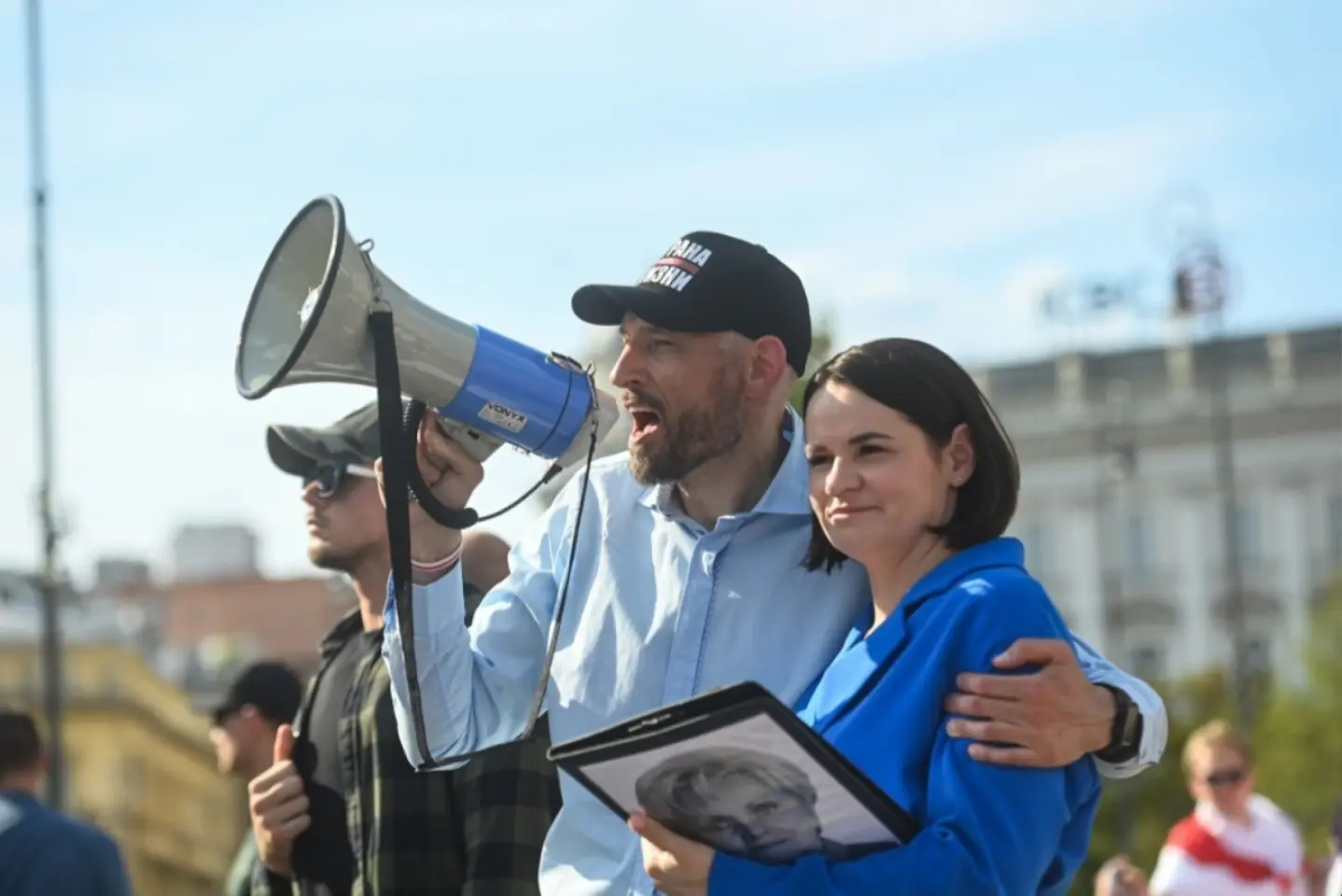
Released after 5 years in solitary confinement, Sergei Tsikhanouski – husband of opposition leader Svetlana Tsihanouskaya – urges the West to maintain pressure on Minsk and outlines possible scenarios for change in Belarus – from internal collapse to changes in Russia.

Speaking ahead of the planned Trump-Putin meeting in Alaska, Oleksiy Goncharenko outlines Kyiv’s red lines, warns against decisions made without Ukraine, and stresses the need for a united Western position to end the war.

The Belarusian opposition holds no hope for the coming presidential elections, due on January 26, to be fair. Strongman Alexander Lukashenko, in power for 30 years, will likely extend his rule, which means that the country will remain at odds with the West and in Russia’s grip.

Russia needs weapons and people from allies like North Korea to keep the war in Ukraine going, says the Russian independent international relations expert Pavel Luzin.

Pavel Matsukevich says Aleksandr Lukashenko has released some opponents because he knows he can throw them in jail any time, not because he got a deal with the West.

The transition to the next stage of Russia's development is possible only through a violent civil conflict, Russian independent political analyst Alexander Morozov claims.

July 20 marked the 30th anniversary of the establishment of Alexander Lukashenko's regime. Four years ago, his political stability in Belarus was seriously undermined by mass protests: democratic Belarusians at the time called for new elections and supported Sviatlana Tsikhanouskaya. The break-up of demonstrations was followed by a brutal repression that forced many of them to leave the country, including the leader of the democratic forces. Veridica spoke to Tsikhanouskaya about the current state of the opposition, the release of political prisoners and what we can expect from the presidential election slated for next year in Belarus.


