
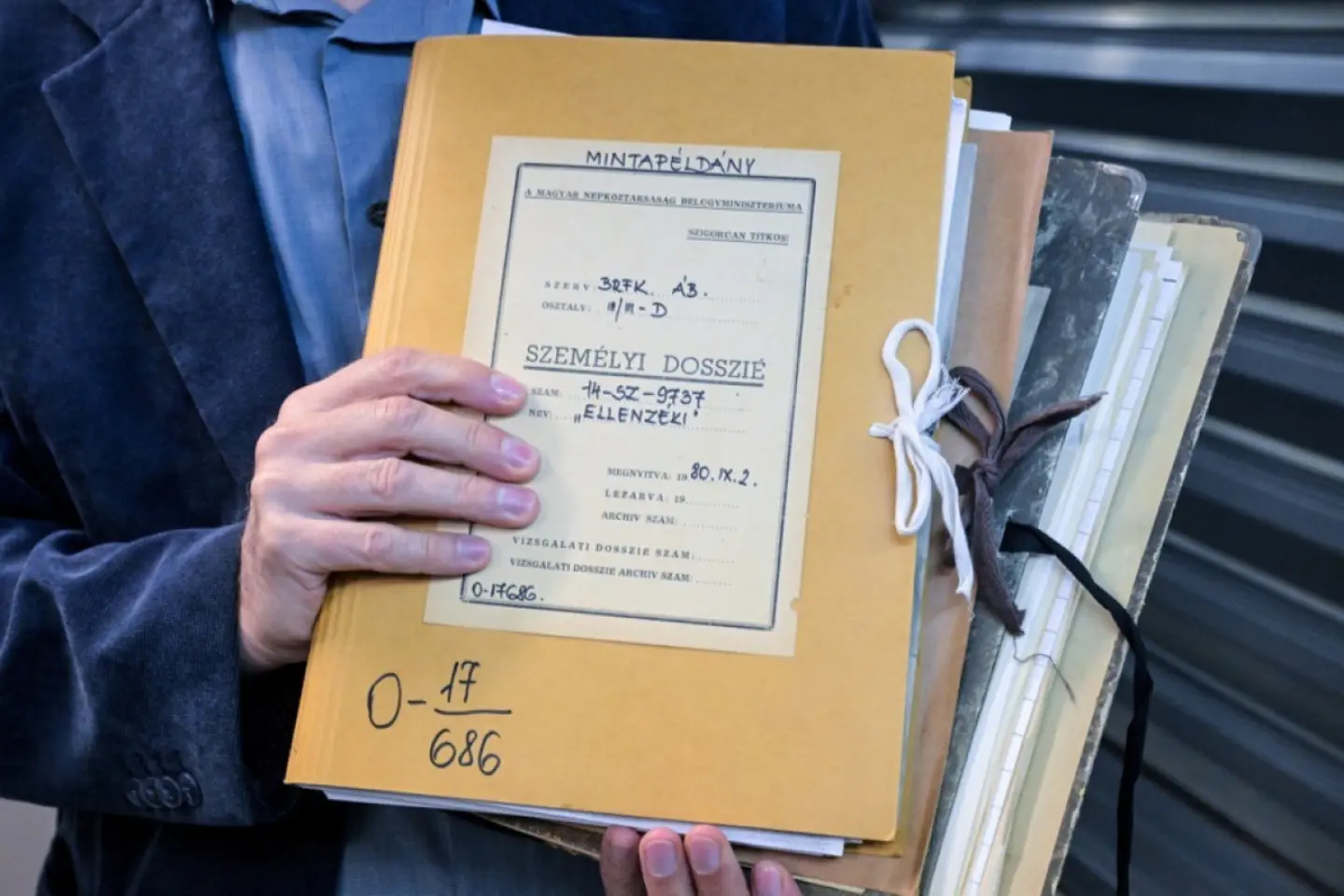
Nearly four decades after the fall of communism, Hungary has still not declassified the archives of the former state security. Several governments—including the current one led by Péter Magyar—have promised to do so, but the process is not quite as simple as it seems, as the experience of other former communist countries demonstrates.
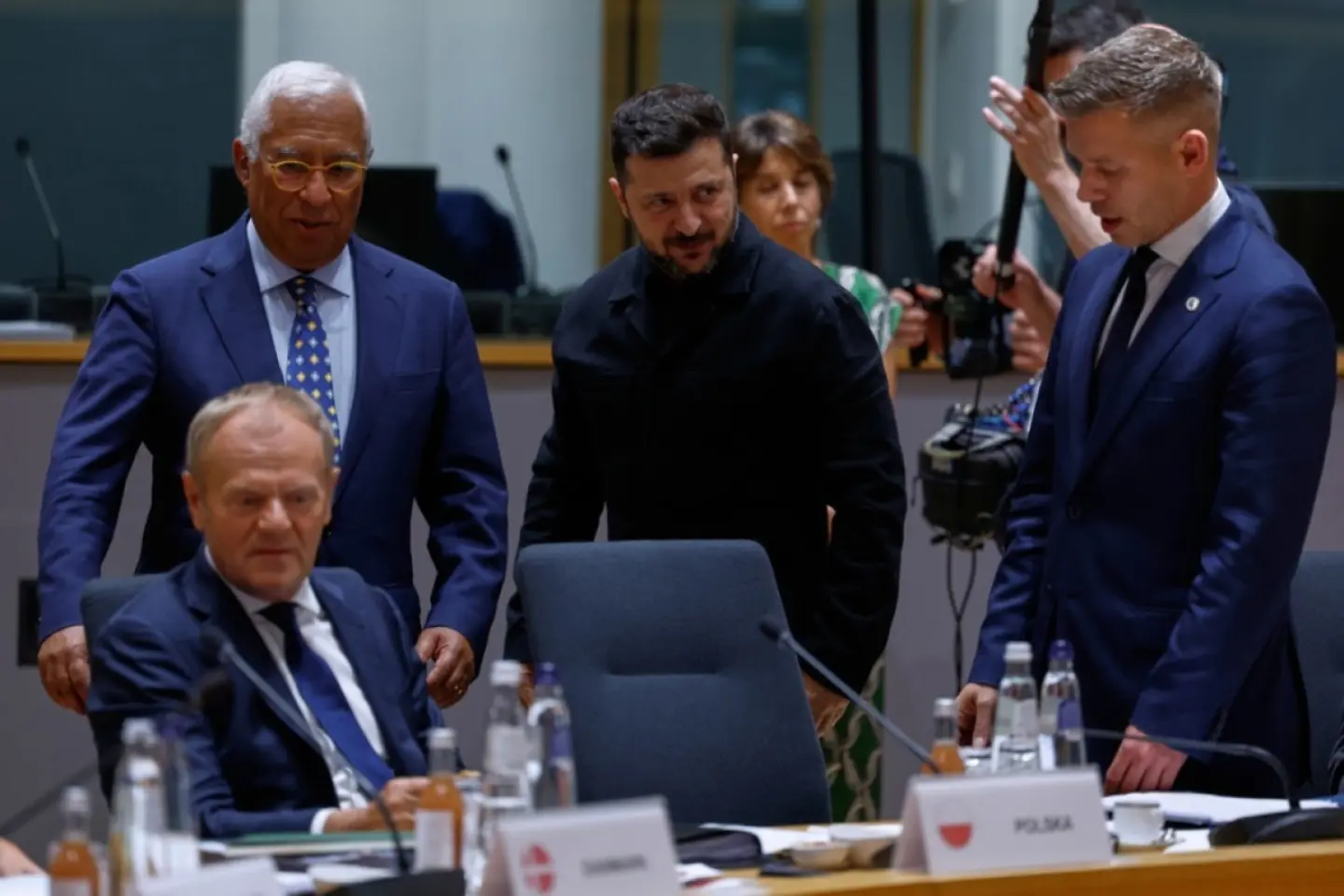
Hungary’s Peter Magyar has been dismantling the system left behind by his predecessor Viktor Orbán while reversing some of the Orbán policies formerly criticized by the EU. Is this a real re-alignment with Brussels, or just some negotiating tactic aimed at securing the release of frozen EU funds?
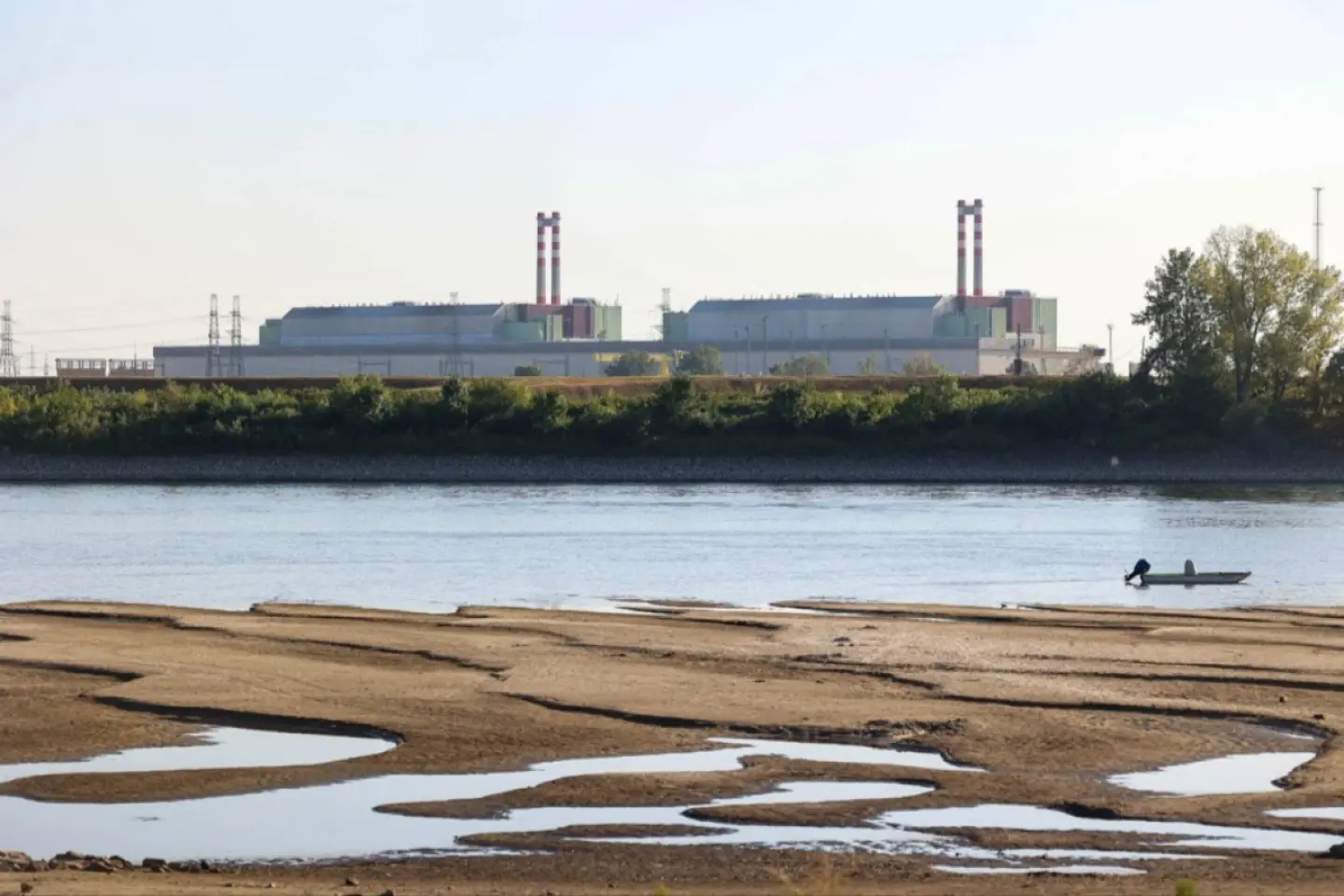
The Rock of Starvation has been portent of doom in Hungary for centuries, only appearing when the Danube falls low enough to halt mills, bringing famine. But what this summer’s extremely low water level revealed was not just the Danube’s bed, but also the lack of transparency of the Péter Magyar government.
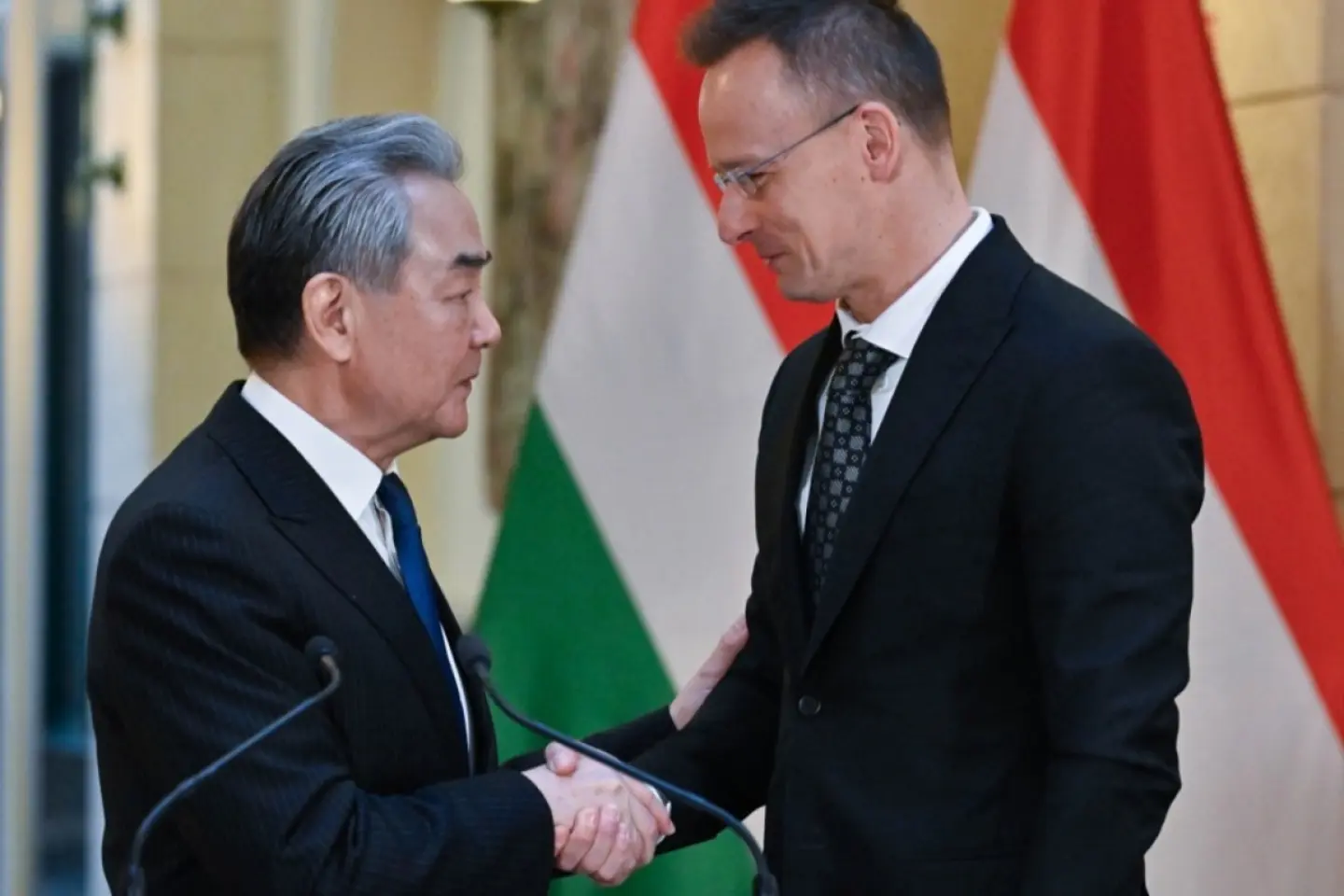
Péter Szijjártó, until April the EU’s longest-serving foreign minister, is joining the Chinese carmaker BYD, after helping it – as a minister – to get a firm foothold in Hungary and thus avoid EU’s tariff wall.
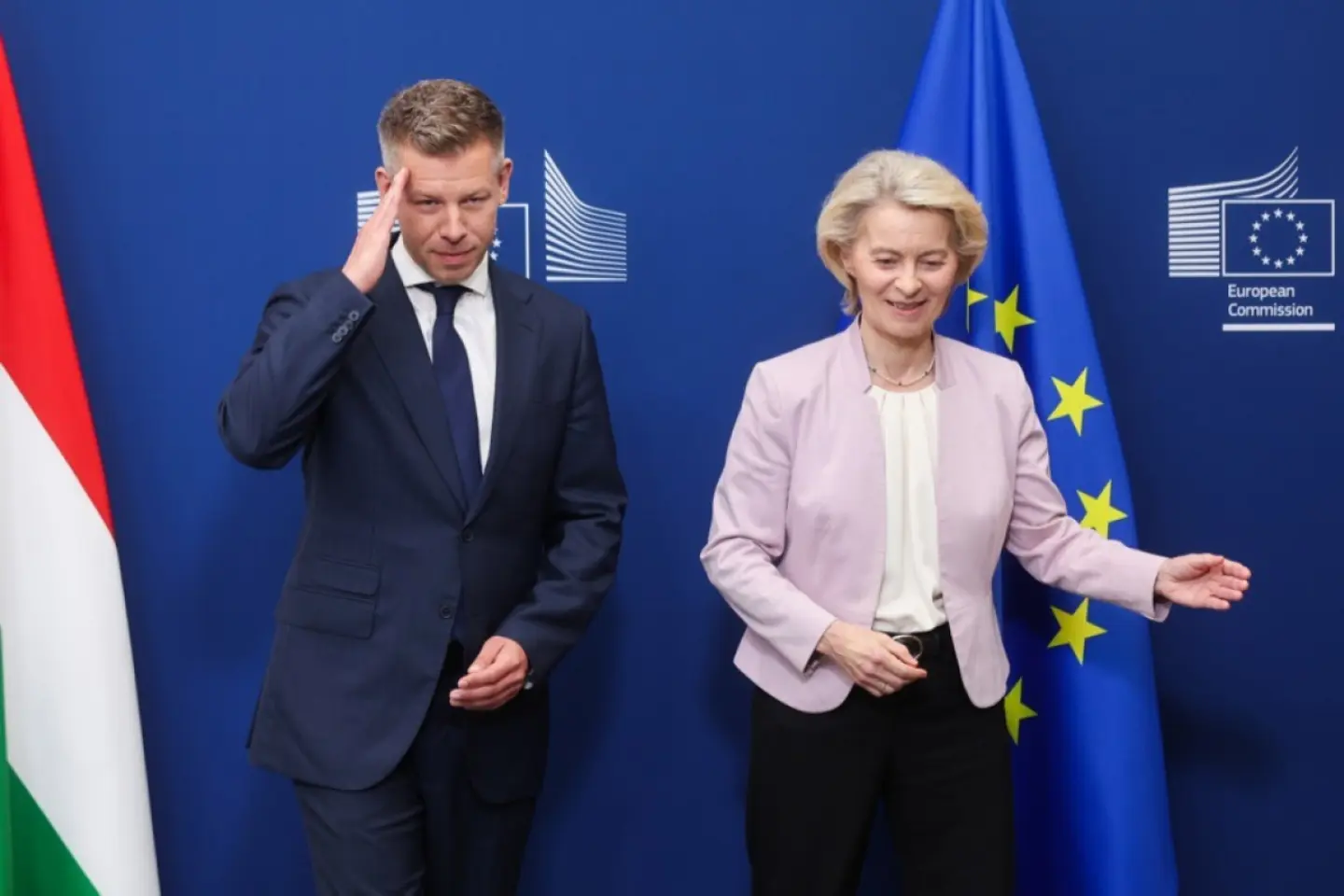
The measures the EU is preparing to protect its internal market from Chinese trade practices could affect China’s investments in Hungary, which would put Péter Magyar's government in difficulty.

Péter Magyar's government is made up of a mix of independent experts, critics of Viktor Orbán, and former collaborators. The criterion that mattered most in choosing ministers seems to have been competence, which is a change from the Orbán era, when political connections and loyalty to the boss mattered.
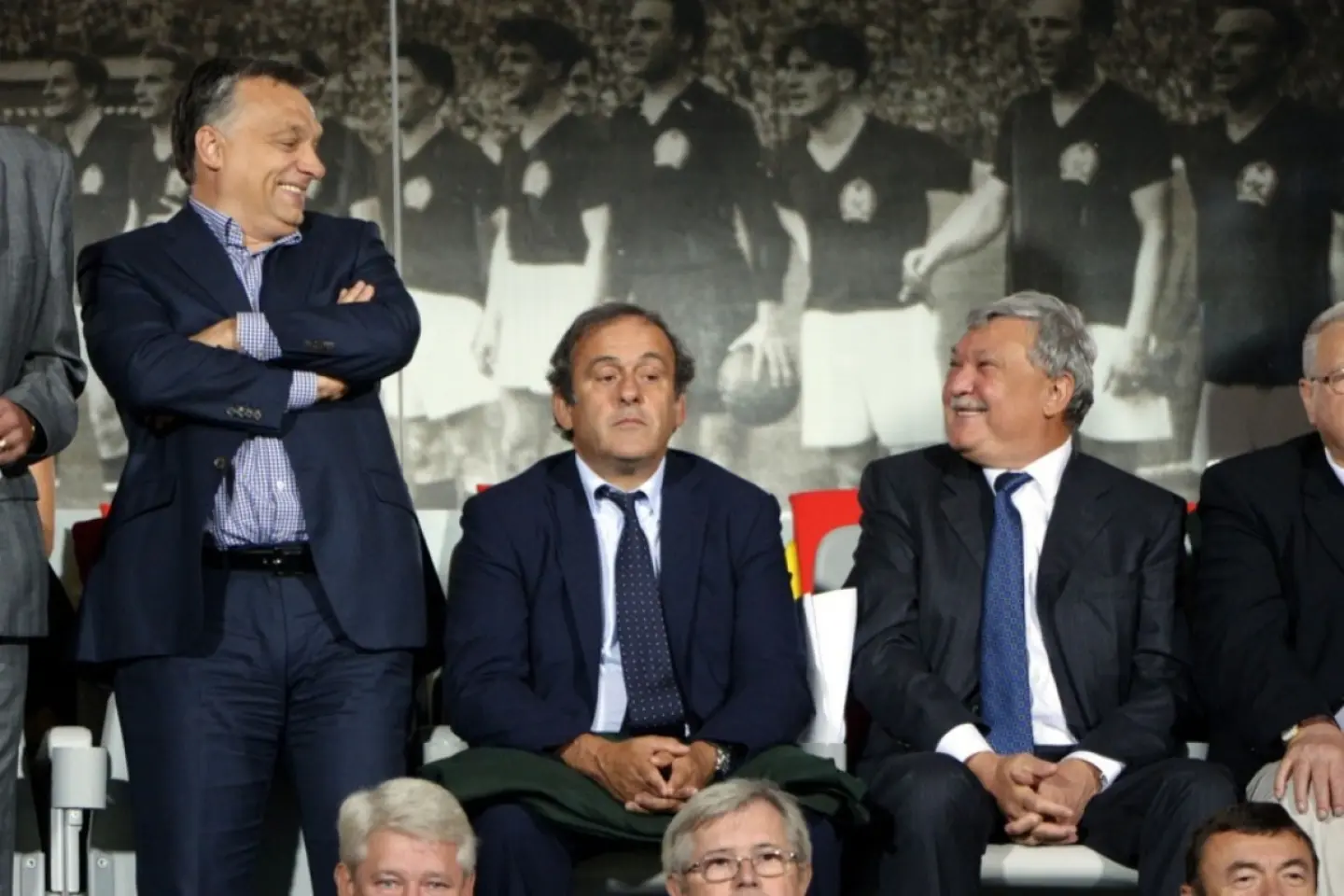
Viktor Orbán is a die-hard football fan, and the game even has a place in his political philosophy. He built the stadium that will host the Champions League final, but on the night of the final, the place of honor will go to his successor, Peter Magyar. The story can also be seen as a parable for what is happening these days with Hungary and the system built by Orbán.
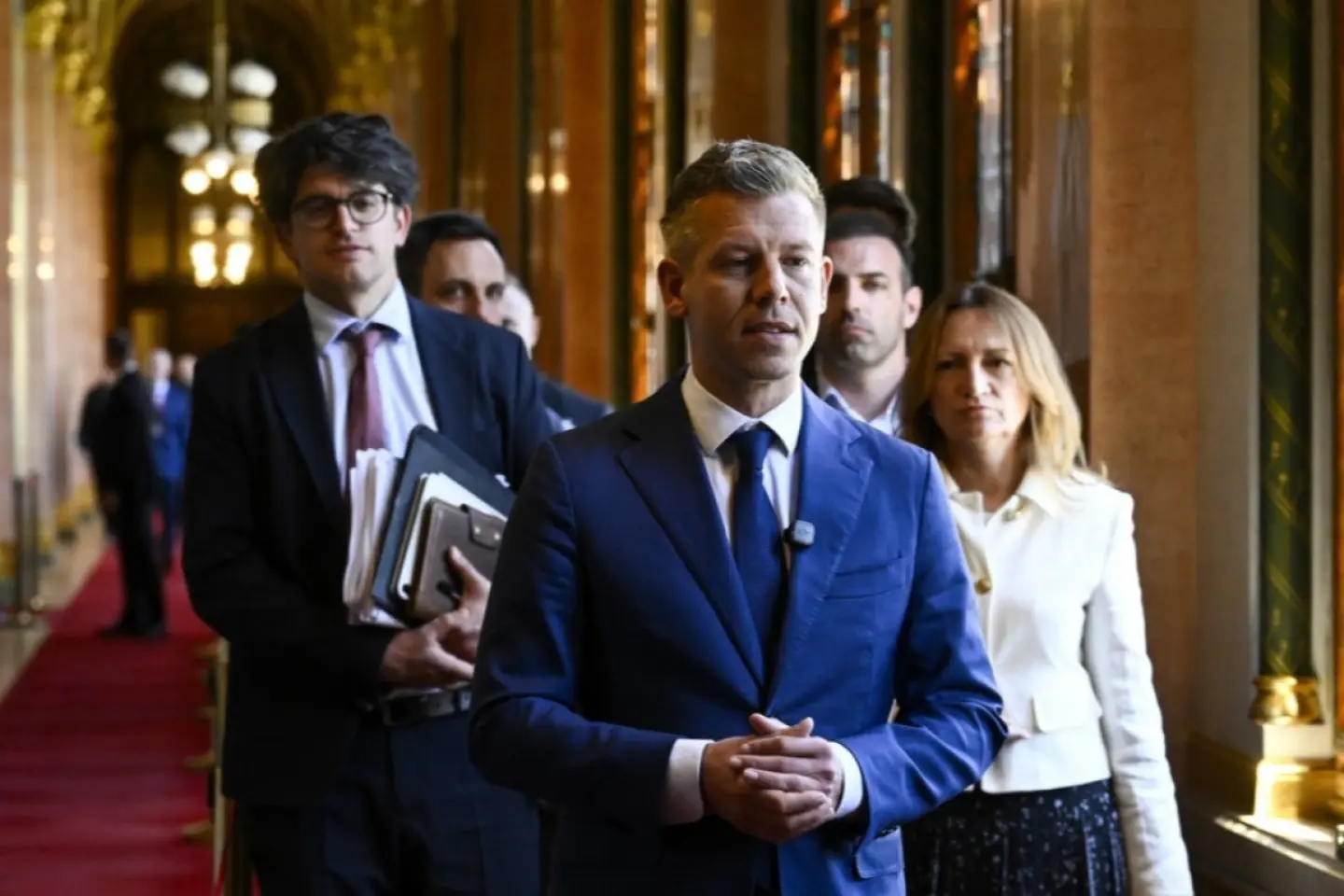
The events – and even the images – of recent days in Budapest are reminiscent of a Martin Scorsese film. A man from of a new generation, Péter Magyar, has overthrown the “old wolf” Viktor Orbán and promises to tear down the corrupt system he built, without, however, renouncing the right-wing ideology of his former boss.
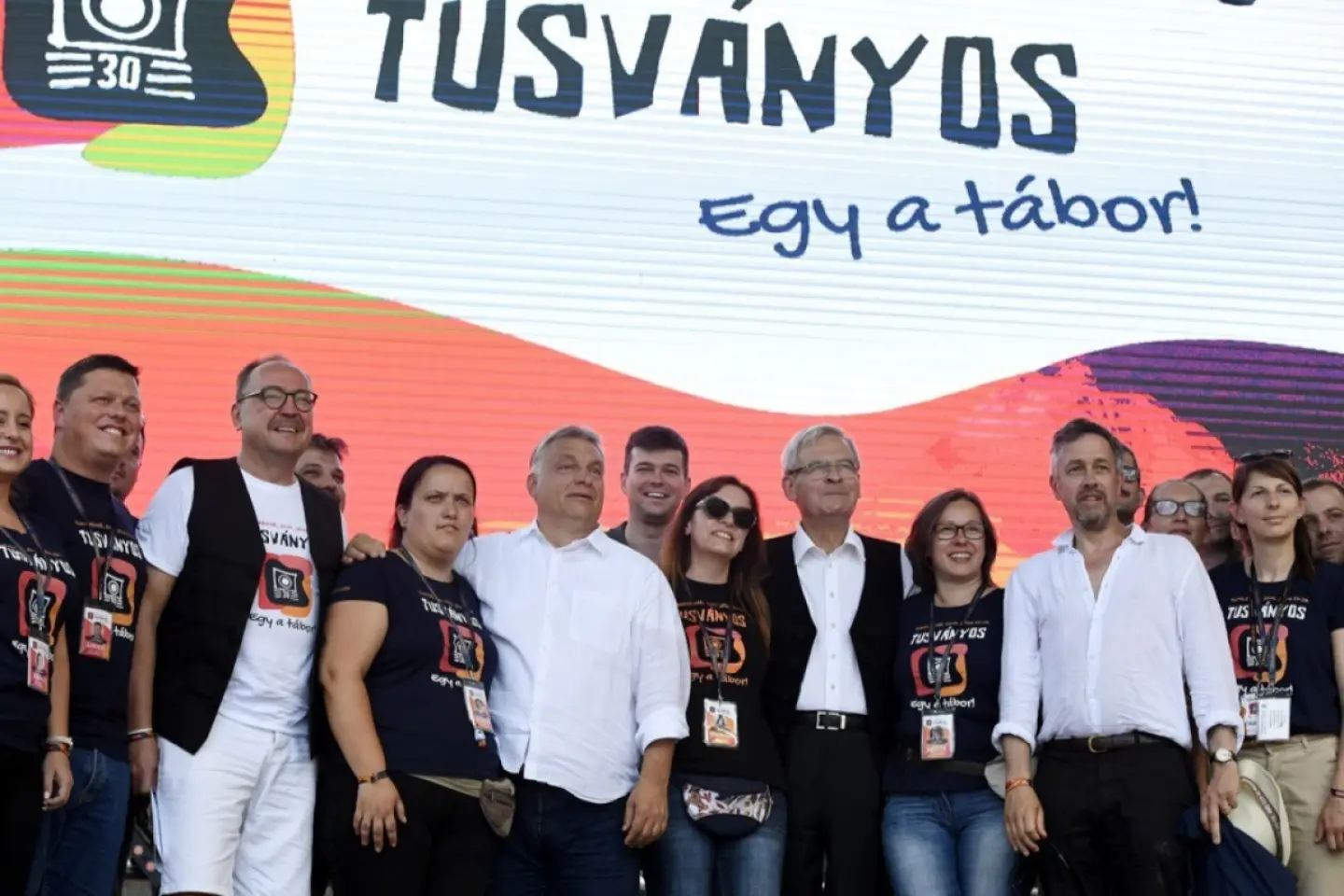
Viktor Orbán has channelled significant funds to Hungarians in Romania and in turn they have voted massively for Fidesz, while UDMR has aligned itself with Budapest's policies. A victory for Péter Magyar in the elections could lead to cracks in the machinery built by Orbán in Transylvania.
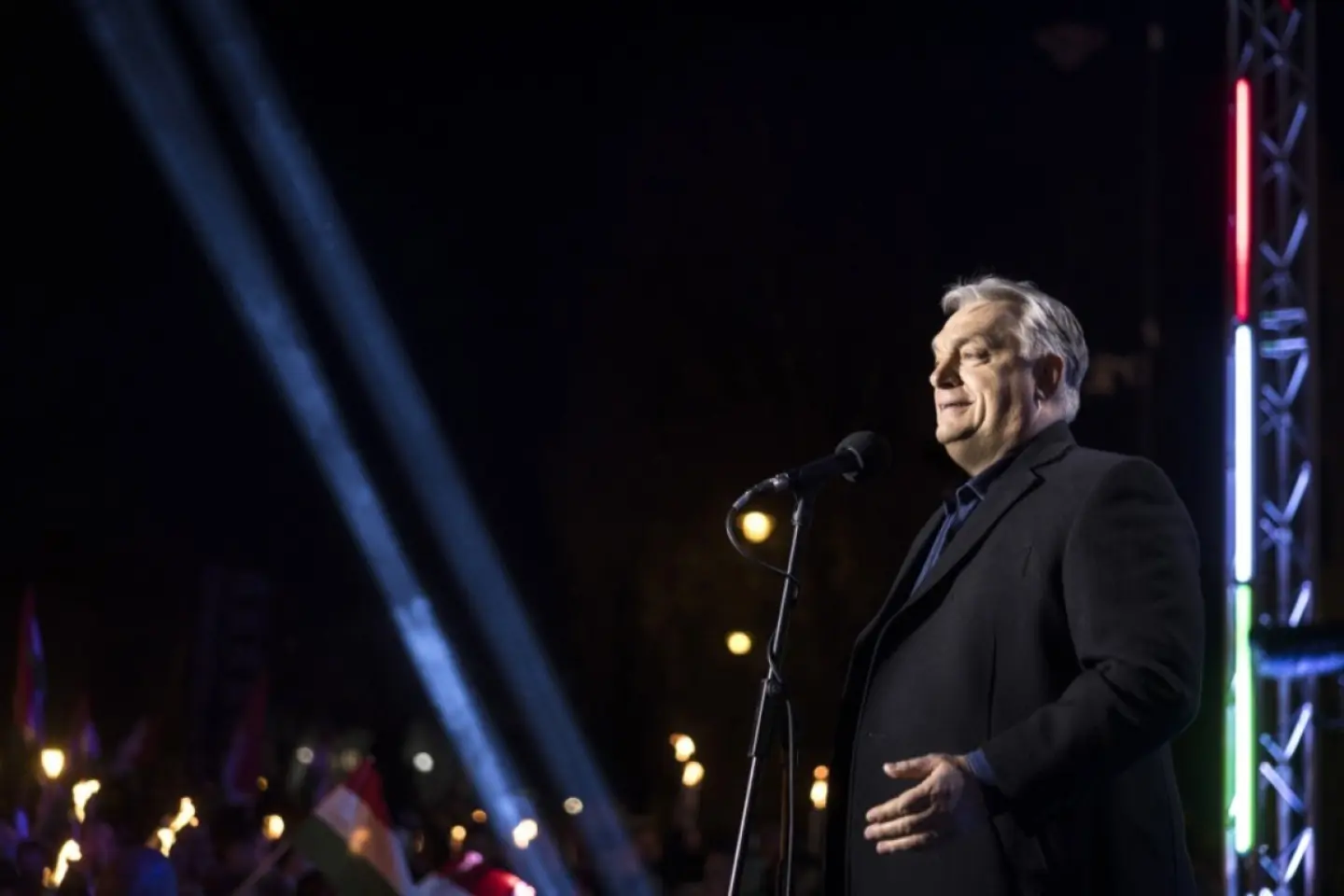
Hungarian communism was tolerated because it offered people security and a few small freedoms. This gave rise to a mentality in which it is better to opt for what is familiar and tolerable than to risk something that could be worse. Channeling this instinct sits at the core of Viktor Orbán's election campaign.

Viktor Orbán’s policy of doing business with Russia and China, and turning Hungary into a beacon of “illiberal democracies”, alienated the country’s EU partners and that came with an economic cost. Orbán’s main rival Péter Magyar shares some of Orbán’s views, but he promises to make amends with Brussels.

Hungarian Prime Minister Viktor Orbán claims Ukraine is meddling in Hungary’s election campaign. The claim is not notable because it is proven, but because it can be deployed without proof and still do political work.
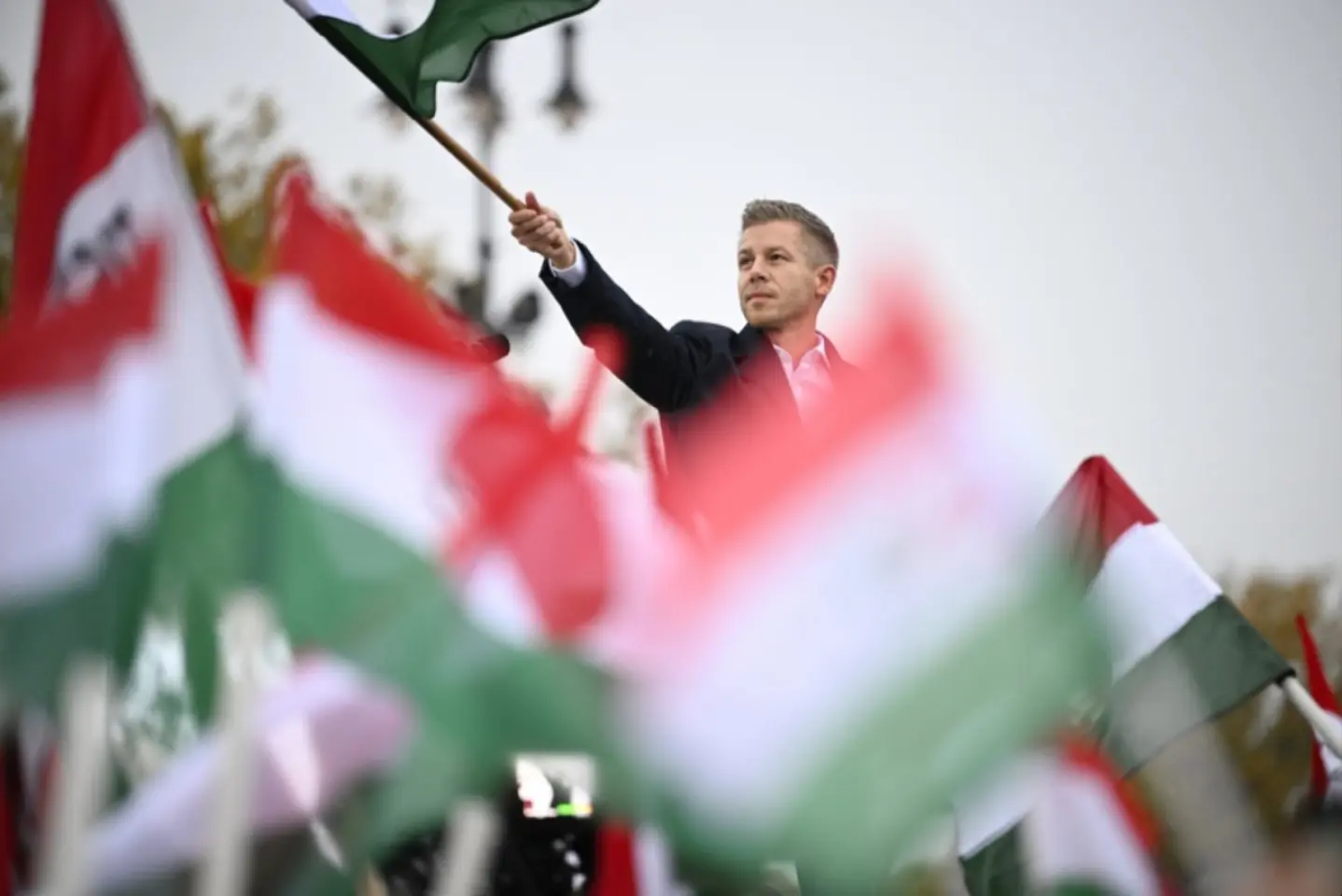
Viktor Orban's party is facing its biggest challenge since it took power in 2010, having been overtaken in the polls by Peter Magyar’s TISZA party. Magyar was an insider of Fidesz power circle and has known how to neutralize the kind of discourse that Orban's success has relied on in the past.