
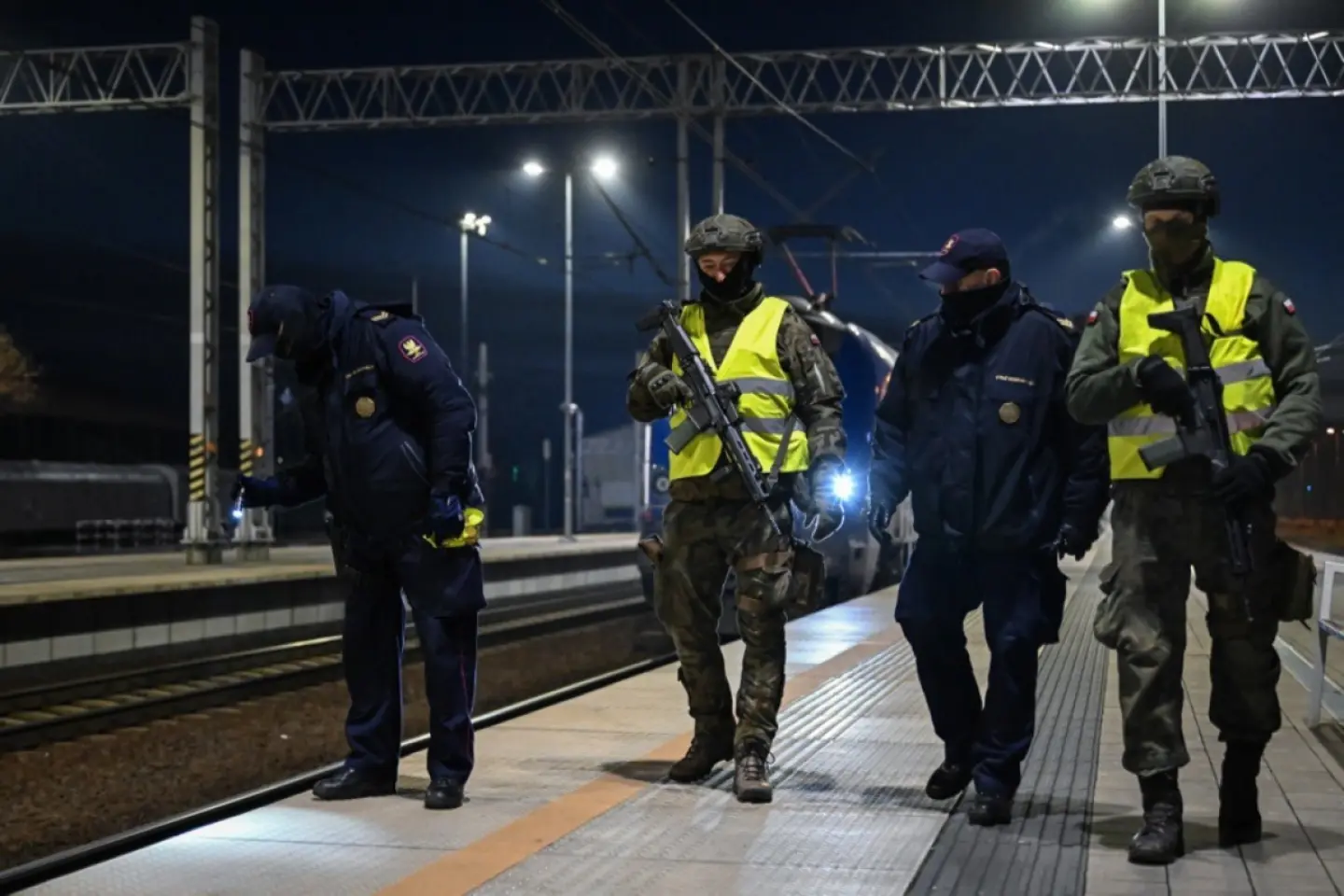
A drumbeat of Russian probes along NATO's eastern flank is testing Warsaw's nerves – and its air defences – just as the alliance debates how to answer.

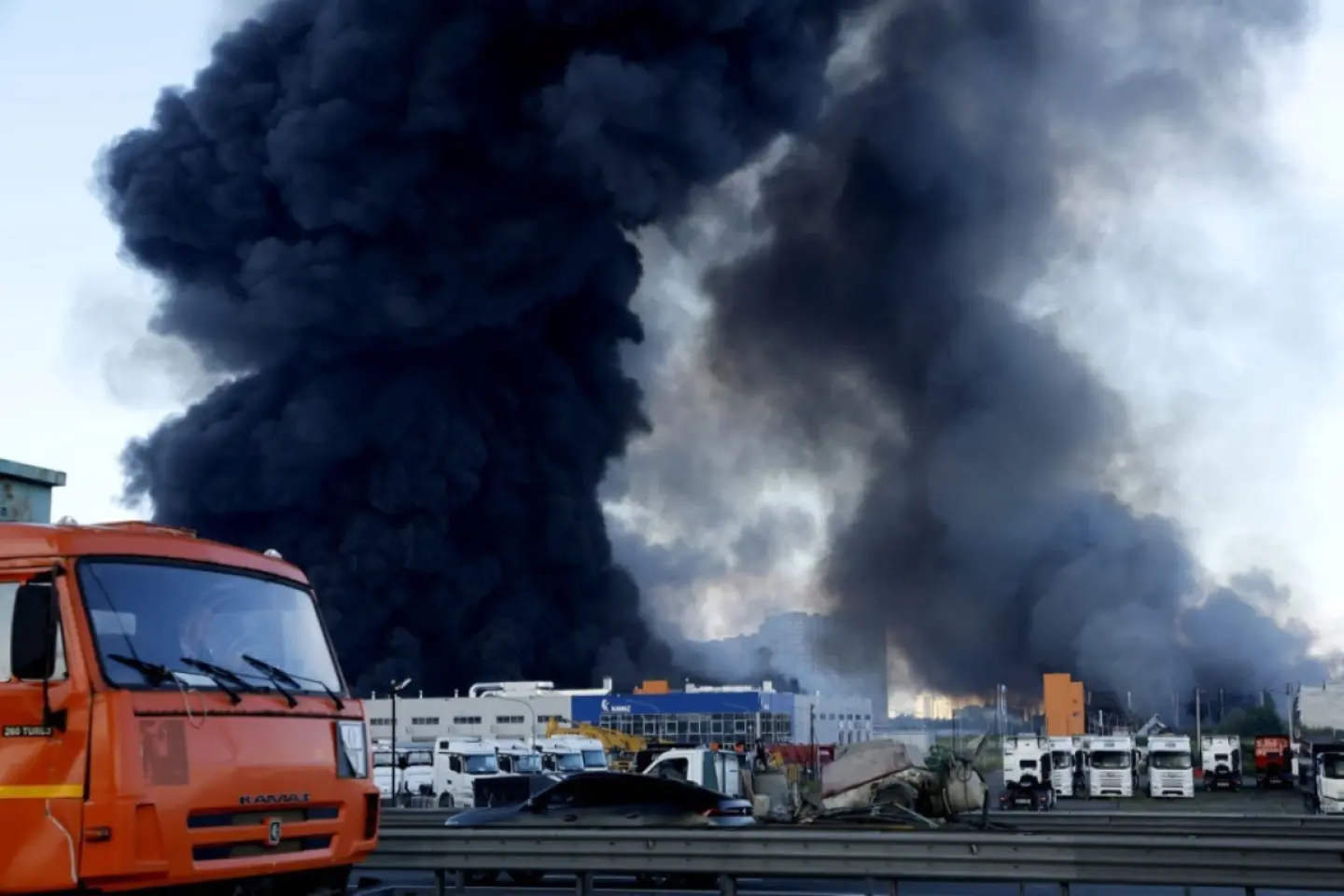
Ukraine’s bombing campaign behind the frontlines is taking a growing toll on Russia's economy. The Kremlin will soon have to choose between continuing the war, which would entail serious economic losses and a new mobilization, or de-escalating, which would mean giving up some of its demands.

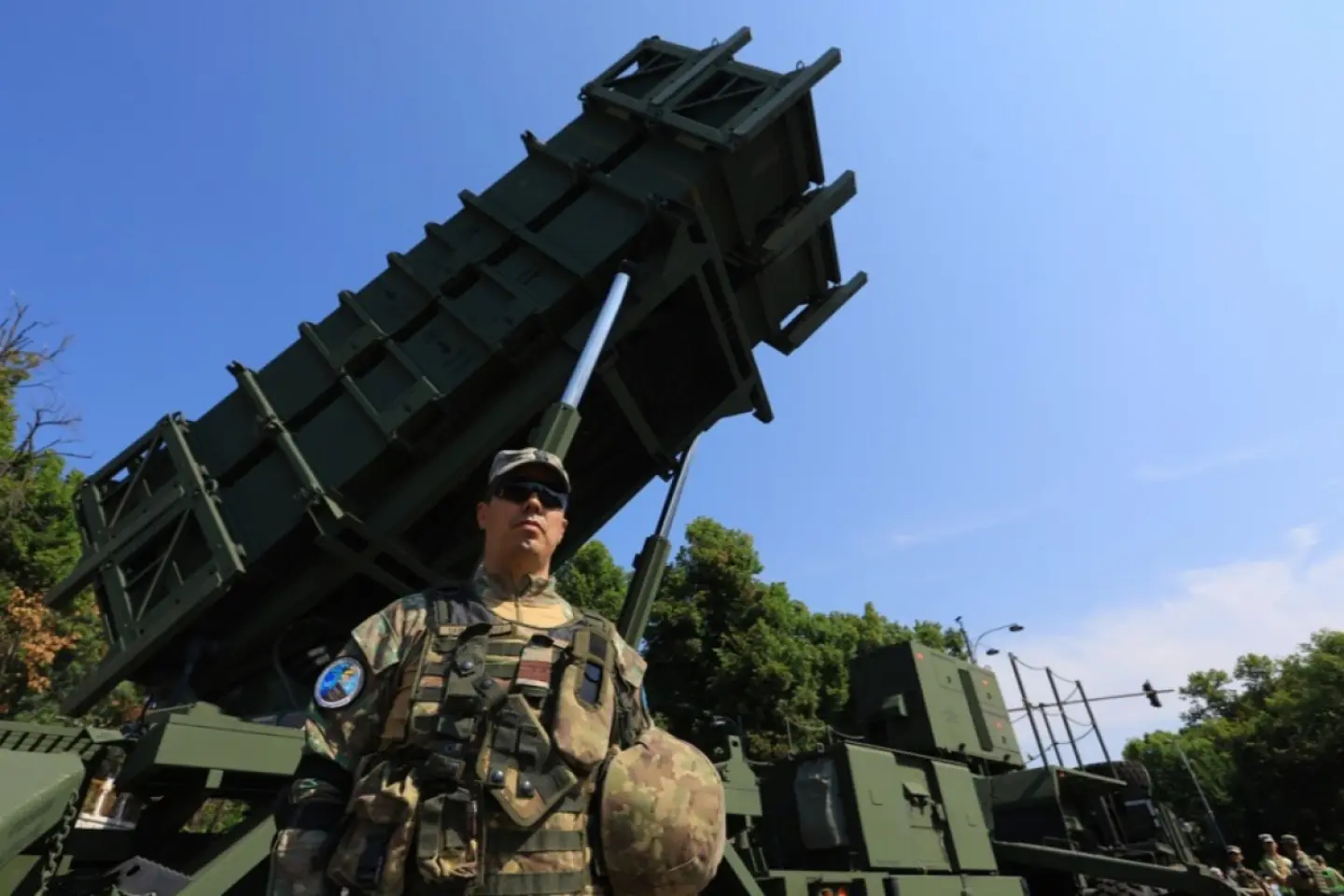
Ukraine is launching false-flag attacks on Romania using drones designed to look like Russian ones. This false narrative is being pushed with aggressive and abusive language by former AUR MP Dumitru Focșa, who expressed deep outrage over Bucharest’s response to Russian infringements into Romanian airspace.

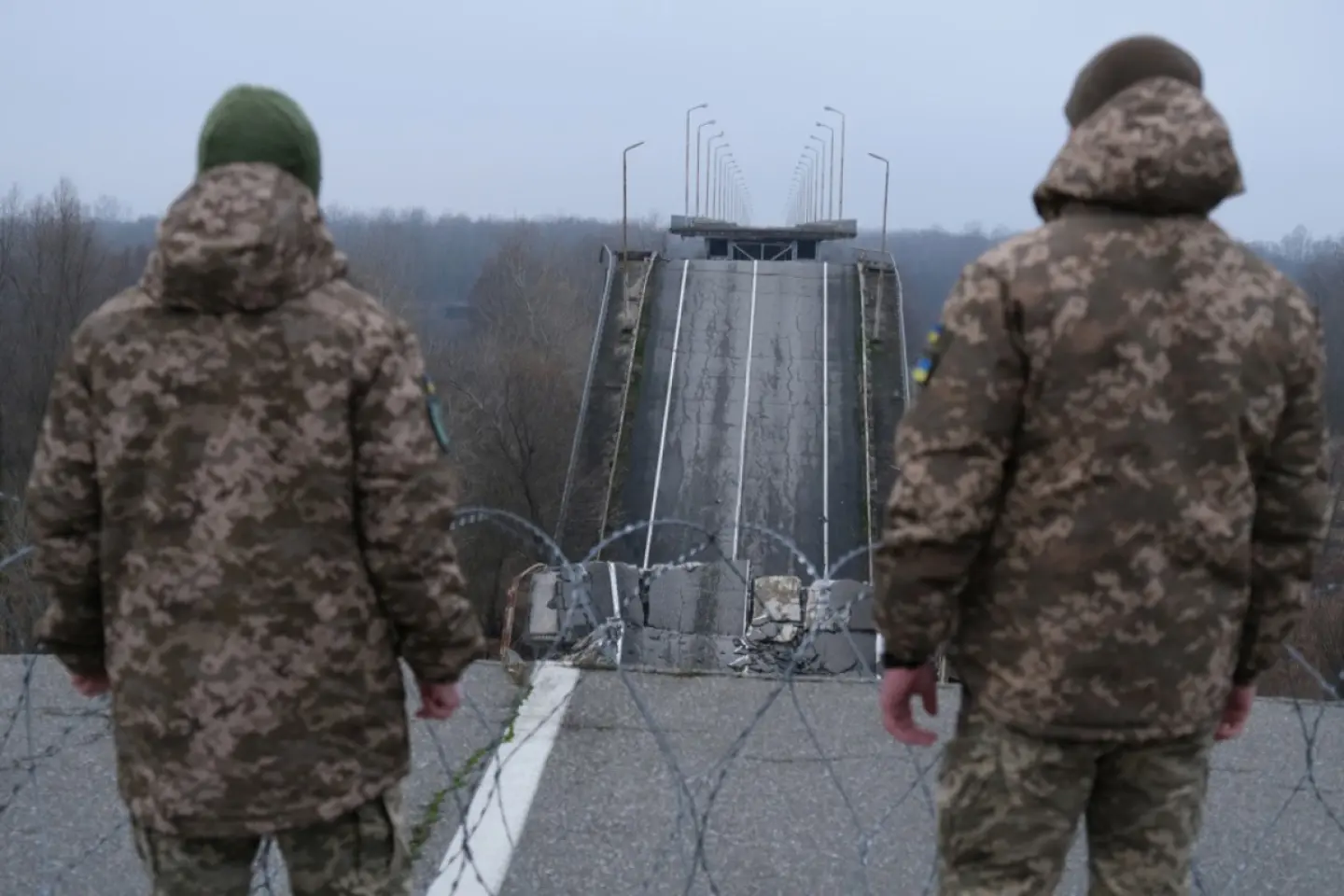
Ukraine has hardened its stance towards Belarus' authoritarian leader, after years of trying not to irritate him too much, lest he drag his country into war. Now Kiev is tightening ties with the opposition led by Svetlana Tsikhanouskaya while warning Alexander Lukashenko that in the event of an escalation, Ukrainian drones are ready to strike.


The maritime drone that detonated in the port of Constanța on June 5, 2026, marks another Ukrainian attack on Romanian territory, according to pro-Russian blogger Dan Diaconu. Identical or closely mirrored narratives have rapidly flooded social media platforms from a variety of sources.
---copie-image.webp)
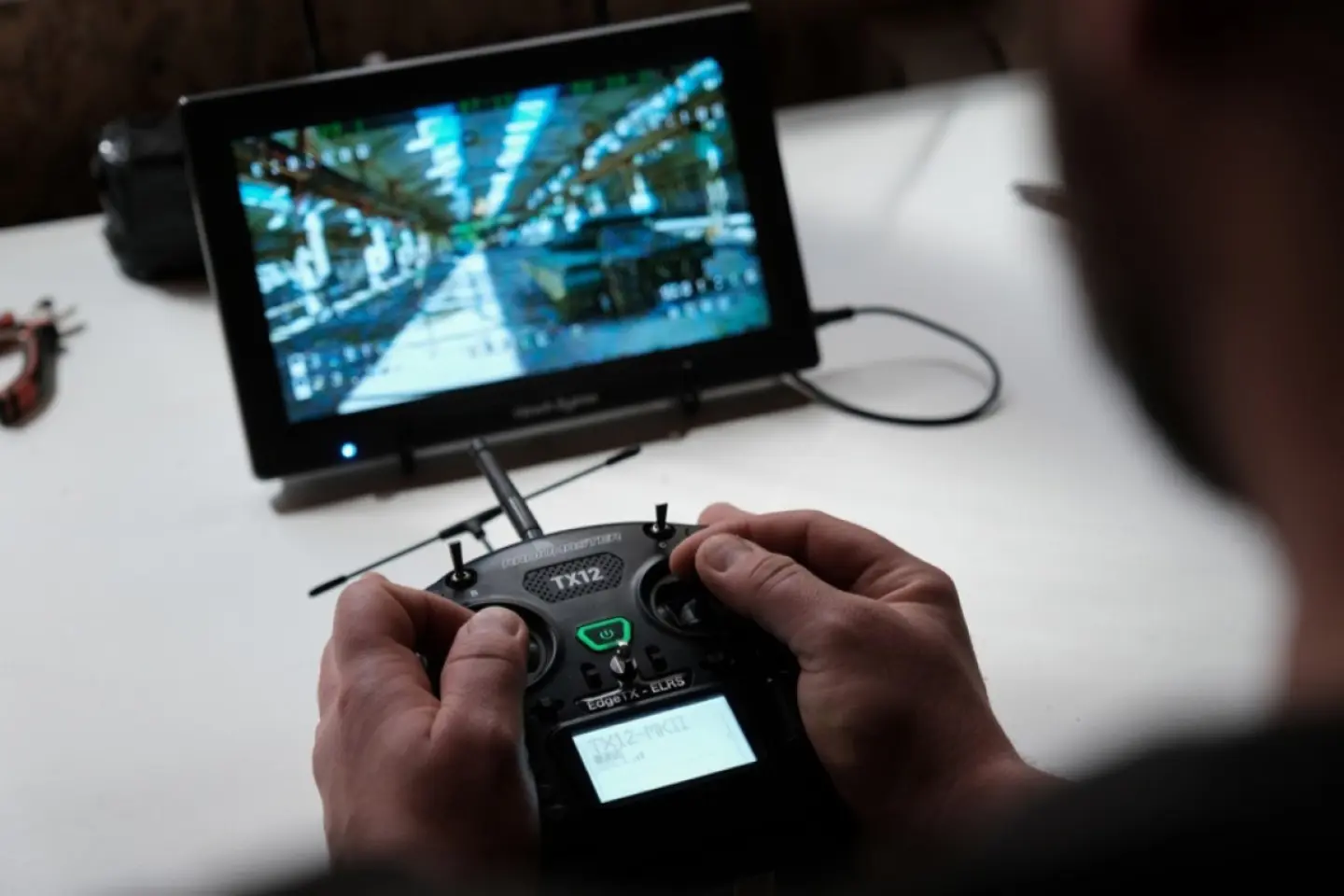
Ukrainian combat drones have repeatedly entered the airspace of the Baltic states. The incidents have generated political tensions, but also suspicions that Russia is the one who jammed and diverted the drones, given that the region has seen numerous Russian provocations in recent years.

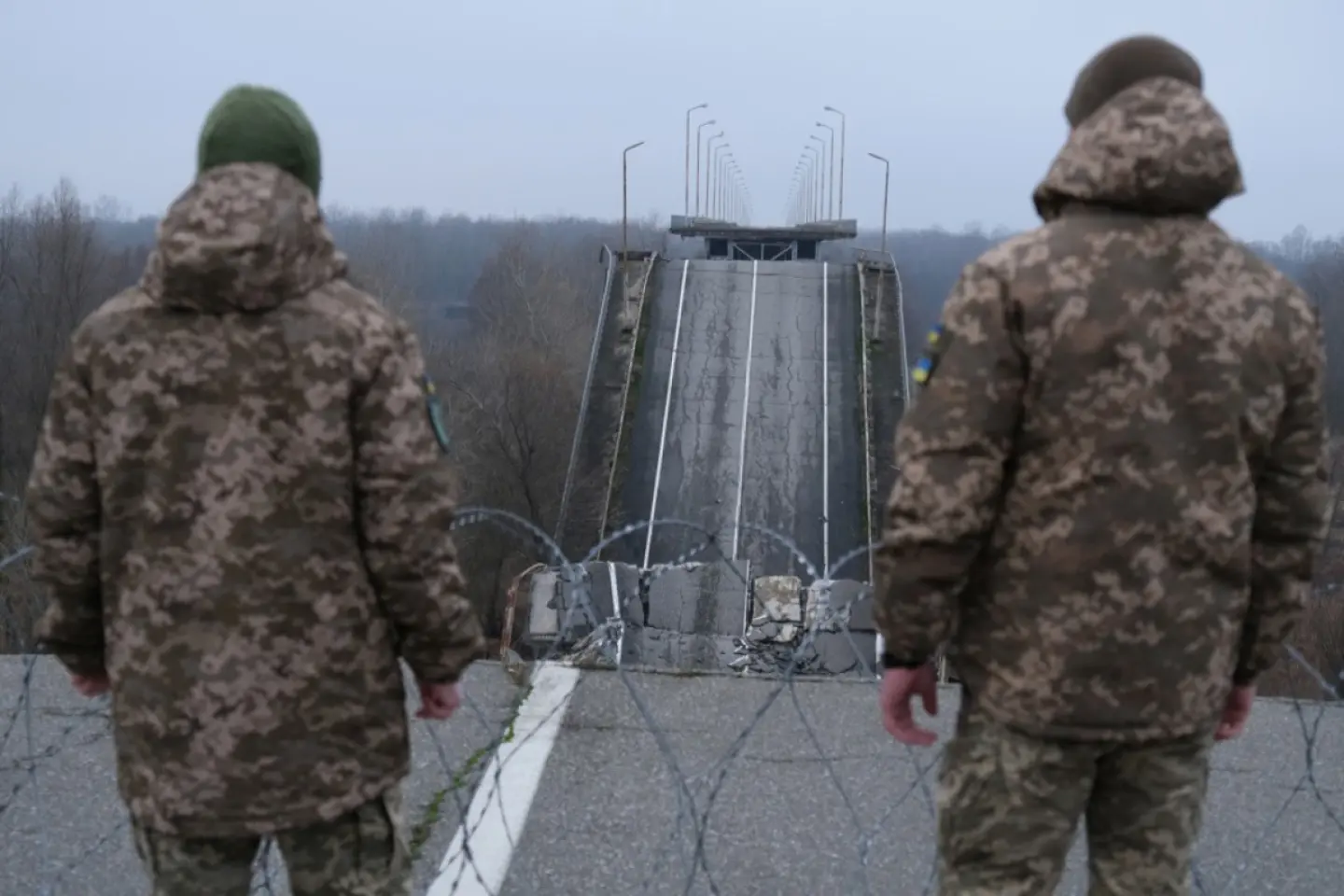
Kyiv is preparing a provocation against Belarus to open a new front and force the expansion of the war, pro-Kremlin media writes.

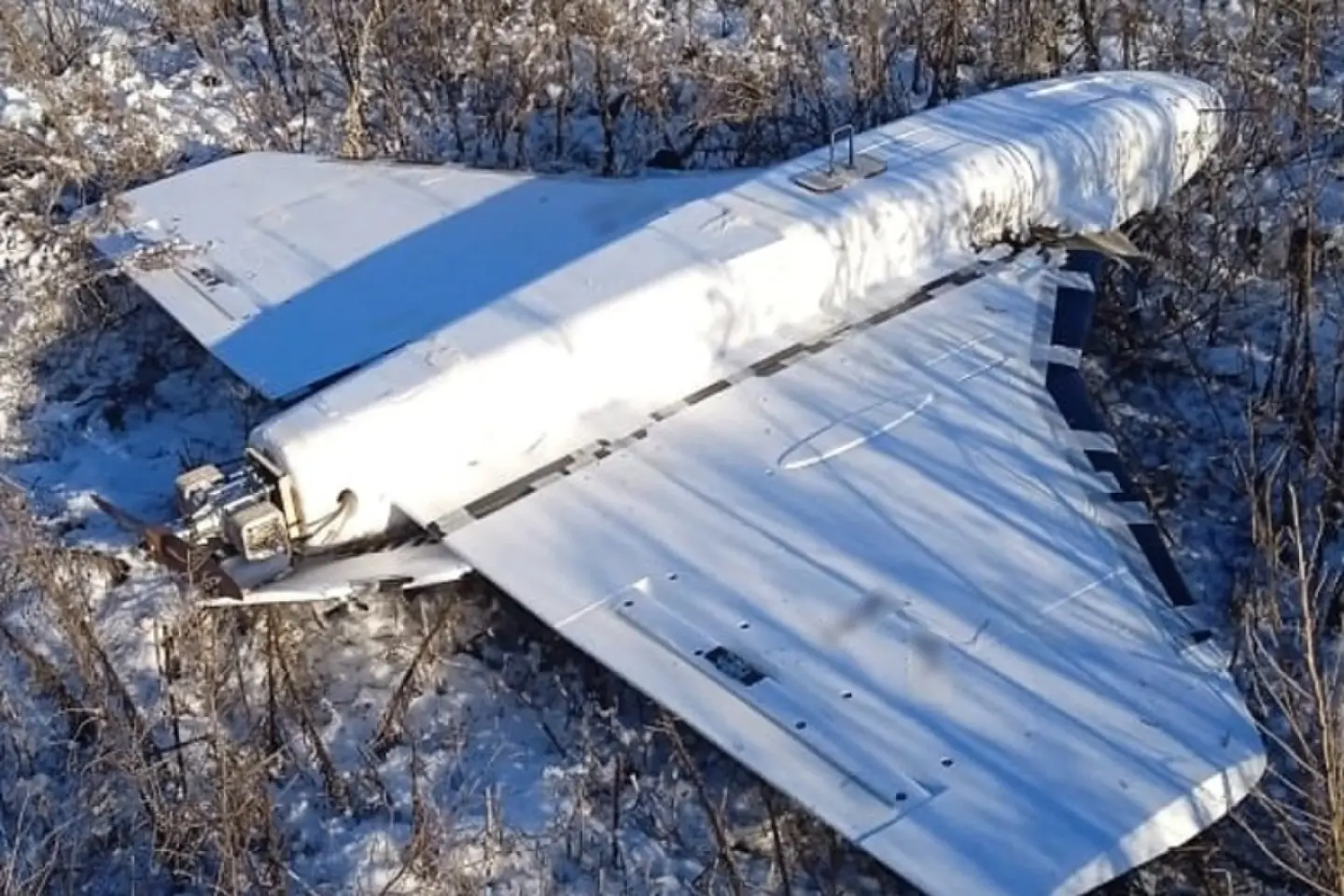
The drone that crashed on June 25 in Puiești, Vaslui County, is not a Russian aircraft, but one inscribed with a message in Ukrainian, according to online posts citing a fake photo wrongly posted by the publication Vremea Veche. In the fake photo, the Ukrainian slogan "Peremoha Bude” can be read, which means "There will be victory," written in the Cyrillic alphabet. The same phrase in Russian is "Pobeda Budet."

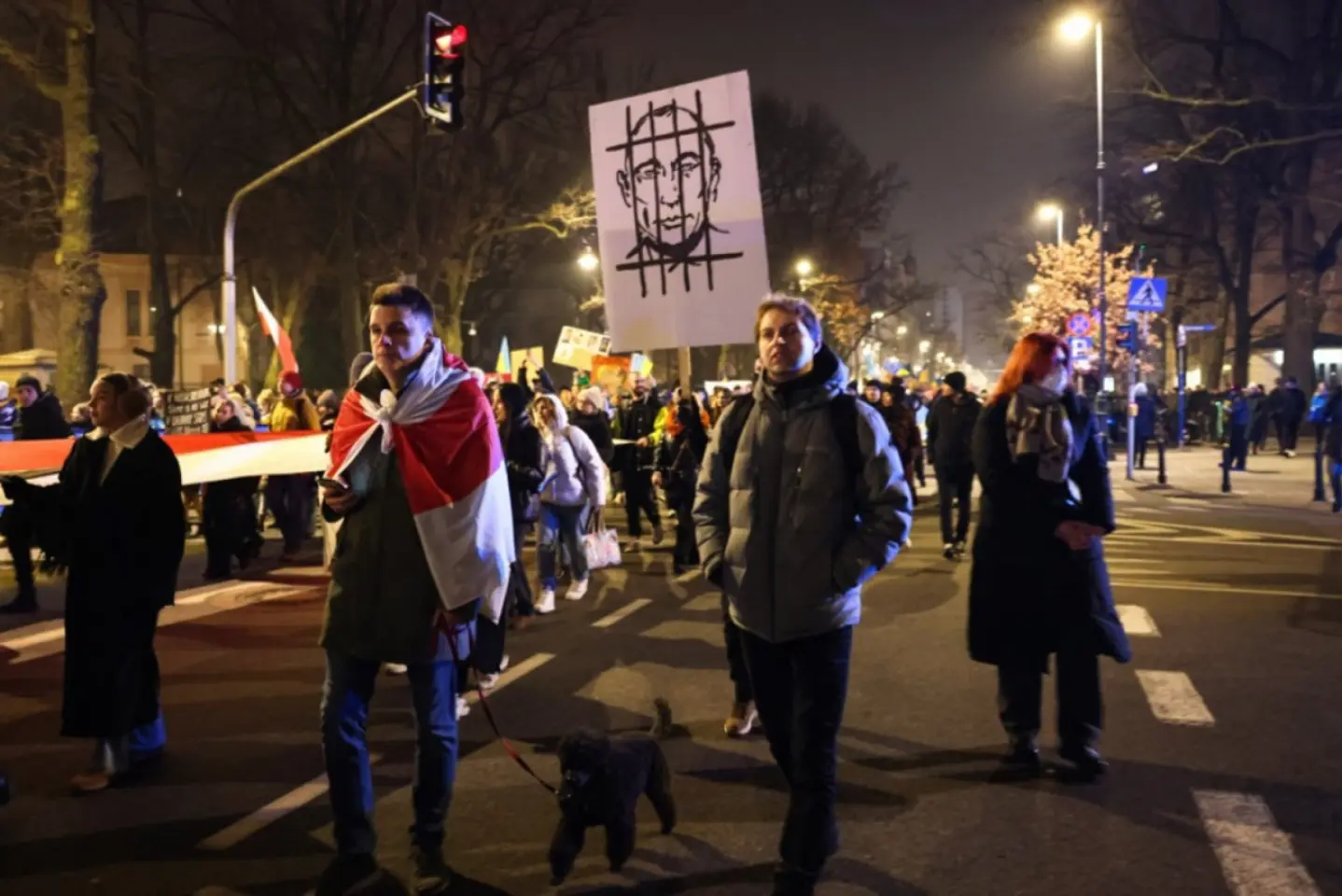
A month after Russian drones were brought down over Poland, Warsaw feels normal again. Politicians resumed their quarrels, and the news cycle has moved on. Yet something in the public mood has shifted – a low, persistent awareness that Poland is being watched, probed, and measured.
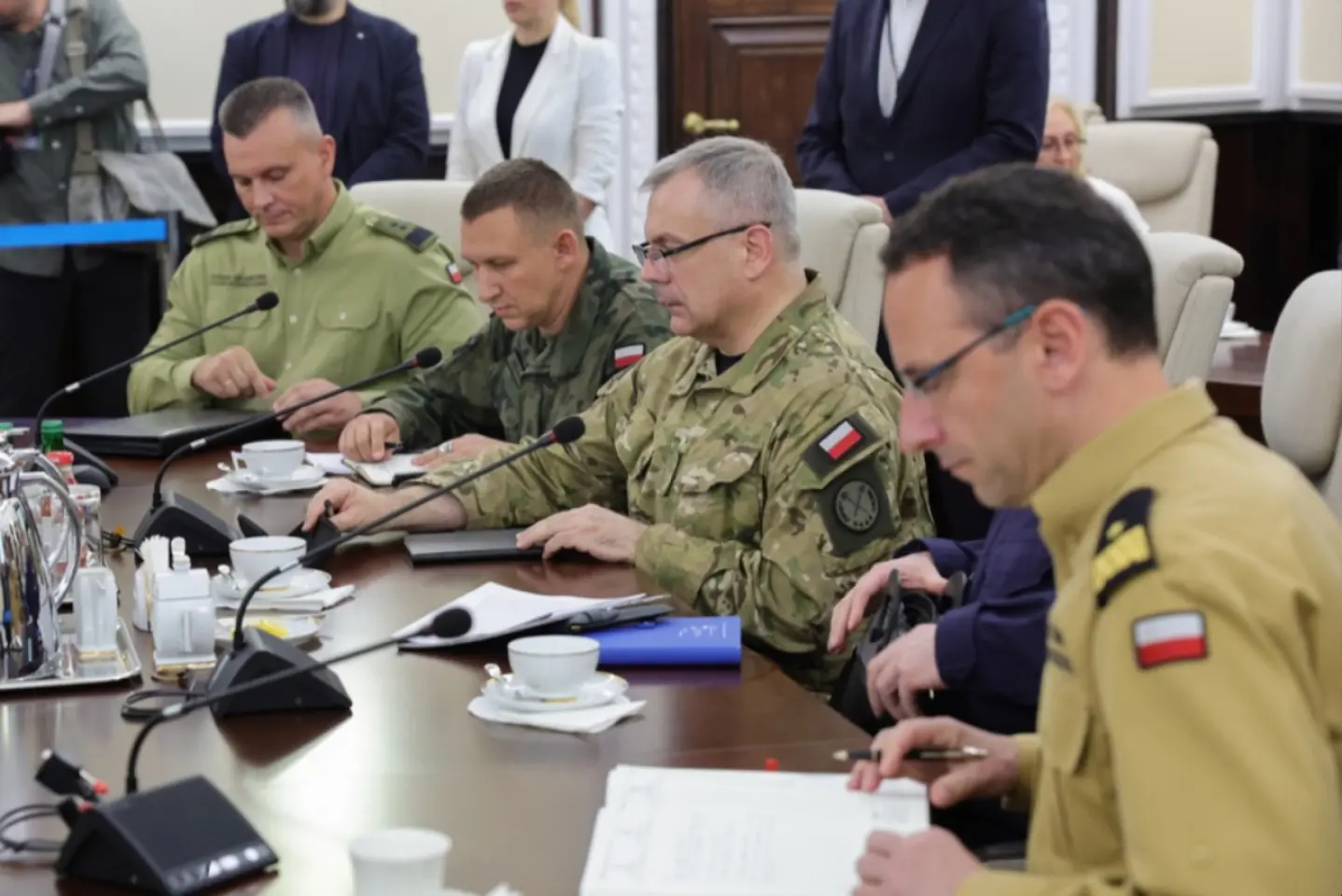
On Tuesday night, Poland’s airspace came under pressure from Russian drones in what experts call the most serious incident since the start of the war in Ukraine. The military responded, the government convened emergency meetings, and allies expressed support—but the question remains: what will the West do next?
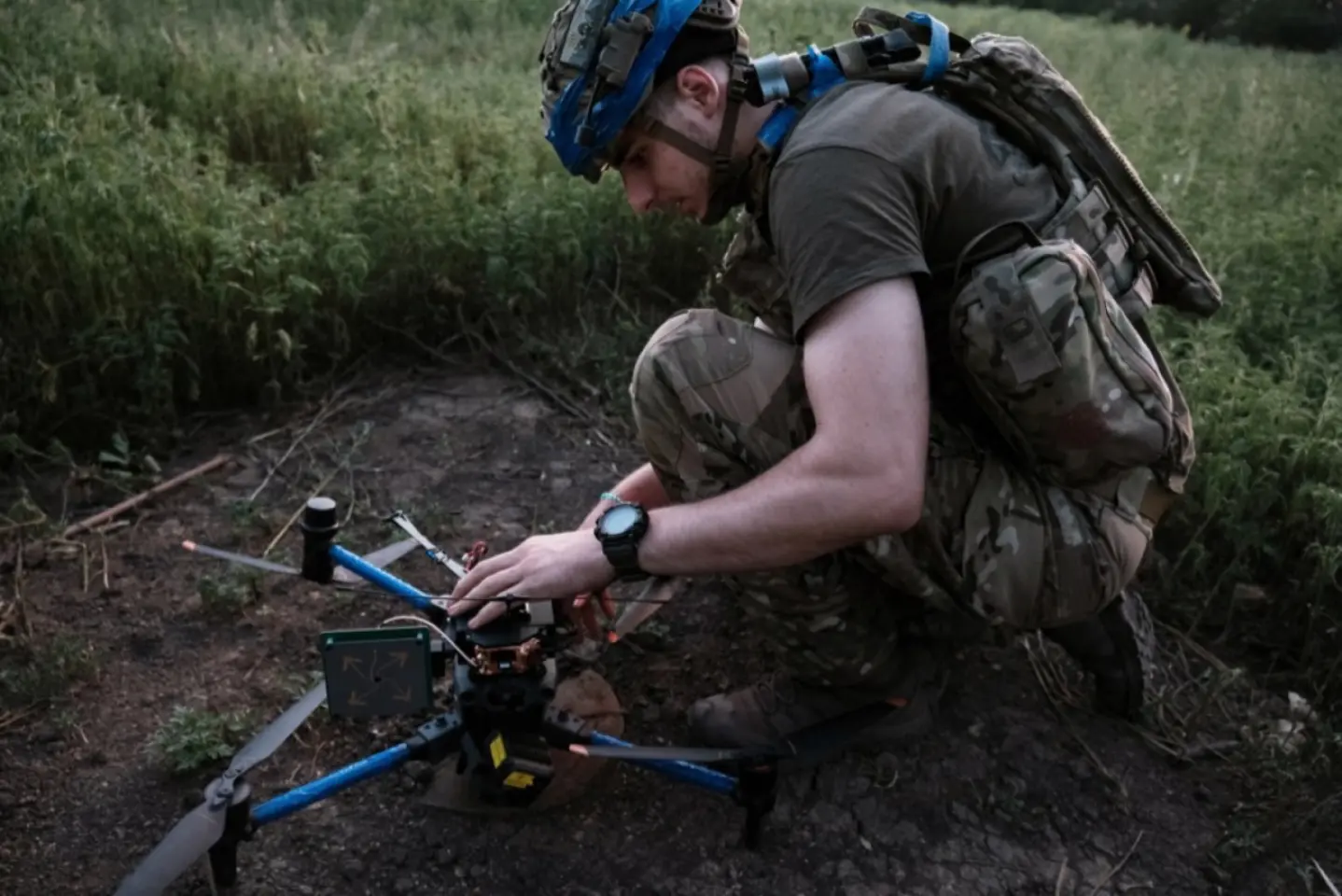
The war in Ukraine has shown that modern warfare is impossible without the involvement of drones.

Drones straying over Eastern Europe show that the War in Ukraine is no longer a distant spectacle