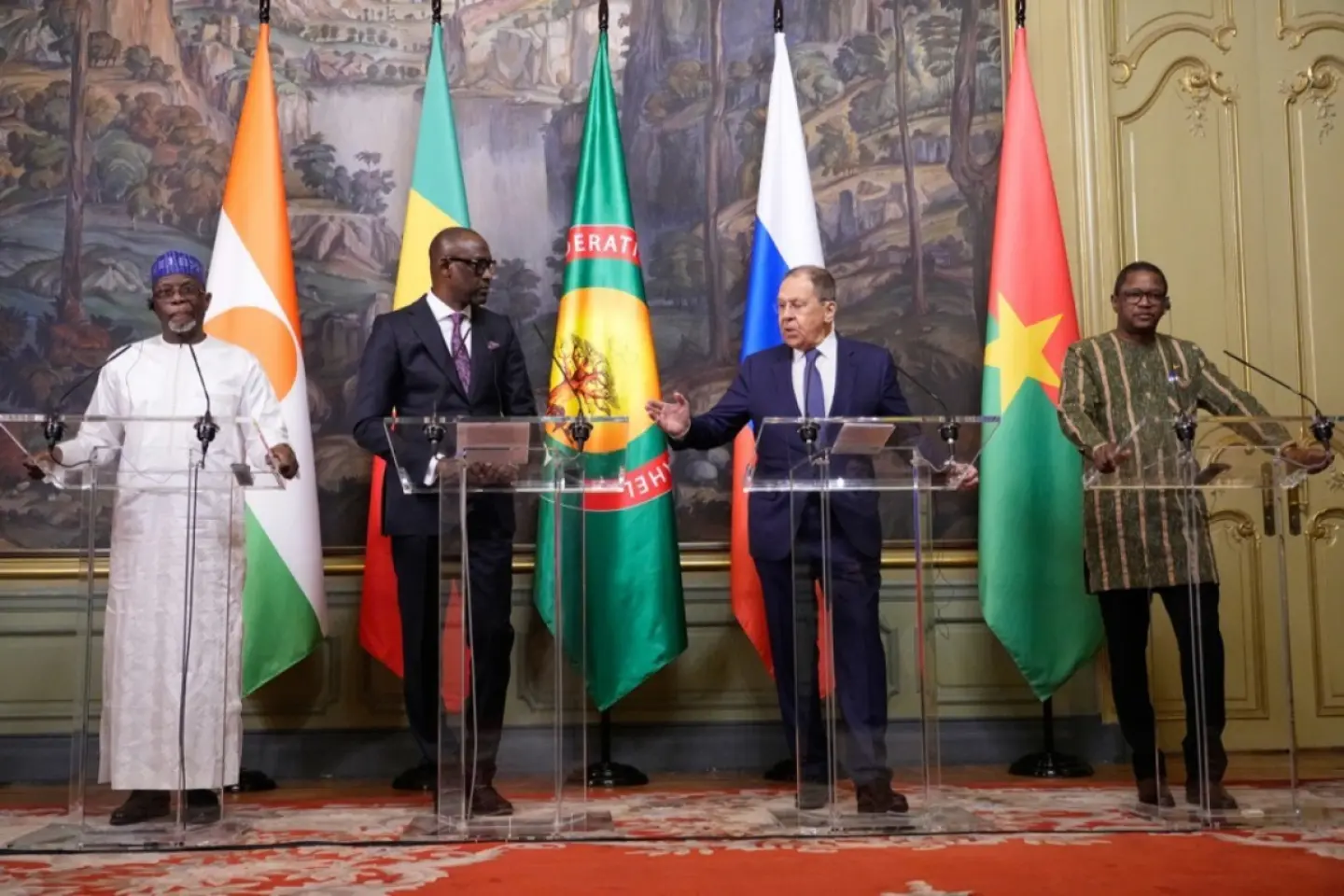
The Kremlin continues its policy of radicalising Africa and provoking conflict between the states of the continent and the “collective West.” The foundation for this effort is history — in particular the colonial past — as well as the narrative of “neocolonialism.”
On March 25, the UN General Assembly adopted a resolution declaring “the Trafficking of Enslaved Africans and Racialized Chattel Enslavement of Africans as the Gravest Crime against Humanity”. The document was initiated by Ghana: 123 countries voted in favour, 3 (the United States, Israel, Argentina) voted against, and 53 abstained. However, Russian propaganda outlets openly state that Moscow actively worked on promoting the document together with countries from the so-called “Group of Friends in Defence of the UN Charter” — in other words, its allies from various continents.
Following this, Kremlin propaganda launched into its characteristic attacks against those who did not support the document: “Those in the West and their accomplices who refused to support the document have demonstrated hypocrisy, disregard for the suffering and hardships endured by African peoples, and an unwillingness to take responsibility for crimes committed during the colonial period”.
At the same time, the content of the resolution itself is noteworthy. Eight out of its sixteen operative clauses are in one way or another connected to reparations for African countries. For example, here is a telling passage: “Calls upon Member States, individually and collectively, to engage in inclusive, good-faith dialogue on reparatory justice, including a full and formal apology, measures of restitution, compensation, rehabilitation, satisfaction, guarantees of non-repetition and changes to laws, programmes and services to address racism and systemic discrimination”.
However, behind the high-minded language about combating discrimination and “restoring historical justice” lies a fairly clear self-serving interest. Moscow has previously declared its willingness to assist African states in “addressing issues of reparations” — in effect, offering to help extract funds from European countries through international institutions.
Naturally, this would come in exchange for loyalty from local regimes, particularly in the form of access to natural resources. As we can see, Russia is actively advancing in this direction, and the adoption of this resolution serves both as a significant result and as a demonstration of its future intentions.
The Kremlin is well aware of how sensitive the issue of the colonial past is for many African states, and deliberately exploits it to strengthen its position on the continent by fostering and amplifying negative attitudes toward Europe. Accordingly, further attempts by Moscow to exert pressure on Western European states via the “African question” should be expected.