
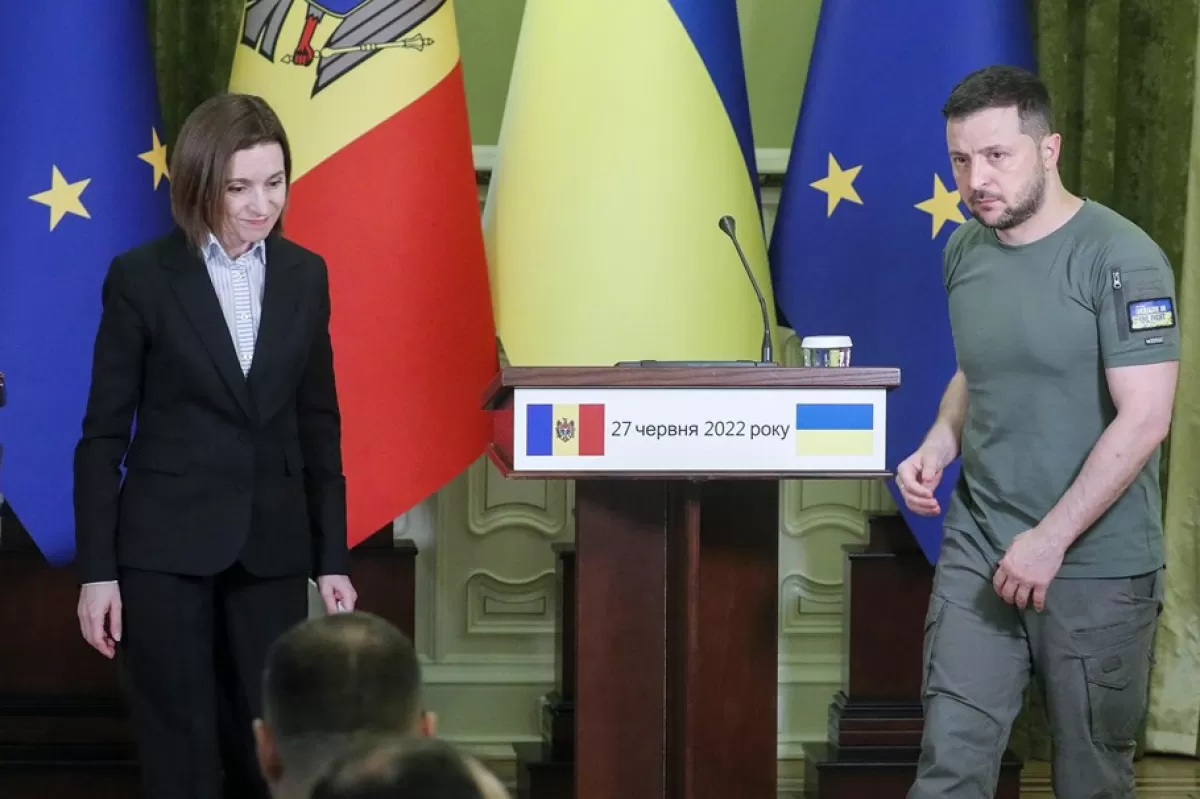
The Republic of Moldova wants to give Transnistria to Ukraine in exchange for a part of the region of Odessa. Kyiv might thus get its hands on the munition warehouse Russia is currently controlling in Transnistria, according to a false narrative disseminated by the Russian media. In fact, a territory exchange was never in the cards. As regards the munition storehouse, the Republic of Moldova has for many years asking that the munition be transferred to Russia and that this country withdraw from its territory.

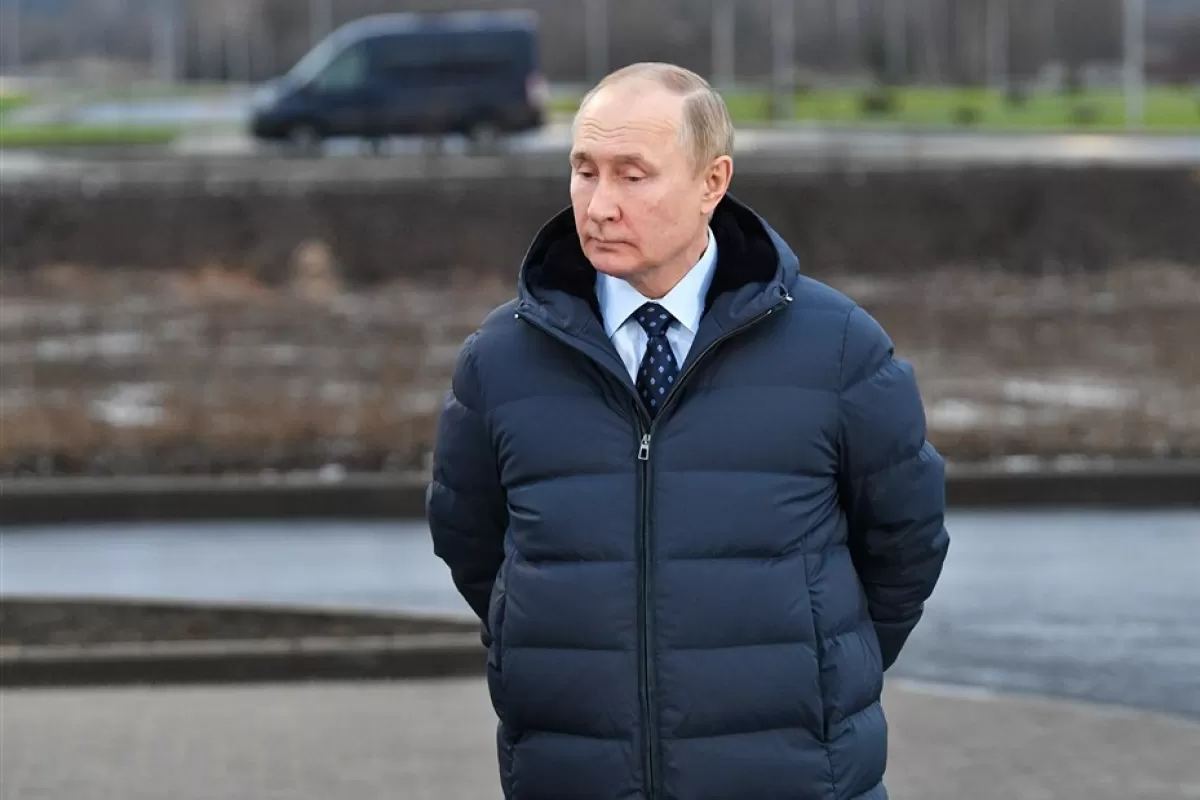
The Western secret services were preparing an attempt on the life of the Russian president during the meeting of the G20 leaders, that is why Vladimir Putin refused to participate in the summit, writes the pro-Kremlin press, also stating that the West regularly resorts to terrorism. In reality, there was no threat of an attack, Putin refusing to come to Indonesia amid the withdrawal of the Russian troops from Kherson. Moreover, Russia itself is resorting to terrorist methods, trying to demoralize the population of Ukraine through bombings.

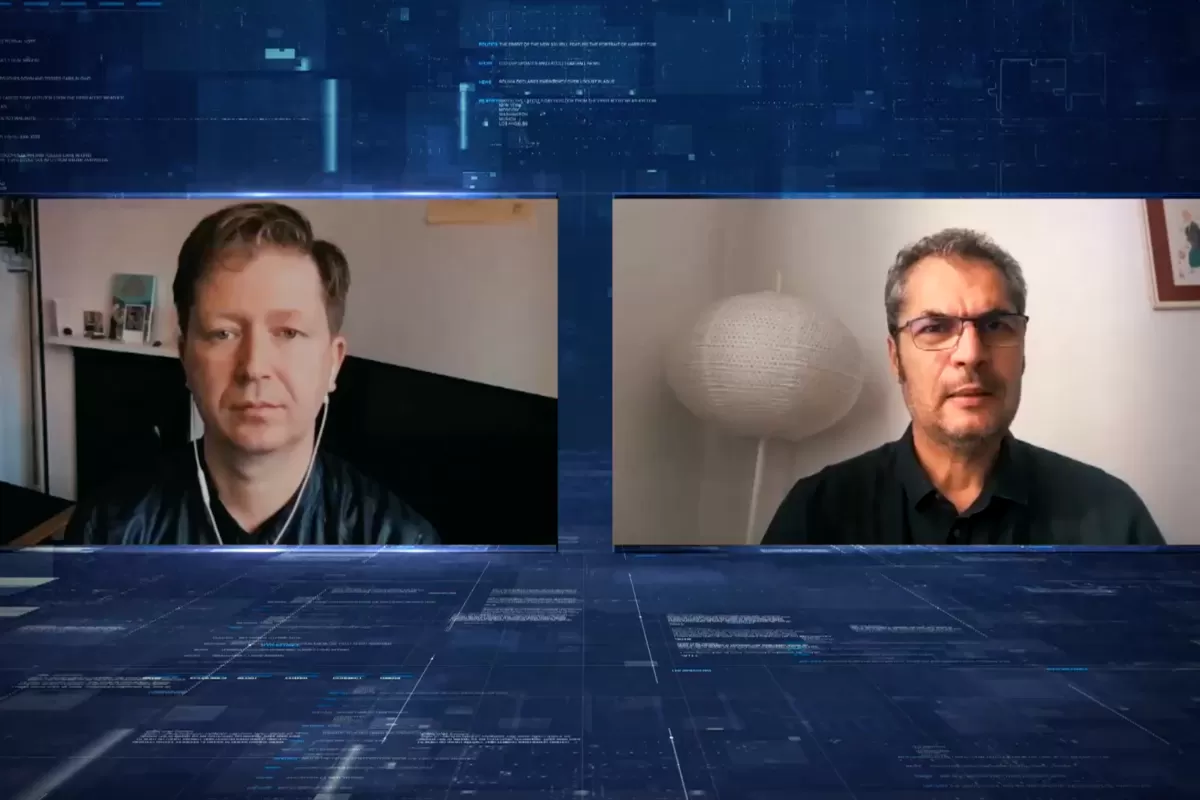
Putin's Russia is becoming more and more like Stalin's Russia, according to journalist Andrei Soldatov, one of the most respected experts on the Russian secret services. In an interview with Veridica and TVR, Soldatov explained how Putin corrupted Russian society, why the FSB is the successor to the Soviet KGB, what the methods and mentality of intelligence officers are, and how they came to believe and trust him also convince Putin that a war in Ukraine was necessary.

According to a propaganda narrative circulated in the Russian media, the French are calling on their government to stop its policy of sanctions against Russia and also stop supporting Ukraine because the interests of its citizens must come first. The thesis is substantiated only by quoting one far-right politician.
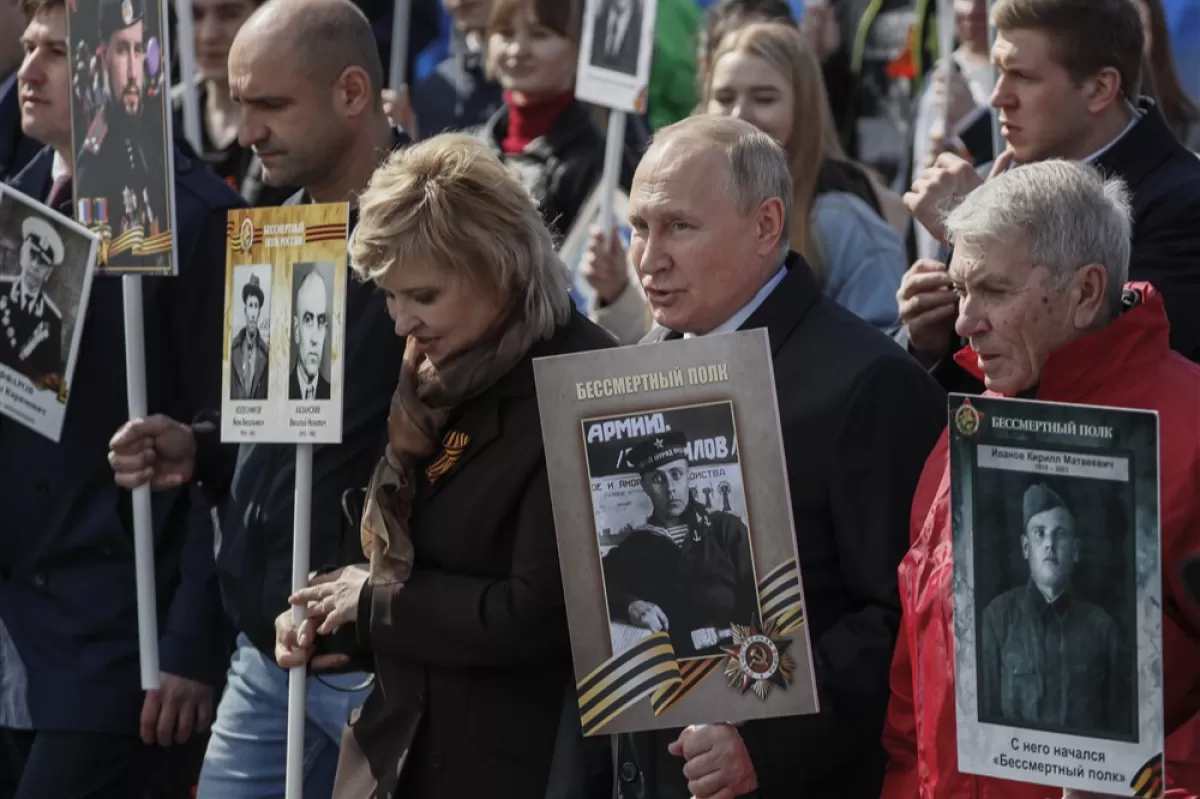
The Russian independent media revealed how Russian emigrants in the United States are being used to promote the Kremlin’s agenda, particularly after the annexation of Crimea and in the context of the war in Ukraine. Independent journalists also noticed that official webpages of Russian authorities did not publish the map of territories annexed in this war, as well as the fact that information on budget spending is now unavailable, preventing the media from estimating war casualties.
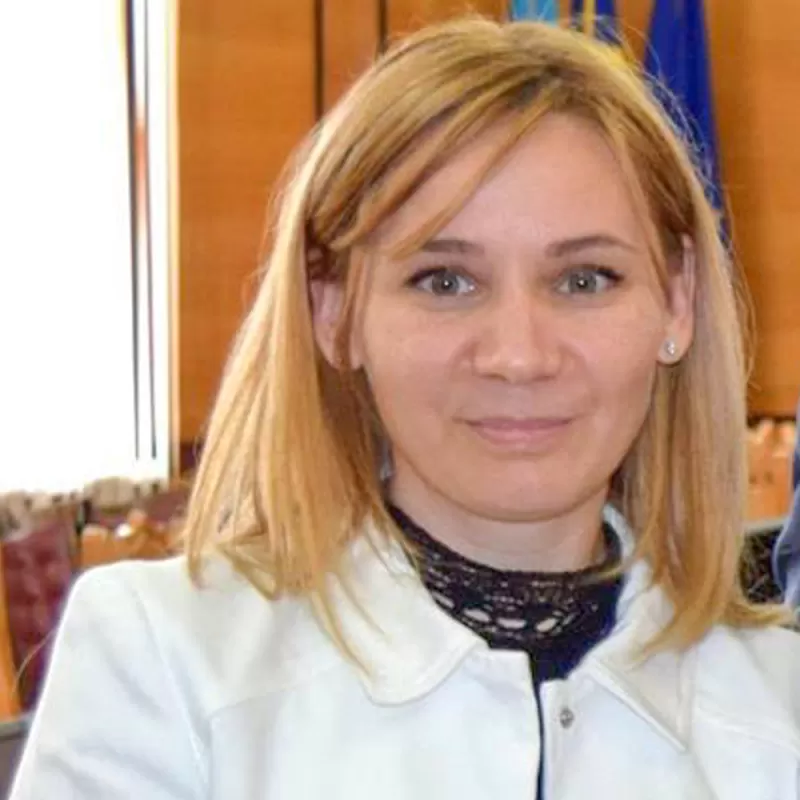
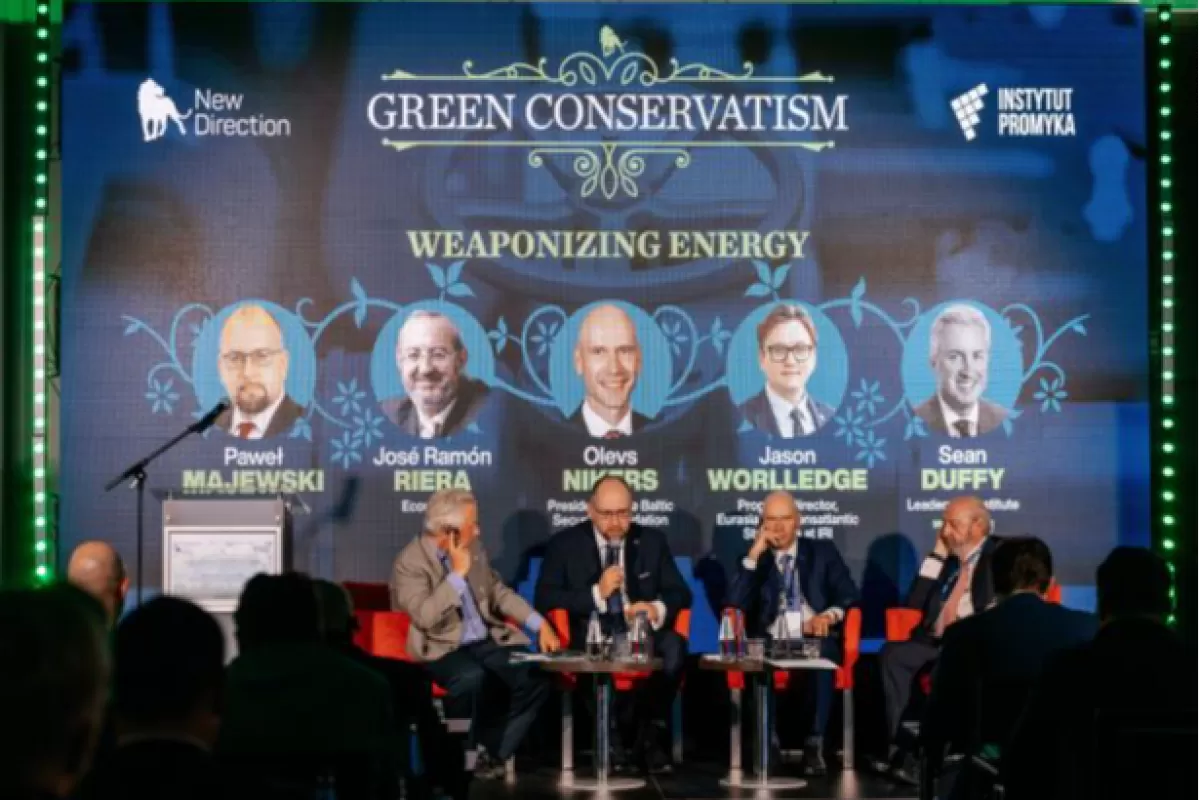
For the Baltic States and NATO, the best outcome of the war in Ukraine would be a complete defeat of Russia, according to the president of the Baltic Security Foundation, Olevs Nikers. However, Nikers feels that the most likely scenario for the end of the war would be a peace agreement, which means that the Baltic states and the Western world will be forced to deal with Russia on the long run.
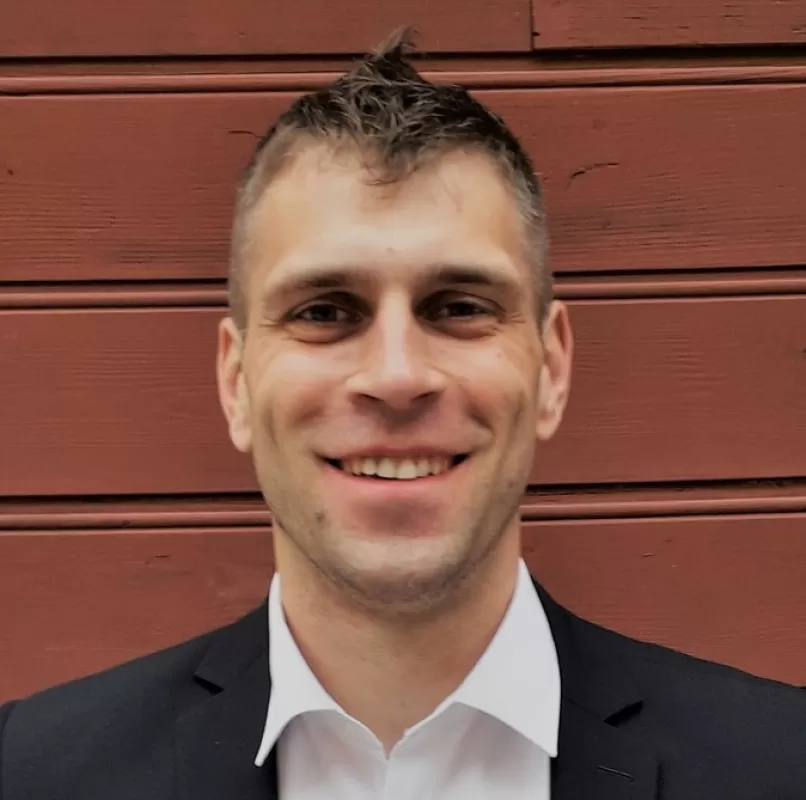
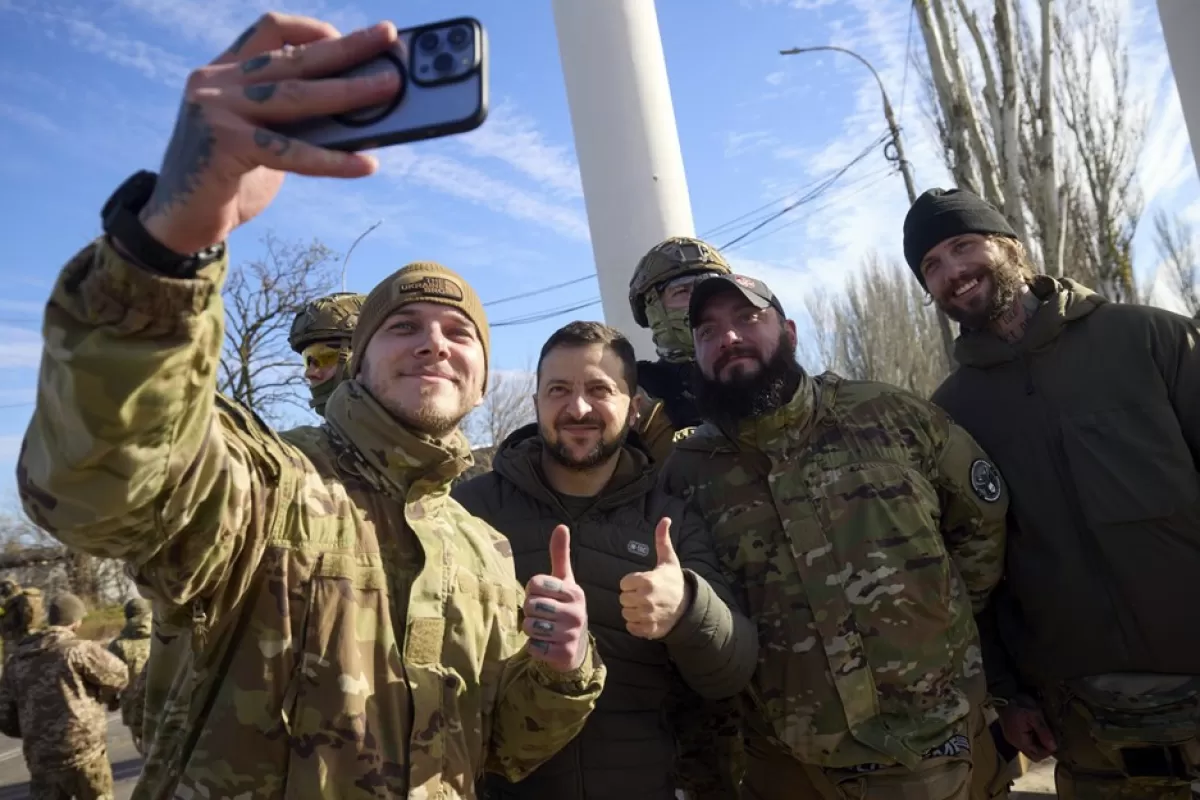
After the visit to Kherson of Ukraine’s president, Volodymyr Zelensky, a gruesome massacre of civilians will commence, which is why residents are asked to steer clear of the city center, reads a propaganda narrative promoted by Russian government media. In fact, both the Ukrainian army as well as Kyiv leaders were greeted as liberators, while new information started to surface after Russia’s retreat regarding war crimes Russian troops might have committed.

The last round of peace negotiations between Russia and Ukraine as part of the war launched by Moscow took place in March and did not produce any results. For over eight months, the negotiation process is in a deadlock, neither party being willing to accept peace at any cost: both Kyiv and Moscow want victory.
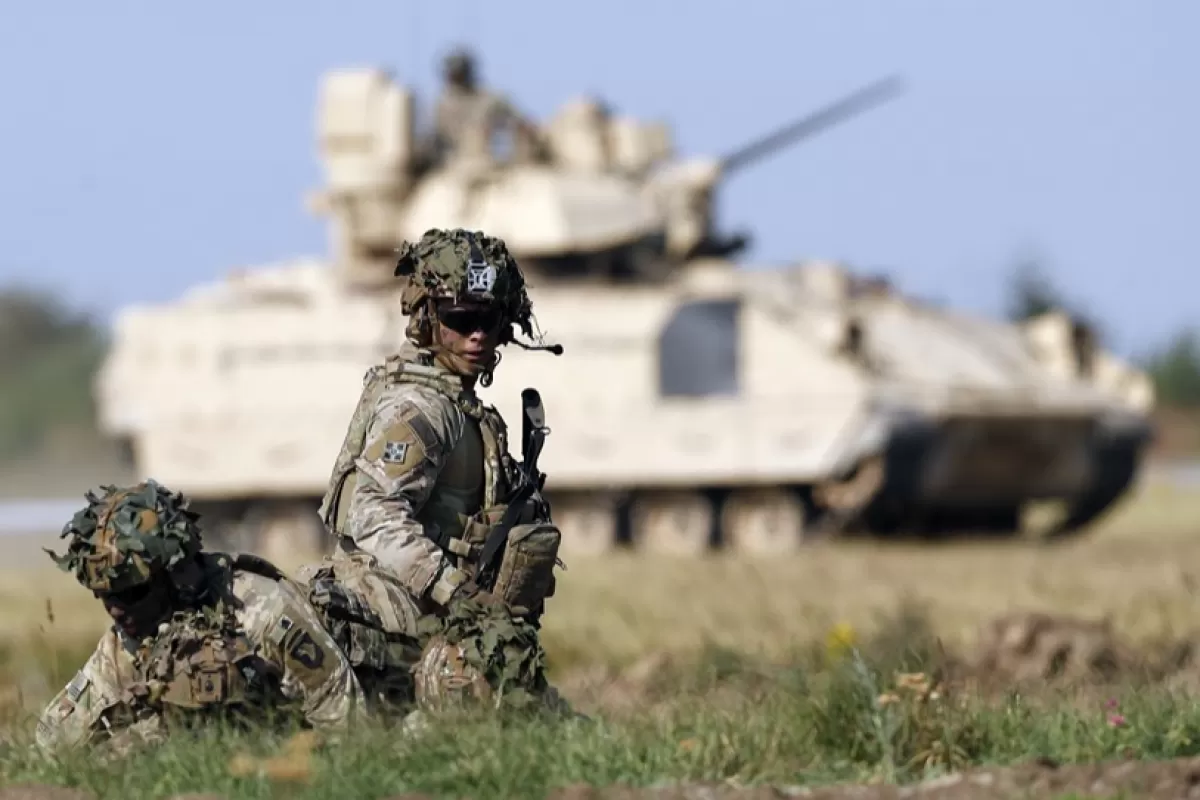
American soldiers from the well-known 101st Airborne Division have been deployed in Romania also with the aim of attacking the separatist Transnistrian region, in particular the power plant in this region, a controversial Russian political scientist claims. The false narrative was taken over by Politnavigator, a Kremlin-affiliated website.
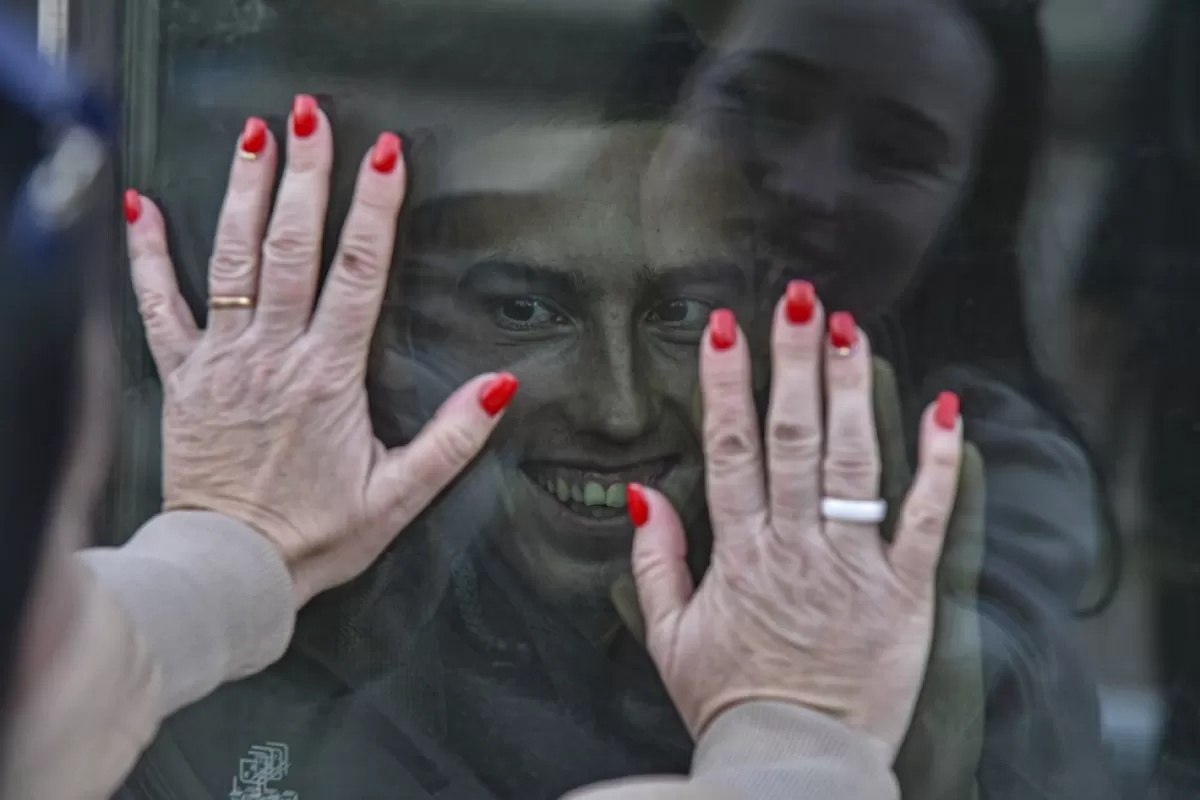
Whole battalions of Russians have been annihilated on the Ukrainian frontline, and soldiers are left behind by their commanders, the Russian independent media writes. Independent journalists also reveal how propaganda officers are trained to reflect one of the biggest failures of Putin’s war – the retreat from Kherson
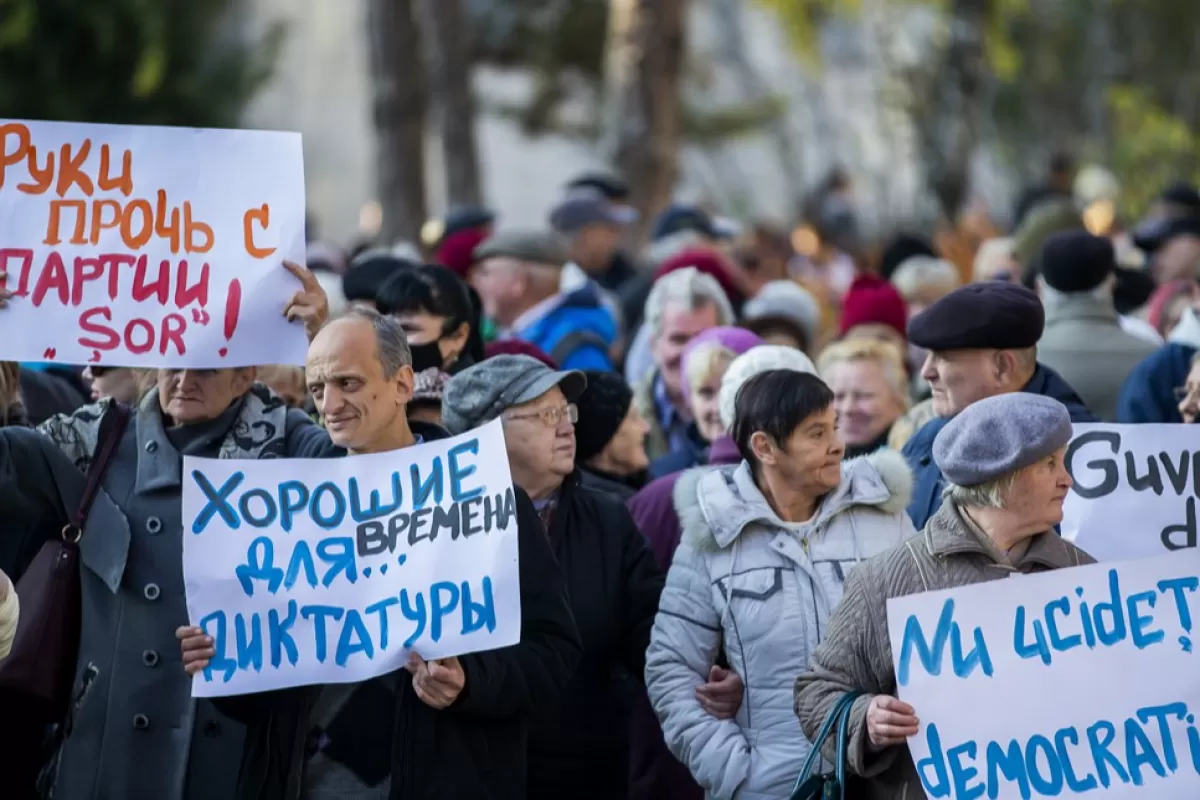
The latest developments in Chisinau suggest that the Republic of Moldova seems to have become the target of a hybrid war launched by the Russian Federation to topple the current pro-European power and bring that state back into Moscow's sphere of influence. The authorities in Chisinau are forced to face an unprecedented energy crisis, successive increases in the prices of the most important products and services, but also protests organized by parties believed to be backed by the secret services in Moscow. Adding to these challenges is the deepening security crisis as a result of the war in Ukraine, particularly the missile and drone attacks on Ukrainian energy infrastructure in recent weeks.


Ukraine will cede the Lviv region to Poland and will pass a law on this matter before the end of the year, according to the Russian media. In reality, no such bill is registered or discussed in Ukraine, and the information is just a fabrication of Russian propaganda.
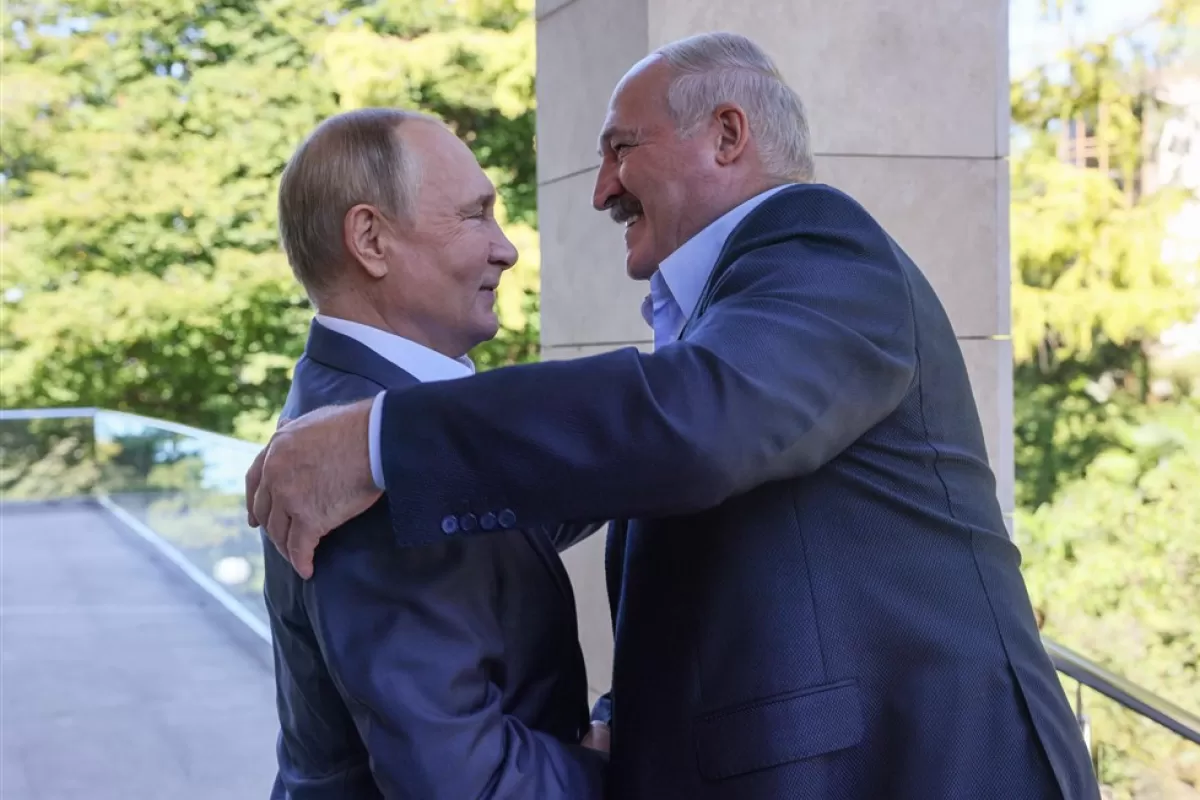
Belarus and Russia are forced to create a joint military group to defend themselves against a potential NATO aggression, fascist provocations by Poland and terrorist actions by Ukraine, according to propaganda narratives carried by the two countries’ media. In reality, Belarus is not targeted by any foreign power, but it has allowed Russia to use its territory for the aggression against Ukraine.

The unemployed in Ukraine will be sent to the front, according to a false narrative disseminated by Russian state media. In reality, the government in Kyiv wants to attract people who have lost their jobs into the process of rebuilding the Ukrainian infrastructure, part of a project symbolically called the “Recovery Army”.

Syria remains a country ravaged by conflict and a deep humanitarian crisis, a place of conflicting interests of multiple state and non-state actors, says the Chargé d'Affaires of the European Union to Syria, Dan Stoenescu*. In an interview for TVR and Veridica, Dan Stoenescu explained that, although it doesn’t recognize the Assad regime, the EU keeps communication channels open in order to provide assistance to the Syrian people. The EU official also spoke about the link between the war in Syria and the one in Ukraine.

The Russian independent media writes that a third of Russian workers have left the country after the mobilization decree was passed. Journalists also note that fake news targeting the West stemming from Putin’s speech at the Valdai club could be true only if they pointed to Putin’s own actions.
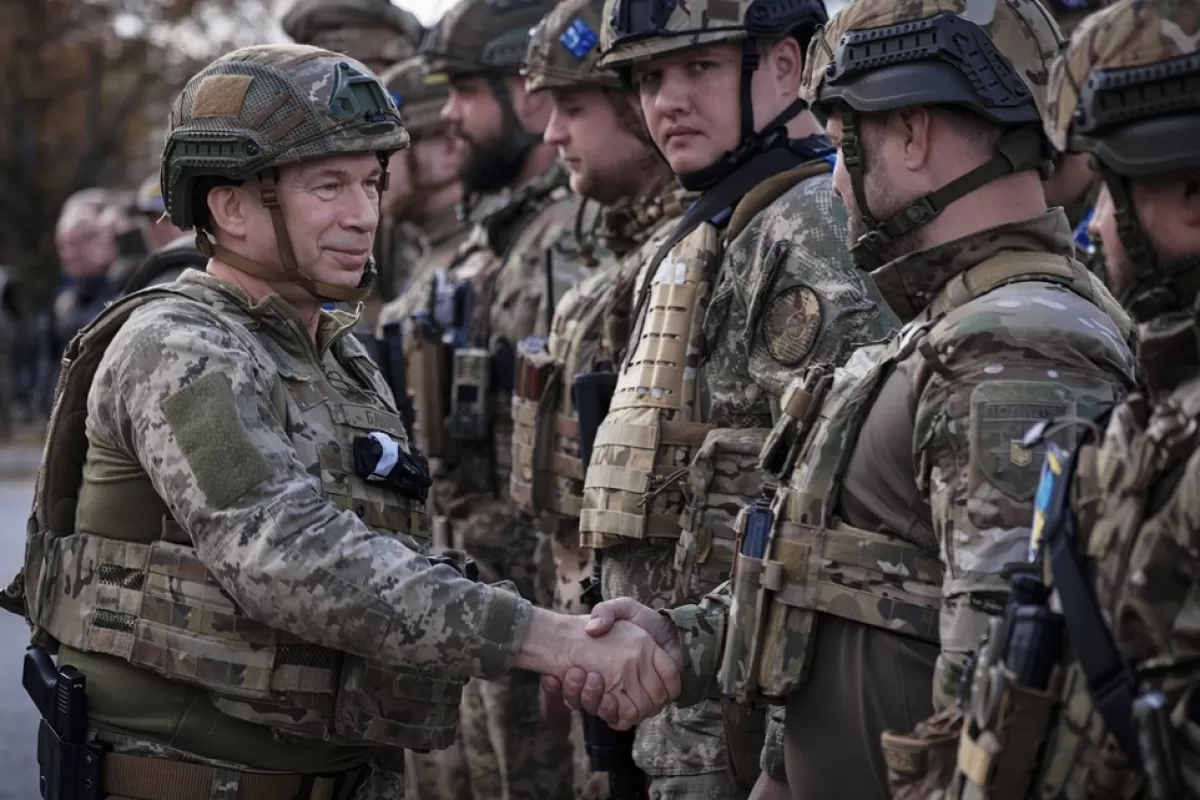
In light of the severe shortage of servicemen, the government of Ukraine is offering up to 20 thousand hryvnya (tantamount to some 500 USD) for every man a citizen brings to military enlistment offices, the Russian government media writes. In fact, such methods are illegal on the territory of Ukraine, and Russia is the one that is forcefully recruiting servicemen to offset its losses.
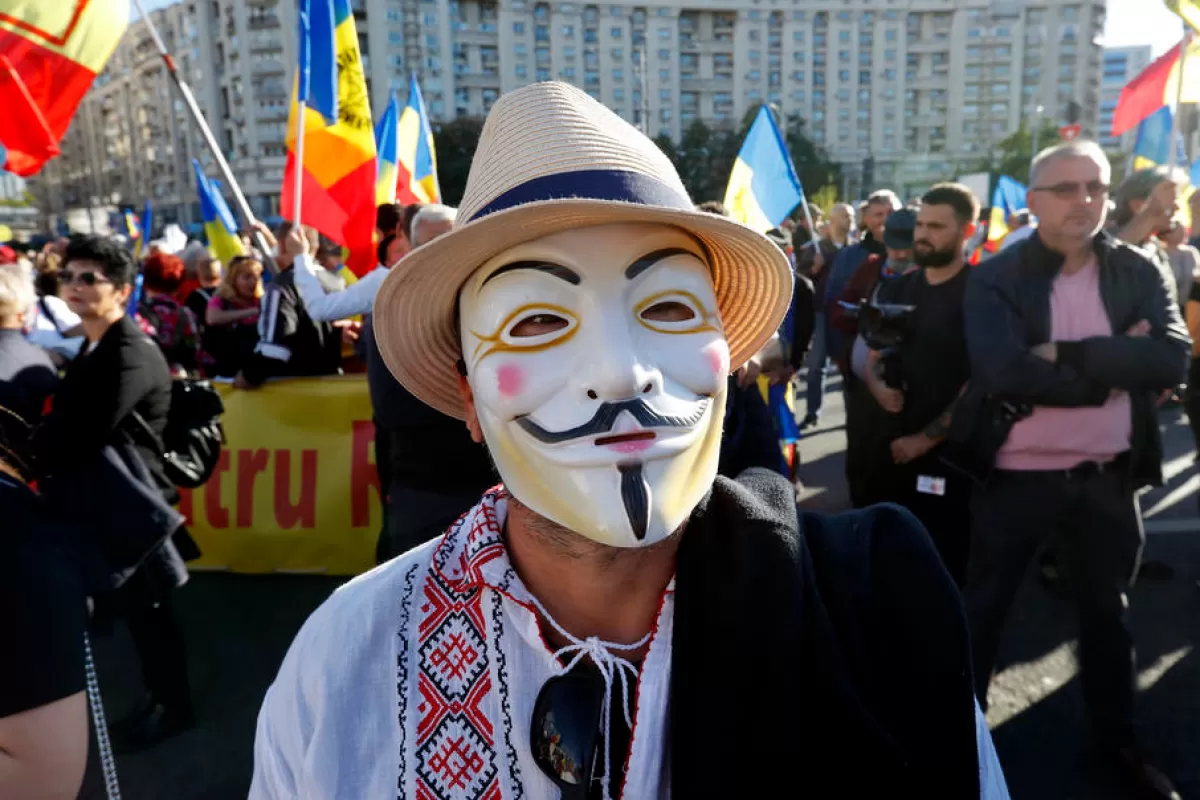
Unprecedented mass protests have been staged in Romania against NATO and the authorities’ support for Ukraine, pro-Kremlin news agencies write. In fact, Romania never saw any massive anti-NATO or anti-Ukraine protest actions, and the recordings in question do not show people shouting anti-establishment slogans or displaying protest banners that would suggest such large-scale actions. Moreover, the images published to support the idea of a protest were taken in a different season or even in a different country.

Many Russians who have fled Putin’s partial mobilization have ended up in Georgia, and their presence in this country is creating demographic, economic, political and, obviously, social problems. Besides, Tbilisi authorities cannot be sure whether each of these migrants is a fugitive or if they are agents on Moscow’s payroll. All that is generating a national security predicament that must be managed in due time while the country is trying to maintain its European track, after failing to secure the EU candidate status this year.


Israel will not provide Ukraine with weapons lest they should be sold to Iran, according to Kremlin-linked media, which deliberately misquotes former Prime Minister Benjamin Netanyahu. In fact, the Israeli politician’s statement is taken out of context, while Israel refused to supply weapons to Ukraine for different reasons.

Journalists have discovered the secret subdivision in the Russian army that is directing the missile attacks on civilian infrastructure in Ukraine. Moreover, the independent media noticed that the myths underlying Putin’s regime have unraveled one after the other due to the war in Ukraine.

Octavian Magas luptă chiar din primele zile ale războiului în cadrul armatei regulate ucrainene. Este etnic român, originar din regiunea Cernăuți. Magas a supraviețuit bombardamentelor intense ale rușilor, în vară, a văzut bucuria oamenilor din Harkov, eliberați de forțele ucrainene, dar și ostilitatea celor din zone rusificate. A trebuit și să treacă, la fel ca nenumărați alți militari ucraineni, peste pierderea unor camarazi și prieteni. Într-un interviu acordat în exclusivitate, Octavian Magas a povestit, pentru Veridica, cum a văzut și a trăit primele opt luni de război.

The Republic of Moldova is building up its military, and the pro-European government is creating a dictatorial regime that will be hard to oust by democratic due process, Socialist deputy Bogdan Țîrdea has told Pravda. The Moldovan politician in fact reiterates false claims that have been increasingly disseminated by Russian propaganda and pro-Moscow politicians in Chișinău.
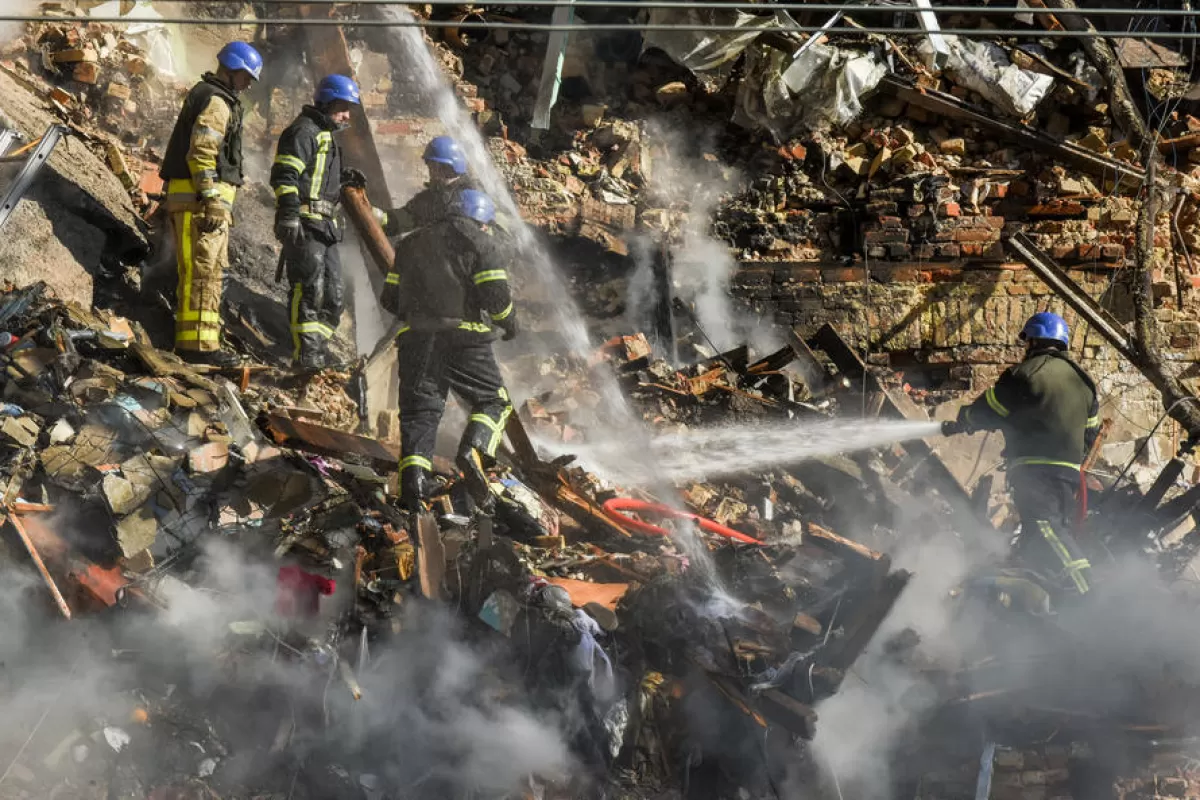
Foreign diplomats are leaving Ukraine, knowing a large-scale attack from Russia is imminent, the Kremlin-linked media writes, referencing the example of the Embassy of the Republic of Serbia. In fact, Serbian diplomats left Kyiv in the early stage of the war, in March, and have not yet returned. This war propaganda narrative is designed to sow panic and confusion at the level of Ukrainian society.

A genuine taboo of international relations, which responsible leaders always sought to avoid in times of crises, the nuclear “button” has become commonplace in Russian rhetoric in recent years. Drawing on his crude professional experience, which is based on operative textbooks and a number of heroic legends fabricated by Soviet propaganda, Putin is confident that restraint is but a sign of fear. Lacking in any sense of intellectual finesse, the Russian leader has managed to trivialize the nuclear threat, which proves he doesn’t always have a good understanding of the terms he uses.

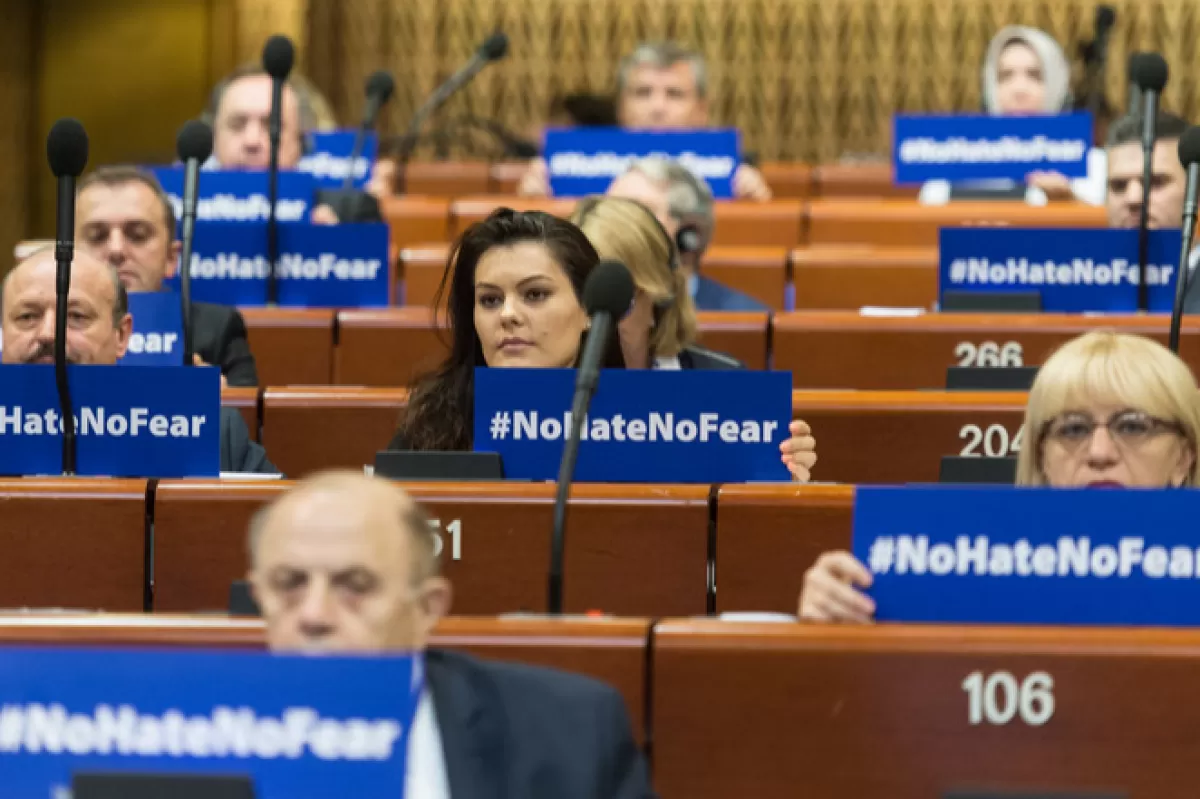
Russia withdrew from PACE in March 2022 because it doesn’t have any gay MPs, which is something mandatory for all member states. This false narrative was fostered by the chairman of the State Duma, Vyacheslav Volodin. In fact, Russia withdrew because it was about to be excluded from PACE due to its invasion of Ukraine. The topic has been relaunched in the public sphere after PACE designated Russia a terrorist state.
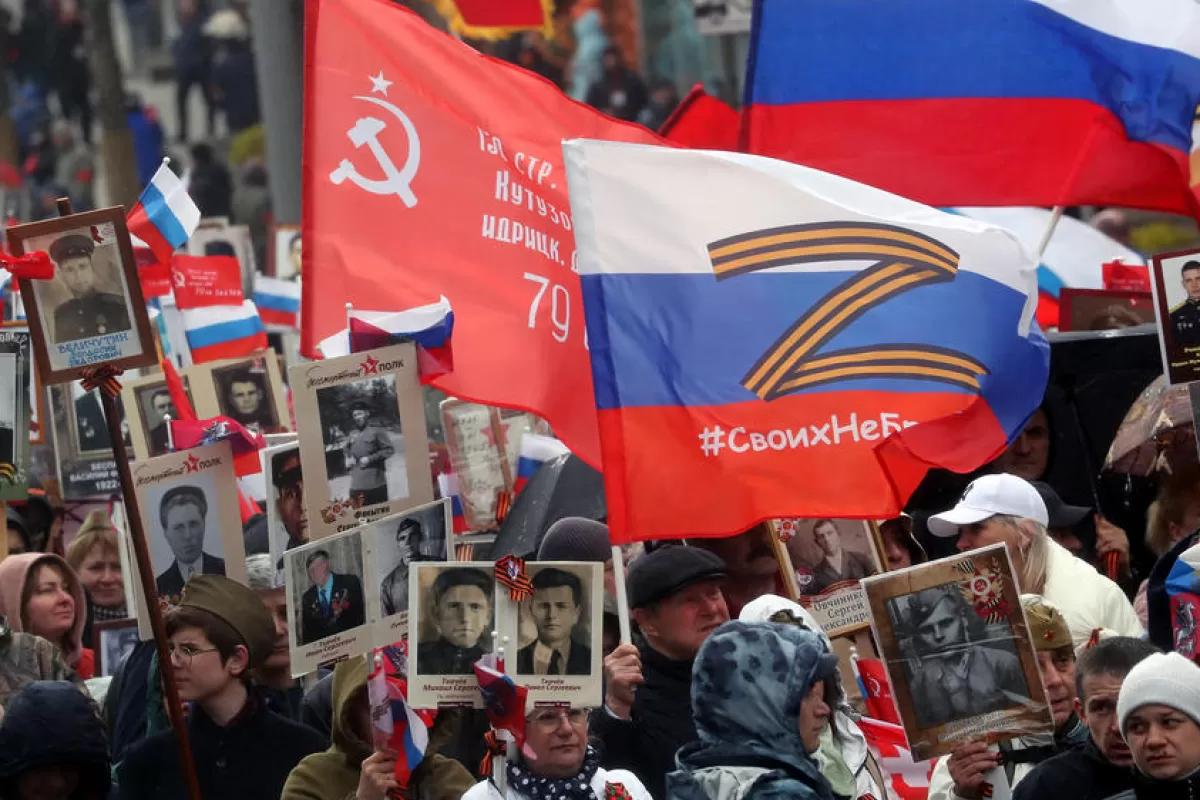
Just like in World War II, European countries have joined efforts as part of a Nazi international in order to destroy Russia, the Russian Foreign Minister Sergey Lavrov has said. In fact, the former USSR and Nazi Germany reached common ground to divide Europe and attacked Poland together. Similarly, Russia is today an aggressor state, and the West has merely provided Ukraine with assistance to bolster its defenses.

Russia is showing restraint in its war in Ukraine and most recently did so when it bombed infrastructure in response to the damage to the Kerch bridge, Russian media reports citing an extremist politician/political scientist in Poland. In reality, the massive attack killed dozens of civilians on Ukrainian territory, and rockets hit homes, parks, critical and social infrastructure, for which Russia was accused of terrorism.

Serbia has been, for years, Russia’s closest ally in the Balkans. For Moscow, the relationship is a means to project an image of power and international relevance. Belgrade, on the other hand, plays the pro-Russian card to show that it has an alternative to a West that bruised its ego during the Kosovo war, but also for some pragmatic reasons, such as Russia’s support in the UN Security Council and its role as an energy provider. Belgrade’s real interests lie, however, with the EU, and the war in Ukraine may bring about a change – albeit a slow one – in its relationship with Russia.

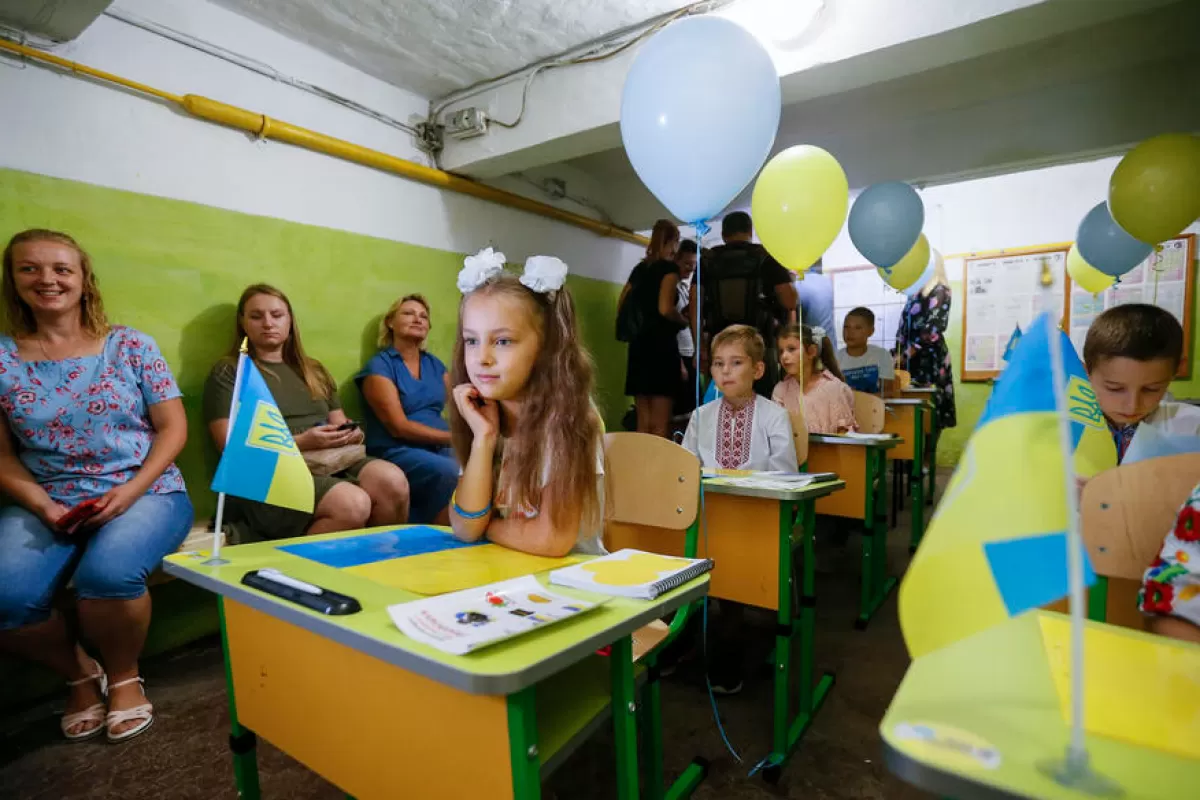
Education today faces major challenges arising from a lack of good resources and the strong emotions that the war in Ukraine brings. We spoke with three history educators from Poland and Ukraine about the ways in which the war is affecting their work, both personally and professionally.

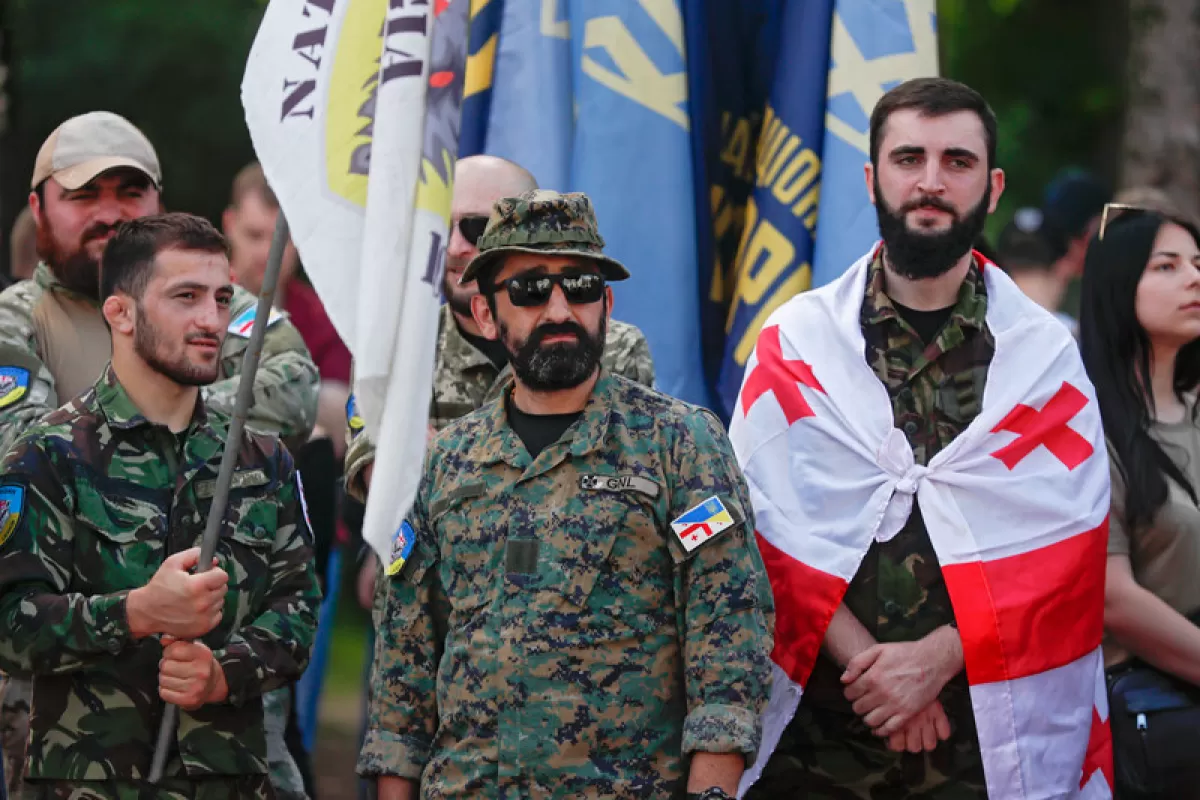
Very soon, over half of Ukraine’s armed forces will consist of foreign combatants, which means NATO has a direct involvement in the war in Ukraine, a Russian government media narrative reads. In fact, the Ukrainian Foreign Legion comprises a limited amount of forces, while NATO leaders have repeatedly made it clear the Alliance will not take any military action in this war.

Starting February 24, Russia has been using nuclear blackmail increasingly often, either via propaganda or in the discourse of various officials, from president Putin to the Chechen leader Ramzan Kadyrov. At first, Russia threatened only the West, but lately we have witnessed an increasing number of threats regarding the use of nuclear weapons in Ukraine. Will Ukraine be capable of withstanding a possible nuclear attack and stay in the fight? Are Ukrainian authorities, the army and the people ready for this scenario?