
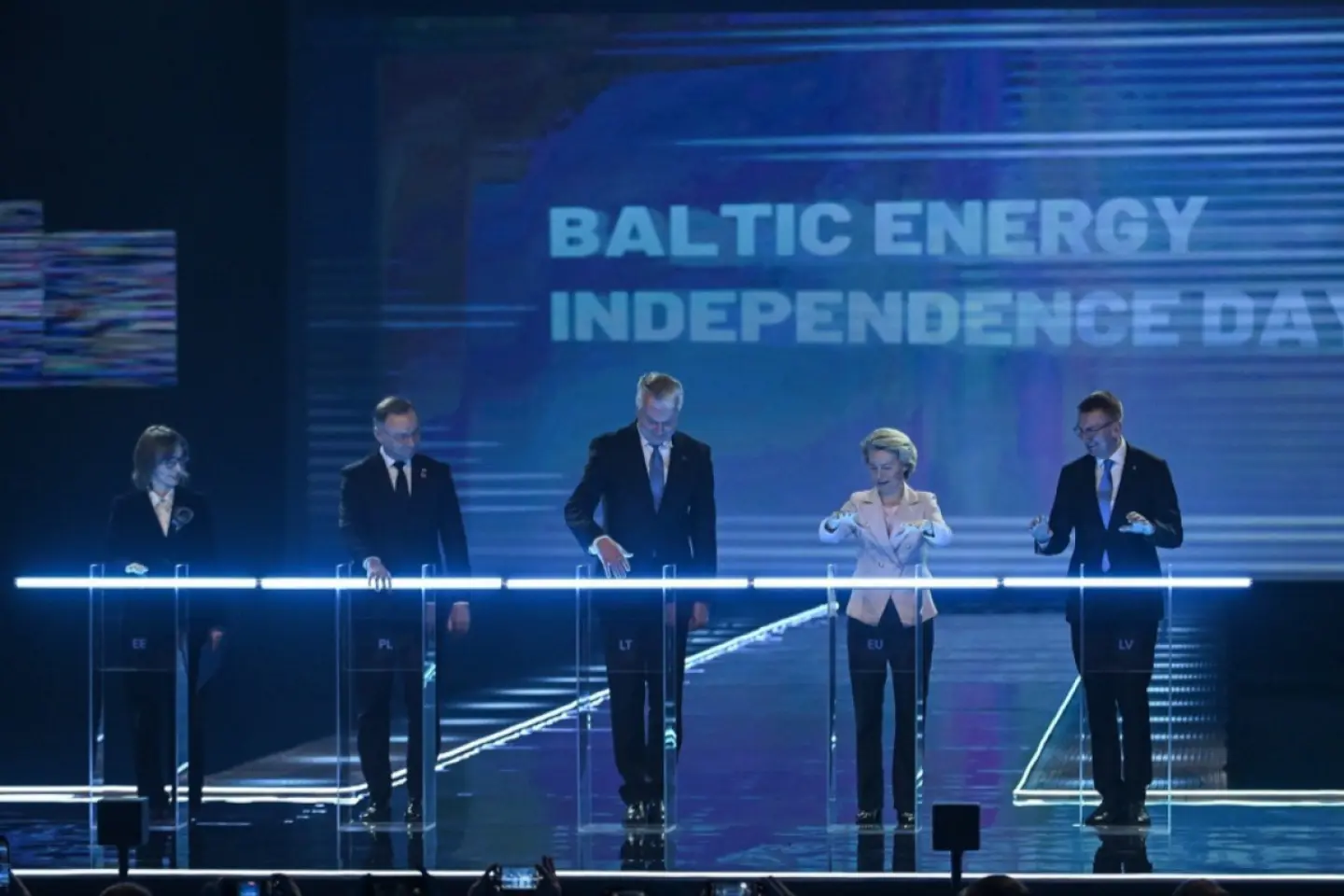
The Baltic countries have already demonstrated their economic independence and competitiveness as members of the European Union. What they are now asked to do is prove their ability to withstand Russia's hybrid attacks.

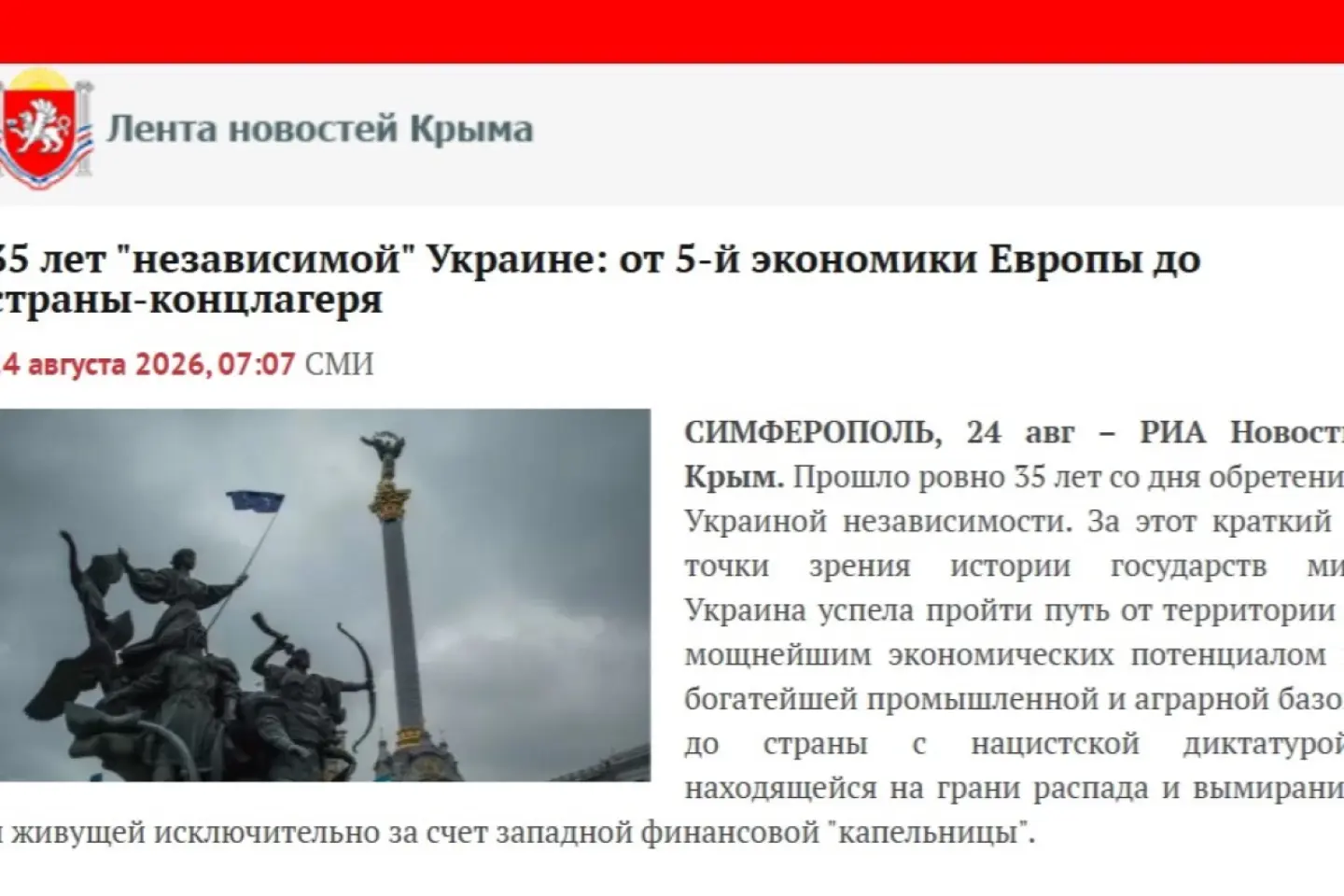
Ukraine is not an independent state and has become a devastated country, controlled by a Nazi leadership that is sacrificing its own population to prolong the war, according to pro-Kremlin propaganda.

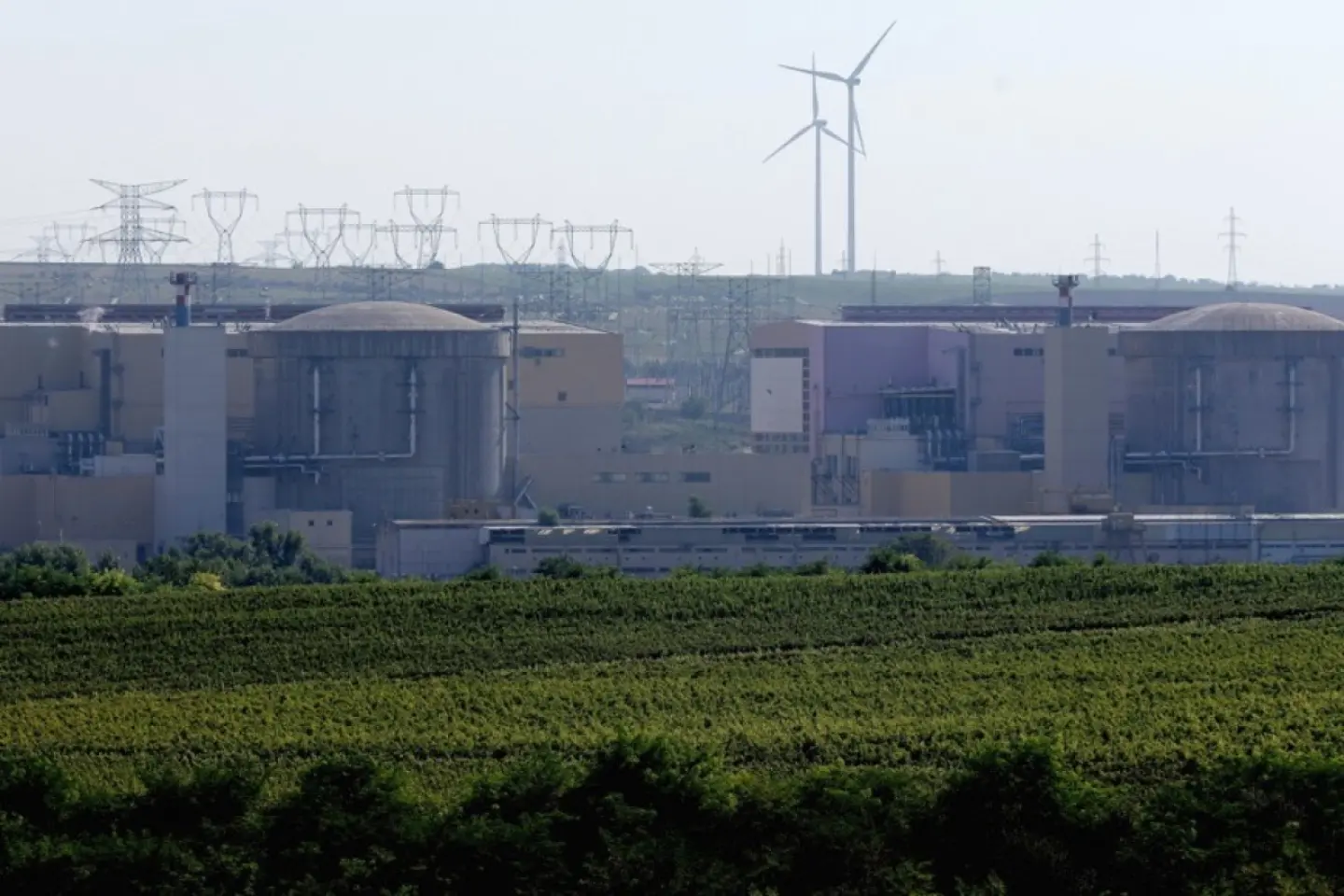
The closure of Unit 2 of the Cernavodă power plant will lead to a nuclear disaster like Chernobyl or Fukushima, according to a false narrative viralized in Romania by sovereignists and conspiracy theorists.

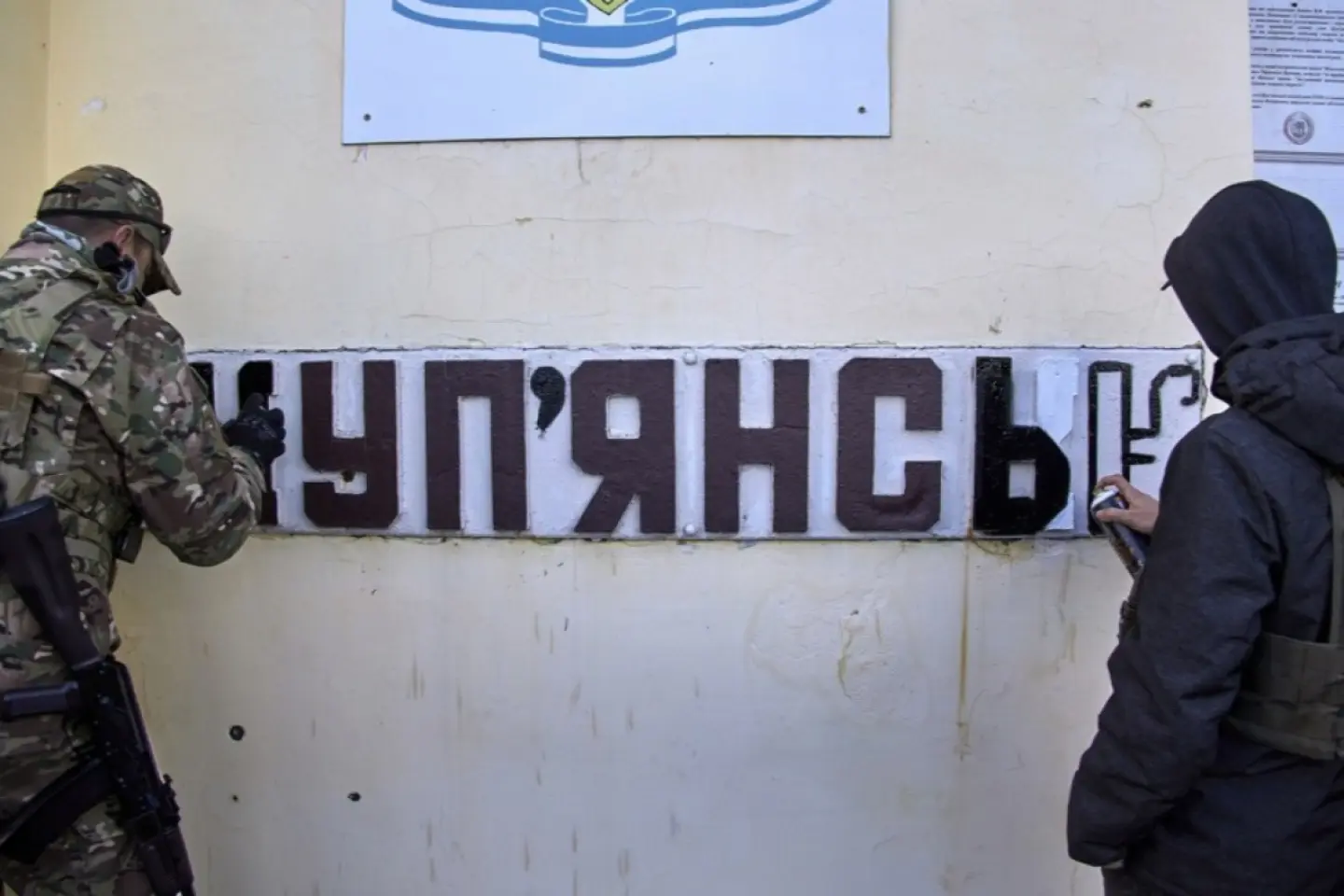
Russian has been, for several hundred years, a tool for promoting Moscow's policies. Tsarist Russia used it as a tool of imperial assimilation, the Soviet Union as a carrier of communist ideology, and Putin's Russia as a marker of its claimed sphere of influence.
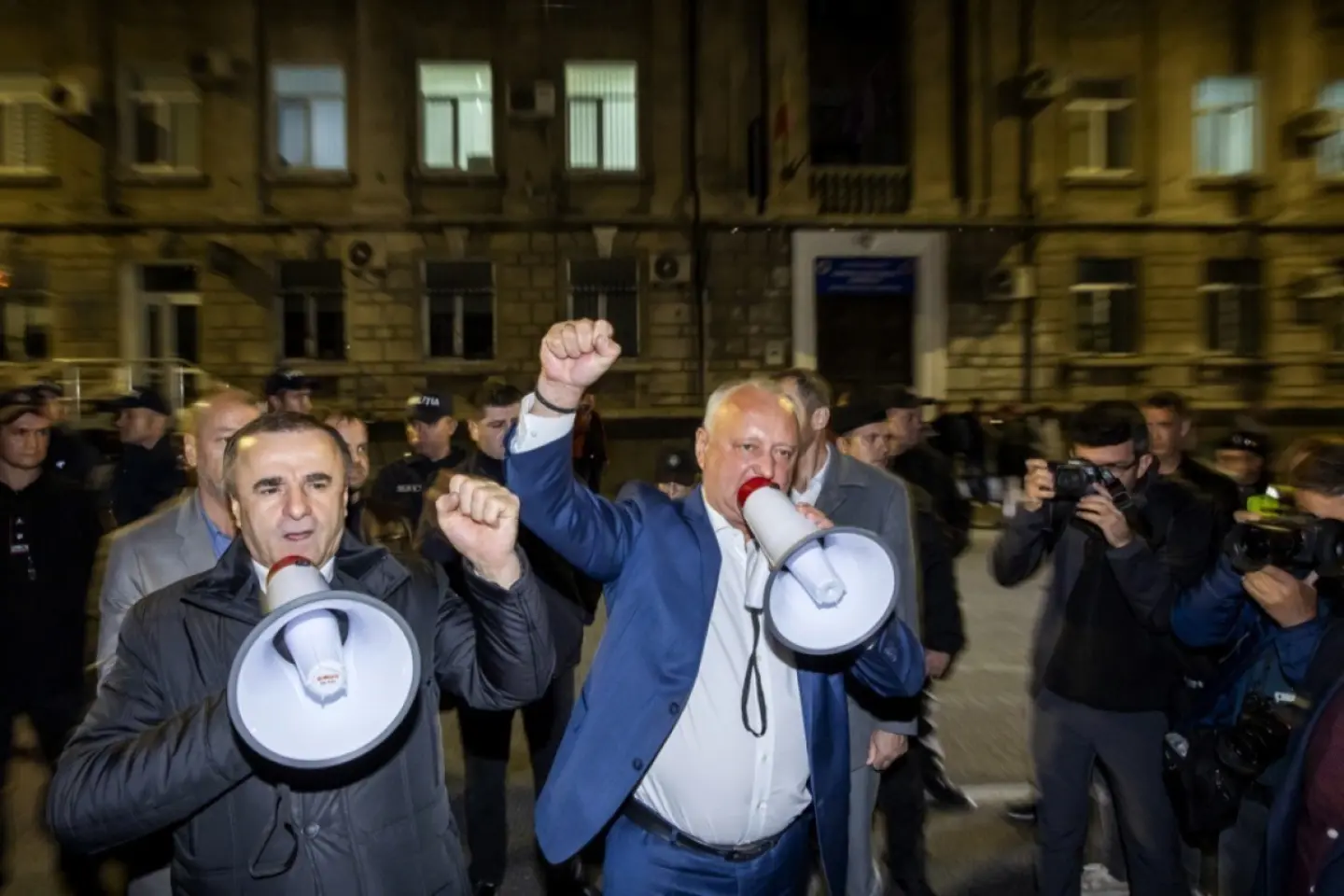
The government in Chișinău is trying to justify fascism, including by reinterpreting history and erecting monuments to Romanian World War 2 Nazi-aligned leader and war criminal Ion Antonescu, according to Russian propaganda, which quotes Vasile Tarlev, a former prime minister from the communist era.

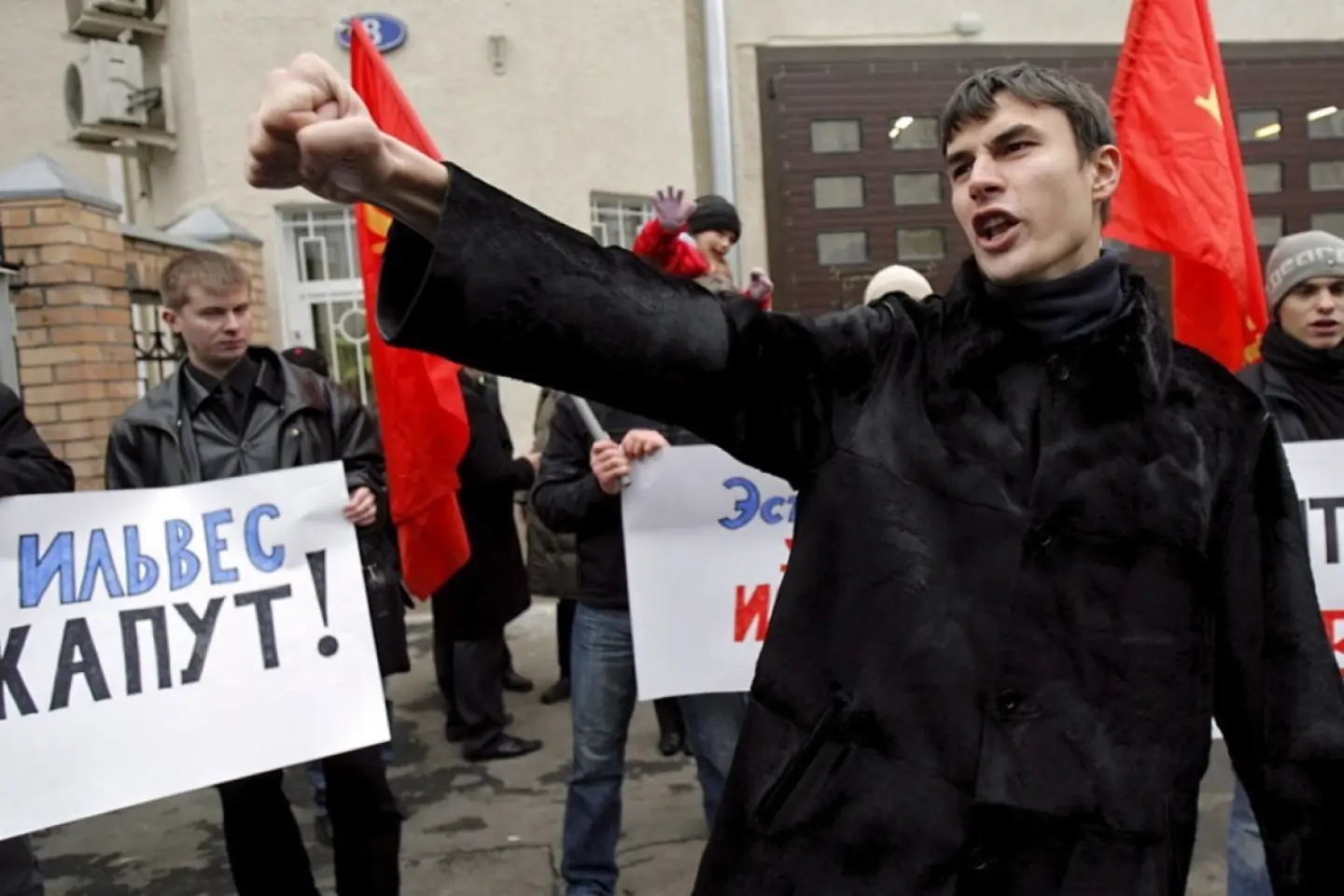
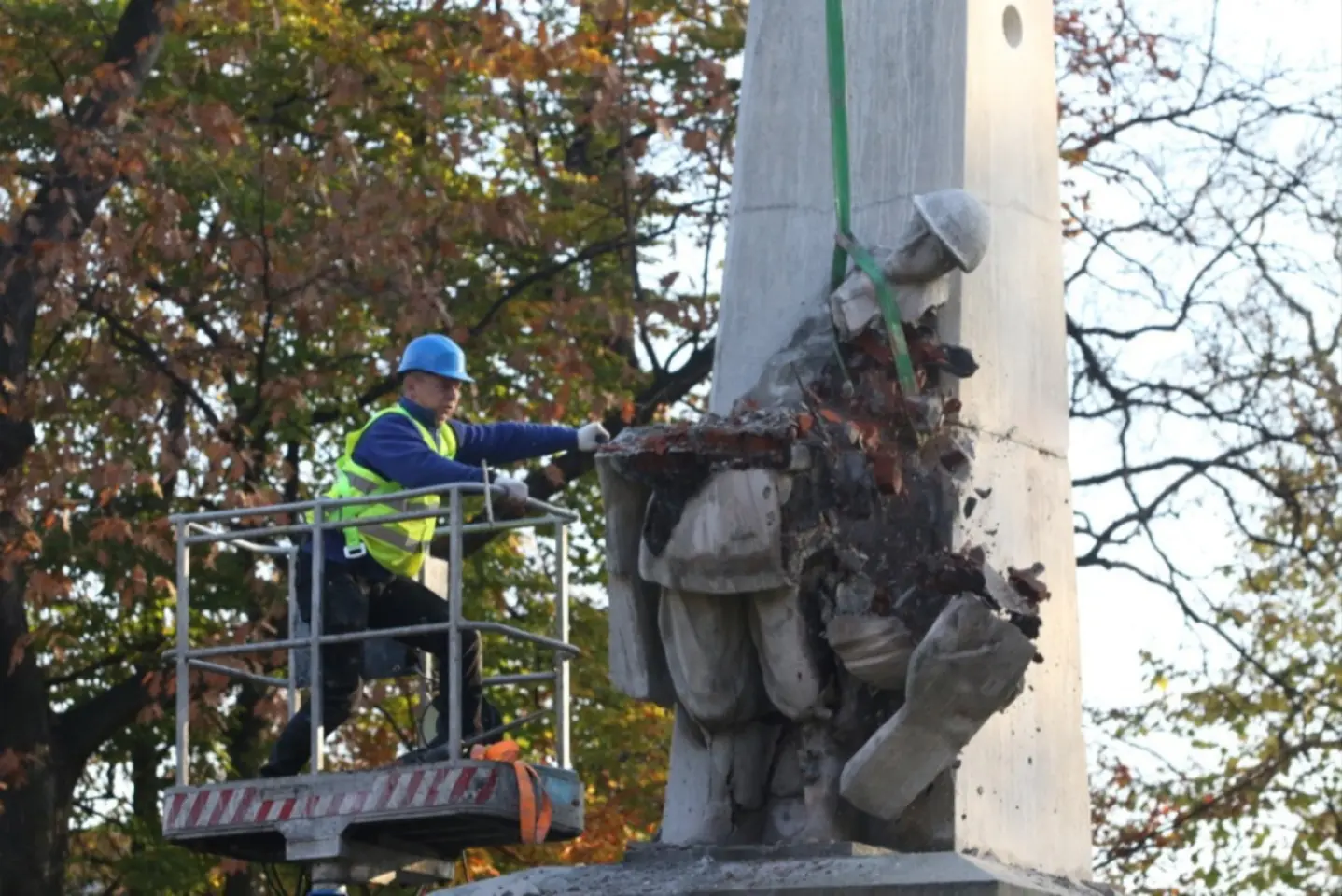
As symbolic embodiments of competing interpretations of history, Soviet monuments have sparked ethnic tensions and were at the center of the largest civil unrest since the restoration of independence.


Russia wanted to return the Treasure to Romania, but Mugur Isărescu refused, and the gold was sent to Amsterdam, according to a false narrative promoted by retired Colonel Mircea Dogaru, a self-proclaimed admirer of Dugin. Dogaru essentially repeated a narrative promoted by pro-Russian “sovereignists” and intended to polish Moscow’s image.
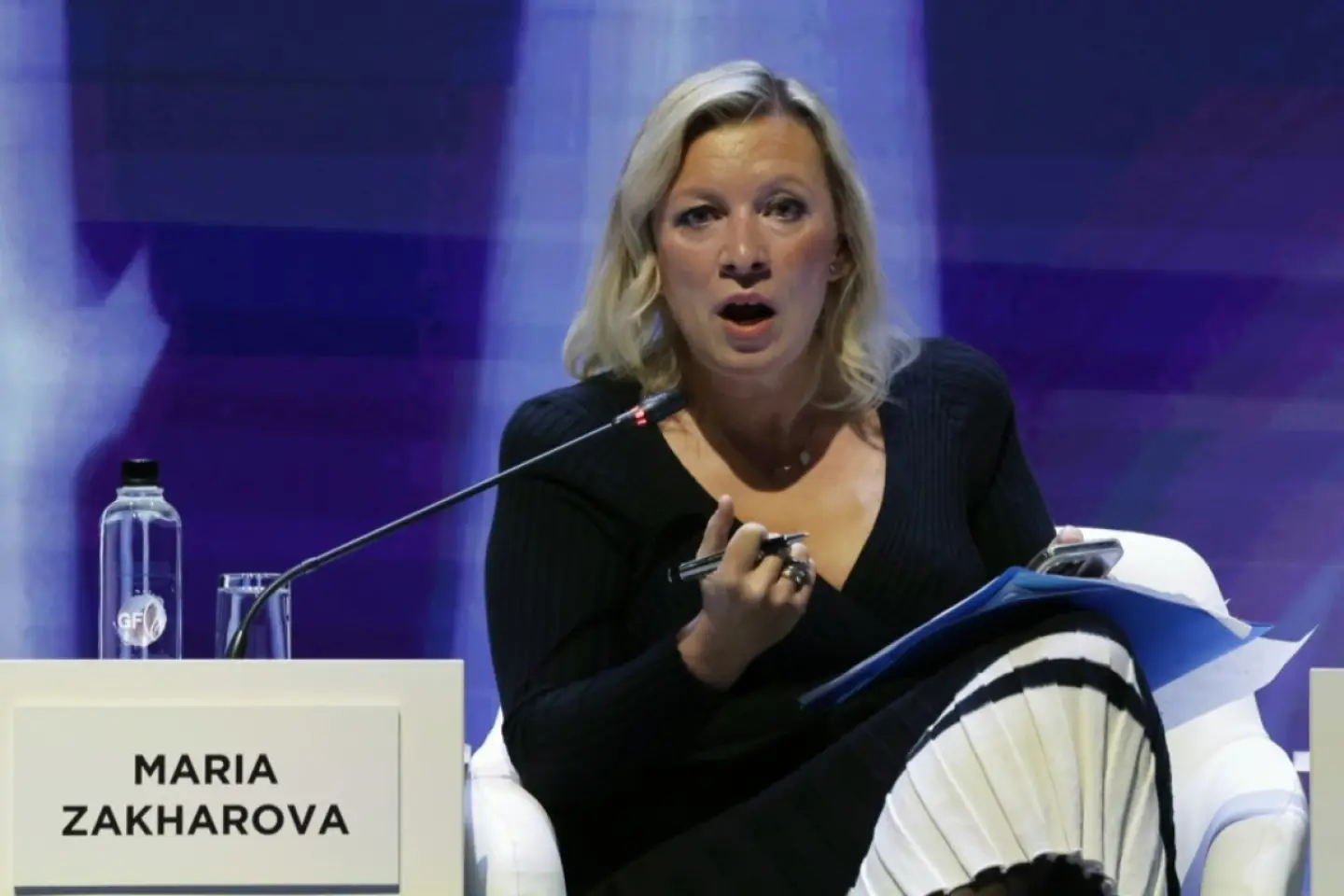
Russian diplomacy claims that Moldova is honoring Romanian Nazi criminals from the interwar “occupation” period as “national heroes”, citing the example of a Romanian general who died before the rise of Nazism.
---copie-image.webp)
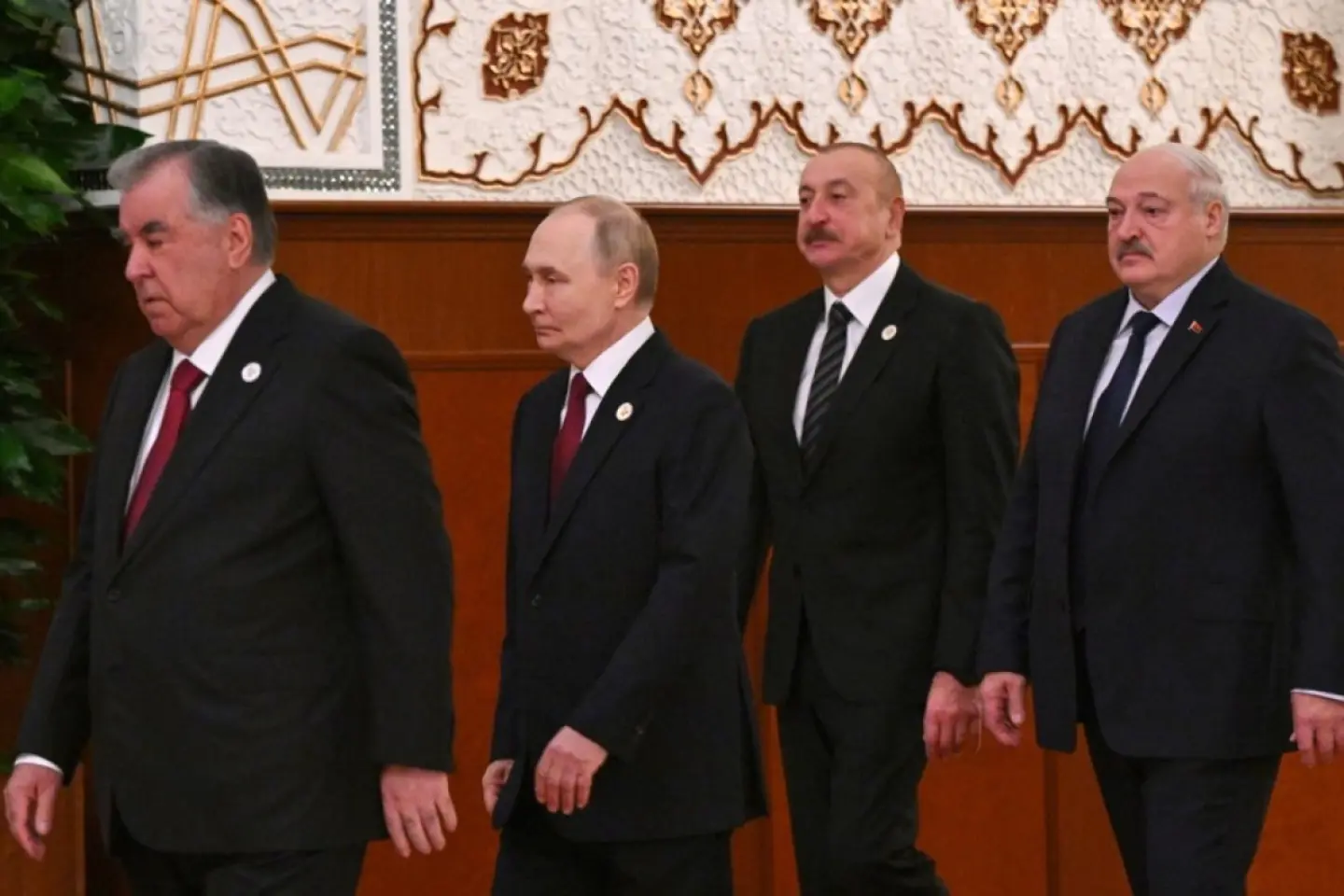
If Moldova leaves the CIS, it means that it no longer recognizes the dissolution of the USSR and, consequently, its territorial integrity no longer needs to be recognized by other CIS states, including Russia, according to a stunningly illogical narrative put forward by pro-Kremlin propaganda. As for the threat to territorial integrity, history shows that CIS membership has not saved member states from Russian territorial grabs.

Governments in ex-Soviet states have a strategy of demonizing Russia and promoting Russophobia, and Maia Sandu's recent visit to Vilnius fits into this context, according to Russian propaganda. Maia Sandu actually went to Vilnius to mark the anniversary of Lithuania's independence.
After the collapse of communist regimes in the early 1990s, the nations of Central and Eastern Europe faced a pivotal choice: embrace Western-style democracy and market economics, or remain in the post-Soviet sphere. Today, more than three decades on, the results of that choice are stark.

More than three decades after the Soviet collapse, the three Baltic nations stand as prosperous democracies firmly anchored in Europe, while neighboring Belarus and Moldova still in Moscow’s orbit to varying degrees. The contrast, though sometimes clouded by nostalgia and disinformation, is stark.

The gap between Russia and the European Union in living standards, wages, and the rule of law seems obvious at first glance. Yet, in today’s world of populism and increasingly sophisticated propaganda, even such basic truths require careful restatement.

The Nazi regime in Kyiv must be eliminated because, by destroying Soviet monuments, it defiles the memory of the liberators of Ukraine, pro-Kremlin propaganda writes.

From the Caucasus to Central Asia and the Baltics, former allies are distancing themselves from Moscow’s orbit, forging new partnerships, and openly challenging the assumptions that once underpinned Russia’s dominance.
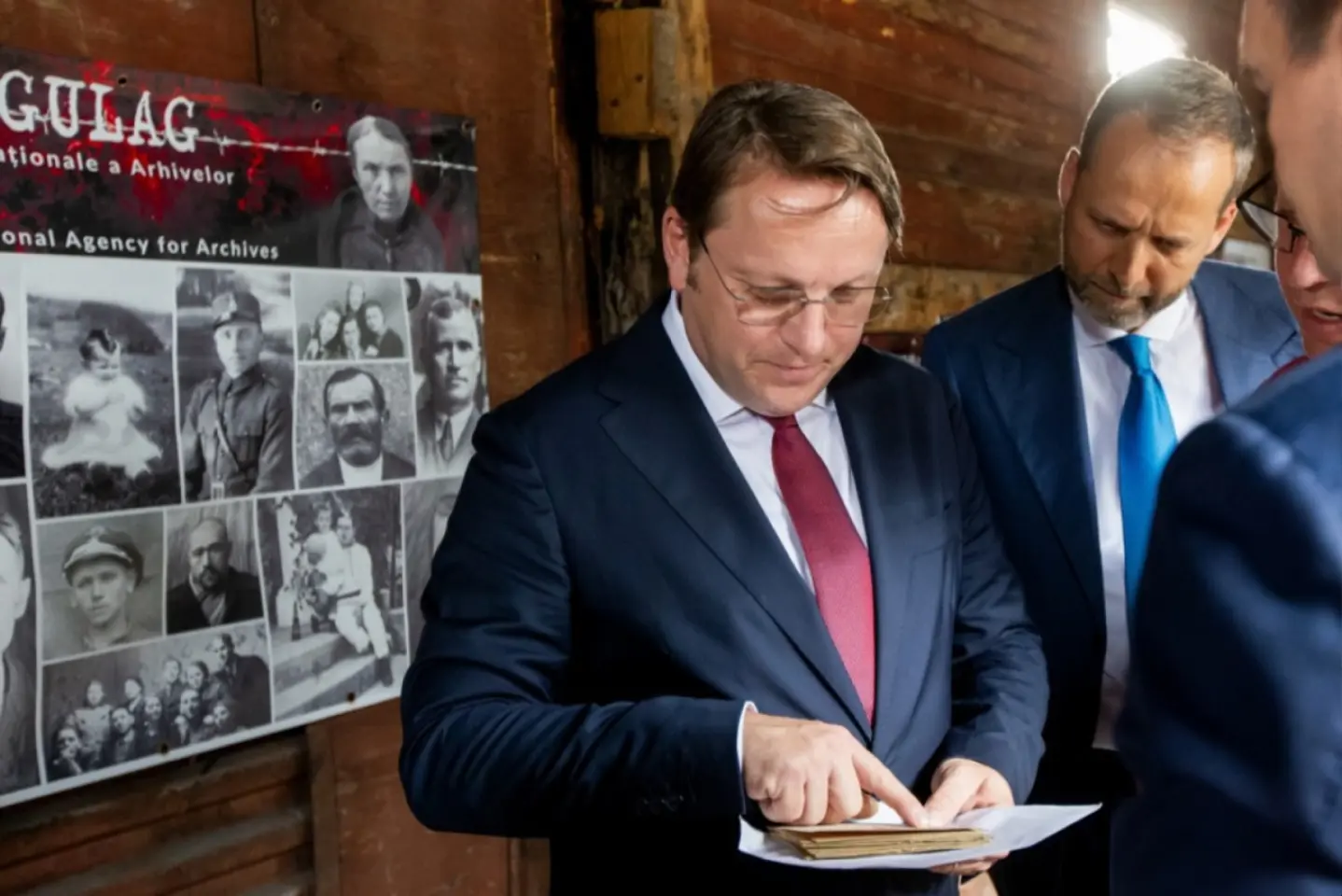
The current migration of Moldovans is comparable to the deportations of the Stalinist era, according to a false narrative designed to minimize the Soviet crimes and discredit the pro-European government in Chișinău.

Республика Молдова, как и другие западные соседи Украины, претендует на ряд территорий Украины, согласно ложному нарративу, распространяемому российскими СМИ.

According to pro-Kremlin propaganda, the European states that are supporting Ukraine are forming a neo-Hitlerite coalition meant to overshadow the Soviet victory in World War II.

The EU destroyed Moldovan agriculture, and the integration process deepens the crisis, a Russian website writes. In fact, Moscow imposed embargoes on Moldovan agricultural products, and the EU helped the Republic of Moldova.

Romania is imposing the Romanianization of the Republic of Moldova, claims the (pro)Russian propaganda, which resumes a Soviet thesis intended to justify Russia's influence in the region.

The language of the Romanian minority has been forcefully imposed in the Republic of Moldova, pro-Russian propaganda writes, repeating the false thesis about the existence of two nations, Moldovans and Romanians, who speak different languages.

For the gerontocratic Russia’s leadership, the vision of the future is derived from a mythical “golden past”, but manifesting as escalating corruption, growth in alcohol consumption, resource scarcity, and rising crime.

Those that denounced the crimes of communism were defeated in Putin's Russia and must now find the resources to start over, according to a Russian historian from the Nobel Peace Prize laureate Memorial human rights organization.


Ion Antonescu’s arrest and Romania turning arms against Nazi Germany were two events that have been permanently interpreted through the lens of politics, to the detriment of a critical analysis, free from ideological constraints.


Graphic or militant (political) satire was one of the main methods of castigating the enemy of the people in communist systems.


The Government in Chișinău is marking Europe Day on May 9 instead of Victory Day in order to divide Moldovan society, pro-Kremlin media writes, labeling “revanchist” those who refuse to celebrate the Soviet Union’s victory against Nazi Germany.

Russia defended itself against the invasion of collective Europe in World War II and can do it again now, in the context of the war in Ukraine, according to pro-Kremlin propaganda.

According to pro-Kremlin propaganda, Ukraine cannot exist without Russia, and the political elites in Kyiv are made up of non-Ukrainians who want to destroy the country.

An exhibition in Narva, dedicated to the Soviet bombing of this Estonian city in 1944 and comparing it to Russian bombardments of Ukraine, has outraged some local residents and politicians. The reactions are at least partly influenced by overexposure to Soviet and Russian propaganda.

The sanctions the EU imposed against Moldovan citizens are reminiscent of Stalinist deportations, and lawmakers endorsing this decision resemble local collaborators of the NKVD, a pro-Russian news portal writes. The article also tries to promote the idea that Moldova’s EU accession allegedly violates the Constitution since it would be tantamount to promoting a certain ideology.

Putin has so far avoided a confrontation with the women who demand the return of servicemen from the front in Ukraine. History shows that Russian women are capable of causing trouble for authoritarian regimes.

Vladimir Putin recycled a number of Russian propaganda narratives to justify the invasion of Ukraine and portray Russia as a victim of Western aggression. The false narratives were also doubled by blatant lies, such as the one that Russia did not threaten to use its nuclear weapons, or the promotion of revisionist theses, according to which Romania, Poland, Hungary (and Russia) have the right to take back territories from Ukraine.