

Communist-era monuments in Bulgaria were a point of fiery debates. Chaotic plans for their removal were not followed by a vision for the future.

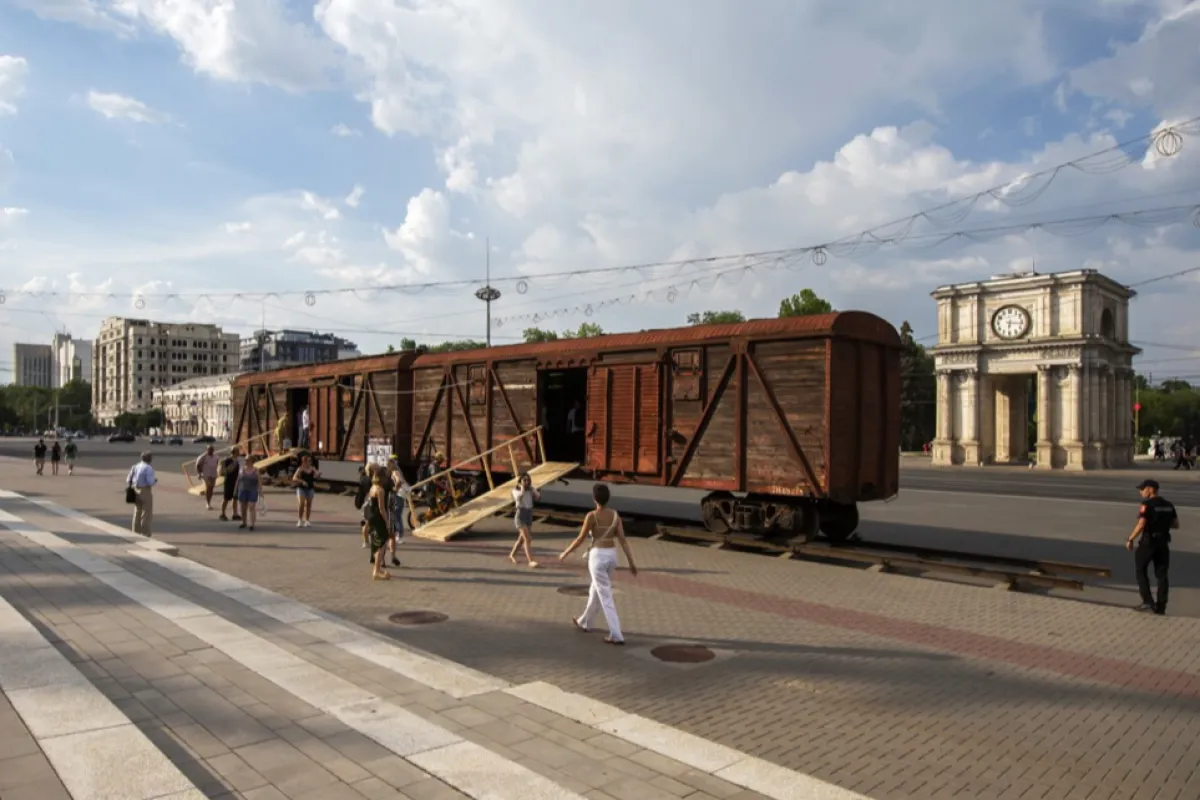
The deportation of Bessarabians in the USSR is similar to today's economic migration, according to a narrative that tries to trivialize one of the great Stalinist crimes.

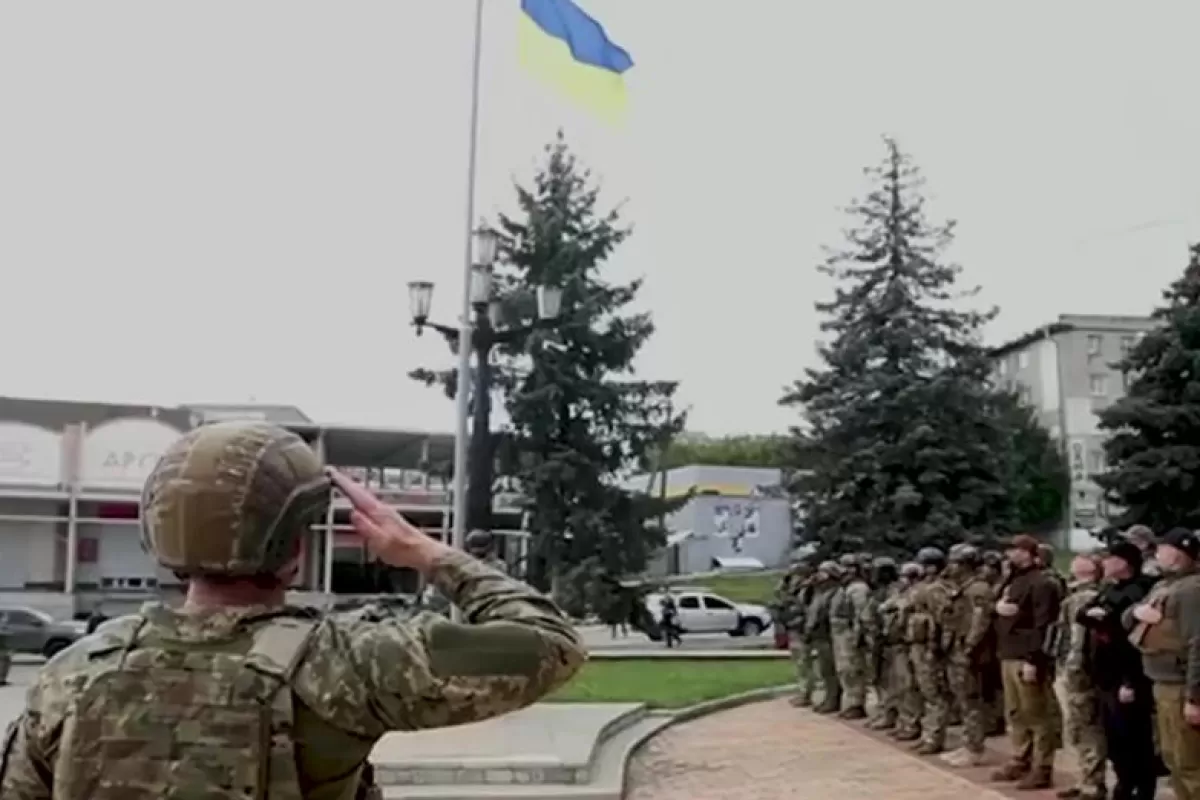
The successful counteroffensive of the Ukrainian armed forces in the Kharkiv region was not just the result of good tactical planning, but also a consequence of pro-Ukrainian sentiment at society level, determined by the country’s history, its invaluable cultural legacy and the positive experience of the first two phases of fighting off the Russian aggression.


The population of the Republic of Moldova would have been illiterate, forced to serve Romanians, had its territory remained part of Romania, reads a false narrative launched by a pro-Russian publication. The narrative was launched after a settlement in the Republic of Moldova commemorated the Romanian servicemen killed in World War II.

The famine in Bessarabia was not organized by the Soviet regime, it was a consequence of the drought and the local authorities’ lack of action, and Moscow helped Moldavians. The false narrative appears in an online publication close to the Kremlin, and the purpose is to exonerate the totalitarian Soviet regime, which imposed itself through terror.

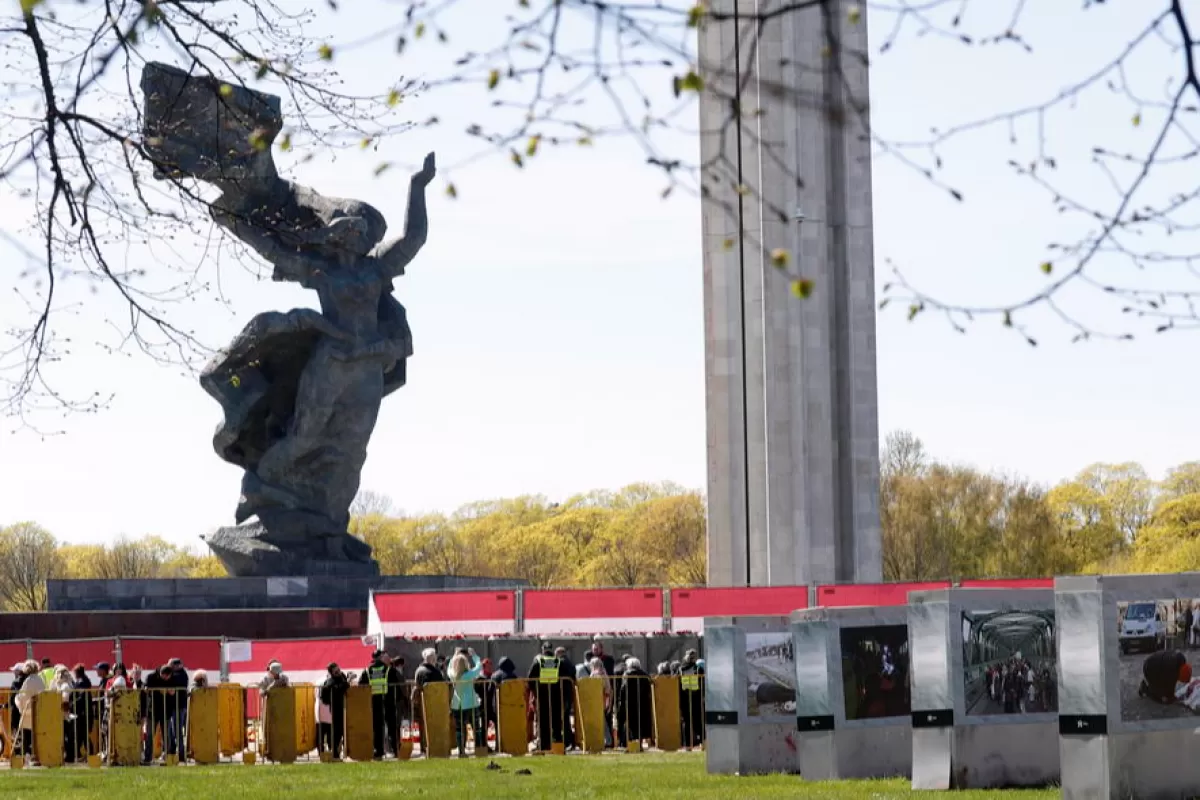
Respected and hated. Saw a lot of flowers, but was also cursed and even blown up. That’s the fate of the Monument of Victory in Riga which is, probably, going to be demolished as a consequence of Russia’s large scale invasion of Ukraine. Hundreds of other Soviet era monuments may soon follow

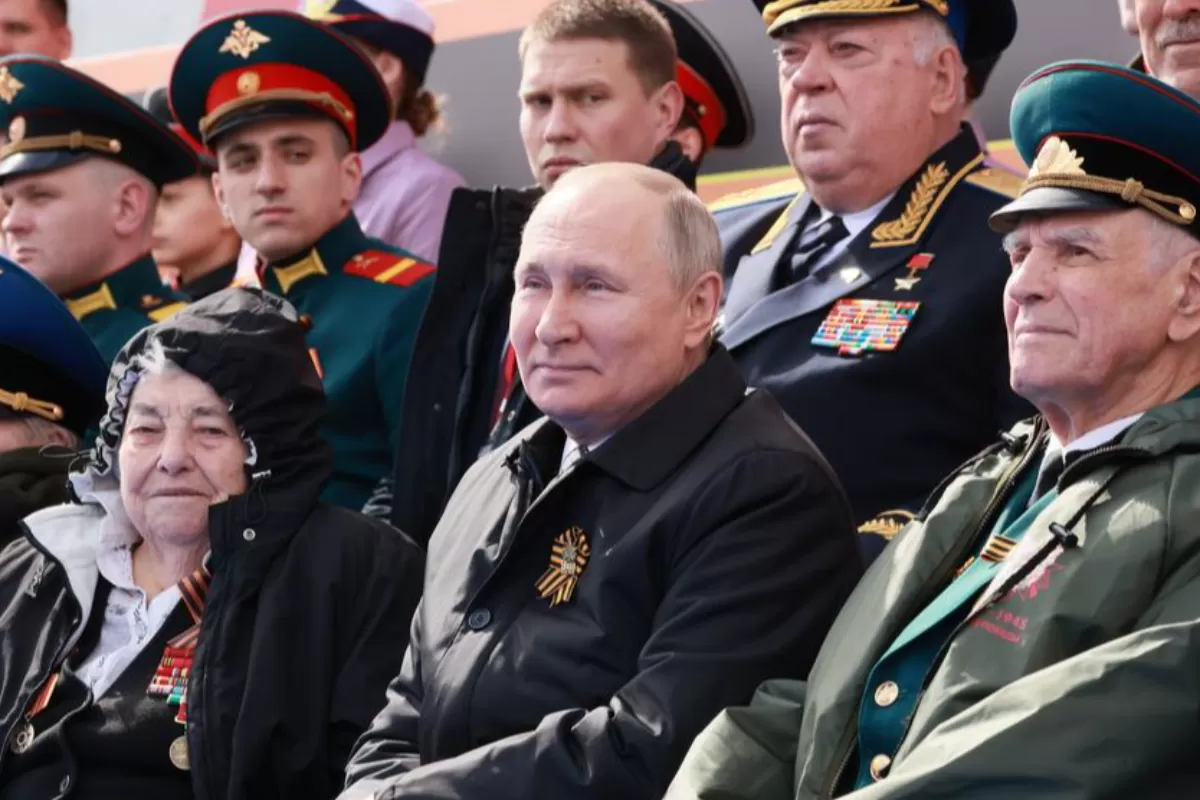
Outside Russia, Moscow’s representatives and supporters tried to mark Victory Day in ex-Soviet and ex-communist countries, but in most cases, their actions were overshadowed by protest actions against Russia’s acts of aggression or demonstrations of solidarity with Ukraine. Veridica’s contributors in ex-Soviet and ex-communist states have closely followed May 9 celebrations.

May 9 was a much anticipated event in Chișinău: a recent law forbids the public display of symbols associated with the Russian army and the invasion of Ukraine – the ribbon of Saint George and the letters Z and V. Previously, pro-Russians had announced they would ignore the law. Fears were running high that public unrest might break out. That wasn’t the case, and the demonstration actually resembled a display of communist nostalgia rather than an act of solidarity with Russia.


Moldovans must be grateful to the USSR because they were liberated in 1945 and were later able to found a state. The narrative, launched after the Republic of Moldova banned symbols associated with the Russian army and the invasion of Ukraine, ignores the fact that the USSR was an aggressor at the beginning of World War II, and at the end of it became an occupying power.
