

Pro-Russian communication channels have significantly infiltrated the Internet and social media platforms in Poland and Eastern European countries.


Ukraine has been abandoned by the West and is being led by Zelensky to disaster, according to narratives about the Russian offensive in Kharkiv that are being promoted on Telegram. The offensive is presented as "unstoppable", and the purpose of the narratives is to strengthen Russian support for the war and demoralize the Ukrainians.


Beyond Ukraine, Moscow is working on three fronts: strengthening the regime by "shaking up" its own elite, establishing governments-in-exile in former Soviet satellites, and promoting a pro-Russian discourse in the West.


The proposed amendments to Romania's National Defense Law gave rise to disinformation narratives fostered by Russian propaganda and pro-Russians in the Republic of Moldova.

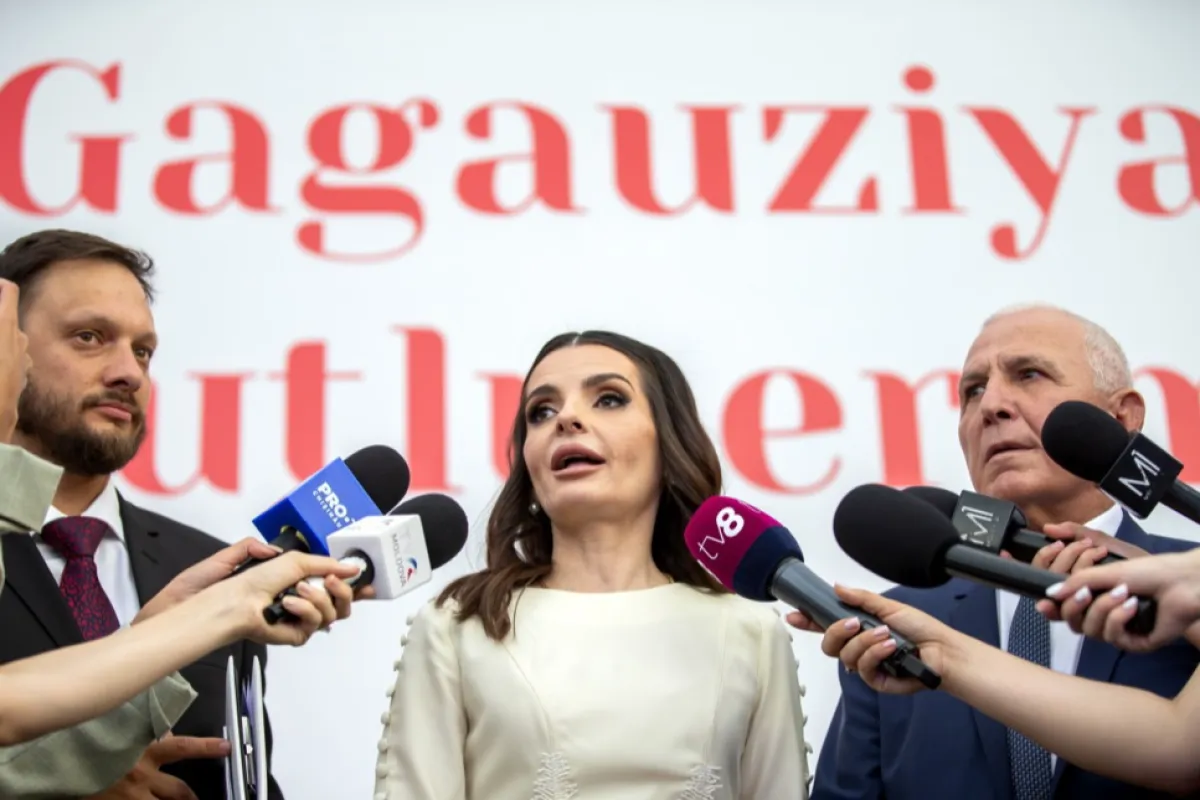
The administration of the autonomous territorial unit of Găgăuzia in the south of the Republic of Moldova seems to be the latest instrument Russia will use to hinder the European accession of the Republic of Moldova.


Russian propaganda, alongside politicians, publicists and clerics from the Republic of Moldova, has been promoting for years narratives regarding the threats to the identity and even the existence of Moldova and Moldovans.

Ukraine has been accused of being responsible for the terrorist attack in Moscow. Originally published on Telegram, the thesis was developed by Vladimir Putin and his close siloviki, the current and former head of the FSB, Alexander Bortnikov and Nikolai Patrushev, both ex-KGB, like Putin. The narrative rids the Russian authorities of all responsibility, plays well into the rhetoric about the Ukrainian-Western aggression and can be used to escalate the war. Arguments in its defense include falsehoods and an older conspiracy theory.

Realitatea TV, RTV and journalists known for spreading false narratives have presented and AI-generated story as a media investigation, claiming Ukraine is funded with capital raised from selling “Putin” teddy-bears.
---copie-image.webp)

The alarmist predictions that Transnistria will call for the annexation to Russia or that Putin will announce the move in his speech before the Russian State Duma turned out to be unfounded. Separatists called on Moscow to protect them “through diplomatic measures”, but it seems to be an attempt to obtain concessions from Chișinău sooner than a step towards joining the Russian Federation.

Why the year 2024 is a test for liberal democracies around the world and disinformation might be fatal to them.

Russian propaganda is constantly adapting its narratives in the context of the war in Ukraine, and as overt propaganda loses its effectiveness, it increasingly turns to disinformation and truncating part of the truth.

Extreme weather phenomena and disinformation are considered by experts to be among the greatest risks facing humanity in the medium and short term. There are also concerns about the risk of societal polarization and cyber security, according to the report on global risks drawn up by the World Economic Forum in Davos (WEF).


In 2023, Moscow used fake narratives to justify its aggression in Ukraine. In addition, NATO, the EU and the United States continued to be Russian propaganda targets.

The narratives were launched / amplified by Moscow and pro-Russians, and the theses included Moldova’s involvement in the war in Ukraine, an attack on Transnistria and EU rapprochement.

The colonization of Romania, the war in Ukraine, conspiracy theories related to the "sanitary dictatorship" and climate change have been the favorite topics for most of the year’s false narratives.
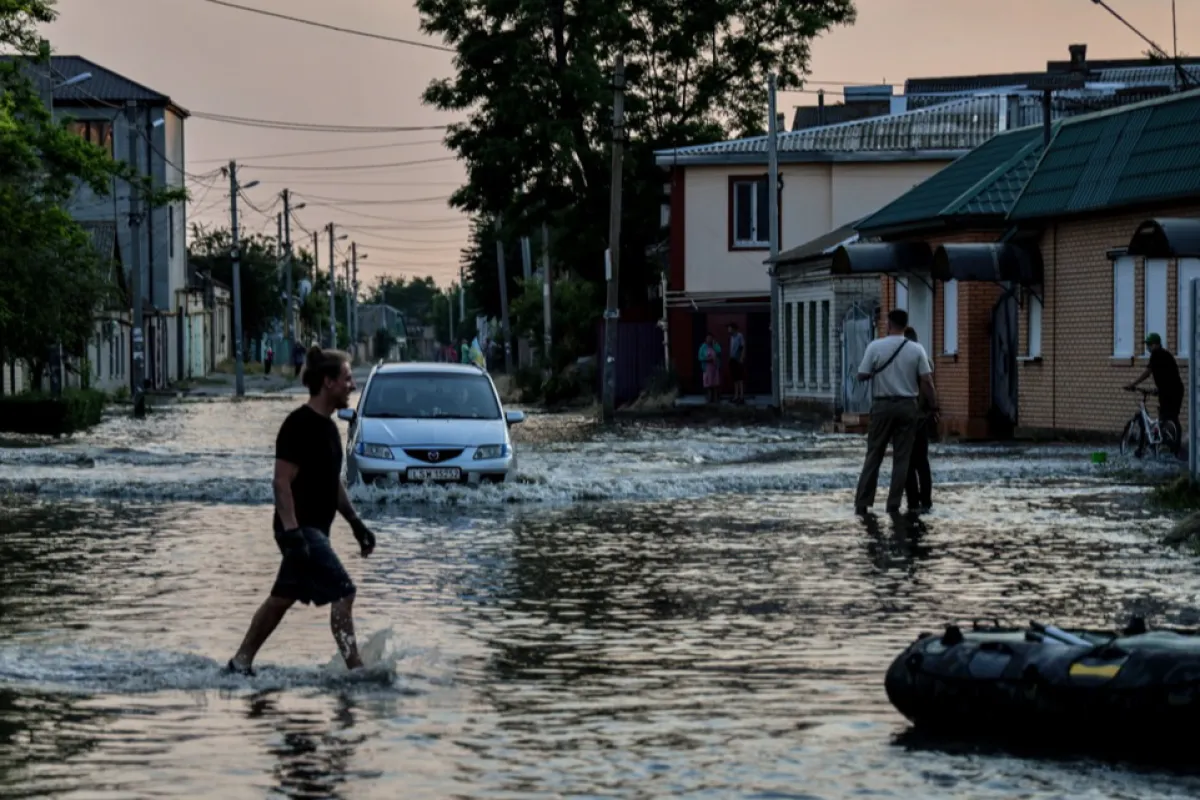
Russia has claimed for years that Ukraine has biological laboratories and says its attack was meant to destroy those labs. The narrative was also included in the disinformation about the destruction of the Nova Kakhovka dam.

The (Pro)Russians claim that Ukraine will cause a nuclear incident. The narrative is meant to undermine support for Kiev and has been promoted in Eastern Europe as well.

The Baltic States are being targeted by Russian disinformation which is using both narratives launched before the war in Ukraine and newer ones.


Bulgaria has been facing an uptick in pro-Russian disinformation, just as the country’s pro-Western government is questioning Moscow’s influence – and moves – in the country.


Pro-Russian narratives are spreading in the Czech Republic despite Prague’s efforts to stop them. A treaty with the US is their latest target.

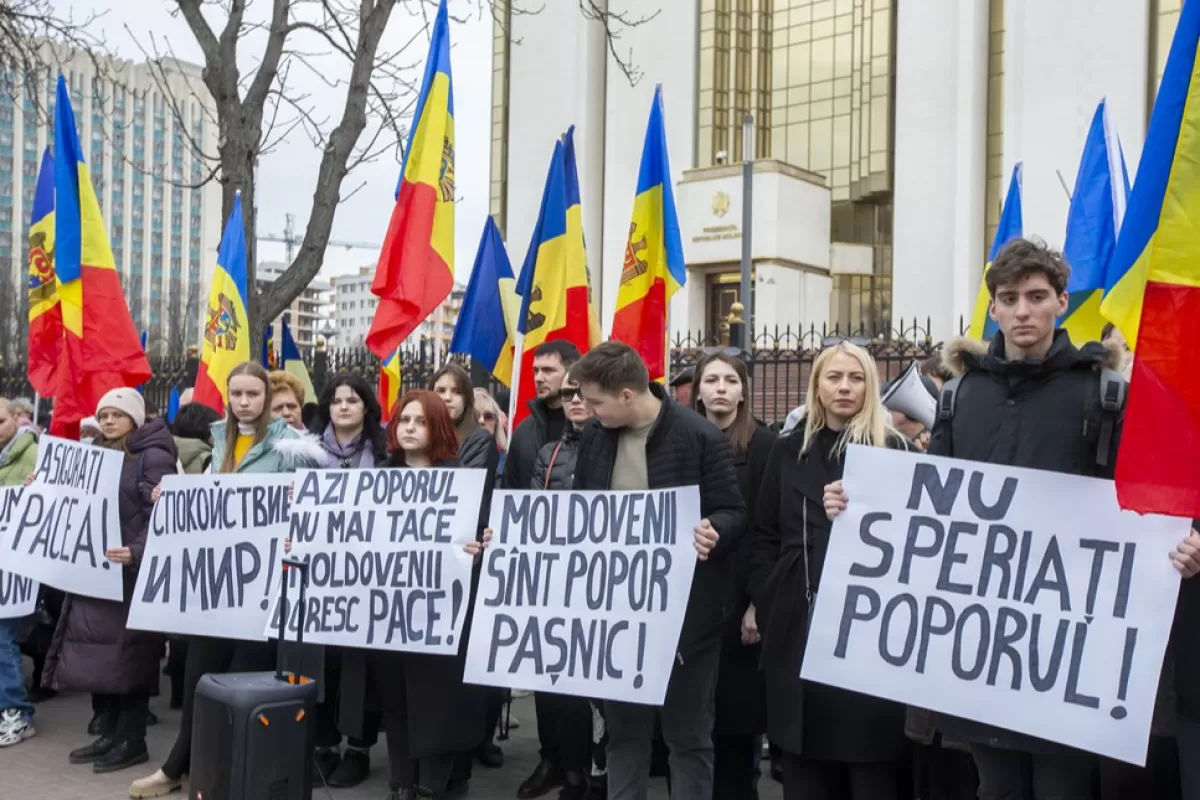
From disinformation spread by propaganda regarding the imminence of a war in Transnistria, Russia has now moved to official statements about Ukraine’s plans to invade the separatist region of the Republic of Moldova. Transnistria seems to be used to draw attention away from Russia’s plan to destabilize Moldova, as well as from the defeats sustained in Ukraine. Besides, the pro-Russian opposition in Chișinău could take advantage of the panic induced by the prospect of war.

The war in Ukraine, sovereigntist rhetoric and conspiracy theories regarding the so-called sanitary dictatorship were the topics of scores of disinformation narratives and fake news published in Romania in 2022. They were promoted by/on various media outlets (România liberă, Național, Activenews, GoldFM, gândește.org etc.) as well as on social media by controversial figures such as Sorin Roșca Stănescu, Cosmin Gușă, Diana Șoșoacă and Adrian Severin.

The war launched by Russia in Ukraine also led to an intensification of the use of propaganda materials, fake news and disinformation targeting the Republic of Moldova. The goal was to discredit the West and undermine the values it promotes, but also to blame the pro-European government for the economic and social issues initially triggered by the Covid pandemic, then by the war.

Classical disinformation themes and fake news were increasingly replaced with war propaganda as an instrument of publicizing Moscow’s false narratives. The purpose of these narratives, irrespective of how they were presented to audiences, was to manipulate public opinion, to legitimize Russia’s actions, to conceal war crimes and atrocities committed in Ukrainian settlements, to shatter the Ukrainians’ morale and fighting spirit, as well as to spread a controlled form of chaos in the proximity of ex-Soviet space.

According to a propaganda narrative carried by the pro-Kremlin media, German society is outraged by the EU's decision to provide financial assistance to Kyiv in the context of the war, with such discontent reflected in the pages of national newspapers. In reality, only a few comments from Die Welt newspaper were selected and presented as the opinion of all Germans. Also, the news translated into Russian was intentionally misrepresented.

The losses sustained by Ukraine’s army are so huge, that Ukrainian pupils are forced to donate blood for the servicemen, according to a propaganda narrative disseminated by the Russian media. In fact, underage children are forbidden from donating blood in Ukraine, and the authors of this false narrative made other errors that clearly prove the story was fabricated.

The United States and its Western allies have been arming Ukraine since 2014 in order for it to start a war with Russia, writes the Russian press, which resumes, in another form, the narrative according to which the West and Ukraine are responsible for the war. In reality, Ukraine was invaded by Russia, and the provision of arms to Kyiv was a reaction to Russia’s aggression.

As pro-Europeans in Sofia are confident that Bulgaria will switch to the Euro in 2024 pro-Russian parties claim the adoption of the EU single currency will only bring economic instability. Debates and heated exchanges on this topic might become part of the political landscape in the next two years. Disinformation is bound to be part of the picture.
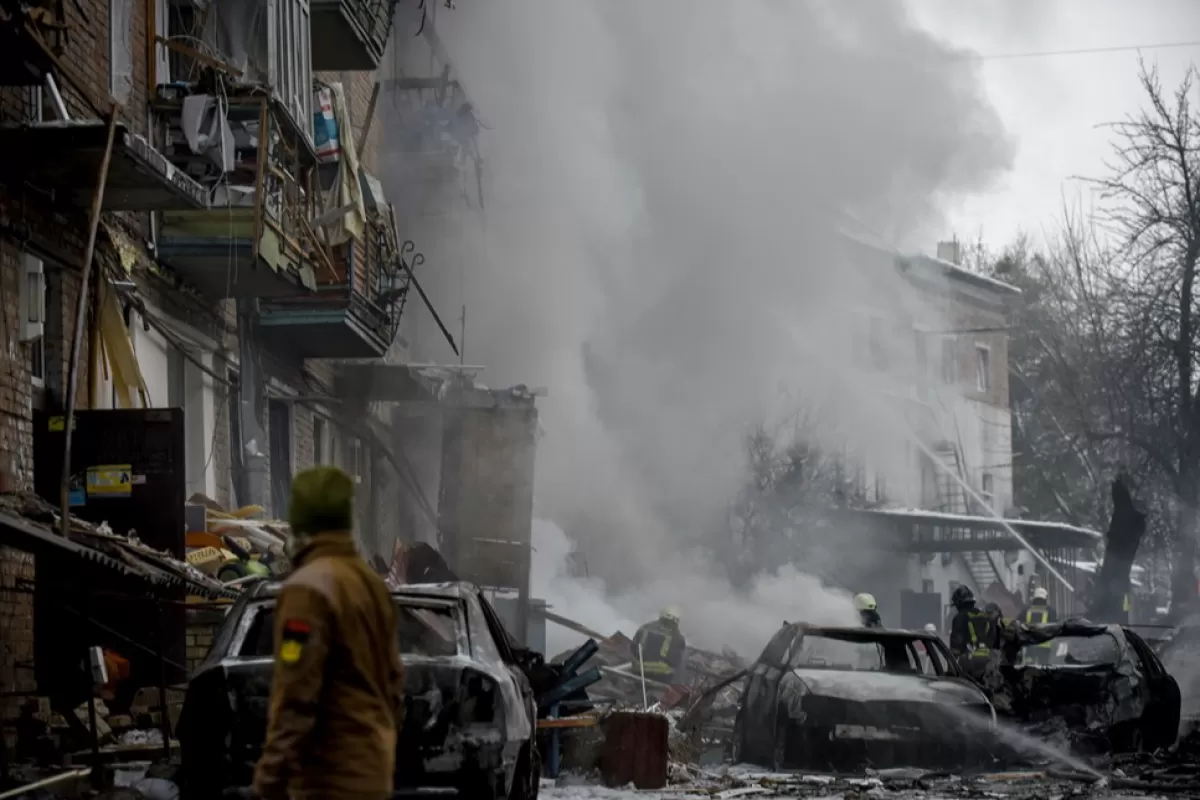
Russia is careful when bombing Ukrainian infrastructure because it knows this brotherly people does not support the neo-Nazis in power, reads a false propaganda narrative published by Russian media. The article quotes a controversial American political theorist, known for spreading countless conspiracy theories and for his enthusiastic support of Vladimir Putin.
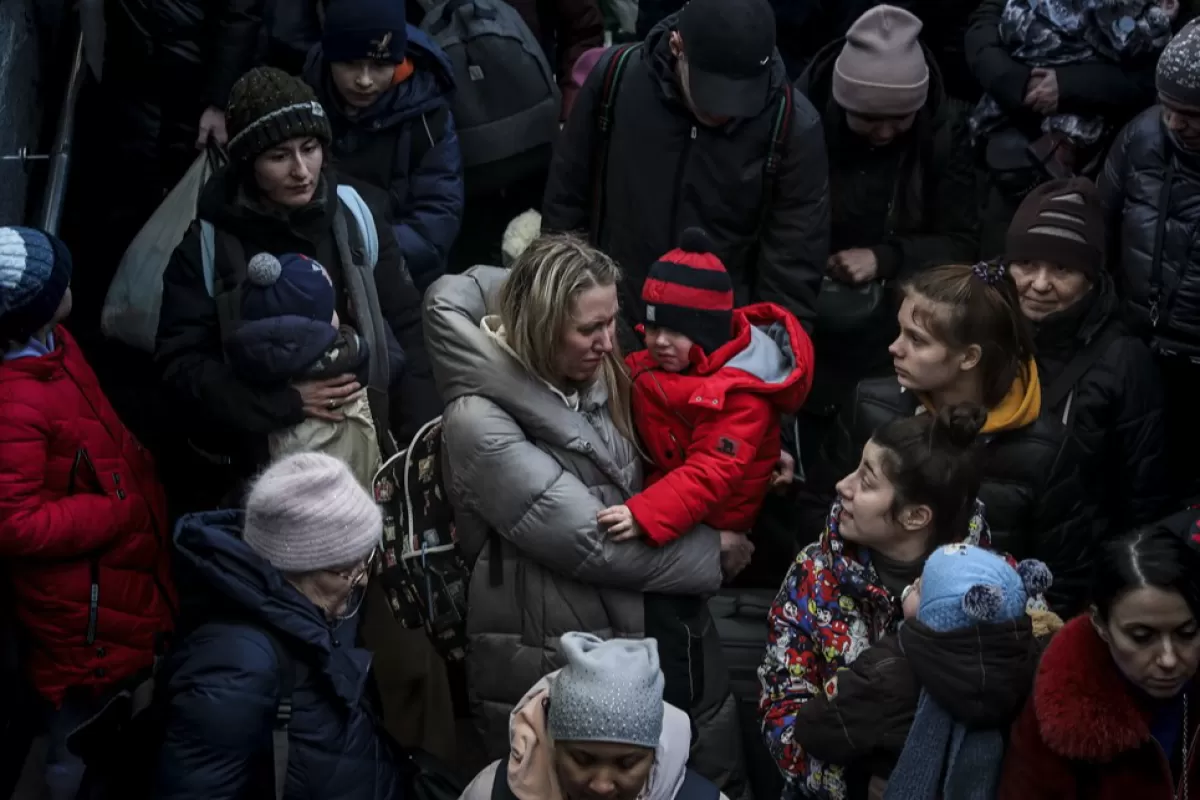
Russia’s war in Ukraine has displaced a huge number of Ukrainian refugees. Millions of people fled Ukraine, heading to other European countries, although many chose to relocate to some of the country’s safer areas. Russia has been trying to turn this crisis to its advantage. In EU countries, it has been promoting false narratives designed to generate public hostility towards Ukrainian refugees. In the case of Ukrainians relocated at national level, Russian propaganda sought to focus on fueling public unrest and internal tensions.
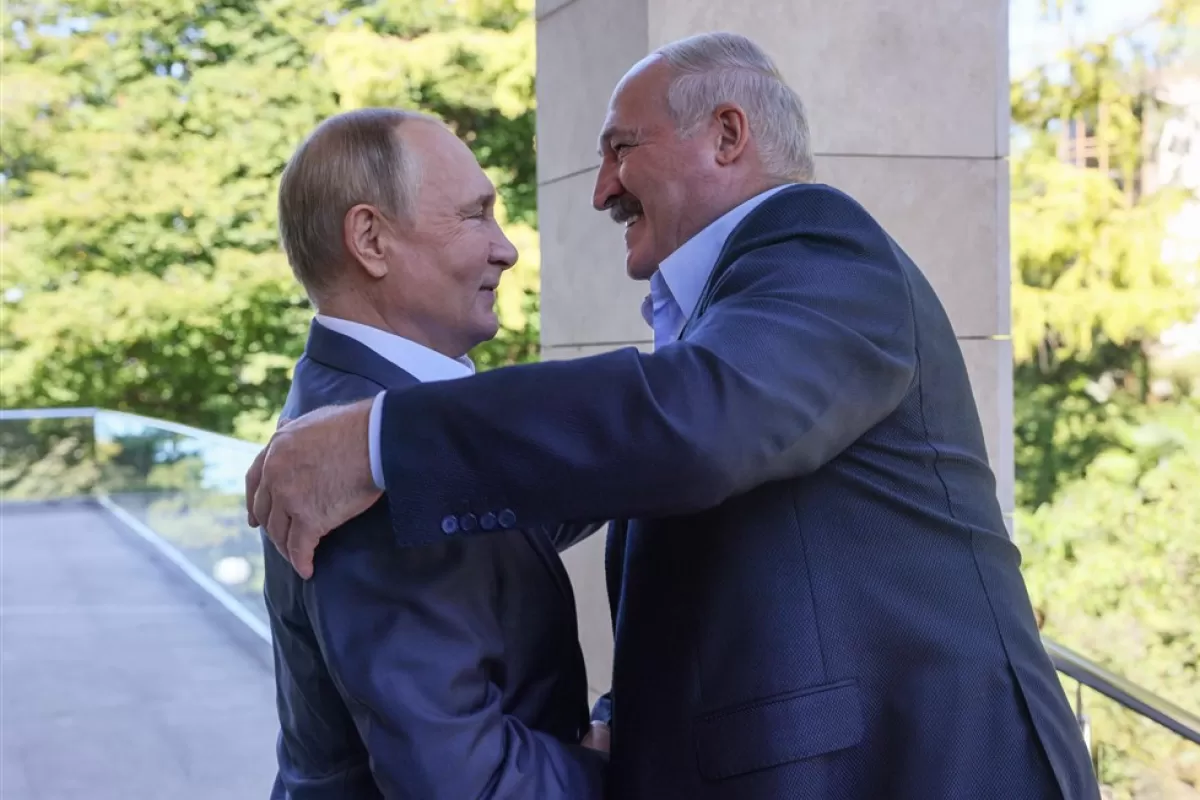
Belarus and Russia are forced to create a joint military group to defend themselves against a potential NATO aggression, fascist provocations by Poland and terrorist actions by Ukraine, according to propaganda narratives carried by the two countries’ media. In reality, Belarus is not targeted by any foreign power, but it has allowed Russia to use its territory for the aggression against Ukraine.

The unemployed in Ukraine will be sent to the front, according to a false narrative disseminated by Russian state media. In reality, the government in Kyiv wants to attract people who have lost their jobs into the process of rebuilding the Ukrainian infrastructure, part of a project symbolically called the “Recovery Army”.