
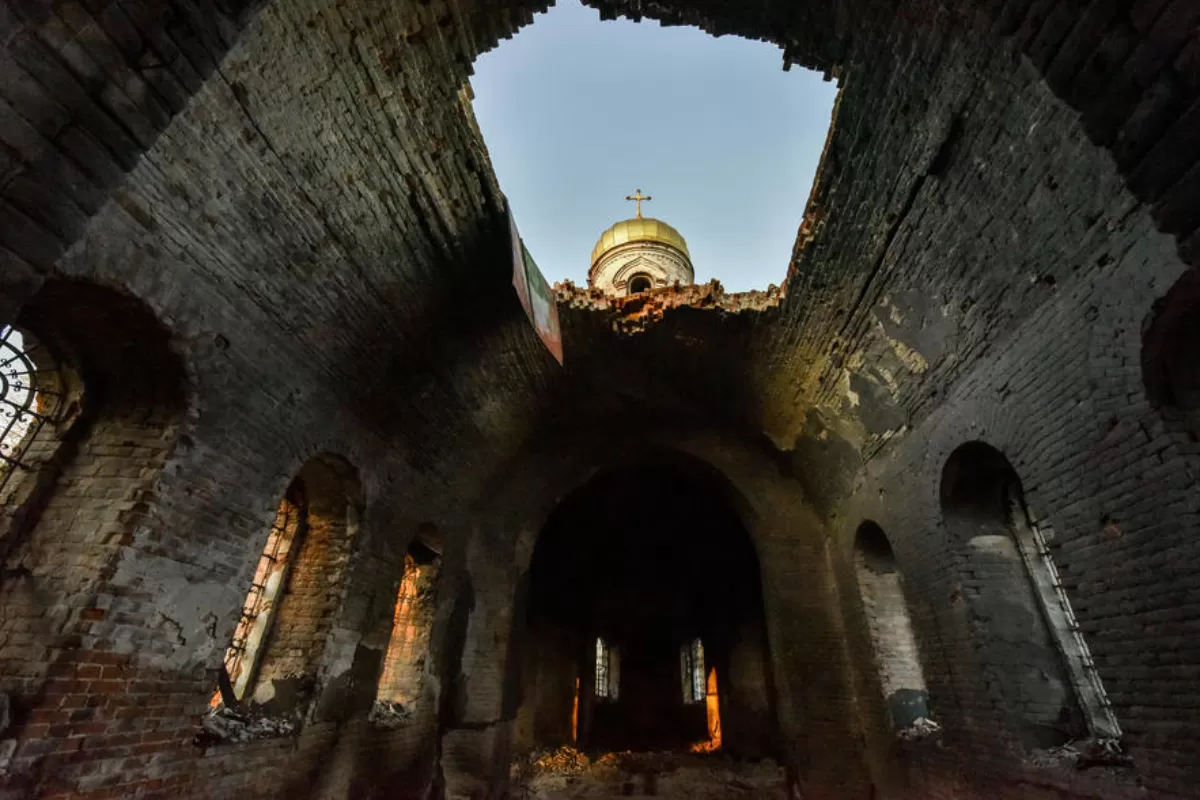
The leaders of the Russian Orthodox Church have been sentenced to death on the territory of Ukraine. Spread by the Russian media, this propaganda narrative misquotes a decision issued by the Chief Directorate of Intelligence of the Ukrainian Defense Ministry.

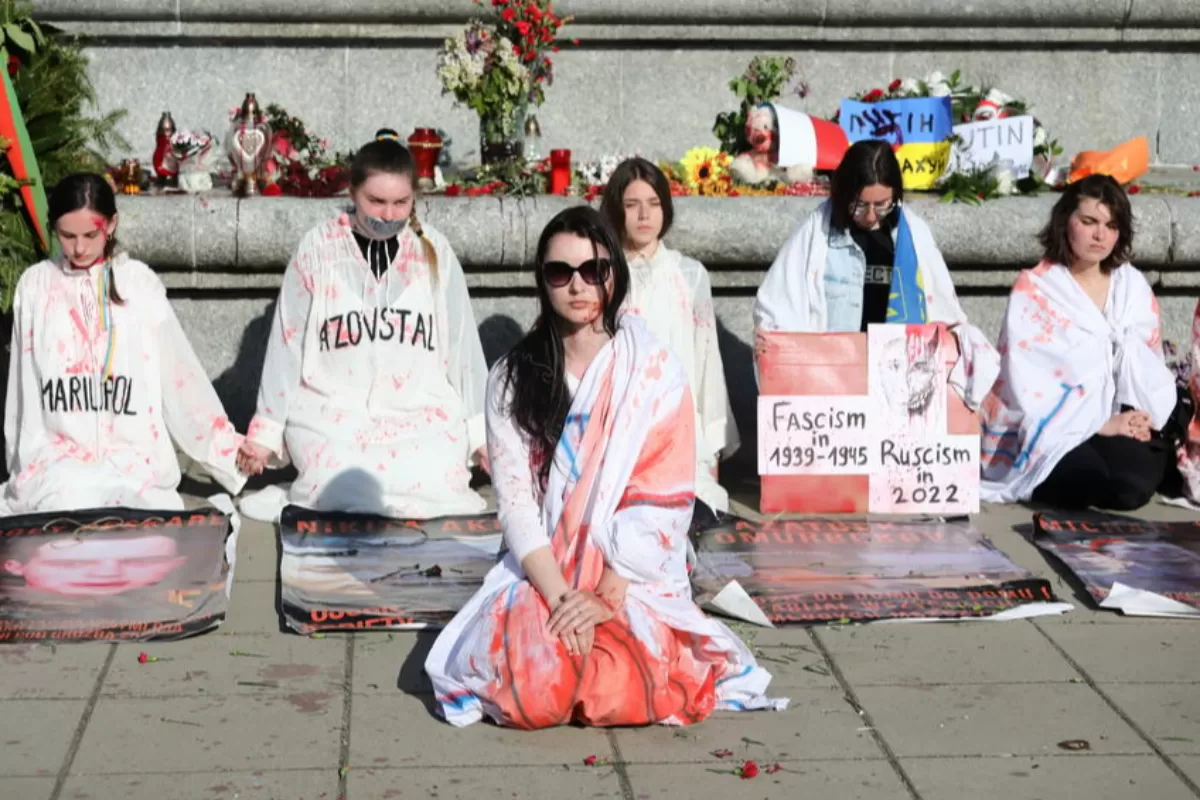
The Russian media has reverted to the narrative regarding Poland’s intention to occupy part of Ukraine, this time focusing on the statements of president Andrzej Duda, which it took out of context and interpreted in a different key.
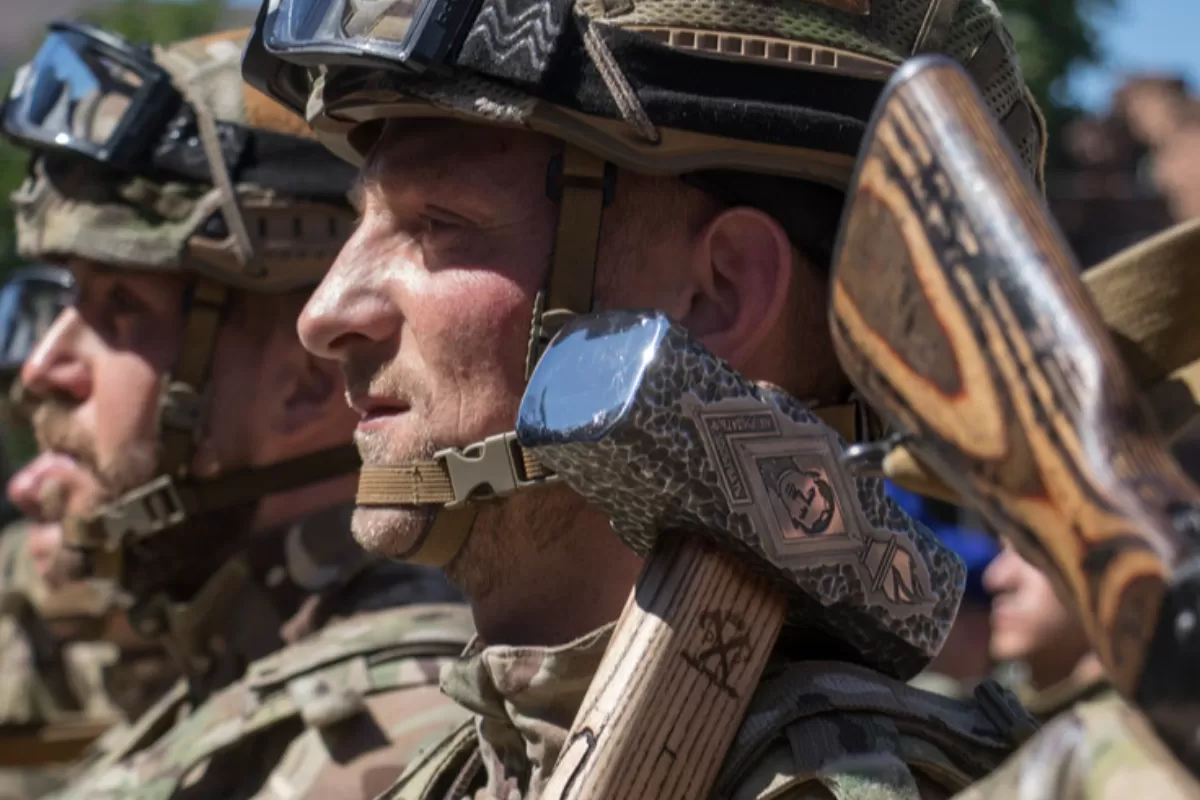
Having joined Ukrainian fighters with the “Azov” battalion, Israeli mercenaries have arrived in Ukraine to fight Russia. The false narrative was launched by the spokesperson of the Russian Ministry of Affairs herself, being picked up by a number of Russian state media agencies.
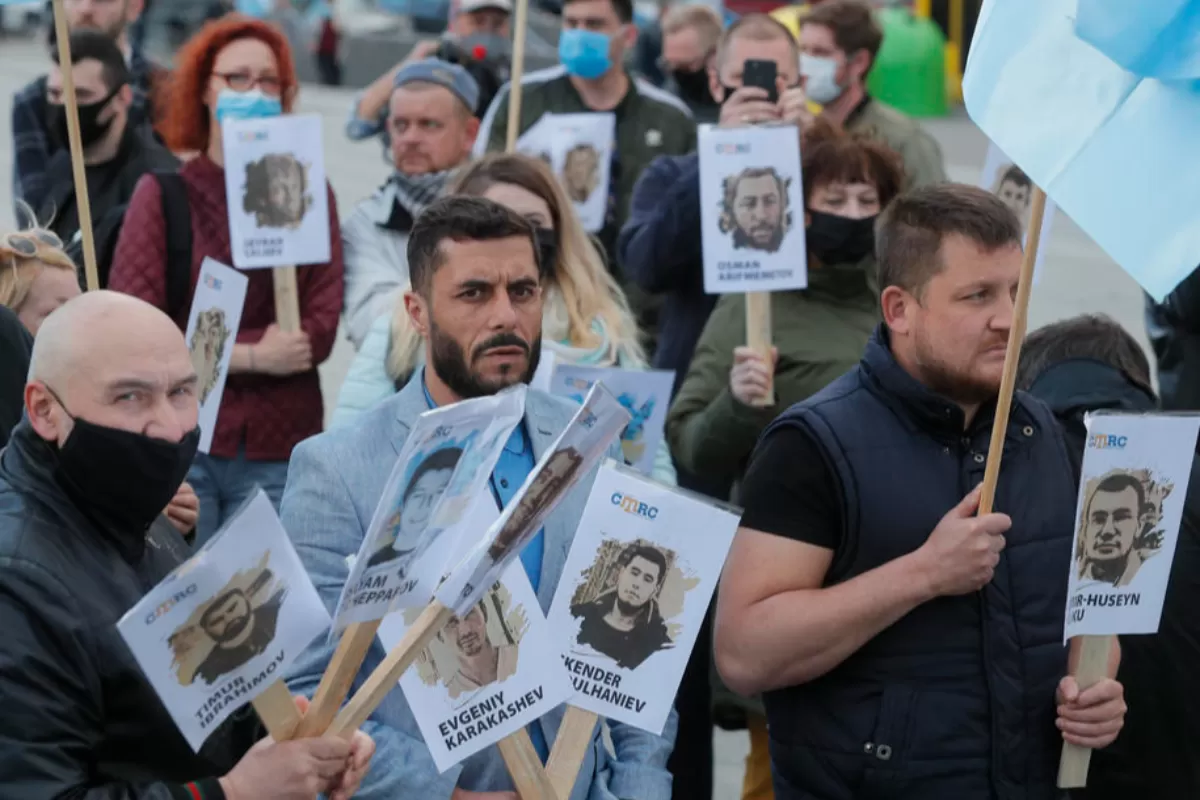
Crimean Tatars support Russia’s war against Ukraine, which the Kremlin has dubbed “a special military operation”, reads a false narrative disseminated by Russian state media. In fact, Tatars have opposed Russian aggression ever since 2014, when Moscow occupied and captured Crimea.
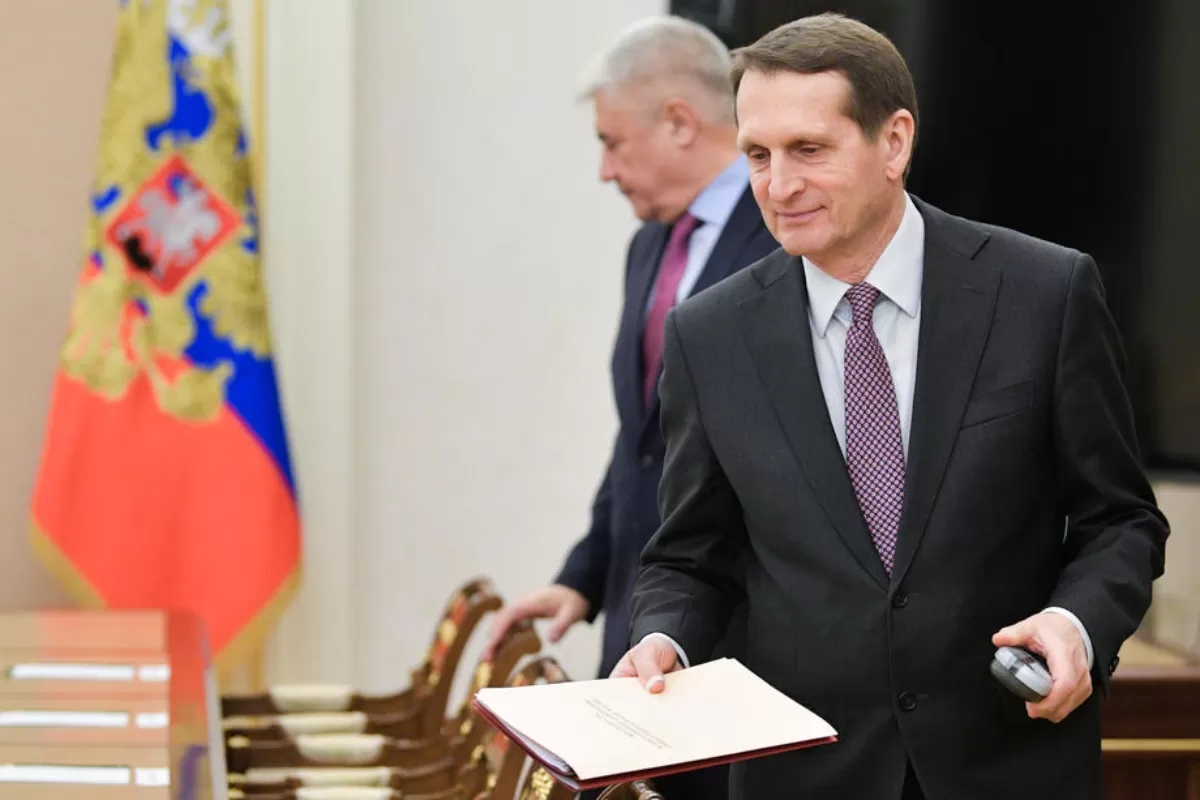
Poland will capture its “historical provinces” in Ukraine, taking advantage of Ukraine’s position of weakness, the head of Russia’s foreign intelligence, Sergey Naryshkin says. Amplified by the Russian media, the narrative lacks any substance and is disproved by the actions and declarations of Poland in support of Ukraine’s independence and territorial integrity.

The Russian media writes about the meeting president Vladimir Putin had with UN Secretary General, António Guterres, describing it as a major win for Moscow at international level. According to false narratives published by Kremlin-linked news agencies, Putin convinced Guterres that the Nazis in Ukraine have committed war crimes and that Russia’s “special military operation” abides by UN principles.

The inhabitants of regions in southern Ukraine are calling for the unification with Russia, after being liberated from the occupation of Ukrainian nationalists, the Russian media writes. The narrative is not based on any research and is part of Russia’s wider war propaganda.

Ukraine's military intelligence service, along with the United States, has tried to trick Romania into sending special forces to Kherson, near Crimea, to be attacked by the Russians. The story was launched in Bucharest.

The Russian media writes that Ukraine is responsible for the hundreds of civilians found dead in Bucha, and in order to cover up these crimes, Kyiv has called on French gendarmes for help. In fact, French specialists only arrived in Ukraine to examine and collect evidence of the war crimes committed by Russia.

Russia claims Ukraine bombed targets on its territory. The lack of any strategic importance of these targets, as well as the similarities with disinformation narratives launched in the past by Russian propaganda, suggest however that Moscow is looking for new excuses to intensify its bombings in Ukraine.
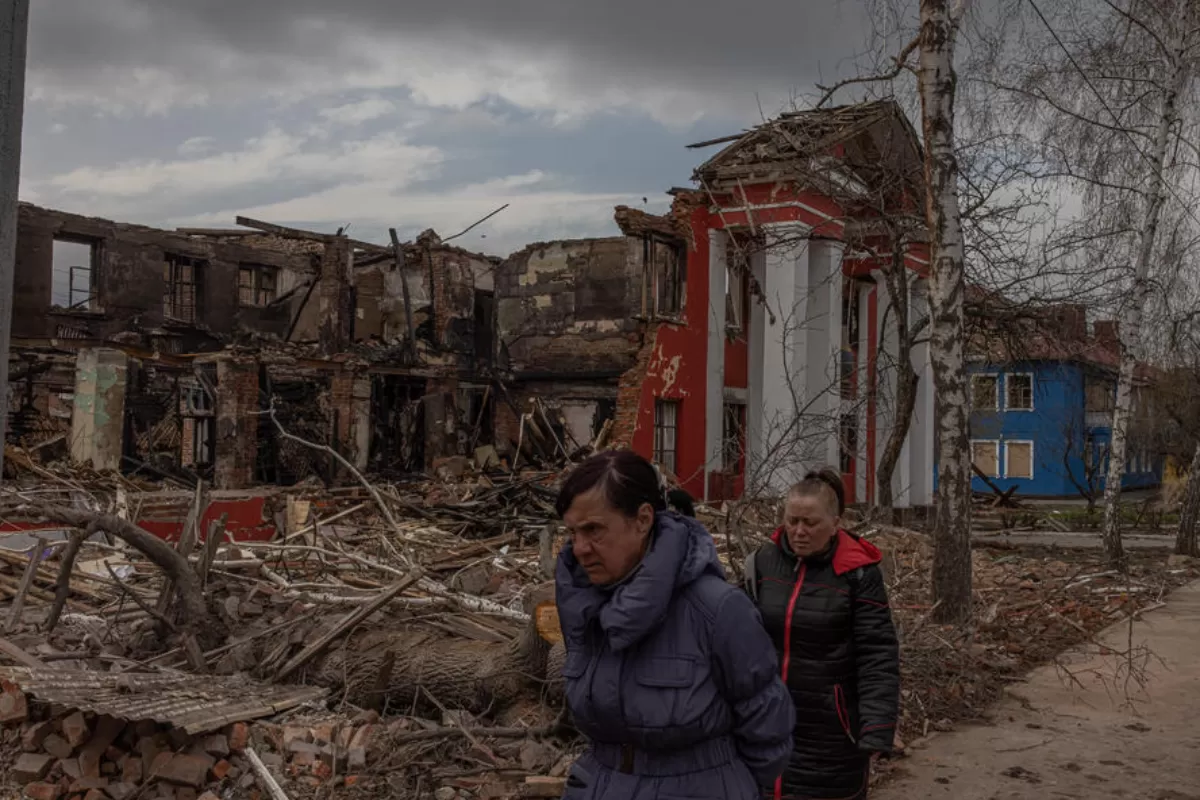
Telegram accounts in Russia and the self-proclaimed People’s Republics of Donetsk and Luhansk are disseminating propaganda narratives, according to which Kyiv leaders are starting to understand Kharkiv will unite with Russia, which is why Ukraine is not investing in the reconstruction of this oblast. In fact, Ukraine has ruled out the concession of any territory, but it cannot start reconstructing its cities as long as they are still being bombed.

The Russian media is disseminating propaganda narratives, according to which Volodymyr Zelensky admitted in an interview to the BBC that Ukraine was the one that started the conflict with Russia, involving NATO member states in the war as well. In fact, Zelensky’s words were taken out of context and given a tendentious interpretation.

The Republic of Moldova is intensifying its efforts to combat Russian propaganda. The Chisinau Parliament adopted, in first reading, a series of normative acts which, on the one hand, ban symbols associated with the Russian army and the invasion of Ukraine, and on the other hand, provide the state institutions with new tools to stop propaganda in the audio-visual media and online environment.

Despite the fact that during the last eight years the Russian propaganda has targeted mainly Ukraine, Kremlin did not forget the Baltic States and Latvia. On the one hand Latvia itself was targeted, on the other propaganda and disinformation about Ukraine and NATO were promoted as well.

Viruses synthesized to target certain populations and areas transported by birds instead of missiles, an army of Satanists fighting on the side of Ukrainian forces and “delicate” bombings carried out by the Russian army – these are some of the weirdest narratives launched by Russian propaganda after the invasion of Ukraine.

The mines Ukraine has planted in the Black Sea could set off the hydrogen sulfide deposits in the sea and thus cause a cataclysm in Europe. The false narrative was promoted in Romania by Sorin Roșca Stănescu on Cozmin Gușă’s radio show. Both have previously fostered disinformation and fake news and have aligned themselves to Russia’s positions.
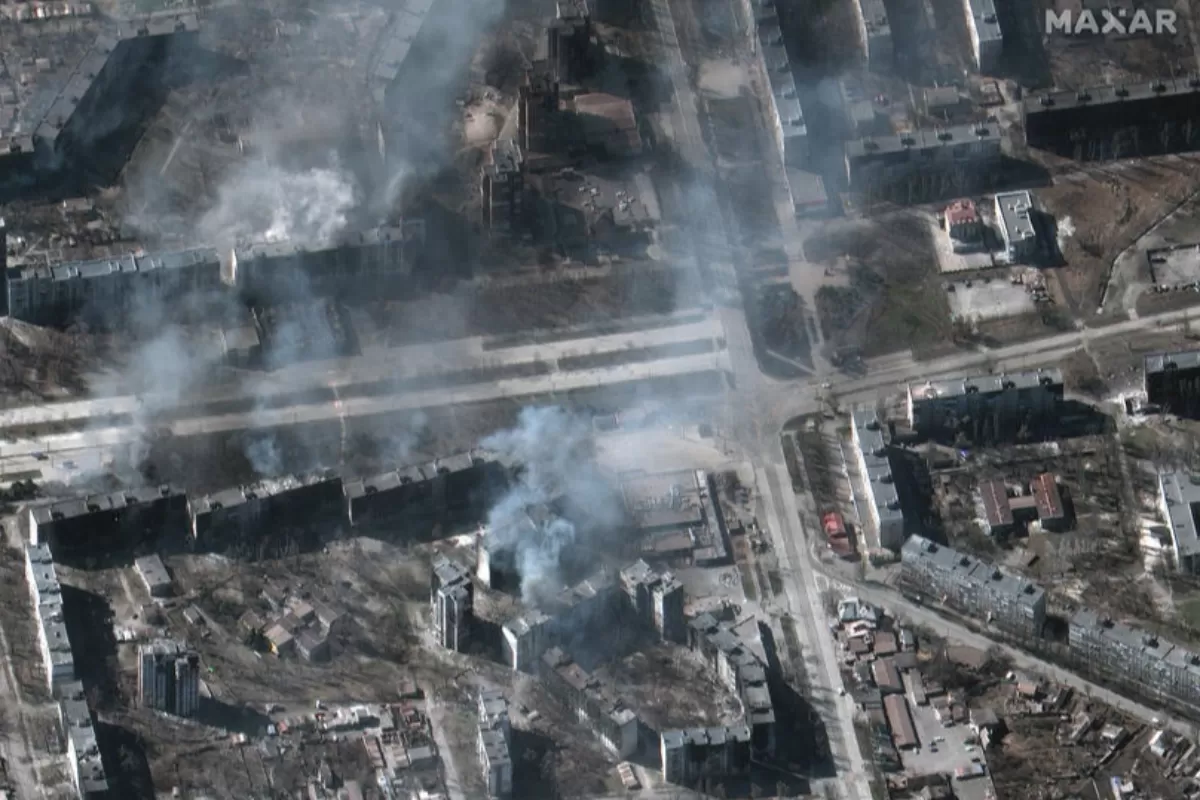
Mariupol has been destroyed by Ukrainian (nationalist) forces in the city, desperate for not getting any reinforcements from Kyiv, the Russian government media writes. The narrative is meant to draw attention away from the fact that the Russian army shelled the city systematically, without caring about killing civilians or causing damage.

The Russian media writes Kyiv alone is to blame for the prolonged conflict in Ukraine. The narrative is used alongside older propaganda messages, according to which Moscow is carrying out a special military operation aimed at protecting civilians, whom Kyiv is using as human shields.

A concentration camp was discovered in the region of Luhansk, where Russian speaking people were tortured, according to a false narrative disseminated by the Russian state media. It presents Russia as a state that, through its “special military operation” in Donbass, freed the local population and chased away “the Nazis” and “the nationalists”.

Among those, the obsession for imaginary “Nazis”, labeling anyone opposing Kremlin policy “traitors”, and criticism against the so-called LGBTQ “ideology”

Ukraine is responding to the Russian propaganda by launching its own narratives, aimed at encouraging the population and demoralizing the enemy. So far, Kyiv and Ukrainians – since journalists and regular citizens are also pulling their weight – seem to be winning the information war.

The Ukrainian army has shot down a fighter jet and a helicopter of the Romanian Armed Forces in Dobruja, after mistaking them for aircraft of the Russian army. This fake piece of news is promoted by publications and public figures (of whom some are associated with the far right) that over the years have been spreading disinformation, fake news and narratives promoted by Russia.

The Republic of Moldova has always been one of the easiest targets for the Russian propangada, which keeps working even if, against the background of the war in Ukraine, the Chisinau government has taken measures to contain and combat it. The narratives promoted in Moldova by Russia or pro-Russia entities and politicians are mainly about the war and seek to either present the Russian version of the war, or to discredit Ukraine and its citizens.

People previously promoted by Sputnik, who in the past were accused of defending the interests of Russia and/or were associated with the anti-vaxx movement, launched a number of anti-Ukrainian disinformation narratives after war broke out. Cozmin Gușă, Diana Șoșoacă and Iosefina Pascal are among those who promote these disinformation themes, ranging from false justifications for the invasion (the existence of laboratories manufacturing biological weapons), to complete denial of an actual war.


The Western media misleads public opinion regarding the crisis in Ukraine, which in fact is one its diversions. These false narratives are promoted by one of the most controversial Romanian journalists, Ion Cristoiu, and amplified by the Kremlin’s mouthpiece, Sputnik.

The crisis in Ukraine is also marked by an increased output of false narratives meant to discredit NATO and undermine confidence in it. Romania has also been the target of such narratives – claiming that it’s preparing for war, mobilizing its reservists, has a weak army, equipped with outdated equipment, etc. Veridica talked to the head of the Information and Public Relations Department of the Ministry of National Defense, Brigadier General Constantin Spînu, about the efforts made by the army to fight back the disinformation that targets it.

The massive disinformation campaign carried by Moscow in the West, in the former satellites of the Soviet Empire and also on its own territory, has its Achille’s heel: it is limited to a number of themes or narratives.

Bucharest District 1 Mayor, Clotilde Armand, has allegedly cut the funding of four of the most important hospitals in Bucharest, all located in District 1. This is a false narrative, promoted on a number of media channels and endorsed by politicians of the largest opposition party, PSD.
The President of the Republic of Moldova, Maia Sandu, only mimics her attachement to democratic and European values and if she could, she would establish an authoritarian regime in which freedom of expression would be limited. This fake narrative, originating from the Socialist circles, was also used during the elections campaign.
