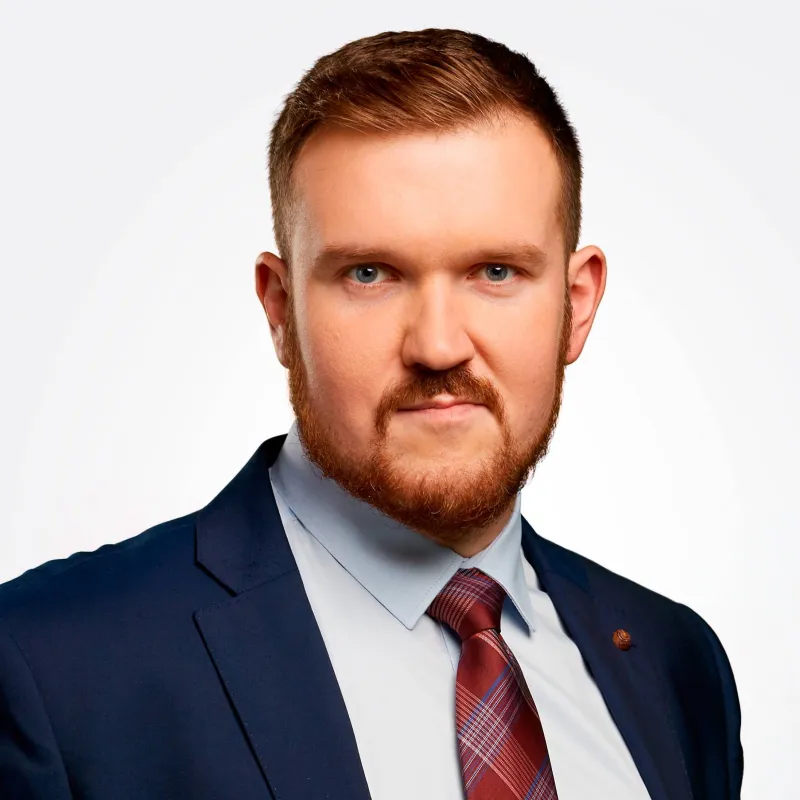
The June issue of Razvedchik, the official publication of Russia's Foreign Intelligence Service (SVR), featured an article by Russian Deputy Defence Minister and Head of the Main Military-Political Directorate of the Armed Forces, Army General Viktor Goremykin, entitled “There will be no revenge. Neo-Nazism will not prevail”.
The title alone makes it clear that the piece is built around the now-familiar false Kremlin narrative about the alleged "revival of Nazism in Europe," against which Moscow supposedly wages a heroic struggle. The first part of the article is devoted to drawing misleading parallels between the European Union and Nazi Germany:
“...many contemporary Western leaders no longer conceal their connections to the Nazi past. They not only no longer feel embarrassed by their fascist ancestors but even stand and applaud former collaborators. ... Incidentally, even the terms “European Union” and “European Economic Community” supposedly appeared almost at Hitler's initiative. A memorandum of the German Foreign Ministry dated September 9, 1943 described the structure of a future European Confederation that closely resembles today's EU”.
Yet beyond this collection of typical Kremlin propaganda tropes comes a more revealing section — an exercise in self-reassurance through praise of the alleged successes of the Russian military and defence industry despite Western sanctions. According to Goremykin, the war has triggered a “true revolution in weapons development”, with military feedback and requests supposedly being rapidly incorporated by defence manufacturers:
“Regular deliveries of weapons and military equipment play a key role in the successful execution of combat missions. In 2025, the volume of such deliveries to the special military operation zone increased by one-third. Despite the high intensity of combat operations, the level of equipment available to the Joint Grouping of Forces has reached 92%, while to the frontline units – 80%”.
Notably, the Deputy Defence Minister claims that Russia not only retains the strategic initiative in the war but continues to advance actively in all directions, while “the combat potential of the Ukrainian Armed Forces has been reduced by one-third” – whatever exactly that is supposed to mean:
“Last year, the pace of advancement of our troop groupings increased by one and a half to two times compared to 2024... In addition, we are ahead of the enemy in technology, tactics, and methods of warfare. This advantage must be preserved in order to achieve all the objectives of the special military operation as quickly as possible”.
Another key message is the alleged unanimous support of Russian society for the Kremlin's military campaign in Europe. According to Goremykin, “like during the Great Patriotic War, the army and the people are united in their determination to achieve victory”. Consequently, there is supposedly no shortage of either civilian support or military recruits:
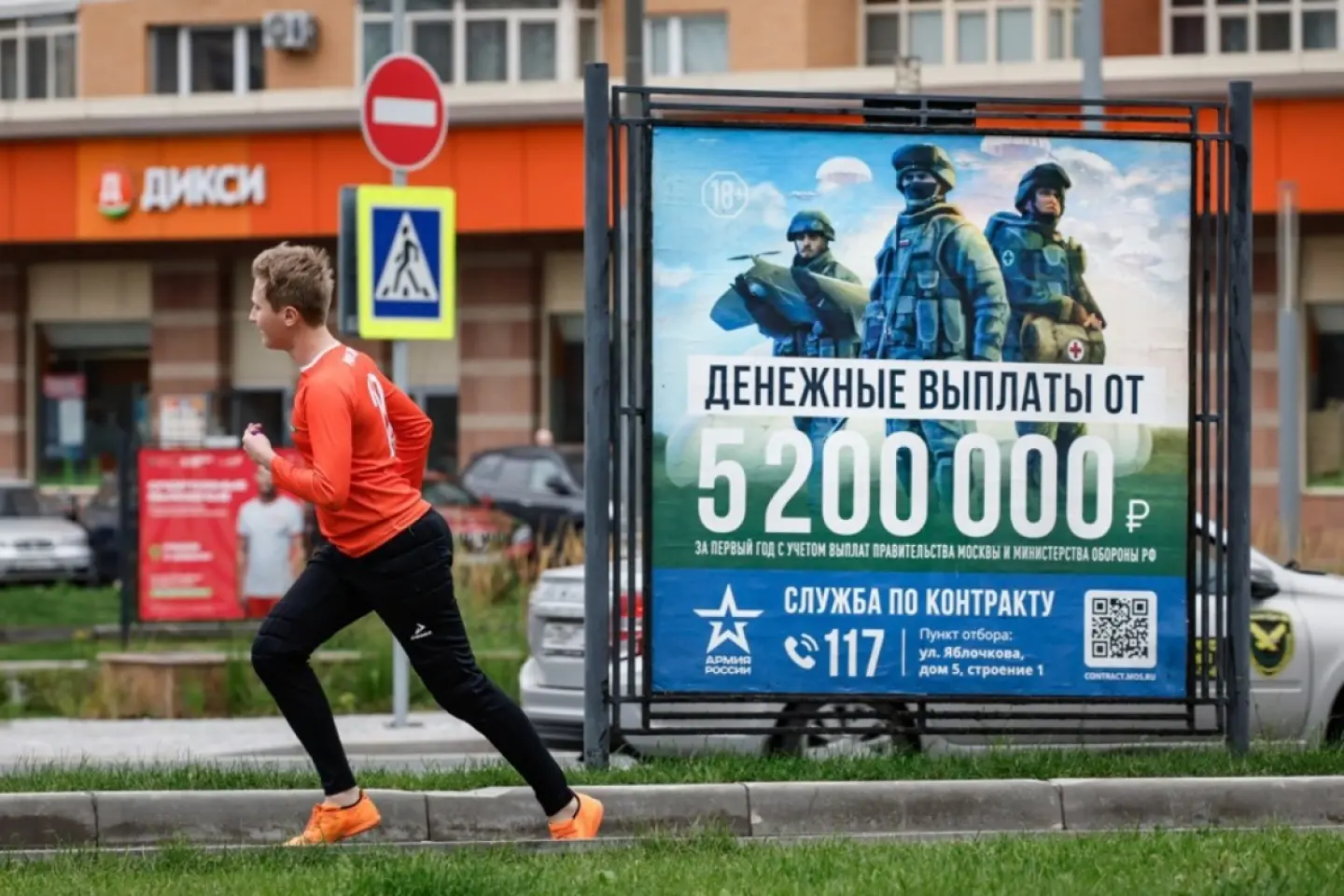
“Patriotism, the pursuit of justice, and devotion to the Motherland remain the most important values passed down to us by the generation of victors. Proof of this can be seen in citizens signing military contracts for service in the special military operation zone, as well as participating as volunteers. All force recruitment plans are being fulfilled on time, and often ahead of schedule. During the first four months of this year alone, more than 127,000 people signed contracts, while another 10,000 became volunteers”.
Ultimately, the article demonstrates how the Kremlin's increasingly troubled ideology attempts to conceal failures both on the battlefield and in protecting critical infrastructure deep inside Russia. It does so through a combination of propaganda, unverifiable statistics, and figures that the public has no practical means of checking or interpreting independently.