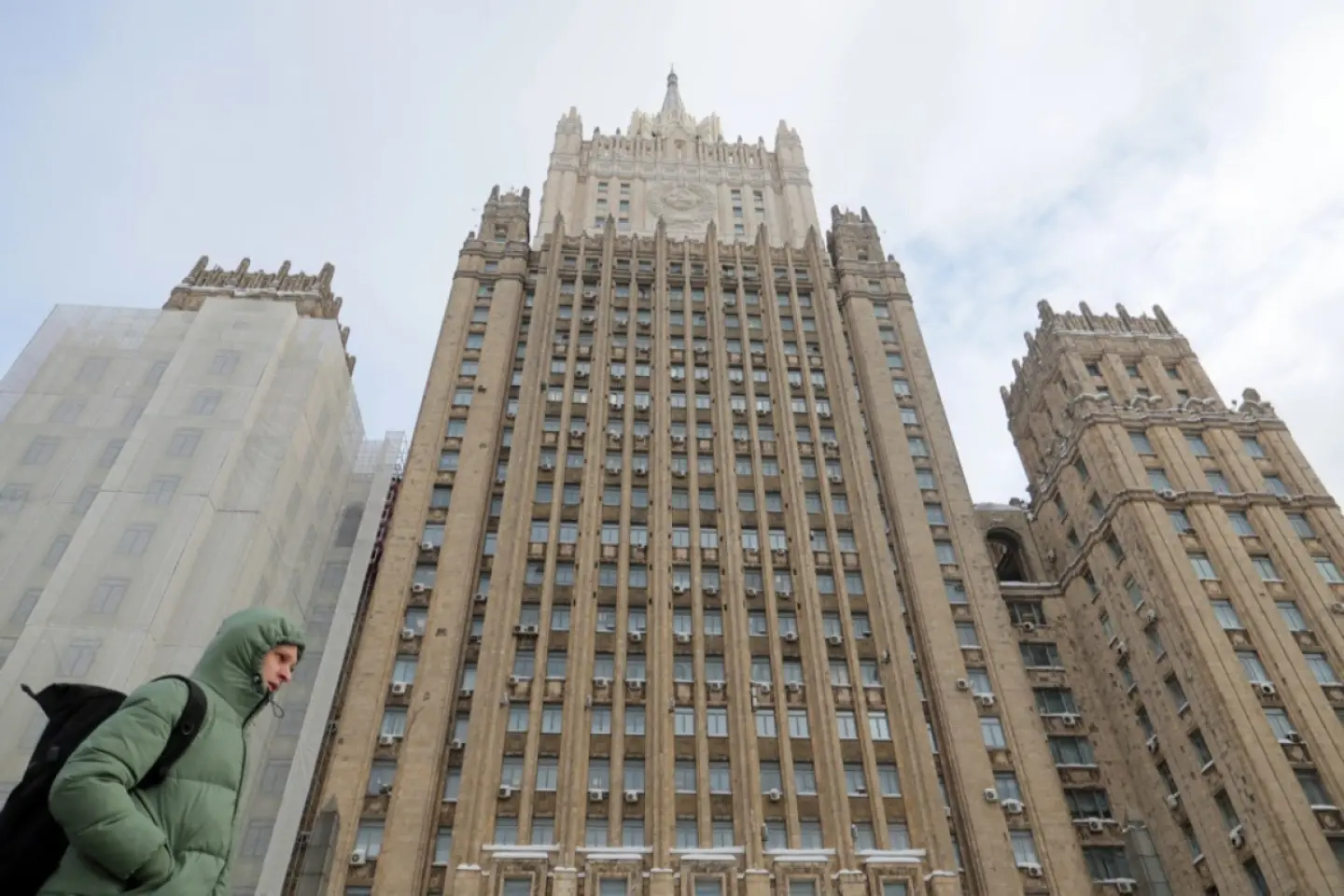
May 9 is an important date for Kremlin propaganda not only inside Russia, but also abroad. It traditionally triggers increased activity by Russian influence networks, clearly demonstrating Moscow’s sentiments and immediate intentions. In this regard, an interview with Gennady Ovechko, Director of the Russian Foreign Ministry’s Department for Work with Compatriots Abroad, was particularly revealing.
Once again, he reinforced the now deeply entrenched narrative about the alleged “descendants of Nazis” supposedly governing European states:
“Unfortunately, we have to acknowledge that in a number of countries, being a descendant of those who defeated fascism and identifying oneself with the Russian World is increasingly becoming problematic, and in some cases even criminally punishable. Attempts are being made to obstruct the holding of the “Immortal Regiment” marches and related ceremonies. In the Baltic states and Moldova, governed by ideological descendants of Nazi collaborators, legislative bans continue to exist on any mass events connected with Victory Day, as well as on wearing the St. George ribbon and other Soviet and Russian symbols”.
It is important to note that any resistance to openly propagandistic events organized by (pro)state initiatives and tied to May 9 is equated by Kremlin mouthpieces with the “glorification of Nazism” and described as “the destruction of the memory of the Second World War”. This false parallel is replicated at every possible level — first and foremost by the highest-ranking officials.
At the same time, Ovechko openly declares Moscow’s intention to invest even more heavily in promoting its narratives abroad under the guise of diaspora activities supposedly aimed at “preserving memory”:
“Against the backdrop of fierce “sanctions wars”, information confrontation, and Western attempts to rewrite the results of the Second World War, Russian compatriots abroad have found themselves on the front line of confrontation, where truth clashes with lies, historical memory with aggressive oblivion, respect for culture with rabid Russophobia. Under these unprecedented conditions, the priority task of our work becomes not simply support for communities, but their maximum consolidation as a key resource for preserving Russian identity, language, and spiritual ties with the Motherland. We have moved from targeted assistance to the systemic strengthening of diaspora self-organization, viewing its unity as a reliable shield against external influence”.
It should be noted that Moscow views its so-called “compatriots abroad” both as a base for implementing destabilization plans in host countries and as a pretext for interfering in the internal politics of those states. Such a possibility was recently enshrined in Russian legislation — in particular, the use of the Russian military was authorized to prevent alleged persecution of Russian citizens abroad. Accordingly, the Kremlin intends to encourage ever greater activity among its supporters in foreign countries in order to exert pressure on their political systems.