
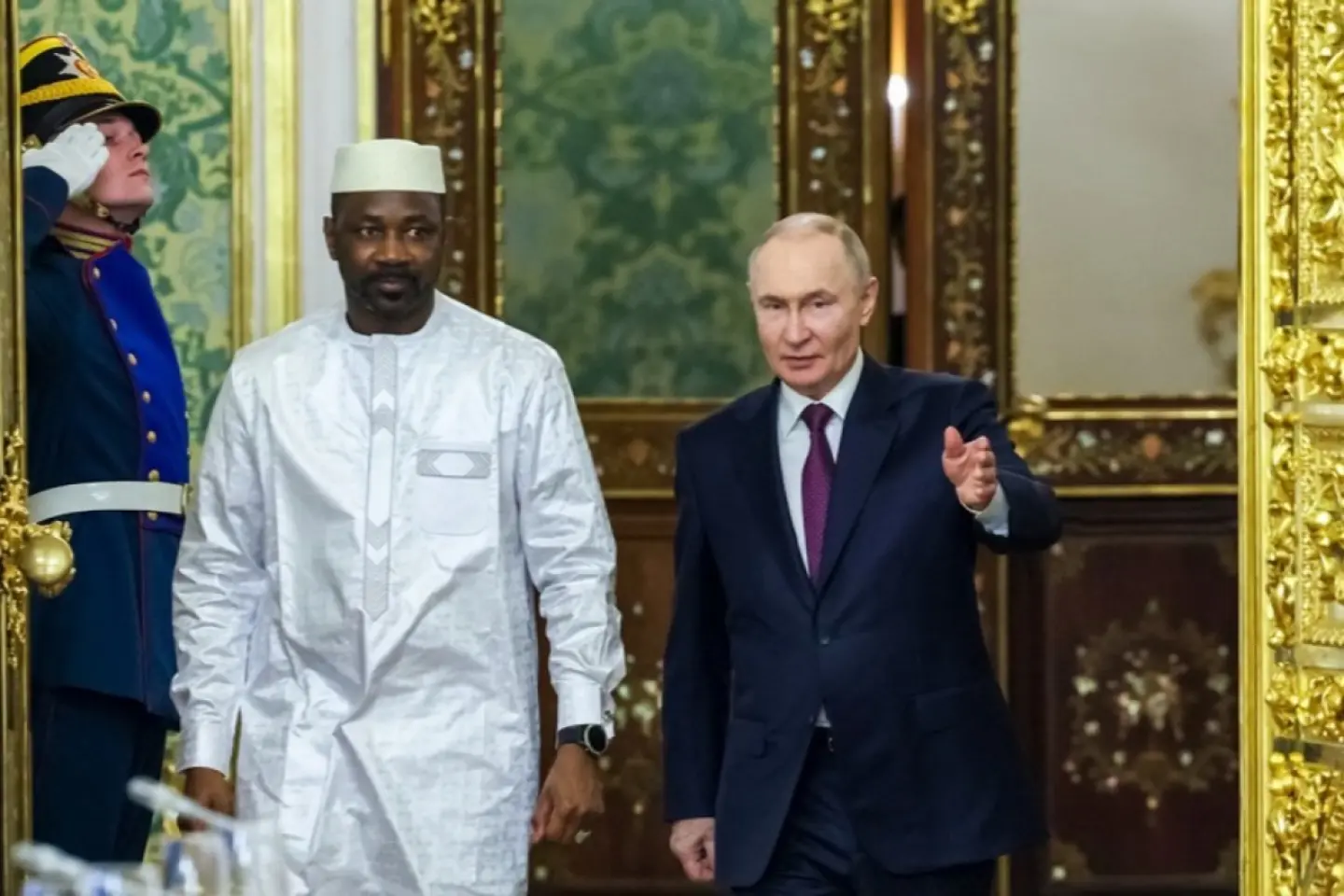
Russia claims to be a global power and is trying to show it in Africa, where it seeks to revive USSR’s former influence and, at the same time, make money. Moscow's African policy, however, is limited to exporting grains, (cheap) weapons and mercenaries. Also, Russia wants to avoid stepping on China’s toes in Africa, given its dependency on Beijing since it invaded Ukraine.


As Russia moved past the economic turmoil of the 1990’s, the country saw the emergence of a so-called middle class, which was expected to push the country towards democracy. However, that middle class was dependent on the state, and that dependency kept it firmly in Putin’s camp.
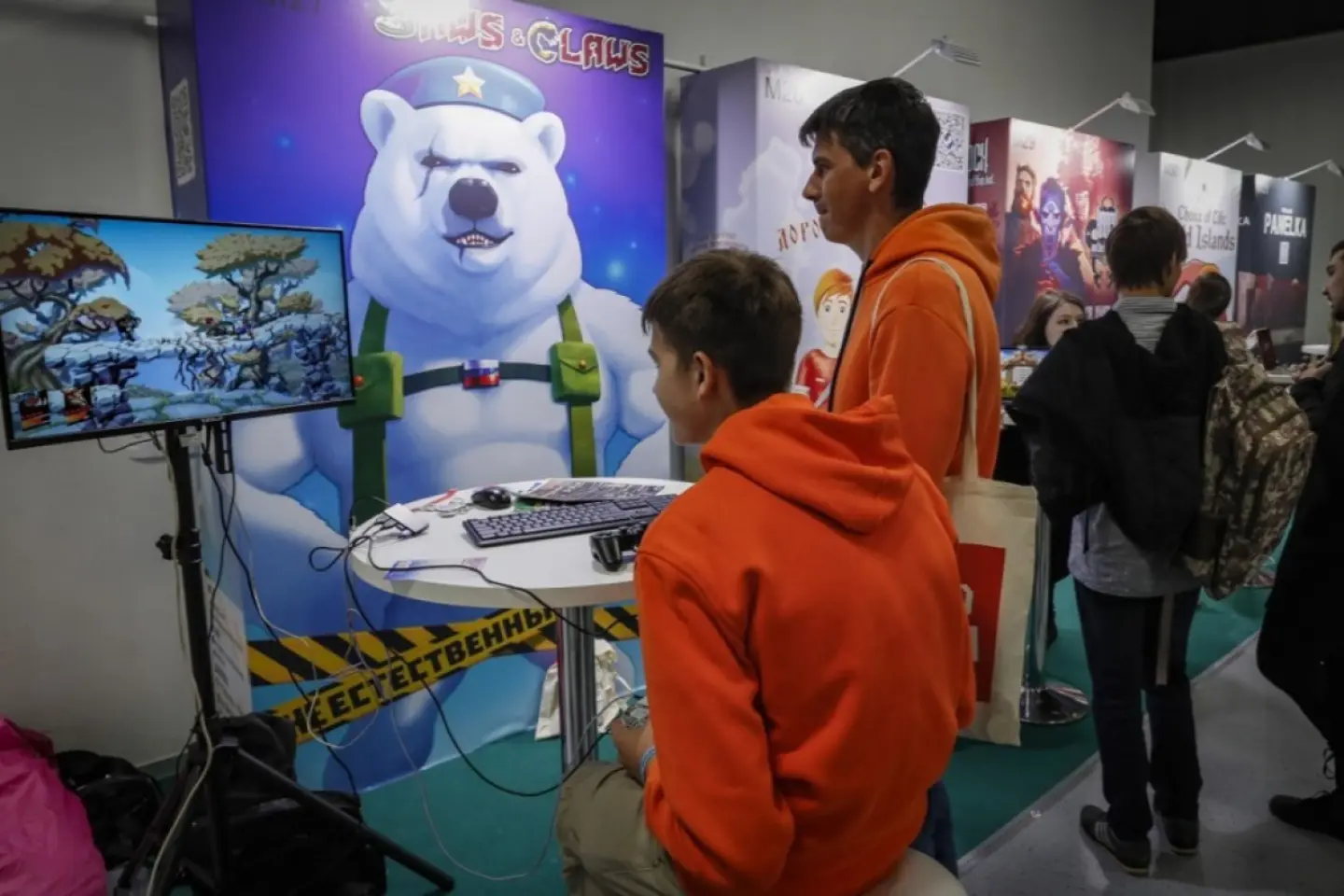
Russia’s struggle with the open proves that the Kremlin is trying to reorganize everyday life around the logic of security, control and dependence on state-approved infrastructure. The paradox is that this attack is directed against one of the few spheres where Russia had real modernizing potential: its digital economy.

Russia, like other oil-rich countries, saved some of its oil revenues for future generations and stability. After 2022, Moscow started to use the National Wealth Fund to finance a war that creates future instability.

Four years into the war, the EU - Russia trade relationship has been radically reshaped but not extinguished.

Russia invaded Ukraine to bring it back into its orbit. After years of war, the Russians would be content with even gaining some territory. But that would be a Pyrrhic victory, as Russia lacks the resources to effectively rebuild and administer war-torn areas.

Authoritarian regimes flourished by bending or breaking international rules. Once the US started to do the same, autocracies learned that a world without rules is far more dangerous for them than they had imagined.

Iran is important to Moscow for the lessons it has offered as a problem state for the international community and it can offer now, when it is at war with the United States and Israel.

Over the past four years, Russia's economy has been reoriented to support the war effort and, for a time, seemed able to withstand sanctions. But now Moscow is facing economic stagnation as its financial reserves continue to dwindle.

Russia has grand plans for the Arctic and the world's largest fleet of icebreakers to see them through. However, Moscow lacks the funds to implement its strategy, while its fleet is rapidly aging.

Russia’s failure to provide security or reliable partnership has led local leaders to seek alternatives. Moscow is losing the role of default arbiter, while Turkey, the EU, the United States, and increasingly China fill the space.
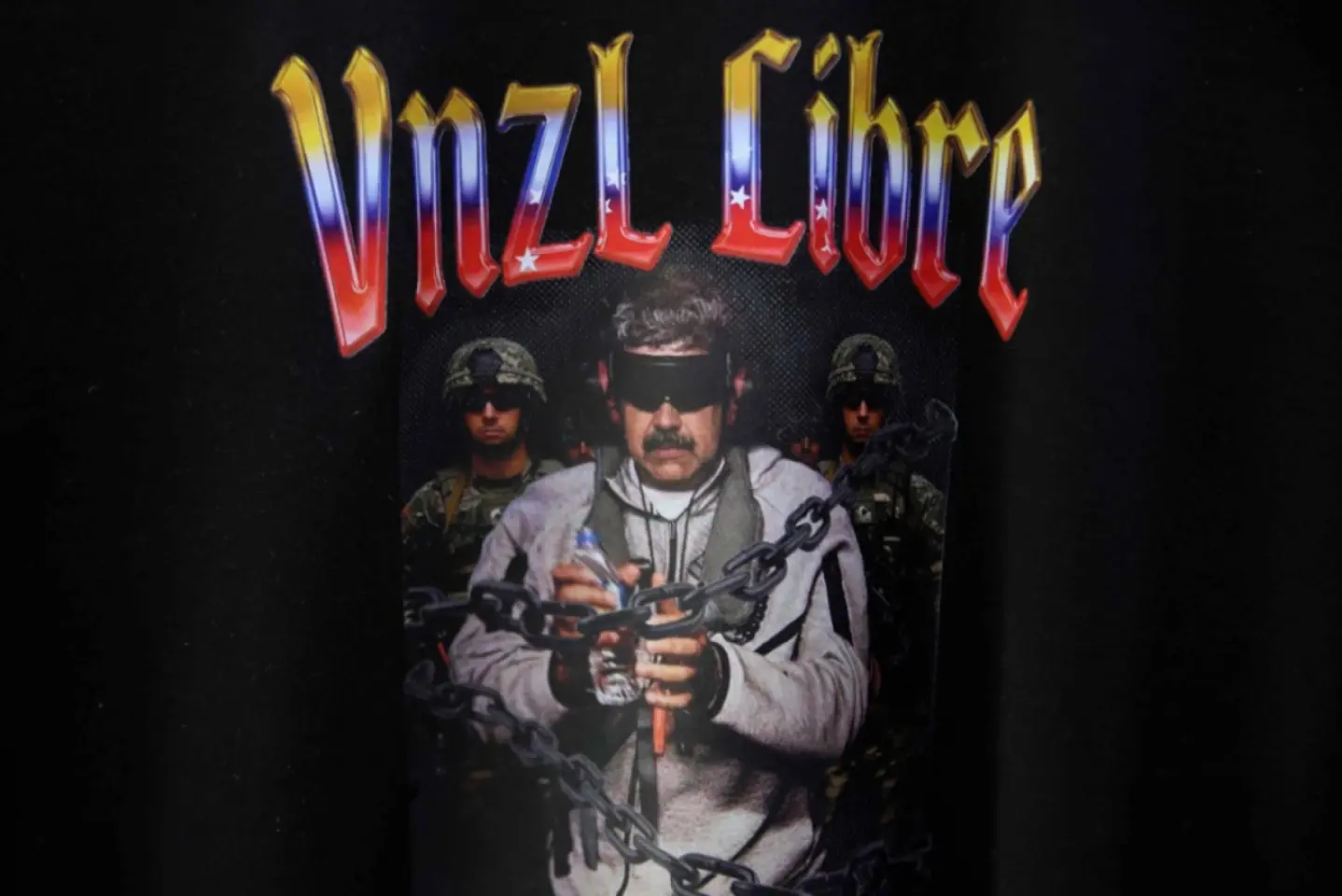
Russia suffered a geopolitical setback following Maduro’s fall. More than that, there are lessons to be drawn from Venezuela shake-up: oil (and gas) cannot save an economy, and the regime can survive without its top man.

Russia’s internet is being reshaped from an infrastructure that once served society, the state, and business into an instrument of control.
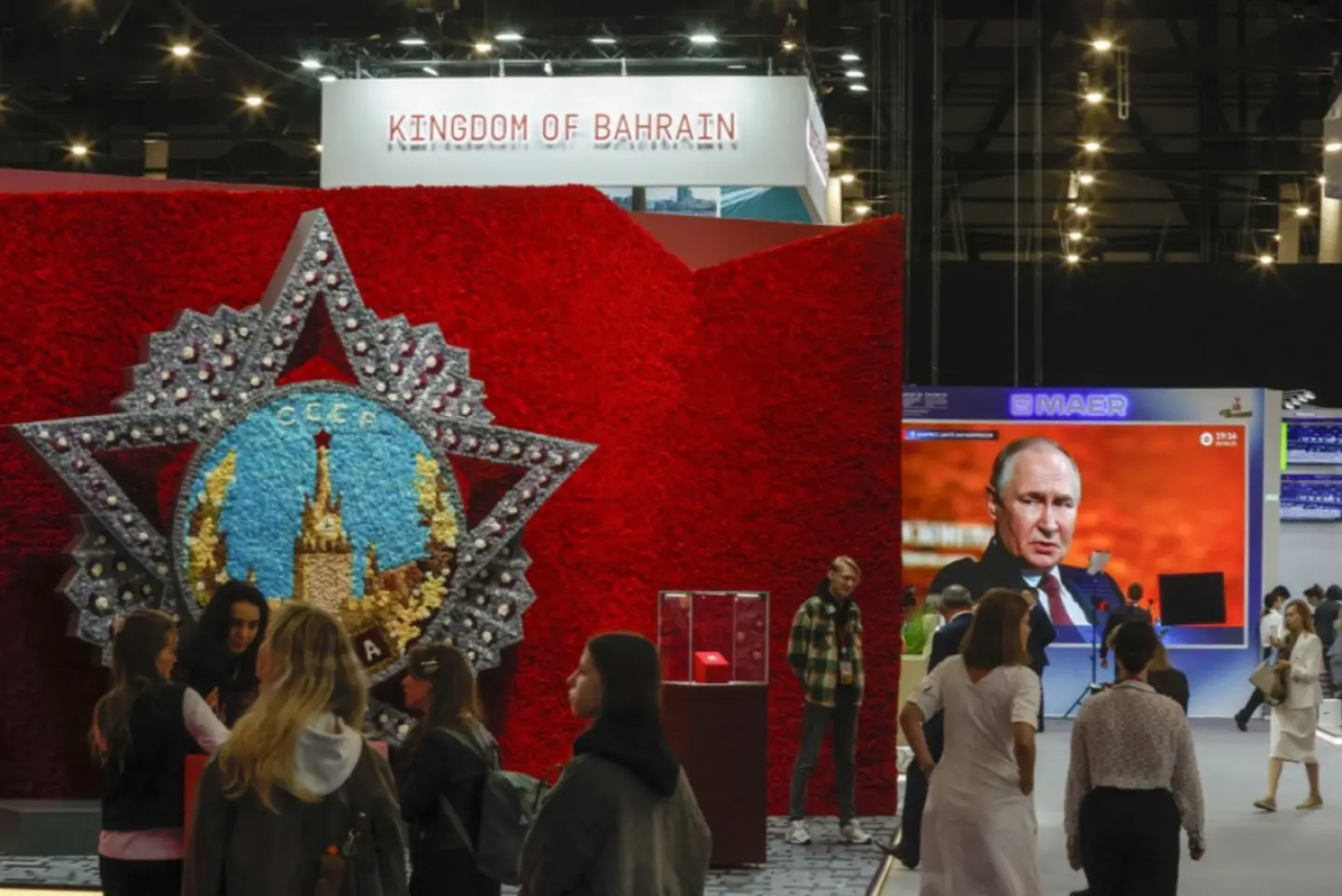
Why have neither the weight of sanctions nor the scale of losses on the battlefield pushed the Kremlin toward compromise.

Behind the façade of resilience lies a system increasingly driven by asset seizures, political loyalty, and the enrichment of a new elite.

Russia’s closest ally, Belarus, has been increasing its hybrid operations against its EU neighbors, directing migrants towards their borders and closing its eyes to increasingly brazen smuggling. The goal is to cause instability.
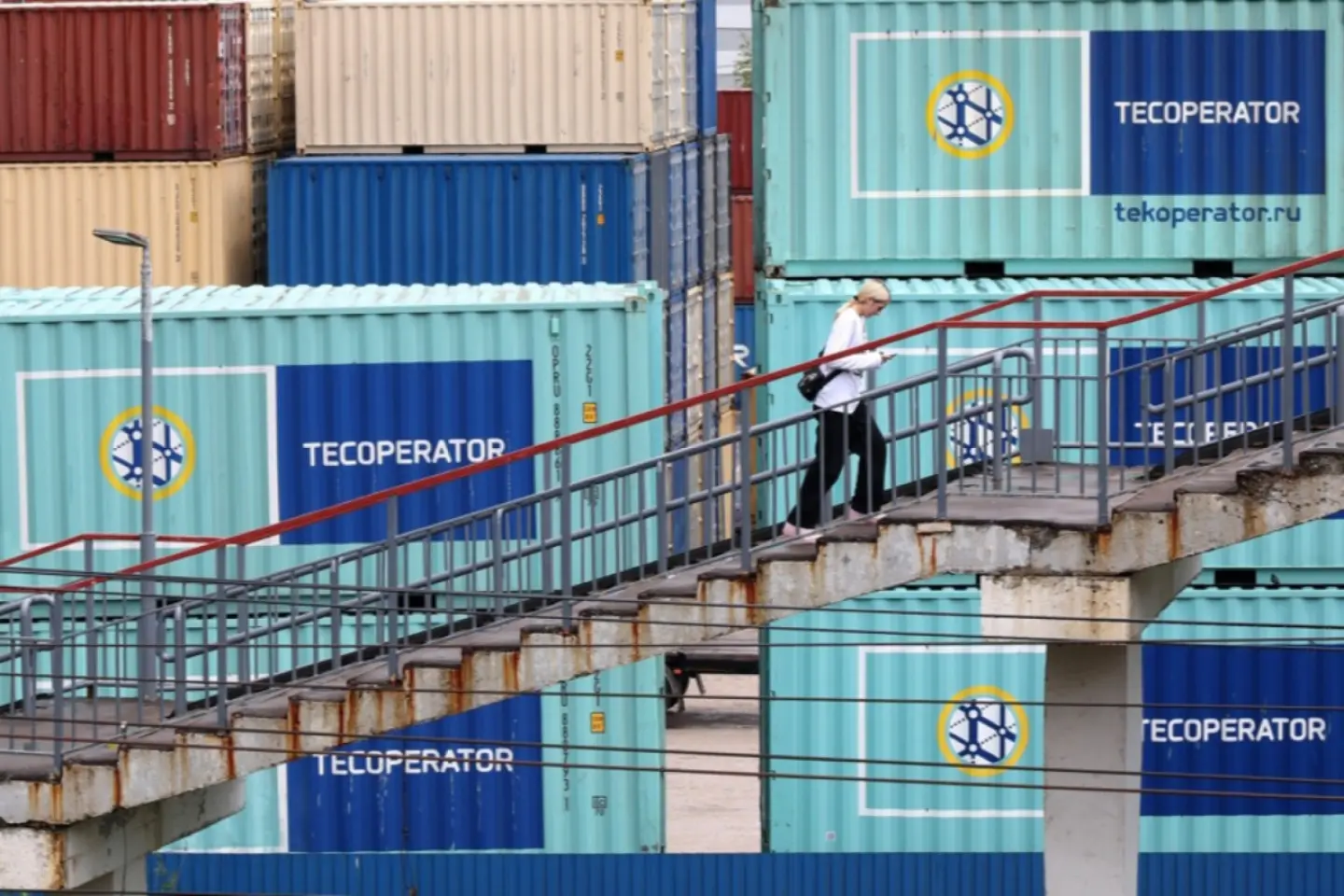
A ceasefire would not simply return things to business as usual, as Russia’s wartime economic reorientation and the deep mistrust will complicate any post-war reset.
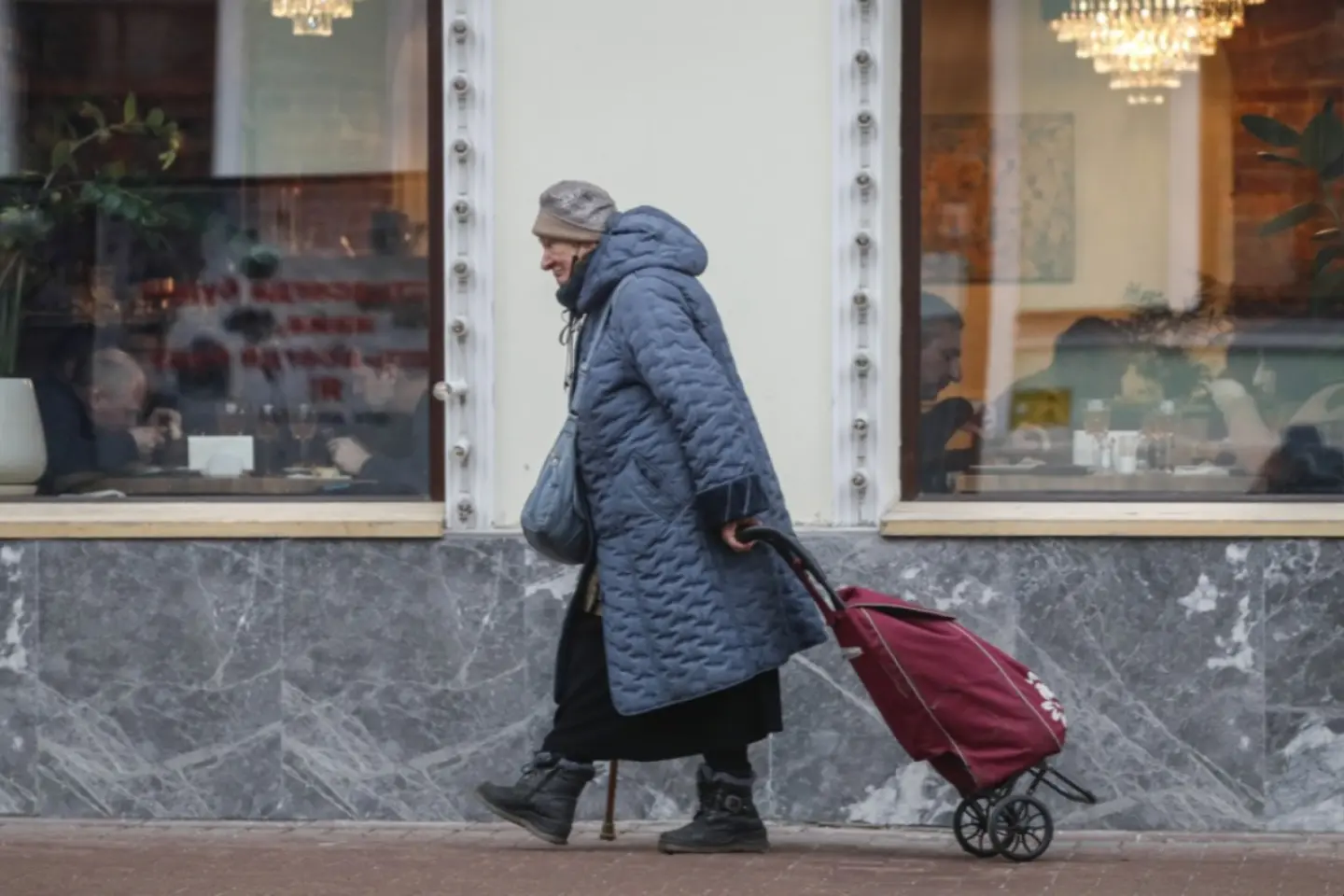
The budget sends a clear message – Russia is preparing to live, and fight, as a besieged fortress for years to come, even if doing so slowly drains the vitality of its economy and society.
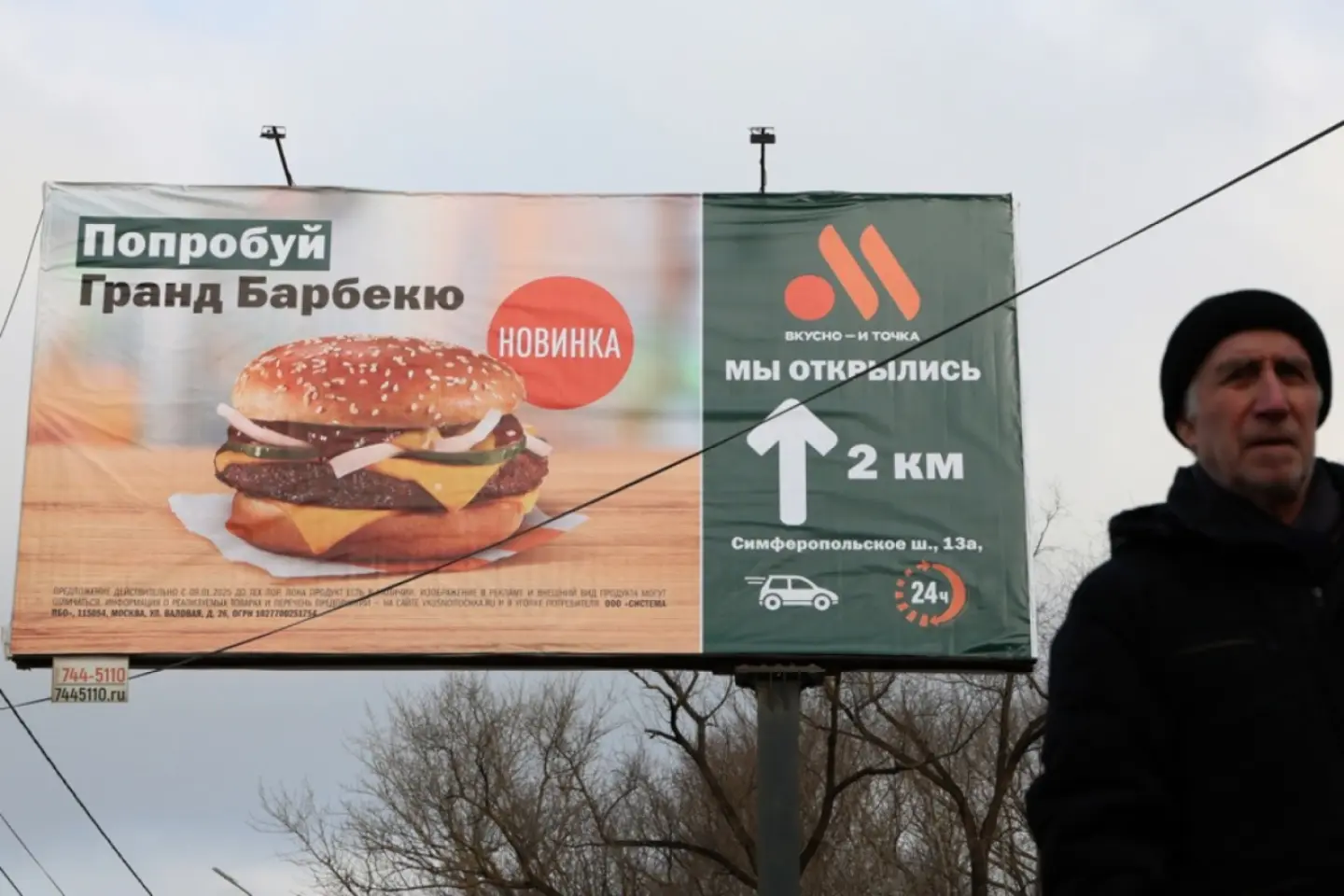
Ukraine faces increasing dependence on Western support. Russia will likely face critical fiscal constraints within 12-24 months. Meanwhile, China, the United States, and some third countries are extracting gains from the conflict.
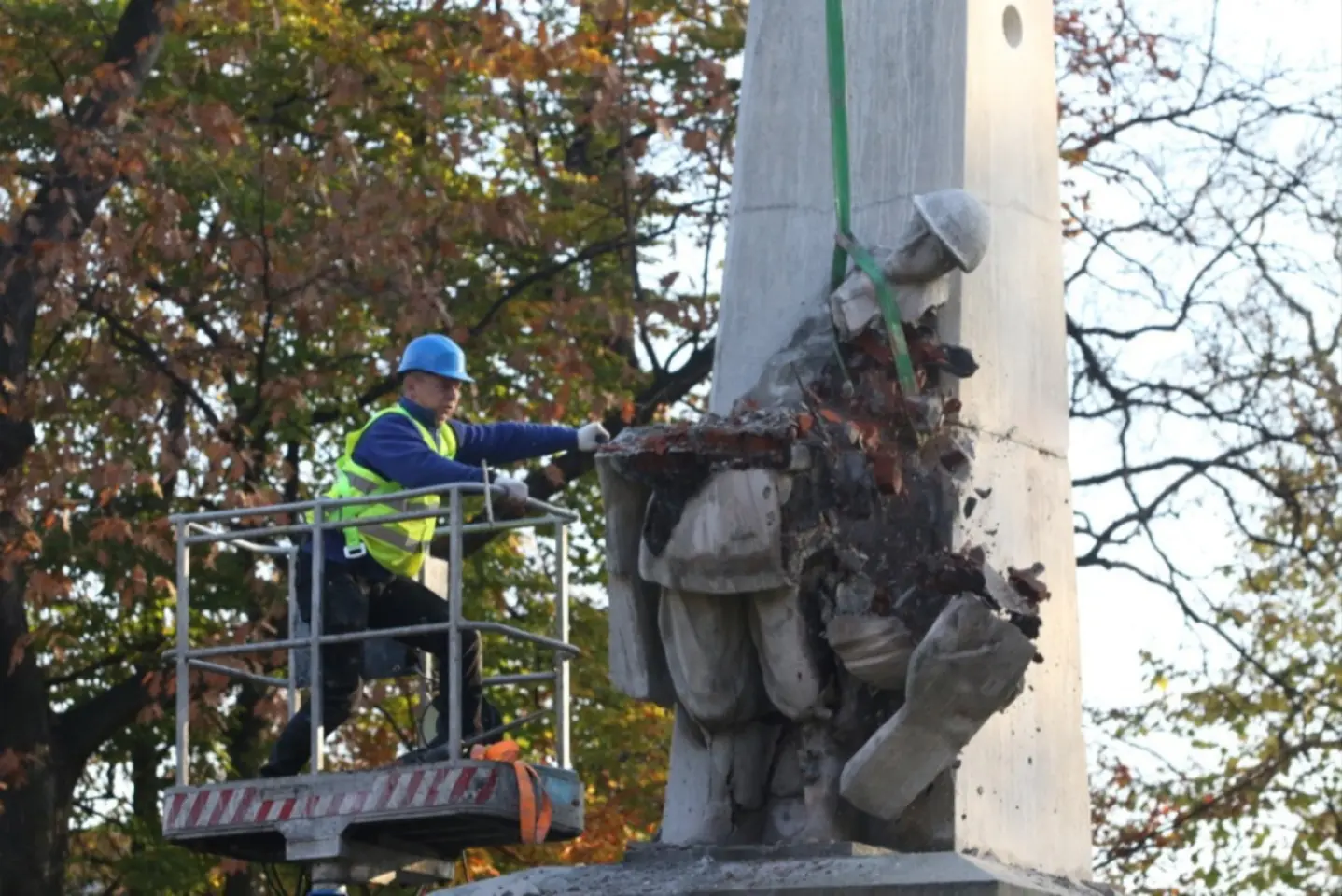
After the collapse of communist regimes in the early 1990s, the nations of Central and Eastern Europe faced a pivotal choice: embrace Western-style democracy and market economics, or remain in the post-Soviet sphere. Today, more than three decades on, the results of that choice are stark.

More than three decades after the Soviet collapse, the three Baltic nations stand as prosperous democracies firmly anchored in Europe, while neighboring Belarus and Moldova still in Moscow’s orbit to varying degrees. The contrast, though sometimes clouded by nostalgia and disinformation, is stark.

The gap between Russia and the European Union in living standards, wages, and the rule of law seems obvious at first glance. Yet, in today’s world of populism and increasingly sophisticated propaganda, even such basic truths require careful restatement.
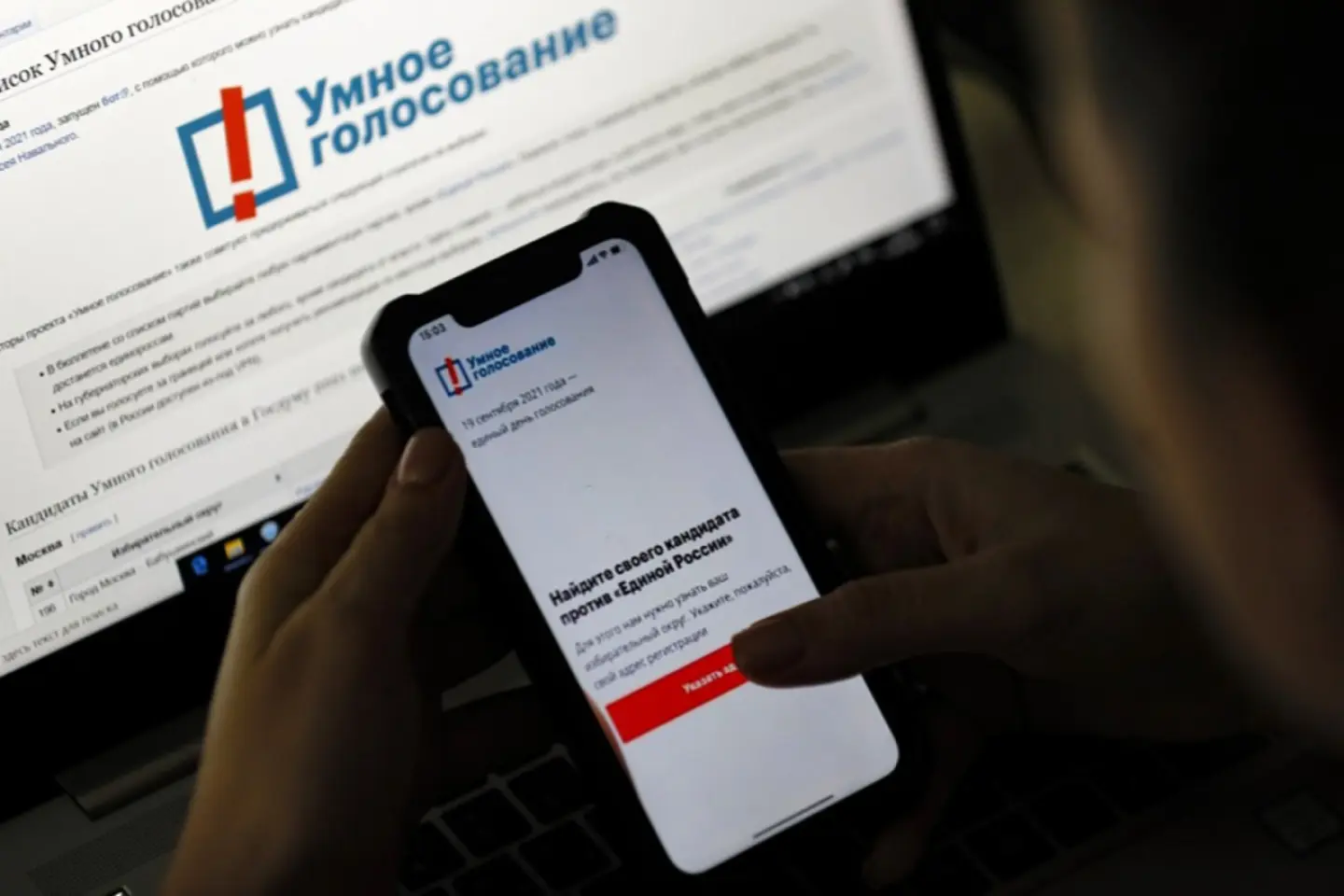
The networks, platforms, and services that once promised convenience and openness are now increasingly shaped by state control, geopolitical isolation, and the exodus of skilled talent.

Drones straying over Eastern Europe show that the War in Ukraine is no longer a distant spectacle

For many years, political loyalty to Putin bought access to wealth, security, and impunity. The war shed these privileges, and those who have fallen from grace can no longer even flee into exile.

From the Caucasus to Central Asia and the Baltics, former allies are distancing themselves from Moscow’s orbit, forging new partnerships, and openly challenging the assumptions that once underpinned Russia’s dominance.

As the war in Ukraine drags into its third year, a critical question grows increasingly urgent: how will Russia reintegrate the ever increasing number of citizens who return from the front lines or who have become economically dependent on the war effort?
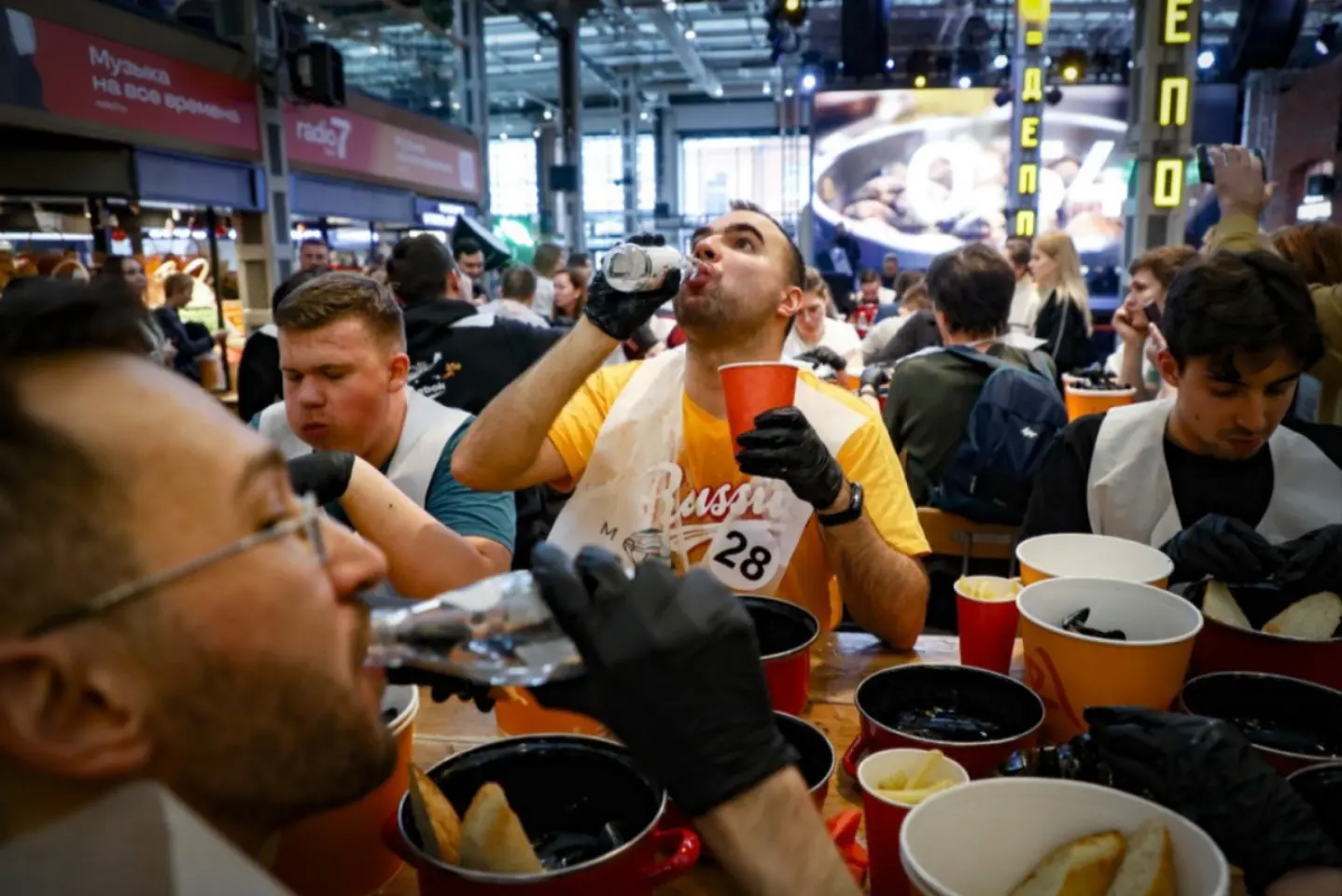
For many it is a coping mechanism, in some cases it reflects newfound war-related income, in others a switch away from big spending.
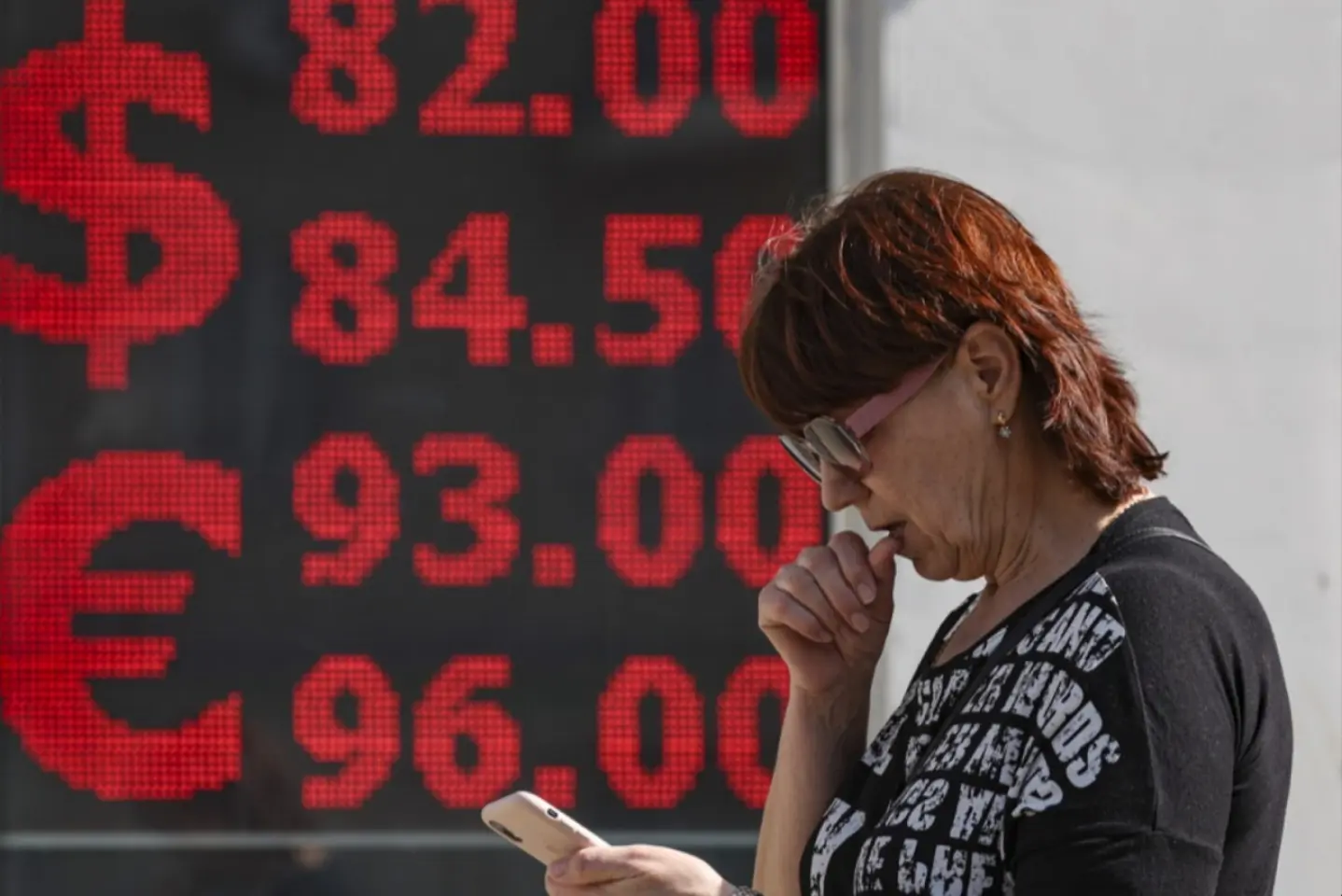
Behind the polished facade of Moscow and official statistics lies a federation increasingly fractured—socially, economically, and politically.
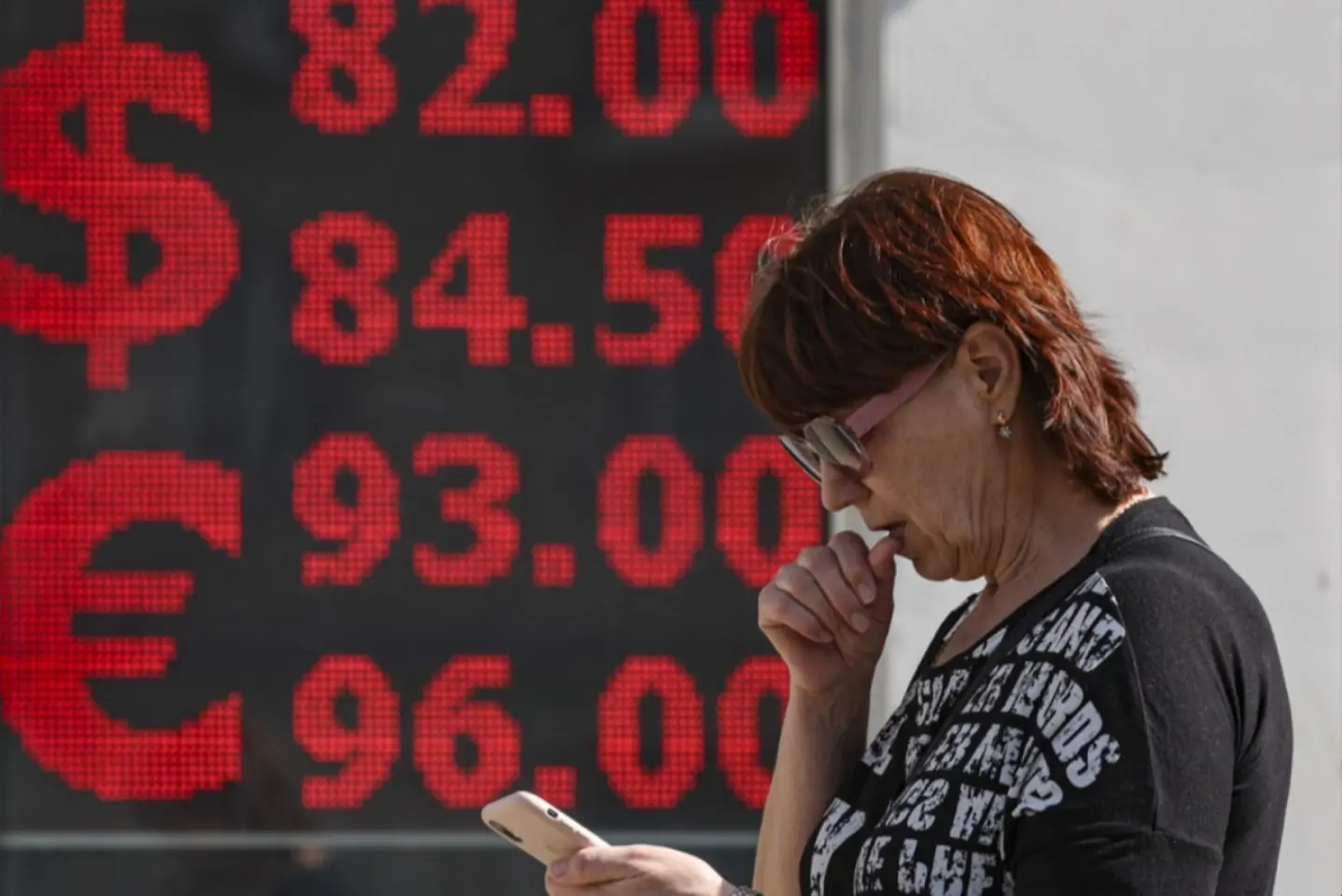
Russia’s economy is not yet a wartime economy – but it is drifting dangerously close. Whether it crosses the threshold will depend not just on military needs, but on the political will to sacrifice economic interests for geopolitical ambitions. So far, Moscow has tried to avoid making that choice. But the clock is ticking.

In the short term, Western sanctions have disrupted supply chains and commercial operations. In the long term, they are accelerating Russia's technological decline and external dependence.

Russians are hoping for an easing of sanctions and the return of big Western brands to the Russian market. Is this a real prospect – or simply a collective wish disguised as news?


