

Turkey’s diplomacy is non-conflictual, unlike that of Romania and Poland, the Kremlin’s loudspeaker, Sputnick, writes. The publication presents the Romania – Poland – Turkey Trilateral meeting in Bucharest from its own perspective and makes up non-existent fractures in the approaches of the three countries.
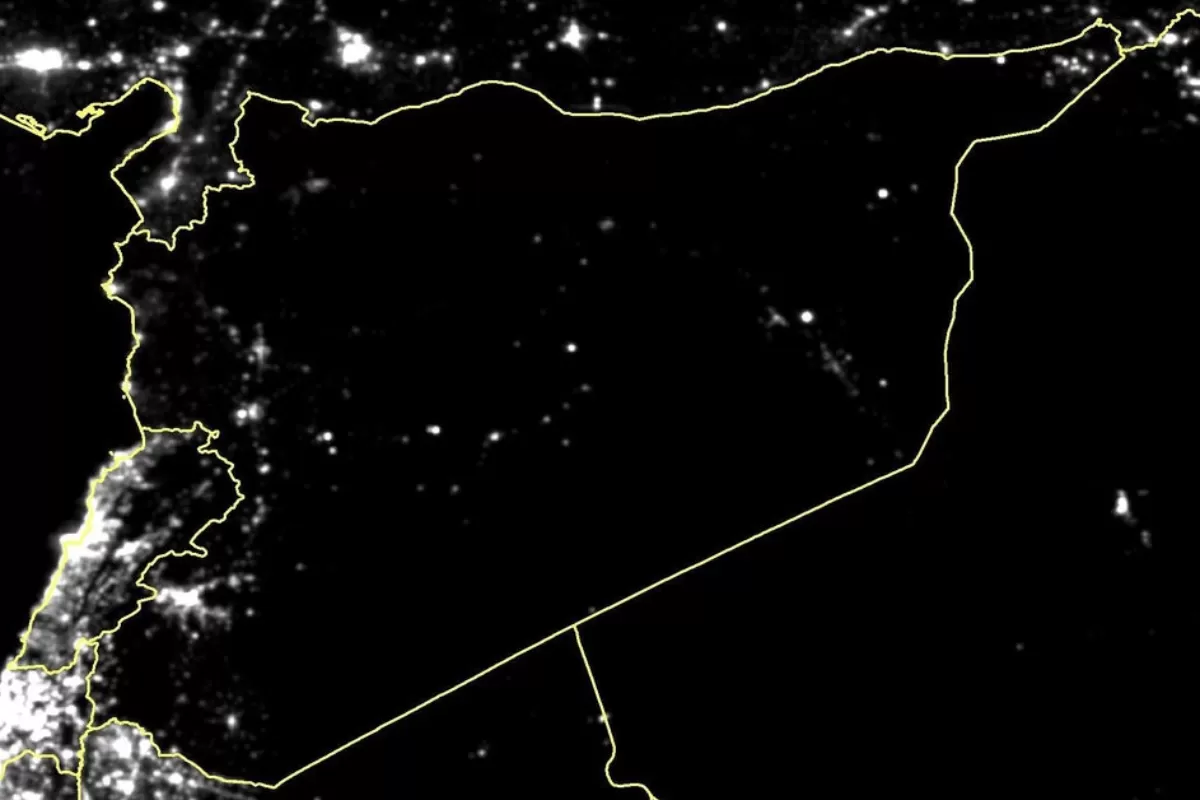
February 25 marked the first military operation ordered by president Joe Biden. US forces bombed targets in Syria used by Iran-led militias. The airstrike has brought back in the limelight a nearly forgotten war, recalling the complexity of this conflict with regional ramifications.

Ever since the appearance of the Internet and the advancement of the World Wide Web, in the 1990s, it was generally thought that they would decisively contribute to the global democratisation of information. And this they initially did, the demos all over the world gaining unprecedented access to an immense variety of information in all fields of human thinking and action. However, governments and inter-governmental organisations also entered this digital arena and their first instinct was to try to control it.


In November 2020, the Turkish government has started to spread a narrative of return to democracy, rule of law and citizens' rights. The main reason for this new apparent U-turn is the degradation of the Turkish economy and, in effect, the diminishing popularity of the regime.
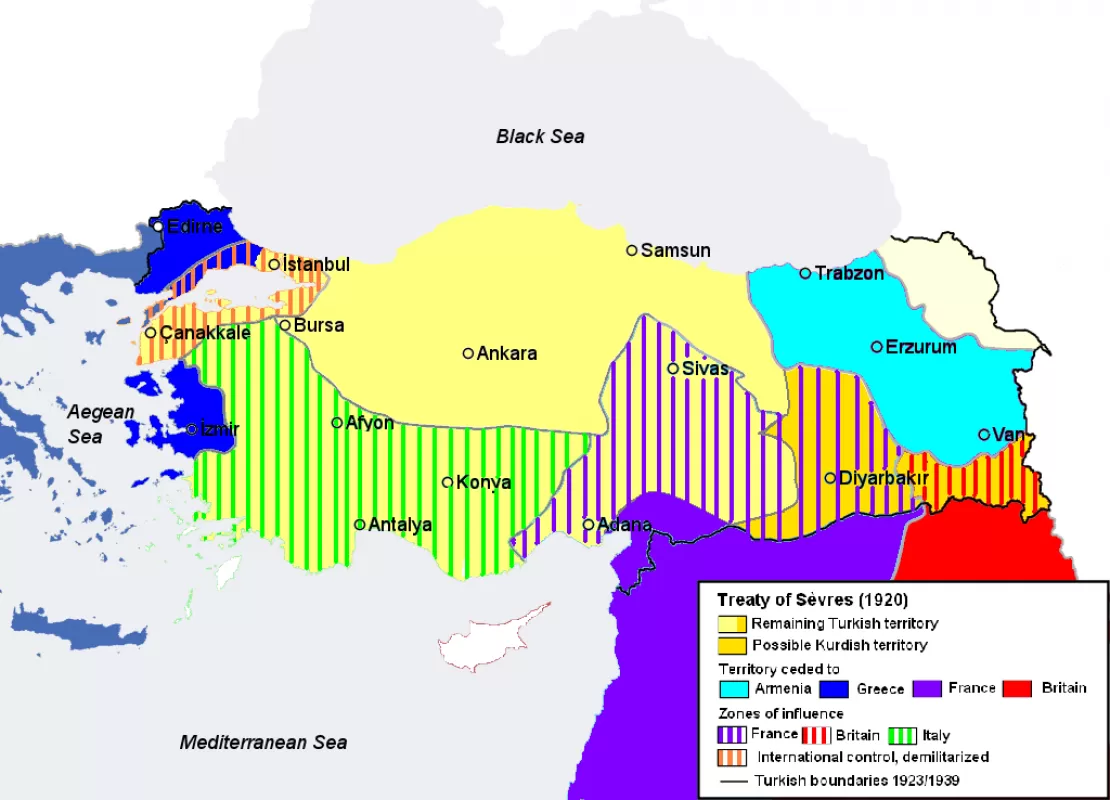
Conspiracy theories in a nationalistic key are being used for decades to justify the primacy of the Turkish state, and lately, of the Erdoğan regime.