
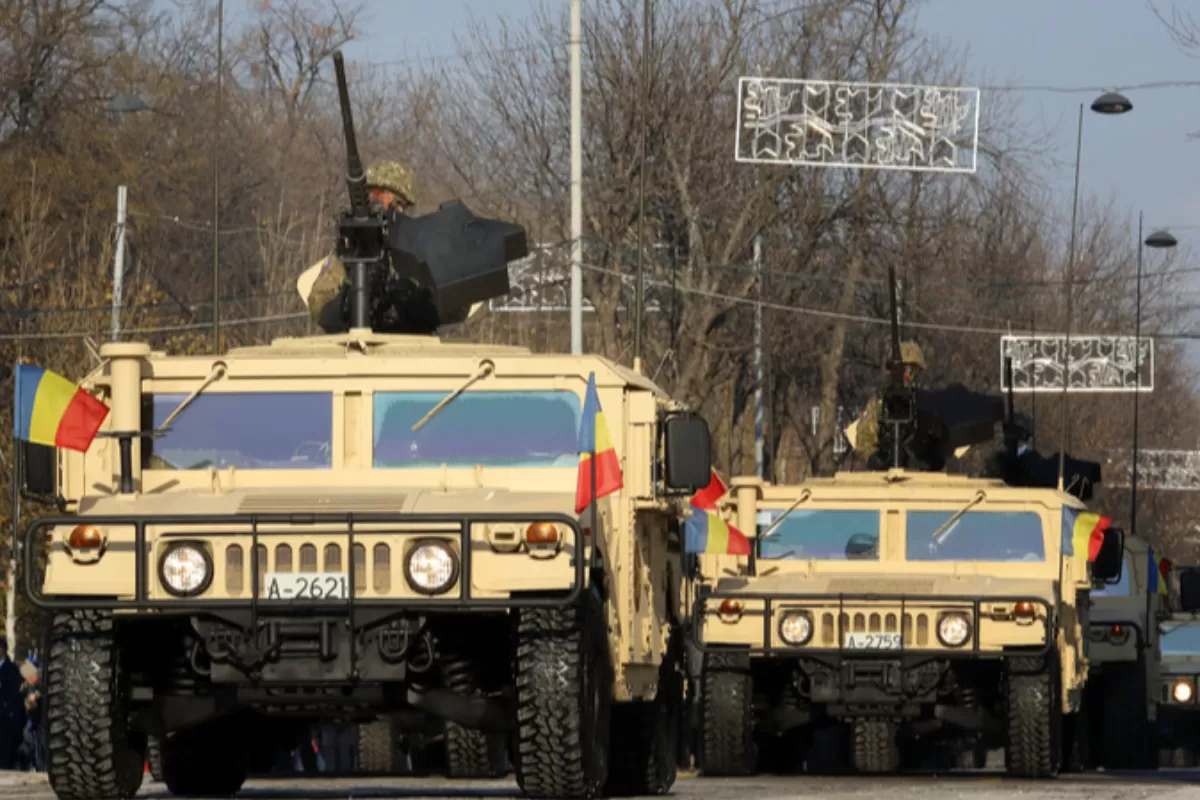
Romania has been dragged into a trap by its NATO allies to send military equipment, troops and instructors to Ukraine, but when Russia will start the war against this country, Bucharest will be left to stand alone, according to a false narrative published by Evenimentul Zilei.
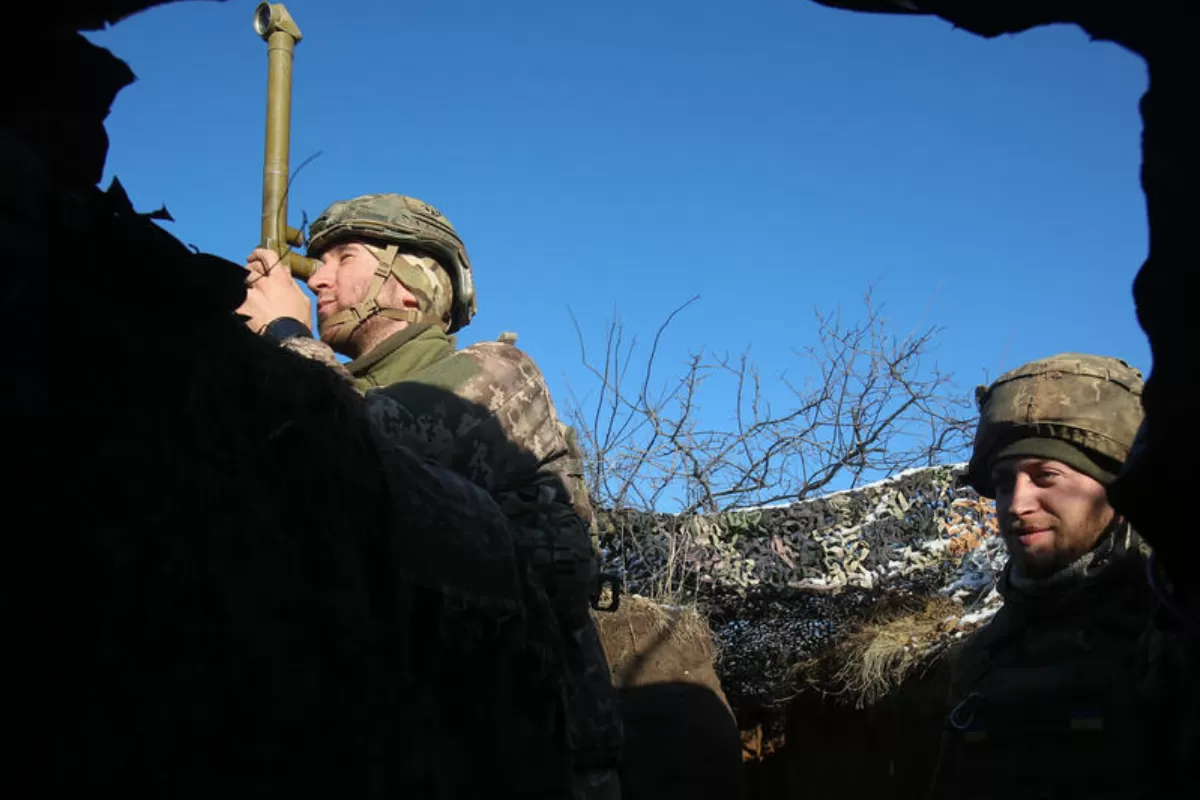
The UK allegedly called on NATO to admit it stands accountable for the crisis in Ukraine and to recognize the West’s destabilizing actions, the Russian state media writes. This false narrative echoes an obscure British publication with no connection to government sources.

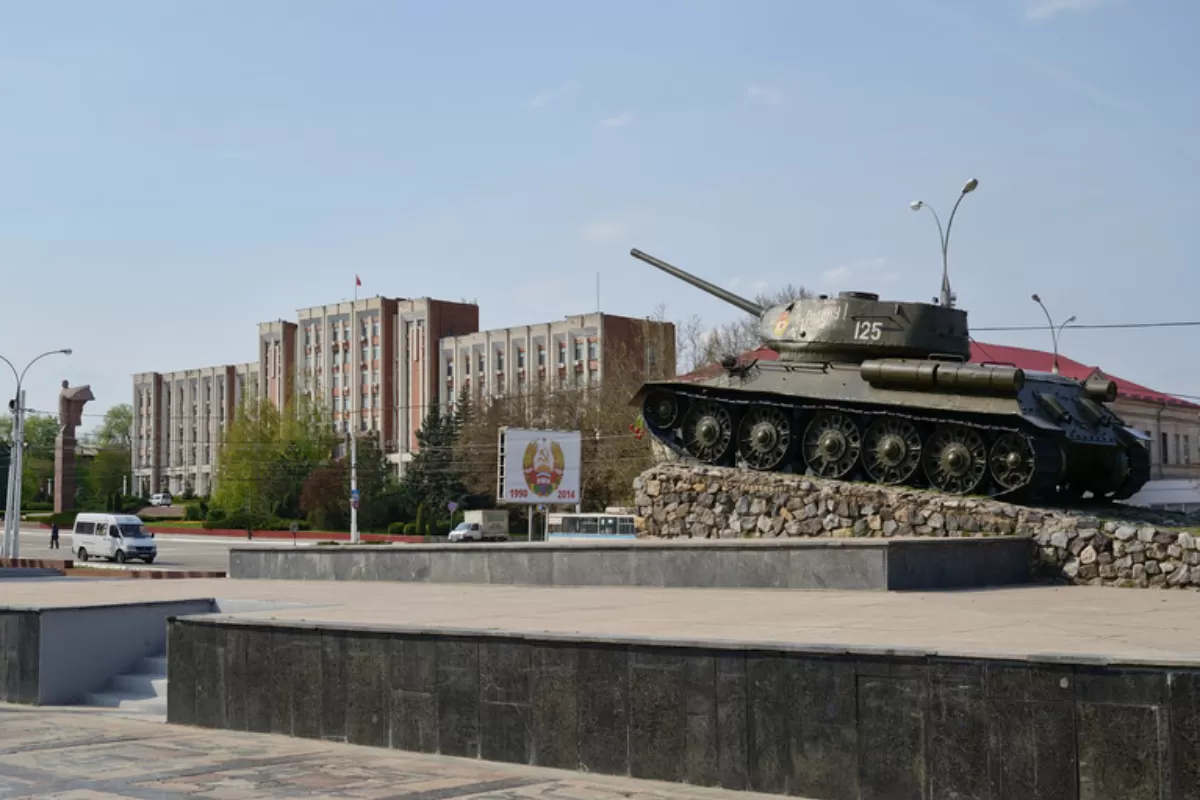
Vadim Krasnoselsky remains at the helm of Transnistria after Sunday’s presidential “election”, which the international community did not recognize. Supported by the Sheriff corporation, Krasnoselsky received the blessing of Moscow, the one who truly controls the breakaway region.

The pipeline should have been a first step towards reducing dependence on Russian gas. However, as long as Gazprom’s prices remain lower than on the European markets, the gas pipeline is only decorative.

Announced with bells and whistles as a big thing achieved by the Republic of Moldova with regard to the gas supply from Russia, the new contract with Gazprom is not exactly a success, either economically or politically.
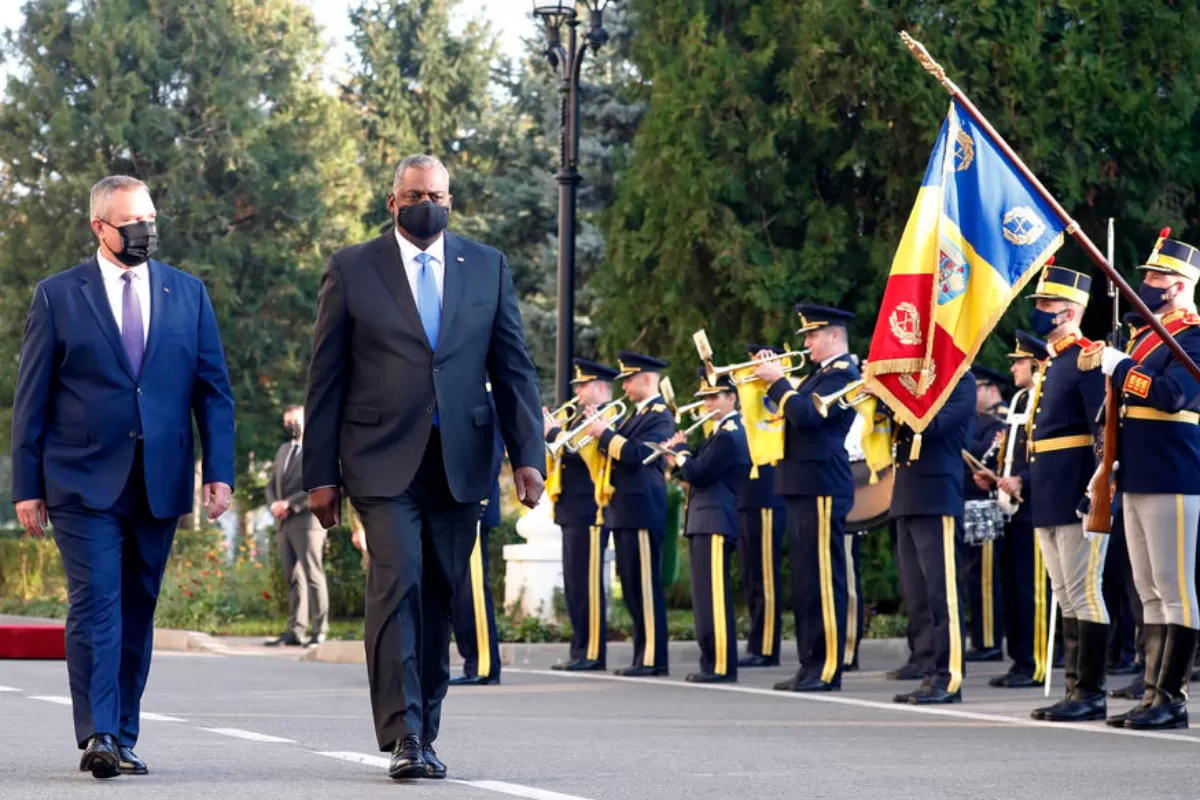
The National Liberal Party (PNL) wants to see appointed a government headed by the General Nicolae Ciucă in order to engage Romania in a war against Russia in Ukraine. The false narrative is constructed by drawing a forced parallel with moments in the history of Romania when active or retired officers were appointed prime ministers.

Romanian troops are expected to take part in Ukraine’s military operation aimed at retaking Crimea.

The pro-European government in Chisinau has entered a complicated period. Judicial reform has already begun in force and has already generated an internal crisis due to the detention of the prosecutor general, a measure that has been described as too harsh by some analysts, recalling a real "judicial blietzkrieg". This is exactly the kind of situation that Russia usually exploits, and Moscow has a few levers at its disposal to ensure that Moldova goes in the direction it wants.
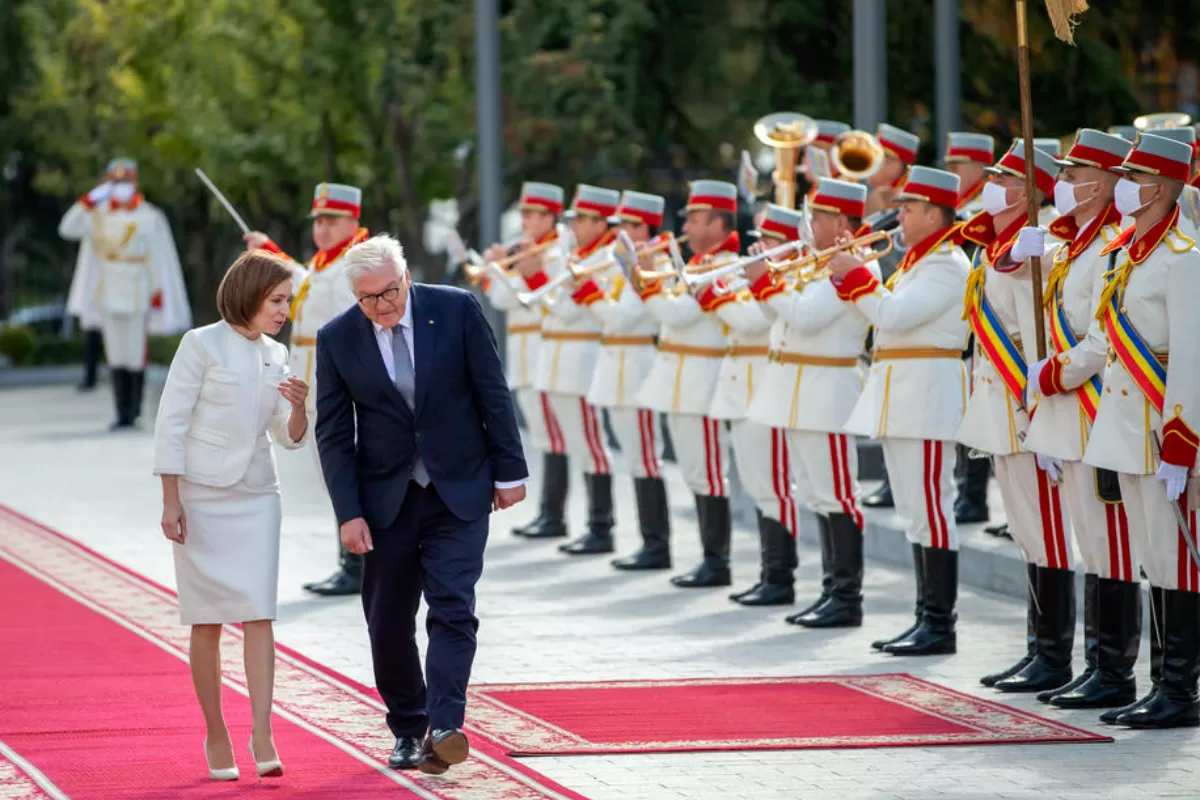
After Maia Sandu and PAS took over the reins of power, Chisinau started a genuine diplomatic offensive. There is openness towards the Republic of Moldova in the western chancelleries, as well as willingness to help, but that is no guarantee for success. A decade ago, the country was in a similar situation, but the failure of the governments that followed eventually led to years of isolation.

Sheriff Tiraspol, Moldova’s top football club, may be used by the regime in Transnistria to give some visibility to the separatist region and to try to gain a minimum of legitimacy on the international stage.
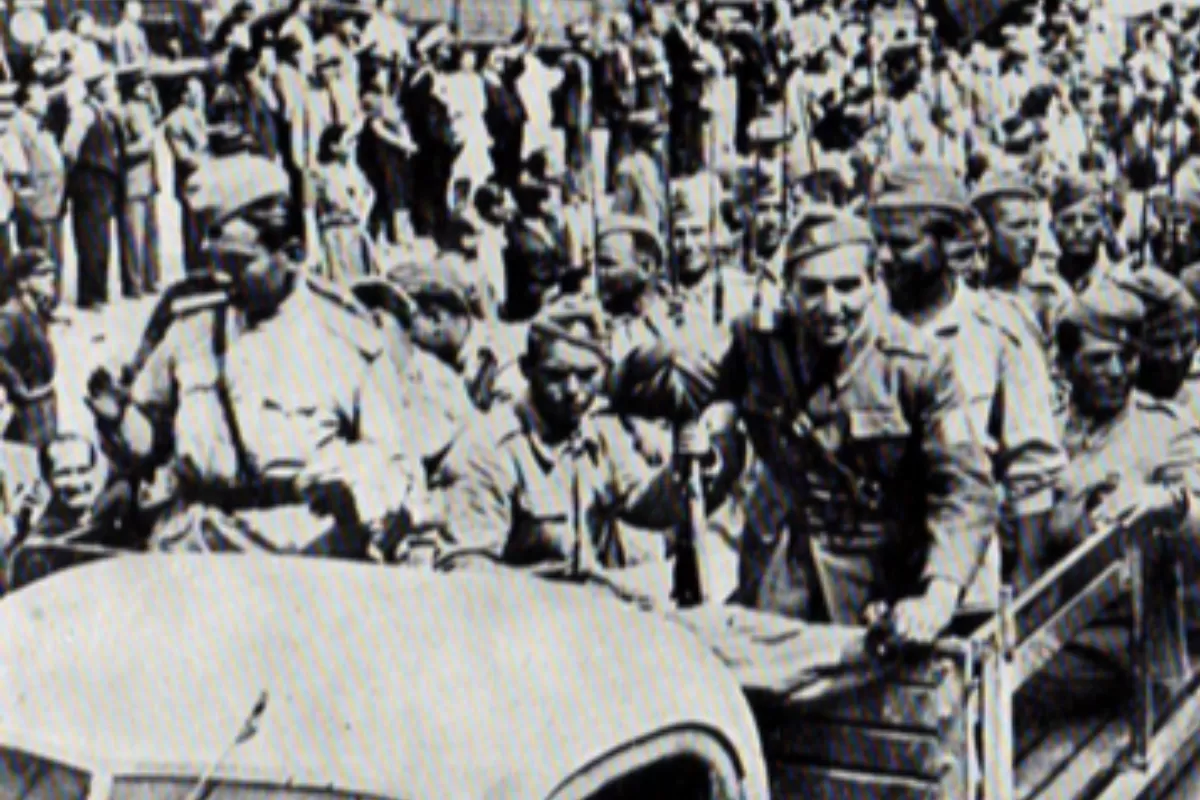
77 years since the Tudor Vladimirescu division entered Bucharest, the Russian Embassy in Romania has reiterated a number of older narratives about Romania’s liberation by the Red Army, the role played by the abovementioned division, made up of former Romanian prisoners of war, as well as about Romania’s cooperation with the USSR.

Ukraine’s policy towards Transnistria also impacts the agenda of the Government in Chișinău, which would rather focus on domestic reforms. Kiev decided to ban the access of all vehicles registered in Transnistria from entering its territory starting September 1, although Chișinău authorities wanted to delay the measure.

Romania is a US colony that blindly takes all of Washington's orders and transposes a US model of censorship of the press and freedom of opinion
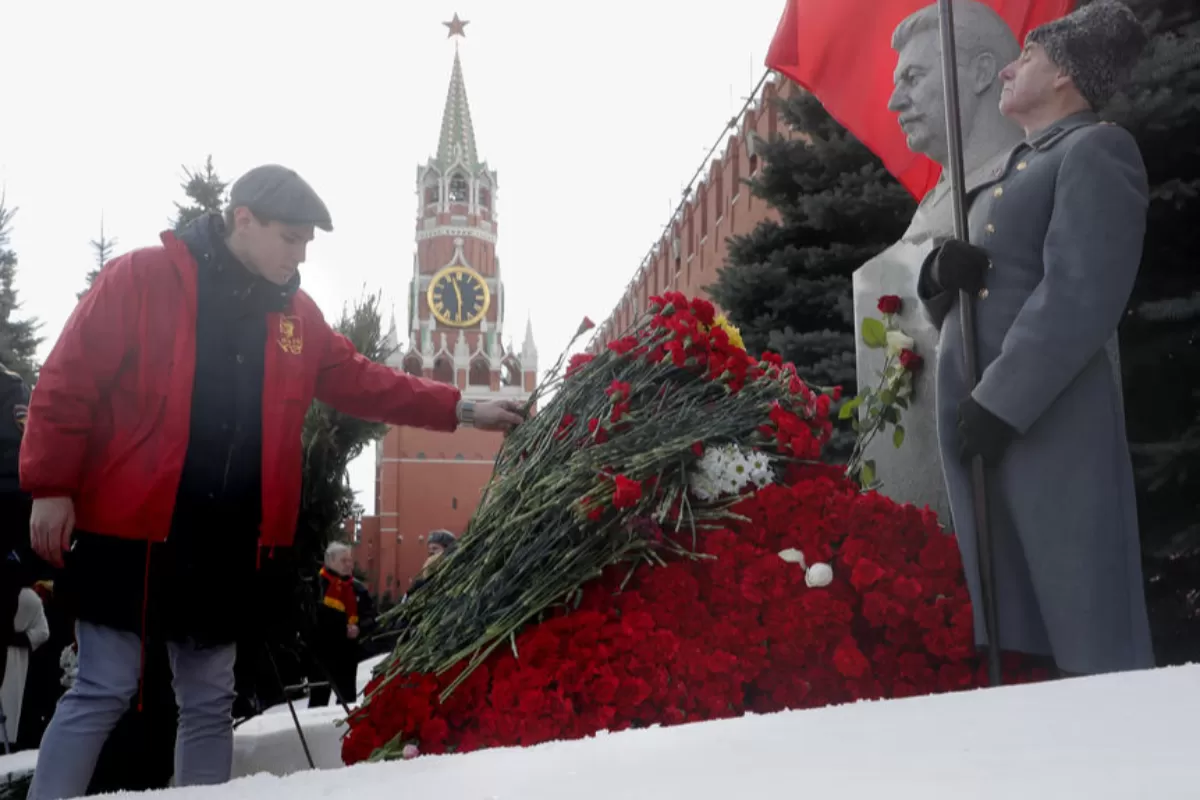
The 1991 coup in Moscow, which put an end to the Soviet Union, was a mistake that resulted in a great loss for mankind, Sputnik.md writes. This false narrative is part of a wider process of rewriting history and embellishing the image and actions of the USSR.
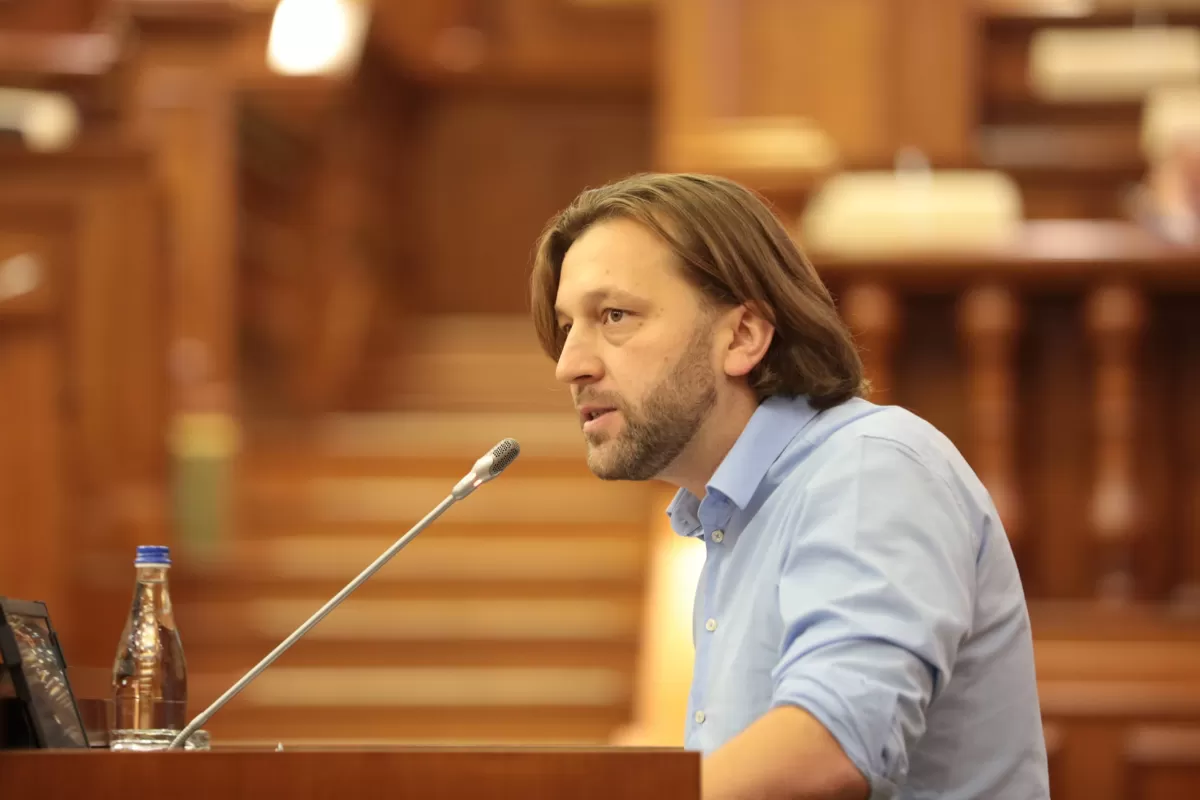
Dumitru Alaiba is one of the most vocal and visible deputies of the Action and Solidarity Party (PAS), which became the ruling party in Chisinau. On the eve of the 30th anniversary of the proclamation of Moldova's independence, Veridica spoke with Dumitru Alaiba about Russia's declining influence in Chisinau, the interests that link some Moldovan politicians to Transnistria, but also about corruption and the politics of the past 30 years.

The possibility of destroying the ammunition of Soviet origin kept in depos in the village of Cobasna, in the Transnistrian separatist region, has aroused Moscow's interest, at least at a declarative level.
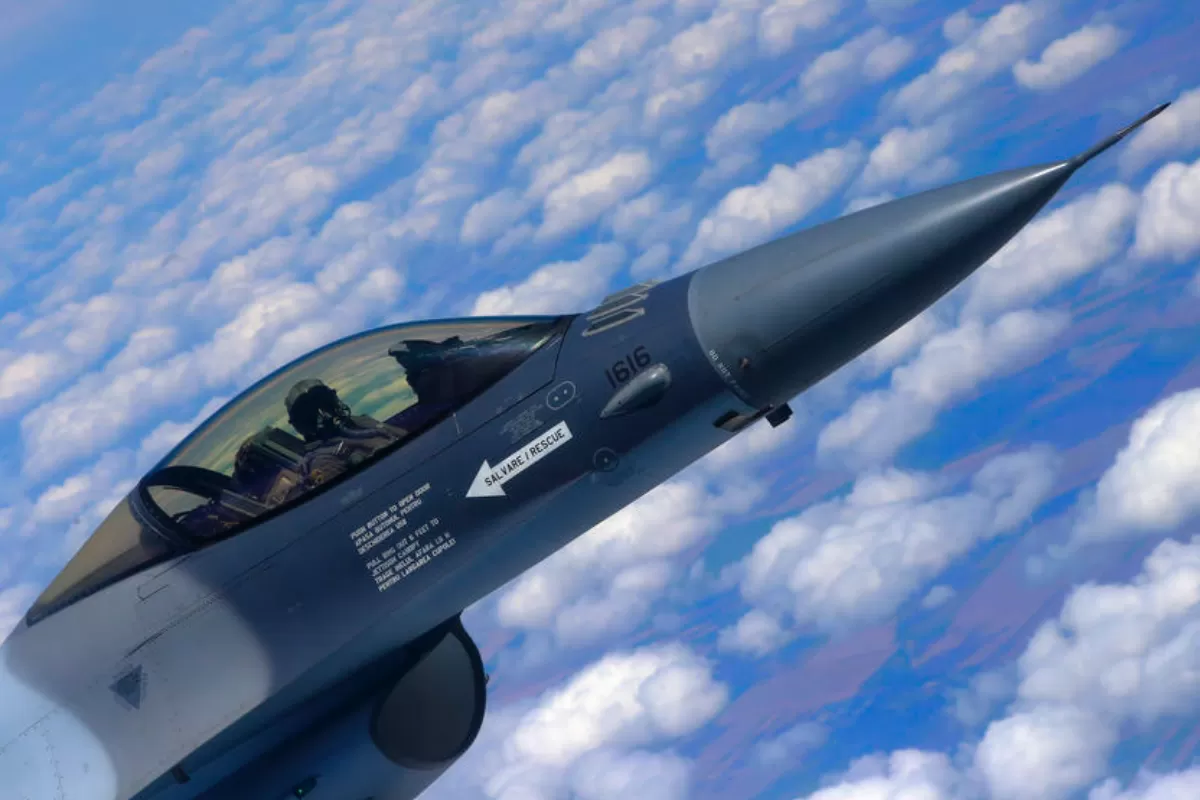
Romania will be drawn into a military conflict with Russia by Ukraine, a state that wants to reclaim the Crimean peninsula. It's all part of a plan devised by the Americans, who use intermediaries to provoke Russia at the Black Sea.

Supporting the rights of the LGBTQI community is a disguise for the promotion of pedophilia, according to a narrative carried by some online publications in Romania. The narrative has been intensely used by the Russian media affiliated with the Kremlin, and in Bucharest it has now reappeared in the context of a pedophilia scandal in Germany and an increasingly louder discourse about the traditional family.
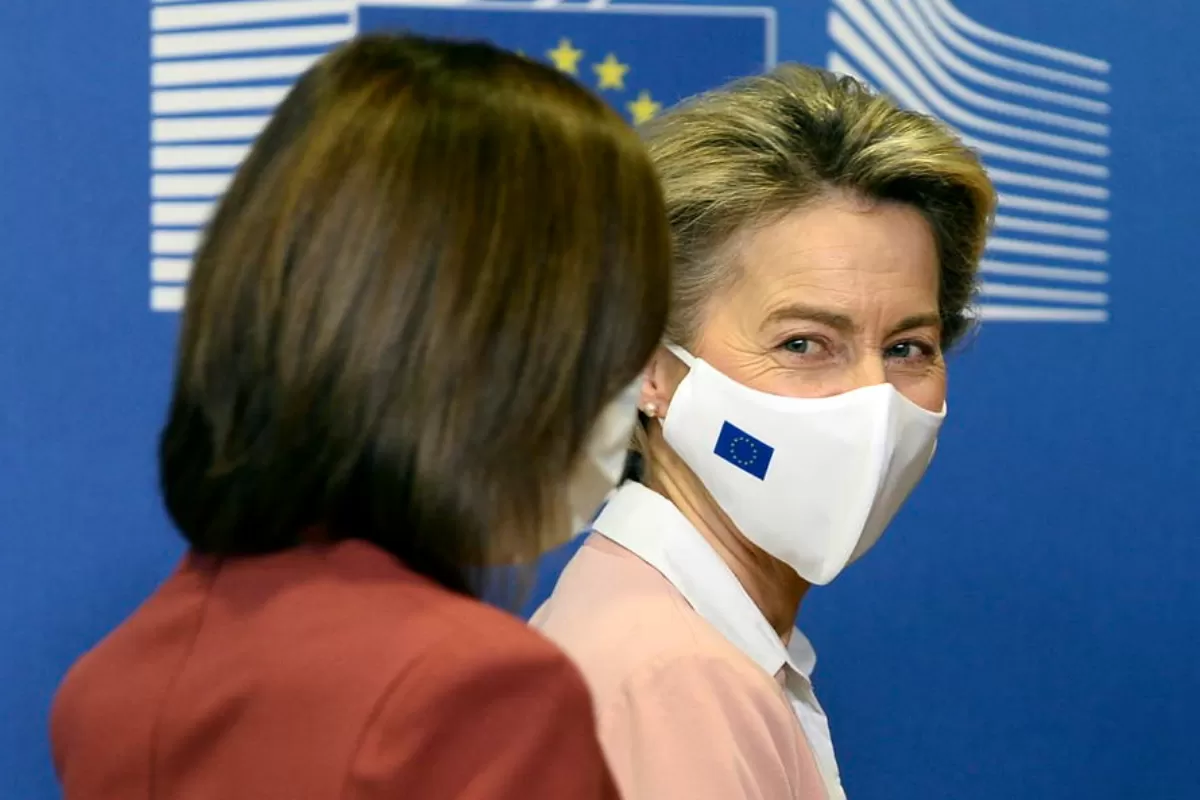
The Republic of Moldova has been presented with a historic opportunity, after pro-European forces, represented by the Action and Solidarity Party (PAS), have secured the Parliament, the Government and the Presidency. The post-Soviet period of transition may now be over, and the pro-European track, which has been in the limelight in Chișinău for three decades, may become irreversible.
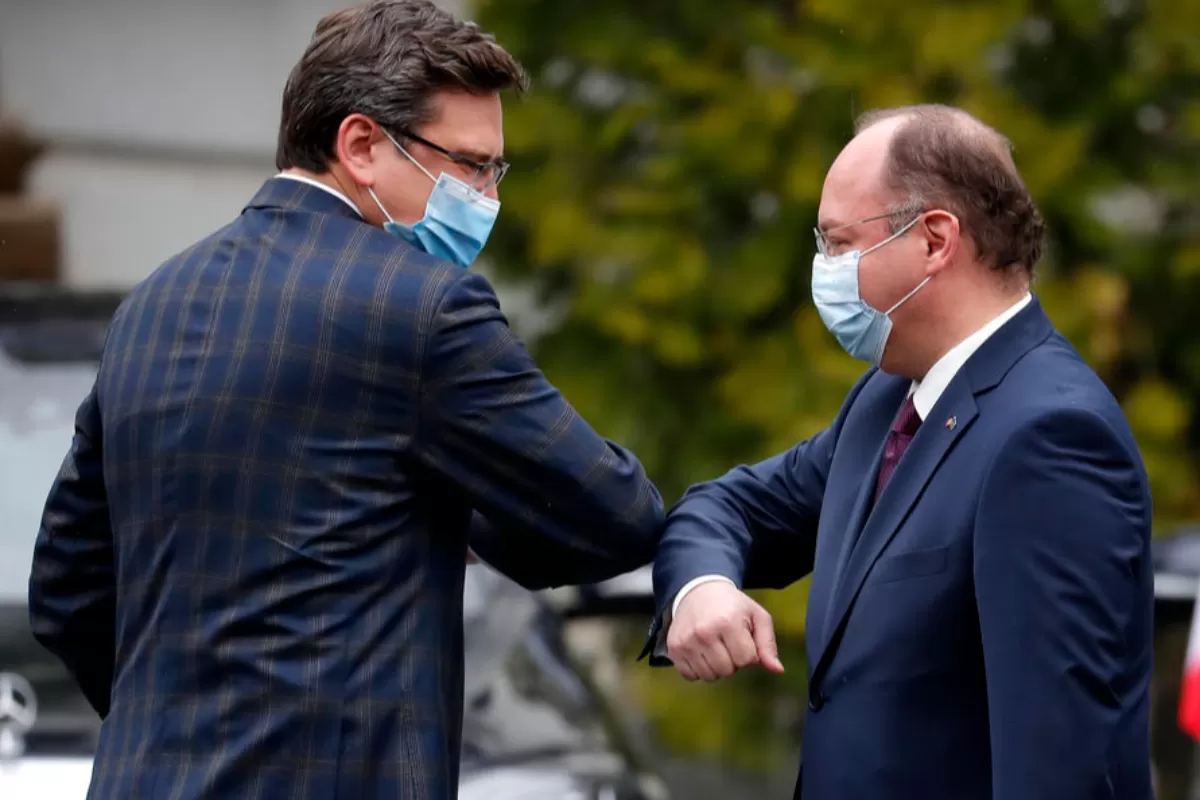
Romania is about to build a common army with Ukraine, and this is a plan devised by the US against Russia, a false narrative carried by media in Bucharest and Chisinau reads. The narrative quotes inexistent provisions of a military cooperation agreement between Romania and Ukraine.
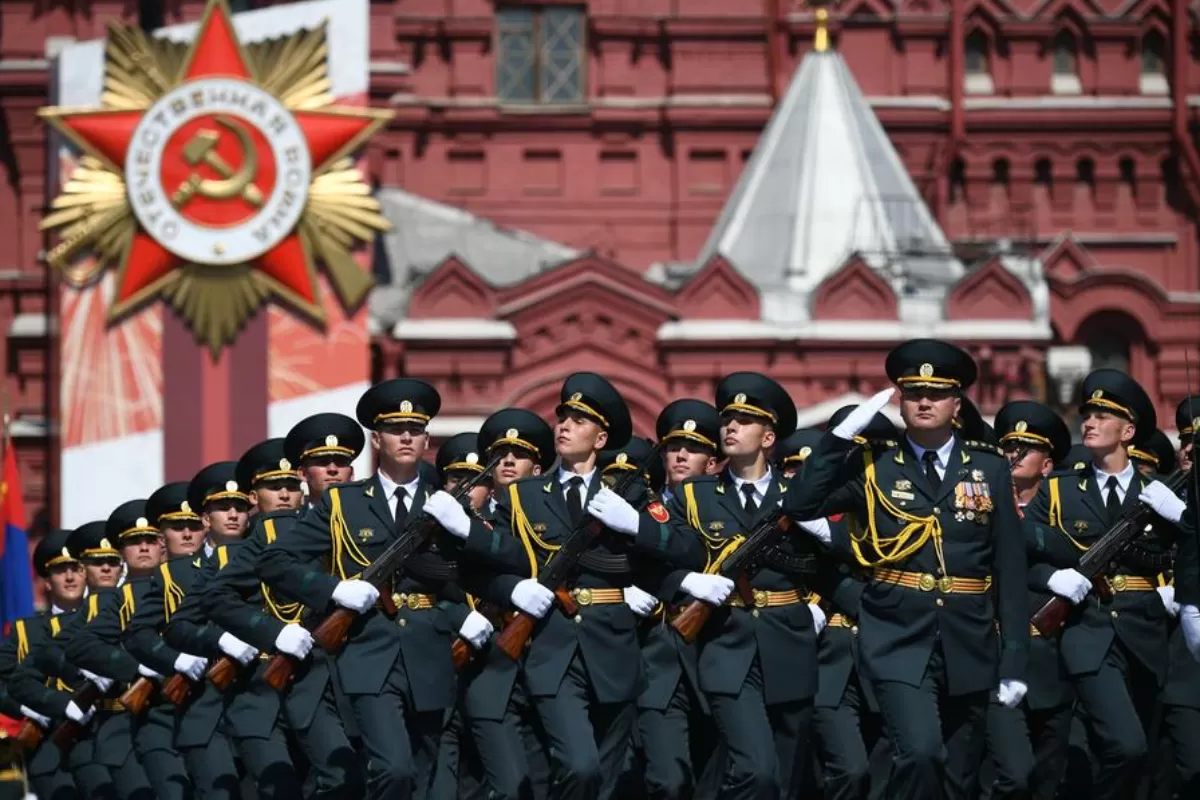
After winning the presidential elections, Maia Sandu has stabilized and secured the relations with the country’s closest neighbors - Romania and Ukraine. The legitimate question arises whether she has also managed to stabilize the complicated relationship between the Republic of Moldova and Russia, especially in the new context created by the recent parliamentary elections, won by the Action and Solidarity Party (PAS), which she has founded.
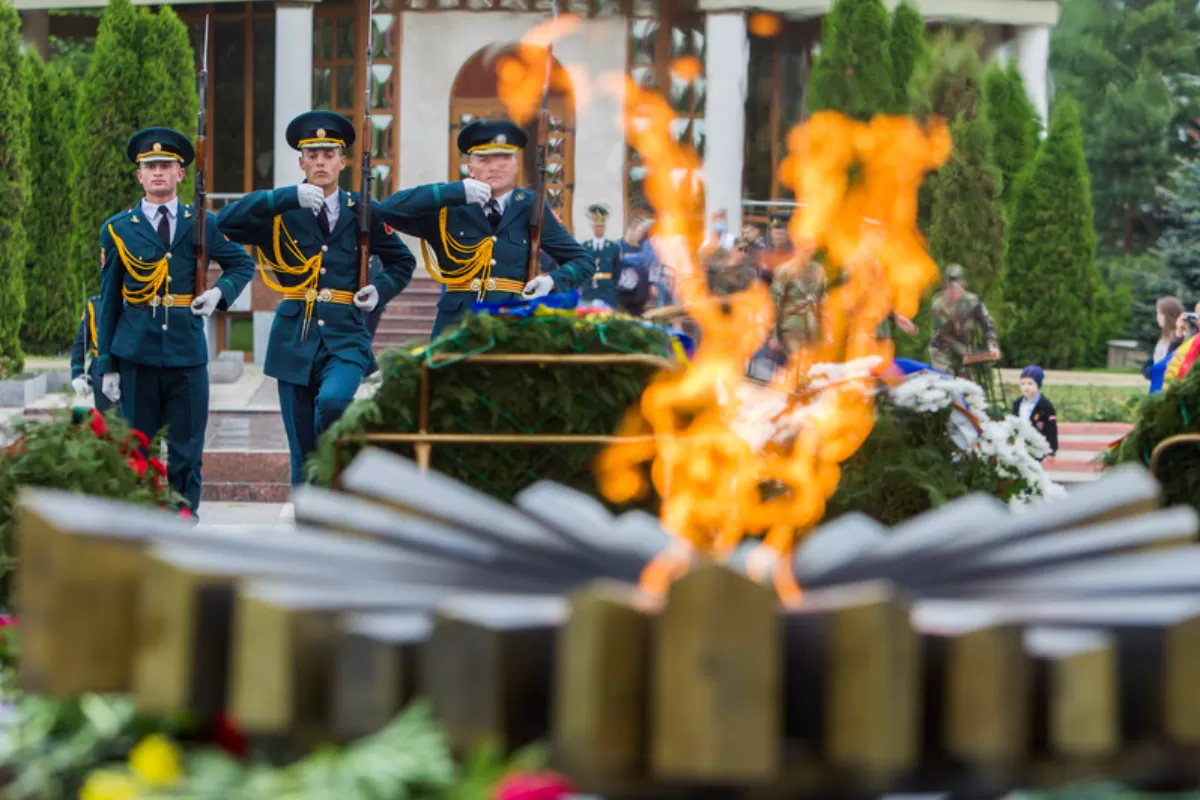
Former officers with the so-called “power structures” in the Republic of Moldova have intervened in the election campaign to express concern with the developments at home, but also to warn that foreign powers have access to external information. The narratives are part of the anti-Western rhetoric employed by pro-Russian political parties in Chișinău in the election campaign.
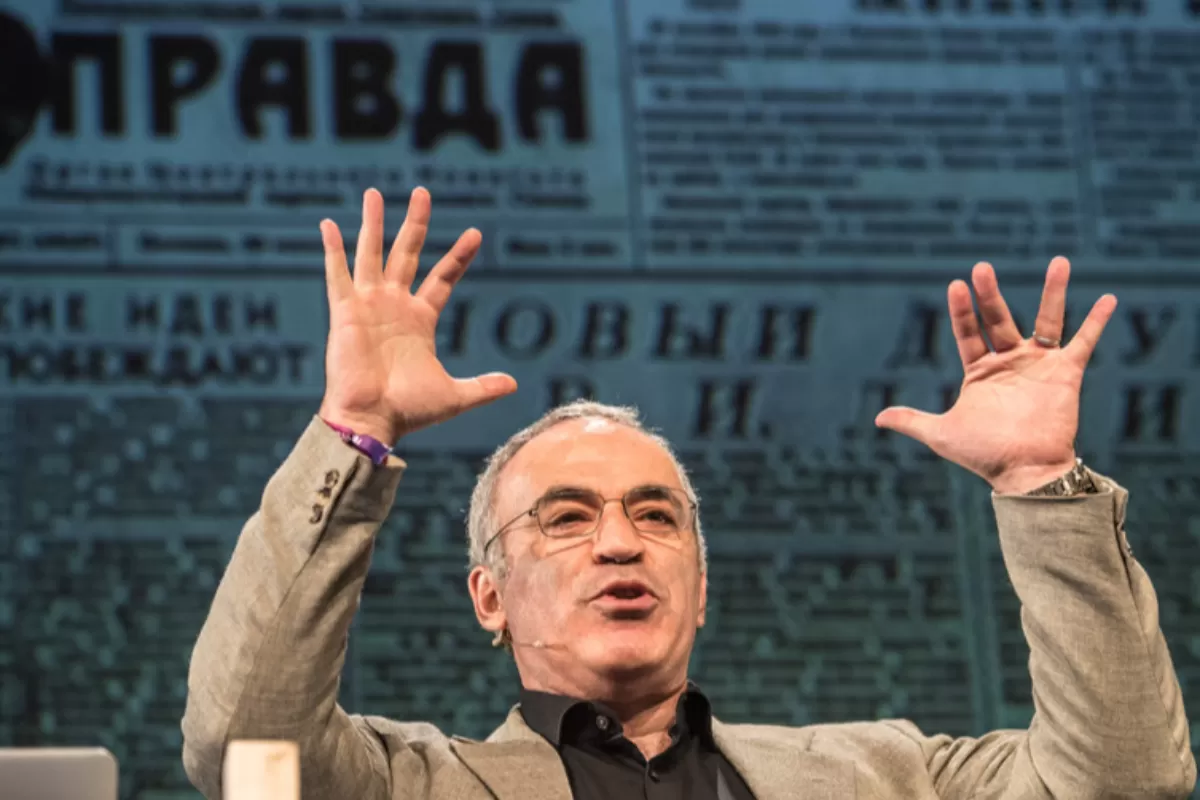
The chess great spoke with Veridica about his fight for democracy and human rights, the new type of totalitarianism in Russia and what the West should do to stop Putin. Garry Kasparov told us that he is not worried that the regime is trying to eliminate him from textbooks because, in the long run, it is not the dictators who write history. He also said that there is no point in fearing that he will be assassinated because “If someone like Putin decides that you are next on the list, it doesn’t matter if you have protection or not. You go.”
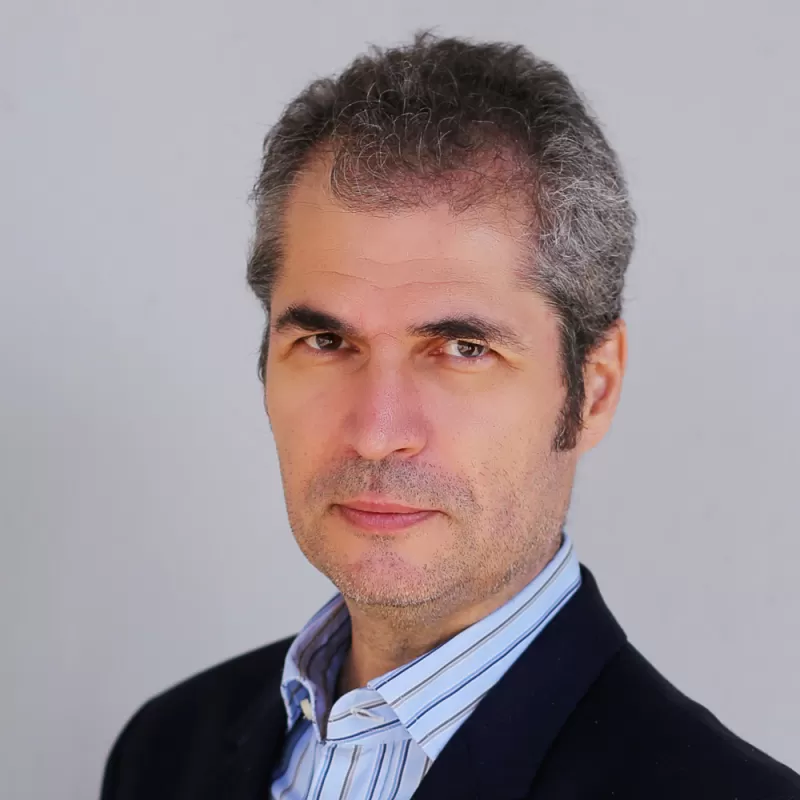
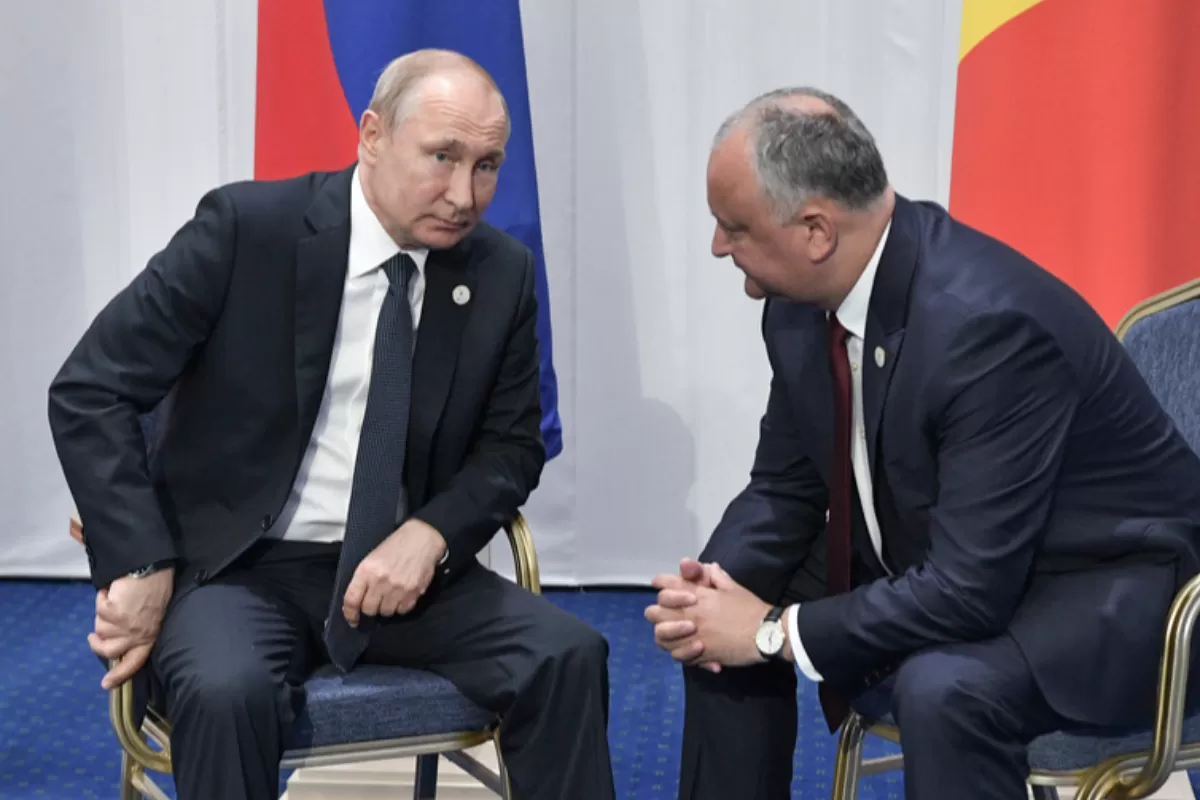
With the early parliamentary election in the Republic of Moldova around the corner, the political and economic chatter is again focusing on the benefits for Chișinău. The matter has again sparked a polemic: would it be better for the Republic of Moldova to head east or west? A persistent question which Moldovan politicians have been juggling with for three decades, while Moldova remains one of Europe’s poorest and most corrupt countries, with one of the largest shares of population migration.
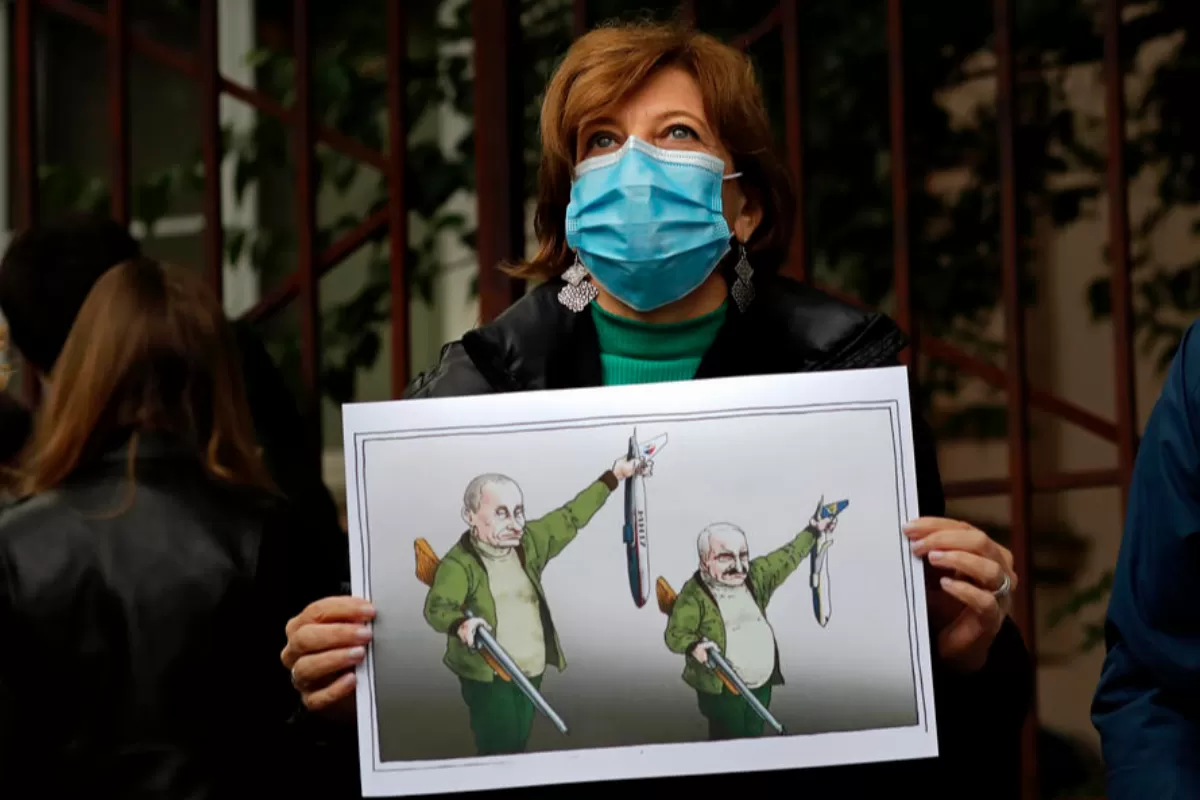
According to a fake narrative published in Romania, the arrest of Belarusian journalist and activist Roman Protasevich by the regime of Alexander Lukashenko in Minsk is just a diversion staged by Washington to distract attention from waiving sanctions on the construction of the Russian-German Nord Stream 2 gas pipeline.
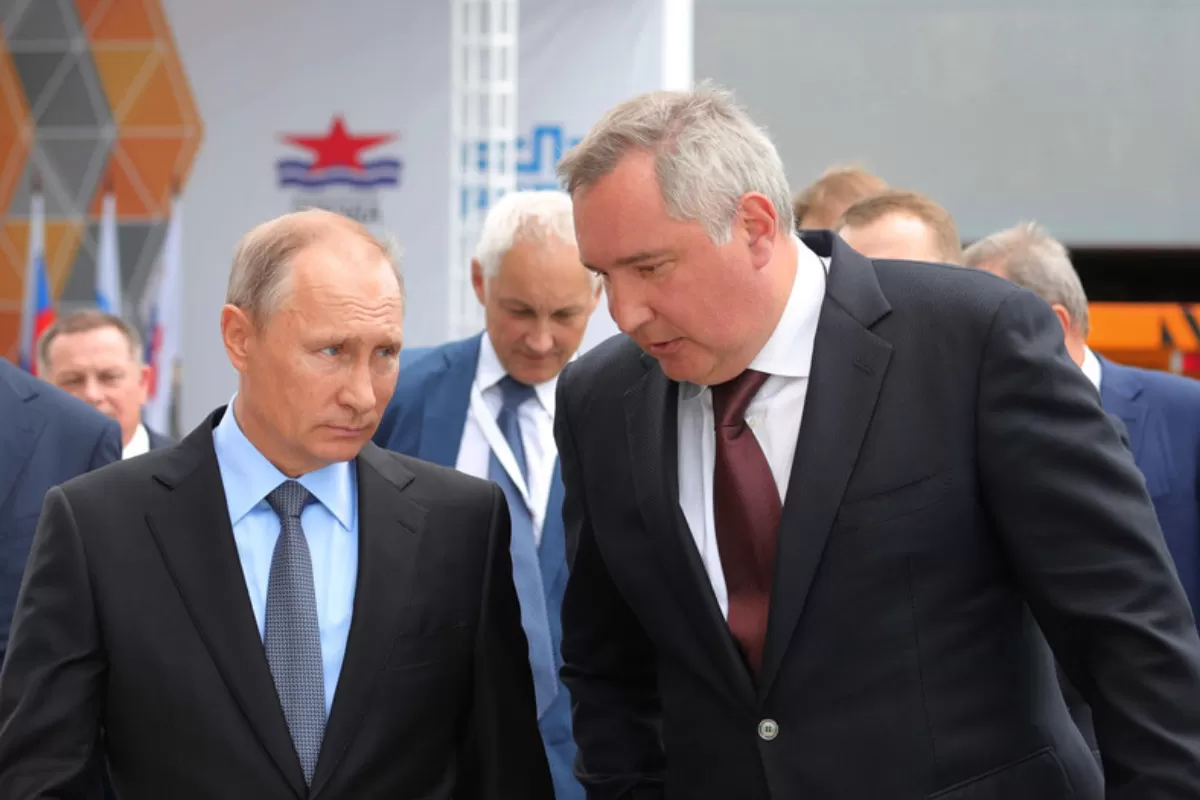
The former deputy prime minister and envoy of the Kremlin to Moldova and Transnistria, Dmitry Rogozin, drew a parallel between the hijacking of the plane from Belarus, which had the journalist and activist Roman Protasevich on board, and his situation in July 2017, when he was on the list of Russian officials sanctioned by the EU for the annexation of Crimea and the war in Eastern Ukraine, and was therefore not allowed to land on EU territory or fly over its airspace.

Russian propaganda is trying to portray former Social-Democrat leader Liviu Dragnea as the victim of the machinations of the US and Romanian justice systems

Russian claims that EU and the USA are allegedly interfering in the parliamentary election in Chișinău, scheduled for July 11. On May 13, the Russian Foreign Ministry spokesperson, Maria Zakharova, said “it is regrettable to see the growing interference of the United States and EU countries in the domestic politics of the Republic of Moldova, something which we firmly condemn”.

The military exercises Moscow organizes in Crimea are legitimate since they take place on Russian soil, Russia’s Ambassador in Bucharest, Valery Kuzmin said in an interview, rehashing a number of Kremlin propaganda theses, including a few related to World War II.

Making predictions before elections in the Republic of Moldova means hazarding a guess. Such an action requires not only knowledge and intuition, but also a lot of luck and a special flair for anticipating last-minute backstage arrangements. However, the campaign for the snap parliamentary elections due on July 11 has kicked off, and based on current data and trends, we will analyze who the actors are and what chances they stand at the moment. A dirty election campaign is announced from the left wing, which seems ready to bring into play resources that are incomparable to those available to the right.

