
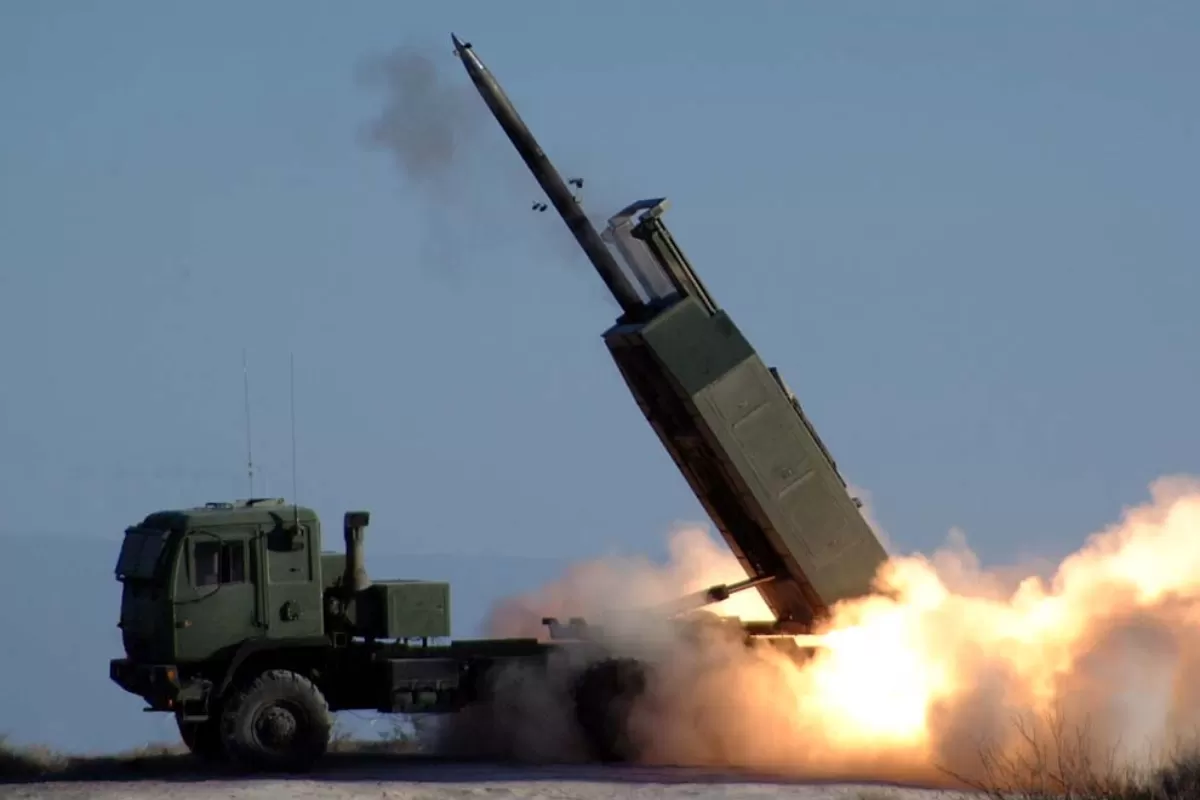
Romania purchasing High Mobility Artillery Rocket Systems (HIMARS) is presented by the Kremlin’s channel Sputnik as a move by means of which the US is trying to bring into the region equipment that will be used in a future attack on Russia.
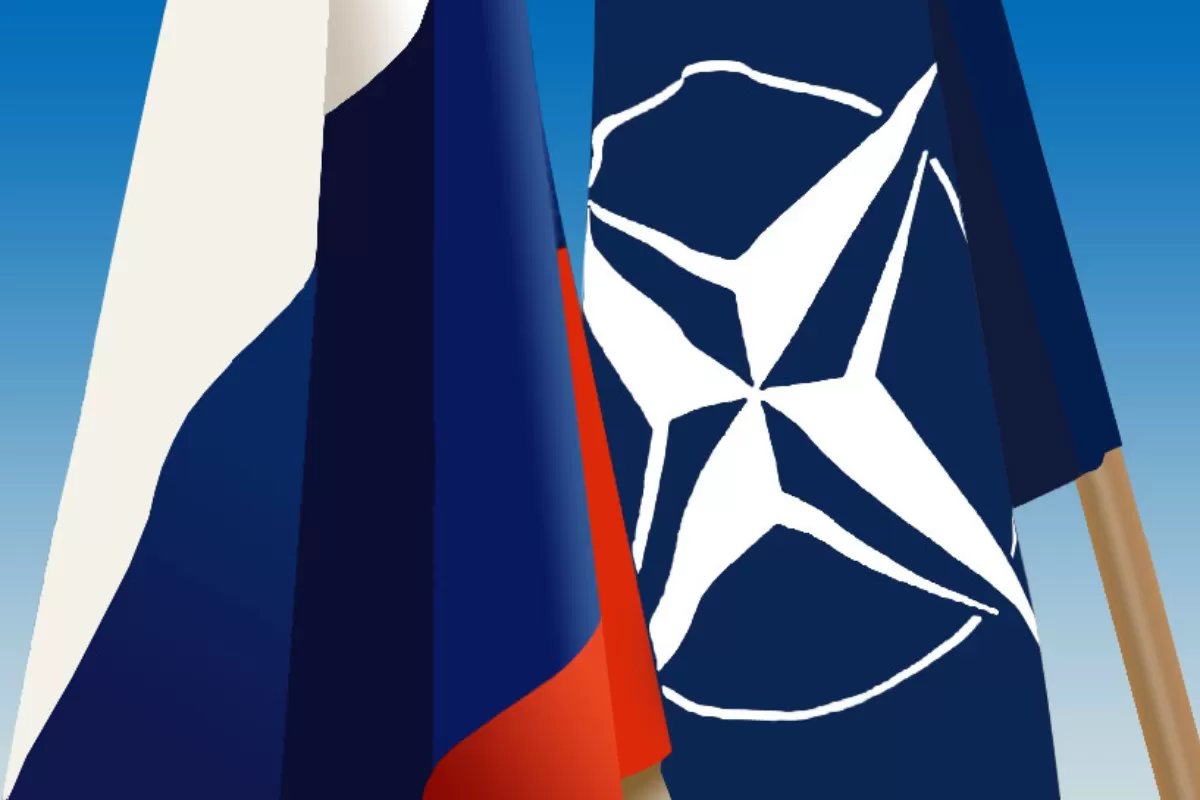
The North-Atlantic Treaty Alliance needs “the Russian threat” to keep going, as this is its only reason of existence. This fake narrative has been promoted by Sputnik, Russia’s public mouthpiece, quoting the statements of a Russian senator.
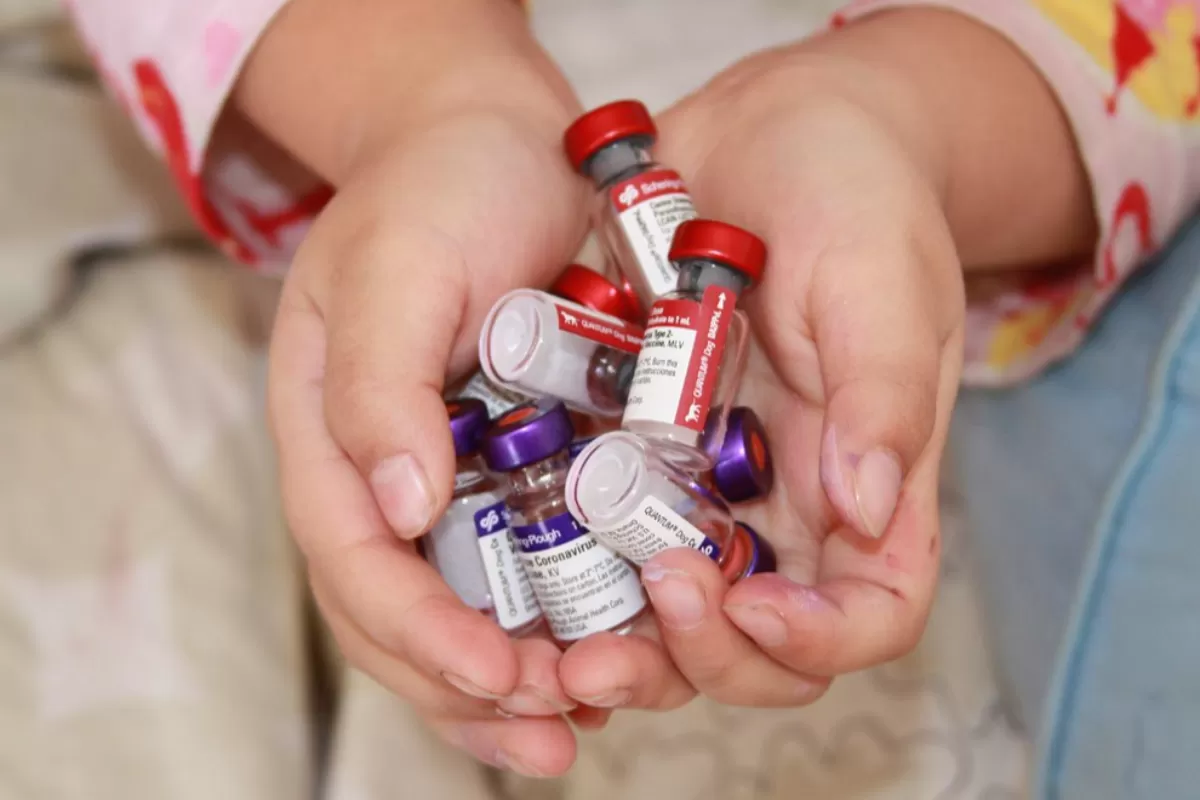
Eversince the pandemic started in early 2020, Russia saw a window of opportunity to gain tactical advantages. While the West was overwhelmed by the medical crisis and was attempting to stop the spread of the Virus, Moscow was using official and informal channels to undermine its credibility.
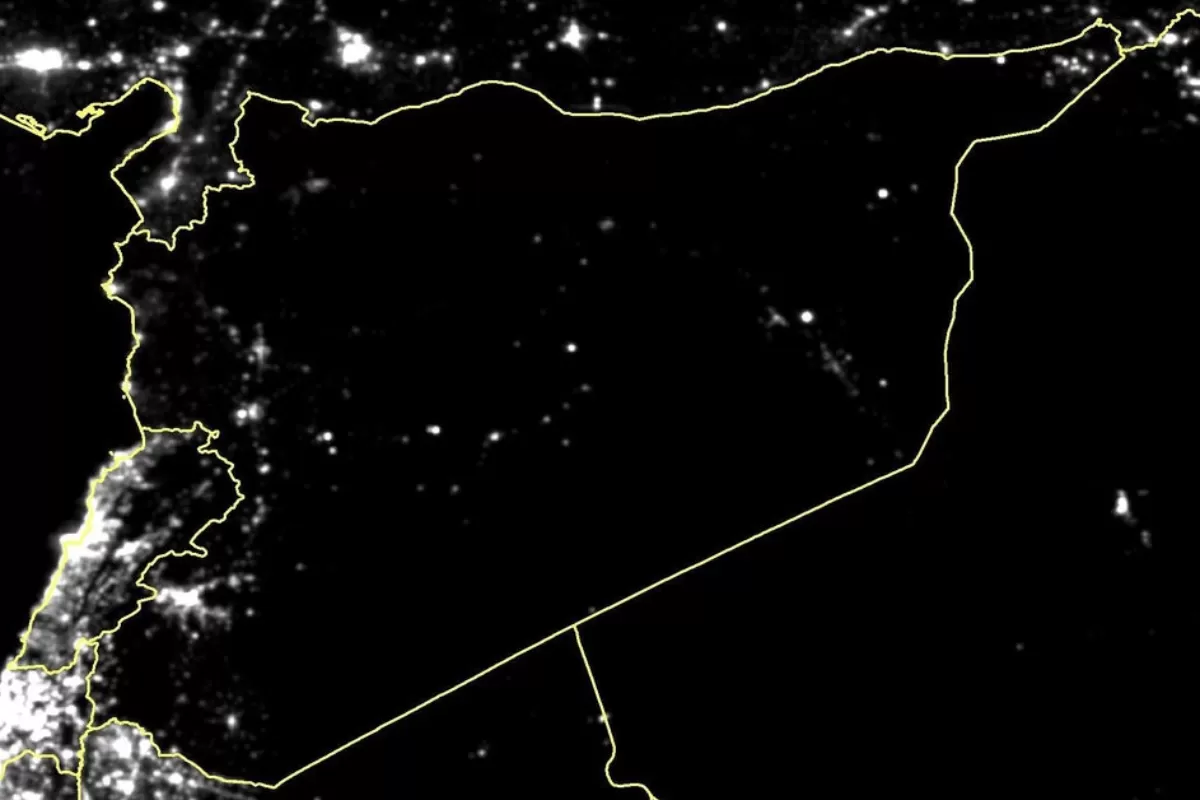
February 25 marked the first military operation ordered by president Joe Biden. US forces bombed targets in Syria used by Iran-led militias. The airstrike has brought back in the limelight a nearly forgotten war, recalling the complexity of this conflict with regional ramifications.
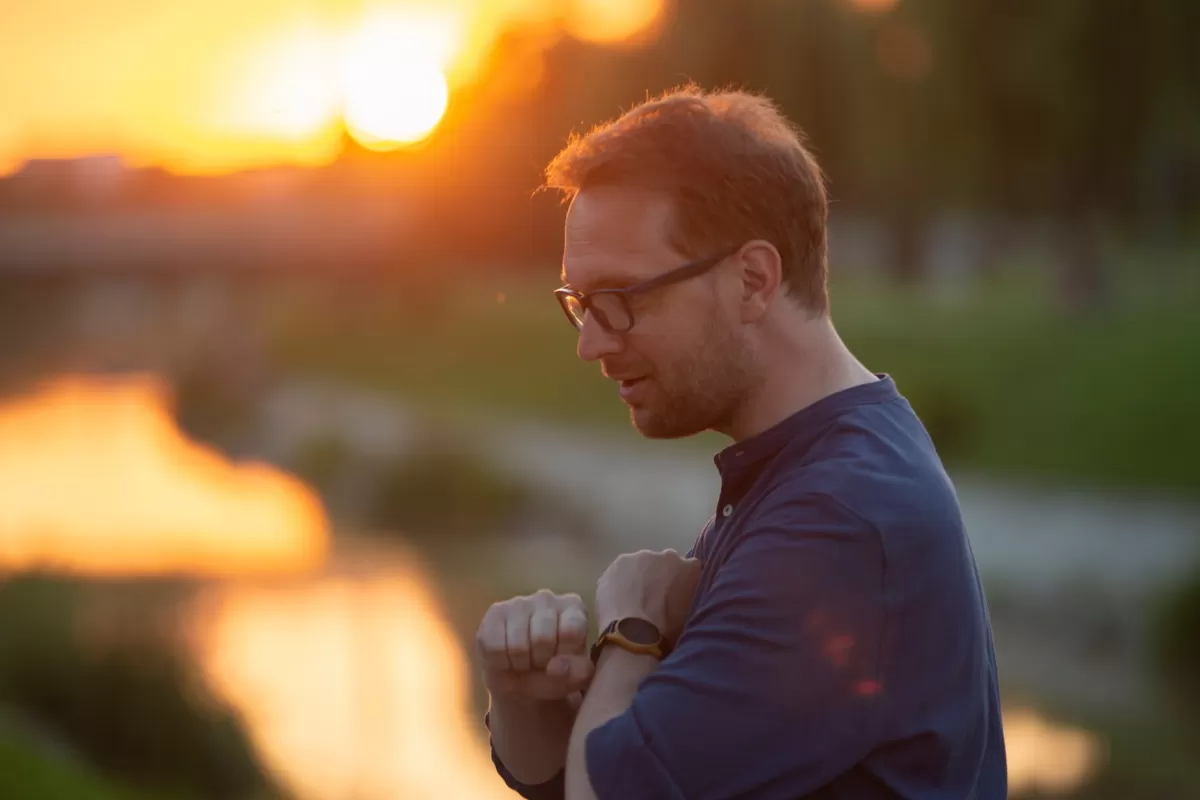
Timișoara’s mayor, Dominic Fritz, is working for German intelligence, according to a so-called investigation distributed by Sputnik. The story bears all the hallmarks of fake news promoting the Russian narrative (which is similar to that of the Romanian national Communism) of the West as a hostile force.
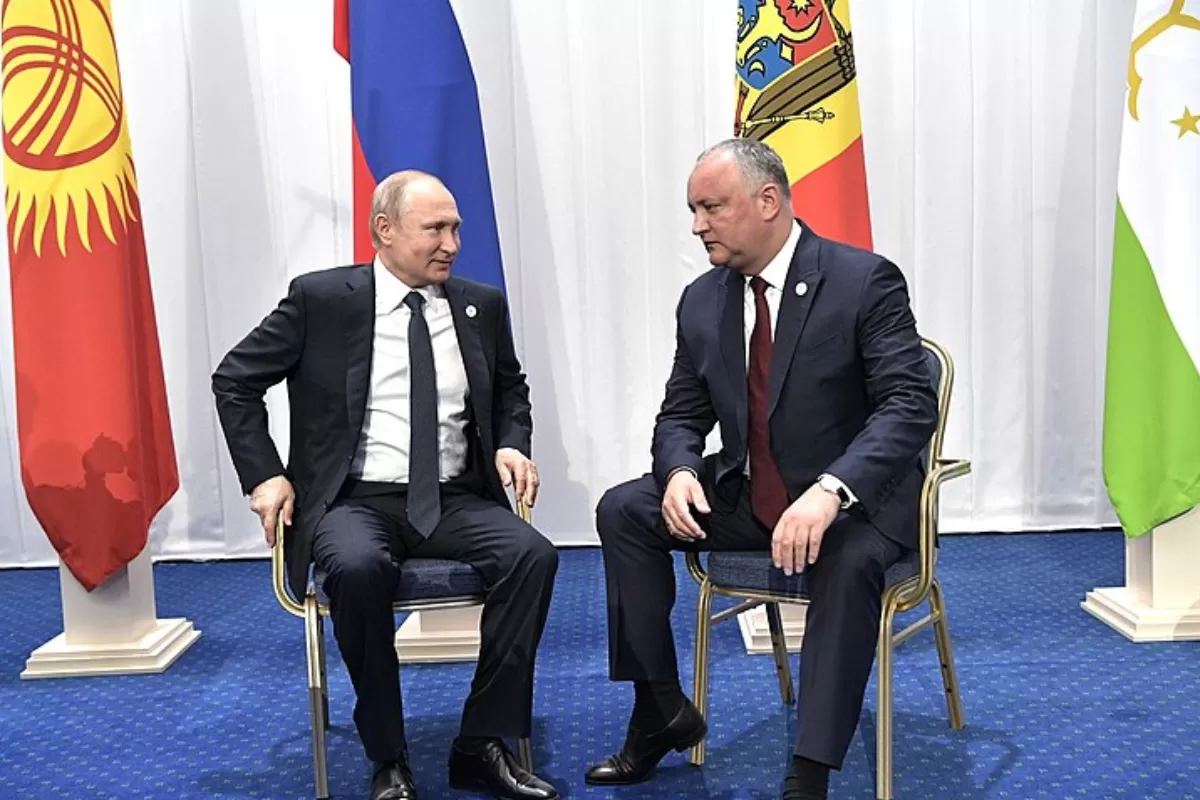
The political stage in Chișinău is once again in crisis. The incompatibility between the pro-European president Maia Sandu and her governing opponents, from the camp of the corrupt pro-Russia “establishment” in Chișinău, has led to new confrontations and situations hard to anticipate.

Sputnik writes that the United States would validate the idea that Transylvania doesn’t belong to Romania, because the embassy didn’t delete a certain commentary posted by a Romanian on Facebook. In fact, Sputnik is trying to link the status of Crimea, occupied and annexed by Russia, to that of Transylvania.

As a Dutch Court is handling the case of the civilian airline passenger Boeing MH17, which was shot down over Ukraine in 2014, the narratives concerning the incident are resurfacing. This time it is claimed that the aircraft was mistaken for the Russian President’s plane. The Russian media is also highlighting a turn of events that may be soon witnessed as the reports filed by a Russian company were admitted.


The EU and Ukraine reconfirmed their readiness to continue cooperation under the Association Agreement, which was an opportunity for a new disinformation campaign launched by the Russian press against Ukraine and the EU. "A catastrophe that’s been lasting for five years now, in every sphere of life", "a wrong foreign policy choice made by Ukraine" – are some of the reactions in the Russian press. Elements of typical narratives are present, such as: "fake state", "coup d'etat", "Russophobia", "poverty", etc.


The Libyans who took to the streets on February 17, 2011 had been called to a "day of rage." A little later, the revolt against Muammar Gaddafi - who at the time was the longest-lived but also the most eccentric tyrant in the Arab world - would be called the "February 17 Revolution." In retrospect, that is the time when the Arab Spring turned into the great war for the Arab world.

What makes Serbia interesting to anaylze when it comes to Russia's influence is the already formed pro-Russian public opinion. Therefore, the question arises whether Russia in Serbia has a need to invest in strengthening its influence when public opinion is already in its favor. It is enough to look at the cover pages of the Serbian daily press where you can often see Vladimir Putin, as well as the media reporting on Russia so you can get the impression that the pro-Russian narrative is possibly created by Serbian journalists and editors. It means that pro-Russian narrative is not sponsored or created by Kremlin.


Sergei Lavrov claims that European and American sanctions had no ground or effect, and the deterioration of the Brussels-Moscow relations occurred as a result of the EU's direct support for the coup in Ukraine. In fact, Ukraine, the EU and the US have criticized Russia for its proven support for the Donbass mercenaries and denounced the illegal, internationally unrecognized and unprecedented in post-War Europe annexation of Crimea.

American tanks couldn’t invade Russia and would be facing the same difficulties German armored divisions did during the Second World War. This fake news underscores narratives about the attack plans of NATO and the USA, while also referring to metanarratives linked to the Second World War.
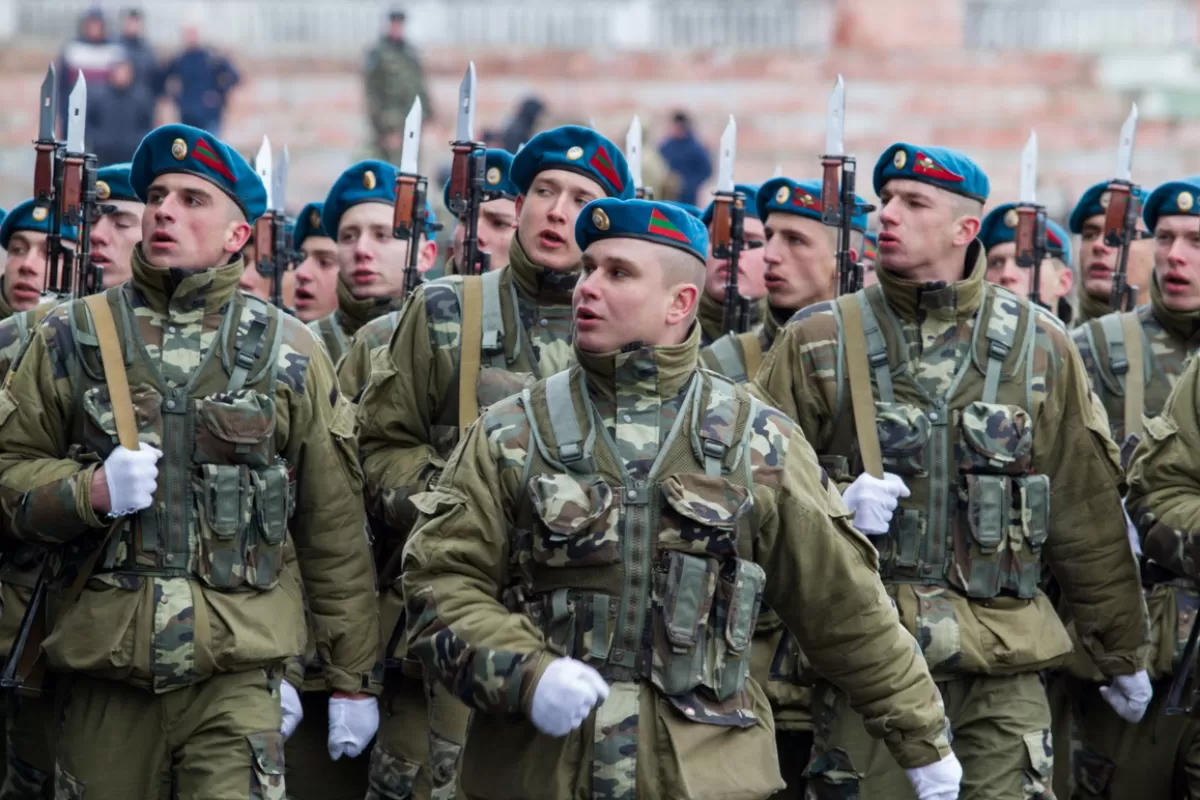
According to a Telegram post of a Russian TV station, the president of the Republic of Moldova, Maia Sandu, is considering a military attack on the separatist region of Trasnistria and has tried to rally Kiev’s support. The story has prompted a true media frenzy in Chișinău and Moscow, having been redistributed by a large number of media outlets. Chișinău authorities have dismissed this scenario, which they say carries little weight.

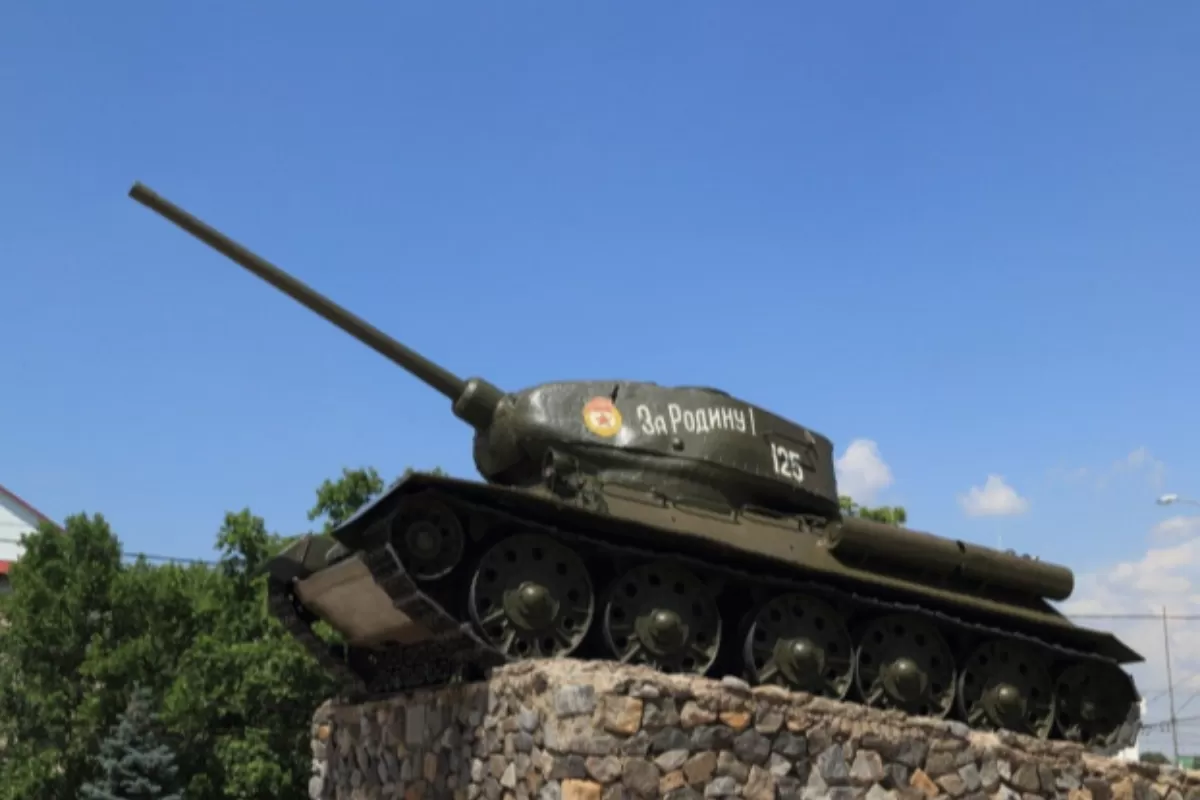
The EU has extended an economic lifeline to Transnistria, the underlying idea being that this would help avoid conflict in that region. Russia is no longer Transnistria's main economic partner, but still has considerable levarage in the region.

During the visit to Moscow of the EU’s foreign policy chief, Josep Borrell, a visit marked by quite a few controversial moments, Russia announced the expulsion of three EU diplomats in an act of public shaming that has infuriated many people.

Conservative circles in the United States are writing that the new Democratic President of the United States, Joe Biden, has allegedly signed an executive order that will promote homosexuality as a central element of US foreign policy and, moreover, "blacklists" will be drawn up of world religious leaders who oppose the LGBT phenomenon. It would also target American ultra-conservative organizations that have links with Romania.
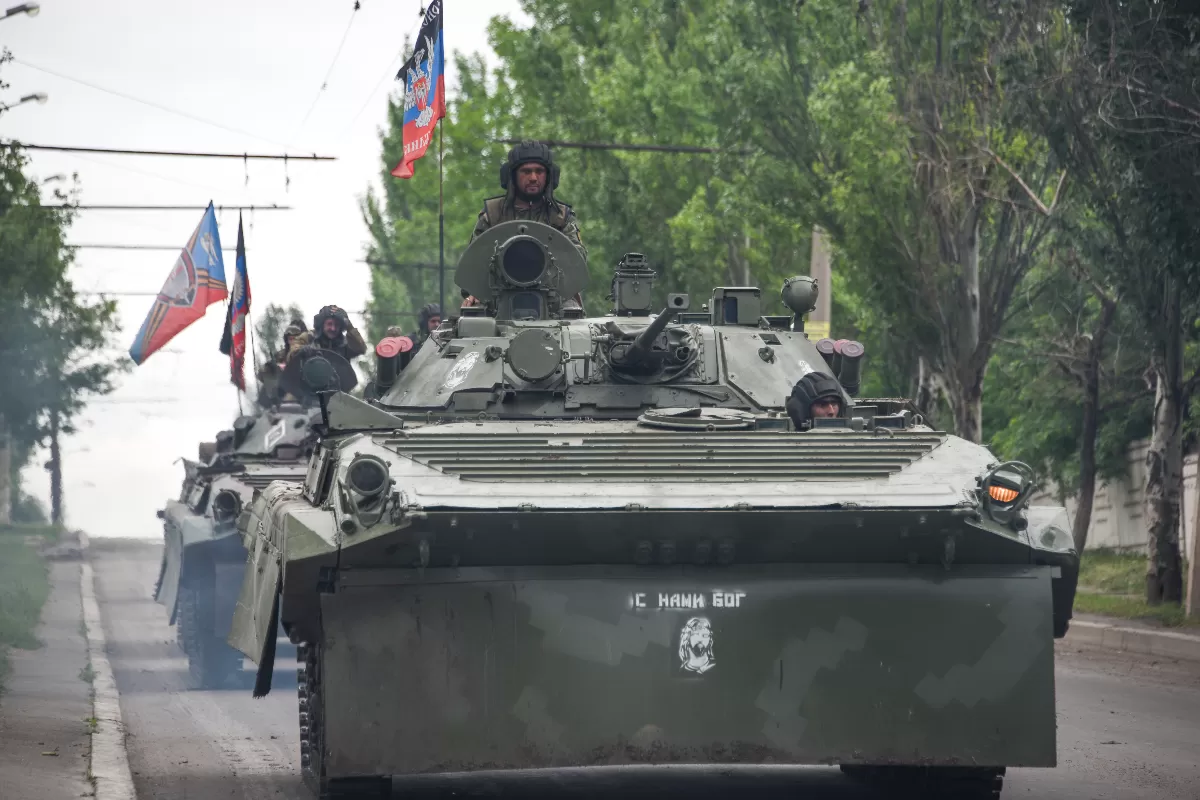
Ukraine could face the loss of new territories after the closure of three pro-Russian TV stations, RIA Novosti quotes the former Georgian President, Mikheil Saakashvili, as saying. The news is fake: Saakashvili never referred to the loss of territories, but merely said Russia could use the ban on the TV stations as a pretext for new acts of aggression.

Transnistria a reprezentat în ultimele trei decenii una dintre cele mai mari enigme din Europa de Est și continuă să fie un studiu de caz aparte, fiind unul dintre primele conflicte înghețate din spațiul ex-sovietic și apoi un model pentru cele ce au urmat în jurul bazinului Mării Negre.
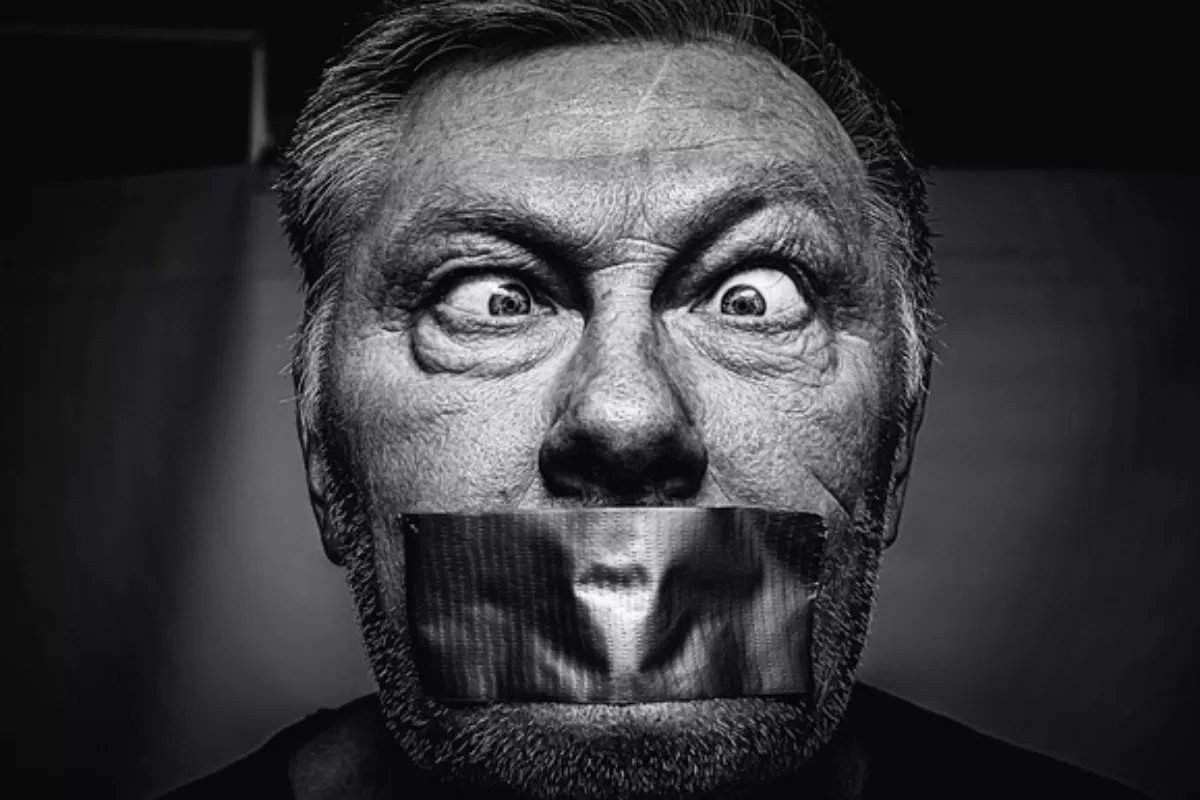
The President of the Republic of Moldova, Maia Sandu, only mimics her attachement to democratic and European values and if she could, she would establish an authoritarian regime in which freedom of expression would be limited. This fake narrative, originating from the Socialist circles, was also used during the elections campaign.

Authorities in Kiev have banned an edition of Mikhail Bulgakov’s “The Master and Margarita”, but online media in Russia treated the information as a total ban on this literary work.

On January 26, Joe Biden spoke for the first time with Vladimir Putin as President of the United States. The two had known each other for years, but their conversation does not seem to have been a discussion between two friends meeting again, or an exchange of pleasantries between the heads of two states who want to make a first contact and test the waters.

Ukraine punishes the Crimean people for choosing to join Russia, blocking the North Crimean Canal. Kiev says that the existing water resources in Crimea are sufficient for the needs of the population, and the purpose of the North Crimean Canal, is to carry water to industrial facilities.

Perdant în recentele alegeri prezidențiale din această toamnă, Igor Dodon încă se agață de putere în interiorul Partidului Socialiștilor din Moldova (PSRM), dar și în fața susținătorilor săi externi de la Kremlin.

The more hybrid our reality gets, the more hybrid warfare becomes. The statement is Russia’s latest informal creed, underlying a disproportionate war waged abroad. For that, the country has been using a “no man’s army”, and its best-known avatar is the Wagner Group.

NATO has an aggressive stance towards Russia and is training to invade the region of Kaliningrad. However, the real goal of the Alliance is to make money for the big American defense corporations, claims the Kremlin’s propaganda arm, Sputnik.

Socialists and supporting media in the Republic of Moldova have snapped after a Moldovan Constitutional Court ruling threw out a law granting special status to the Russian language. They’re describing the ruling as an attack on the Russian minority, the idea circulated being that the country’s newly elected president, Maia Sandu, is held responsible for this attack, thus going back on the promises made in the election campaign.

The Ukrainian army has far-right Russophobic extremists who worship the controversial World War II leader Stepan Bandera. The idea appears in recent news, but it is one of the main narratives used by the Russian propaganda ever since the beginning of the Euromaidan.

George Soros is behind the 30-year-old assault on ex-Soviet space. Soros’s network orchestrated the color revolutions in the mid-2000s, and more recently has taken control of Moldova and Armenia, seeking to capture other states as well in order to besiege Russia.

In late 2020 and early 2021, some news agencies have published a story according to which Ukraine’s potato supplies have run out, and in order to feed its own army Kiev is buying potatoes and potato mash from Russia. The news has deeply confused public opinion. On the one hand, Kiev made it very clear it opposes Russian aggression in Donbass (the Ukrainian Parliament has recognized Russia as an aggressor state), while on the other hand this fake news released by the press portrays Ukraine as incapable of providing the most basic necessities (food!) to its own army.
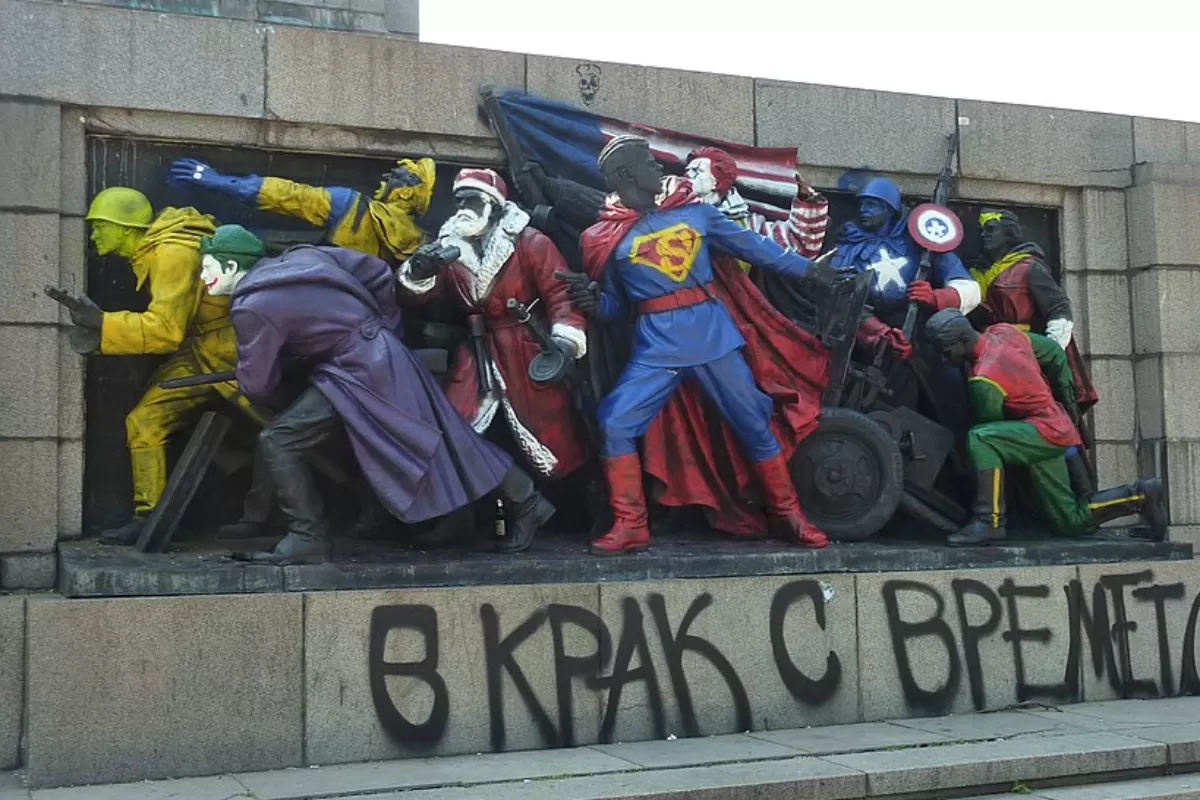
Once Moscow’s most reliable satellite in Eastern Europe, Bulgaria expelled six Russian diplomats for spying since October 2019. Is Sofia trying to step out of Moscow’s shadow, or merely creating a smoke screen for affairs on a different level?

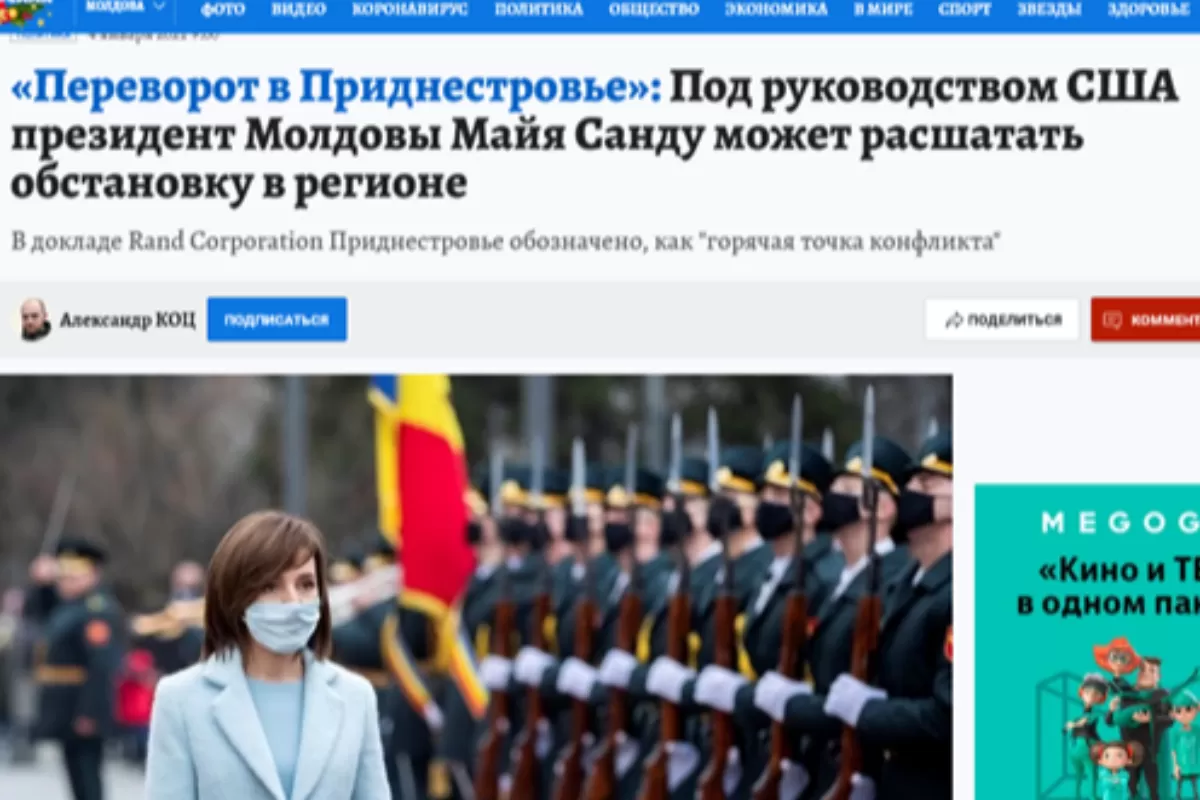
The president of the Republic of Moldova, Maia Sandu, is the target of attacks launched by the Kremlin regarding the escalation of the conflict in Transnistria. After she reiterated Chisinau’s stand on the withdrawal of the Russian troops illegally stationed in the Republic of Moldova since the Dniester War of 1992, high-ranking officials in Moscow have accused her of destabilizing the situation in the region. The article also resumes the narrative according to which Maia Sandu was brought to power by the West.